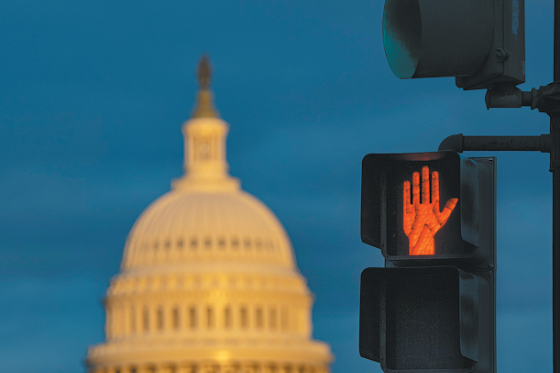
The ongoing US federal government shutdown, now in its third week, is projected to cost the economy up to $15 billion per week in lost output, according to a Treasury official. This clarification came after Treasury Secretary Scott Bessent initially overstated the impact, suggesting a daily loss of $15 billion. Bessent later corrected his statement, emphasizing the significant economic strain caused by the shutdown. The revised estimate is based on a report by the White House Council of Economic Advisers. Bessent warned that the shutdown is beginning to ‘cut into the muscle’ of the US economy, despite the sustained investment boom in sectors like artificial intelligence (AI). He attributed the economic momentum to President Donald Trump’s policies, including tax incentives and tariffs, which he compared to transformative periods in US history, such as the railroad expansion in the late 1800s and the internet boom of the 1990s. However, the shutdown has created a major obstacle to continued growth. The political deadlock in Congress over spending has intensified, with Trump threatening mass layoffs of federal workers. On Wednesday, a federal judge in California issued a temporary restraining order to halt the planned layoffs of 10,000 workers, following a lawsuit by labor unions. The judge ruled that the layoffs were ‘not ordinary’ and potentially illegal, especially as many employees were unaware of their termination due to inaccessible government email accounts during the shutdown.
标签: North America
北美洲
-

Too many eggs in one basket: Colombia and Brazil get trade lesson
Recent US-imposed tariffs are significantly altering trade dynamics in Latin America, particularly affecting Colombia and Brazil. These tariffs have led to a sharp decline in exports to the US, prompting both nations to seek diversification in their trade partnerships, particularly with China and the European Union. In August, Colombia’s exports to the US plummeted by 13.7%, the steepest drop this year, coinciding with the implementation of a 10% tariff on Colombian imports. This downturn underscores the fragility of Colombia’s export recovery and its heavy reliance on the US market. Jose Manuel Restrepo, Colombia’s former finance minister, highlighted the vulnerability of small- and medium-sized enterprises (SMEs) in sectors like apparel, processed foods, plastics, and metals, which are most affected by these tariffs. Restrepo emphasized the need for Colombia to diversify its export markets and integrate more deeply with Latin American value chains and the Asia-Pacific region. Similarly, Brazil has experienced a consecutive decline in exports to the US, with a 20.3% drop in September. Jorge Arbache, former chief economist in Brazil’s Ministry of Planning, noted the potential for damaging factory relocations from Brazil to the US due to these tariffs. Both countries are now focusing on strengthening ties with other trading partners and enhancing their industrial diplomacy to mitigate the impact of US protectionist policies.
-
President approves CIA action in Venezuela
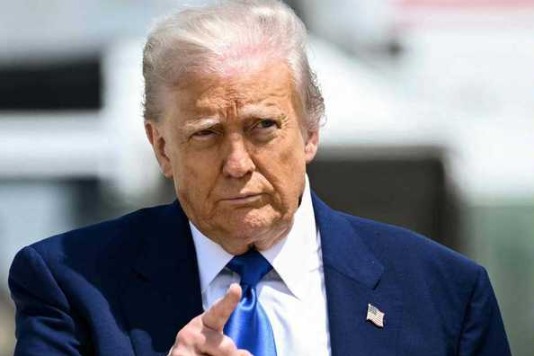
In a significant escalation of tensions between the United States and Venezuela, President Donald Trump announced on Wednesday that he has authorized the Central Intelligence Agency (CIA) to conduct covert operations in Venezuela. The decision, which has drawn sharp criticism from Venezuelan President Nicolas Maduro, marks a new chapter in the fraught relationship between the two nations. Speaking at the White House, Trump accused Venezuela of releasing prisoners and mental patients to cross into the United States illegally, as well as facilitating large-scale drug smuggling operations. However, he provided no concrete evidence to support these claims. When questioned about whether the CIA had been authorized to target Maduro, Trump evaded a direct response, stating only that ‘Venezuela is feeling the heat.’ He also hinted at potential land-based military strikes, emphasizing that the U.S. already has ‘the sea very well under control.’ Maduro swiftly condemned the move, labeling it a ‘CIA-orchestrated coup d’etat.’ According to The New York Times, the new authorization permits the CIA to carry out lethal missions in Venezuela and the Caribbean, while coordinating with broader U.S. military operations in the region. The Trump administration has reportedly made it clear, albeit privately, that the ultimate objective is to remove Maduro from power. Currently, approximately 10,000 U.S. troops, eight warships, and one submarine are deployed in the Caribbean, primarily based in Puerto Rico. Since September, the U.S. has conducted five strikes targeting alleged drug-trafficking boats near Venezuela, resulting in 27 fatalities. Earlier this month, the White House informed Congress that the U.S. is engaged in a ‘non-international armed conflict’ with drug cartels designated as terrorist groups, though it did not specify which organizations. A 2020 report from the U.S. Drug Enforcement Administration indicated that while some cocaine passes through Venezuela, the country is not a primary source of U.S.-bound drugs. Maduro has repeatedly denounced Washington’s actions, accusing the U.S. of seeking to seize Venezuela’s oil resources. Historically, the CIA has been involved in numerous coups and covert operations across Latin America. Venezuela’s government has condemned Trump’s remarks as a violation of international law and plans to raise the issue with the United Nations Security Council and Secretary-General, demanding accountability from the U.S. government.
-
Trump says Modi pledges to stop buying Russian oil
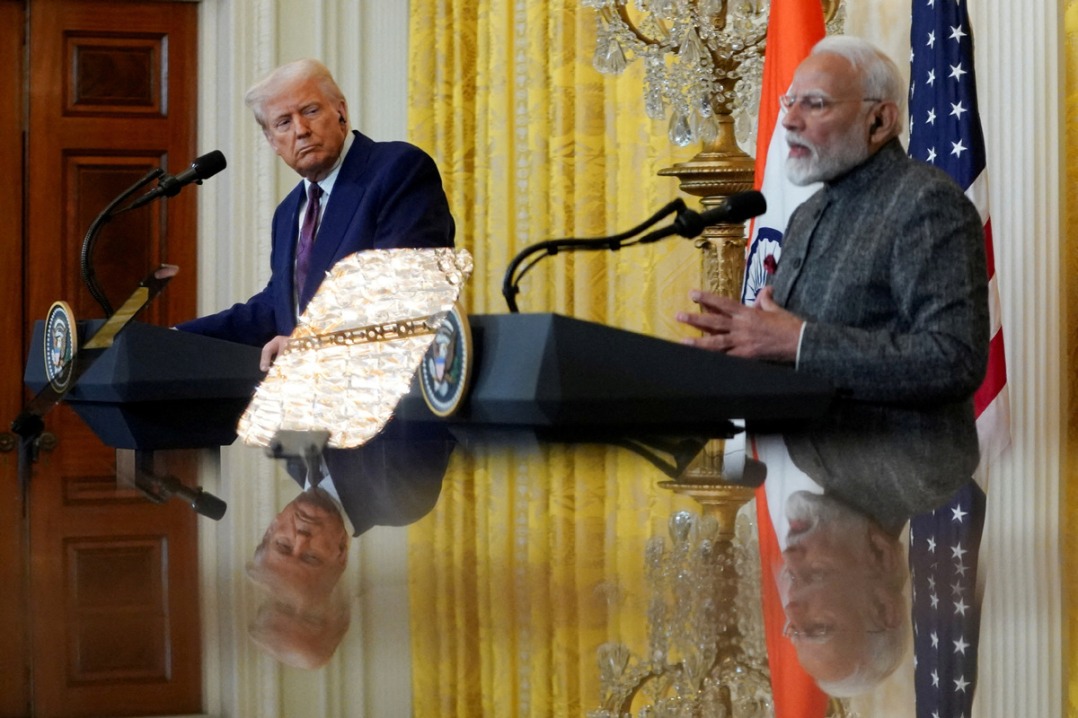
In a significant diplomatic development, US President Donald Trump revealed that Indian Prime Minister Narendra Modi has pledged to cease purchasing oil from Russia. This announcement comes as the US intensifies its efforts to curb Moscow’s energy revenues and pressure Russia into negotiating a peace deal in Ukraine. Trump, who has recently imposed tariffs on Indian exports to discourage its Russian oil imports, shared the news during a White House event, stating, ‘I was not happy that India was buying oil, and he (Modi) assured me today that they will not be buying oil from Russia.’ The Indian embassy in Washington has yet to confirm Modi’s commitment, while India’s foreign ministry emphasized its focus on safeguarding consumer interests in a volatile energy market. India, which sources one-third of its oil imports from Russia, has expressed willingness to increase purchases of US oil and gas if prices are competitive. Meanwhile, Kremlin spokesman Dmitry Peskov defended Russia’s ability to supply affordable, high-quality oil, warning that restricting trade would violate free market principles.
-
Trump says to meet Putin in Hungary
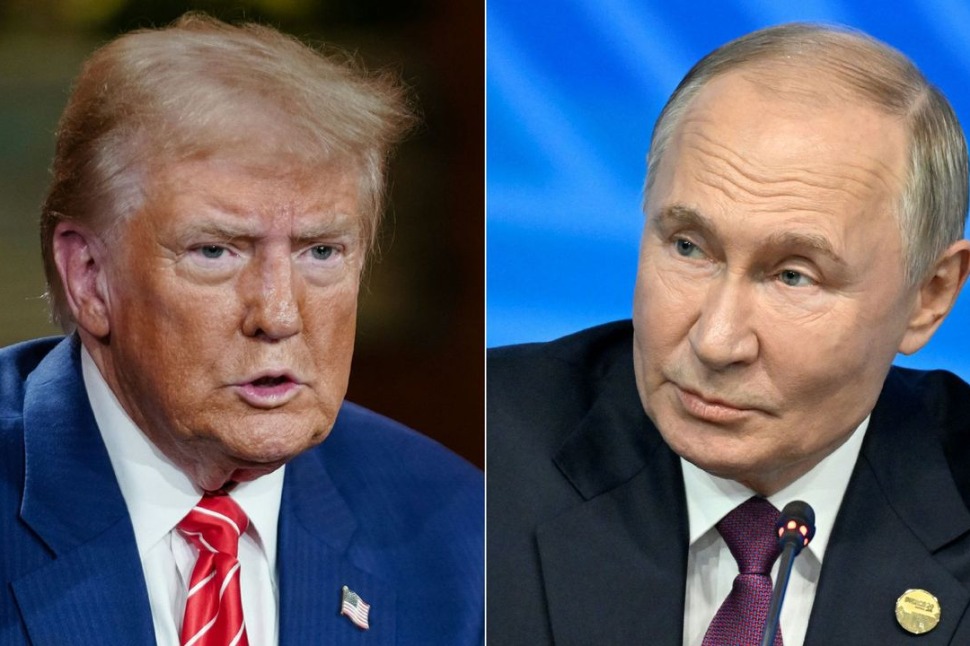
In a significant diplomatic move, former U.S. President Donald Trump announced plans to meet Russian President Vladimir Putin in Budapest, Hungary, to discuss potential resolutions to the ongoing Russia-Ukraine conflict. The announcement followed a ‘productive’ phone conversation between the two leaders, as Trump shared on his Truth Social platform. During the call, the leaders reportedly discussed not only the conflict but also future trade relations between the U.S. and Russia once the war concludes. Trump expressed optimism about the progress made during the conversation, stating, ‘I believe great progress was made with today’s telephone conversation.’
As a precursor to the meeting, high-level advisors from both nations are set to convene next week, with U.S. Secretary of State Marco Rubio leading the American delegation. The location for this preparatory meeting remains undetermined. Trump emphasized the goal of the Budapest summit, saying, ‘President Putin and I will then meet in an agreed upon location, Budapest, Hungary, to see if we can bring this ‘inglorious’ War, between Russia and Ukraine, to an end.’
The phone call occurred just ahead of Ukrainian President Volodymyr Zelensky’s scheduled visit to the White House, adding urgency to the diplomatic efforts. This meeting marks another attempt at dialogue between Trump and Putin, following their inconclusive talks in Alaska in August. In late September, Trump had expressed confidence in Ukraine’s ability to reclaim its territory with support from the European Union and NATO, stating that Ukraine ‘is in a position to fight and WIN all of Ukraine back in its original form.’
The upcoming Budapest meeting underscores the complex geopolitical dynamics at play, as global leaders seek to navigate the protracted conflict and its far-reaching implications.
-

Former boxing world champion Ricky Hatton found hanged at home
The boxing world is in mourning following the tragic death of former world champion Ricky Hatton, who was found hanged at his home in Greater Manchester. The 46-year-old, affectionately known as the ‘Hitman,’ was discovered unresponsive on September 14 by his manager, Paul Speak. An inquest into his death was opened at Manchester South Coroner’s Court, where the provisional cause of death was confirmed as hanging. Hatton, a two-time world champion in the light-welterweight and welterweight divisions, was last seen by his family on September 12, appearing to be in good spirits. However, he failed to attend a scheduled event the following day, prompting his manager to check on him. Hatton was set to travel to Dubai for a professional bout in December, marking his return to the ring. The inquest has been adjourned until March 20, 2026. Hatton’s funeral last week drew thousands of mourners, including prominent figures from sports and entertainment such as Liam Gallagher, Wayne Rooney, and Tyson Fury. Hatton had been open about his struggles with mental health, substance abuse, and suicidal thoughts following his retirement in 2012. His untimely death has left the boxing community and fans worldwide in shock.
-
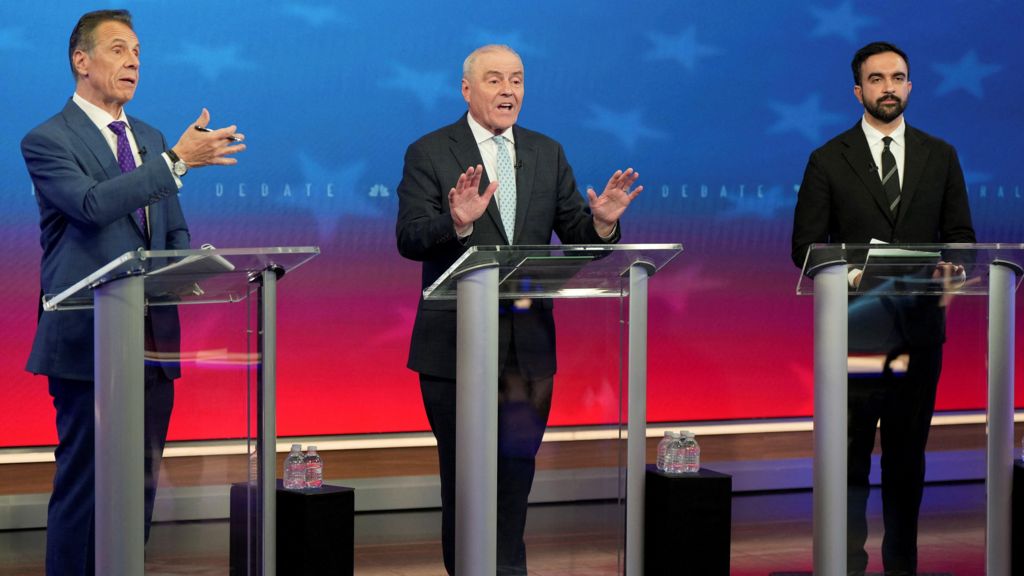
Five takeaways from the Mamdani-Cuomo NYC mayoral debate
The New York City mayoral debate, held at Rockefeller Center in Manhattan, brought together the three leading candidates—Zohran Mamdani, Andrew Cuomo, and Curtis Sliwa—to present their visions for America’s largest city. With early voting set to begin next week, the stakes are high, as the outcome could have significant political implications beyond New York, especially with President Donald Trump’s looming influence. Mamdani, the progressive frontrunner with a 46% lead in recent polls, faced scrutiny over his past statements on Israel and Palestine, while Cuomo, running as an independent, positioned himself as the experienced candidate capable of navigating Trump’s policies. Sliwa, the Republican candidate, emphasized public safety and affordability, key issues resonating with New Yorkers. The debate also highlighted the city’s affordability crisis, with candidates proposing solutions ranging from rent freezes to income limits on rent-stabilized apartments. Cuomo’s controversial tenure as governor, including allegations of sexual harassment and undercounting nursing home deaths during COVID-19, was a focal point of criticism from his opponents. The debate underscored the deep divisions and high stakes in the race to lead New York City.
-
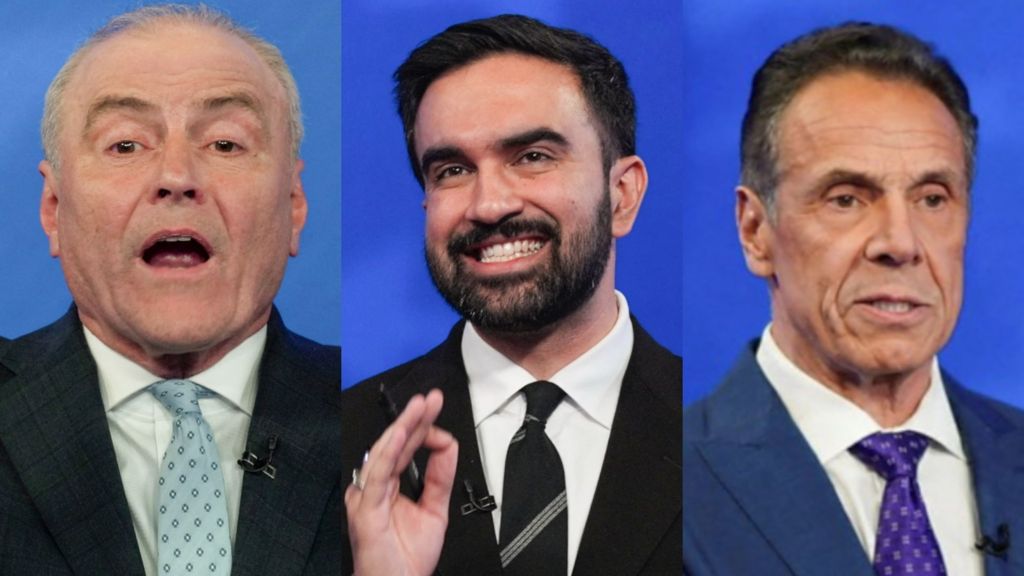
Grocery bills, Trump and Gaza – How NYC mayoral debate unfolded
The first mayoral debate of New York City’s general election saw a dynamic exchange among candidates Zohran Mamdani, Andrew Cuomo, and Curtis Sliwa. The discussion spanned a range of pressing issues, from the rising cost of groceries to the political legacy of former President Donald Trump and the ongoing crisis in Gaza. Each candidate presented their vision for addressing these challenges, highlighting their policy priorities and leadership styles. Mamdani emphasized economic relief for struggling families, while Cuomo focused on restoring trust in government. Sliwa, known for his grassroots activism, advocated for community-driven solutions. The debate underscored the diverse concerns of NYC residents and set the stage for a competitive election season.
-
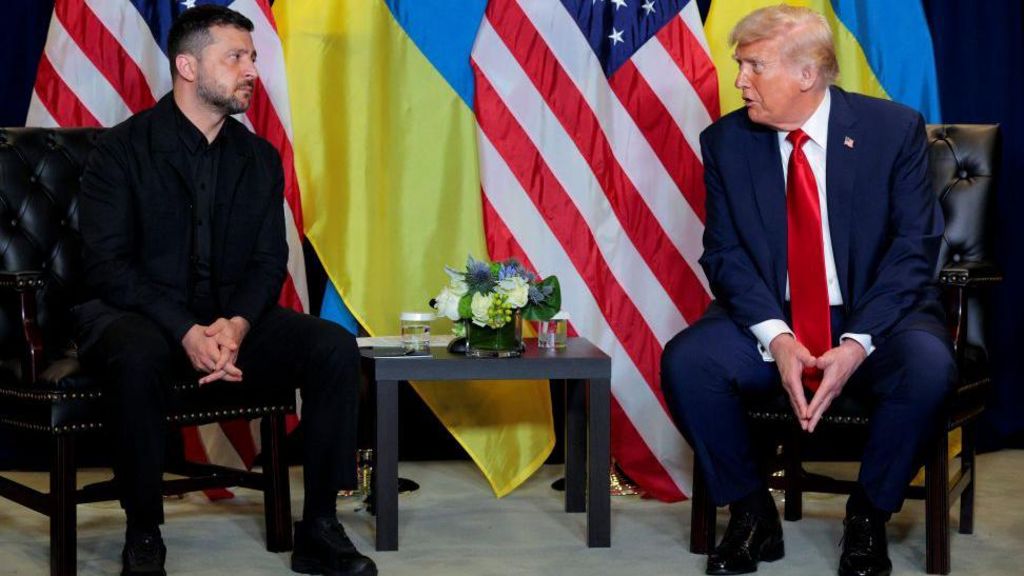
Putin-Trump call a curveball for Zelensky ahead of White House meeting
In a surprising turn of events, U.S. President Donald Trump and Russian President Vladimir Putin have agreed to hold an in-person summit in Hungary, following a two-and-a-half-hour phone call on Thursday. The announcement comes as Ukraine faces relentless attacks from Russia, including missile strikes and drone assaults targeting civilian infrastructure and the gas supply network, exacerbating the country’s already dire situation. The timing of the call, which occurred while Ukrainian President Volodymyr Zelensky was en route to Washington, has raised concerns in Kyiv, as it appears to overshadow Zelensky’s efforts to secure critical military aid. Zelensky had hoped to persuade Trump to approve the sale of long-range Tomahawk missiles, which could significantly enhance Ukraine’s ability to strike deep into Russian territory. However, Trump’s willingness to provide such weapons remains uncertain, especially after his recent remarks questioning the wisdom of deploying Tomahawks against Russia. The summit announcement has been interpreted by some analysts as a strategic move by Putin to de-escalate tensions while maintaining his position. Meanwhile, Zelensky remains resolute, meeting with U.S. defense representatives to advocate for advanced weaponry. As Ukraine braces for its fourth winter of war, the prospect of a Trump-Putin summit offers little reassurance to a nation weary of conflict and skeptical of diplomatic breakthroughs.
-
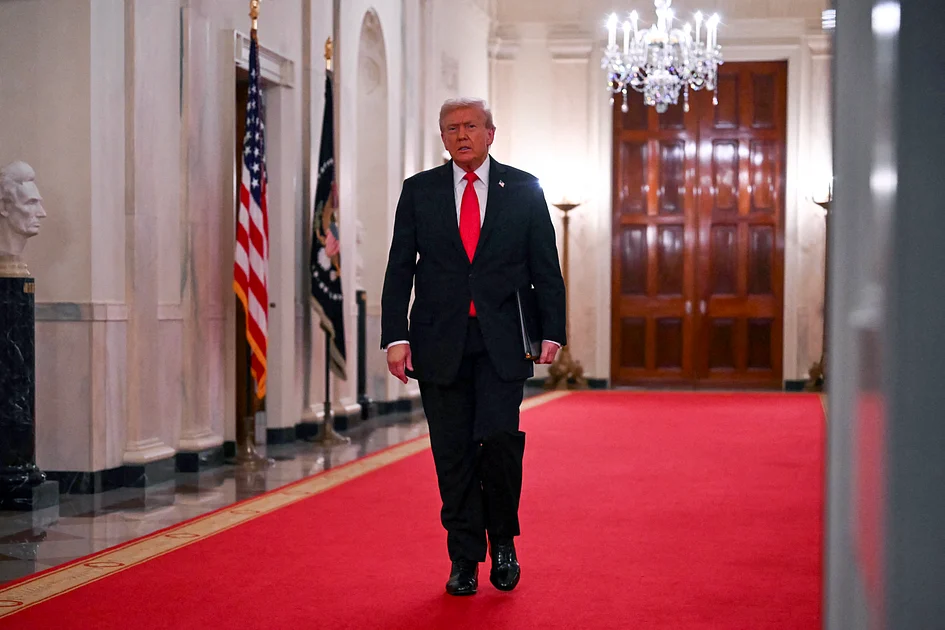
Trump threatens to ‘go in and kill’ Hamas if Gaza killings continue
Former US President Donald Trump issued a stark warning to Hamas on Thursday, threatening military intervention if the group continues to target civilians in Gaza. Speaking on his social media platform, Truth Social, Trump emphasized that such actions violate the terms of a prior ceasefire agreement with Israel. ‘If Hamas persists in killing people in Gaza, which was not part of the Deal, we will have no choice but to go in and eliminate them,’ he declared. This statement comes amid escalating tensions in the region following recent attacks on Palestinian civilians. Trump’s remarks underscore his hardline stance on foreign policy and his willingness to employ military force to address perceived threats. The situation has drawn global attention, with many nations closely monitoring developments in the volatile Gaza Strip.