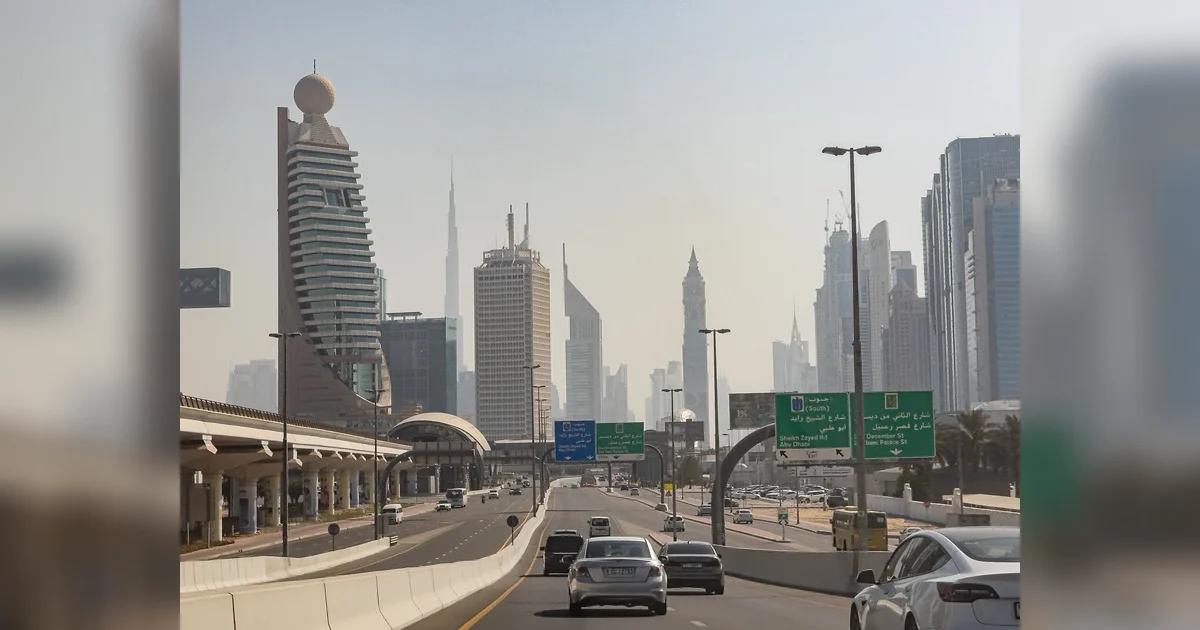
As the fourth quarter of 2025 unfolds, financial and real estate sectors are poised to dominate the Gulf Cooperation Council (GCC) markets, according to industry analysts. Philip Philippides, CEO of Mashreq Capital, highlighted the resilience of Dubai’s commercial real estate and the robust fundamentals of regional banks as key drivers of growth. In contrast, the materials sector is expected to underperform due to weak operational momentum. Sector rotation is anticipated to favor defensive and reform-linked plays, particularly in financial services and real estate. GCC markets remain relatively insulated from global trade tensions, with diversified export profiles and strategic trade relationships providing a buffer against escalating global conflicts. Anticipated Federal Reserve rate cuts and synchronized global monetary easing are expected to positively impact GCC financial markets, easing financial conditions and stimulating consumption, investment, and asset valuations. GCC central banks, tied to the US dollar, will mirror Fed moves, transmitting rate cuts directly into local money markets. Lower rates are expected to boost consumer spending, SME investment, real estate activity, and tourism. In fixed income, sovereign and quasi-sovereign credits offer attractive carry and mid-duration opportunities, with expected spread compression and renewed global inflows enhancing credit profiles and reducing refinancing risk. Despite tight spreads and a strong year-to-date rally, low-single-digit returns are achievable in Q4, primarily driven by carry, with additional potential upside from anticipated Fed rate cuts. On the equity side, the oil price outlook is largely priced in, with Saudi Arabia’s underperformance reflecting subdued oil sentiment. However, double-digit earnings growth, attractive valuations, and ongoing diversification reforms across tourism, finance, and logistics sectors provide structural support to regional equity markets. Monetary easing will further enhance credit growth and equity performance. The divergence in performance across GCC markets is likely to persist, with Oman and Kuwait retaining upside potential due to their reform-driven narratives. Mena credit continues to offer value, with current index yields at approximately 5.5% providing a compelling carry proposition. The 5–10 year segment of sovereign and quasi-sovereign bonds from countries like Saudi Arabia, Turkey, Egypt, and Morocco presents strong total return potential. GCC sukuk issuance is expected to remain robust in Q4, with Saudi Arabia and the UAE leading the charge. Investor appetite for sustainability-linked sukuk (SLS) and digital sukuk is poised to accelerate, driven by global ESG mandates and net-zero commitments. The ESG sukuk market is expected to surpass $50 billion outstanding in 2025, with GCC issuers playing a leading role. A sustained and disorderly decline in oil prices could materially impact government revenues, leading to reduced spending and weaker sentiment around IPOs and project awards. However, the base case remains for stable oil prices, with Saudi Arabia’s leadership emphasizing flexibility in fiscal policy and a continued focus on infrastructure, mega events, and gas output expansion.
标签: North America
北美洲
-
Salama shareholders approve capital restructuring
Islamic Arab Insurance Company (Salama), a prominent Takaful provider in the UAE, has secured shareholder approval for a comprehensive capital restructuring plan aimed at restoring solvency and enhancing its financial standing. The decision, ratified during the General Assembly on October 16, 2025, includes a capital reduction to offset accumulated losses and the cancellation of treasury shares. Following final approval by the Securities and Commodities Authority (SCA), Salama will issue up to Dh175 million in Mandatory Convertible Sukuk (MCS) through a special purpose vehicle. These sukuk will be allocated to a select group of strategic investors and will be mandatorily converted into new shares under agreed terms. This move is a pivotal step in Salama’s strategy to ensure regulatory compliance, stabilize its financial foundation, and support future growth. Mohamed Ali Bouabane, Group CEO of Salama, emphasized that the restructuring underscores the company’s commitment to strengthening its balance sheet and meeting regulatory capital requirements. He highlighted the unwavering support of shareholders and investors as a testament to their confidence in Salama’s long-term stability. The company’s financial performance in the first half of 2025 reflects this progress, with total equity rising to Dh351.84 million, a 5.2% year-on-year increase, and a net profit of Dh8.25 million. Takaful revenue also reached Dh515.36 million, showcasing disciplined operations and improved profitability. S&P Global Ratings has affirmed Salama’s long-term issuer credit and insurer financial strength rating at ‘BBB-’ with a Developing outlook, further validating its improving fundamentals and capital position.
-
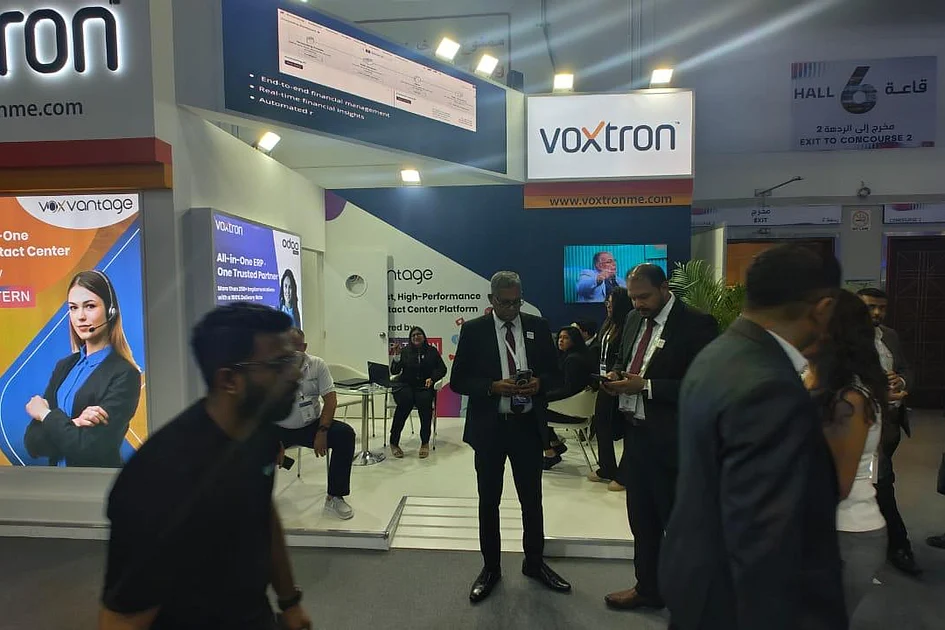
Voxtron eyes AI-driven growth in UAE’s customer experience market
As the UAE accelerates its digital transformation, Voxtron Middle East is emerging as a key player in revolutionizing customer experience (CX) through artificial intelligence (AI). Established in 2010, the Dubai-based systems integrator has expanded its offerings from omnichannel contact centers to comprehensive customer engagement ecosystems powered by AI. With over 250 clients across the Middle East, Voxtron is leveraging its expertise to meet the evolving demands of businesses and consumers alike. P. Thomas, CEO of Voxtron, emphasized the company’s shift from traditional contact center solutions to advanced tools like ERP systems, virtual agents, and digital engagement platforms. ‘Our goal is to enhance how companies connect with their customers across all channels,’ Thomas stated during an interview at Gitex Global. Voxtron’s flagship products, including the cloud-based Voxvantage Contact Center as a Service (CCaaS) and Engage 360, are designed to streamline operations, personalize interactions, and reduce costs. The company has also integrated its solutions with platforms like Microsoft Dynamics 365 and Odoo ERP. Recognizing the preferences of younger consumers, particularly Gen Z, Voxtron has prioritized mobile-friendly and social media-integrated solutions. ‘Younger customers prefer instant, intuitive engagement through platforms they already use,’ Thomas explained. The UAE’s tech-savvy market has been instrumental in Voxtron’s growth, with businesses actively seeking strategic solutions to stay competitive. Voxtron’s partnerships with global tech leaders such as Microsoft, Enghouse Interactive, and Kore.ai have enabled it to deliver AI-enhanced services, including conversational bots and intelligent routing systems. Looking ahead, Thomas envisions AI as the cornerstone of CX, with applications ranging from predictive analytics to virtual agents. ‘AI will be embedded in every aspect of CX,’ he said. With the UAE government increasing its investment in AI and digital infrastructure, Voxtron anticipates sustained demand for innovative, scalable CX solutions. ‘We’re not just reacting to trends; we’re helping shape them,’ Thomas concluded.
-
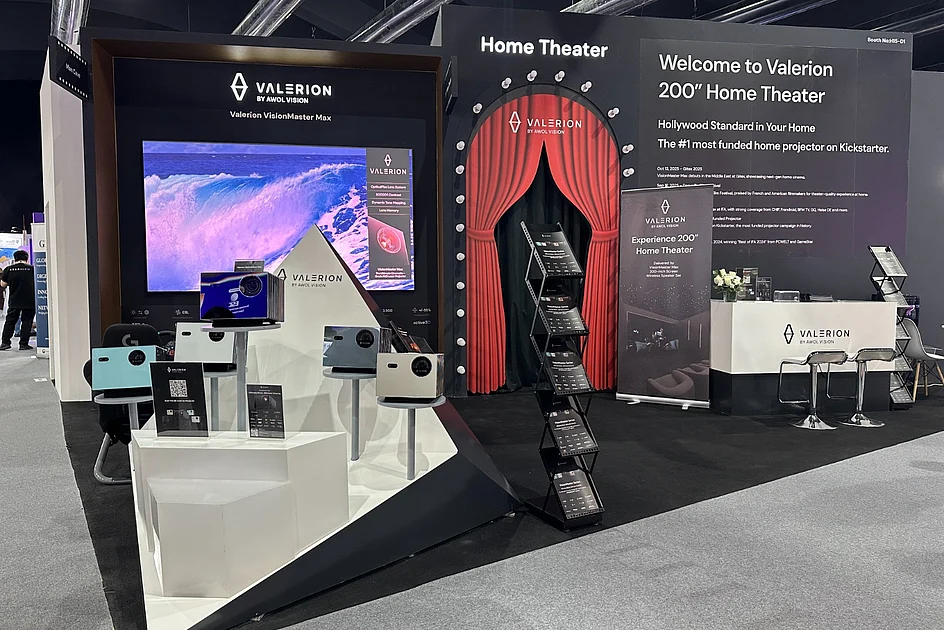
Smart home entertainment gains ground in the Gulf as Valerion eyes regional expansion
The Gulf region is witnessing a surge in demand for smart home technologies, with high-end entertainment systems leading the charge. At Gitex Global Dubai, Valerion CEO Andy Zhao introduced the VisionMaster Max, a cutting-edge projector designed to integrate seamlessly into modern smart homes. This launch underscores the region’s growing appetite for immersive, design-forward technology that blends luxury with functionality. The Middle East, alongside the U.S., Europe, Japan, and Australia, is one of Valerion’s fastest-growing markets, driven by high income levels and a preference for refined living. Zhao emphasized that Valerion is not merely selling products but promoting a lifestyle. The company has already made its products available on platforms like Amazon and Noon and is actively seeking distribution partners across the Gulf to ensure seamless installation and support. Industry analysts highlight that this move aligns with broader regional trends, including rising demand for smart home integration, luxury tech experiences, and products that merge design with utility. The VisionMaster Max is compatible with major automation platforms such as Apple HomeKit, Google Home, Control4, Savant, and Crestron, catering to tech-savvy homeowners seeking convenience and control. The projector addresses long-standing issues in projector technology, such as the rainbow effect (RBE), which Valerion claims to be the first in the industry to resolve, enhancing visual clarity for sensitive viewers. Zhao’s ambitious vision for the region aims to redefine global home entertainment, drawing comparisons to iconic brands like Apple and Aston Martin. While it remains to be seen whether Valerion will achieve market dominance, its focus on innovation and lifestyle alignment positions it well in a rapidly evolving consumer landscape.
-

‘It’s scary to think I could have died’: How Americans are coming back from fentanyl addiction
Kayla, a young woman from North Carolina, recalls her harrowing journey into fentanyl addiction, which began at the age of 18. ‘I felt amazing. The voices in my head just went silent. I got instantly addicted,’ she says. The blue pills she consumed, likely smuggled from Mexico, carried an unpredictable and deadly dose of fentanyl, a synthetic opioid 50 times more potent than heroin. ‘It’s scary to think I could have overdosed and died at any moment,’ she reflects. In 2023, the U.S. witnessed over 110,000 drug-related deaths, with fentanyl driving the crisis. However, 2024 marked a turning point, as fatal overdoses dropped by 25%, saving nearly 30,000 lives. North Carolina, Kayla’s home state, led this decline with a 35% reduction in overdose fatalities, thanks to innovative harm reduction strategies. These strategies prioritize health and recovery over criminalization, offering programs like Law Enforcement Assisted Diversion (LEAD), which redirects substance users toward treatment and support. Kayla, now a certified nurse assistant, credits LEAD and methadone treatment for her recovery. ‘This is the longest time I’ve been clean,’ she says. Across North Carolina, over 30,000 people are enrolled in similar programs, with clinics like the Morse Clinics providing medication-assisted treatment (MAT) to help patients stabilize their lives. Dr. Eric Morse, who runs nine MAT clinics, emphasizes harm reduction: ‘Even if patients still use street drugs occasionally, their survival rate increases significantly.’ However, not everyone supports this approach. Mark Pless, a Republican state representative, advocates for abstinence-based programs, arguing that medications like methadone merely replace one addiction with another. Despite such criticisms, naloxone, a life-saving overdose reversal drug, has been administered over 16,000 times in North Carolina, preventing countless deaths. Governor Josh Stein has also played a pivotal role, securing $1.5 billion from a $60 billion national opioid settlement to fund prevention, treatment, and harm reduction initiatives. Yet, challenges remain, particularly for marginalized communities and states like Nevada and Arizona, where overdose rates remain stubbornly high. Kayla’s story is one of hope and resilience, but the fight against the opioid epidemic is far from over.
-
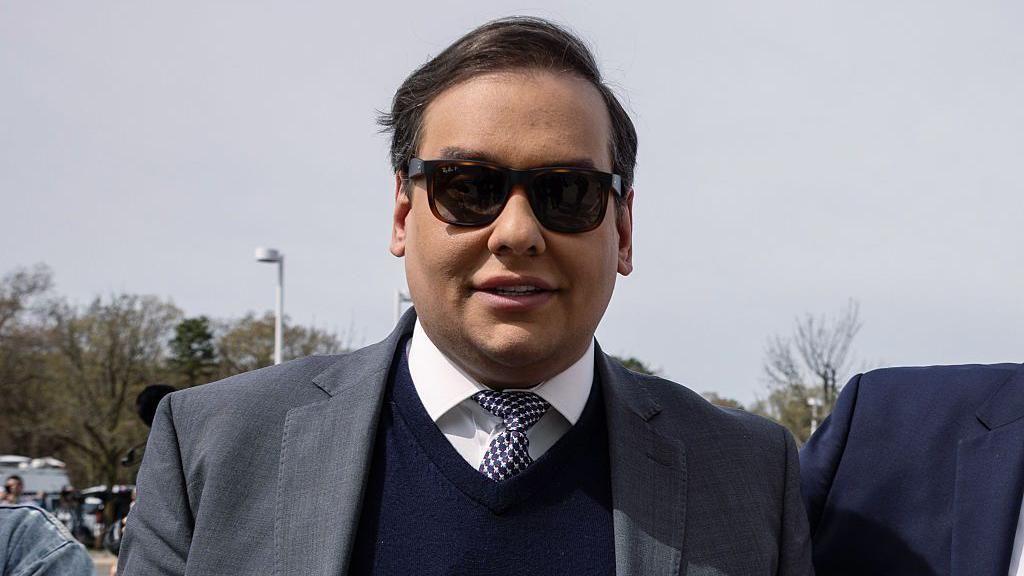
‘Have a great life!’ Trump orders prison release of disgraced ex-congressman George Santos
In a controversial move, former US President Donald Trump has commuted the prison sentence of George Santos, a disgraced ex-Republican congressman, ordering his immediate release. Santos was serving a seven-year sentence for fraud and identity theft, crimes that included stealing the identities of 11 individuals, including family members. Trump announced the decision on social media, claiming Santos had been ‘horribly mistreated’ and deserved a second chance. ‘Therefore, I just signed a Commutation, releasing George Santos from prison, IMMEDIATELY. Good luck George, have a great life!’ Trump wrote. Santos, who was expelled from Congress in 2023 following a damning ethics report, had been incarcerated at a minimum-security facility in New Jersey. His downfall began in 2022 when investigations revealed he had fabricated his resume, lied about his professional background, and misused campaign funds for personal expenses, including Botox treatments and OnlyFans subscriptions. In his defense, Santos had previously apologized in court, stating, ‘I cannot rewrite the past, but I can control the road ahead.’ Trump justified his decision by criticizing Democratic Senator Richard Blumenthal, whom he accused of fabricating his military service, claiming Santos’s actions were less severe. Santos’s lawyer, Andrew Mancilla, praised Trump’s decision, calling the original sentence ‘far too long.’ This marks the latest in a series of pardons issued by Trump, including former congressman Michael Grimm and ex-Connecticut Governor John Rowland. Santos had recently published an open letter to Trump, pleading for a pardon and expressing his desire to ‘rebuild’ his life.
-
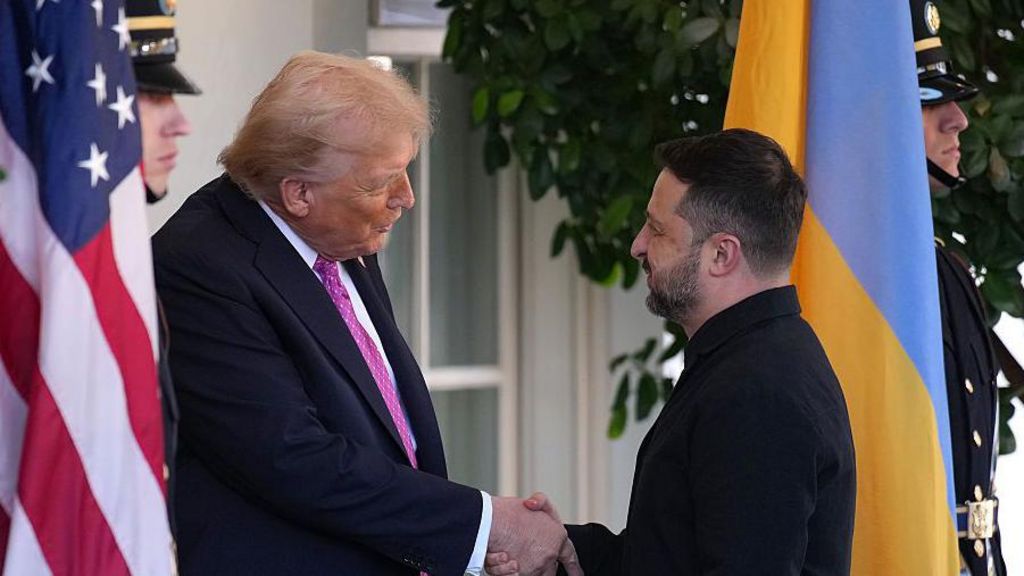
Zelensky guarded on Tomahawk missile talks with Trump after White House meeting
Ukrainian President Volodymyr Zelensky departed the White House without securing the much-desired Tomahawk cruise missiles after a meeting with US President Donald Trump. During the cordial bilateral discussion, Zelensky revealed that the two leaders addressed the issue of long-range missiles but refrained from making public statements to avoid escalating tensions. Trump, in a subsequent social media post, urged Kyiv and Moscow to halt hostilities and bring the war to an end. This meeting followed Trump’s phone conversation with Russian President Vladimir Putin, during which they agreed to meet in Hungary soon. While Trump did not outright reject the possibility of supplying Tomahawks to Ukraine, his remarks were notably non-committal. He expressed hope that the conflict could be resolved without the need for such weaponry, emphasizing that the US also requires these missiles. Trump acknowledged that providing the missiles could escalate the situation but assured that discussions would continue. When questioned by the BBC about whether the prospect of Tomahawks influenced Putin’s decision to meet, Trump highlighted the deterrent value of the missiles. Zelensky, in turn, suggested a potential exchange of drones for Tomahawks, eliciting a positive response from Trump. The Ukrainian leader also praised Trump’s efforts in brokering Middle East peace, suggesting that similar momentum could be applied to ending the war in Ukraine. Outside the White House, Zelensky admitted uncertainty about Putin’s intentions regarding the upcoming Budapest meeting but noted that the potential acquisition of Tomahawks has instilled fear in Russia due to their formidable capabilities. He maintained a realistic stance on the likelihood of obtaining the missiles, emphasizing their potential to cripple Russia’s war economy by targeting oil and energy facilities. Earlier, Trump had shown openness to the idea of selling Tomahawks, despite Putin’s warning that such a move would strain US-Russian relations. Trump described his recent phone call with Putin as productive, with plans for their teams to meet next week. He also addressed the complex dynamics between Putin and Zelensky, suggesting that while the three leaders would need to convene, their interactions might occur separately. Meanwhile, in Ukraine, the BBC spoke with a Kyiv store owner, Volodymyr, whose business was destroyed by Russian missiles. Overcome with emotion, he expressed hope for peace and a desire to live without fear, asserting that truth and democracy would ultimately prevail.
-
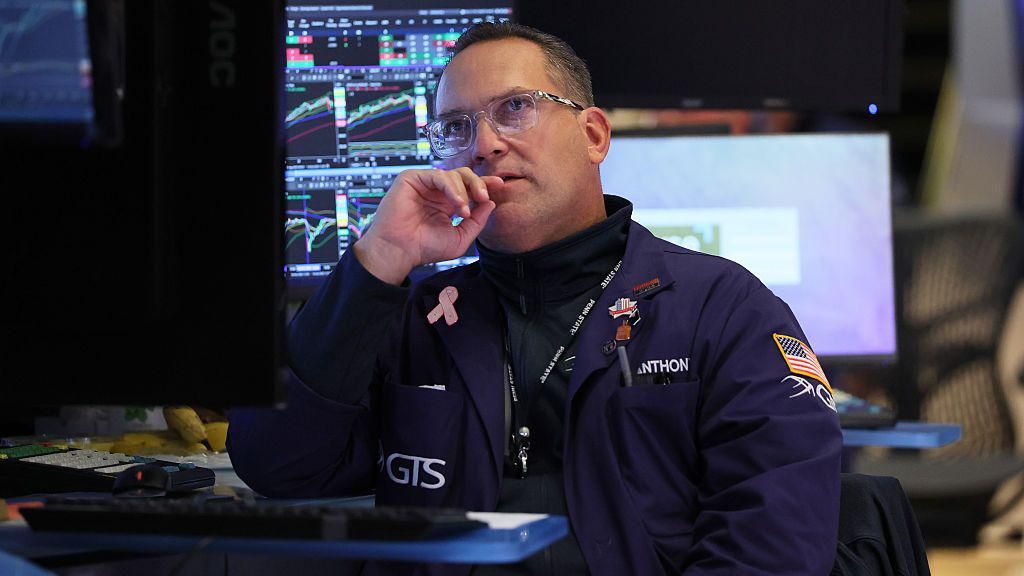
How nervous are investors about the stock market?
US financial markets have been grappling with persistent volatility in recent weeks, driven by a mix of sector-specific concerns and broader economic uncertainties. The latest wave of anxiety emerged from the banking sector, as two regional lenders warned of potential losses due to alleged fraud. This follows earlier market turbulence sparked by renewed US-China tensions over tariffs, advanced technology, and access to rare earths. Additionally, the bankruptcies of car parts supplier First Brands and subprime car lender Tricolor in September further fueled investor unease. Despite these challenges, major US stock indexes have shown resilience, with the S&P 500 posting a 13% gain year-to-date, albeit lower than 2024’s performance. Sam Stovall, chief investment strategist at CFRA Research, attributes this strength to improved corporate profits and the burgeoning enthusiasm surrounding artificial intelligence (AI). However, the market’s robust performance has paradoxically heightened concerns about overvaluation. Analysts have increasingly warned of a potential AI bubble, with major players investing heavily in the sector without clear long-term profitability. The Bank of England, JP Morgan Chase CEO Jamie Dimon, and US Federal Reserve Chair Jerome Powell have all echoed these concerns, emphasizing the risk of a sharp market correction. The International Monetary Fund (IMF) also highlighted complacency in its recent financial stability report, citing trade tensions, geopolitical uncertainty, and rising sovereign debt as key risks. Despite these warnings, many investors remain optimistic. Analysts at Goldman Sachs and Wells Fargo have raised their year-end forecasts for the S&P 500, while David Lefkowitz of UBS Global Wealth Management anticipates the index to reach around 6,900 points, a 4% increase from current levels. Lefkowitz noted that while fraud allegations in the banking sector are concerning, overall default levels remain healthy, and AI demand shows no signs of waning. Stovall, however, cautioned that while the current bull market has been resilient, corrections and bear markets are inevitable, even if delayed. With sticky inflation and political uncertainties in Washington, the market rally remains ‘unloved,’ yet investors continue to navigate the complexities of an evolving economic landscape.
-

US captures two survivors after attack on Venezuela ‘drug sub’
In a recent escalation of tensions between the United States and Venezuela, President Donald Trump confirmed a U.S. military strike on a vessel in the Caribbean, which he described as a ‘drug-carrying submarine.’ The attack, which occurred on Thursday, marks at least the sixth U.S. operation targeting Venezuelan ships in recent weeks. This incident is notable for being the first to report survivors, who were allegedly rescued by a U.S. military helicopter and are now detained aboard a Navy ship. The U.S. government has yet to officially confirm the presence of survivors. Trump defended the operation, stating, ‘We attacked a submarine built specifically for transporting massive amounts of drugs. This was not an innocent group of people.’ U.S. Secretary of State Marco Rubio echoed Trump’s stance, labeling the targets as ‘narco-terrorists.’ The attack has drawn international scrutiny, with UN-appointed human rights experts condemning the strikes as ‘extrajudicial executions.’ Venezuela’s UN Ambassador Samuel Moncada called for UN Security Council intervention, describing the U.S. actions as ‘massacres.’ Meanwhile, Venezuelan President Nicolás Maduro accused Trump of attempting to turn Venezuela into ‘an American colony.’ The U.S. has significantly increased its military presence in the Caribbean, with approximately 10,000 troops stationed in the region, raising fears of a potential invasion. Trump has also authorized CIA covert operations in Venezuela and hinted at possible attacks on Venezuelan soil. The use of ‘narco-subs,’ homemade vessels designed to transport drugs undetected, has become a growing concern, with the U.S. and other coastal nations intercepting several in recent years.
-

Celebrate Diwali with Big Ticket’s 24-karat gold bar giveaways and more
As the festive season of Diwali approaches, Big Ticket is set to elevate the celebrations with a series of exciting giveaways and grand prizes. This year, the renowned lottery platform is offering participants the chance to win 24-karat gold bars, alongside a massive Dh25 million grand prize. The promotion, which runs throughout October, will see five winners each week take home a 250-gram gold bar, culminating in a total of 20 lucky recipients by the end of the month. The grand prize draw is scheduled for November 3, adding to the anticipation and excitement of the festival of lights. Additionally, customers who purchase two tickets between October 1 and 24 will be automatically entered into The Big Win Contest, where four participants will win cash prizes of up to Dh150,000. The winners’ names will be announced on the official Big Ticket website on November 1. For car enthusiasts, the Dream Car series offers even more reasons to celebrate, with a Nissan Patrol up for grabs on November 3 and a Maserati Grecale on December 3. Tickets are available online at www.bigticket.ae or at counters located in Zayed International Airport and Al Ain Airport. This Diwali, Big Ticket is bringing together gold, grand prizes, and dream cars to create a season full of joy and anticipation.