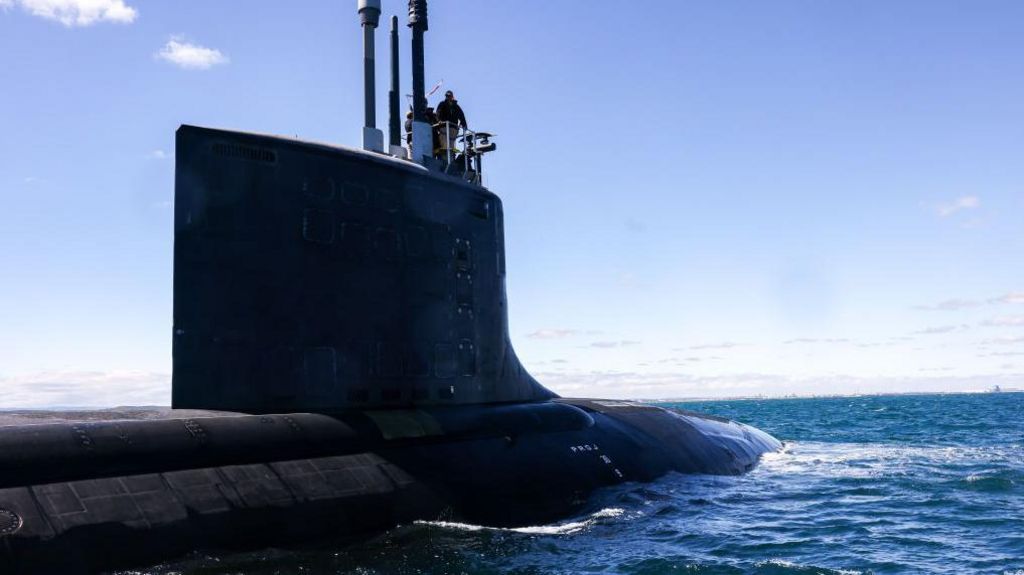
A landmark defense agreement between Australia, the United States, and the United Kingdom, known as the Aukus pact, is under scrutiny as the Trump administration evaluates its alignment with the ‘America First’ policy. The deal, valued at £176 billion over 30 years, aims to bolster Australia’s naval capabilities by supplying nuclear-powered submarines and fostering advanced military collaboration. Australia is set to acquire up to five Virginia-class submarines from the US, with plans to co-develop a new submarine model for both the UK and Australian navies. The pact also includes joint efforts in cutting-edge technologies such as hypersonic missiles, undersea robotics, and artificial intelligence. While the review has raised concerns about potential delays or cancellations, both the UK and Australia have dismissed these fears, emphasizing the routine nature of such evaluations during a new administration. The deal is widely perceived as a strategic move to counter China’s growing influence in the Indo-Pacific region, particularly in contested areas like the South China Sea. Despite criticism from China, which labeled the pact ‘extremely irresponsible,’ the Aukus partners have underscored the necessity of addressing escalating regional security threats. The agreement, unveiled in September 2021, represents a significant upgrade for Australia’s military, enabling long-range strike capabilities and enhancing its strategic presence in the region. Additionally, the pact is expected to create thousands of jobs in the UK and strengthen trilateral defense ties. The review’s outcome will likely be a focal point during upcoming discussions between US President Donald Trump and Australian Prime Minister Anthony Albanese in Washington, DC.
标签: North America
北美洲
-
China’s economic security growth model highlighted
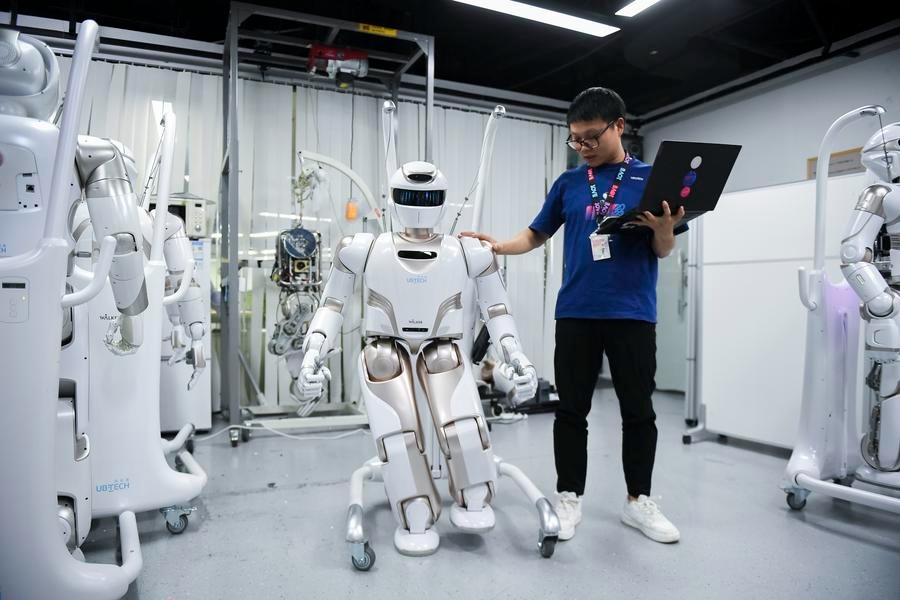
China’s economic strategy has pivoted towards a model that integrates high-quality development with robust security measures, emphasizing technological self-reliance and a strengthened domestic demand base. This approach, termed the ‘economic security growth model,’ was a focal point of discussion at a recent virtual panel hosted by the Peterson Institute for International Economics (PIIE) in Washington, DC. Experts highlighted how this model transcends traditional export- or investment-driven frameworks, instead focusing on strategic pillars such as dual circulation, self-reliant innovation, and mechanisms to counter foreign economic coercion. The dual circulation strategy prioritizes the domestic market while fostering synergy between internal and external markets. Trade data indicates that while direct trade with the US and other advanced economies has plateaued, China’s trade with the rest of the world continues to expand. The second pillar of this model involves a ‘whole-of-nation’ push towards self-reliant innovation, insulating the economy from geopolitical risks. This includes significant fiscal allocations for education, science, and technology, with a notable rise in approvals for science and engineering programs. China’s industrial robot adoption rates far exceed global averages, signaling a clear trajectory towards innovation-led growth. The third pillar focuses on establishing export controls and regulations to address external coercion. China’s advancements in AI exemplify the potential of this approach, with Chinese firms securing six of the top 20 AI models globally, despite US export controls on advanced AI chips. Experts noted that this competition benefits the global economy, as it ensures access to highly capable AI systems. The World Economic Forum and Stanford’s 2025 AI Index have acknowledged China’s narrowing performance gaps in AI, with innovations like the DeepSeek-R1 AI model and Huawei’s Ascend 910C chip gaining recognition. The diffusion of technology, rather than its initial development, is seen as the true determinant of success, with AI spreading faster than any prior technology.
-
‘No Kings’ protests erupt across US
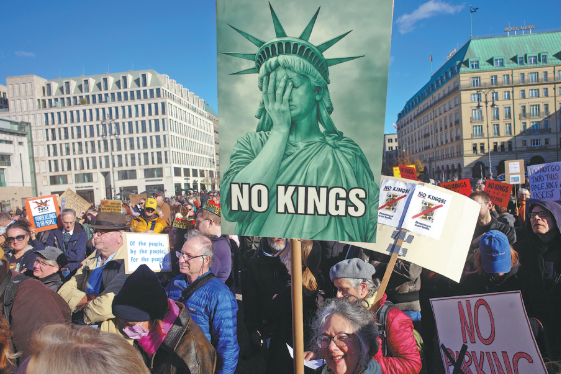
On Saturday, October 19, 2025, millions of Americans took to the streets in all 50 states in a series of coordinated protests dubbed ‘No Kings.’ The demonstrations, which spanned from New York to Los Angeles, were a direct response to President Donald Trump’s controversial policies and perceived authoritarian tendencies. Organizers estimated that over 7 million people participated, with rallies even occurring near Trump’s Florida residence. Protesters voiced their opposition to Trump’s hard-line immigration policies, attacks on the media, and alleged erosion of democratic norms. Slogans such as ‘Protect Democracy’ and ‘Fight Ignorance, Not Migrants’ dominated the marches, reflecting widespread discontent. While the protests were largely peaceful, isolated incidents in Los Angeles saw police deploying nonlethal rounds and tear gas to disperse crowds. Trump responded with a series of AI-generated videos on his Truth Social platform, depicting himself as a king, further fueling the outrage. House Speaker Mike Johnson dismissed the rallies as ‘Hate America’ protests, a claim met with derision by demonstrators. The events underscored the deep political polarization gripping the nation, with many participants expressing fears for the future of American democracy.
-
Father says visa cost is keeping his family apart
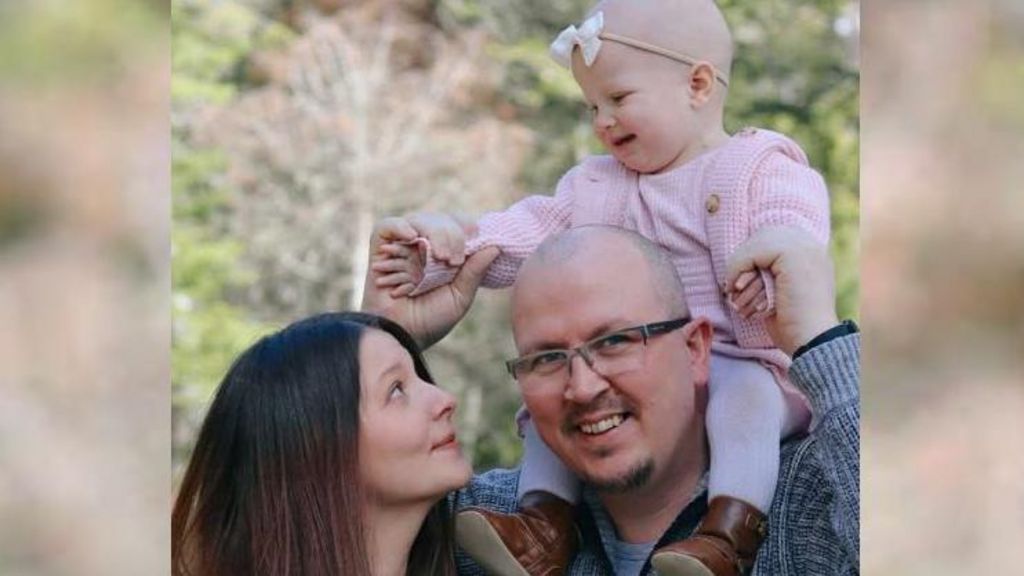
A father from Ashington, Northumberland, is enduring the heartbreak of living thousands of miles away from his family due to the prohibitive costs of UK visa applications. Christopher Wade, a supermarket delivery driver, has been separated from his wife, Josianne Charlebois, and their two-year-old daughter, Layla, who resides in Canada. While Layla holds British citizenship, Ms. Charlebois faces a daunting financial hurdle: a visa application fee of £1,938 and an NHS surcharge of £2,588, totaling over £4,500. Despite applying for a fee exemption based on financial hardship, their request was denied, leaving the family in limbo.
Mr. Wade and his wife, a government administrative worker, met in Canada and married in 2022. They initially planned to settle in the UK, where Mr. Wade’s extended family could assist with childcare. However, due to prior debts and daycare expenses, saving the required funds proved impossible. Their solicitor, Chris Boyle, who is providing pro bono legal assistance, argued that the couple meets the Home Office’s exemption criteria, as they submitted 47 documents detailing their financial situation.
The prolonged separation has taken a toll on Mr. Wade’s mental health, causing panic attacks and a sense of despair. Ms. Charlebois, who lacks familial support in Canada, also faces challenges, including the risk of losing her job due to frequent absences to care for their daughter. The couple’s dream of reuniting in the UK remains elusive, with Mr. Wade unable to relocate to Canada due to his need to work and repay debts.
The Home Office declined to comment on individual cases, leaving the family’s future uncertain. Mr. Wade expressed his anguish, stating, ‘I don’t know how much longer this can go on.’ Their story highlights the broader struggles faced by families navigating the UK’s immigration system, particularly those with limited financial resources.
-
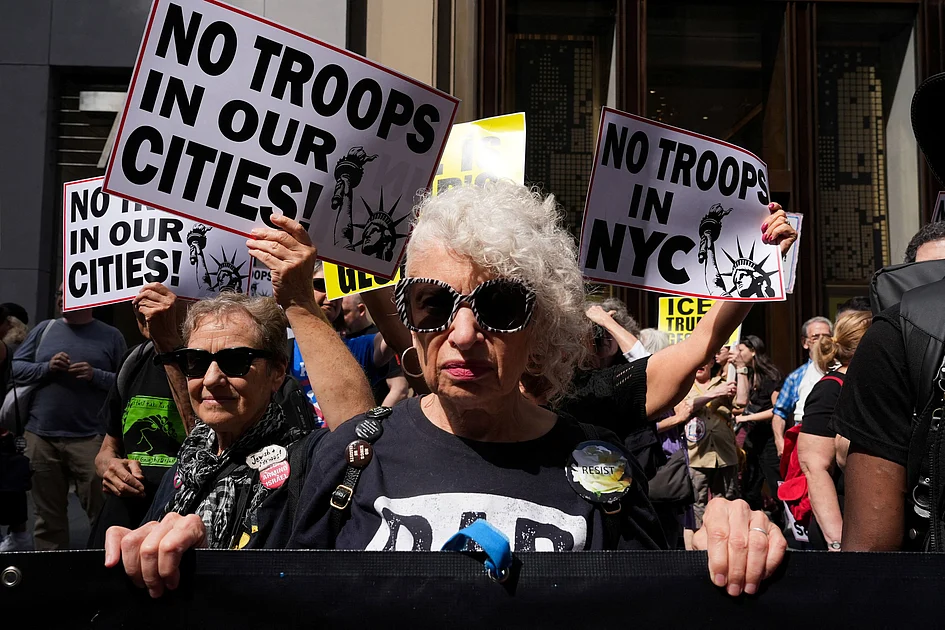
Trump threatens to send military troops to San Francisco
Former President Donald Trump has reignited controversy by threatening to deploy military troops to San Francisco, a move that aligns with his broader strategy of involving the U.S. military in Democratic-controlled cities. In a recent interview with Fox News, Trump declared, ‘Next we’re going to go to San Francisco,’ emphasizing his belief that the city ‘wants us’ to restore its former glory. This statement follows his previous deployments of the National Guard to Los Angeles, Washington, and Memphis, often against the wishes of local leaders. Judges have already halted similar deployments in Chicago and Portland, highlighting the contentious nature of these actions. Trump has consistently exaggerated crime and unrest in U.S. cities to justify military interventions, a tactic that has drawn sharp criticism from Democratic officials. California Governor Gavin Newsom, a frequent Trump adversary, has vocally opposed these deployments, particularly the one to Los Angeles in June, which followed protests over immigration raids. The situation in San Francisco is further complicated by the city’s symbolic significance in Republican rhetoric, often portrayed as a failing urban center under Democratic governance. Marc Benioff, CEO of Salesforce, initially supported military intervention in San Francisco but faced public backlash, forcing him to apologize. This episode underscores the deep political divisions surrounding Trump’s militaristic approach to urban governance.
-
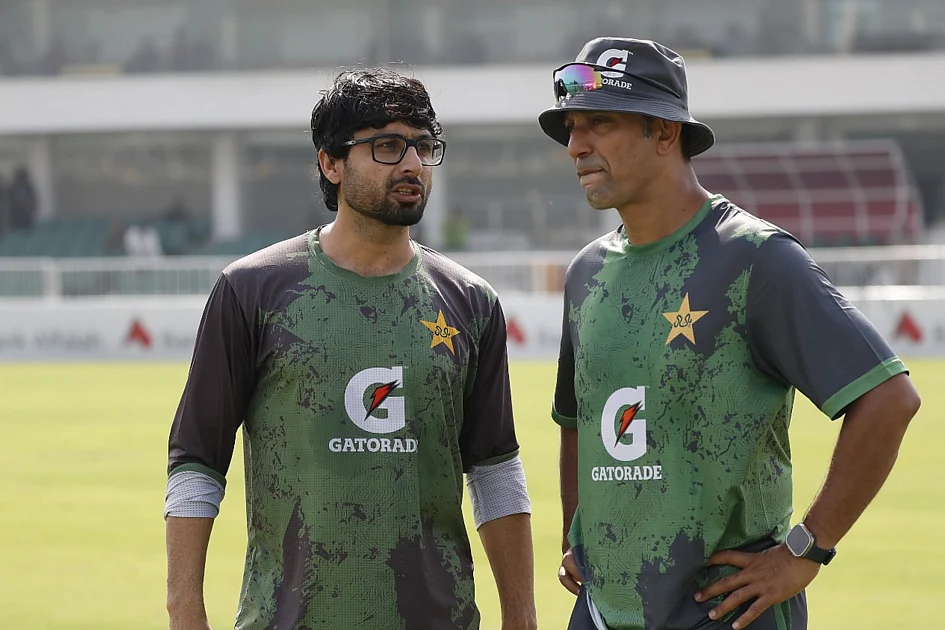
Pakistan mull third spinner as they look for South Africa sweep
Pakistan is contemplating the inclusion of a third spinner for the second and final Test against South Africa in Rawalpindi, as they aim to secure a series sweep. Head coach Azhar Mahmood revealed on Sunday that either leg-spinner Abrar Ahmed or uncapped 38-year-old left-armer Asif Afridi could be added to the squad. This decision comes in response to the dry pitch conditions expected at the Rawalpindi Cricket Stadium, which is likely to favor spin bowling as the match progresses. The hosts triumphed in the first Test by 93 runs, with spinners claiming 34 of the 40 wickets on a turning Gaddafi Stadium pitch. Left-armer Noman Ali was particularly effective, taking 10 wickets, while Sajid Khan contributed six. Mahmood emphasized the importance of scoring heavily in the first innings, regardless of the toss outcome, to maximize their chances of victory. South Africa, meanwhile, will welcome back experienced left-arm spinner Keshav Maharaj, who missed the first Test due to a groin strain. Stand-in captain Aiden Markram expressed confidence in Maharaj’s return, highlighting his experience and skill set. Maharaj is expected to partner with Senuran Muthusamy, who impressed with 11 wickets in the opening Test. Markram acknowledged the anticipated spin-friendly conditions but viewed it as an opportunity for his team to level the series. He also praised Tony de Zorzi, who scored a century in the first Test, for his insights into facing Pakistan’s spinners, adding that his confidence would be a valuable asset for the team.
-
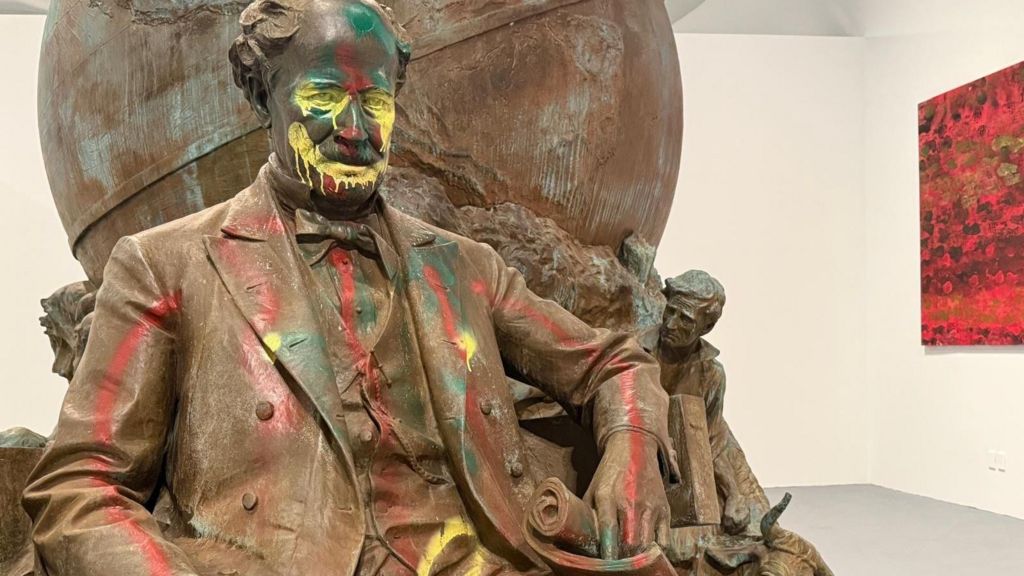
These confederate statues caused nationwide protests. Melted down, they’re now art pieces
A thought-provoking exhibition in Los Angeles is redefining the legacy of Confederate monuments, sparking debates about history, race, and memory. The centerpiece of the show, titled \”Monuments,\” features 18 decommissioned Confederate statues, including the infamous equestrian statue of General Robert E. Lee, which once stood in Charlottesville, Virginia. The statue, now melted into bronze ingots, is displayed alongside toxic slag from the process, symbolizing the contentious history it represents.
-
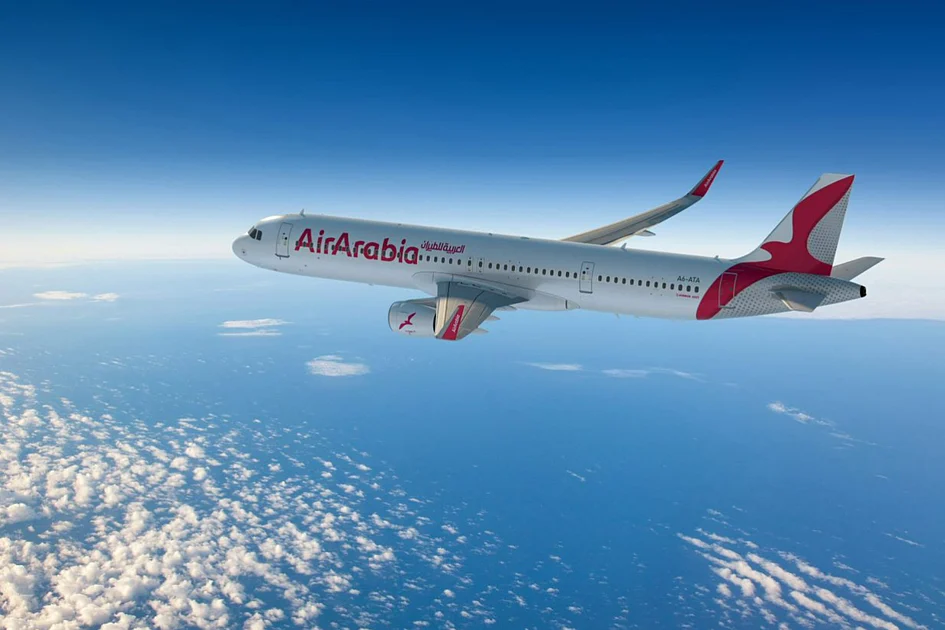
Air Arabia flight plummets close to sea after takeoff; investigation launched
Italian aviation authorities have initiated a safety probe following a concerning incident involving an Air Arabia flight that descended perilously close to the Mediterranean Sea shortly after takeoff. The event, classified as a ‘serious incident’ by Italy’s Agenzia Nazionale Per La Sicurezza Del Volo (ANSV), occurred on September 20, 2025, when the Airbus A320 aircraft, operated by Air Arabia Maroc, departed from Catania Airport in Sicily, bound for Queen Alia International Airport in Jordan. The aircraft’s Ground Proximity Warning System (GPWS) alerted the pilots as it neared the sea surface, prompting immediate corrective action. The flight continued without further issues, and no passengers were onboard, though two pilots and four cabin crew members were present. Air Arabia Maroc has confirmed its full cooperation with the investigation, emphasizing its commitment to safety and transparency. This incident comes amid Air Arabia’s recent expansion, having received its first Airbus A320neo aircraft from a 120-plane order placed in 2019. The airline operates from six hubs across the Middle East, North Africa, and Europe. The investigation highlights ongoing concerns in aviation safety, particularly following a recent Air India crash near Ahmedabad in June 2025.
-

Sheikh Mohammed extends warm Diwali greetings to expats, global Indian community
As Dubai’s streets and balconies glow with festive lights, Sheikh Mohammed bin Rashid Al Maktoum, Vice-President and Prime Minister of the UAE and Ruler of Dubai, has extended warm Diwali greetings to the Indian expatriate community in the UAE and across the globe. In his heartfelt message, he expressed, ‘Warmest wishes and greetings to those celebrating Diwali in the UAE and around the world. May this festival of lights bring peace, safety, and prosperity to you and your loved ones. Happy Diwali!’ This gesture underscores the UAE’s commitment to multiculturalism and its respect for the diverse cultures that enrich its society. With over four million Indian expats residing in the UAE, Diwali has become a widely celebrated festival, marked by vibrant decorations, family gatherings, and community events. Homes across Dubai are adorned with floral arrangements, while government-approved fireworks displays and mall decorations add to the festive spirit. However, authorities have reminded residents to adhere to safety guidelines, emphasizing that the use of unlicensed fireworks is strictly prohibited and could result in severe legal consequences. The celebration also boosts local businesses, particularly gold jewellers, who report strong sales during this period. Many jewellers curate exclusive collections and offer discounts to cater to the festive demand. Sheikh Mohammed’s message reflects the UAE’s inclusive ethos, fostering unity and harmony among its multicultural population.
-
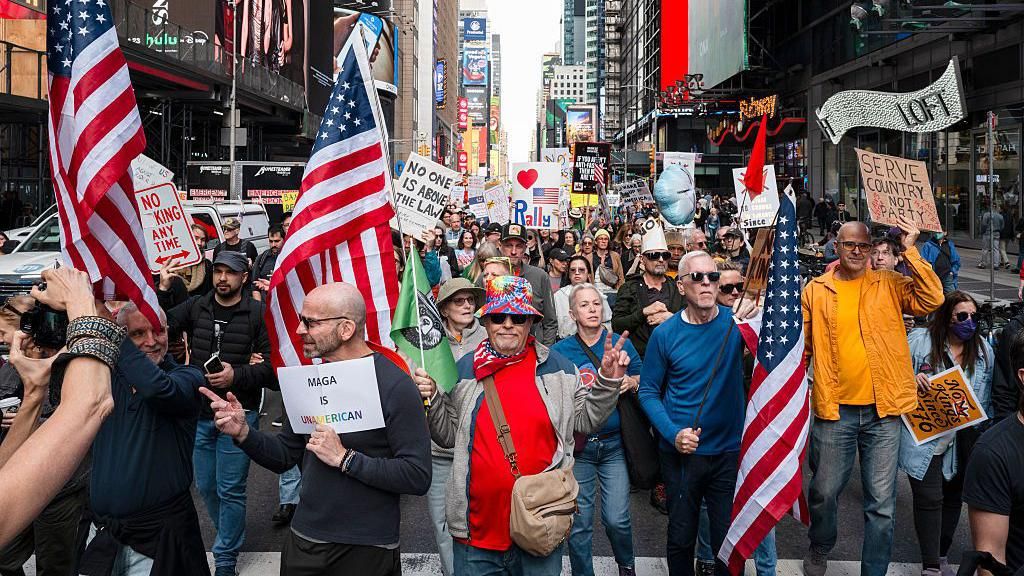
After ‘No Kings’ protests, where does Democratic resistance go next?
In an unprecedented display of dissent, millions of Americans took to the streets this weekend in the ‘No Kings’ protests, voicing their opposition to President Donald Trump’s policies and his expansive use of presidential authority. The demonstrations, which spanned major cities like New York, Chicago, Washington D.C., and Los Angeles, as well as hundreds of smaller towns, marked a significant moment of unity among Democrats, liberals, and even some anti-Trump Republicans. Despite warnings from Congressional Republicans that the protests would be ‘anti-American,’ the rallies remained peaceful, with no arrests reported in New York City and families participating in Washington D.C. Senator Chris Murphy of Connecticut addressed the crowd in the nation’s capital, declaring, ‘Americans are saying loudly and proudly that we are a free people, we are not a people that can be ruled.’ The White House, however, dismissed the protests with derision, with Deputy Press Secretary Abigail Jackson responding, ‘Who cares.’ Trump further mocked the demonstrators by sharing AI-generated videos on his Truth Social platform, including one where he appeared to dump waste on protesters from a jet. While Republicans downplayed the significance of the marches, the scale of the turnout, coupled with Trump’s negative approval ratings, suggests a potential opportunity for Democrats to rebound from recent electoral setbacks. However, the party remains divided and faces challenges in mounting an effective opposition, particularly as they no longer control either chamber of Congress. The protests highlighted widespread frustration with Trump’s immigration enforcement, tariff policies, government cuts, foreign policy, and deployment of the National Guard in U.S. cities. Some attendees also expressed discontent with Democratic leaders, urging them to take a more combative stance. The ongoing government shutdown, now entering its fourth week, has further complicated the political landscape, with Democrats refusing to approve a short-term spending extension without addressing health-insurance subsidies for low-income Americans. As the shutdown continues, federal workers face financial hardship, and low-income food support funding is expected to run out. The November elections, including key gubernatorial races in Virginia and New Jersey, will serve as a barometer for whether the anti-Trump sentiment seen at the protests can translate into electoral success for Democrats. However, internal party divisions and contentious primary battles could hinder their efforts to regain power. While the immediate focus of the protests was to unite against Trump, the long-term challenge for Democrats will be to present a cohesive and effective alternative to his administration.