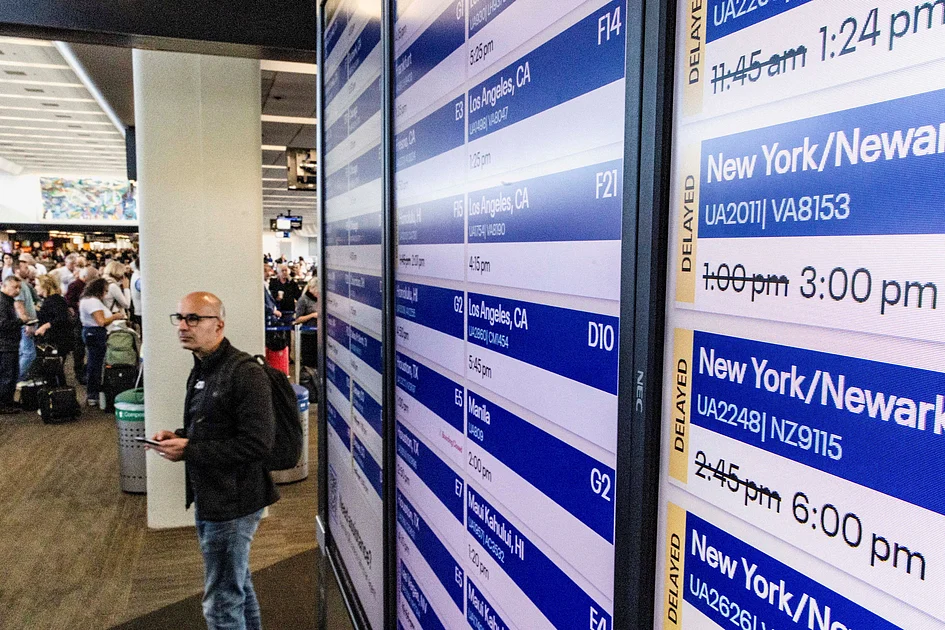
The ongoing federal shutdown, now in its 40th day, has plunged the US aviation industry into chaos, with over 10,000 flights delayed and more than 2,700 cancellations on Sunday alone. This marks the worst day for air travel since the shutdown began on October 1. Transportation Secretary Sean Duffy has warned that air travel could dwindle to a ‘trickle’ in the lead-up to Thanksgiving, one of the busiest travel periods in the US, due to severe shortages of air traffic controllers. Many of these essential workers, along with other federal employees, have not been paid for weeks, leading to a surge in retirements and staffing crises. The Federal Aviation Administration (FAA) has mandated flight reductions at 40 major airports, with cuts escalating to 10% by November 14. Airlines like United have already announced significant cancellations, while industry officials express growing concerns about the system’s ability to function under worsening conditions. The economic impact is also alarming, with estimates suggesting daily losses of $285 million to $580 million. The shutdown has forced 13,000 air traffic controllers and 50,000 security screeners to work without pay, raising safety concerns as fatigue-related errors increase.
标签: North America
北美洲
-

Obama dig may have triggered Trump’s White House demolition
In April 2011, President Barack Obama delivered a biting roast of Donald Trump at the White House Correspondents’ Dinner, an event that would later be seen as a pivotal moment in their political rivalry. At the time, Trump, a reality TV star, had been a vocal proponent of the ‘birther’ conspiracy theory, falsely claiming that Obama was not born in the United States and thus ineligible for the presidency. Obama’s decision to release his long-form birth certificate just days before the dinner set the stage for his humorous yet pointed remarks. During his speech, Obama joked about Trump’s presidential ambitions, suggesting that a Trump presidency would bring unconventional changes to the White House, including turning it into a hotel, casino, or golf course. The President even displayed a satirical image of a remodeled White House adorned with Trump’s name. While the audience laughed, Trump sat stone-faced, visibly humiliated. Many political observers, including Trump’s former adviser Roger Stone, believe that this public shaming motivated Trump to run for president in 2016. Fast forward to Trump’s presidency, and Obama’s jest about White House renovations took on a surreal twist. The Trump administration razed the East Wing to build a lavish, gold-encrusted ballroom, a project that mirrors the ostentatious style of Trump’s private properties. Although Trump denied plans to name the ballroom after himself, senior officials reportedly referred to it as ‘The President Donald J. Trump Ballroom.’ This episode underscores the enduring impact of political humor and the complex dynamics between Obama and Trump, whose rivalry reshaped American politics.
-
China-US friendship revisited
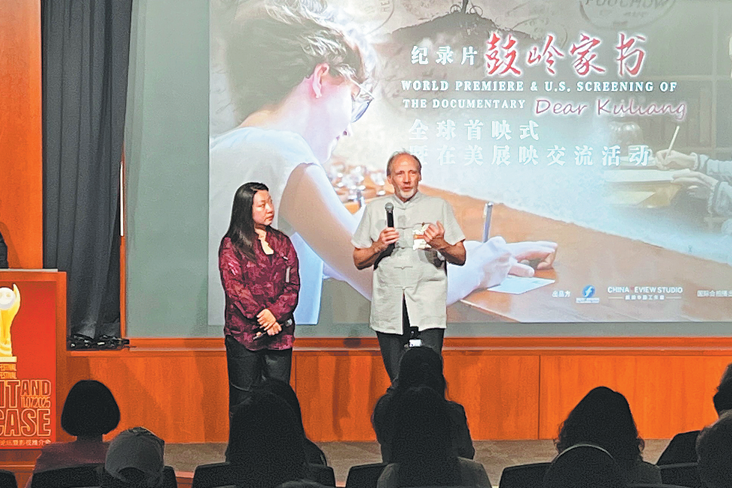
The documentary ‘Dear Kuliang,’ which premiered in Los Angeles on Friday, sheds light on the enduring bonds between Chinese and American families in Kuliang, a historic summer retreat near Fuzhou, China. The film, co-produced by China and the US, narrates the journey of Holly, a US high school student and descendant of the Carleton family, as she explores her ancestral roots in Kuliang. The documentary intertwines her story with archival materials and oral histories, presenting a dual-time narrative of the past and present. The premiere, part of the 21st Chinese American Film Festival, was accompanied by a special screening and a Kuliang photo exhibition at Loyola Marymount University. Guo Shaochun, Chinese Consul-General in Los Angeles, highlighted the ‘Kuliang Bond’ as a symbol of mutual understanding and genuine friendship between the two nations. Eric Johnston, a Los Angeles educator and member of the Kuliang research team, emphasized the positive history of cross-cultural friendships in Kuliang, where American and Chinese families lived and worked together harmoniously. The documentary, praised by Oscar-winning sound effects editor Richard Anderson and film producer Andre Morgan, aims to educate American audiences about the rich history of Sino-American relations. ‘Dear Kuliang’ will air on major domestic and international platforms, including the History Channel and Southeast TV, starting Monday.
-
China’s new key planning vision hailed
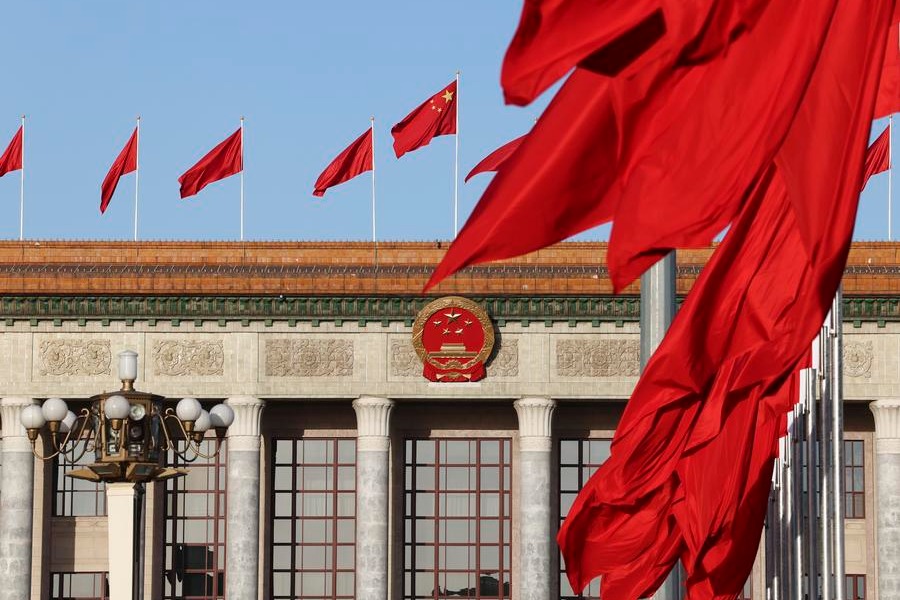
China’s recently unveiled recommendations for its 15th Five-Year Plan have garnered significant praise from Latin American scholars, who commend the blueprint’s emphasis on innovation, sustainability, and long-term stability. The plan, which aims to guide China’s development amidst global uncertainties, has been described as a forward-looking and innovation-driven strategy by Jorge Heine, Chile’s former ambassador to China and a nonresident fellow at the Quincy Institute in Washington. Heine noted that China has transitioned from rigid economic central planning to indicative planning, which provides broad guidance to both public and private sectors. A key focus of the plan is the development of ‘new quality productive forces,’ with technological and scientific innovation at its core. Heine highlighted China’s advancements in AI as a prime example of this innovation. The plan also emphasizes green development, particularly the energy transition, though Heine expressed a desire for more ambitious carbon neutrality targets. Luis Antonio Paulino, a professor at Sao Paulo State University in Brazil, praised the balance between China’s near-term goals and its long-term vision. He contrasted China’s approach with that of Western governments, which often focus on immediate crises without a future-oriented strategy. Paulino described China’s governance as ‘superior,’ as it addresses current issues while providing structural solutions aligned with long-term objectives. He also highlighted how China’s planning integrates technological progress with social welfare and collective benefit, ensuring that technological development serves the broader population rather than a select few. This holistic approach, Paulino argued, sets China apart from Western models, where technological advancements are often driven by a small group of billionaires. The 15th Five-Year Plan reflects China’s commitment to raising living standards and achieving regional balance through scientific and technological self-sufficiency, guided by the Communist Party of China and the government.
-
Tariff-troubled US fears not-so-happy holidays
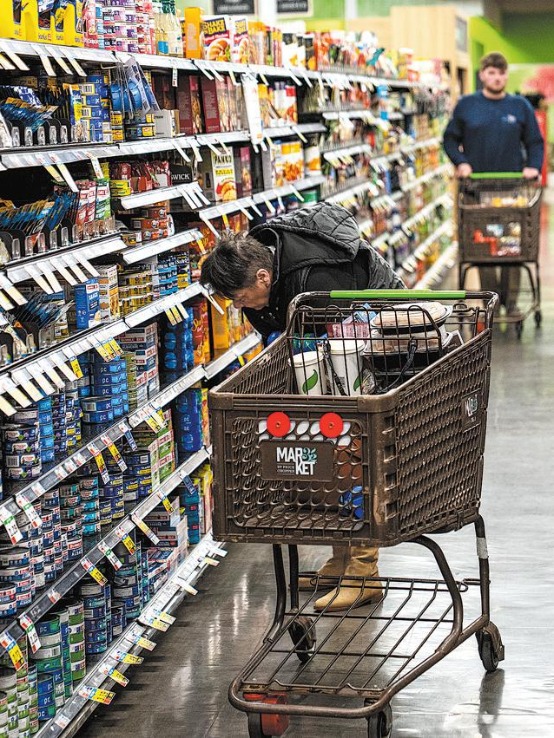
As the holiday season approaches, Americans are grappling with the economic fallout of escalating tariffs, which are driving up the cost of essential goods. The ongoing trade disputes between the United States and key partners, including China, have created a ripple effect that is now hitting consumers hard. With Thanksgiving and Christmas on the horizon, many are calling for swift resolution to these trade tensions to alleviate the financial strain. Kegan Bordeaux, a concessions worker in New York City, voiced concerns over the rising prices, stating, ‘New York is already expensive, but even basic items like rice are becoming unaffordable.’ According to Gary C. Hufbauer, a senior fellow at the Peterson Institute for International Economics, US businesses have absorbed 75% of the tariff costs so far, but consumers are bearing the remaining 25%. However, this balance is unsustainable, and by 2026, most of the burden is expected to shift to consumers. A Goldman Sachs report corroborates this, estimating that US consumers are already paying 55% of the tariff costs, a figure projected to rise to 70% by the end of 2026. The tariff landscape remains volatile, with rates varying widely across countries. For instance, India and Brazil face a 50% tariff, while the European Union is subject to a 15% levy. In a recent meeting between President Xi Jinping and US President Donald Trump, agreements were made to reduce tariffs on Chinese imports from 57% to 47%, offering a glimmer of hope for resolution. Nevertheless, the immediate impact on American households remains a pressing concern as the holiday season looms.
-
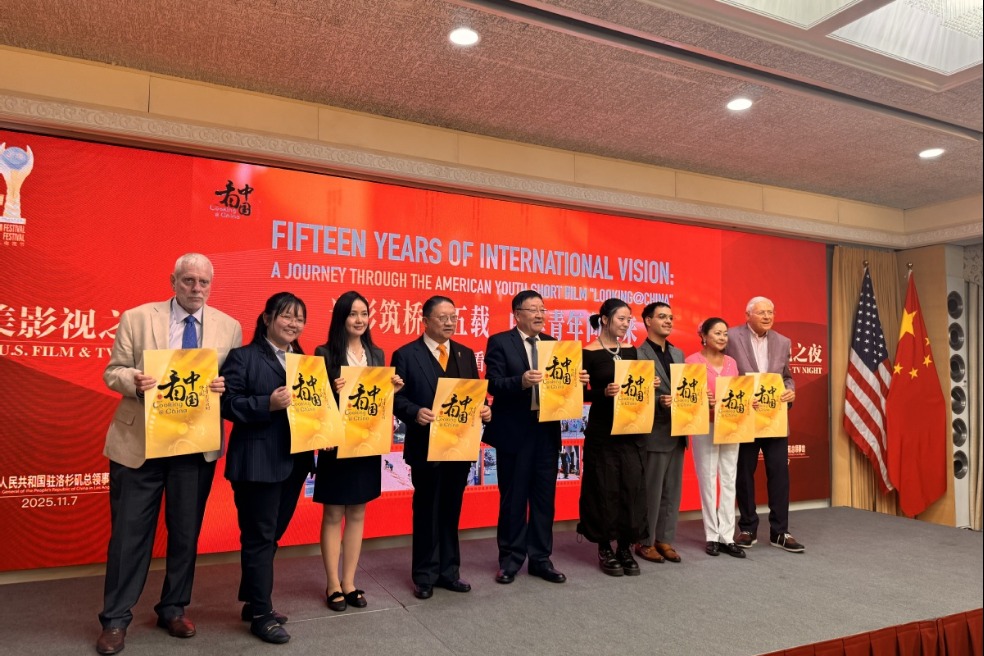
‘Looking China’ brings American youth closer to Chinese culture
The Looking China — Foreign Youth Film Program has been a transformative cultural exchange initiative for over a decade, bringing young filmmakers from around the world closer to Chinese culture. Since its inception in 2011, the program has evolved into a significant platform for international youth to explore and document the diverse facets of Chinese society. Participants, many visiting China for the first time, have created over 1,150 short documentaries, capturing the essence of rural villages, heritage artisans, and emerging creative industries across 14 provincial-level regions. These films have garnered over 200 international awards and reached an estimated 600 million viewers worldwide. Christine Jiaqi An, a Chinese American filmmaker, shared her profound experience of reconnecting with her roots during her 2024 trip to Guizhou province, where she filmed ‘Timeless Voices,’ a documentary highlighting indigenous oral traditions. Similarly, Mateo Nikolav, a UCLA film student, directed ‘Sixty Seconds,’ which delves into the life of a young actor navigating China’s burgeoning creative industry. Sammi Su from the University of Southern California explored the cultural identity of Shaxian through its iconic snack culture in her film ‘Shaxian Snacks.’ The program’s founder, Huang Huilin, emphasized its role in sharing Chinese stories globally, allowing international audiences to experience the warmth of China through diverse and youthful perspectives. The recent China-US Film and TV Night in Los Angeles, themed ‘Recording Friendship Through Light and Shadow,’ showcased the program’s impact, featuring screenings and discussions on the enduring spirit of cultural exchange. Chinese Consul General Guo Shaochun highlighted the importance of storytelling in fostering mutual understanding, while Hollywood producer Andre Morgan underscored the power of shared experiences in overcoming misunderstandings and building cultural bridges.
-
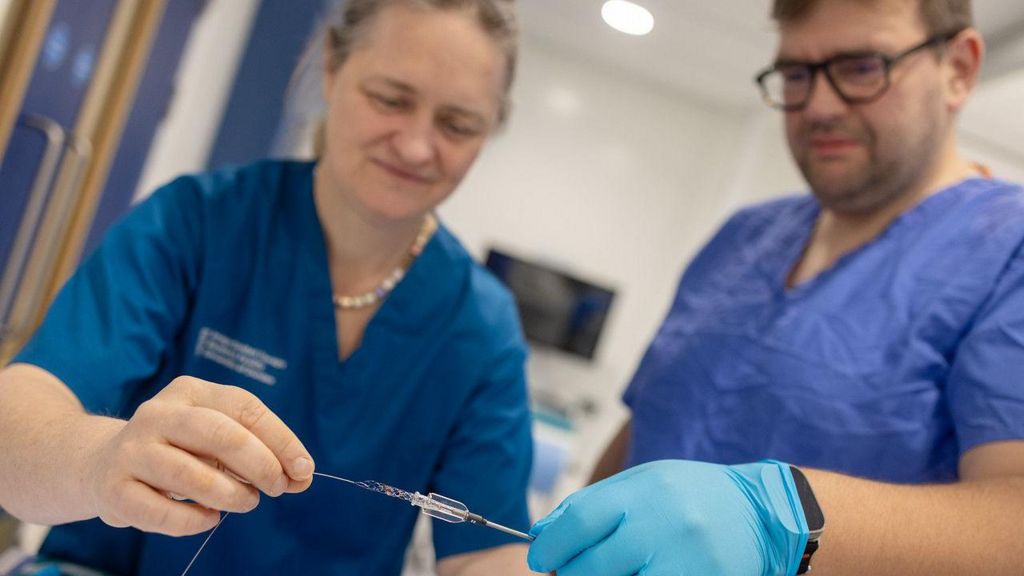
Dundee and US surgeons achieve world-first stroke surgery using robot
In a groundbreaking medical achievement, doctors from Scotland and the United States have successfully completed what is believed to be the world’s first remote stroke procedure using robotic technology. The pioneering procedure, known as a thrombectomy, involves the removal of blood clots from stroke patients. Led by Professor Iris Grunwald of the University of Dundee, the team performed the surgery on a human cadaver donated to medical science. Prof. Grunwald operated from Ninewells Hospital in Dundee, while the cadaver was located at the university’s facility across the city. Hours later, Dr. Ricardo Hanel, a neurosurgeon based in Jacksonville, Florida, replicated the procedure, performing the first-ever transatlantic thrombectomy on a body in Dundee, over 4,000 miles away. The team utilized robotics developed by Lithuanian firm Sentante, marking a significant leap in remote medical intervention. The procedure, described as a potential ‘game changer,’ could revolutionize stroke care by eliminating geographical barriers to accessing specialist treatment. Prof. Grunwald emphasized the transformative potential of the technology, stating, ‘It felt as if we were witnessing the first glimpse of the future.’ The University of Dundee, a global training center for stroke treatment, is the only UK facility where doctors can practice on cadavers with circulated human blood to simulate live procedures. The experiment involved four cadavers, with human blood used to mimic real-life conditions. The team now aims to proceed with clinical trials in 2026. Stroke treatment is highly time-sensitive, with delays significantly impacting recovery chances. Currently, only a small percentage of stroke patients in the UK receive thrombectomies due to limited access to specialists. This innovation could democratize access to life-saving treatment, particularly for those in remote areas. Juliet Bouverie of the Stroke Association hailed the development as ‘a remarkable innovation,’ highlighting its potential to address inequities in stroke care. The Sentante robotics system, supported by tech giants Nvidia and Ericsson, ensures minimal lag time, enabling precise real-time operations. Dr. Hanel described the 120-millisecond delay as ‘truly remarkable.’ Prof. Grunwald and Sentante CEO Edvardas Satkauskas expressed optimism about the technology’s future, with Satkauskas noting, ‘Sometimes, the future is way closer than we think.’
-

A jailed hacking kingpin reveals all about the gang that left a trail of destruction
Vyacheslav Penchukov, known in the cyber underworld as ‘Tank,’ has left a trail of devastation across the globe. After years of evading law enforcement, Penchukov was finally apprehended in a dramatic 2022 operation in Switzerland. Now serving concurrent nine-year sentences in a Colorado prison, the 39-year-old Ukrainian hacker reflects on his criminal journey in an exclusive interview with the BBC.
-
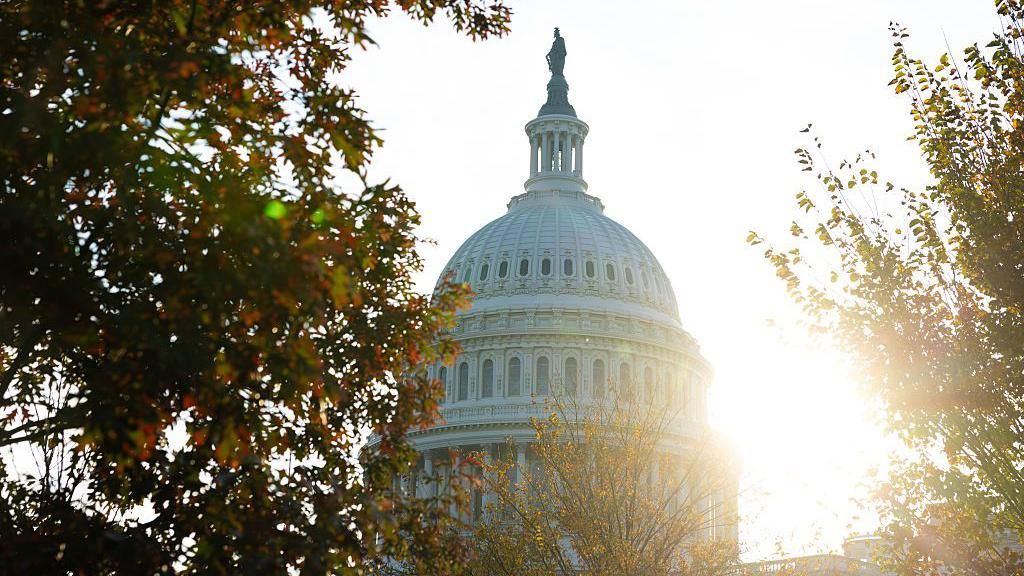
Three takeaways from the US shutdown deal
The longest government shutdown in U.S. history is finally approaching its conclusion following a bipartisan Senate vote to approve federal funding. This decision marks a significant turning point after weeks of political gridlock, which left hundreds of thousands of federal employees furloughed and disrupted essential services across the nation. With the government set to reopen, furloughed workers will return to their jobs and receive back pay, while national parks and food aid programs for low-income Americans will resume operations. Air travel, which had been severely impacted, is expected to stabilize. However, the political ramifications of this historic standoff are far from over. The shutdown exposed deep divisions within the Democratic Party, as centrists and at-risk senators broke ranks to support the Republican-led funding bill. This move has reignited tensions between the party’s progressive base and its centrist establishment, with many on the left viewing the compromise as a missed opportunity to challenge President Trump’s policies. Over the 40-day shutdown, Trump maintained a hardline stance, refusing to compromise with Democrats and instead focusing on international trips and personal engagements. While the White House agreed to roll back some workforce cuts and Senate Republicans promised a vote on health-insurance subsidies, critics argue that little was gained from the prolonged standoff. The temporary funding bill only extends government operations until the end of January, setting the stage for potential future clashes. As the midterm elections approach, both parties are likely to remain entrenched in their positions, ensuring that the political dynamics that fueled this shutdown will persist.
-
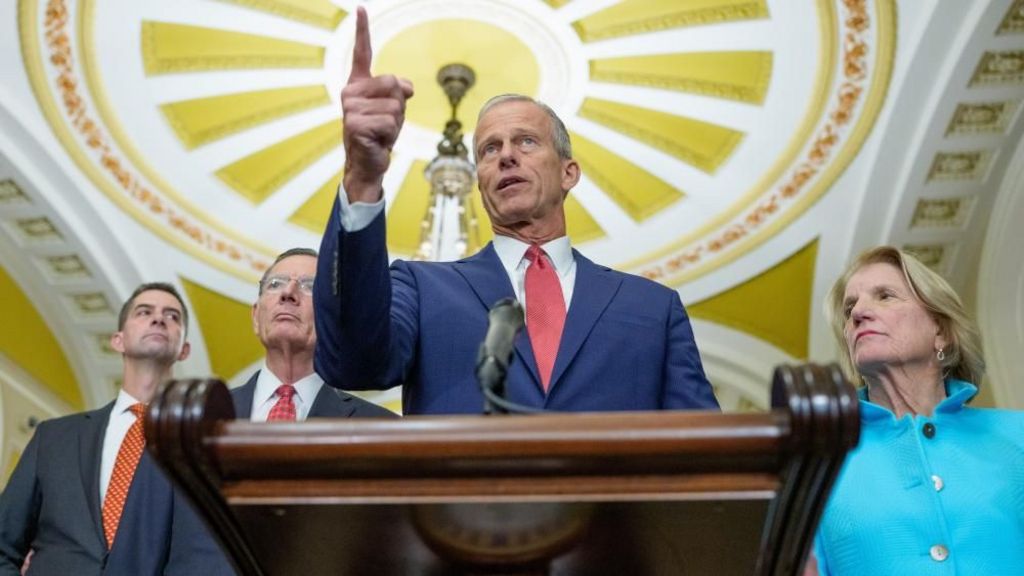
US Senate passes deal aimed at ending government shutdown
The US Senate has taken a significant step toward ending the longest government shutdown in American history, with a bipartisan deal passing procedural hurdles. After 40 days of political gridlock, a minority of Democrats joined Republicans to vote in favor of the agreement, which was negotiated by Senate Majority Leader John Thune and key Democratic senators. The deal aims to fund government operations and address critical issues such as healthcare subsidies and federal employee pay. However, it still faces challenges in the House of Representatives before it can be fully implemented. The shutdown, which began on October 1, has left 1.4 million federal employees either furloughed or working without pay, disrupted air travel, and threatened food benefits for 41 million low-income Americans. The agreement includes provisions for extending healthcare subsidies, funding essential agencies, and ensuring back pay for federal workers. Despite this progress, some Democrats have criticized the deal for lacking concrete guarantees on healthcare, with Senate Minority Leader Chuck Schumer vowing to vote against it. The measure also sets the stage for potential future budget battles, as it only funds the government until January 30.