标签: North America

北美洲

  • Stable energy, mineral supply chains urged

    Stable energy, mineral supply chains urged

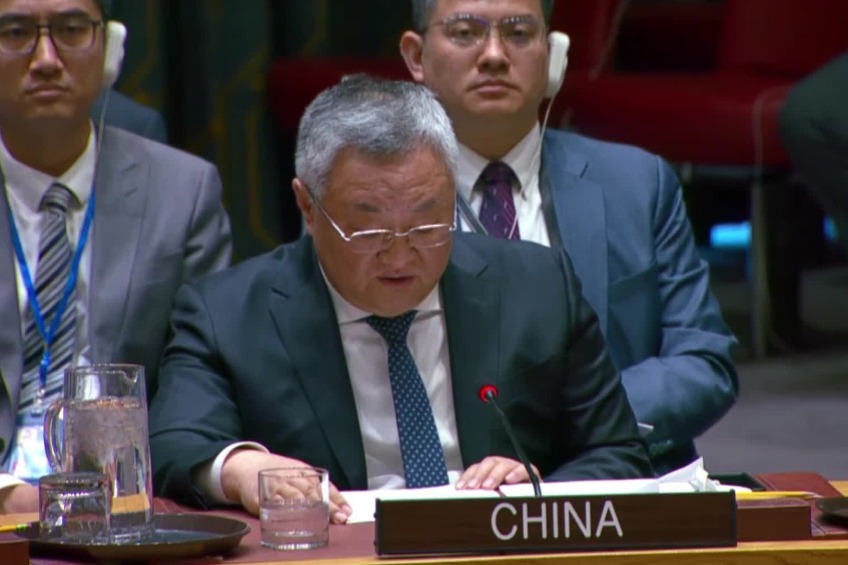
    In a significant address to the United Nations Security Council on Thursday, China’s Permanent Representative Fu Cong issued a compelling call for international action to safeguard global energy and critical mineral supply chains against escalating disruptions. The ambassador’s urgent appeal comes amid mounting geopolitical tensions in the Middle East that have severely compromised maritime transportation routes and raised alarms about worldwide economic stability.

    Ambassador Fu highlighted how recurring conflicts in resource-rich regions like the Middle East and Africa have dramatically impaired normal production and transportation operations for essential energy resources and critical minerals. He emphasized that the current situation in the Strait of Hormuz—a vital corridor for energy shipments from Gulf nations—has become particularly concerning due to recent military activities and security threats.

    The Chinese diplomat urged all parties to immediately adhere to the fundamental principles of the UN Charter, resolve disputes through peaceful dialogue, and ensure the protection of non-military targets. He specifically stressed the critical importance of maintaining secure and unimpeded navigation routes for global commerce.

    Fu presented a comprehensive vision for international cooperation, noting that the global distribution of energy and critical minerals remains ‘highly uneven,’ creating inevitable supply-demand mismatches across nations. He advocated for establishing a fair and transparent global economic and trade order while building an inclusive, open supply chain system that promotes mutually beneficial cooperation and peaceful resource utilization.

    The ambassador strongly cautioned against politicizing or securitizing energy and mineral issues, warning against Cold War mentalities and the formation of exclusive blocs with geopolitical motivations. He asserted that global industrial and supply chains represent the natural outcome of economic globalization and market mechanisms, noting that political manipulation or artificial interference would only further destabilize international markets and ultimately backfire on those responsible.

    Fu emphasized that countries’ sovereign rights over natural resources must be fully respected, and developing nations should be empowered to leverage their resources for economic advancement rather than being confined to lower-value segments of global supply chains. He called on relevant countries to abandon outdated colonialist approaches, respect other nations’ development paths, and engage in equitable commercial cooperation without resorting to resource exploitation or military coercion.

    The ambassador also highlighted China’s leadership role as the world’s largest producer, consumer, and trader of minerals, referencing Beijing’s International Economic and Trade Cooperation Initiative on Green Mining and Minerals announced at last November’s G20 summit in South Africa. This initiative aims to advance sustainable development within the global mining sector while maintaining stable, fair, and mutually beneficial supply chains.
  • Deadly storms and tornadoes strike US state of Michigan

    Deadly storms and tornadoes strike US state of Michigan

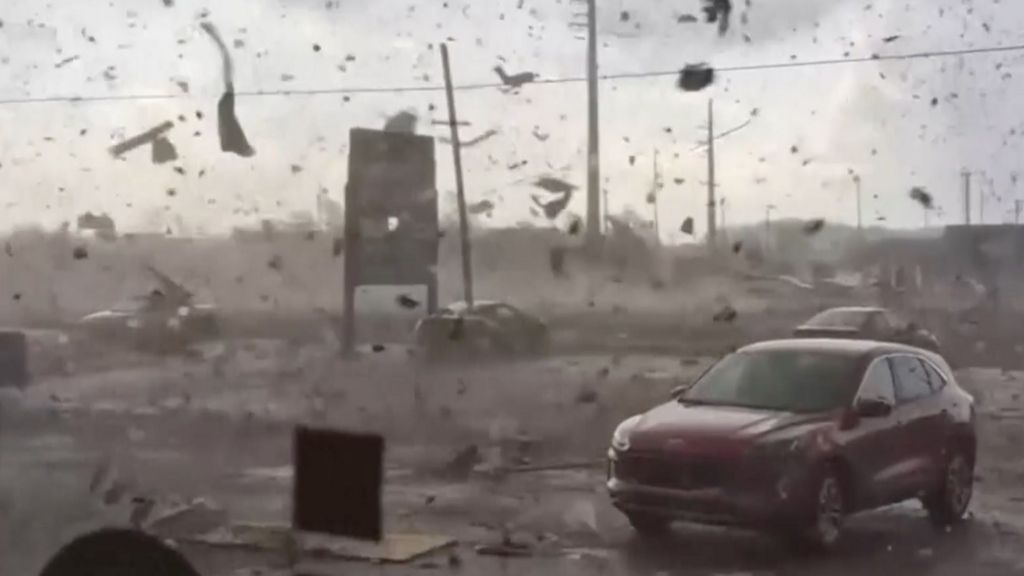
    The state of Michigan is confronting severe devastation and assessing the aftermath of a violent storm system that unleashed multiple tornadoes across several communities. The extreme weather event, characterized by powerful rotational winds, carved a path of destruction through urban and residential areas, resulting in significant structural damage and tragic loss of life.

    Initial reports from emergency management officials describe widespread impacts, including homes completely leveled, commercial buildings sustaining critical damage, and essential infrastructure being severely compromised. The force of the tornadoes was potent enough to tear mature trees from the ground and hurl debris across considerable distances, creating hazardous conditions for residents and complicating rescue operations.

    First responders, including police, fire departments, and paramedic teams, are conducting coordinated search-and-rescue missions in the hardest-hit zones. The primary objectives are to locate and evacuate any individuals trapped in damaged structures and to provide immediate medical assistance to the injured. Local hospitals have been placed on high alert to manage an influx of patients.

    State Governor Gretchen Whitmer has officially declared a state of emergency for the affected counties, a procedural move that mobilizes additional state resources and unlocks federal disaster assistance funding. In public statements, the Governor urged residents to prioritize their safety, heed all warnings from authorities, and avoid traveling through damaged areas to allow emergency crews unimpeded access.

    The National Weather Service (NWS) has dispatched survey teams to the region to analyze the damage and determine the exact intensity and number of tornadoes, which will be rated on the Enhanced Fujita (EF) scale. Meteorologists had issued advanced warnings for the potential of severe convective storms, but the rapid development and precise trajectory of the tornadoes highlighted the persistent challenges in predicting such volatile weather phenomena with pinpoint accuracy.

    This event is part of a broader pattern of intense spring and summer storm activity across the United States, particularly in the Midwest and Great Lakes regions, which are increasingly experiencing severe weather outbreaks. Recovery efforts are expected to be a prolonged process, involving not just rebuilding infrastructure but also providing long-term support for displaced families and communities grappling with the psychological and economic toll of the disaster.

  • Footage shows US citizen shot by ICE agent in Texas traffic stop

    Footage shows US citizen shot by ICE agent in Texas traffic stop

    Newly disclosed body camera footage has revealed critical discrepancies in the official narrative surrounding the fatal shooting of 23-year-old U.S. citizen Ruben Ray Martinez by an Immigration and Customs Enforcement (ICE) officer in South Padre Island, Texas, on March 15, 2025. The footage, released by the Texas Department of Public Safety after months of official reluctance, captures the chaotic nighttime encounter where Martinez was killed while driving past a routine traffic accident scene.

    The visual evidence shows Martinez rolling down his window to engage with officers before slowly proceeding through an intersection. Contrary to Department of Homeland Security (DHS) claims that Martinez “intentionally ran over” an agent, prompting “defensive shots,” the footage suggests his vehicle was barely moving when an ICE agent fired three rounds through the driver’s side window at point-blank range. The footage does not clearly show any officers positioned on the hood or directly in front of the vehicle immediately before the shooting.

    Posthumous toxicology reports indicated the presence of alcohol and marijuana in Martinez’s system, while a passenger in the vehicle, Joshua Orta (who later died in an unrelated accident), previously disputed the official account, stating that Martinez never struck an officer with the vehicle. Attorneys for Martinez’s family assert the new evidence fundamentally undermines ICE’s version of events, noting that Martinez was braking rather than accelerating when shot.

    This incident represents the first of three controversial fatal shootings of U.S. citizens by federal immigration agents during President Trump’s second term, though unlike the other cases involving protesters, Martinez was simply driving through an accident scene. Despite the new evidence, a Texas grand jury recently declined to indict the involved agent, while Martinez’s mother continues to seek accountability and systemic reform within immigration enforcement agencies.

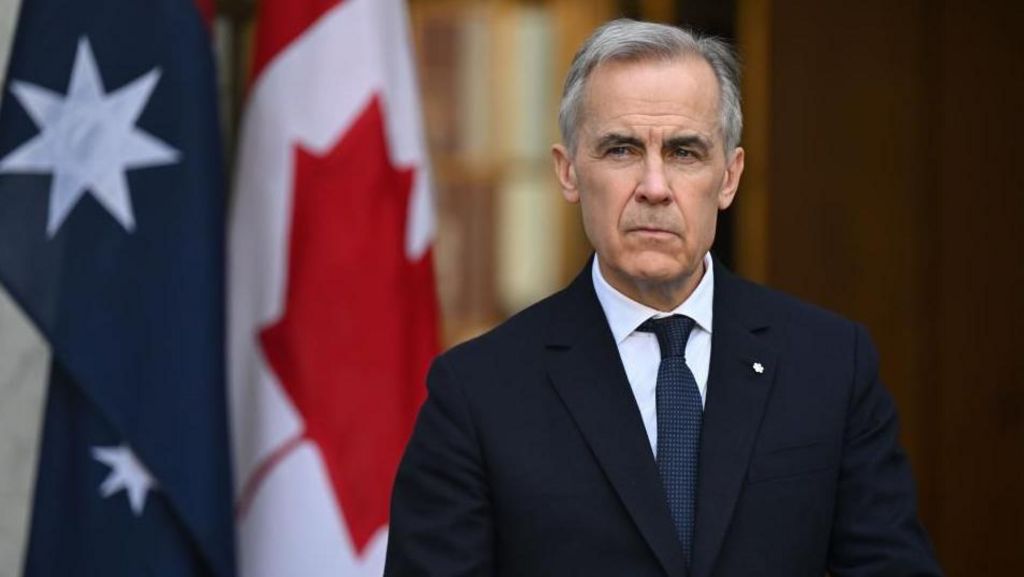
  • Canada’s Mark Carney tries to strike a balance on Iran

    Canada’s Mark Carney tries to strike a balance on Iran

    Canadian Prime Minister Mark Carney finds himself navigating intense domestic criticism while attempting to maintain a delicate diplomatic equilibrium regarding U.S.-Israeli military operations in Iran. As Canada urgently works to evacuate its citizens from the escalating conflict zone, the nation confronts the unsettling possibility of being drawn into a broadening regional war.

    Carney initially voiced robust support for the strikes when they commenced one week ago, emphasizing the imperative of preventing Iran from acquiring nuclear capabilities and curbing the regime’s capacity to “further threaten international peace and security.” However, within days, the Prime Minister characterized his position as one adopted “with regret,” acknowledging that the military action appeared “inconsistent with international law.”

    During meetings with Australian counterpart Anthony Albanese, Carney jointly advocated for “rapid de-escalation” of hostilities. While Canada’s initial response demonstrated greater firmness than European allies including the UK, France and Germany—who collectively condemned Tehran while urging renewed negotiations—Carney now appears to be steering toward a more nuanced diplomatic course.

    This recalibration mirrors evolving positions among Western nations. France has augmented its regional military presence following Iranian strikes on its facilities in the United Arab Emirates. The United Kingdom has authorized American utilization of British bases for defensive operations, evidenced by the arrival of a U.S. B-1 Lancer bomber capable of delivering 24 cruise missiles. Germany has positioned its forces for potential defensive measures, though Chancellor Friedrich Merz has cautioned against entanglement in “endless wars.”

    Carney has refrained from unequivocally excluding Canadian military involvement, stating the nation “will stand by our allies, when it makes sense.” This ambiguity has provoked substantial dissent within his Liberal Party. Former Foreign Minister Lloyd Axworthy published a scathing critique in the Toronto Star, contrasting current policy with Canada’s refusal to endorse the 2003 Iraq invasion, noting “we are embracing the very doctrine we used to reject.”

    Liberal MP Will Greaves denounced endorsing “unilateral and illegal use of military force” while simultaneously defending national sovereignty—an apparent reference to former President Donald Trump’s suggestions regarding Canadian statehood. Opposition Conservatives have dismissed Carney’s approach as “contradictory” and “incoherent.”

    University of Ottawa Professor Roland Paris observed that Carney’s stance proved “difficult to decipher,” suggesting the controversy demonstrates the implementation challenges of the pragmatic international vision the Prime Minister outlined in his January Davos address. That speech, which garnered global attention, urged middle powers to unite against great power dominance while advocating UN Charter-aligned principled foreign policy.

    Professor Thomas Juneau posited that Carney’s positioning likely reflects necessary management of relations with the Trump administration, given Canada’s substantial economic dependence on U.S. trade and impending high-stakes negotiations. Juneau noted that while Canada gains nothing from endorsing the conflict, it risks significant losses by opposing an “easily irritated Trump.”

    Foreign Minister Anita Anand subsequently clarified that Canada has “no intention to participate in Operation Epic Fury,” emphasizing diplomatic efforts prioritizing de-escalation and civilian protection. Defence Staff Gen Jennie Carignan simultaneously indicated that “Gulf partners may require defence and support,” leaving military options theoretically available.

    Anand welcomed diverse perspectives within Liberal ranks ahead of caucus discussions on the crisis, acknowledging respectful disagreement while coordinating evacuation efforts for Canadians in the region. Recent polling by Angus Reid indicates a divided populace, with 48% opposing the strikes, 35% supporting, and 17% remaining uncertain.

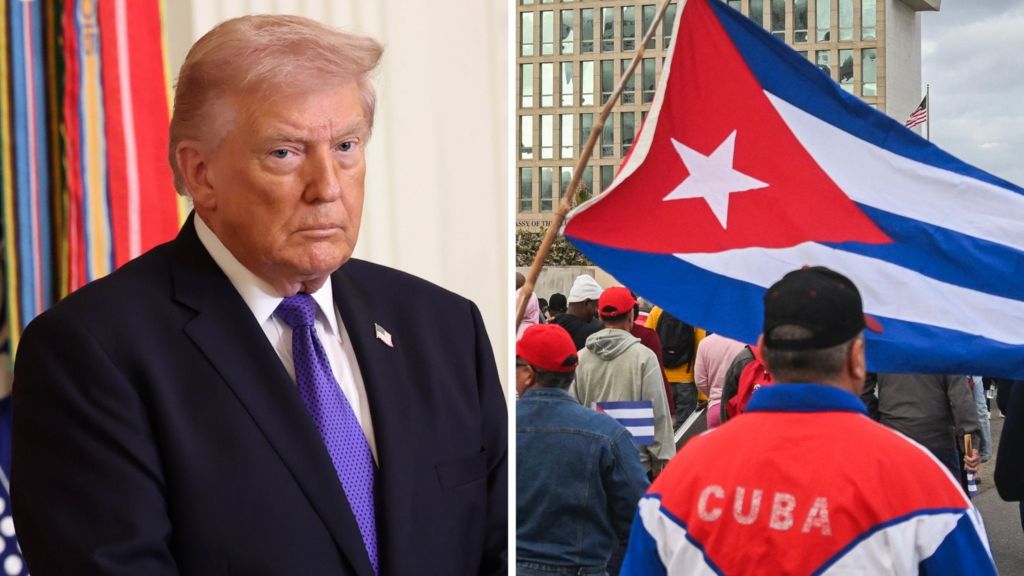
  • After Iran, will Trump turn his eyes to Cuba?

    After Iran, will Trump turn his eyes to Cuba?

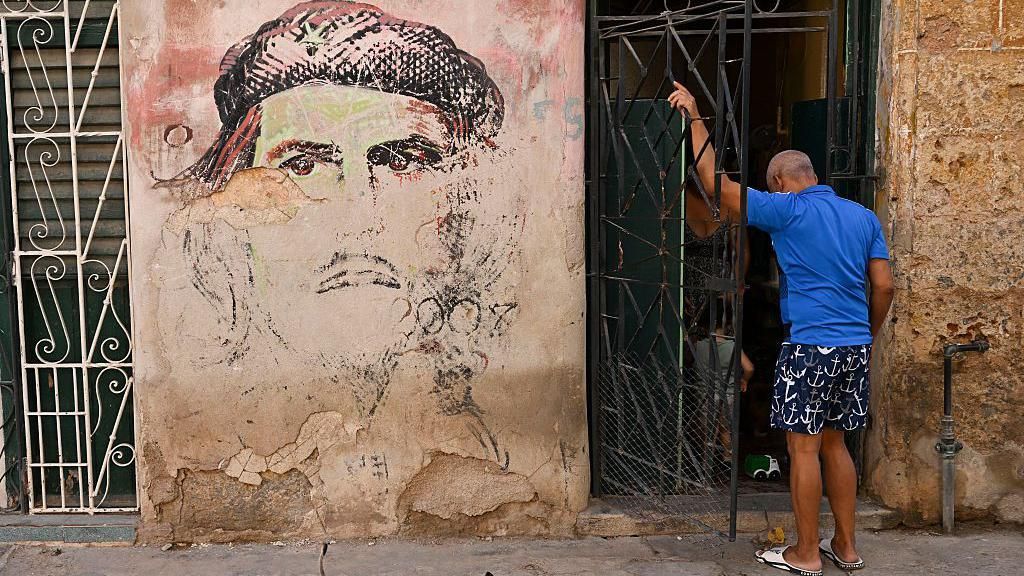
    President Donald Trump has hinted at a potential new foreign policy focus on Cuba during a White House reception for the Inter Miami CF soccer team. In his remarks, the President characterized the Caribbean nation as being ‘ready to fall,’ suggesting a possible hardening of U.S. stance toward the communist government. This statement comes amid heightened tensions with Iran and raises questions about whether the administration is preparing to implement more aggressive policies toward additional nations that have historically opposed American interests. The comments represent a significant departure from the brief period of diplomatic thaw experienced during the previous administration, potentially signaling a return to more confrontational approaches. Political analysts are now closely monitoring whether these remarks foreshadow concrete policy changes regarding the decades-long embargo and relationship with Cuba. The timing of this statement, following recent military actions in the Middle East, suggests a broader pattern of confronting regimes that the administration perceives as adversarial to United States interests.

  • US presidents gather to honour Jesse Jackson at memorial service

    US presidents gather to honour Jesse Jackson at memorial service

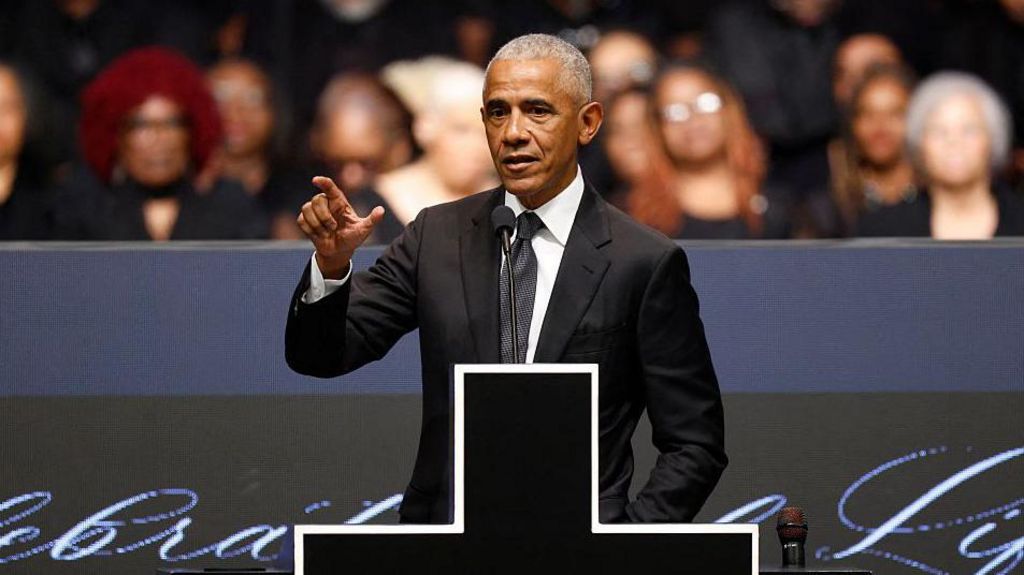
    Chicago witnessed a historic convergence of political power and cultural influence as the nation bid farewell to Reverend Jesse Jackson, the tenacious civil rights leader who passed away last month. The memorial service transformed into both a celebration of Jackson’s monumental legacy and an implicit commentary on contemporary political tensions.

    Three former U.S. presidents—Joe Biden, Barack Obama, and Bill Clinton—joined Vice President Kamala Harris in delivering heartfelt tributes that underscored Jackson’s enduring impact on American democracy. Obama’s eulogy took on particular significance as he addressed current challenges to democratic institutions without directly naming former President Donald Trump, stating, ‘Each day we wake up to some new assault on our democratic institutions.’

    Harris received a standing ovation for her remarks, which similarly contained pointed observations about the current political landscape. ‘I predicted a lot of what is happening right now,’ she noted, adding that navigating these times without Jackson’s guidance presented particular challenges.

    The service highlighted Jackson’s multifaceted legacy: his work alongside Martin Luther King Jr., his groundbreaking presidential campaigns that broke barriers for Black politicians, and his founding of the Rainbow PUSH coalition that continues advocacy work for social justice. Bill Clinton shared personal recollections of Jackson’s support during his impeachment proceedings, illustrating the reverend’s commitment to standing by allies during difficult times.

    Cultural tributes featured performances by Jennifer Hudson and Opal Staples, while prominent figures from entertainment (filmmaker Tyler Perry) and sports (NBA legend Isiah Thomas) joined thousands of Chicago residents in honoring the activist. Reverend Al Sharpton, Jackson’s longtime colleague in the civil rights movement, also delivered remarks celebrating his friend’s uncompromising commitment to justice.

    The celebration emphasized Jackson’s characteristic impatience with injustice—a quality Harris highlighted when noting that Jackson ‘did not waste time waiting, even when the doors in front of him were barred and bolted.’ This public memorial precedes a private family service scheduled for the weekend, marking the final chapter in commemorating a figure who shaped decades of American civil rights advancement.

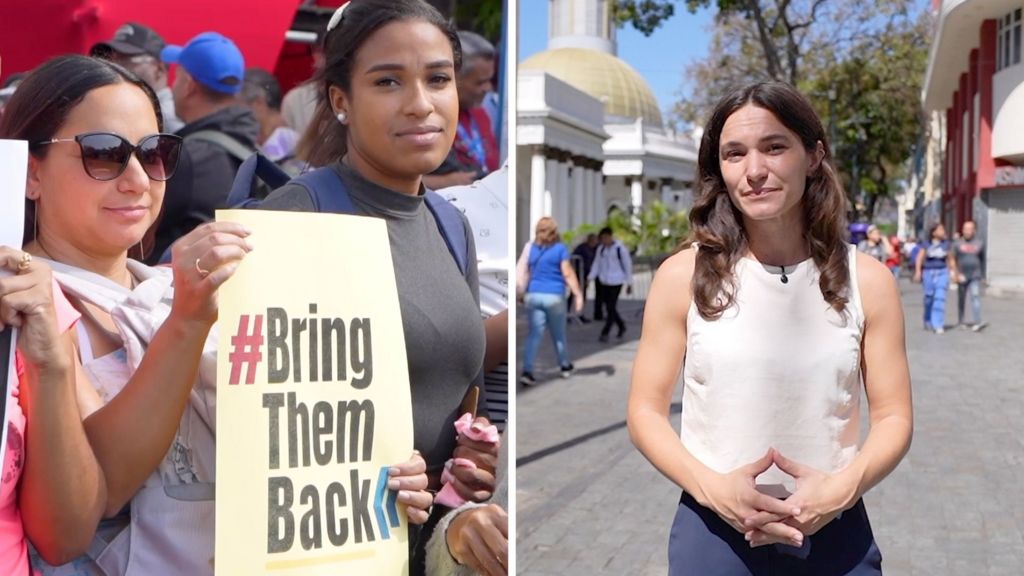
  • Inside Venezuela’s political transition two months after Maduro’s ousting

    Inside Venezuela’s political transition two months after Maduro’s ousting

    Two months following the departure of President Nicolás Maduro, Venezuela stands at a critical juncture in its political evolution. BBC correspondent Ione Wells provides exclusive ground reporting from Caracas, capturing the nation’s complex transition phase. The political landscape has been markedly altered by the release of numerous opposition figures previously detained under Maduro’s administration. These newly freed leaders are now actively engaging in dialogues concerning the nation’s governance framework and its future trajectory. A central focus of these discussions involves redefining Venezuela’s international stance, particularly its diplomatic and economic relations with the United States. Wells’ reporting indicates significant shifts in power dynamics as various political factions negotiate their roles within emerging governance structures. The transition period has revealed both challenges and opportunities for institutional reform, with observers closely monitoring how historical grievances balance against pragmatic governance needs. The evolving relationship between Caracas and Washington appears to be a decisive factor influencing Venezuela’s economic recovery prospects and potential reintegration into global financial systems. This political recalibration follows years of intense international pressure and internal unrest that characterized the latter Maduro years.

  • Former 100m world champion Kerley banned for two years

    Former 100m world champion Kerley banned for two years

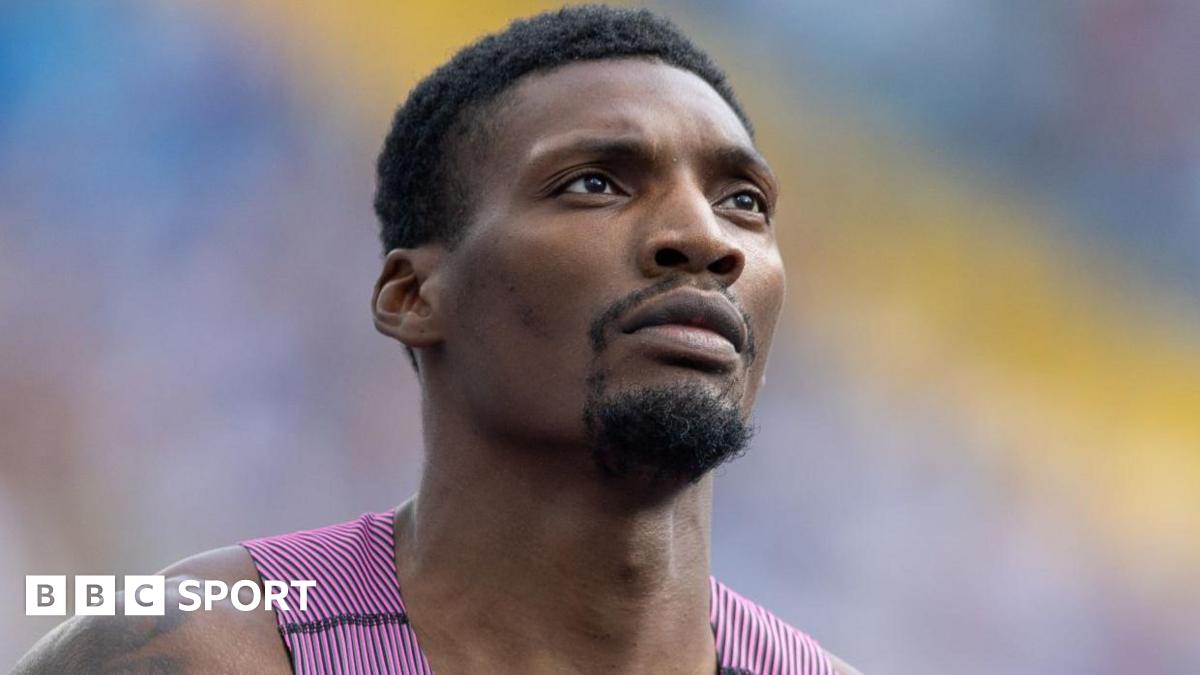
    In a significant development for track and field, American sprinter Fred Kerley has been handed a two-year suspension for multiple anti-doping violations. The Athletics Integrity Unit (AIU) confirmed the ban following a tribunal’s determination that the former world champion displayed negligence in adhering to anti-doping protocols.

    The disciplinary panel found Kerley committed three whereabouts failures within a twelve-month span between May and December 2024. These violations occur when athletes fail to provide accurate information about their location for testing or miss scheduled tests. The tribunal characterized Kerley’s behavior as “negligent and, to a certain extent, reckless” given his extensive experience in elite competition.

    Kerley’s competitive results from December 6, 2024, through August 12, 2025, have been nullified, requiring forfeiture of any titles, medals, and prize money earned during this period. His suspension will remain in effect until August 11, 2027. Additionally, the athlete has been ordered to pay World Athletics approximately £3,000 in legal costs.

    The 30-year-old sprinter, who claimed the 100m world championship title in 2022 and earned Olympic medals in both Tokyo (silver) and Paris (bronze), had been provisionally suspended since August 2025, causing him to miss that year’s World Championships in Tokyo.

    AIU Head Brett Clothier emphasized the critical importance of whereabouts compliance, stating: “Sophisticated doping substances may only be detectable within an athlete’s sample for a few days or even hours after administration. Anti-doping organisations need to be able to test athletes without notice on the day and hour of our choosing.”

    Kerley partially contested the allegations, acknowledging one missed test but attributing two others to technical issues with the USADA app and alleged procedural errors by doping control officers. The tribunal dismissed a fourth potential violation from December 7th, having already established three violations.

    The sprinter, who recently made headlines as the first track athlete to sign with the controversial Enhanced Games, retains the right to appeal the decision to the Court of Arbitration for Sport.

  • Meghan’s lifestyle brand and Netflix end partnership

    Meghan’s lifestyle brand and Netflix end partnership

    American Riviera Orchard, the lifestyle venture established by Meghan, Duchess of Sussex, has officially concluded its financial partnership with Netflix, transitioning to complete operational independence. This development marks a significant evolution in the business relationship between the streaming giant and the Duchess’s entrepreneurial endeavor.

    The separation follows last year’s substantial restructuring of the comprehensive content agreement between Netflix and the Sussexes’ production entity, Archewell Productions. Both American Riviera Orchard and Netflix issued coordinated statements on Friday confirming the brand’s newly independent status.

    A spokesperson for American Riviera Orchard expressed gratitude for Netflix’s initial support, stating: “We appreciate Netflix’s foundational partnership during our inaugural year. The brand has demonstrated remarkable growth trajectories and is now positioned to operate as a fully autonomous enterprise.”

    Netflix’s official response praised the Duchess’s creative vision: “Meghan’s distinctive approach to celebrating life’s simple pleasures through elegant products inspired the brand’s creation. We take pride in our role in launching this vision and support its independent future development as originally intended.”

    Launched in 2023, American Riviera Orchard has gained recognition for its premium artisanal jams while expanding into complementary product categories including rosé wines, specialty teas, shortbread biscuits, and edible floral garnishes.

    This business development occurs against the backdrop of the Sussexes’ broader $100 million content agreement with Netflix, signed in 2020. The Duchess’s culinary series “With Love, Meghan” completed two seasons and a holiday special under this arrangement, though audience metrics indicated moderate viewership performance.

    Following the conclusion of the original production contract last summer, the parties established a revised “first look” arrangement granting Netflix preferential consideration rights for future projects developed by the Sussexes’ production company.

  • Trump puts pressure on Cuba as island faces fuel crisis

    Trump puts pressure on Cuba as island faces fuel crisis

    In a striking declaration made before Inter Miami’s soccer stars, including Lionel Messi and Luis Suarez, former US President Donald Trump predicted the imminent collapse of Cuba’s communist government. The remarks came just one day after the island nation suffered a devastating 24-hour nationwide blackout, exacerbating an already severe energy crisis.

    Addressing team owner and Cuban-born billionaire Jorge Mas, Trump asserted that Cuban authorities desperately seek a negotiated settlement, stating they “want to make a deal. So badly you have no idea.” He promised celebrations would soon follow developments in Cuba, with Mas enthusiastically responding: “It’s going to be an amazing day.”

    In subsequent comments to CNN, Trump revealed plans to involve Senator Marco Rubio in Cuba negotiations, declaring “Cuba’s gonna fall pretty soon” while emphasizing continued pressure on the island nation. Although prioritizing Iran currently, Trump noted Cuba had been “ready after 50 years” of communist rule.

    The energy crisis stems directly from Venezuela’s political upheaval in January, when US military action removed Nicolás Maduro from power. Cuba lost its primary crude oil supplier, with no other partners—particularly Mexico—willing to breach the supply gap under Trump administration pressure.

    The consequences are visible nationwide: mountains of uncollected garbage create public health hazards, forcing residents to burn waste amid acrid smoke. Even affluent Havanans resort to cooking with firewood during blackouts. The fuel shortage cripples transportation and backup generators, with few alternatives to Cuba’s deteriorating Soviet-era electrical grid.

    While the Cuban government remains silent on alleged negotiations—reportedly conducted through Raúl Castro’s grandson—it has permitted limited private sector fuel imports. However, these measures prove insufficient against nationwide shortages that now threaten Cuba’s tourism industry, with Air France recently suspending flights due to refueling difficulties.

    As Cubans brace for summer without air conditioning or fans, the Trump-Rubio approach maintains maximum pressure despite critics noting the policy disproportionately harms ordinary citizens rather than leadership, raising questions about intentions to spark internal uprising.