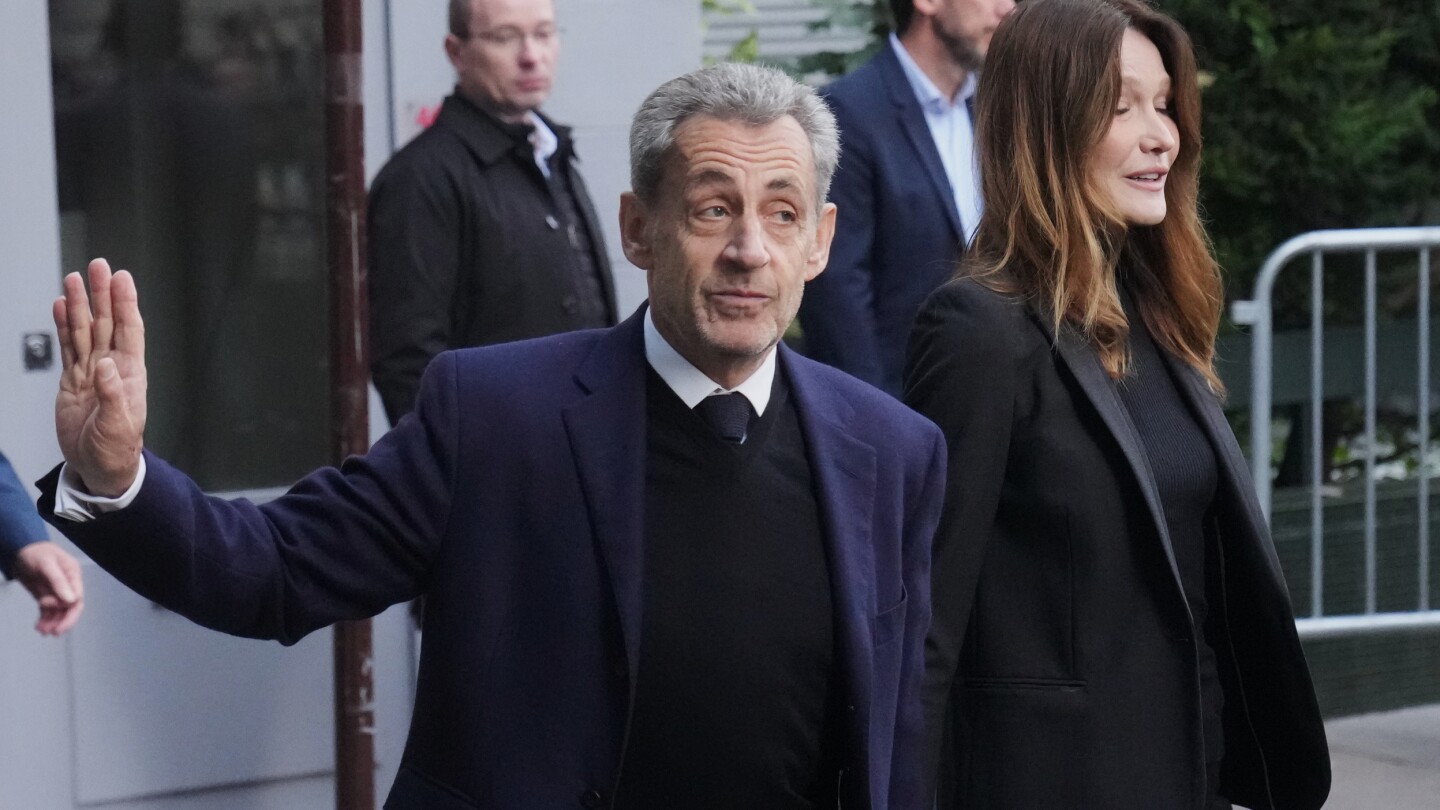
A Paris court is set to deliberate on Monday whether to grant former French President Nicolas Sarkozy early release from prison. Sarkozy, 70, began serving a five-year sentence on October 21 for criminal conspiracy related to the illegal financing of his 2007 election campaign with Libyan funds. His conviction on September 25 marked him as the first former French head of state in modern history to be incarcerated. Sarkozy, who governed France from 2007 to 2012, has consistently denied any wrongdoing, claiming he is the victim of a ‘plot’ tied to the late Libyan leader Moammar Gadhafi. Under French law, pre-appeal detention is typically reserved for exceptional cases. The court will assess whether Sarkozy poses a flight risk, could influence witnesses, or obstruct justice. If approved, he could be released from Paris’ La Santé prison within hours under judicial supervision. Meanwhile, Sarkozy faces additional legal challenges, including a November 26 ruling by France’s highest court regarding illegal financing of his failed 2012 reelection campaign and an ongoing investigation into alleged witness tampering in the Libya case.
标签: Europe
欧洲
-
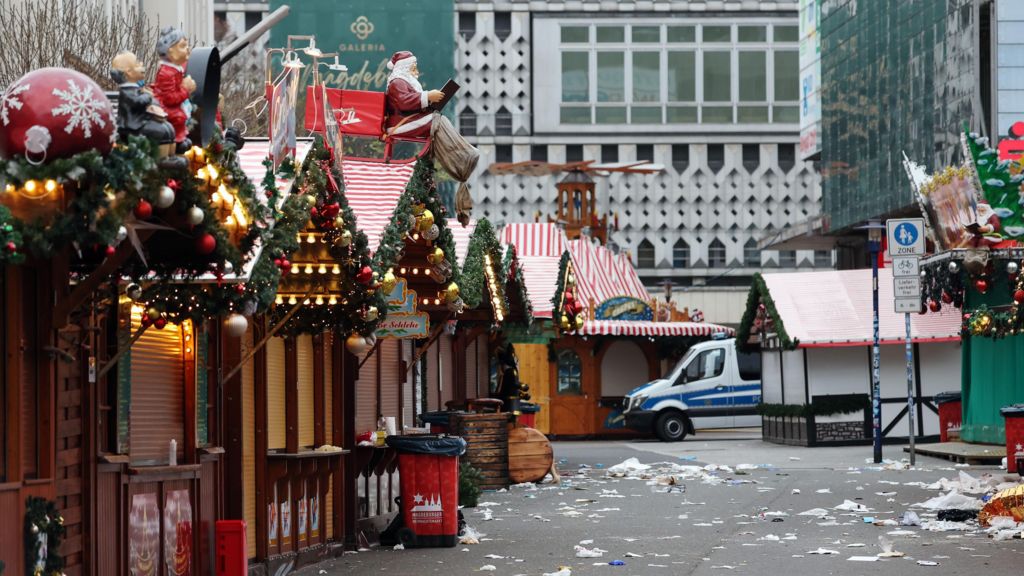
Trial for suspect of deadly Magdeburg market attack begins
A high-profile trial commenced on Monday in Magdeburg, Germany, for a Saudi Arabian doctor accused of orchestrating a devastating attack on a Christmas market last December. The incident, which occurred on December 20, 2024, resulted in the deaths of six individuals and left over 300 others injured. The suspect, identified as Taleb A. in accordance with German privacy laws, allegedly drove a rented BMW at speeds of up to 48 km/h through the crowded market in the heart of Magdeburg. The attack, which lasted just over a minute, took place at 19:02 local time, when the market was bustling with holiday revelers. Taleb A., now 51, faces charges of murdering six people, including a nine-year-old boy and five women aged between 45 and 75. Additionally, he is accused of attempted murder in relation to 338 others, as well as causing grievous bodily harm to 309 individuals and dangerous interference with road traffic. Prosecutors in Naumburg, Saxony-Anhalt, stated that Taleb A. was not under the influence of alcohol or similar substances during the rampage. They believe he acted out of frustration over a civil dispute and the failure of various criminal complaints, aiming to kill an indeterminate number of people. The crime was reportedly planned and prepared meticulously over several weeks without accomplices. Taleb A. has been in custody since the day of the attack and faces life imprisonment if convicted. Due to the large number of victims, a temporary courthouse has been erected in Magdeburg for the trial. This incident adds to a history of attacks on Germany’s Christmas markets, primarily by extreme Islamists. However, Taleb A. was described as an ‘untypical’ attacker, being a refugee from Saudi Arabia who was critical of Islam and expressed support for the far-right Alternative for Germany (AfD) party on social media, praising their efforts to ‘protect Germany.’
-
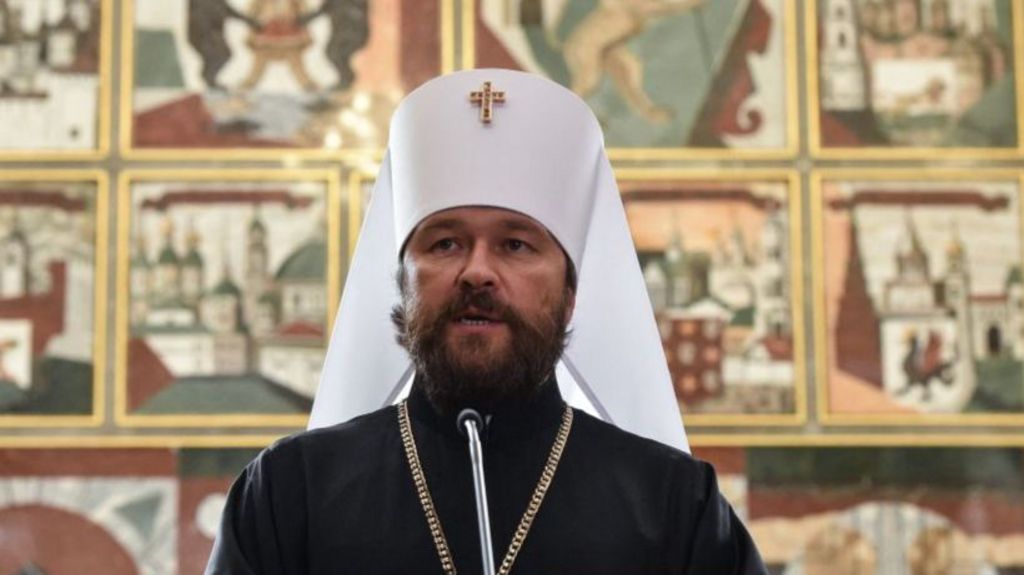
A Kremlin target? Exiled Church man hits back at claims of spying
Metropolitan Hilarion, the former head of foreign relations for the Russian Orthodox Church, has broken his silence following a series of serious allegations against him. Once a prominent figure in the Church and a potential successor to Patriarch Kirill, Hilarion’s fall from grace began after Russia’s full-scale invasion of Ukraine in 2022. While no official reason was given for his exile to Hungary, many observers attribute it to his neutral stance on the war, which contrasted sharply with Patriarch Kirill’s vocal support for Vladimir Putin’s policies. In Putin’s Russia, where criticizing the war is a criminal offense, Hilarion’s refusal to endorse the conflict likely cost him his position. The allegations against Hilarion escalated in June 2024 when George Suzuki, a former aide, accused him of sexual misconduct and collaboration with Russia’s FSB intelligence agency. Suzuki, a 23-year-old Japanese citizen, began working for Hilarion after his arrival in Budapest and has since posted video and audio clips on his YouTube channel to support his claims. Hilarion denies all allegations, stating that some of the evidence has been doctored. He has vowed to refute the accusations in court. Hilarion admits to mistakes in his treatment of Suzuki, including agreeing to financial demands from Suzuki’s family, but maintains his innocence regarding harassment and espionage. The case has gained urgency as the Czech government considers imposing sanctions on Hilarion, potentially forcing him to return to Russia. Despite the ordeal, Hilarion remains loyal to the Russian Orthodox Church and Patriarch Kirill. His supporters fear that Kremlin hardliners are targeting him to tarnish his reputation. The former Archbishop of Canterbury, Rowan Williams, suggested that the Kremlin’s modus operandi is recognizable in this case. Hilarion’s future remains uncertain as he navigates legal battles and political pressures.
-
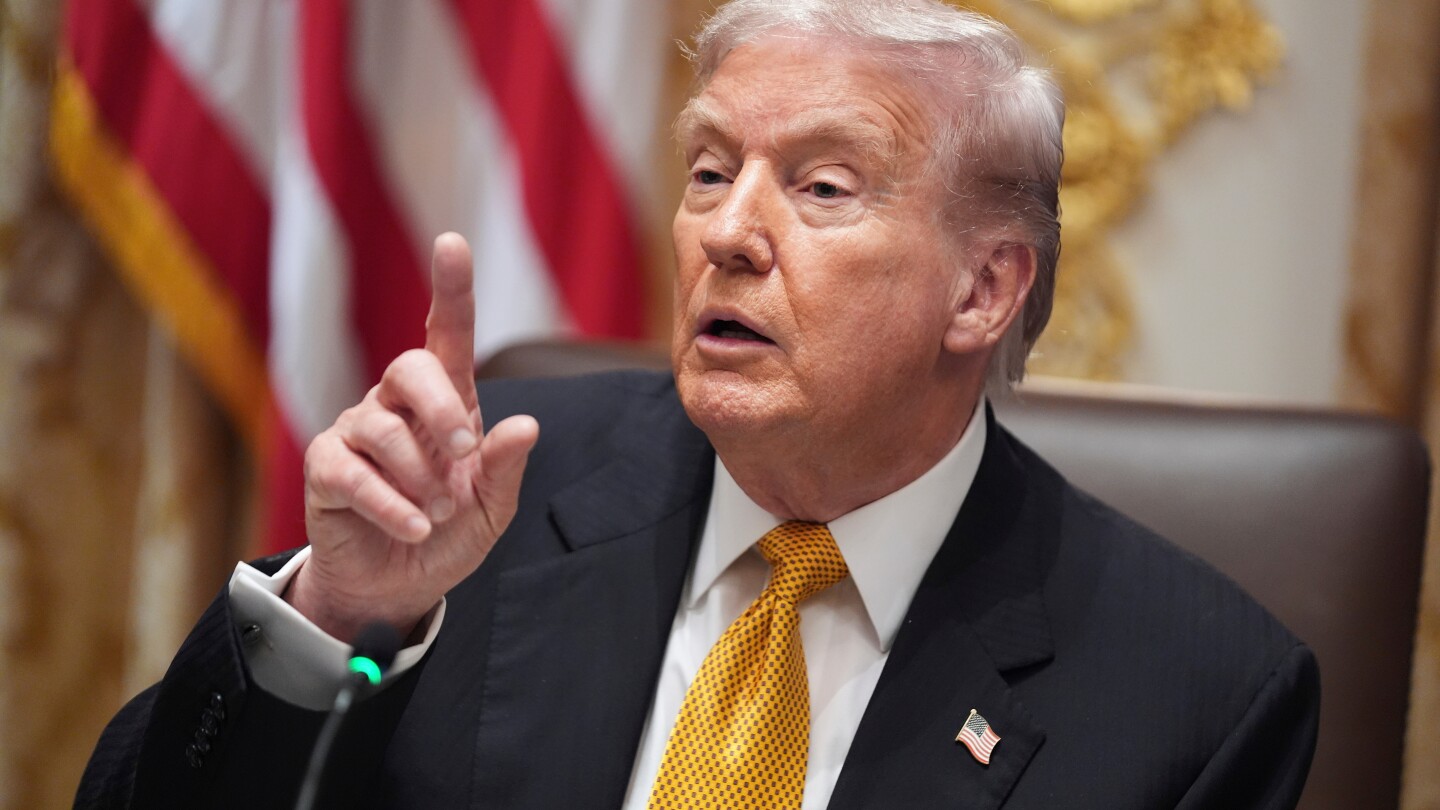
BBC director resigns after criticism of the broadcaster’s editing of a Trump speech
In a significant development, the BBC’s top executives, Director-General Tim Davie and Head of News Deborah Turness, stepped down on Sunday following widespread criticism over the broadcaster’s handling of a speech by former U.S. President Donald Trump. The controversy stems from the BBC’s editing of Trump’s address on January 6, 2021, which preceded the storming of the U.S. Capitol by protesters. The public broadcaster faced backlash for its editorial decisions, which were perceived as altering the context of the speech. The resignations mark a pivotal moment for the BBC, raising questions about journalistic integrity and accountability in the face of public scrutiny. The organization has yet to announce replacements for the departing leaders, leaving a leadership vacuum at a critical time.
-
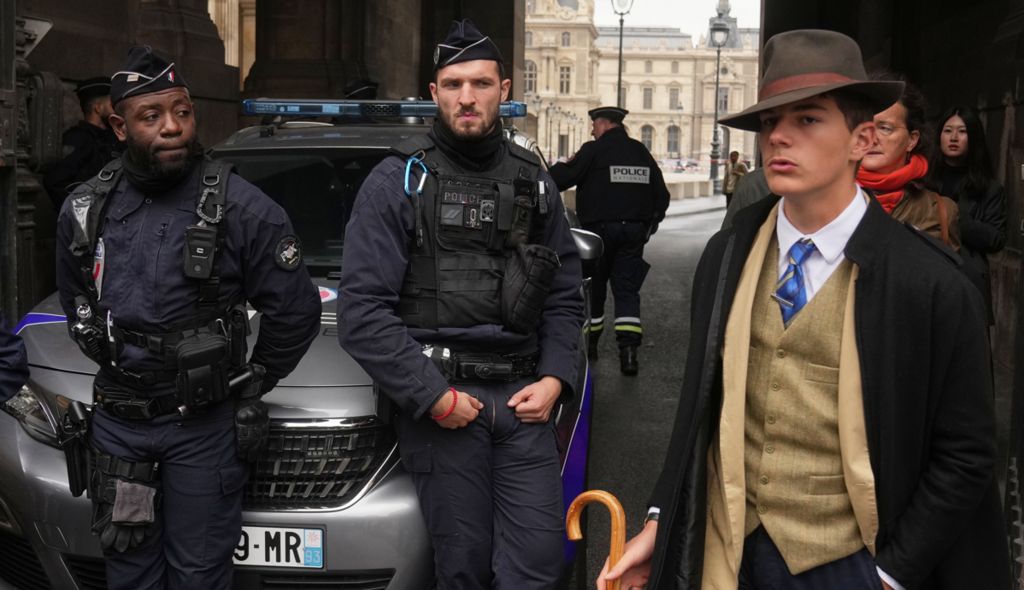
Mystery ‘fedora man’ at Louvre heist scene revealed as teenage detective fan
In the aftermath of the high-profile Louvre museum heist, which saw the theft of the French crown jewels, a peculiar mystery captivated the public: the identity of the ‘fedora man.’ This sharply dressed individual, photographed outside the museum on the day of the robbery, became an overnight sensation on social media, sparking widespread speculation about his role in the incident. While the identities of the thieves were quickly uncovered due to their careless handling of DNA evidence, and the Louvre’s director acknowledged the museum’s inadequate CCTV security, the fedora man’s identity remained unknown—until now. Pedro Elias Garzon Delvaux, a 15-year-old from Rambouillet, southwest of Paris, has come forward as the person behind the viral image. Pedro, a fan of Sherlock Holmes and Hercule Poirot, explained that he had planned to visit the Louvre with his family but found it closed due to the heist. Unaware of the robbery, he was photographed by an Associated Press (AP) photographer while inquiring about the closure. The photo, which included Pedro in his distinctive fedora and waistcoat, quickly went viral, amassing millions of views on TikTok and even appearing in The New York Times. Pedro, who enjoys dressing in a vintage style inspired by 20th-century statesmen and fictional detectives, expressed his astonishment at the sudden fame. ‘I like to be chic,’ he told the AP. ‘I go to school like this.’ Despite the online frenzy and wild theories—ranging from him being a real detective to an AI-generated image—Pedro chose to remain silent for weeks, allowing the mystery to linger. ‘With this photo, there is a mystery, so you have to make it last,’ he said.
-
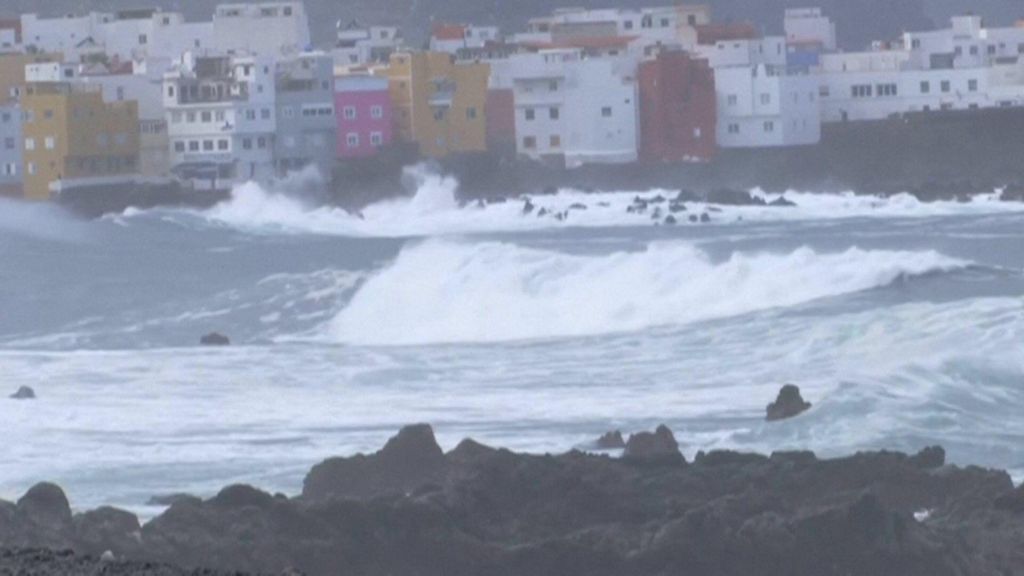
Three dead and 15 injured in Tenerife tidal surge
Tenerife, a popular holiday destination in Spain’s Canary Islands, has been struck by tragedy as powerful waves claimed three lives and left 15 others injured. Emergency services reported on Sunday that a woman died after being swept into the ocean near the Puerto de la Cruz resort, while a man lost his life in Santa Cruz de Tenerife. A third victim was discovered in the waters near a beach in Granadilla. Rescue teams airlifted a man who fell into the sea at La Guancha in the island’s north, but he later succumbed to his injuries in the hospital. Another man was found floating near El Cabezo beach in the south, where lifeguards and medical personnel were unable to revive him. At Puerto de la Cruz, a woman died of a heart attack, and 10 others were swept out to sea, with three sustaining serious injuries. Pedro, a local waiter, recounted his heroic efforts to save those in distress, managing to rescue three individuals but tragically failing to save a woman who passed away at the scene. Eyewitness Carlos expressed frustration at tourists ignoring warnings to stay away from the dangerous waves. Authorities have issued alerts for coastal hazards across the Canary Islands, predicting worsening sea conditions with swells reaching two-to-four meters. Both tourists and locals are urged to exercise extreme caution.
-
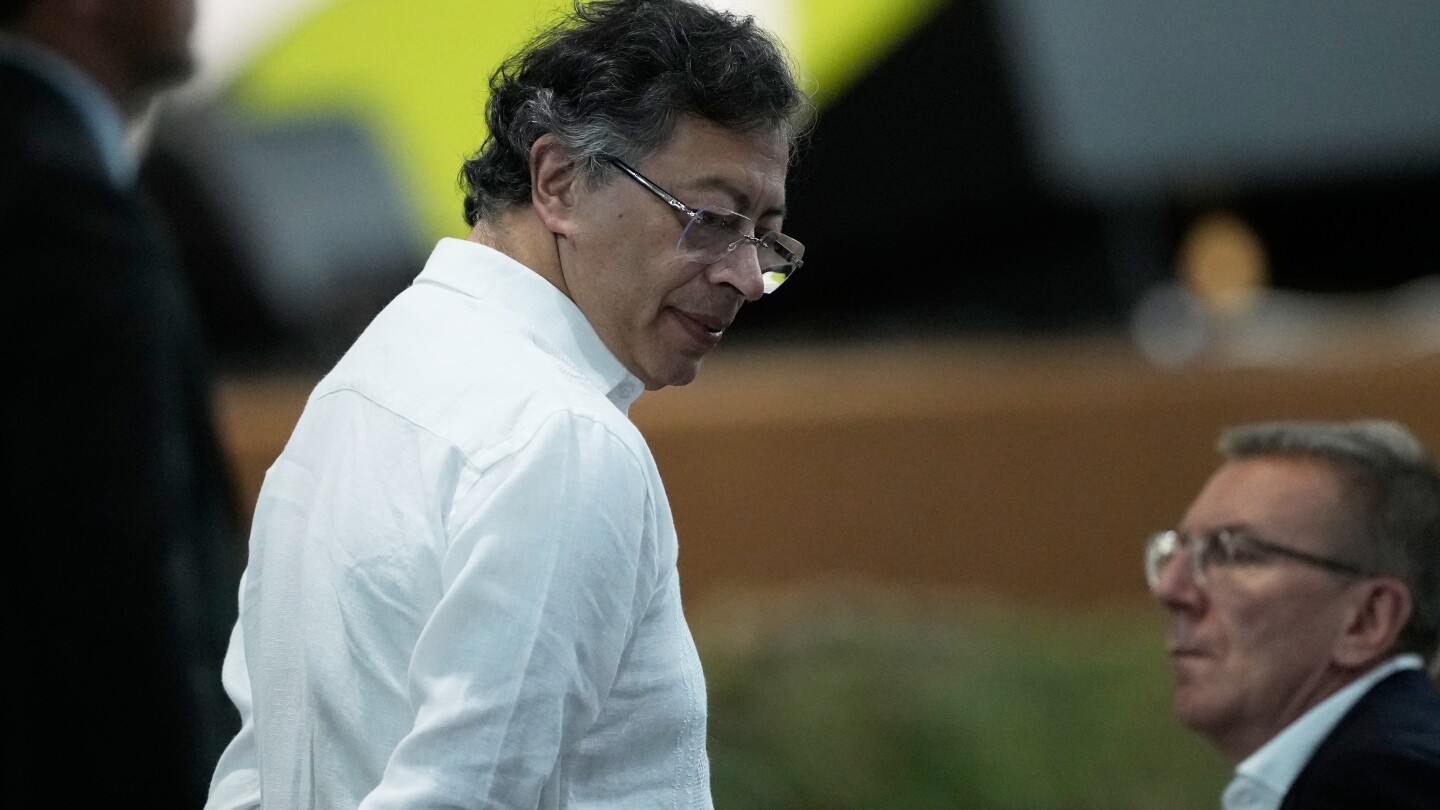
Summit of EU, Latin America and Caribbean nations aims to strengthen ties amid US military operation
BOGOTA, Colombia — A pivotal two-day summit between the Community of Latin American and Caribbean States (CELAC) and the European Union (EU) commenced on Sunday in Colombia, aiming to bolster regional ties amidst escalating tensions over U.S. military operations targeting alleged drug-carrying vessels. However, the summit’s significance has been questioned due to the absence of several high-profile leaders, including European Commission President Ursula von der Leyen and German Chancellor Friedrich Merz. Colombian officials attributed these absences to scheduling conflicts with the ongoing United Nations climate summit, emphasizing the participation of Spanish Prime Minister Pedro Sánchez and Brazilian President Luiz Inácio Lula da Silva as key attendees. The summit, hosted in Santa Marta, is expected to focus on renewable energy, food security, financing, and technological cooperation, with the signing of the Declaration of Santa Marta as a primary objective. However, the U.S. military operations in the Caribbean Sea and Eastern Pacific, which have resulted in over 60 fatalities since September, are likely to dominate discussions. Colombian President Gustavo Petro, a vocal critic of the operations, has condemned the deaths as “extrajudicial executions” and highlighted the involvement of Colombian citizens among the victims. The summit represents a critical opportunity for regional leaders to address the contentious issue of U.S. military deployment, particularly as the United States is not a participant in the event. Brazilian President Lula’s unexpected attendance underscores the summit’s importance, with Brazil’s Foreign Ministry noting that discussions on U.S. military actions in Venezuela and the Caribbean are inevitable. Lula has urged Latin American nations to prevent conflict in Venezuela, drawing parallels to past U.S. involvement in regional peace efforts. The summit’s outcomes remain uncertain, but it serves as a platform for frank dialogue on pressing regional and global challenges.
-
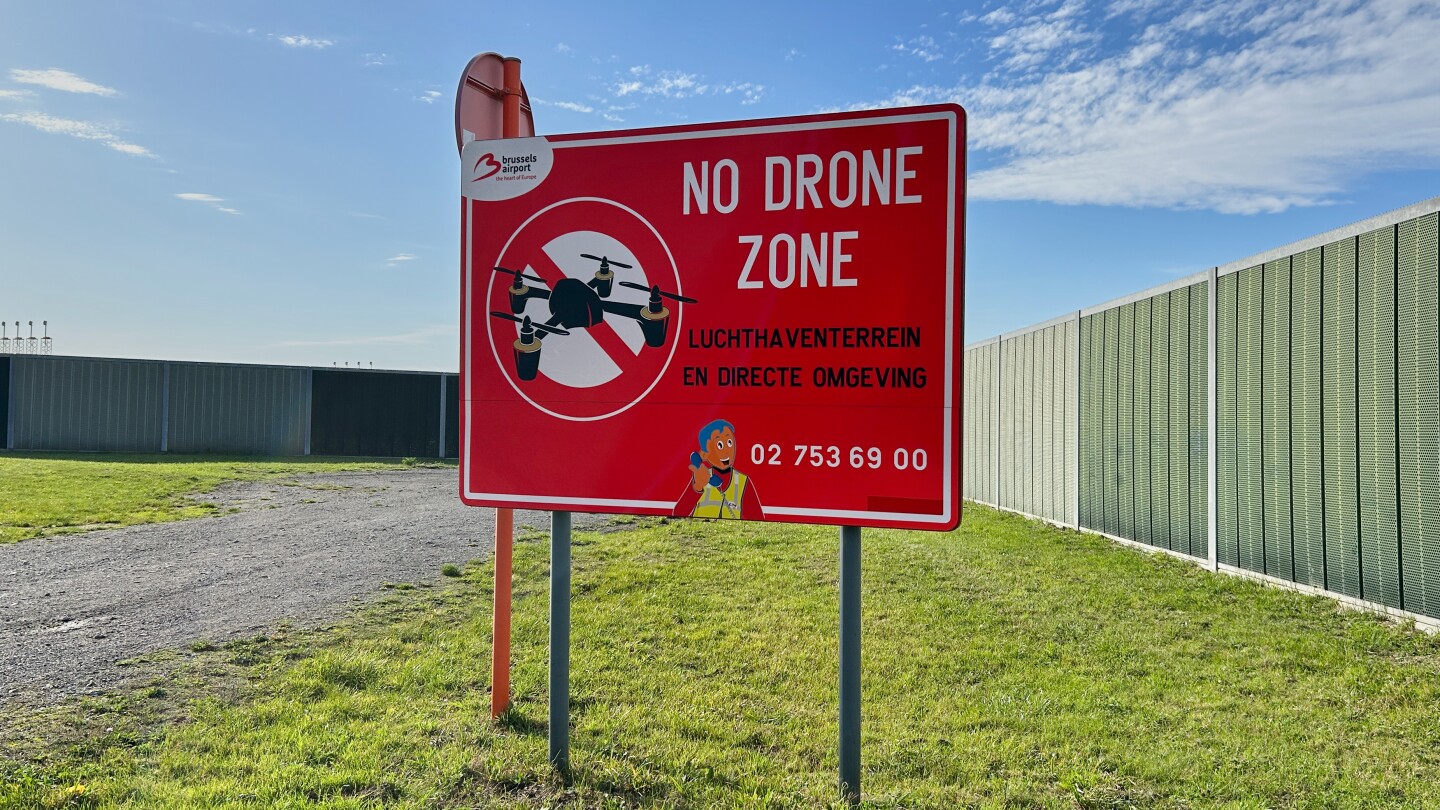
UK sends military experts and equipment to Belgium after drone sightings near airports
In response to a surge in drone sightings near critical Belgian airports, the United Kingdom has pledged to send military personnel and specialized equipment to assist Belgium. The decision was announced by Air Chief Marshal Richard Knighton, head of the UK armed forces, following a formal request from Belgian authorities. Recent drone incursions have forced temporary closures at Brussels’ main international airport and Liege, one of Europe’s largest cargo hubs. Additionally, unidentified drones have been spotted near a military base housing US nuclear weapons, raising concerns over national security. Knighton emphasized that while the source of the drones remains unknown, the UK is committed to providing its expertise and resources to address the issue. The deployment of UK assets has already commenced. Belgian Defense Minister Theo Francken speculated that some incidents may be part of a sophisticated espionage operation, ruling out amateur involvement. Belgium, home to NATO and EU headquarters, as well as a major financial clearinghouse holding billions in frozen Russian assets, has become a focal point of geopolitical tensions. While many EU nations advocate using these assets to support Ukraine, Belgium has resisted such measures. The drone incidents have underscored the growing security challenges facing Europe, with Russia often implicated in similar occurrences across the continent.
-
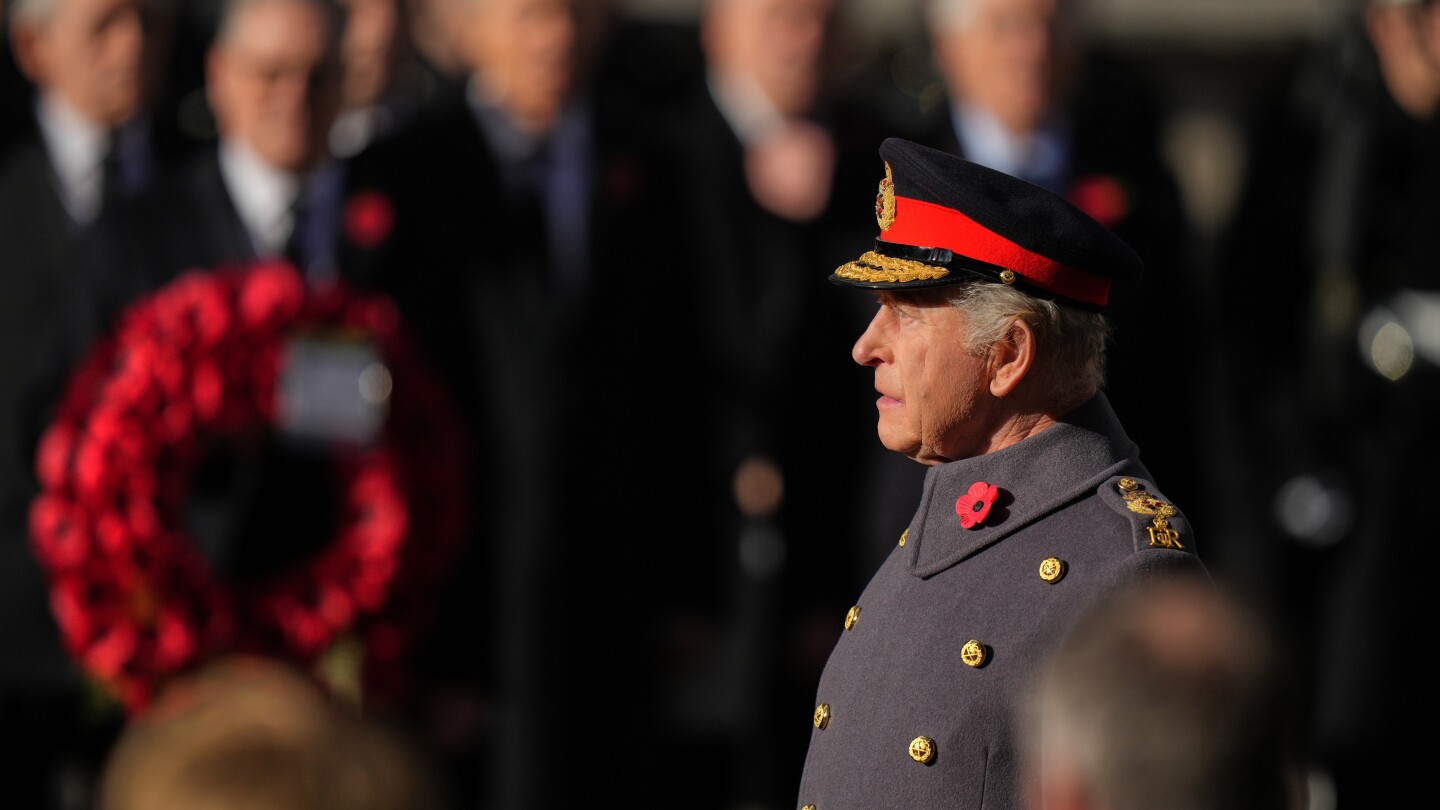
King Charles III leads Britain’s Remembrance Sunday ceremony for war dead
Under clear skies in London, King Charles III presided over Britain’s annual Remembrance Sunday ceremony, honoring the nation’s war dead. The event, held near the iconic Cenotaph war memorial, saw thousands of military personnel, veterans, and civilians gather in solemn tribute. At precisely 11 a.m., marked by the tolling of Big Ben, the crowd observed a poignant two-minute silence, punctuated by an artillery blast and the haunting notes of “The Last Post” played by Royal Marines buglers. The 76-year-old monarch, adorned in the uniform of an army field marshal, laid a wreath of red poppies at the base of the Cenotaph, a monument erected over a century ago to commemorate those who perished in World War I and subsequent conflicts. The ceremony, held annually on the Sunday closest to November 11, the anniversary of the end of World War I, is replicated across Britain and at UK military bases worldwide. Prince William, heir to the throne, followed his father in laying a wreath, inscribed with the words “the glorious dead.” Other members of the royal family, including Prince Edward, participated, though notably absent was the former Prince Andrew, who was stripped of his titles last month due to his association with convicted sex offender Jeffrey Epstein. Prime Minister Keir Starmer, political leaders, and diplomats from Commonwealth nations also paid their respects. Queen Camilla and the Princess of Wales observed the ceremony from a balcony. The red poppy, a symbol of remembrance inspired by the World War I poem “In Flanders Fields,” adorned wreaths and lapels, serving as a poignant reminder of the sacrifices made.
-
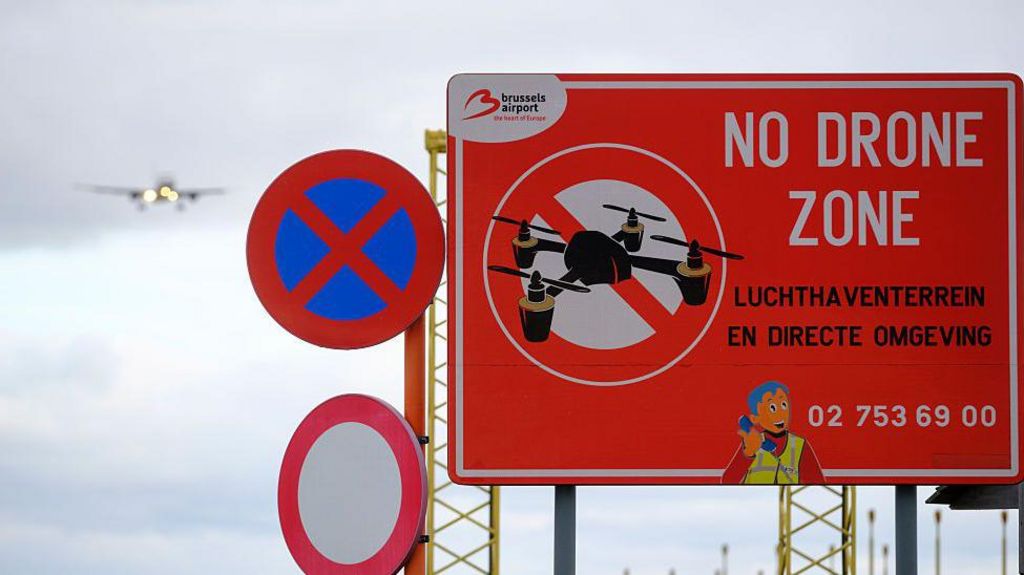
UK military to help protect Belgium after drone incursions
The United Kingdom is dispatching military personnel and equipment to Belgium to assist in strengthening its defenses following a series of drone incursions into Belgian airspace, suspected to be orchestrated by Russia. Sir Richard Knighton, the newly appointed head of the UK military, revealed in an interview with BBC’s Sunday with Laura Kuenssberg that Belgium had requested assistance earlier this week. The UK has responded by deploying resources to aid its NATO ally. The incursions, which occurred on Thursday night, forced the temporary closure of Brussels’ Zavantem Airport and were also reported near a military base. While the origin of the drones remains unconfirmed, Sir Richard acknowledged that it is ‘plausible’ they were directed by Moscow. The decision to support Belgium was made in collaboration with UK Defence Secretary John Healey. Germany has also pledged to provide anti-drone measures following a request from Brussels. The disruptions have impacted approximately 3,000 Brussels Airlines passengers, with the carrier incurring significant costs due to flight cancellations and diversions. Belgian Defence Minister Theo Francken emphasized that the drone incursions, initially perceived as a localized issue, have now escalated into a broader threat affecting civilian infrastructure across Europe. Sir Richard further highlighted Russia as the ‘most pressing threat’ to Europe, citing its ‘barbaric’ actions in Ukraine and its involvement in sabotage and killings on UK soil. Recent months have seen a surge in drone sightings across Europe, including in Sweden, Norway, and Denmark, with some officials attributing these incidents to Russian ‘hybrid warfare.’ The Kremlin has denied any involvement. German Defence Minister Boris Pistorius suggested that the incursions could be linked to EU discussions about using frozen Russian assets to support Ukraine. Despite the lack of public evidence, suspicions have been fueled by Russia’s increased airspace violations in Eastern Europe, involving fighter jets and larger attack drones. In response, the UK has deployed RAF Typhoon jets to participate in NATO defense missions over Poland, reinforcing the alliance’s eastern flank.