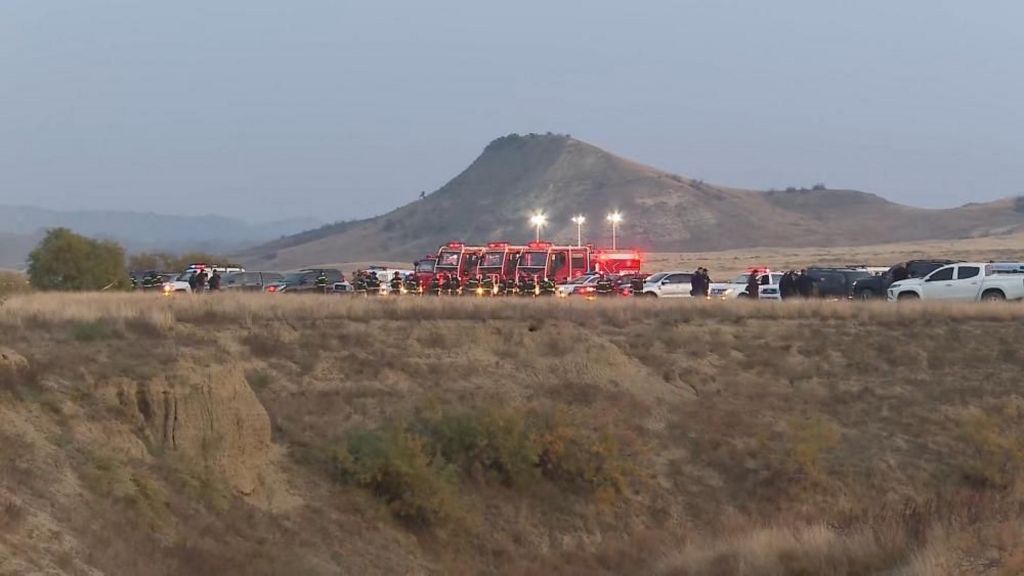
A Turkish military cargo plane carrying at least 20 individuals has crashed near the Azerbaijan-Georgia border, according to Turkey’s defence ministry. The C-130 aircraft, en route from Azerbaijan to Turkey, disappeared from radar without issuing a distress signal, as reported by Georgia’s aviation authority. The crash occurred near Sighnaghi, approximately 5 kilometers from Azerbaijan. Search and rescue operations are currently underway, with emergency services on site and wreckage visible in images from the scene. Turkish President Recep Tayyip Erdogan expressed his condolences to ‘our martyrs,’ though the exact number of casualties remains unconfirmed. Azerbaijan’s President Ilham Aliyev and US Ambassador to Turkey Tom Barrack also extended their sympathies to the victims’ families and the Turkish people. The C-130, a widely used US-made transport plane, is a staple in air forces globally.
标签: Europe
欧洲
-
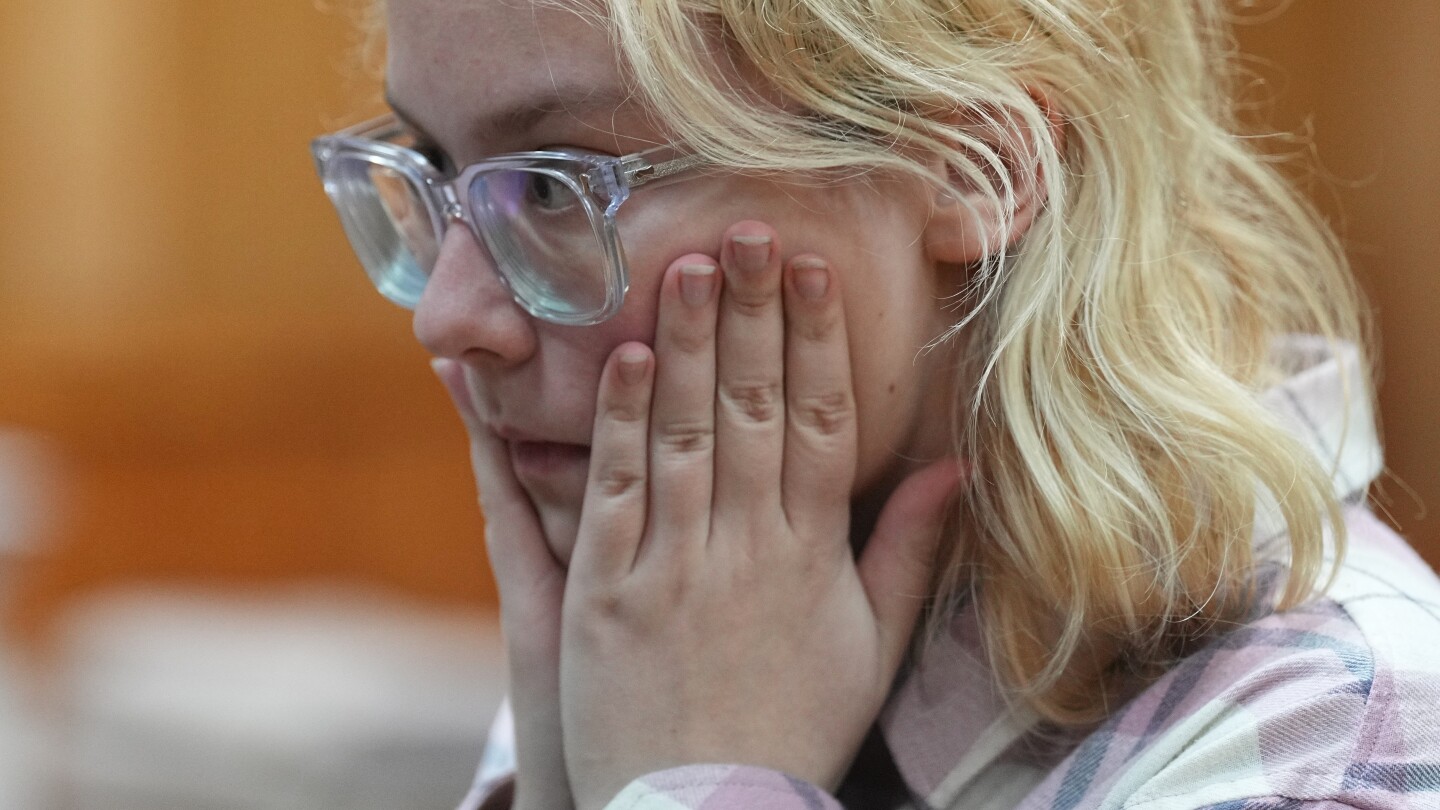
Russian court extends jailing of teenage singer over street performance of anti-war songs
In a move that has drawn widespread condemnation from human rights advocates, a Russian court in St. Petersburg has extended the detention of Diana Loginova, an 18-year-old street singer, for an additional 13 days. Loginova, who performs under the stage name Naoko with the band Stoptime, faces charges of violating public order during an October performance where she sang anti-war songs. This marks her third consecutive sentencing since her initial arrest on October 15, with the court also imposing fines for allegedly “discrediting the Russian armed forces.”
Alexander Orlov, another member of Stoptime, has similarly faced repeated detentions alongside Loginova. Both have denied any wrongdoing. Amnesty International has criticized these actions as “carousel arrests,” designed to keep them in custody without formal criminal charges.
Human rights activists argue that Loginova and her bandmates have been targeted for performing songs by artists who opposed Russia’s invasion of Ukraine in February 2022 and subsequently left the country. Videos of their performances, which feature crowds singing lyrics critical of the Kremlin and the war, have gone viral online, prompting calls from pro-Kremlin activists for police intervention.
Denis Krivosheev, Amnesty International’s deputy director for Eastern Europe and Central Asia, condemned the arrests, stating that Loginova and Orlov are being punished for their public performances, which he described as “a breath of fresh air in a country gasping under repression and self-censorship.” He called for their immediate and unconditional release, emphasizing that their only “crime” is exercising their right to freedom of expression.
The case has sparked solidarity performances in several Russian cities, leading to further arrests and fines. Since the invasion of Ukraine, Russian authorities have intensified their crackdown on dissent, targeting rights groups, independent media, civil society organizations, LGBTQ+ activists, and religious groups. Hundreds have been jailed, and thousands have fled the country.
-
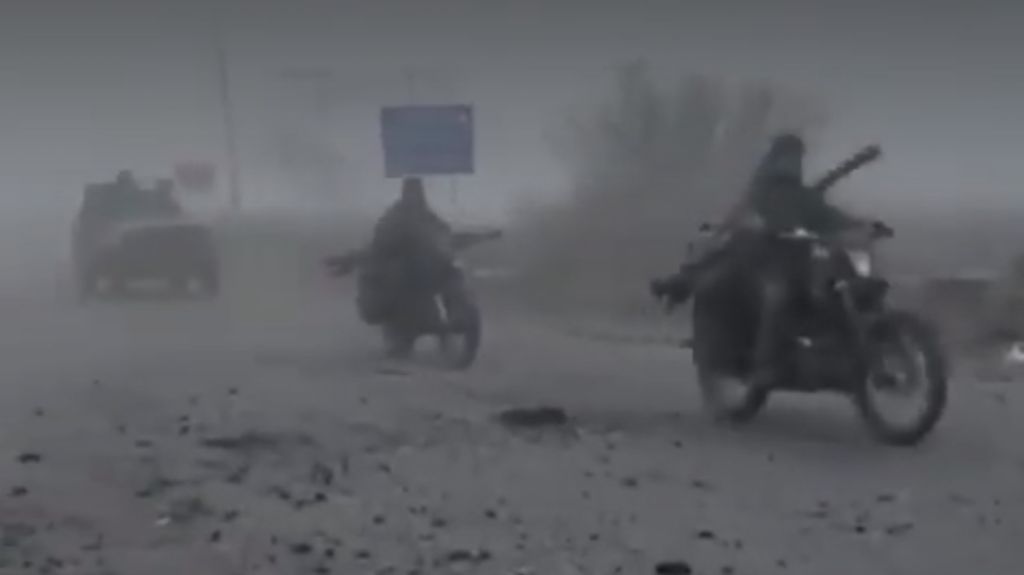
Fog helps Russian forces push deeper into key Ukrainian city of Pokrovsk
In a strategic maneuver facilitated by dense fog, Russian forces have intensified their advance into the key Ukrainian city of Pokrovsk, located in the eastern Donetsk region. The adverse weather conditions have significantly reduced visibility, hampering Ukrainian aerial reconnaissance efforts and allowing Russian troops to move more freely. According to Ukraine’s 7th Airborne Assault Corps, the fog has enabled Moscow to deploy additional forces into the city, aiming to encircle Ukrainian defenders. Ukrainian President Volodymyr Zelensky acknowledged the challenging situation, noting that the weather has favored Russian military operations. A viral video on social media shows Russian soldiers driving through the foggy outskirts of Pokrovsk on civilian vehicles, a tactic made possible by the lack of Ukrainian drone surveillance. The BBC verified the location of the footage as the southern outskirts of the city. A Ukrainian drone pilot, known by the call-sign ‘Goose,’ revealed that the fog has severely limited their ability to monitor and intercept Russian movements. Despite repelling some attacks, Ukrainian forces face significant challenges in maintaining control over the city, which is now largely a contested ‘grey zone.’ Russian troops are reportedly attempting to encircle Pokrovsk and neighboring Myrnohrad, cutting off logistical routes and targeting Ukrainian supply lines with drones and ground infiltrations. Ukrainian military analyst Kostyantyn Mashovets highlighted the effectiveness of Russian infiltration tactics, which include disguising soldiers as locals or Ukrainian troops to sow chaos. Meanwhile, Russian forces are also pushing on other fronts, including Kupyansk in the northeast and Zaporizhzhya in the south, although Ukrainian officials deny claims of encirclement in these areas. The situation remains fluid, with both sides engaged in intense combat as the conflict continues to escalate.
-
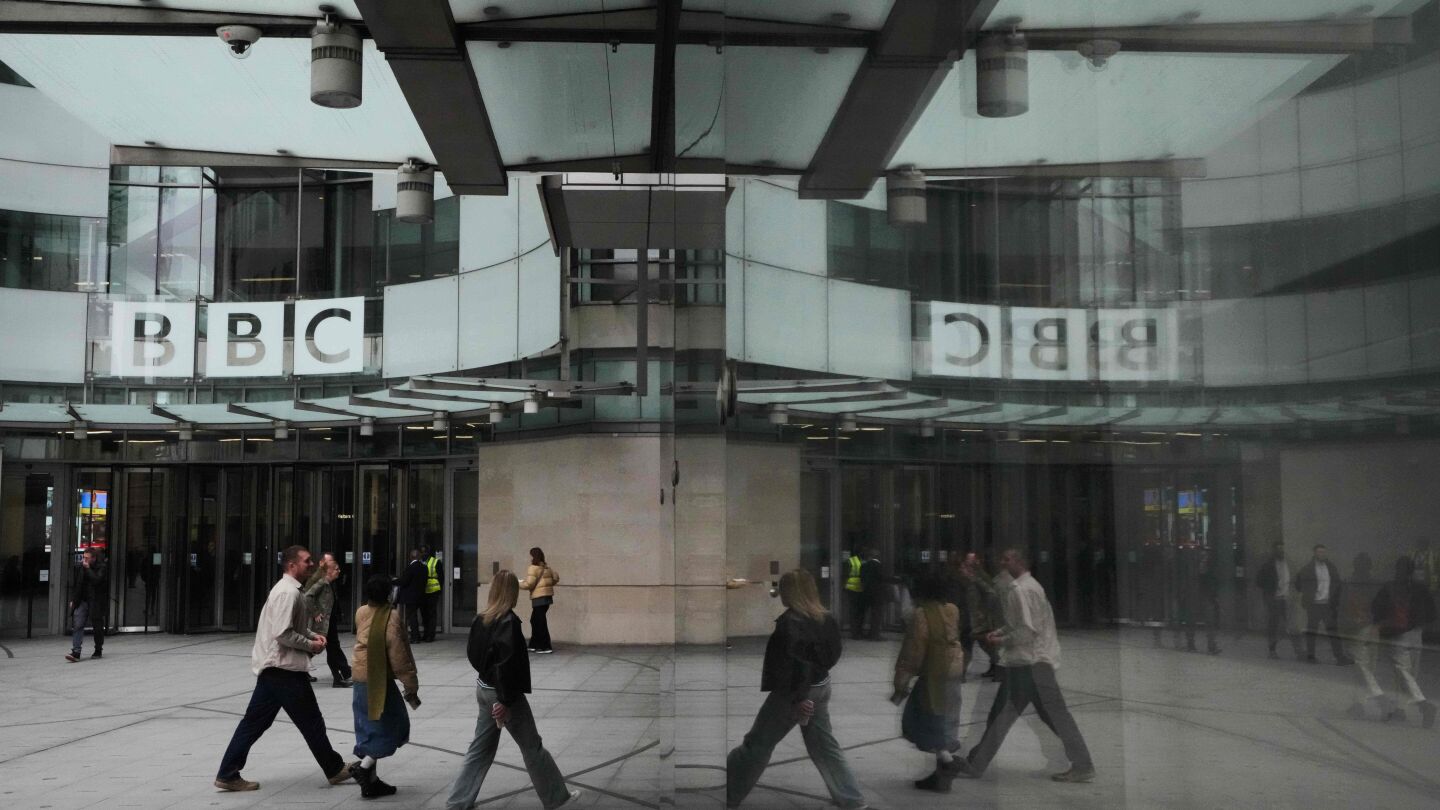
Trump’s $1B lawsuit threat casts shadow over the BBC, but it could also be a bluff
Former U.S. President Donald Trump’s threat to file a billion-dollar lawsuit against the BBC has ignited a heated debate over the broadcaster’s journalistic integrity and the legal merits of Trump’s claims. The controversy stems from a BBC documentary titled “Trump: A Second Chance?” which aired ahead of the 2024 U.S. presidential election. The documentary allegedly misrepresented Trump’s January 6, 2021, speech by editing quotes to suggest he incited violence, omitting his call for peaceful protest. BBC Chairman Samir Shah apologized for the misleading edit, while senior executives resigned amid accusations of bias. Trump’s lawyer, Alejandro Brito, demanded a $1 billion settlement, citing defamation under Florida law. However, legal experts argue that Trump faces significant hurdles, including the fact that the documentary was not broadcast in the U.S. and his already tarnished reputation post-January 6. While Trump has a history of suing media outlets, many view this threat as a tactic to intimidate rather than a credible legal challenge. The BBC, funded by U.K. television fees, remains steadfast, with experts advising it to stand its ground.
-

‘Mellon Blue’ diamond sells for $26.6 million at Swiss auction
A stunning 9.51-carat blue diamond, known as the ‘Mellon Blue,’ was sold for 20.5 million Swiss francs ($26.6 million) at a Christie’s auction in Geneva, Switzerland. The gem, named after the late American arts patron Rachel ‘Bunny’ Mellon, had been anticipated to fetch between $20 million and $30 million. The final price included the buyer’s premium and additional fees. Previously, the diamond was sold in 2014 for $32.6 million, marking one of the highest prices ever paid for a colored diamond at auction. The ‘Mellon Blue’ had been a prized possession in Mellon’s private collection for decades. Max Fawcett, Christie’s global head of jewelry, highlighted the diamond’s exceptional quality, describing it as a ‘gem of gems’ due to its Fancy Vivid Blue color and Internally Flawless grade, as certified by the Gemological Institute of America. The auction marked the beginning of a two-day jewelry event in Geneva, with Sotheby’s set to auction the ‘Glowing Rose’ pink diamond, expected to attract bids around $20 million.
-
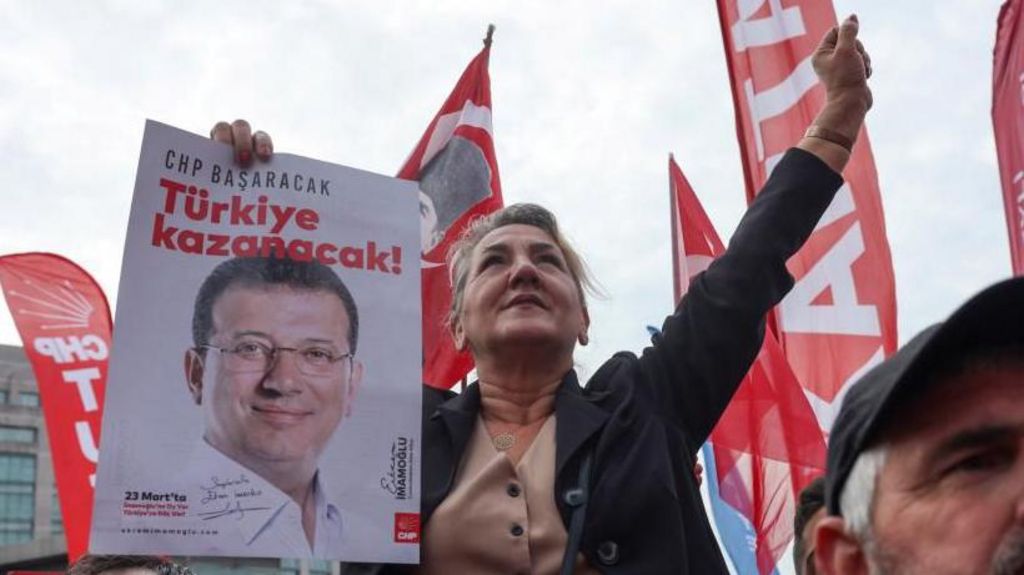
Turkey demands more than 2,000 years in jail for popular Istanbul mayor
Ekrem Imamoglu, the prominent mayor of Istanbul and a key political opponent of President Recep Tayyip Erdogan, has been held in pre-trial detention since March 2025 on allegations of corruption. The Istanbul prosecutor has charged Imamoglu with 142 corruption-related offenses, which could result in a prison sentence ranging from 828 to 2,352 years. The charges include 12 counts of bribery, seven counts of money laundering, and seven counts of fraud against public institutions, with estimated losses to the Turkish state amounting to 160 billion lira (£2.9 billion; $3.8 billion).
Imamoglu, a member of the secular Republican People’s Party (CHP), denies all allegations and claims the charges are politically motivated, aimed at undermining his potential candidacy in the 2028 presidential elections. The prosecutor has also accused 401 others of being part of a criminal network allegedly led by Imamoglu. Of these, 105 are currently in detention.
The mayor’s arrest in March sparked widespread protests, leading to hundreds of arrests and a police crackdown. Since then, he has been held in Marmara prison on the outskirts of Istanbul. In addition to the corruption case, Imamoglu faces charges of espionage and forging his university diploma, which has since been annulled. This disqualification could prevent him from running for the presidency in 2028.
CHP leader Özgür Özel has vehemently defended Imamoglu, accusing the government of fabricating charges to silence a political rival. ‘His crime is to run for the next presidency of this country. He has no other crime!’ Özel declared during a parliamentary meeting. Imamoglu, who was re-elected as mayor in April 2024 with a significant margin, is also appealing earlier jail sentences for insulting the Istanbul prosecutor and criticizing election officials.
The espionage case, initiated two weeks ago, alleges that Imamoglu shared data of Istanbul residents in exchange for international funding. Imamoglu has dismissed these claims as ‘nonsense,’ while his supporters argue that the charges are part of a broader effort to stifle dissent and maintain political control.
-
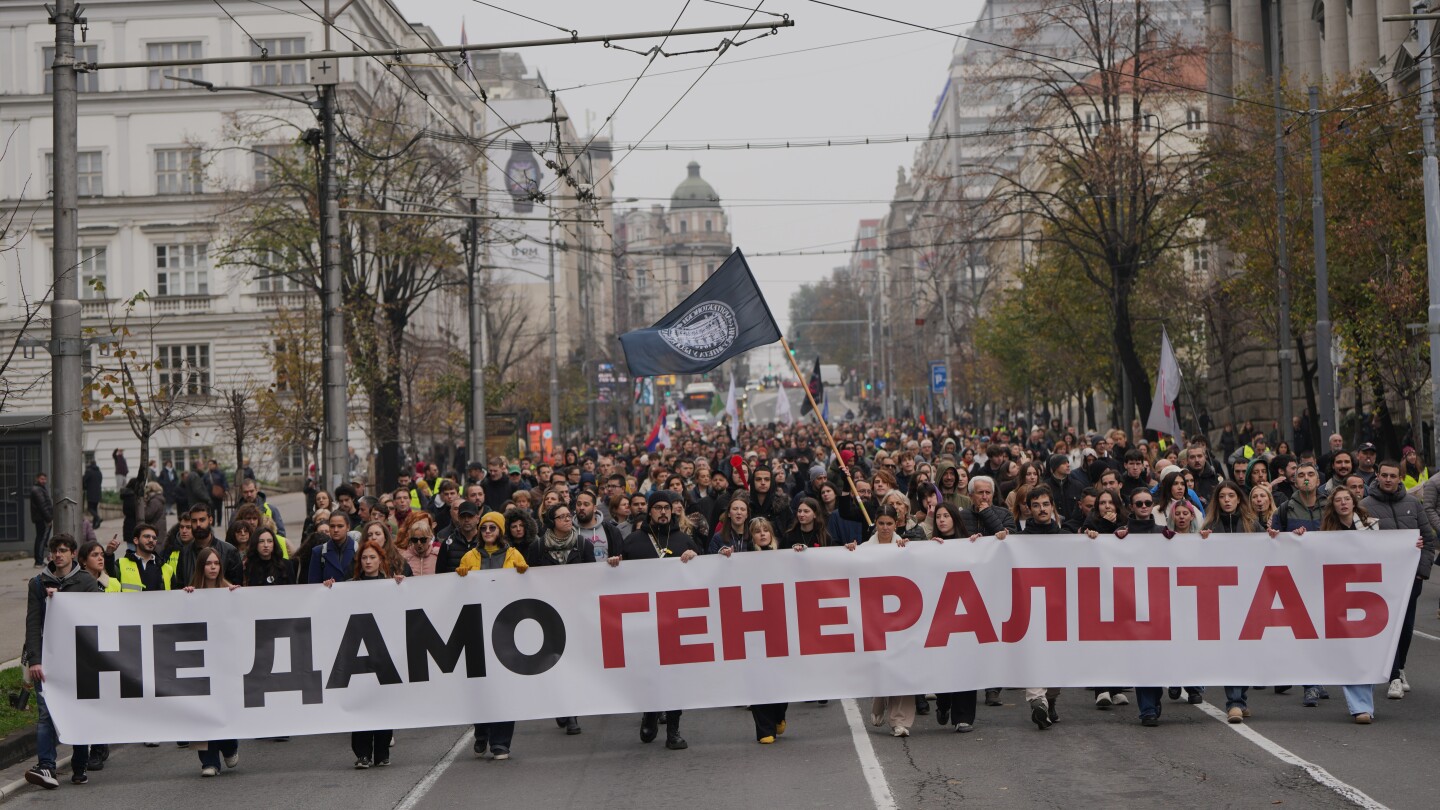
Serbian protesters vow to prevent real estate project linked to Trump son-in-law Kushner
In a dramatic display of resistance, thousands of Serbian protesters formed a human shield around a bombed-out military complex in Belgrade on Tuesday, vowing to protect it from a controversial $500-million redevelopment project linked to Jared Kushner, son-in-law of former U.S. President Donald Trump. The site, partially destroyed during the 1999 NATO bombing campaign, is slated for demolition to make way for a luxury compound featuring a high-rise hotel, offices, and shops. The project, backed by Serbian President Aleksandar Vucic’s populist government, has faced fierce opposition from architectural experts, the public, and international critics. Despite legal challenges, Serbian lawmakers recently passed a special law to expedite the construction. Protesters, led by youth groups, encircled the complex, drawing a symbolic red line to emphasize their determination to preserve the site, which they view as a monument of resistance and a prime example of mid-20th century Yugoslav architecture. Critics argue that the redevelopment disregards the site’s historical significance and cultural heritage, while Vucic’s administration claims it will boost economic ties with the U.S. and stimulate the local economy. The controversy has intensified amid allegations of document forgery in the removal of the complex’s protected status and broader public discontent over government corruption. The protests mark the latest chapter in a yearlong wave of demonstrations challenging Vucic’s leadership, fueled by anger over state mismanagement and a recent tragedy in Novi Sad that claimed 16 lives. The issue remains highly sensitive in Serbia, where anti-NATO sentiment persists, and the U.S. involvement in the project has sparked further outrage.
-
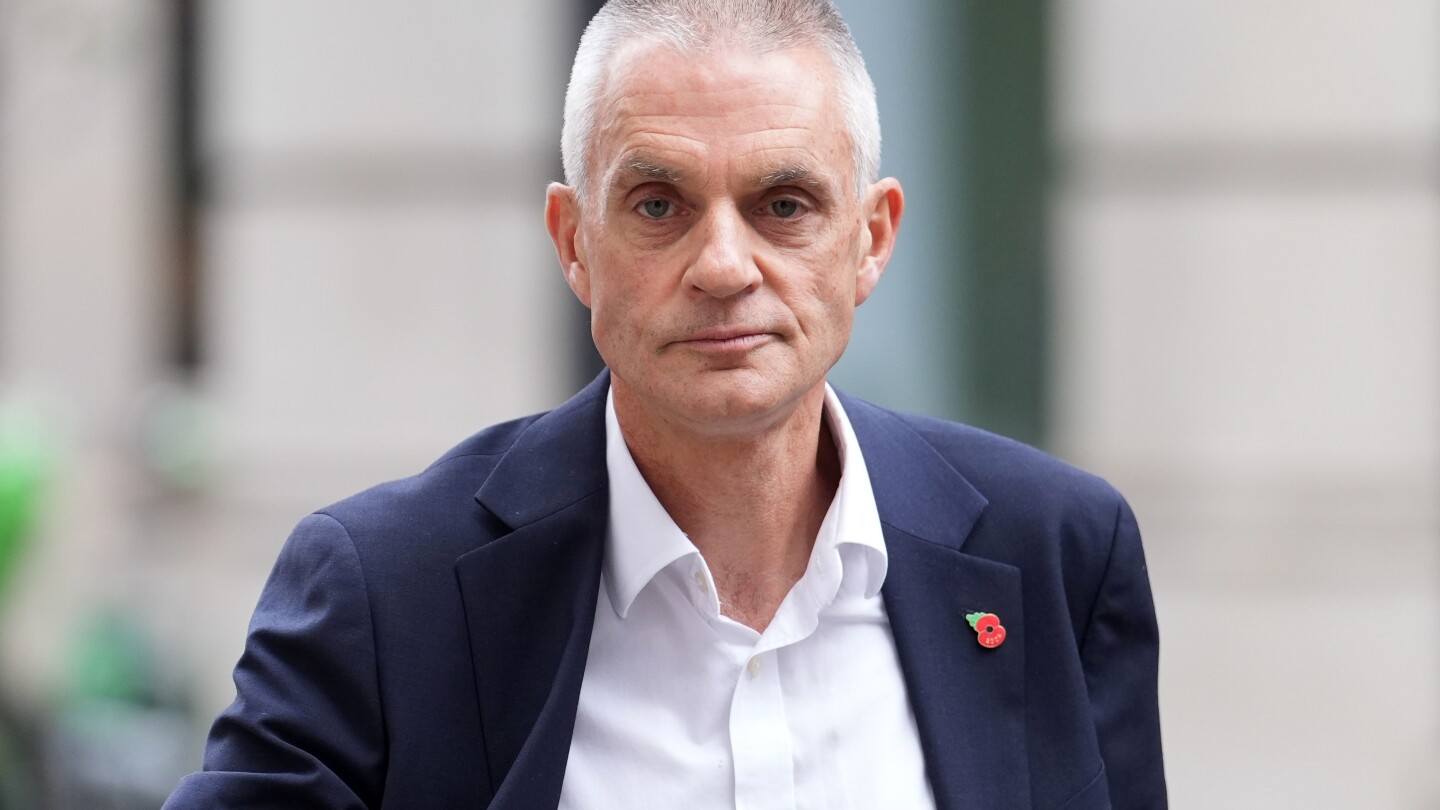
A timeline of the Trump speech controversy roiling the BBC and other recent scandals
The British Broadcasting Corporation (BBC) is embroiled in its most severe crisis in years, following a series of controversies that have culminated in the resignation of its Director-General, Tim Davie, and head of news, Deborah Turness. The turmoil was sparked by accusations of biased editing in a documentary featuring former U.S. President Donald Trump’s speech on January 6, 2021. Trump has threatened legal action, demanding $1 billion in damages for what he termed “false, defamatory, and inflammatory statements.” The BBC’s chair, Samir Shah, has issued an apology for an “error of judgment” in the editing process. This incident is the latest in a string of scandals that have plagued the BBC under Davie’s leadership. These include the Martin Bashir scandal, where a journalist used fake documents to secure an interview with Princess Diana, and the suspension of high-profile presenter Huw Edwards over allegations of inappropriate conduct. The BBC has also faced criticism for its coverage of sensitive topics, including the Gaza conflict and transgender issues. The institution’s credibility is now under intense scrutiny, with concerns raised about institutional bias and editorial standards.
-
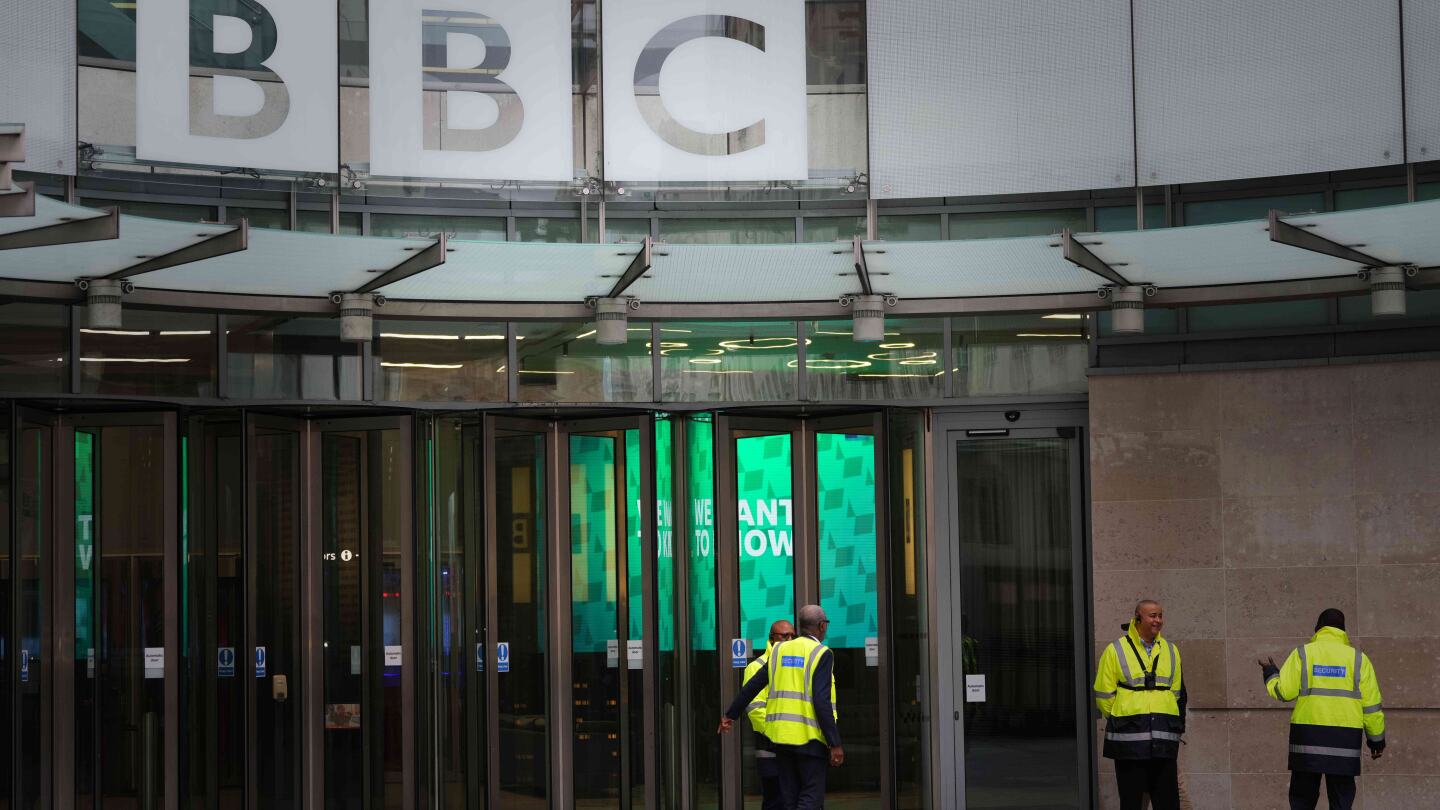
UK government is caught up in a feud between Trump and the BBC
The UK government has stepped into the escalating dispute between the BBC and former U.S. President Donald Trump, who is threatening legal action over the broadcaster’s editing of his post-2020 election speech. Culture Secretary Lisa Nandy is set to address the issue in the House of Commons, as critics demand significant reforms to the BBC while supporters urge the government to shield the public broadcaster from political interference. The controversy has already led to the resignation of BBC Director-General Tim Davie, who acknowledged the organization’s mistakes but emphasized the need to defend its journalism. Trump’s lawyer has demanded a retraction, apology, and compensation for what he claims is a defamatory portrayal in a documentary aired last year. The BBC has admitted to misleading editing in the documentary, which spliced together quotes from Trump’s speech, creating the impression of a direct call for violence. The broadcaster, funded by an annual license fee, faces mounting pressure in an era of polarized politics and shifting media consumption. While the Labour Party government has supported the BBC, it has also stressed the importance of correcting errors to maintain public trust.
-
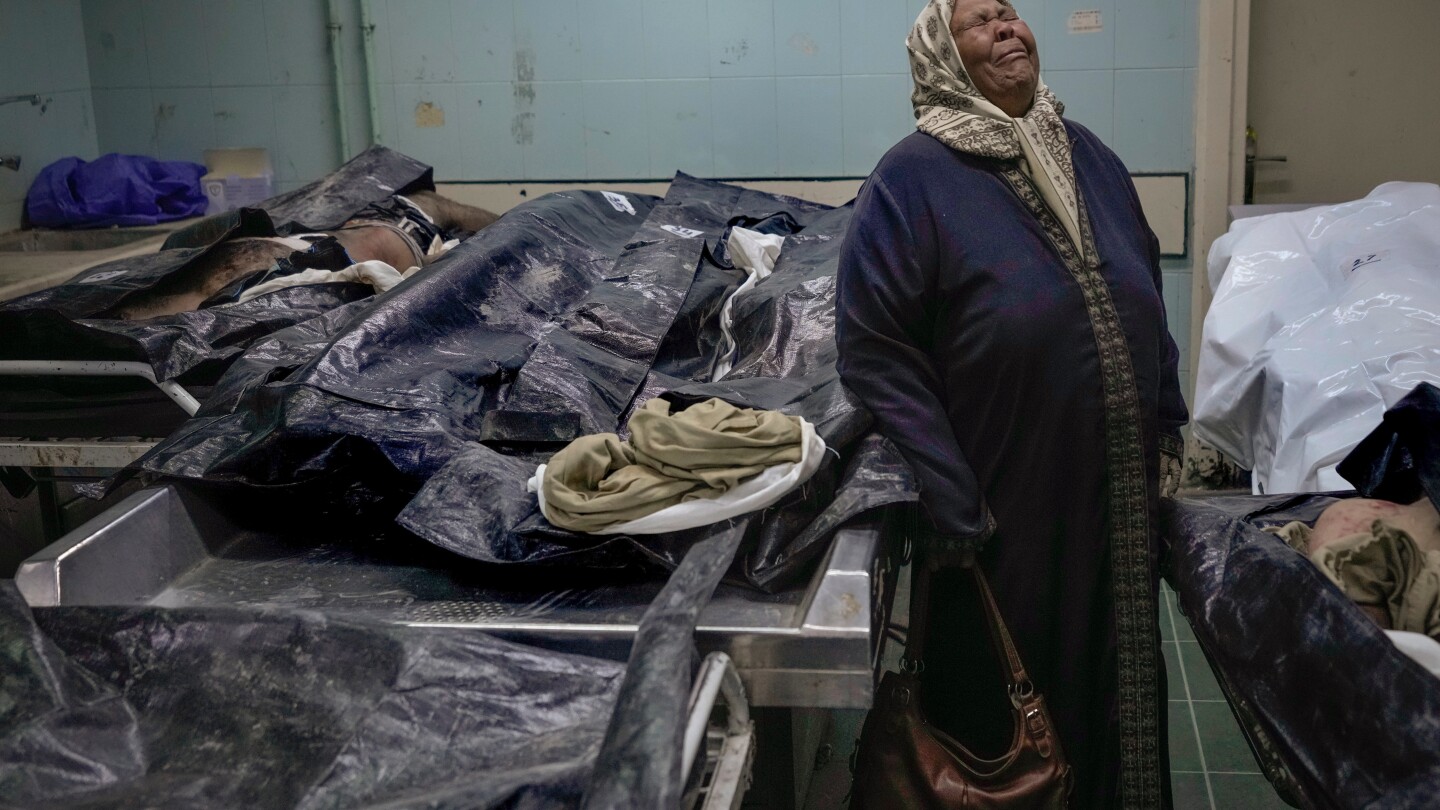
Exiled Syrian opens up about death-defying smuggling operation that showed proof of Assad’s cruelty
In a daring act of defiance against the Syrian dictatorship, Ussama Uthman, now 59, and his brother-in-law Farid al-Mazhan risked their lives to smuggle out over 53,000 photographs documenting the systematic torture and extrajudicial killings ordered by President Bashar Assad’s regime. The operation, known as the Caesar Files, began in 2011 during the Arab Spring, when protests in Syria were met with brutal government crackdowns. Uthman, a construction engineer, and al-Mazhan, a military police officer, secretly coordinated to gather and transport evidence of the regime’s crimes, including images of broken bodies and torture sites. The photos, which began appearing online in 2014, spurred international condemnation, U.S. sanctions, and legal actions against former Syrian officials. Uthman and his family eventually fled to France, where they continued their mission to expose Assad’s atrocities. Despite the fall of Assad’s regime in a surprise rebel offensive last year, the team remains committed to seeking justice for the victims and their families. Their efforts have provided crucial evidence for prosecuting war crimes and helping Syrians uncover the fates of their missing loved ones. The Caesar Files team, now expanded to 60 members, continues to document new evidence, ensuring that Assad’s crimes are not forgotten.