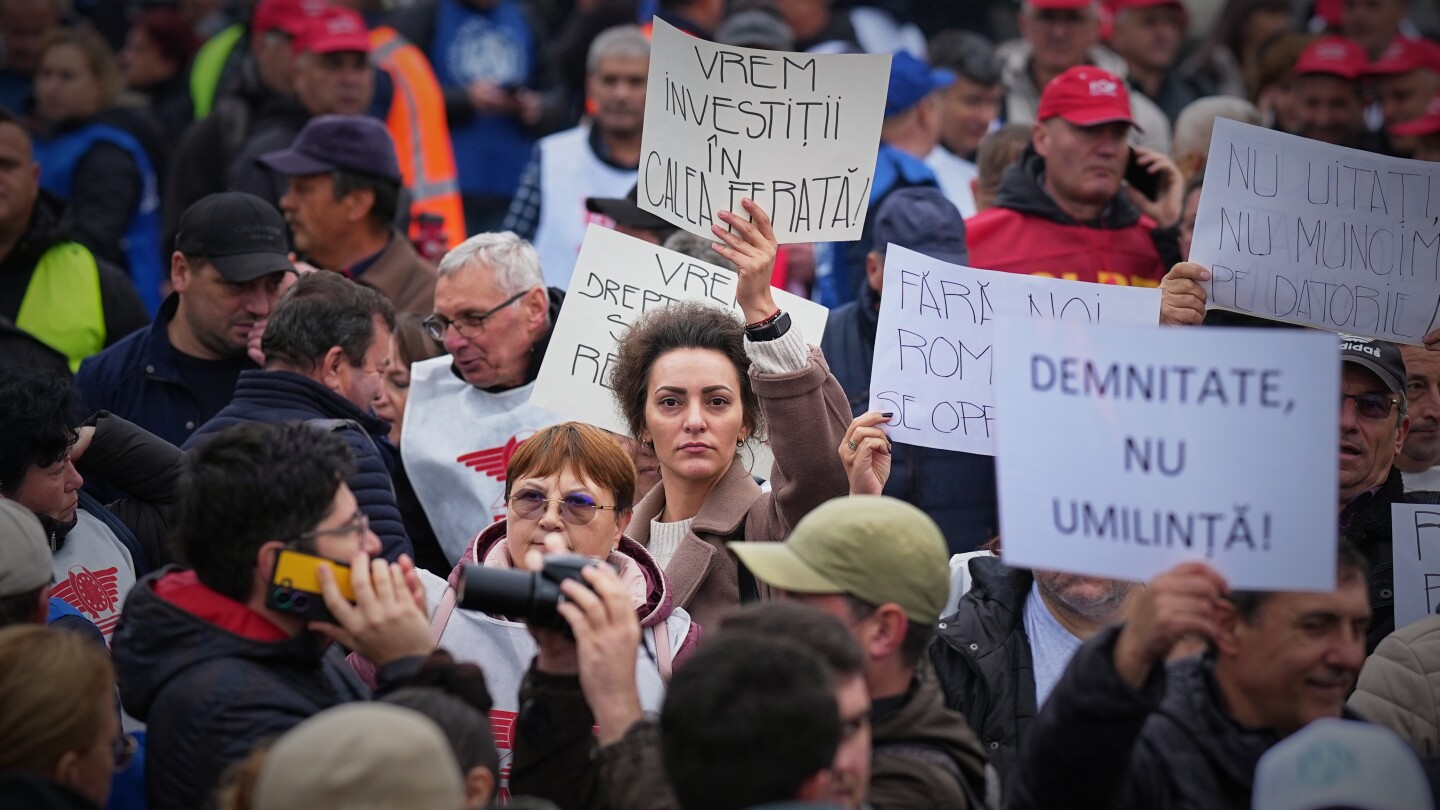
In a significant display of public discontent, thousands of Romanians took to the streets of Bucharest on Wednesday, voicing their opposition to the government’s austerity measures and demanding higher wages, tax reductions, and effective strategies to combat inflation. Organized by the National Trade Union Bloc, which represents numerous professional federations, the protest saw demonstrators gather outside government headquarters before marching toward the Palace of Parliament. Participants honked horns, banged drums, and carried placards with messages such as “We want decent salaries!” and “Don’t hit those who save you,” the latter accompanied by an image of an ambulance worker. The rally highlights growing frustration over Romania’s economic challenges, including a budget deficit exceeding 9% in 2024—one of the highest in the European Union. The government has committed to reducing the deficit to 8.4% this year through measures such as tax hikes, public sector wage freezes, and cuts to public spending and administration jobs. Critics argue that these policies disproportionately burden ordinary citizens while failing to address systemic issues. The union bloc condemned the measures, stating, “Workers are once again being sacrificed for their jobs—even though we work harder, we are getting poorer. The impoverishment of the population has become state policy.” Protesters also called for an end to public sector job cuts and stronger efforts to combat tax evasion. Political analyst Cristian Andrei noted that the government’s inability to implement swift and decisive reforms has eroded public trust, leaving ordinary citizens to bear the brunt of economic hardships. The ruling coalition, elected earlier this year, had pledged to prioritize deficit reduction and institutional reform, but its approach has sparked widespread criticism and fear of further cuts.
标签: Europe
欧洲
-

Watch: Russia’s AI robot falls seconds after being unveiled
In an unexpected turn of events, Russia’s highly anticipated anthropomorphic robot experienced a dramatic fall mere moments after its unveiling. The incident, captured on video, has sparked widespread discussion about the challenges of developing advanced robotics. The robot, designed to mimic human movements, was showcased as a significant milestone in Russia’s AI and robotics sector. However, its abrupt collapse during the demonstration highlighted potential technical limitations. Experts suggest that while the mishap is a setback, it underscores the complexities of creating human-like machines. The event has also raised questions about the readiness of such technologies for public presentation and their practical applications in real-world scenarios.
-
Ukraine suspends justice minister over corruption probe involving top figures close to Zelenskyy
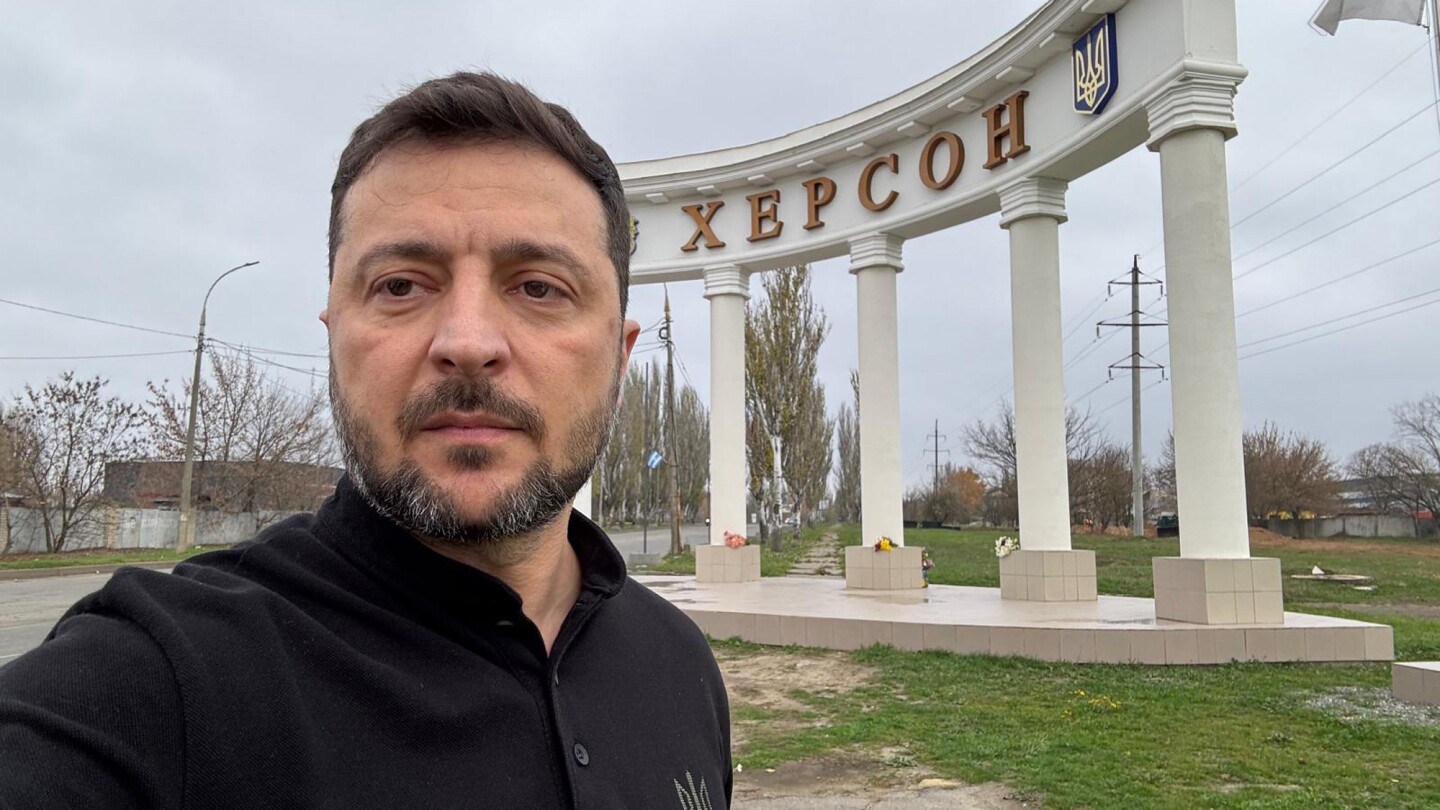
In a significant development, Ukraine has suspended its Justice Minister, Herman Halushchenko, following his alleged involvement in a sprawling corruption scandal linked to the state nuclear power company, Energoatom. The announcement was made by Prime Minister Yuliia Svyrydenko on Wednesday, marking a critical step in the country’s ongoing anti-corruption efforts. The suspension comes on the heels of a major investigation by Ukraine’s National Anti-Corruption Bureau (NABU), which has detained five individuals and identified seven others suspected of orchestrating a $100 million graft scheme in the energy sector. Among the accused are a prominent businessman believed to be the mastermind, a former advisor to the energy minister, and a high-ranking executive at Energoatom. Additionally, eight individuals face charges of bribery, abuse of office, and possession of disproportionate assets. President Volodymyr Zelenskyy has publicly supported the investigation, urging full cooperation from officials. Halushchenko, who served as energy minister from 2021 until his appointment as justice minister in July, has not been formally charged but has vowed to defend himself in court. Deputy Minister of Justice for European Integration, Liudmyla Suhak, will assume his duties as acting minister. The scandal has also implicated Timur Mindich, a close associate of Zelenskyy, who is reportedly among those charged. Despite the investigation, Energoatom has assured that its operations remain unaffected.
-
Russia makes gains in southern Ukraine as it expands front-line attacks
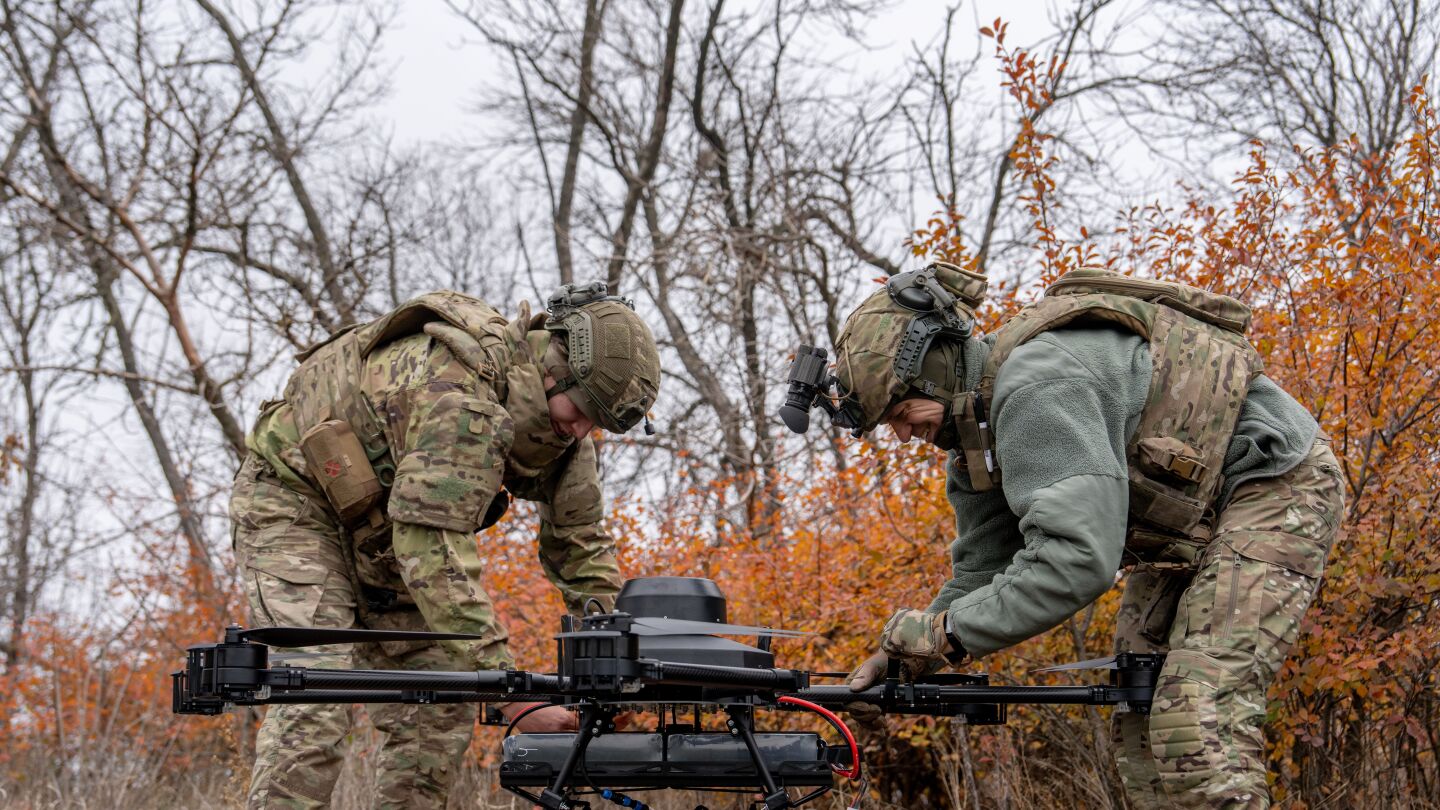
In a significant escalation of the ongoing conflict, Russian forces have reportedly captured three settlements in Ukraine’s southern Zaporizhizhia region, according to Kyiv’s top military commander, General Oleksandr Syrskyi. The advance, facilitated by dense fog, has intensified the already grueling battles between Ukrainian and Russian troops. General Syrskyi noted that the fiercest fighting remains concentrated in the besieged city of Pokrovsk in the Donetsk region, where nearly half of all frontline clashes occurred in the past 24 hours. Additionally, combat activity has surged in the northeastern Kharkiv region, particularly around Kupiansk and Lyman.
Russia’s full-scale invasion of Ukraine, now in its fourth year, has resulted in Moscow occupying approximately one-fifth of Ukrainian territory. In response, the United States is set to impose new sanctions targeting Russia’s oil sector, a cornerstone of its economy, starting November 21. These measures aim to pressure Russian President Vladimir Putin into agreeing to a ceasefire. However, international peace efforts have so far yielded no tangible results.
Meanwhile, Ukraine faces internal challenges as a corruption scandal engulfs senior government officials. Justice Minister Herman Halushchenko was suspended on Wednesday following an investigation into alleged misconduct. On the battlefield, Russia’s larger and better-equipped military has intensified its offensive, stretching Ukraine’s defenses thin. Ukrainian President Volodymyr Zelenskyy revealed that Russia has deployed around 170,000 troops in the Donetsk region alone.
Despite Russia’s incremental territorial gains, its war of attrition has come at a high cost in terms of casualties and equipment. The Institute for the Study of War noted that Russia’s siege of Pokrovsk has been slow-moving due to the widespread deployment of resources. Simultaneously, Ukraine has launched sustained long-range drone attacks on high-value Russian military assets, including a recent strike on the Stavrolen chemical plant in Budionnovsk, which produces materials critical to Russia’s military operations.
-
UK Cabinet minister denies plotting to oust embattled leader Starmer
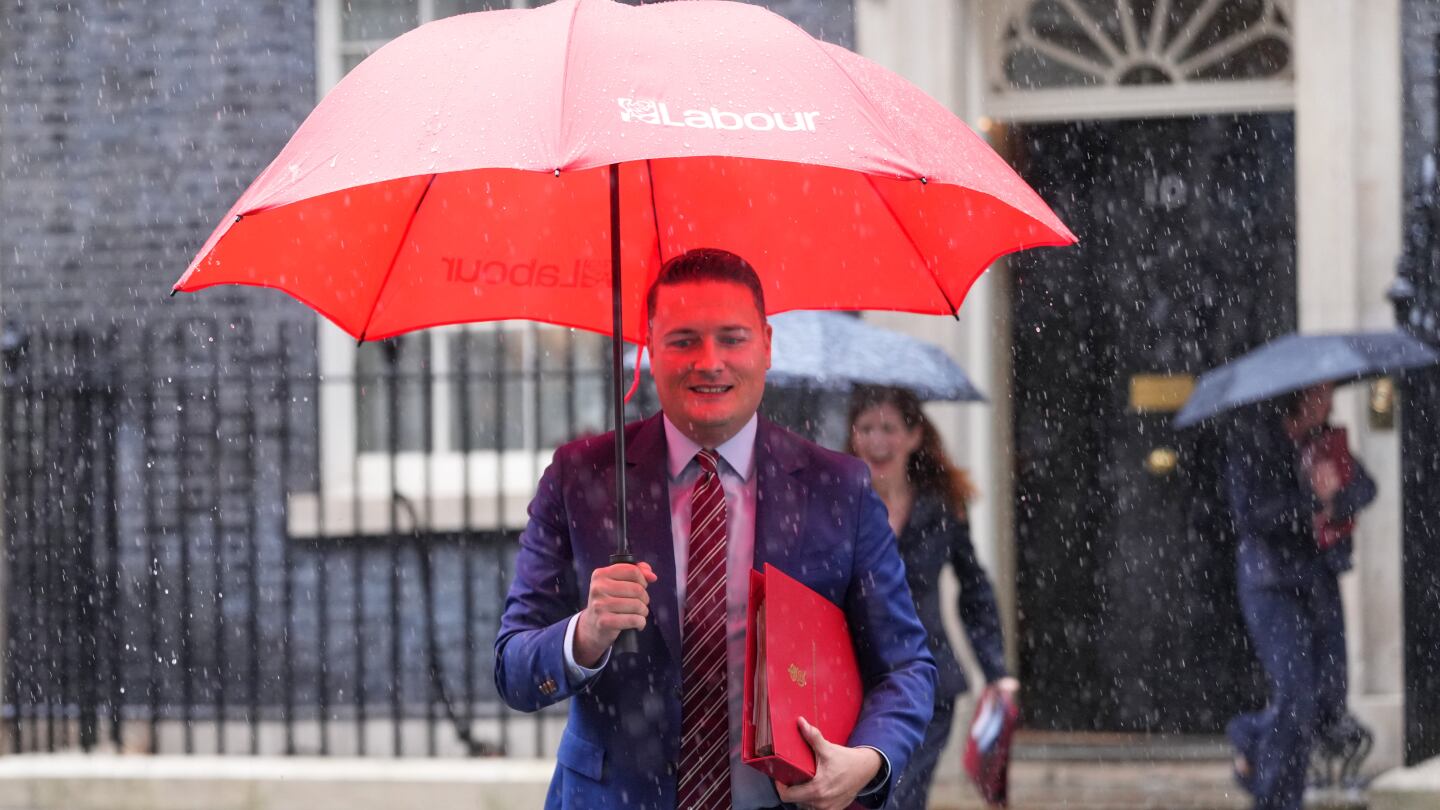
In a striking revelation of internal discord, a senior member of the British government has dismissed rumors of a plot to remove Prime Minister Keir Starmer from office. Health Secretary Wes Streeting, a prominent figure within the Labour Party, labeled such discussions as ‘self-defeating and self-destructive.’ This comes as the party grapples with plummeting poll ratings, less than 18 months after securing a landslide victory in the 2024 general election. Streeting’s comments followed reports that Starmer’s aides had preemptively addressed media speculation about a potential leadership challenge. ‘It’s totally self-defeating briefing, not least because it’s not true,’ Streeting remarked, attributing the rumors to overindulgence in reality TV drama. Despite his denial, the 42-year-old health secretary is widely regarded as a potential future leader of the party. The Labour Party’s current struggles are compounded by its lagging position behind the hard-right Reform UK party, led by Nigel Farage, though it remains ahead of the embattled Conservative Party. Lawmakers are particularly apprehensive about the upcoming budget statement on November 26, which is expected to include income tax hikes—a move that would break a key election promise. Since taking office in July 2024, Starmer’s government has faced significant challenges in fulfilling its pledges to revive economic growth, repair public services, and alleviate the cost-of-living crisis. Inflation remains persistently high, unemployment has risen, and the economic outlook remains subdued. Recent data revealed that the jobless rate climbed to 5% in the three months to September, the highest since 2016, excluding the pandemic years. Under Labour Party rules, a leadership challenge can be initiated with the support of 20% of MPs, currently equivalent to 81 members. While the UK’s parliamentary system permits a governing party to change its leader without triggering an early election, unelected prime ministers often face pressure to seek voter legitimacy. The Conservative Party’s recent history, with three prime ministers—Boris Johnson, Liz Truss, and Rishi Sunak—serving between December 2019 and July 2024, underscores the volatility of such leadership transitions.
-
Funeral of 20-year-old Irish man killed in Ukraine to take place
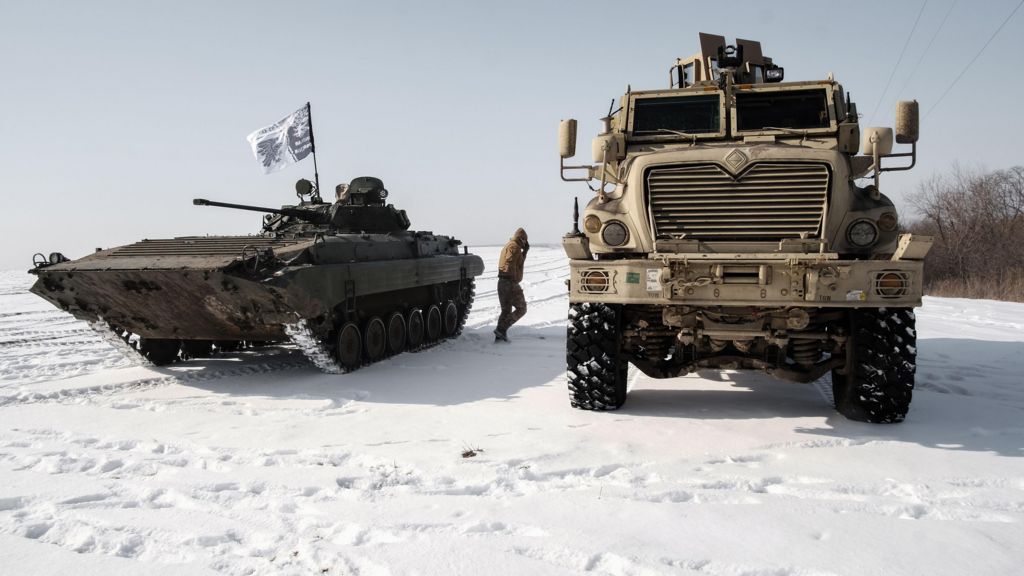
The funeral of Alex Ryzhuk, a 20-year-old Irish man who lost his life while volunteering alongside Ukrainian military forces, is scheduled to take place on Wednesday in the village of Kryliv, western Ukraine. Born in Dublin to Ukrainian parents, Ryzhuk had traveled to Ukraine shortly after turning 18 to assist in the ongoing conflict. He went missing in August 2024 and was presumed dead until last week, when DNA tests commissioned by his family confirmed that remains recovered from the frontlines were his. This confirmation was reported by Irish broadcaster RTÉ. A memorial mass will also be held on 23 November at Donnycarney Church in Dublin. Ryzhuk is the fourth Irish man to have died in the war in Ukraine, which has claimed the lives of several individuals from the island of Ireland since its inception in February 2022.
-
France honors victims 10 years after attacks at Bataclan concert hall, cafes and national stadium
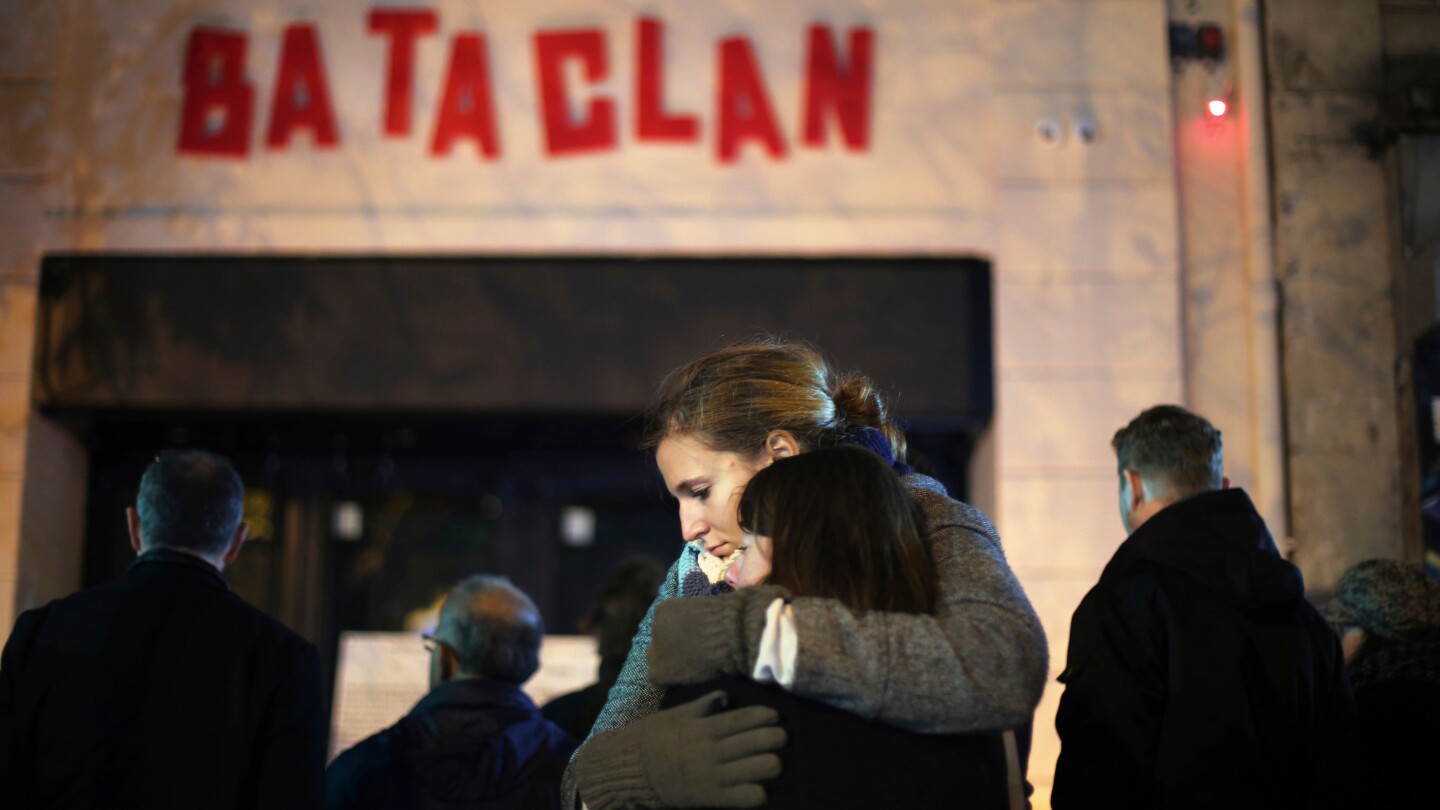
A decade has passed since the harrowing Paris attacks of November 13, 2015, yet the scars remain deeply etched in the lives of survivors. As France prepares to commemorate the 10th anniversary of the tragedy, which claimed over 130 lives and left more than 400 injured, survivors continue to wrestle with the enduring trauma. Arthur Denouveaux, a 39-year-old survivor and president of the victims’ association Life for Paris, reflects on the emotional toll of the anniversary. ‘The 10th anniversary is here, and emotions and tension are everywhere for us survivors,’ he shared. ‘It shields us from the world in a way, because we’re so focused on the grief and on remembering those who lost their lives.’ The coordinated attacks, carried out by nine Islamic State gunmen and suicide bombers, targeted multiple locations across Paris, including the Stade de France, cafes, and the Bataclan concert hall, marking the deadliest violence in France since World War II. Denouveaux, who was at the Bataclan during the Eagles of Death Metal concert, vividly recalls the chaos and horror of that night. ‘I remember crawling on top of bodies,’ he recounted. ‘I believe most of the people were pretending to be dead, but still, I remember a few faces or at least a few facial expressions of people who were necessarily dead.’ The aftermath of the attacks left survivors grappling with post-traumatic stress disorder (PTSD). Denouveaux, a father of three, spent a year in intensive therapy and medication to overcome the most critical phases of PTSD. ‘But since 2017, I’ve had no panic attacks,’ he said. ‘Yet, I’m very cautious because I’m not sure you heal from PTSD.’ To honor the victims, France will hold a solemn ceremony at a newly created memorial garden near Paris City Hall, attended by President Emmanuel Macron, Paris Mayor Anne Hidalgo, survivors, and families of the victims. The garden, designed with input from survivors and relatives, features steles engraved with the names of the victims. ‘The project aims to create a place that remembers the dead but also a place of life, a place that is beautiful and serene,’ Denouveaux explained. The French soccer federation will also pay tribute to the victims during a World Cup qualifier match between France and Ukraine at the Parc des Princes, preceded by a minute of silence. The attacks not only traumatized individuals but also shook the nation’s sense of security. Survivors like Denouveaux have had to navigate a new path in life, mourning not only the lives lost but also the person they once were. ‘When you survive a terrorist attack, you become disconnected from the rest of the world,’ he said. ‘There are three mourning phases: the mourning for those who died, the mourning for the person you were, and the mourning of the image people have of you.’ The 2021-2022 trial of Salah Abdeslam, the lone surviving attacker, and 19 other accomplices brought some closure, with Abdeslam sentenced to life without parole. Yet, for survivors, the journey toward healing remains ongoing. ‘Ten years later, when I tell someone who doesn’t know: ‘Well, I was at the Bataclan,’ the person’s perception of me changes immediately,’ Denouveaux noted. ‘There’s the emotion they felt that day, but also the fear of wondering, ‘Is he OK? Can I talk to him about it? How do we do that?’ And that, of course, puts you out of phase.’
-

How Europe’s private drone industry eyes opportunity as NATO strengthens defense
In a remote warehouse in northern Denmark, workers are meticulously assembling anti-drone devices, some destined for Ukraine to counter Russian technology, while others will bolster Europe’s defenses against mysterious drone incursions. This surge in demand has transformed two Danish companies, Weibel Scientific and MyDefence, into key players in the global counter-drone industry. Their technologies, ranging from radar detection to handheld jamming devices, are now in high demand across Europe, particularly after a series of drone flyovers disrupted NATO airspace and critical infrastructure. The Russia-Ukraine war has been a turning point, driving innovation and investment in counter-drone systems. MyDefence, for instance, has seen its earnings double to $18.7 million, while Weibel Scientific secured a record $76 million deal. European leaders are now pushing for a ‘drone wall’ along NATO borders, with Denmark, Poland, and Romania deploying advanced systems like the American Merops, which uses AI to neutralize drones. As drone warfare evolves, Europe is racing to develop robust detection and interception capabilities to safeguard its skies.
-
All 20 personnel on a Turkish military cargo plane that crashed in Georgia died
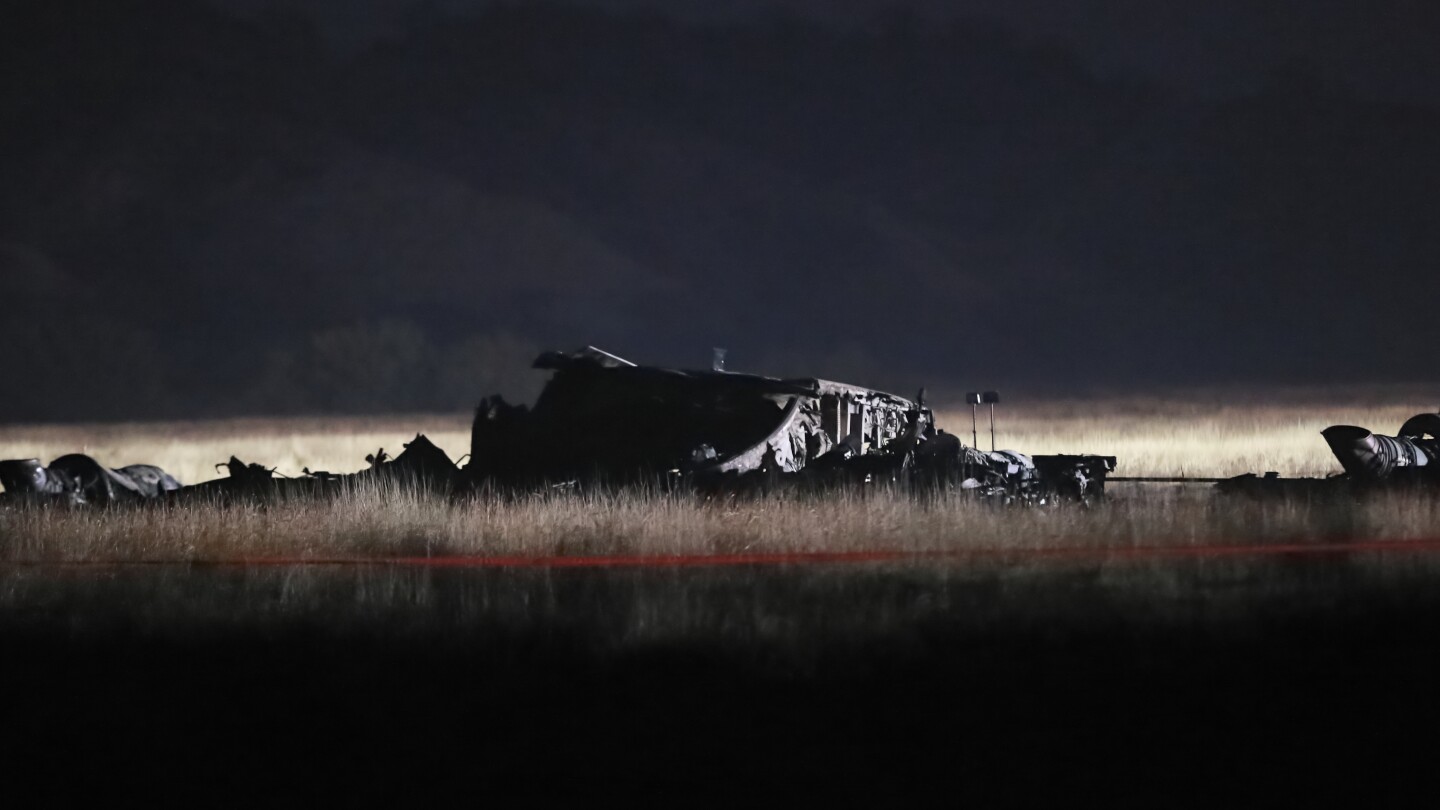
In a devastating incident, all 20 military personnel aboard a Turkish C-130 cargo plane lost their lives when the aircraft crashed in Georgia on November 11, 2025. The plane, which had departed from Azerbaijan, was en route to Turkey when the tragedy occurred near the Georgia-Azerbaijan border in the Sighnaghi municipality. Turkish Defense Minister Yasar Guler confirmed the fatalities in a heartfelt message posted on X, accompanied by photographs of the fallen soldiers. Minister Guler referred to the deceased as ‘heroic comrades-in-arms’ who were ‘martyred’ in the line of duty. Authorities have launched an investigation to determine the cause of the crash, which has sent shockwaves through the military community and beyond. The incident underscores the inherent risks faced by military personnel during operational missions.
-
Serbia’s energy reliance on Russia comes unstuck facing US oil sanctions
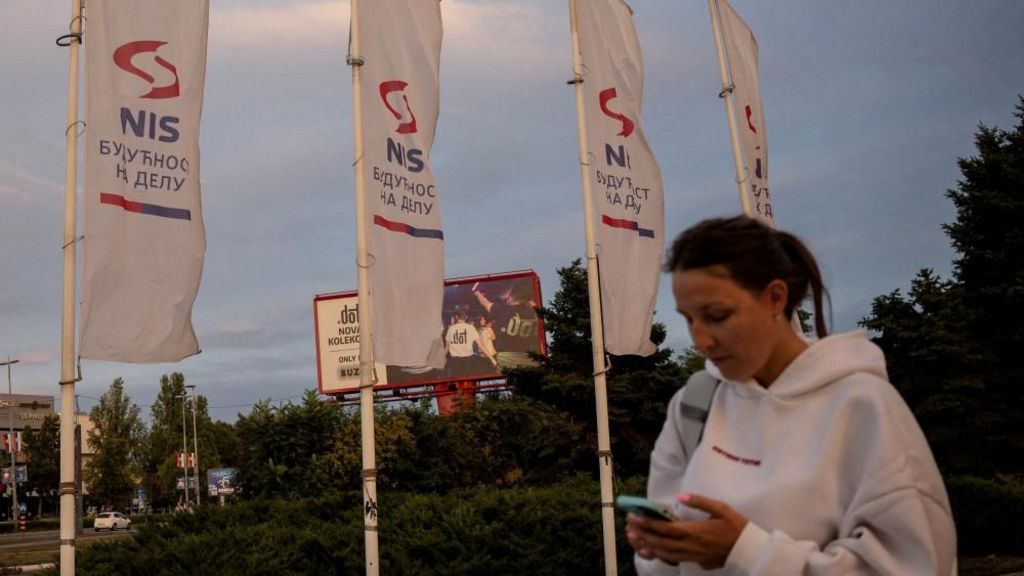
Serbia finds itself in a precarious position as US sanctions on its national oil company, NIS, exacerbate tensions with its traditional ally, Russia. Russian state-owned energy giants Gazprom and Gazprom Neft control over 50% of NIS, placing the company in a bind following the sanctions imposed last month due to its ties to Russia’s energy sector. Serbian Energy Minister Dubravka Djedovic Handanovic revealed that NIS’s Russian shareholders have sought a US waiver, signaling their willingness to transfer control to a third party. However, time is running out, with Serbia’s oil refineries expected to exhaust their crude supply by the end of November. The sanctions have already disrupted NIS’s operations, forcing its petrol stations to stop accepting Visa and Mastercard payments, while Croatia has halted oil deliveries via the Janaf pipeline. Serbia is not alone in facing such challenges; neighboring Bulgaria has moved to nationalize its sole oil refinery ahead of impending sanctions. Meanwhile, Hungary secured a one-year waiver from US sanctions, highlighting the region’s divergent responses. The crisis has strained Serbia’s historically close ties with Russia, particularly over energy and arms trade. While Serbia relies on Russian gas at favorable rates, Moscow appears reluctant to renew the supply deal, leaving President Aleksandar Vucic ‘very disappointed.’ Additionally, Serbia’s arms exports to third countries, which indirectly support Ukraine, have further soured relations. Despite these challenges, Vucic remains committed to Serbia’s EU integration, a stance that may be reinforced by the current crisis. The outcome of the US waiver request remains uncertain, but the episode underscores the broader geopolitical shifts reshaping the Balkans.