标签: Europe

欧洲

  • Explosions kill police officer and injure 25 in western Ukraine

    Explosions kill police officer and injure 25 in western Ukraine

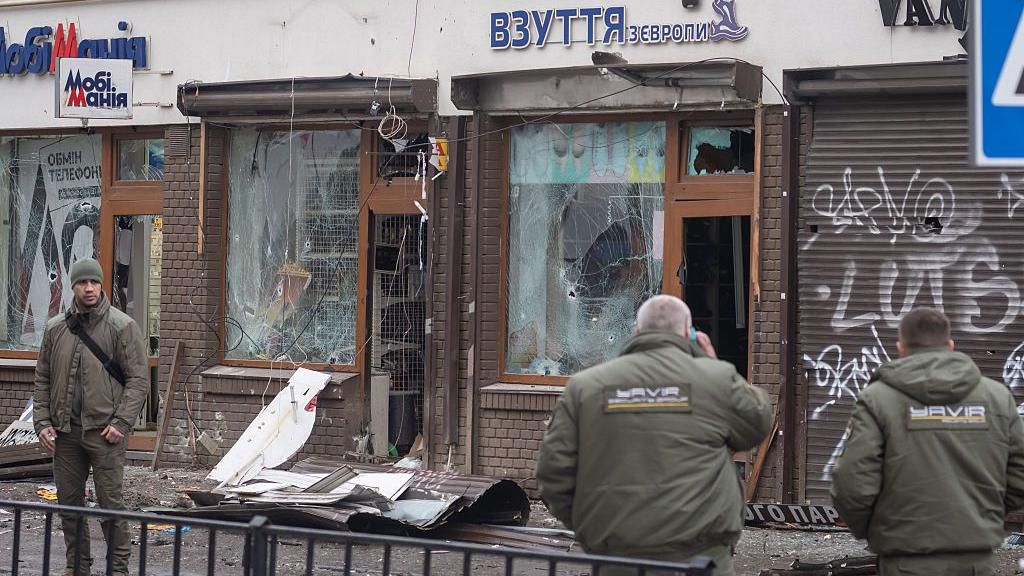
    A devastating terrorist attack struck the western Ukrainian city of Lviv in the early hours of Sunday, resulting in the death of a 23-year-old police officer and injuring 25 others, including multiple law enforcement personnel. Ukrainian authorities confirmed the incident involved strategically planted explosive devices designed to target first responders.

    According to the National Police of Ukraine, the sequence of events began when police crews responded to a reported break-in at a central Lviv shop shortly after midnight. The initial explosion detonated as the first police vehicle arrived on scene. A subsequent blast occurred when additional officers responded to the incident, indicating a calculated ambush targeting emergency personnel.

    The victim was identified as Officer Viktoria Shpylka, who had commenced her service with the national police at the onset of Russia’s full-scale invasion. National police commemorated her service in a Telegram post, noting her dedication during the Kherson region operations.

    Ukrainian President Volodymyr Zelensky confirmed the detention of a primary suspect identified as a 33-year-old Ukrainian woman from the Rivne region. Interior Minister Ihor Klymenko indicated ongoing investigations to identify additional accomplices, while the regional prosecutor’s office has launched a formal terrorism investigation.

    The attack resulted in eleven hospitalizations, including six law enforcement officers in serious condition. The explosives were concealed within waste bins near the incident location, according to police findings.

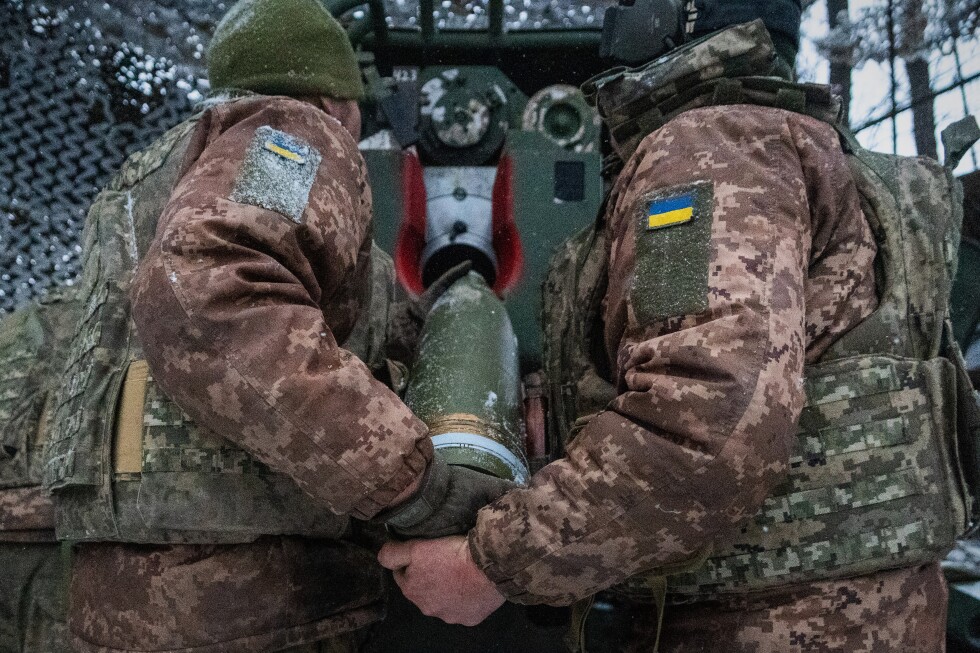
    This security incident occurred amid continued Russian military aggression, with Ukraine reporting interception of 50 missiles and nearly 300 drones during overnight attacks targeting energy infrastructure, residential areas, and railway systems. The Kyiv region reported one civilian fatality and two hospitalizations from these separate attacks.
  • France will summon US Ambassador Charles Kushner after US comments on activist’s death

    France will summon US Ambassador Charles Kushner after US comments on activist’s death

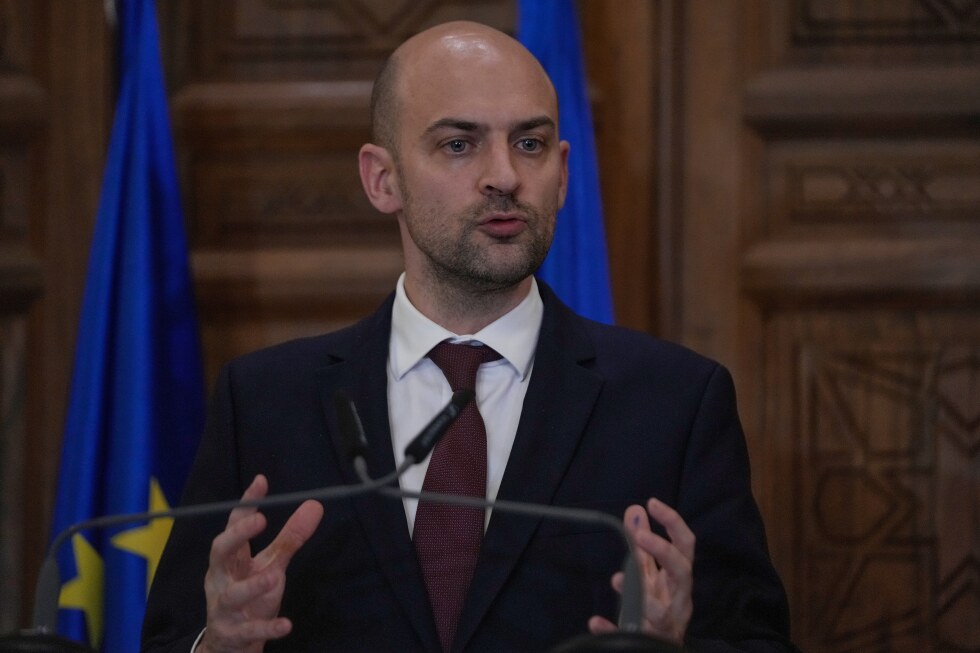
    The French government has announced it will formally summon U.S. Ambassador Charles Kushner to express strong disapproval of the Trump administration’s commentary regarding the fatal assault of far-right activist Quentin Deranque. Foreign Minister Jean-Noel Barrot’s decision comes in direct response to statements issued by the State Department’s Counterterrorism Bureau, which utilized social media platform X to voice concerns about the killing allegedly perpetrated by left-wing militants—claims reportedly supported by France’s Interior Minister.

    Deranque succumbed to severe brain injuries sustained during violent clashes in Lyon, where he was assaulted alongside disturbances at a student gathering featuring far-left legislator Rima Hassan as keynote speaker. This incident has intensified existing political fractures as France approaches next year’s presidential election, prompting President Emmanuel Macron to appeal for national calm following a 3,000-strong memorial march organized by right-wing groups.

    Barrot vehemently rejected what he characterized as political exploitation of the tragedy, stating France requires no instruction from international reactionary movements regarding violence prevention. Meanwhile, the State Department maintained its position that radical leftist violence represents a growing threat to public safety, emphasizing the need for judicial accountability.

    Judicial proceedings have advanced with seven individuals facing preliminary charges including intentional homicide, aggravated violence, and criminal conspiracy. Six defendants received full charges across all counts while the seventh faces complicity allegations.

    Beyond this diplomatic friction, Barrot indicated additional concerns regarding recent U.S. sanctions imposed on Thierry Breton—former EU commissioner overseeing social media regulations—and International Criminal Court judge Nicolas Guillou, both deemed by France as targets of unjustifiable measures.

  • Hungary threatens to block fresh EU sanctions against Russia over oil deliveries

    Hungary threatens to block fresh EU sanctions against Russia over oil deliveries

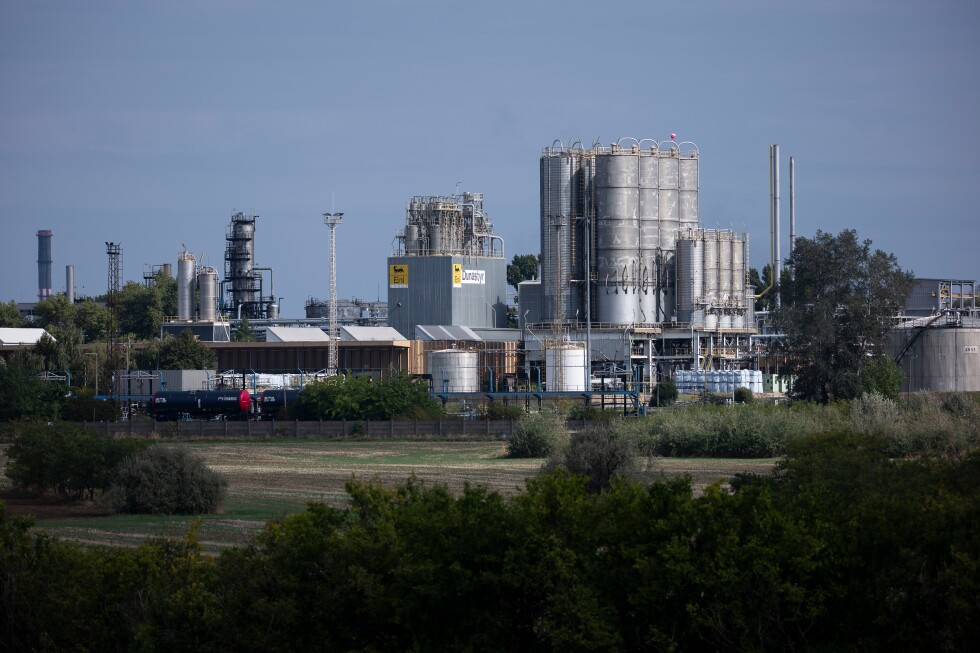
    Hungary has declared it will block the European Union’s proposed 20th sanctions package against Russia and withhold critical financial support for Ukraine until Russian oil deliveries through the Druzhba pipeline resume. The announcement came from Hungarian Foreign Minister Péter Szijjártó in a social media statement on Sunday, just ahead of Monday’s crucial EU foreign ministers meeting in Brussels.

    The diplomatic confrontation stems from the January 27 interruption of Russian oil shipments to Hungary and Slovakia, which Ukrainian authorities attribute to damage caused by Russian drone attacks on the Druzhba pipeline. Szijjártó accused Ukraine of intentionally withholding oil shipments and stated Hungary would prevent any EU decisions favorable to Kyiv until the matter is resolved.

    This stance creates significant complications for EU unity, as sanctions require unanimous approval from all 27 member states. The proposed measures were intended to coincide with the fourth anniversary of Russia’s full-scale invasion of Ukraine on Tuesday.

    In a further escalation, Hungary revealed plans to block a substantial €90 billion EU loan package designed to support Ukraine’s military and economic stability over the next two years. Slovakia has joined Hungary in applying pressure, with Prime Minister Robert Fico threatening to cut emergency electricity supplies to Ukraine if oil deliveries aren’t restored by Monday.

    Ukraine’s Foreign Ministry condemned these actions as “ultimatums and blackmail” that effectively assist Russian aggression. The ministry emphasized that these threats come during extreme winter conditions while Russia systematically targets Ukrainian energy infrastructure.

    Hungarian Prime Minister Viktor Orbán, who maintains Europe’s closest relationship with the Kremlin, has consistently argued that Russian energy is essential for Hungary’s economic stability. While most European nations have dramatically reduced Russian energy imports since the invasion began, Hungary and Slovakia secured temporary exemptions from EU bans on Russian oil imports.

  • Catholic Italy’s Olympic host cities offer different access for Muslims to observe Ramadan

    Catholic Italy’s Olympic host cities offer different access for Muslims to observe Ramadan

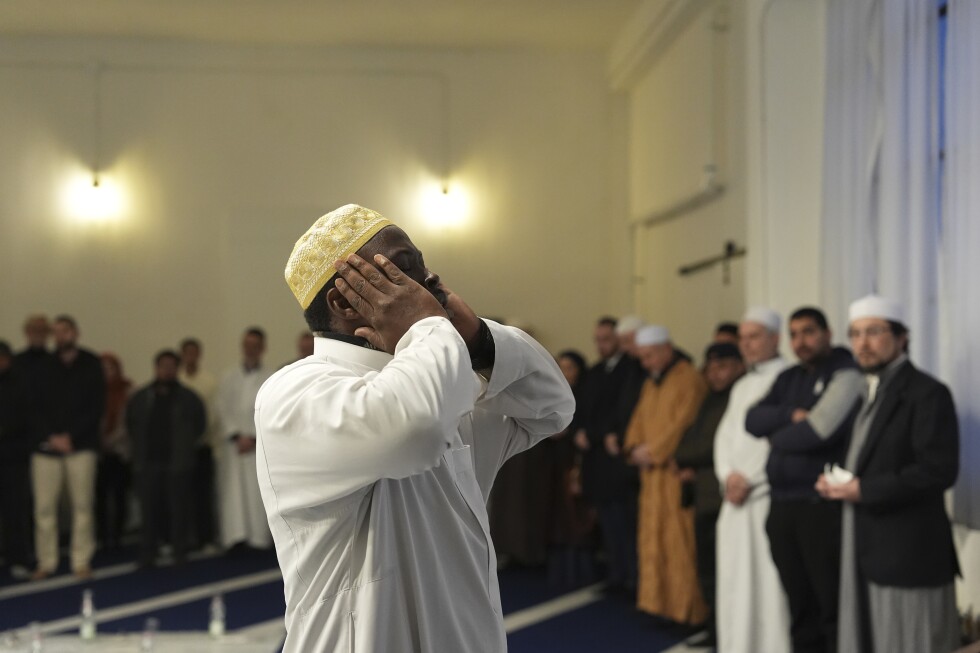
    The convergence of the 2026 Winter Olympics in Italy with the holy month of Ramadan has created a unique intersection of global sports and religious observance. As athletes and visitors gather in the historically Catholic nation, Muslim communities in both host cities are demonstrating diverse approaches to maintaining their spiritual practices during this sacred period.

    In multicultural Milan, Islamic centers have embraced the Olympic spirit through interfaith engagement. The Al-Wahid mosque, officially recognized as a place of worship since 2000, has opened its doors to people of all faiths during Ramadan. The mosque hosts weekly iftar dinners and evening prayers, welcoming guests from municipal institutions, Catholic churches, and other religious communities through March 14th—the day before the Paralympics conclude.

    Imam Yahya Pallavicini, vice president of the Italian Islamic Religious Community (COREIS), emphasized the symbolic significance of the Games: “Sport, culture and art can help reduce prejudice and fear toward a particular culture or religious identity.”

    The demographic landscape underscores this interfaith dynamic. According to Milan-based research institute ISMU, approximately 400,000 Muslims reside in Lombardy, Italy’s largest immigrant population region. The community includes people from Morocco, Egypt, Bangladesh, Pakistan, and Bosnia, among other nations.

    In contrast, the mountain host city of Cortina d’Ampezzo presents different challenges for Muslim observance. At an elevation of 1,220 meters, this upscale resort town of 5,000 residents offers limited prayer spaces. Muslim visitors and workers report significant difficulties finding places to worship, with the nearest mosque located in Brunico—over an hour away on difficult roads.

    Rabah Boubegtiten, an Algerian-born driver working with Qatari security, expressed the community’s frustration: “They look everywhere to find a place to pray, but it’s almost impossible.” While interfaith prayer rooms are available at athlete villages, they remain inaccessible to the general public.

    The broader Italian context reveals evolving religious demographics. While approximately 75% of Italy’s 59 million people identify as Catholic, regular church attendance has declined significantly. Meanwhile, Muslims now number 1.7 million, accounting for over 30% of the foreign resident population for the first time.

    This demographic shift occurs against a political backdrop of increased right-wing, anti-immigrant sentiment. Prime Minister Giorgia Meloni’s government has pledged stricter migration controls since taking office in 2022. However, Pallavicini notes that Italy’s Muslim population now includes growing numbers of second-generation Italian Muslims, converts, and native-born citizens alongside migrants.

    The personal stories illustrate this transformation. Amina Croce, 28, raised by Italian Catholic parents who converted to Islam, represents the emerging face of Italian Islam. As leader of COREIS’s youth division, she views religious diversity as part of Europe’s historical fabric: “We believe this diversity is part of Italy’s broader cultural heritage. It may still be underappreciated, but we hope it will be recognized more in the future.”

  • Danish military evacuates US submariner who needed urgent medical care off Greenland

    Danish military evacuates US submariner who needed urgent medical care off Greenland

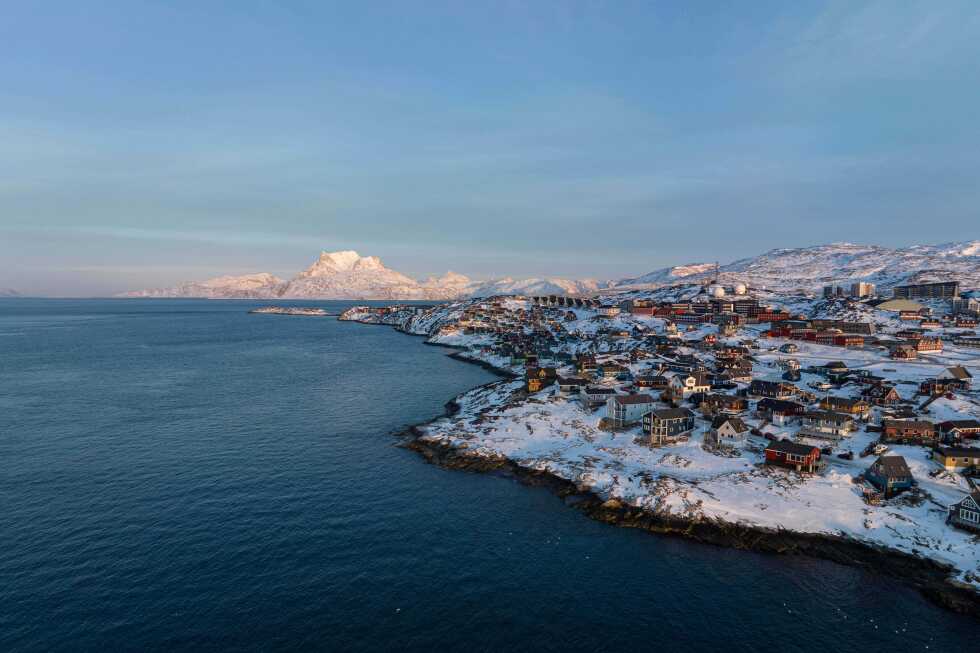
    COPENHAGEN, Denmark — A medical evacuation operation involving a U.S. submarine crew member has unexpectedly intensified diplomatic friction between the United States and Denmark. Denmark’s Joint Arctic Command executed a precision rescue mission Saturday, extracting an American submariner requiring urgent medical attention approximately 7 nautical miles off Nuuk, Greenland’s capital. The evacuation was conducted via a Danish Seahawk helicopter deployed from an inspection vessel, with the patient subsequently transferred to Nuuk’s medical facilities for treatment.

    The routine military cooperation was swiftly overshadowed by provocative statements from U.S. President Donald Trump. Utilizing his Truth Social platform late Saturday, Trump announced intentions to deploy a hospital ship to Greenland, characterizing the autonomous Danish territory as having inadequate healthcare provisions. ‘Working with the fantastic Governor of Louisiana, Jeff Landry, we are going to send a great hospital boat to Greenland to take care of the many people who are sick, and not being taken care of there,’ Trump declared, referencing his special envoy for Greenland affairs.

    Danish Prime Minister Mette Frederiksen issued a firm rebuttal Sunday, defending both Denmark’s and Greenland’s healthcare systems. Through an official Facebook post, Frederiksen emphasized: ‘I am happy to live in a country where there is free and equal access to health for all. Where it’s not insurances and wealth that determine whether you get proper treatment. You have the same approach in Greenland.’ Her statement concluded with a cheerful weekend greeting accompanied by a smiling emoji, contrasting sharply with Trump’s criticisms.

    This exchange represents the latest chapter in increasingly strained relations between the NATO allies. The historically robust bilateral partnership has faced significant challenges following Trump’s repeated expressions of interest in acquiring the mineral-rich, strategically vital Arctic territory, creating diplomatic discomfort in Copenhagen.

  • Russian missile and drone barrage hits Kyiv suburbs, killing 1

    Russian missile and drone barrage hits Kyiv suburbs, killing 1

    Ukrainian emergency services reported a severe escalation in hostilities as Russian forces unleashed a massive aerial assault overnight, resulting in civilian casualties and widespread destruction across multiple regions. According to official statements released on Sunday, the attack killed at least one person in the Kyiv region and required the rescue of eight individuals, including a child, from beneath collapsed structures.

    The assault employed a diverse arsenal of 297 drones and 50 missiles, with Ukrainian air defenses successfully intercepting 274 drones and 33 missiles. Despite these efforts, 14 missiles and 23 drones penetrated defensive measures, striking 14 different locations while three missiles remained unaccounted for.

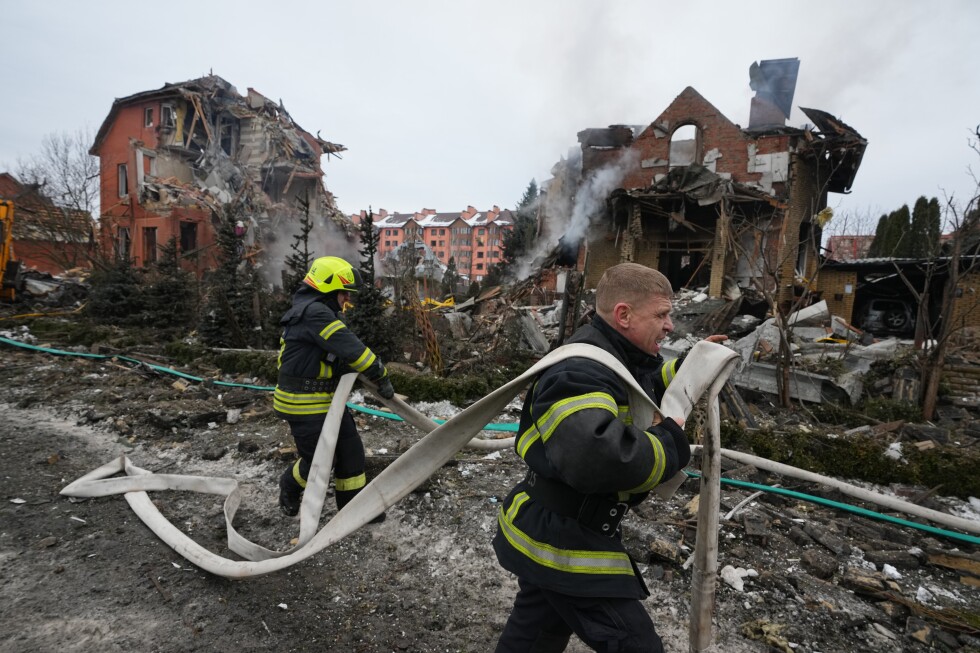
    Suburban areas surrounding Kyiv sustained significant damage, with fires erupting across five districts. Emergency responders conducted rescue operations in the village of Putrivka where buildings had been reduced to rubble. Simultaneously, energy infrastructure in the southern Odesa region suffered direct hits, igniting substantial fires that were subsequently contained by emergency services.

    In a separate incident unrelated to the aerial bombardment, an explosion in the western city of Lviv resulted in one fatality and 25 injuries. Ukrainian President Volodymyr Zelenskyy confirmed via Telegram that an individual has been apprehended in connection with this event.

    The persistent targeting of Ukraine’s energy grid has intensified humanitarian concerns, leaving civilians without essential electricity and heating during harsh winter conditions. This pattern of infrastructure attacks represents a continued strategy in the conflict now entering its fourth year.

    Russian authorities claimed defensive successes, stating their air defenses destroyed 86 Ukrainian drones overnight. In occupied territories, Moscow-installed officials reported two Ukrainian drones struck an oil depot in Luhansk, injuring a security guard and igniting a fuel tank.

  • Could this be wreckage from a 214-year-old maritime disaster?

    Could this be wreckage from a 214-year-old maritime disaster?

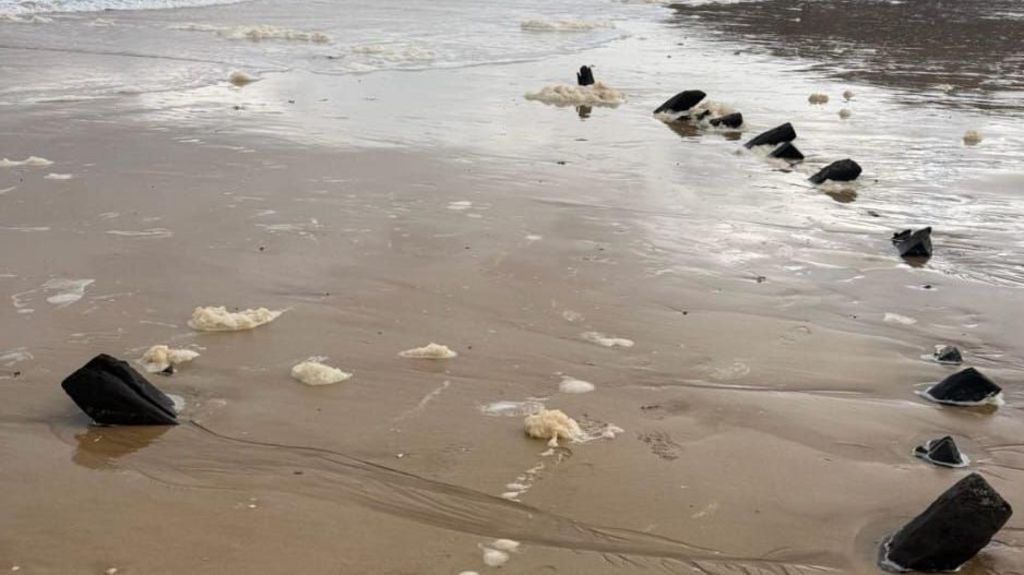
    Recent powerful coastal storms in Ireland’s County Donegal have potentially solved a 213-year-old maritime mystery. Extraordinary wind patterns at Ballymastocker Bay have shifted substantial sand deposits, exposing what archaeologists believe could be the long-lost remains of HMS Saldanha—a British naval frigate that tragically sank during a violent December storm in 1811 with all 253 crew members aboard.

    The uncovered wooden structure, visible during low tide conditions, has generated significant excitement within the local community and archaeological circles. According to maritime archaeologist John O’Raw, who has studied the Saldanha wreck for decades, the exposed timbers likely represent the vessel’s starboard bow section. “These structures protruding from the sand are probably futtocks,” O’Raw explained, “which are individual curved timber components that constitute the ribs or frames of a traditional wooden ship’s hull.”

    Historical records indicate HMS Saldanha was performing blockade duties against French forces during the Napoleonic Wars when it encountered catastrophic weather conditions. Seeking shelter in Lough Swilly, the 36-gun frigate reportedly struck cliffs south of Portsalon before breaking into multiple sections. Contemporary accounts suggest only the captain’s parrot survived the disaster, though historians note many original newspaper reports contained significant inaccuracies.

    The potential discovery has particular resonance for local residents who have maintained the memory of the tragedy through memorial efforts. In 2011, community members raised €1,500 to erect a monument honoring the lost sailors, and a commemorative plaque bearing crew members’ names was subsequently unveiled using archival records from London.

    Journalist Anne Cadwallader, who has helped organize memorial events, noted the emotional significance: “These men entered freezing cold water in blustering gales. One can only imagine their horrors, and not a single survivor emerged. It’s hardly surprising that stories and legends grew around this wreck.”

    The National Monuments Service has conducted preliminary inspections and documentation of the site, acquiring precise locational data for their Wreck Inventory of Ireland Database. While officials caution that definitive identification requires further analysis and dating of the timber, they plan additional comprehensive recording sessions in March when tidal conditions permit extended site access.

    The Saldanha’s legacy extends beyond the human tragedy—its sinking directly prompted construction of the iconic Fanad Lighthouse, which began illuminating Lough Swilly’s hazardous waters in 1817 and continues operation today. The ship’s anchor, recovered earlier by local fishermen, remains displayed at Fort Dunree Military Museum, serving as a tangible connection to one of Ireland’s most enduring maritime mysteries.

  • From abdication to Diana, Harry and ex-Prince Andrew. A look at major British royal scandals

    From abdication to Diana, Harry and ex-Prince Andrew. A look at major British royal scandals

    The British monarchy faces one of its most severe institutional crises in over a century as Prince Andrew’s recent arrest on suspicion of misconduct in public office creates unprecedented challenges for King Charles III’s reign.

    Scotland Yard detained the former Duke of York for nearly eleven hours Thursday following the release of millions of documents from the U.S. Justice Department’s Epstein files investigation. Authorities are examining whether Andrew improperly shared confidential trade information during his tenure as U.K. trade envoy with the late convicted sex offender Jeffrey Epstein. Notably, the arrest relates solely to potential abuse of office rather than Epstein’s sex trafficking allegations.

    While Andrew has consistently denied wrongdoing regarding his association with Epstein, he has remained silent on these latest allegations. The incident represents another devastating blow to the monarchy already grappling with the King’s cancer diagnosis and previous tensions with Prince Harry.

    King Charles III has taken decisive action to protect the institution, stripping his brother of all royal titles and honors while banishing him from his Windsor residence. The monarch maintains that the legal process must run its course, even as the government considers legislation to remove Andrew from the line of succession.

    This crisis evokes historical parallels to other Windsor family challenges: the 1917 name change from Saxe-Coburg and Gotha during World War I anti-German sentiment; Edward VIII’s 1936 abdication over his relationship with Wallis Simpson; and the massive public outcry following Princess Diana’s 1997 death that forced the Queen to address the nation.

    The current situation poses unique dangers as it combines legal proceedings, reputational damage, and constitutional considerations regarding succession. With Andrew remaining eighth in line to the throne despite his diminished status, the monarchy confronts its most significant legitimacy challenge since its modern iteration began over a century ago.

  • After 4 years of war by Russia in Ukraine, peace is still elusive despite a US push for a settlement

    After 4 years of war by Russia in Ukraine, peace is still elusive despite a US push for a settlement

    Russia’s full-scale invasion of Ukraine has now exceeded a sobering historical benchmark, surpassing the 1,418-day duration of Moscow’s World War II campaign against Nazi Germany. Unlike the Red Army’s decisive push to Berlin eight decades ago, today’s conflict has devolved into a grueling stalemate with minimal territorial gains despite catastrophic human costs.

    Current estimates indicate nearly two million soldiers dead, wounded, or missing from both sides in Europe’s most devastating conflict since WWII. NATO Secretary-General Mark Rutte recently characterized Moscow’s advance as moving at “the speed of a garden snail,” with Russian troops gaining merely 50 kilometers in the Donetsk region over two years of brutal fighting.

    The warfare has transformed into a peculiar blend of high-tech drone operations and World War I-style trench combat. Drones have become decisive instruments, creating a 50-kilometer kill zone along the 1,200-kilometer front line that prevents troop concentrations and complicates supply movements. Small infantry groups now attempt infiltrations through towns flattened by Russian artillery and glide bombs.

    President Vladimir Putin maintains maximalist demands in U.S.-mediated peace talks, insisting Ukraine withdraw forces from four illegally annexed regions and abandon NATO aspirations. Meanwhile, Ukraine has conducted audacious long-range attacks, including drone strikes on Russian oil refineries and the sinking of several Black Sea warships.

    The conflict has expanded beyond the battlefield, with Russia targeting Ukraine’s energy infrastructure to create widespread blackouts, while Ukraine retaliates with strikes deep inside Russian territory. Economic strains are mounting on both nations, with Western sanctions slowing Russia’s growth though defense production continues unabated.

    Mediation efforts face significant hurdles due to incompatible demands: Putin seeks comprehensive peace agreement rather than ceasefire, while President Volodymyr Zelenskyy requires security guarantees before considering elections or referendums. With the White House reportedly setting a June deadline for resolution and both leaders courting favor with former President Trump, the path to settlement remains elusive amid continued military operations and entrenched diplomatic positions.

  • Stars descend on the BAFTA film awards, with ‘One Battle’ and ‘Sinners’ leading the race

    Stars descend on the BAFTA film awards, with ‘One Battle’ and ‘Sinners’ leading the race

    LONDON — The British Academy Film Awards ceremony on Sunday features a dramatic showdown between two cinematic powerhouses: the politically charged thriller “One Battle After Another” and the blues-infused epic “Sinners.” These films lead the nominations race for the prestigious EE BAFTA Film Awards, setting the stage for an intense competition that could foreshadow outcomes at the upcoming Academy Awards.

    With 14 nominations each, both films dominate categories including Best Picture and multiple acting honors. However, the Shakespearean family tragedy “Hamnet” emerges as a potential dark horse, captivating British film industry voters with its emotionally resonant narrative, authentic English setting, and powerful performances in Chloé Zhao’s adaptation of Maggie O’Farrell’s historical novel.

    The nominations landscape shows Guillermo del Toro’s reimagined “Frankenstein” and Norwegian family drama “Sentimental Value” securing eight nominations each, while the ping-pong odyssey “Marty Supreme” collected 11 nominations alongside “Hamnet.”

    As a reliable predictor of Oscar success, the BAFTAs offer crucial insights into the March 15 Academy Awards race. “Sinners” currently leads Oscar nominations with a record-breaking 16, followed by “One Battle After Another” with 13.

    The ceremony at London’s Royal Festival Hall will feature celebrity attendees including Emma Stone, Cillian Murphy, Glenn Close, and Ethan Hawke. Scottish actor Alan Cumming, host of the U.S. version of “The Traitors,” promises to balance “celebration and mischief” as ceremony host.

    Notable directing contenders include Paul Thomas Anderson (“One Battle”), Josh Safdie (“Marty Supreme”), Ryan Coogler (“Sinners”), Yorgos Lanthimos (“Bugonia”), Joachim Trier (“Sentimental Value”), and Zhao (“Hamnet”). Zhao could make history as the first female director to win two BAFTAs if she triumphs.

    In the acting categories, Timothée Chalamet (“Marty Supreme”) leads the Best Actor field against Leonardo DiCaprio (“One Battle”), Ethan Hawke (“Blue Moon”), Michael B. Jordan (“Sinners”), Jesse Plemons (“Bugonia”), and Robert Aramayo (“I Swear”). Jessie Buckley stands as Best Actress favorite for her portrayal of Agnes Hathaway in “Hamnet,” competing against Rose Byrne, Kate Hudson, Chase Infiniti, Renate Reinsve, and Emma Stone.

    The Associated Press received recognition in the documentary category for Mstyslav Chernov’s harrowing Ukraine war portrait “2000 Meters to Andriivka,” co-produced with Frontline PBS.

    Most awards are determined by 8,500 U.K. academy professionals, while the Rising Star award remains the sole publicly voted category. NBCUniversal Entertainment chairwoman Donna Langley will receive the BAFTA fellowship, the academy’s highest honor.

    The ceremony airs on BBC in the U.K. at 1900GMT and on E! in the U.S. at 2000EST.