
Lithuania’s airspace faced unprecedented disruption as dozens of weather balloons carrying contraband cigarettes floated into the country from neighboring Belarus. The incident forced Vilnius Airport to shut down for several hours, resulting in the cancellation of 30 flights and affecting approximately 6,000 passengers. Authorities reported that 25 meteorological balloons were detected entering Lithuanian airspace, with two directly hovering over the airport. So far, 11 balloons carrying 18,000 packs of black-market cigarettes have been recovered, though officials anticipate this number may rise. This incident adds to the growing tension in Europe, following recent drone incursions suspected to be linked to Russia, which Moscow has denied. The National Crisis Management Centre (NCMC) noted that such balloon-based smuggling is not new, with 544 recorded cases this year and 966 last year. Similar incidents have been reported in Poland’s Podlaskie region, which also borders Belarus. A Belarusian citizen was recently detained in Poland for smuggling cigarettes using a balloon, with geolocation data linking him to the illicit goods. The NCMC explained that smugglers prefer meteorological balloons over drones due to their lower cost, despite their susceptibility to weather conditions. Authorities aim to seize contraband and detain perpetrators to curb this activity, which poses risks to civil aviation. Meanwhile, European leaders are accelerating discussions on strengthening air defenses following recent drone-related disruptions in Denmark, Norway, and Germany. Russia has denied involvement in these incidents, despite being blamed for earlier airspace violations in Poland, Estonia, and Romania.
标签: Europe
欧洲
-
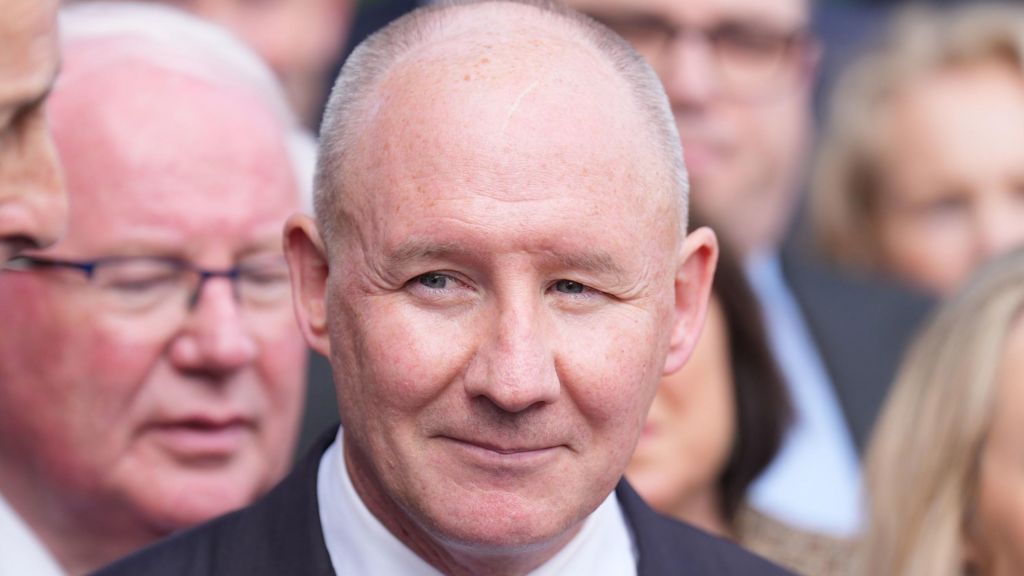
Jim Gavin’s presidential candidacy ‘a serious miscalculation’
In a dramatic turn of events, Jim Gavin, the Fianna Fáil candidate for the Irish presidential election, announced his withdrawal from the campaign on Sunday, citing a ‘mistake not in keeping with my character.’ Gavin, a former Dublin Gaelic football manager, was set to compete against Independent TD Catherine Connolly and Fine Gael’s Heather Humphreys in the October 24 election. His decision followed allegations published in the Irish Independent that he owed €3,300 to a former tenant. Gavin addressed the issue during RTÉ’s presidential debate, stating he was ‘very sorry’ and would ‘deal with it with urgency.’ Fianna Fáil MEP Billy Kelleher described the withdrawal as a ‘shell shock,’ criticizing the party’s lack of due diligence in vetting candidates. Fianna Fáil deputy leader Jack Chambers defended the nomination process, emphasizing that the tenancy issue was never disclosed. Taoiseach Micheál Martin supported Gavin’s decision, calling it ‘difficult but correct.’ Despite his withdrawal, Gavin’s name will remain on the ballot due to Irish electoral laws, though his chances of winning are slim. The Fianna Fáil parliamentary party will meet to discuss the campaign’s future, as the party grapples with the fallout from this unexpected development.
-
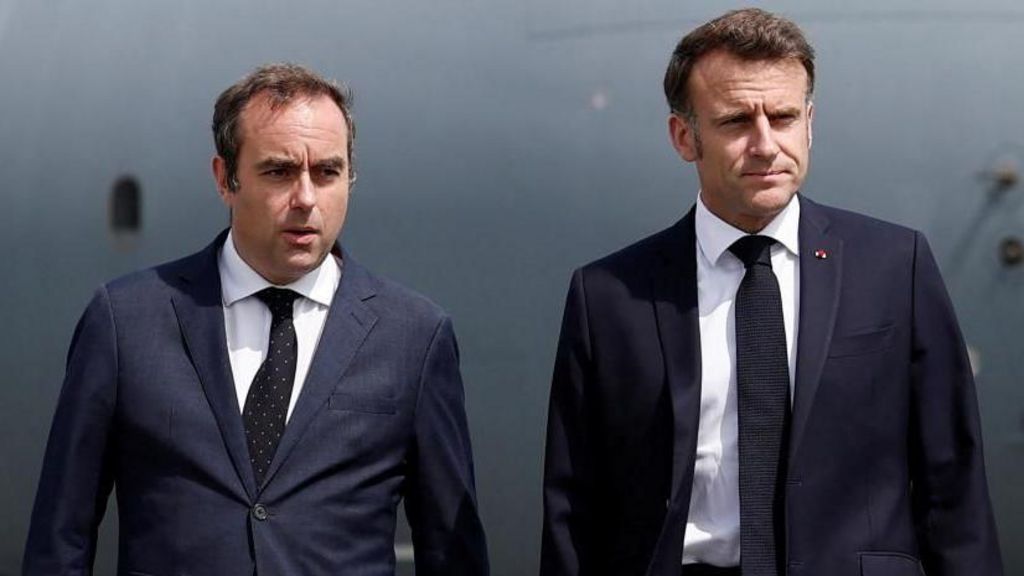
French Prime Minister Sébastien Lecornu resigns after less than a month
In a dramatic turn of events, French Prime Minister Sébastien Lecornu has resigned less than 24 hours after unveiling his cabinet. Lecornu, a staunch ally of President Emmanuel Macron, cited the inability to fulfill necessary conditions for his role, criticizing political parties for their refusal to compromise. The announcement was made by the Elysée Palace following an hour-long meeting between Lecornu and Macron on Monday morning. This abrupt decision comes just 26 days after Lecornu assumed office, succeeding François Bayrou, whose government collapsed amid widespread criticism. The National Assembly had vehemently opposed Lecornu’s cabinet, which bore striking similarities to Bayrou’s, and threatened to vote it down. Calls for early elections have intensified, with far-right National Rally leader Marine Le Pen urging Macron to step down, accusing him of plunging the country into crisis. Lecornu, France’s fifth prime minister in under two years, lambasted political factions for their ‘partisan appetites’ and lack of humility during his brief tenure. The resignation underscores the deepening instability in French politics, which has been in disarray since the July 2024 snap elections resulted in a hung parliament. The inability to pass crucial legislation, including Bayrou’s austerity budget, has exacerbated France’s economic woes, with a deficit of 5.8% of GDP and a national debt of 114% of GDP. The Paris stock exchange reacted negatively to the news, with stocks plummeting sharply.
-
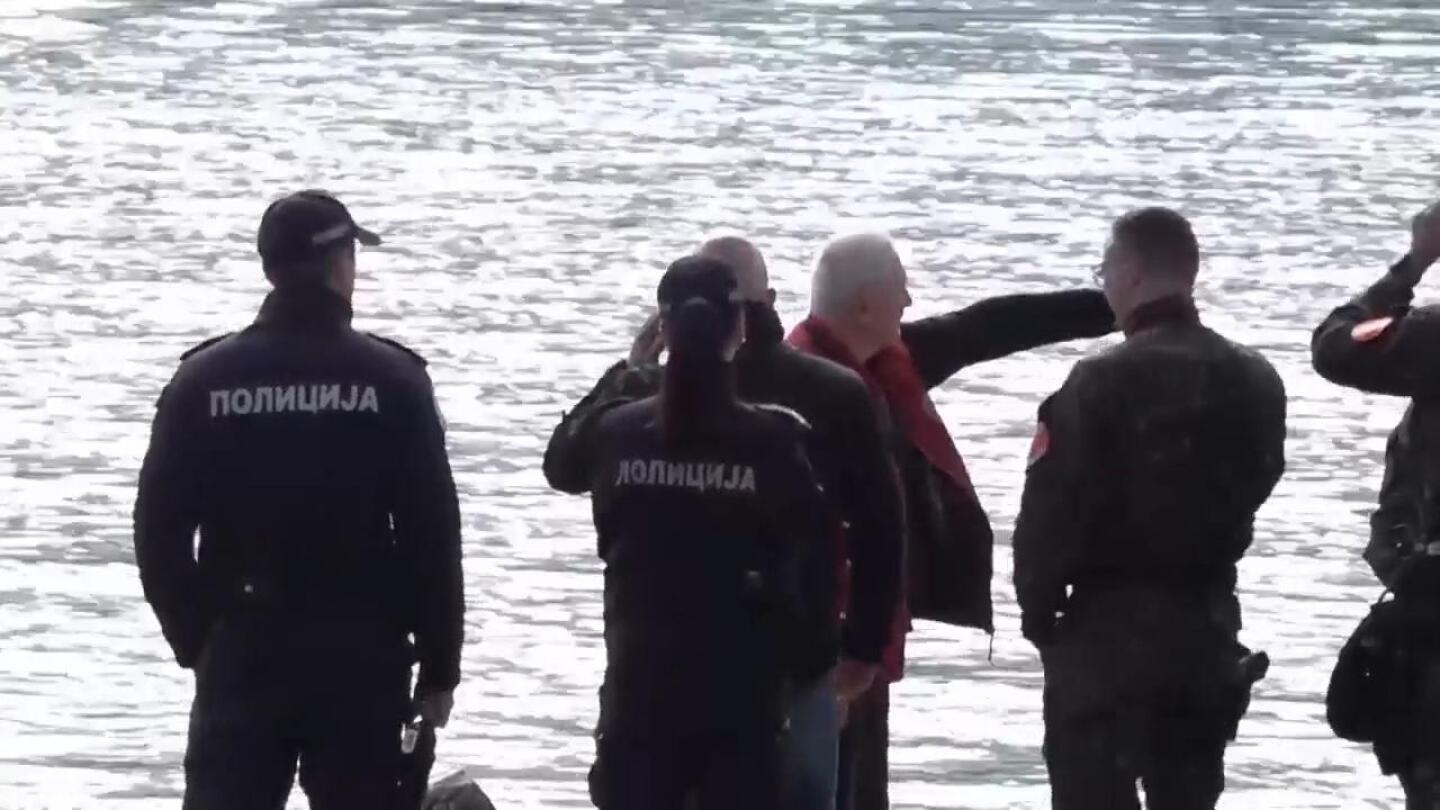
A Chinese migrant dies when boat capsizes on the Danube between Serbia and Croatia
A tragic incident unfolded on the Danube River between Serbia and Croatia, resulting in the death of one individual and the rescue of several others. According to Serbian police, a boat carrying at least 10 Chinese nationals capsized late Sunday evening near the Serbian town of Backa Palanka, approximately 90 kilometers northwest of Belgrade. The victims were reportedly attempting to cross the border illegally. Serbian rescuers recovered the body of one person and successfully saved four others, all of whom are Chinese nationals. Meanwhile, teams in neighboring Croatia located three men and two women, also from China. Serbia is a key transit point on the Balkan migration route, which many migrants use to reach Western Europe. In recent years, China has significantly invested in infrastructure projects across central and eastern Europe, leading to an increase in the visibility of Chinese emigrants in these regions.
-
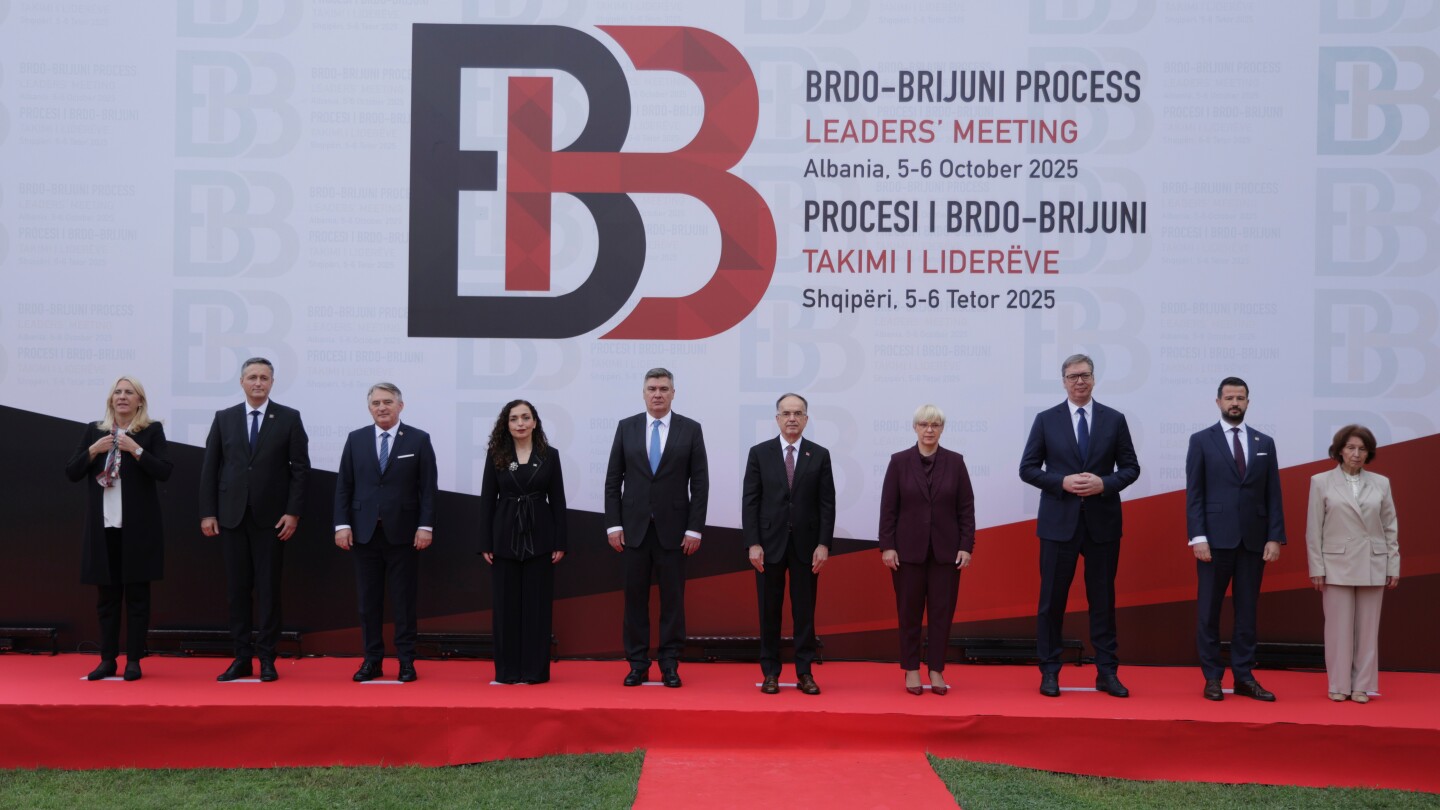
Western Balkan leaders reaffirm commitment to EU future
In a significant diplomatic gathering in Golem, Albania, leaders from the Western Balkan nations reiterated their dedication to a shared European future on Monday. The annual meeting, part of the Brdo-Brijuni Process initiated by Slovenia and Croatia in 2013, aimed to bolster regional cooperation and accelerate reforms essential for European Union (EU) integration. The event saw the participation of presidents from Albania, Bosnia, Serbia, Montenegro, North Macedonia, and Kosovo, underscoring a collective resolve to advance their EU aspirations. In a joint declaration, the leaders emphasized their ‘shared vision toward the European perspective of our entire region,’ committing to a peaceful, stable, and prosperous Europe. Despite varying stages of progress in their EU membership bids—with Montenegro and Albania leading, and Serbia, Bosnia, Kosovo, and North Macedonia trailing—the nations expressed optimism about their integration journey. The EU’s renewed openness to enlargement, particularly in light of the Ukraine conflict, has heightened the urgency for reforms. The leaders also welcomed a 6 billion euro growth plan designed to support these efforts. Slovenian President Natasa Pirc Musar urged Brussels to expedite the process, warning that ‘security and peace in Europe is at stake.’ The gathering, led by Albanian President Bajram Begaj, highlighted the importance of reconciliation and political dialogue in a region still grappling with historical tensions, particularly between Serbia and Kosovo.
-
Danger for Irish PM as Gavin quits presidential race
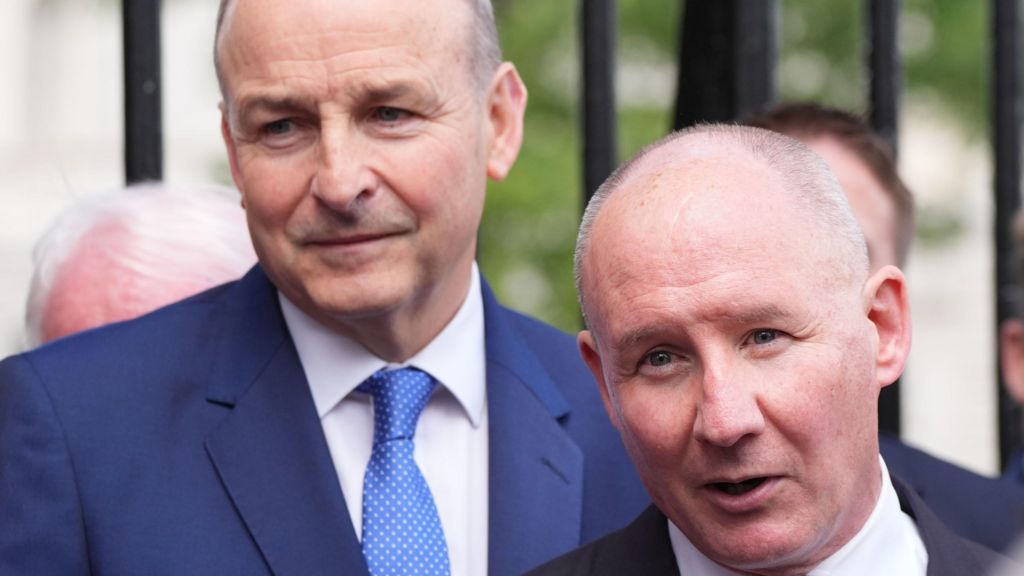
The political landscape in Ireland has been rocked by the abrupt withdrawal of Jim Gavin, the Fianna Fáil presidential candidate, whose campaign unraveled in a matter of hours following a scandal over property dealings. The controversy has plunged Fianna Fáil into chaos, casting a shadow over the leadership of Taoiseach Micheál Martin and raising questions about the party’s future. The crisis began when the Irish Independent published an exposé detailing how Gavin and his wife Jennifer allegedly retained €3,300 in rent payments from former tenants due to a banking error. Despite Gavin’s claims of having no recollection of the dispute, the damage was swift and severe. Within 12 hours of the story breaking, a poll placed Gavin a distant third in the presidential race, trailing Catherine Connolly and Heather Humphreys. The scandal intensified during a televised debate on RTÉ, where Gavin appeared visibly shaken and failed to provide satisfactory answers. By Sunday night, Gavin announced his withdrawal from the race, leaving Fianna Fáil in disarray. The decision has sparked internal dissent, with party members criticizing Martin’s leadership and the vetting process that failed to uncover the issue earlier. The fallout has also put pressure on deputy leader Jack Chambers, who is already grappling with the challenges of finalizing a tight Budget. As Gavin’s name remains on the ballot, the crisis has become a referendum on Martin’s 14-year tenure, with dark clouds gathering over the party’s leadership.
-
BBC finds Russian guards, Iranian trucks and rusting railway on Trump’s Caucasus peace route
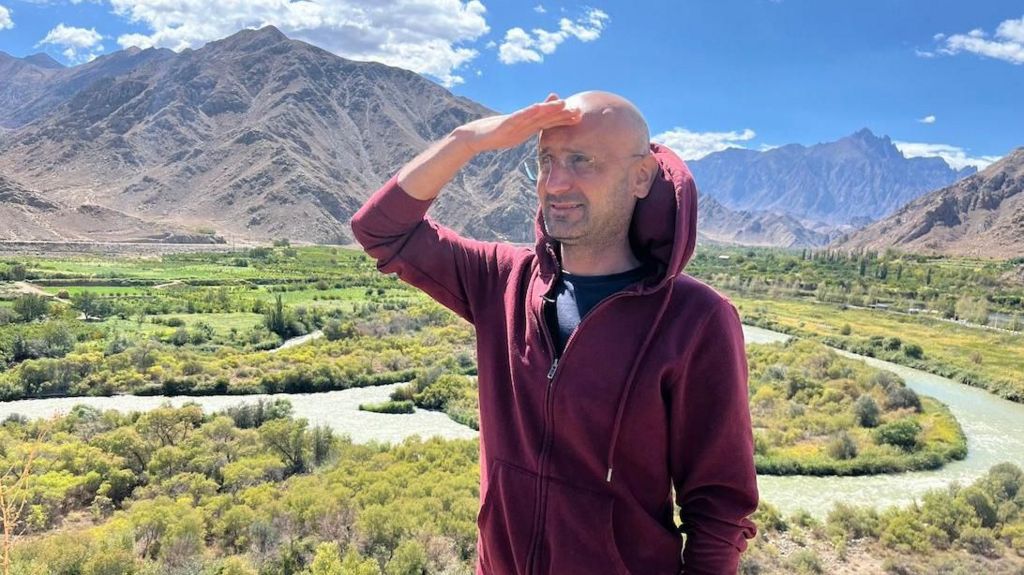
In the rugged terrain of southern Armenia, remnants of a Soviet-era railway stand as silent witnesses to a bygone era. Yet, this derelict stretch of track is poised to become the cornerstone of a groundbreaking peace initiative spearheaded by former US President Donald Trump. Dubbed the Trump Route for International Peace and Prosperity (Tripp), this ambitious project aims to transform the region into a symbol of reconciliation between Armenia and Azerbaijan, two nations long embroiled in conflict.
The Tripp proposal envisions a 43-kilometer corridor through Armenian territory, linking Azerbaijan to its exclave of Nakhchivan. This route, which will include a railway, motorway, and pipelines, is expected to be developed by US companies under a 99-year agreement. Trump has touted the economic benefits, claiming it will bring prosperity to Armenia, Azerbaijan, and the US. However, the project faces significant political and logistical challenges, including opposition from Iran and Russia, both of whom view the initiative as a threat to their regional influence.
The roots of the Armenia-Azerbaijan conflict trace back to the disputed Nagorno-Karabakh region, which Azerbaijan recaptured in 2023, displacing thousands of Armenians. Trump’s intervention in August 2025 marked a turning point, as he brokered a deal between Armenian Prime Minister Nikol Pashinyan and Azerbaijani President Ilham Aliyev. While the agreement has brought temporary peace, details remain vague, and the timeline for Tripp’s construction is uncertain.
Russia, historically dominant in the South Caucasus, has seen its influence wane, paving the way for US mediation. Despite Moscow’s proposal to guard the route being rejected, Russian border troops continue to patrol the Armenia-Iran border. Meanwhile, Iran, a neighbor to both nations, has expressed mixed reactions, with hardliners threatening to derail the project. However, Armenia has assured Tehran that Tripp poses no threat to its interests.
The initiative has also attracted European attention, with France and the EU viewing it as part of a broader ‘middle corridor’ linking Europe to Central Asia and China. Turkey, eager to capitalize on Russia’s declining influence, has voiced support for Tripp, which would create a direct link to Azerbaijan.
For Armenia, the project represents hope for economic revival in regions abandoned for decades. Local journalist Marut Vanyan, who fled the conflict in 2023, remains cautiously optimistic. ‘They say there will be billions in investment, new roads, and trade with Iran, America, Europe, Turkey, and Azerbaijan,’ he says with a skeptical smile. While a formal peace treaty remains elusive, the absence of violence on the Armenia-Azerbaijan border since the Washington meeting offers a glimmer of hope for lasting peace.
-
As Gisèle Pelicot faces one of her rapists in court, what has changed in France?
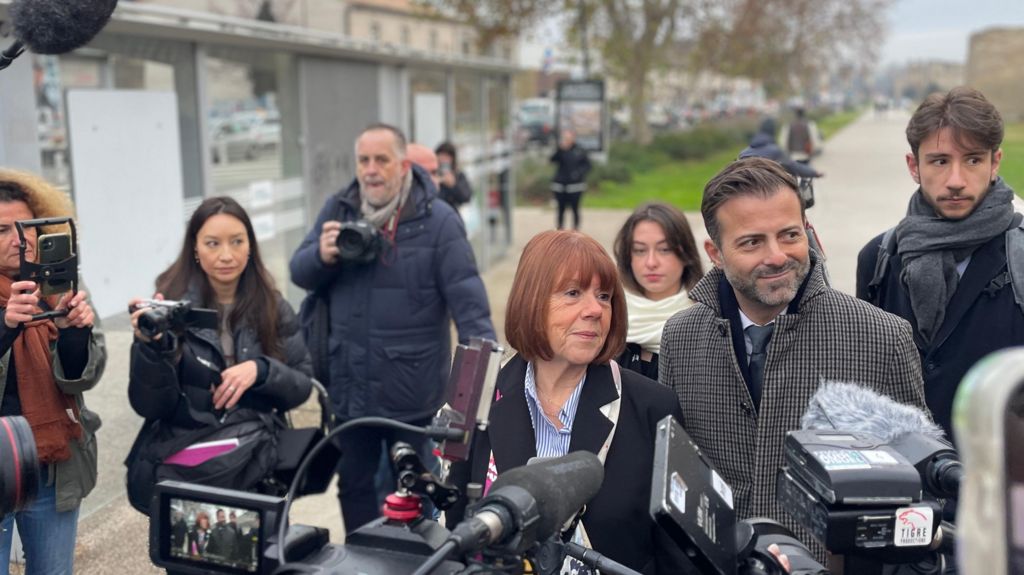
Gisèle Pelicot, a French woman who endured years of horrific abuse orchestrated by her husband, is set to return to court in Nîmes to face one of her attackers. This man is the sole individual appealing the verdict from last year’s trial, which saw 51 men convicted of raping Pelicot while she was drugged and unconscious in her own home. Her decision to waive her right to anonymity and publicly confront her attackers was initially hailed as a turning point in France’s fight against sexual violence. However, the optimism surrounding her case appears to be fading. In Mazan, the picturesque town where Pelicot and her husband once lived, locals express frustration over the town’s association with the infamous trial. One man even threatened a journalist, demanding they leave and stop discussing the case. Mayor Louis Bonnet has described Pelicot’s ordeal as a “private matter” unrelated to the town, a stance that has drawn criticism. While some, like 68-year-old Aurore Baralier, believe Pelicot’s case has empowered women to speak out, others, such as a 33-year-old civil servant named Aurélie, argue that little has changed. Aurélie revealed that domestic violence remains hidden, with women too afraid to come forward. Across France, the Pelicot case has undeniably amplified conversations about sexual violence, particularly in the wake of the MeToo movement. Complaints of rape have tripled, signaling a shift in victims’ willingness to seek justice. Yet, activists and experts argue that systemic issues persist. Conviction rates remain stagnant, and rape culture continues to thrive, exacerbated by the rise of masculinist movements and deep-fake pornography. The French government has defended its efforts, citing increased funding for combating sexual violence. However, a Senate report criticized the lack of a strategic approach, and the Council of Europe has condemned France’s failure to adequately protect women. While occasional stories, like the arrest of a man in Dijon for drugging his wife, offer glimmers of hope, the broader picture remains bleak. Lawyer Elodie Tuaillon-Hibon, who has been involved in high-profile cases, including that of actor Gérard Depardieu, remains skeptical. She likens sexual violence in France to a “war waged against women and children every day” and emphasizes that meaningful change requires a serious commitment to public policy. As Pelicot prepares to face her attacker once more, her case serves as a stark reminder of the long road ahead in the fight against sexual violence in France.
-
Jim Gavin exits Irish presidential race ‘with immediate effect’
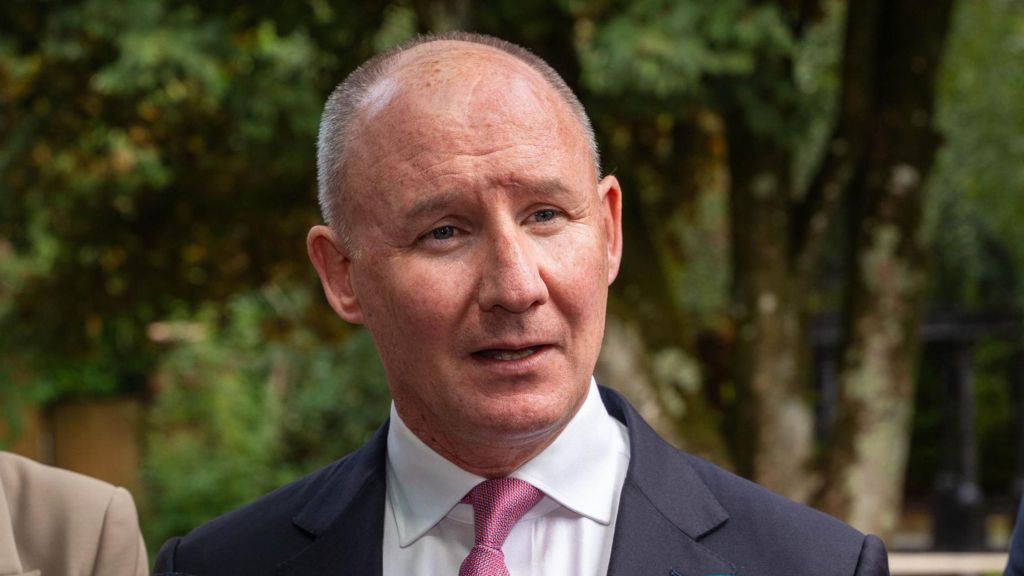
In a surprising turn of events, Fianna Fáil’s presidential candidate Jim Gavin has announced his immediate withdrawal from the Irish presidential election, less than three weeks before the scheduled polling day. Gavin, who was poised to compete against Independent TD Catherine Connolly and Fine Gael’s Heather Humphreys for the role of Ireland’s head of state, cited personal reasons for his decision. In a statement released on Sunday evening, Gavin acknowledged that he had ‘made a mistake that was not in keeping with my character and the standards I set myself.’ He emphasized the importance of family and personal integrity, stating, ‘Taking all these considerations on board, I have decided to withdraw from the presidential election contest with immediate effect and return to the arms of my family.’ This unexpected development has left the political landscape in flux, with analysts speculating on the potential impact on the remaining candidates and the election’s outcome. Further updates are expected as the situation unfolds.
-
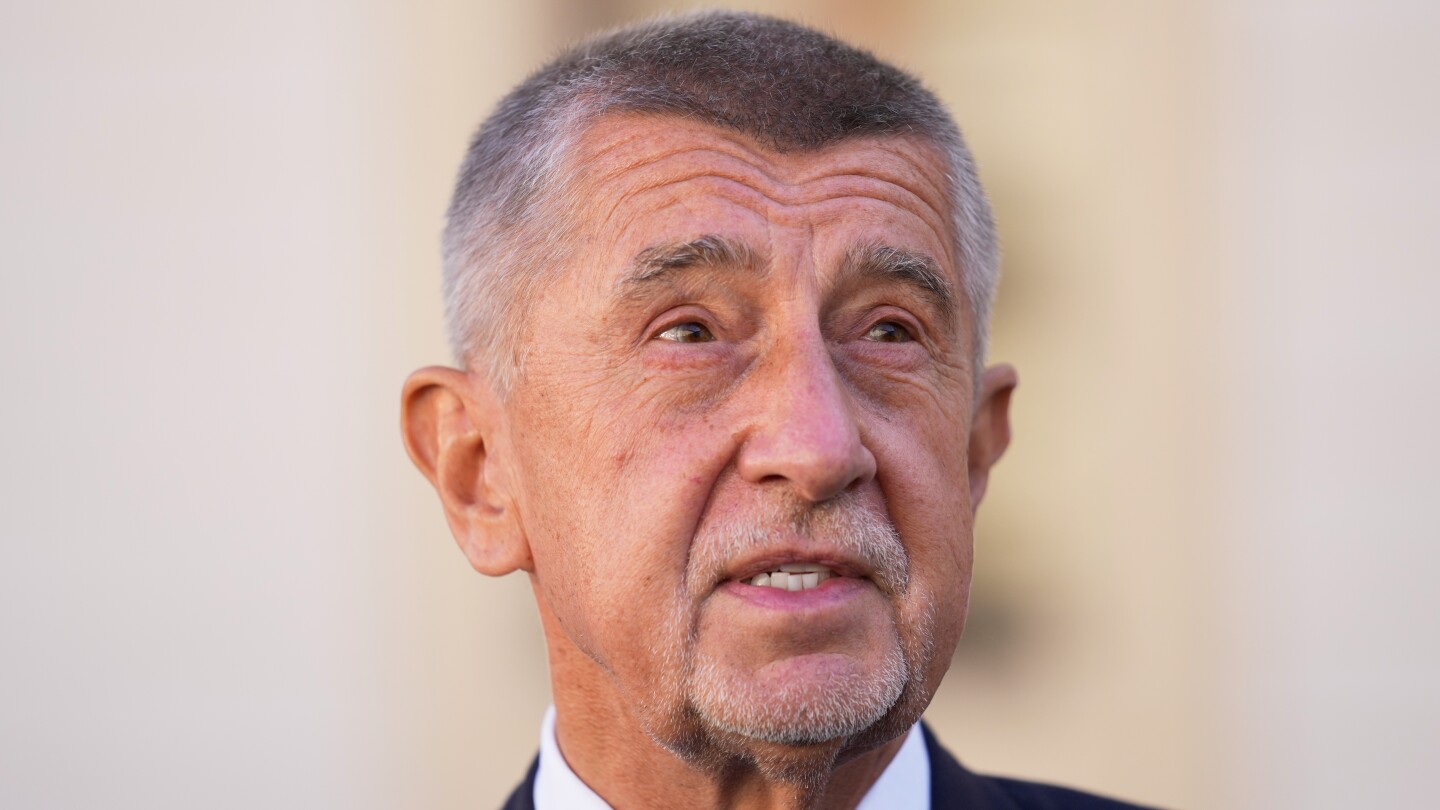
Babiš is back: Billionaire’s return steers Czechia away from Ukraine and toward Hungary and Slovakia
In a dramatic political comeback, billionaire Andrej Babiš and his ANO movement have secured their most significant electoral victory since their inception in 2011. This triumph marks a pivotal moment in Czech politics, as Babiš, often compared to former U.S. President Donald Trump, has reasserted his influence despite earlier setbacks. His populist rhetoric, which blames the ruling coalition for issues ranging from the energy crisis to inflation, resonated deeply with voters. Babiš has pledged to reverse the controversial increase in the state pension age and halt aid to Ukraine, while mocking Prime Minister Petr Fiala for his pro-Ukraine stance. This victory not only solidifies Babiš’s political career but also signals a potential shift in Czechia’s foreign policy, aligning it more closely with pro-Russian nations like Hungary and Slovakia. Babiš has already announced plans to abandon a Czech initiative that supplies artillery shells to Ukraine and opposes NATO’s increased defense spending commitments. Domestically, Babiš faces ongoing legal challenges, including fraud charges related to EU subsidies, and must navigate a fragmented parliament to form a stable government. His return to power raises questions about the future of Czechia’s relationship with the EU and NATO, as well as the stability of its domestic policies.