
In a shocking turn of events, Ian Watkins, the disgraced former lead singer of the Welsh rock band Lostprophets, was fatally stabbed at HMP Wakefield in West Yorkshire, England. The 48-year-old, who was serving a 29-year sentence for a series of heinous child sex offenses, was attacked with a knife on Saturday morning. Emergency services rushed to the scene but pronounced Watkins dead upon arrival. West Yorkshire Police have since arrested two men, aged 25 and 43, on suspicion of murder, and a full-scale investigation is underway. Watkins’ crimes, which included attempting to rape a baby, sexually assaulting a 1-year-old, and producing child pornography, had previously been described by Judge John Royce as among the most horrific cases ever seen in court. The judge labeled Watkins a manipulative and dangerous sexual predator who exploited his fame to fulfill his depraved desires. Lostprophets, which gained fame with their 2006 album ‘Liberation Transmission,’ disbanded following Watkins’ arrest in 2013. The incident has reignited discussions about prison safety and the treatment of high-profile inmates.
标签: Europe
欧洲
-
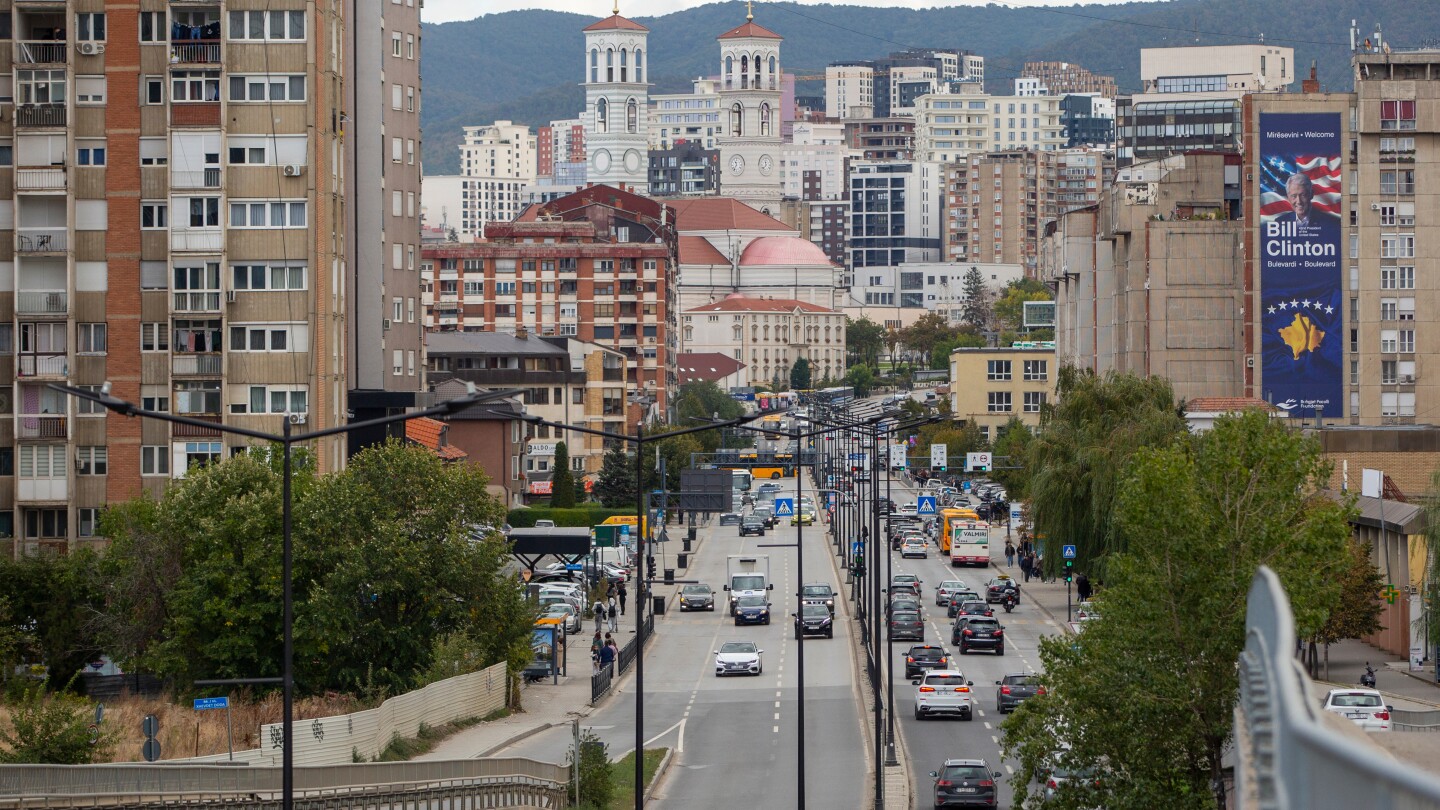
Kosovo holds municipal elections with the governing party aiming for Pristina city hall
PRISTINA, Kosovo — Kosovo is conducting municipal elections on Sunday, with the left-wing governing party, Vetevendosje!, aiming to secure control of the capital’s city hall. This election unfolds against a backdrop of persistent political tensions and strained relations with Serbia. Approximately 2.1 million registered voters are casting ballots to elect mayors in 38 municipalities and around 1,000 local council members. Preliminary results are anticipated by midnight, though many races are expected to proceed to runoffs in about a month, mirroring previous elections. The most closely contested race is in Pristina, where Vetevendosje!’s candidate, former culture minister Hajrulla Çeku, is challenging incumbent Perparim Rama of the conservative Kosovo Democratic League. Vetevendosje! seeks to capitalize on its performance in February’s parliamentary election, where it secured 48 seats in the 120-member legislature, though it fell short of a governing majority. The elections in the Serb-majority north are particularly significant, with Srpska Lista, the dominant Serb party aligned with Serbian President Aleksandar Vucic, expected to retain control of its strongholds. The vote follows Kosovo’s Parliament resolving an eight-month political deadlock by electing its full leadership, including a representative from the ethnic Serb minority. Acting Prime Minister Albin Kurti, Vetevendosje!’s leader, has been tasked with forming a new Cabinet within 15 days, a challenging endeavor as other major parties have yet to engage in coalition talks. Kurti faces mounting pressure to stabilize domestic politics, address economic challenges, and revive EU-mediated normalization talks with Serbia. Kosovo’s independence remains a contentious issue in the Balkans, with Serbia, backed by Russia and China, refusing to recognize it. The 1998–1999 war, which claimed approximately 11,400 lives, predominantly ethnic Albanians, ended after NATO’s intervention forced Serbian forces to withdraw. While most Western nations acknowledge Kosovo’s statehood, the region’s political landscape remains fraught with complexity.
-

The mystery of the missing Paris catwalk necklace
A unique silver necklace featuring a taxidermy butterfly encased in a rock crystal dome, crafted by renowned jeweler Malcolm Morris, has become the focal point of an international search after vanishing from a Paris catwalk show three decades ago. The one-of-a-kind piece, created in 1994, was commissioned by art director Simon Costin for designer Alexander McQueen, who later headed Givenchy. Despite its anticipated debut, the necklace mysteriously disappeared and has not been seen since. Now, Sarah Burns-Collins, a longtime collaborator of Morris and owner of Gold Lark Jewellery, is spearheading efforts to uncover its whereabouts as part of a retrospective celebrating Morris’s 50-year career. Morris, now 67 and based in Shropshire, is celebrated for his work in stage and film, including creating tiaras for Gwyneth Paltrow in ‘Shakespeare in Love.’ The necklace, described as a ‘statement piece’ weighing like a mayoral chain, took three weeks and significant resources to create. Burns-Collins speculates it may still be in Paris, possibly in an antique shop or with a former model. The search continues as Morris and his team hope to solve this enduring mystery.
-
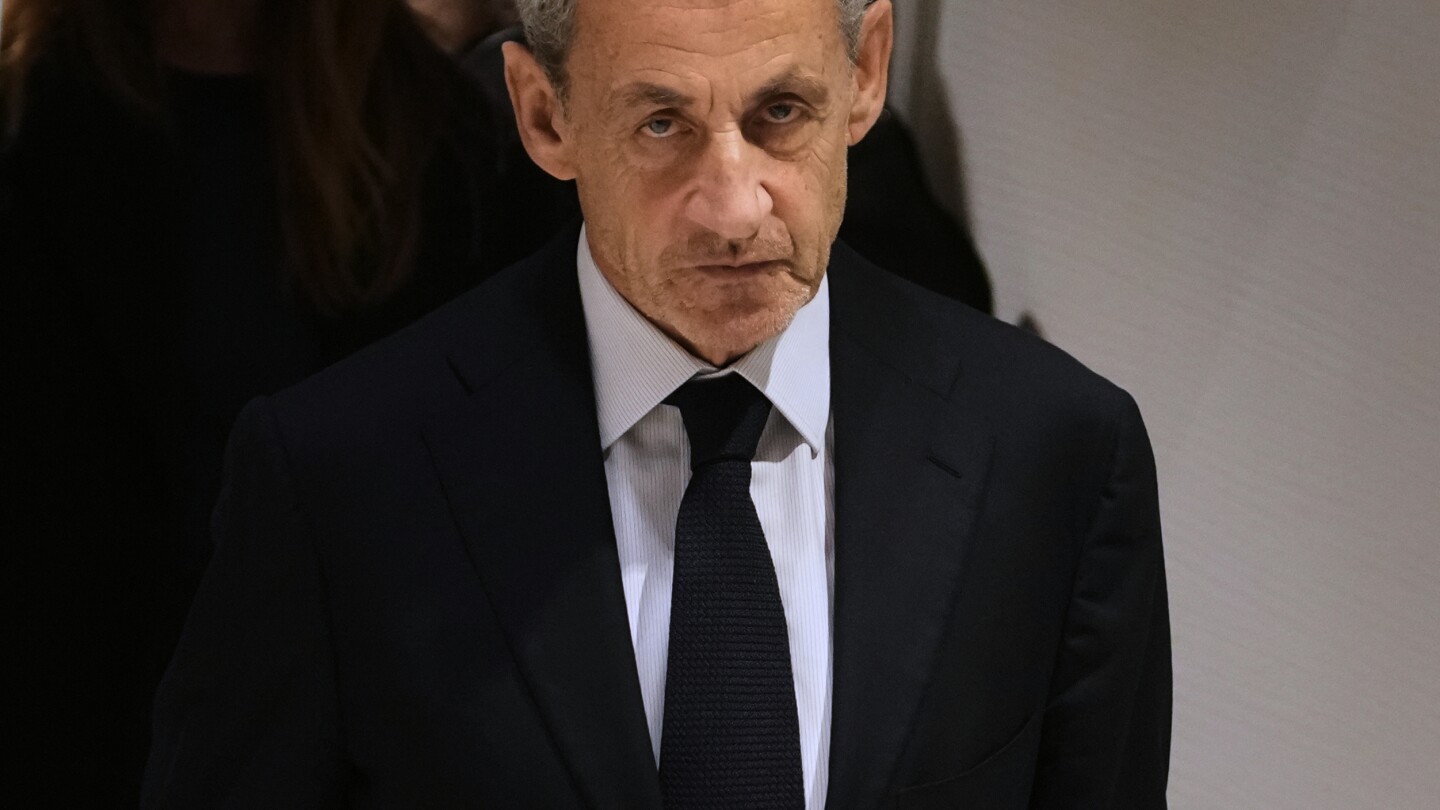
Sarkozy prison date to be set. Here’s why the former French president will serve time despite appeal
Former French President Nicolas Sarkozy, 70, is set to begin his five-year prison sentence following a Paris court’s ruling on Monday. Sarkozy was convicted of criminal conspiracy for allegedly financing his 2007 presidential campaign with funds from Libya. Despite his claims of innocence and an ongoing appeal, the court ordered immediate incarceration, citing the severity of the offense and its impact on public order. Sarkozy, who served as president from 2007 to 2012, is the first former French leader in modern history to face actual prison time. The court granted him 18 days to organize his affairs before reporting to the National Financial Prosecutor’s office to finalize the incarceration date. Sarkozy’s supporters argue that his appeal should grant him the presumption of innocence under French law, but the ruling aligns with France’s judicial norms, where 90% of adults sentenced to at least two years are immediately imprisoned. The case revolves around allegations that Sarkozy, as a presidential candidate and interior minister, orchestrated corruption at the highest level, leveraging Libyan funds with the help of close associates. Sarkozy maintains the charges are part of a plot by the Gadhafi regime, retaliating for his role in the 2011 NATO intervention that led to Gadhafi’s downfall. For safety, Sarkozy is expected to be held in a high-security ‘VIP area’ of La Santé prison, where he will have access to basic amenities and can file a release request pending his appeal trial, likely scheduled for next spring.
-
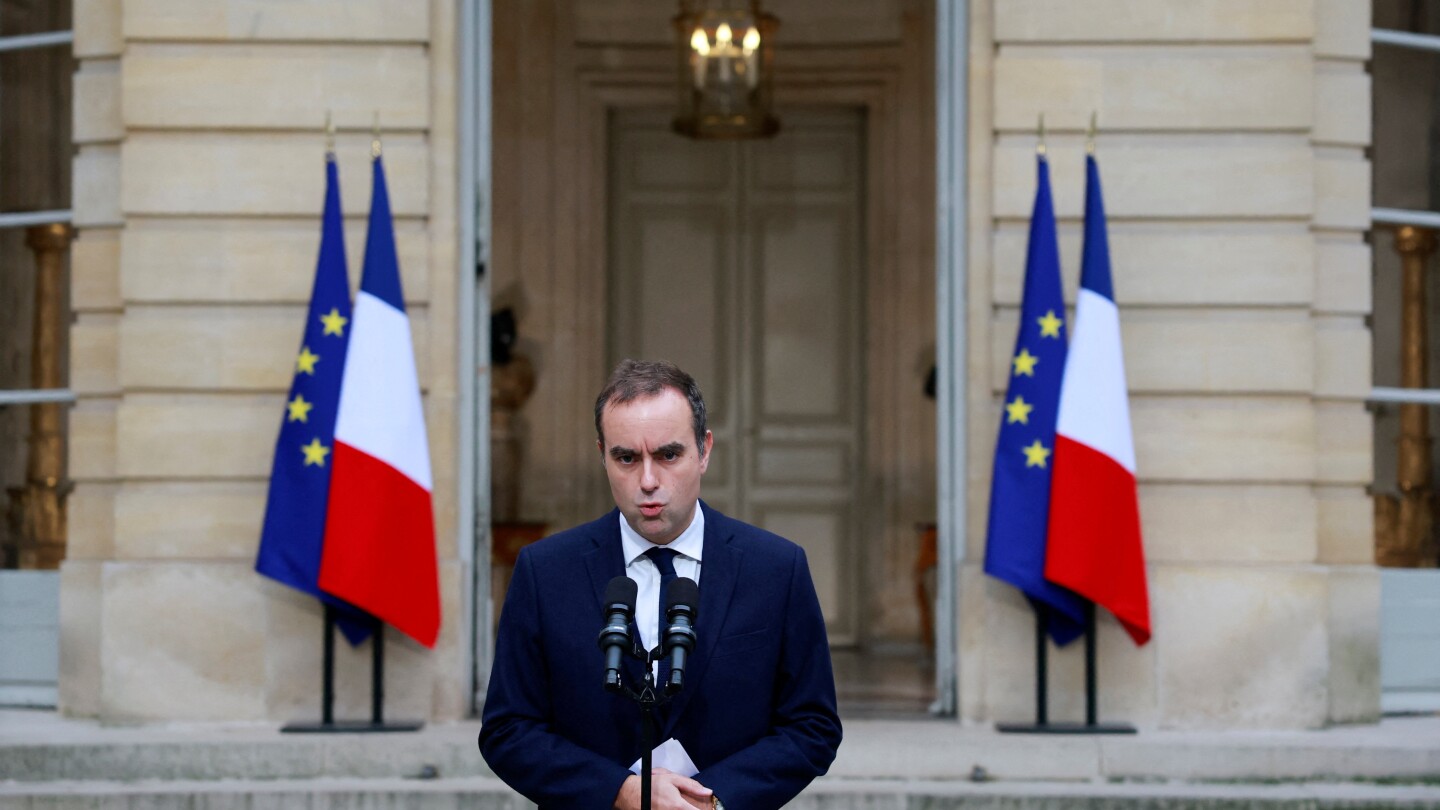
France’s re-appointed prime minister Lecornu calls for calm amid political chaos
In a bid to stabilize France’s turbulent political landscape, President Emmanuel Macron has reappointed Sebastien Lecornu as prime minister, marking the fourth leadership change in just over a year. Lecornu, who resigned only a month ago, acknowledged the scarcity of candidates for the role and the precarious nature of his position, given the country’s deep political divisions. During a visit to a police station in L’Hay-les-Roses, a Paris suburb, Lecornu emphasized the urgent need for political unity to address France’s mounting economic challenges, including soaring debt and a looming budget crisis. His reappointment is widely viewed as Macron’s final attempt to salvage his second term, which has been marred by a lack of parliamentary majority and internal dissent within his centrist camp. Critics from both the far right and far left have condemned Macron’s decision, arguing that it exacerbates France’s political paralysis. Lecornu has vowed to stay in office only if conditions allow, acknowledging the risk of a no-confidence vote in the fractured National Assembly. As France grapples with economic instability and growing poverty, the political crisis has raised concerns across the European Union, further complicating Macron’s efforts to restore confidence in his leadership.
-
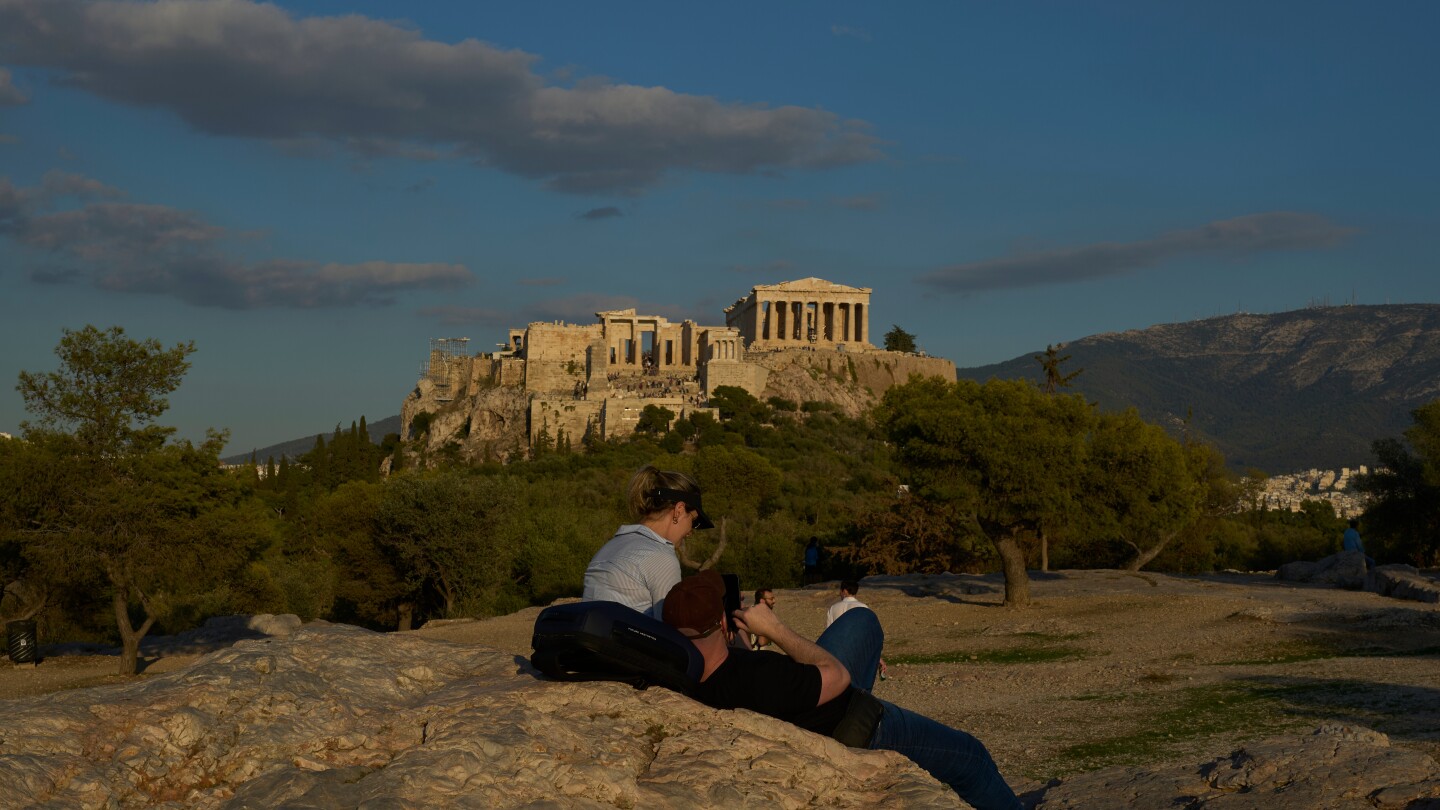
Greece’s famed Parthenon free of scaffolding for first time in decades
ATHENS, Greece — For the first time in decades, visitors to Athens’ iconic Acropolis Hill can now marvel at the Parthenon temple without the obstruction of scaffolding. The western façade of the 5th century B.C. monument, which had been encased in scaffolding for nearly 20 years due to conservation efforts, has been fully unveiled, offering an unobstructed view of the UNESCO World Heritage site. This marks a significant moment, as it is the first time in approximately 200 years that the Parthenon’s exterior is entirely free of scaffolding on any side. Greek Culture Minister Lina Mendoni described the experience for visitors as akin to ‘seeing a completely different monument.’ The removal of the scaffolding, completed in late September, has been particularly impactful, as the western side provides the best street-level view of the ancient temple. However, this respite is temporary. New scaffolding, described as ‘lighter and aesthetically aligned with the monument’s logic,’ will be installed along the western side in about a month. The renewed conservation work is expected to continue until early summer 2026, after which the Parthenon will once again be entirely free of scaffolding. The Acropolis remains Greece’s most popular tourist destination, attracting 4.5 million visitors in 2024. The Parthenon, a marble temple built in the mid-5th century B.C. to honor the city’s patron goddess, Athena, continues to stand as a testament to ancient Greek architecture and culture.
-
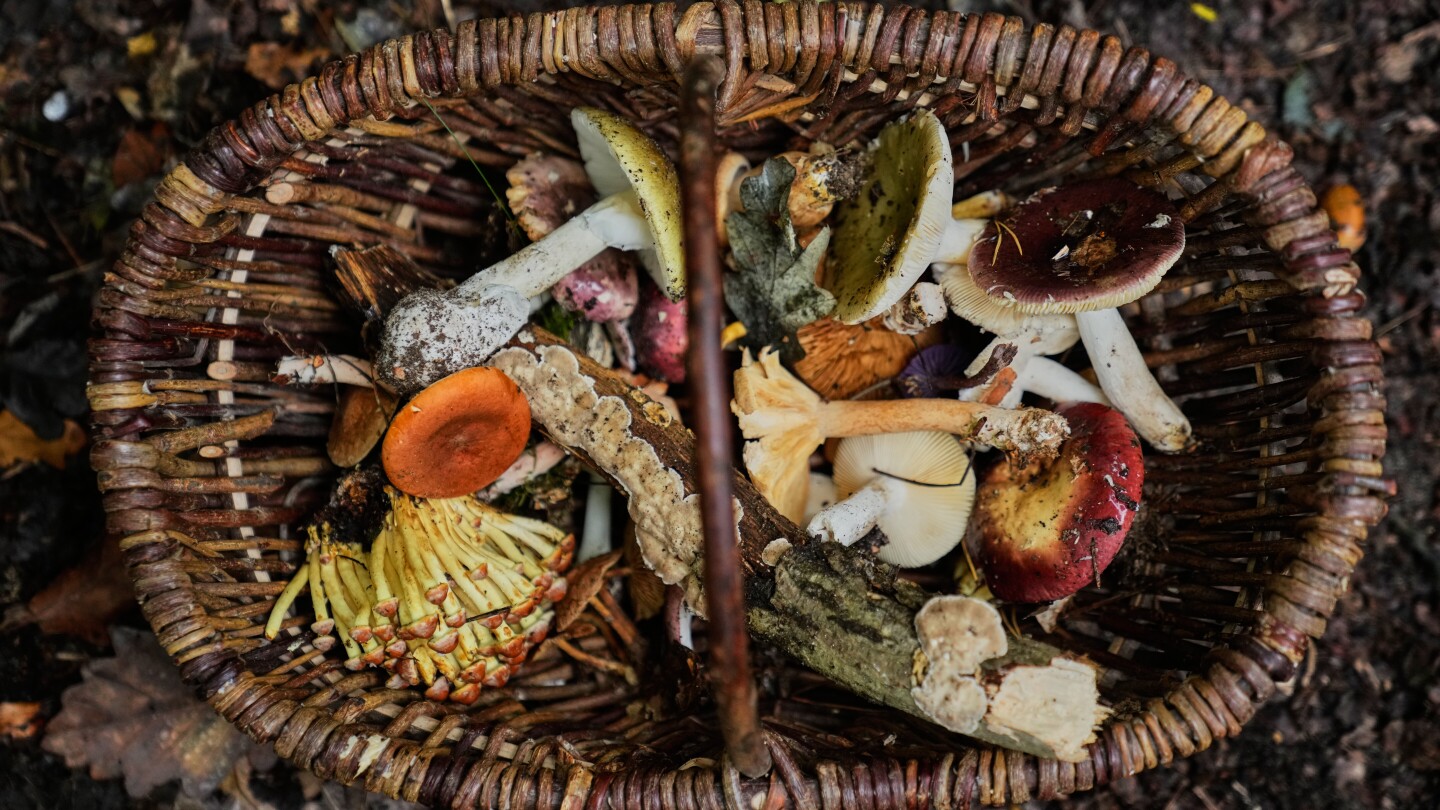
An old tradition finds new life as Germans flock to forests to collect mushrooms
POTSDAM, Germany — In the heart of an oak and beech forest on the outskirts of Potsdam, Wolfgang Bivour, a renowned fungi expert, carefully laid out a basket of freshly collected mushrooms. Among the assortment were brown-capped porcini, bay boletes, slimy purple brittlegills, honey-colored armillaria, and the deadly green death caps. Bivour, a 75-year-old retired meteorologist, led a group of 20 eager participants, including university students, retirees, and a Chinese couple with their young daughter, through the intricacies of mushroom identification. This scene is emblematic of a broader trend across Germany, where mushroom hunting is experiencing a resurgence, fueled by the pandemic and the rising popularity of vegan lifestyles. Historically, mushroom foraging was a necessity in post-World War II Germany, but as the economy improved, the practice waned. However, recent years have seen a revival, with social media playing a pivotal role in transforming this once-unfashionable hobby into a chic pastime. Bivour’s guided tours, which emphasize the ecological importance of mushrooms and biodiversity, have become immensely popular. He is often consulted by hospitals in cases of suspected mushroom poisoning and has been leading tours in the Potsdam region for over five decades. His sessions, organized by the local institution Urania, are in high demand, reflecting a growing public interest in fungi. Despite the enthusiasm, many newcomers approach mushroom hunting with caution, wary of the dangers posed by toxic varieties like the green death cap, which can be mistaken for common button mushrooms. Tragically, several deaths occur annually, often involving immigrants unfamiliar with local species. Participants like Tim Köster, a 25-year-old university student, express a desire to learn but remain hesitant to forage independently. Instead, they prefer to consult experts to verify the safety of their finds. Margit Reimann, a 42-year-old participant, acknowledged the vast array of edible mushrooms but plans to stick to familiar varieties when foraging with her children. The revival of mushroom hunting in Germany is a testament to the enduring allure of nature, the importance of education, and the need for caution in the face of potential dangers.
-
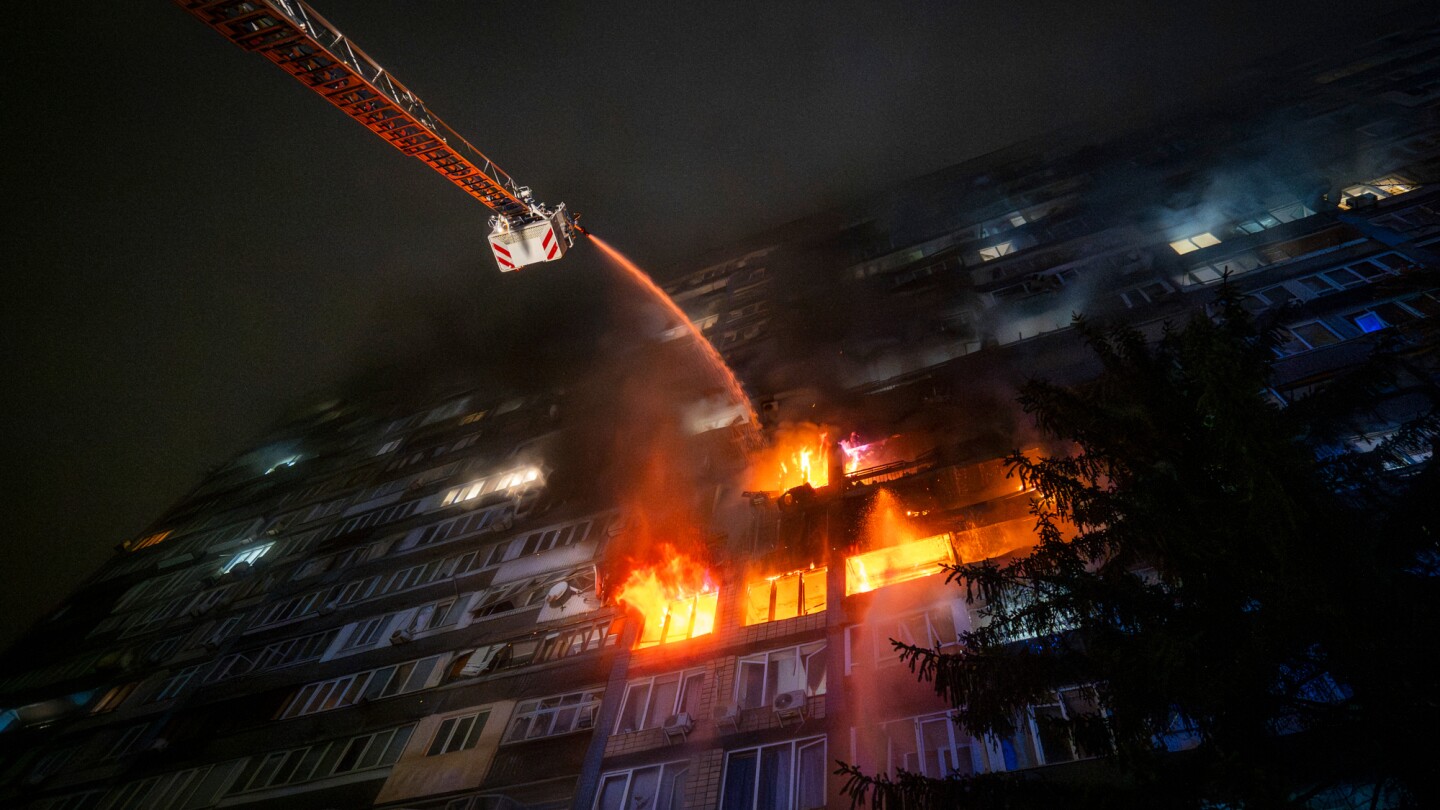
Power restored to 800,000 in Kyiv after major Russian strikes on Ukraine’s energy grid
Electricity was reinstated to more than 800,000 residents in Kyiv on Saturday, following a devastating series of Russian attacks on Ukraine’s power grid the previous day. The strikes, which caused widespread blackouts across the country, also injured at least 20 people in the capital and damaged residential buildings. Ukraine’s largest private energy company, DTEK, confirmed that the primary restoration efforts had been completed, though localized outages persisted in some areas. Prime Minister Yulia Svyrydenko described the assault as one of the most significant concentrated attacks on Ukraine’s energy infrastructure to date. The Russian Defense Ministry claimed the strikes targeted energy facilities supporting Ukraine’s military, utilizing Kinzhal hypersonic missiles and drones. The energy sector has remained a critical battleground since Russia’s full-scale invasion over three years ago, with annual attempts to cripple Ukraine’s power grid ahead of the harsh winter months. Ukrainian President Volodymyr Zelenskyy, in his nightly address, accused Russia of exploiting global focus on Middle East peace efforts and called for bolstered air defenses and stricter sanctions. Meanwhile, European leaders, including British Prime Minister Keir Starmer, French President Emmanuel Macron, and German Chancellor Friedrich Merz, announced plans to coordinate the use of frozen Russian assets—valued at hundreds of billions of euros—to support Ukraine’s war effort. The European Union has already contributed 174 billion euros since the conflict began in February 2022, with additional funds available through frozen Russian assets held in Belgium, Japan, and other nations. Ukraine’s air force reported intercepting or jamming 54 of 78 Russian drones launched overnight, while Russia claimed to have downed 42 Ukrainian drones over its territory.
-
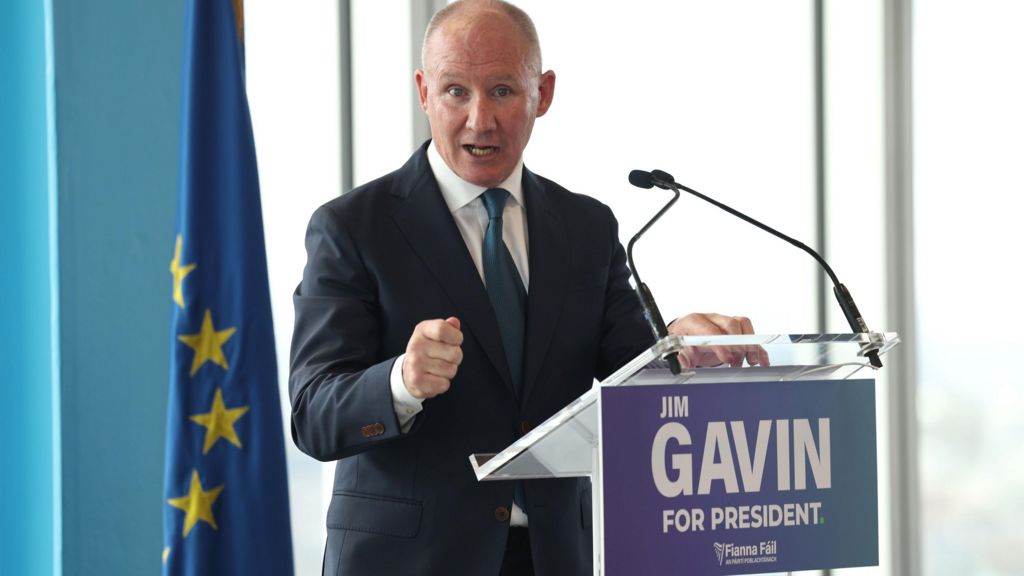
How a 16-year-old rental dispute derailed a presidential campaign
The Irish presidential election campaign has been thrown into turmoil following the withdrawal of Jim Gavin, the Fianna Fáil candidate, over a 16-year-old rental dispute. Gavin, a prominent figure in Irish sports and politics, was chosen by Fianna Fáil, the largest party in Ireland’s coalition government, to represent them in the upcoming election. However, his candidacy was short-lived after details of a 2009 rental dispute with former tenant Niall Donald surfaced in the media. The dispute, which involved an overpayment of €3,300 by Donald, had remained under the radar for over a decade until it was reported by the Irish Independent last week. Gavin’s inability to address the issue during a televised debate led to widespread speculation about the viability of his campaign, culminating in his abrupt withdrawal. This has left Fianna Fáil without a candidate and has sparked internal criticism of the party’s leadership, particularly Taoiseach Micheál Martin, for their handling of the situation. Meanwhile, the remaining candidates, Catherine Connolly and Heather Humphreys, are now in a direct contest for the presidency. Both have faced their own campaign challenges, including the unauthorized use of President Michael D Higgins’ image in a promotional video and a geographical error in a campaign video. The Irish presidential election is set to take place on October 24.
-
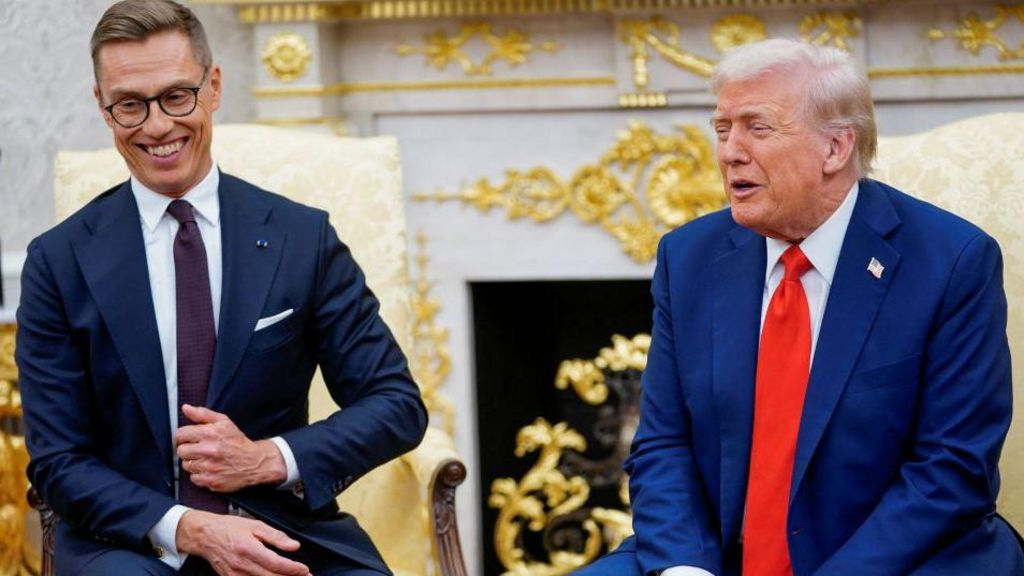
Icebreakers and golf spark Trump and Finnish leader’s unlikely friendship
In a surprising yet strategic alliance, former U.S. President Donald Trump and Finland’s President Alexander Stubb have deepened their personal and professional relationship through a landmark deal involving icebreaker ships. The agreement, finalized during a recent Oval Office meeting, underscores the growing bond between the two leaders, who have become unlikely allies in both business and diplomacy. The deal includes the purchase of 11 icebreaker vessels, a Finnish specialty, with four to be constructed in the U.S. using Finnish expertise. Trump emphasized the significance of the deal, highlighting its potential to create jobs and investments while addressing geopolitical concerns, particularly Finland’s proximity to Russia and the ongoing conflict in Ukraine. Stubb, often regarded as a pragmatic voice in European politics, has emerged as a key figure in shaping Trump’s perspective on Russia and Ukraine. Their relationship, which began years ago, has flourished through frequent communication, including weekly calls and shared interests such as golf. Stubb’s influence was notably evident during a March golf outing at Trump’s Mar-a-Lago estate, where discussions ranged from icebreakers to Ukraine. The Finnish leader’s candid advice on Russian President Vladimir Putin reportedly influenced Trump’s harshest public criticism of the Russian leader to date. Beyond policy, their camaraderie has been a cornerstone of their partnership, with Stubb’s diplomatic finesse earning him the moniker of a ‘Trump whisperer’ in European circles. As the war in Ukraine continues, Stubb’s role as a mediator between Trump and European leaders remains pivotal, with Finland’s technological expertise and strategic position amplifying its influence on the global stage.