
A German museum has experienced an unexpected surge in visitors, thanks to Taylor Swift’s latest album, *The Life of a Showgirl*. The Hessische Landesmuseum in Wiesbaden, Germany, has seen a significant increase in foot traffic as fans flock to view Friedrich Heyser’s 1900 painting of Ophelia, which inspired the opening scene of Swift’s music video for *The Fate of Ophelia*. The video, which has garnered over 65 million views on YouTube, features the painting coming to life with Swift at its center. Museum spokesperson Susanne Hirschmann expressed delight at the newfound attention, noting that visitors have traveled from as far as Hamburg and nearby U.S. military bases. The museum’s online announcement about the painting’s connection to Swift went viral, with social media posts receiving thousands of likes. The painting, which depicts Ophelia lying drowned in water surrounded by flowers, aligns with the album’s themes and cover art. Museum director Andreas Henning praised Swift’s use of the painting as inspiration, calling it a unique opportunity to attract new audiences. *The Life of a Showgirl* has already broken records, becoming the UK’s biggest album debut of 2025 and surpassing Adele’s *25* in U.S. sales. This marks Swift’s third UK chart-topping album this year, following *Lover (Live From Paris)* and *The Tortured Poets Department*. The album also follows Swift’s recent personal milestones, including her engagement to NFL star Travis Kelce and regaining control of her music catalog.
标签: Europe
欧洲
-
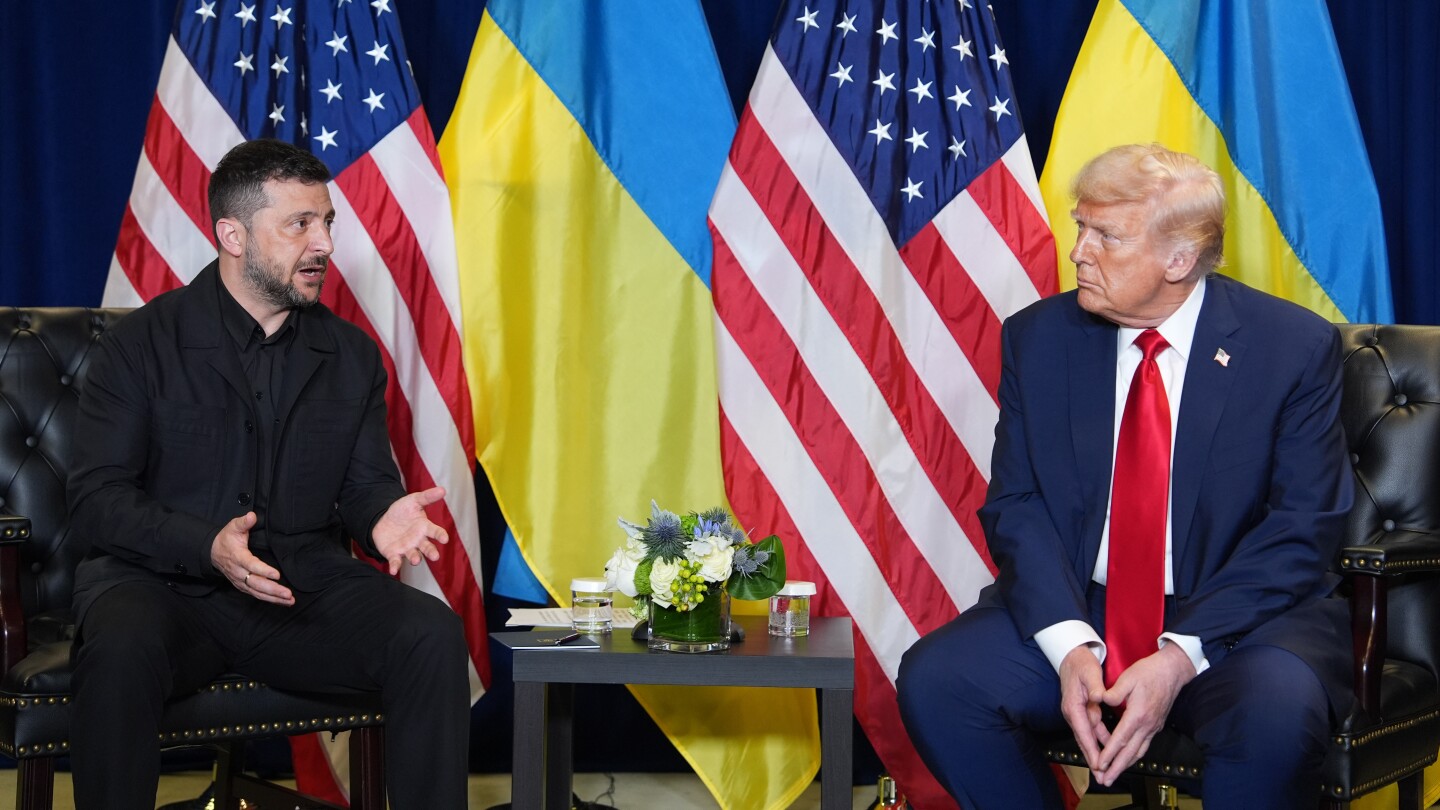
Ahead of Zelenskyy meeting, Trump shows signs he might not be ready to send Kyiv Tomahawk missiles
President Donald Trump is scheduled to meet with Ukrainian President Volodymyr Zelenskyy at the White House on Friday, following a lengthy phone call between Trump and Russian President Vladimir Putin. The discussions come amid Ukraine’s urgent request for long-range Tomahawk cruise missiles, which Trump has indicated he is hesitant to provide, citing the need to preserve U.S. military resources. Zelenskyy has argued that these missiles are essential for striking deep into Russian territory and compelling Putin to engage in serious negotiations to end the ongoing conflict. However, Putin has warned that supplying such weapons to Ukraine would severely damage U.S.-Russian relations. This will be the fourth face-to-face meeting between Trump and Zelenskyy since Trump returned to office in January. Trump has also announced plans to meet with Putin in Budapest to discuss potential resolutions to the war, with senior aides from both sides set to convene next week. Despite Trump’s earlier optimism about brokering peace, recent developments suggest that direct talks between Zelenskyy and Putin remain unlikely, as Russia continues its aggressive military actions in Ukraine.
-
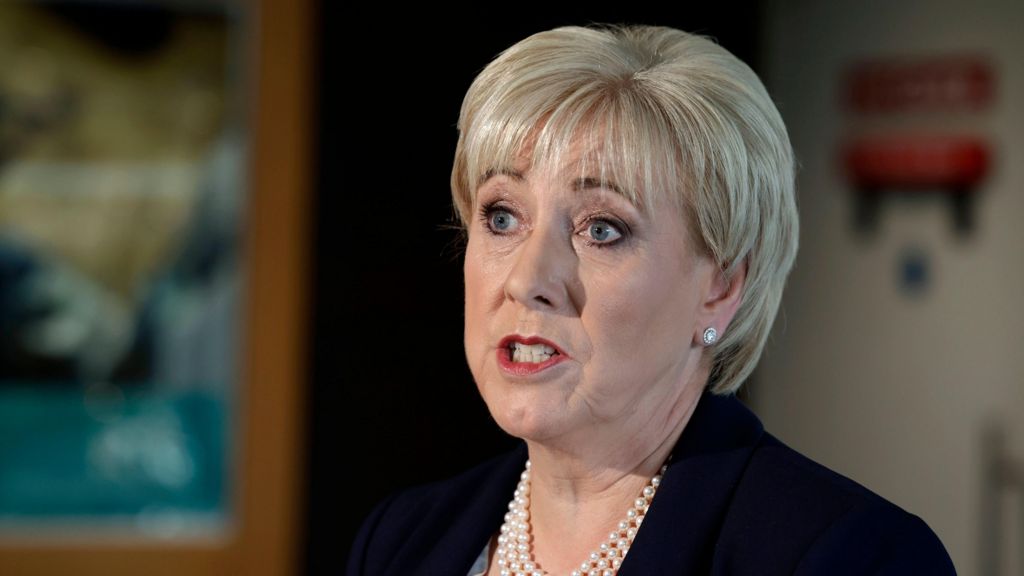
Irish presidential candidate Humphreys being sued by politician
In a dramatic turn of events during the Irish presidential campaign, Heather Humphreys, the Fine Gael candidate, is now embroiled in a legal battle. Paul Murphy, a TD from the People Before Profit party, has initiated defamation proceedings against Humphreys following remarks she made during a debate on RTÉ, Ireland’s national broadcaster. The lawsuit stems from comments Humphreys made regarding Murphy’s involvement in a 2014 anti-water charge protest in Jobstown, Dublin, where he was among six men charged with the false imprisonment of then Tánaiste Joan Burton. All six were acquitted in 2017. Murphy’s legal team has confirmed that the case has been filed with the High Court in Dublin. Humphreys expressed disappointment over the lawsuit, accusing Murphy and the hard left of using litigation as a tactic to silence dissent. She remains steadfast in her campaign, vowing not to be intimidated. Humphreys is running against independent candidate Catherine Connolly, who is backed by a coalition of left-leaning parties, including Sinn Féin, Labour, People Before Profit, and the Social Democrats. The presidential election is set for October 24, with the lawsuit adding a contentious layer to an already heated race.
-

The Milan-Cortina Olympic Opening Ceremony will spread across regions, like the Games themselves
The Milan-Cortina Winter Olympic Games, scheduled from February 6 to 22, 2026, will mark a historic milestone with its uniquely dispersed Opening Ceremony. Organizers revealed on Thursday that the Parade of Nations will not only take place at Milan’s iconic San Siro Stadium, accommodating 60,000 spectators, but will also extend to three additional locations: Cortina, Predazzo, and Livigno. This unprecedented format ensures athletes from all disciplines, regardless of their competition venues, can participate in the ceremony. Andrea Varnier, CEO of the Milan-Cortina organizing committee, emphasized the Opening Ceremony as a unifying moment, stating, ‘It is the moment that defines that edition of the Games, in their spirit.’ The event will highlight the duality of urban and mountain settings, symbolizing harmony amid global tensions. Each nation will have two flagbearers, with Italy, as the host, featuring four. The Olympic flame will burn simultaneously in Milan’s Arco della Pace and Cortina’s Piazza Dibona. The ceremony will also pay tribute to the late fashion designer Giorgio Armani, who designed Italy’s Olympic uniforms for decades. San Siro Stadium, set for demolition and replacement, will host its first and only Olympic Ceremony, cementing its legacy as a city icon.
-
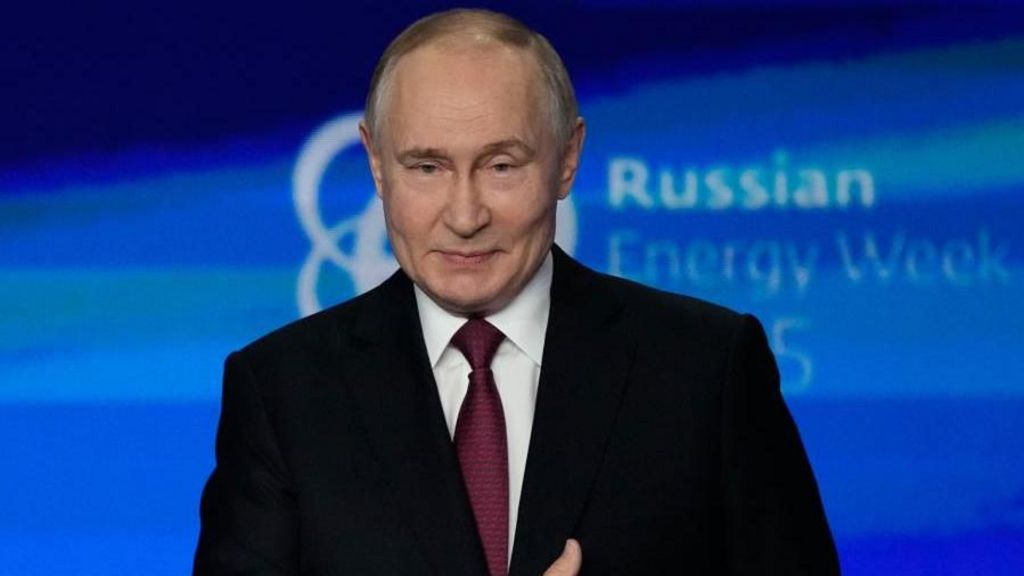
Trump and Putin holding first talks since August
U.S. President Donald Trump has confirmed his first phone conversation with Russian President Vladimir Putin since August, marking a significant diplomatic engagement amid ongoing tensions over the Ukraine war. The call, described by Trump as ‘lengthy,’ took place on Thursday, just a day before Trump is scheduled to meet Ukrainian President Volodymyr Zelensky at the White House. This development comes as Trump considers whether to supply Ukraine with Tomahawk missiles, a move that could escalate the conflict given their capability to strike deep within Russian territory. Trump shared details of the call on his Truth Social platform, stating, ‘I am speaking to President Putin now. The conversation is ongoing, a lengthy one, and I will report the contents, as will President Putin, at its conclusion.’ The Kremlin has yet to comment on the discussion. The two leaders last met in Alaska on August 15, where Trump hoped to persuade Putin to engage in comprehensive peace talks to end the war, which began with Russia’s full-scale invasion of Ukraine in February 2022. However, the summit failed to yield a decisive breakthrough. Trump’s stance on the conflict has evolved significantly since his presidential campaign, where he claimed he could resolve the war swiftly. Recently, he acknowledged the complexity of the situation, even as he expressed optimism about Ukraine’s potential to reclaim its territory. Zelensky’s upcoming visit to Washington, his third this year, is expected to focus heavily on the potential provision of Tomahawk missiles, which Ukraine has actively sought to bolster its defense capabilities.
-

Giorgio Armani group names luxury veteran and longtime manager Giuseppe Marsocci as new CEO
The Armani fashion house announced on Thursday the appointment of Giuseppe Marsocci as its new Chief Executive Officer, marking a pivotal moment for the iconic Italian brand following the passing of its founder, Giorgio Armani, last month at the age of 91. Marsocci, a seasoned luxury industry executive with 23 years of experience in top roles within the Armani group, steps into the leadership role during a critical juncture for the company, one of Italy’s most valuable and globally recognized fashion empires.
-
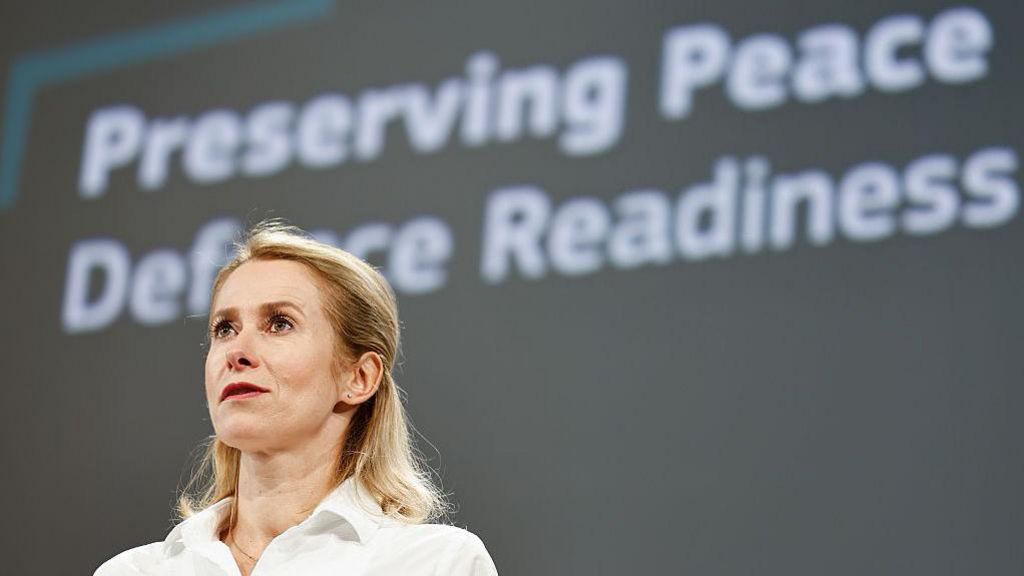
EU sets 2027 target for anti-drone system to defend against Russia
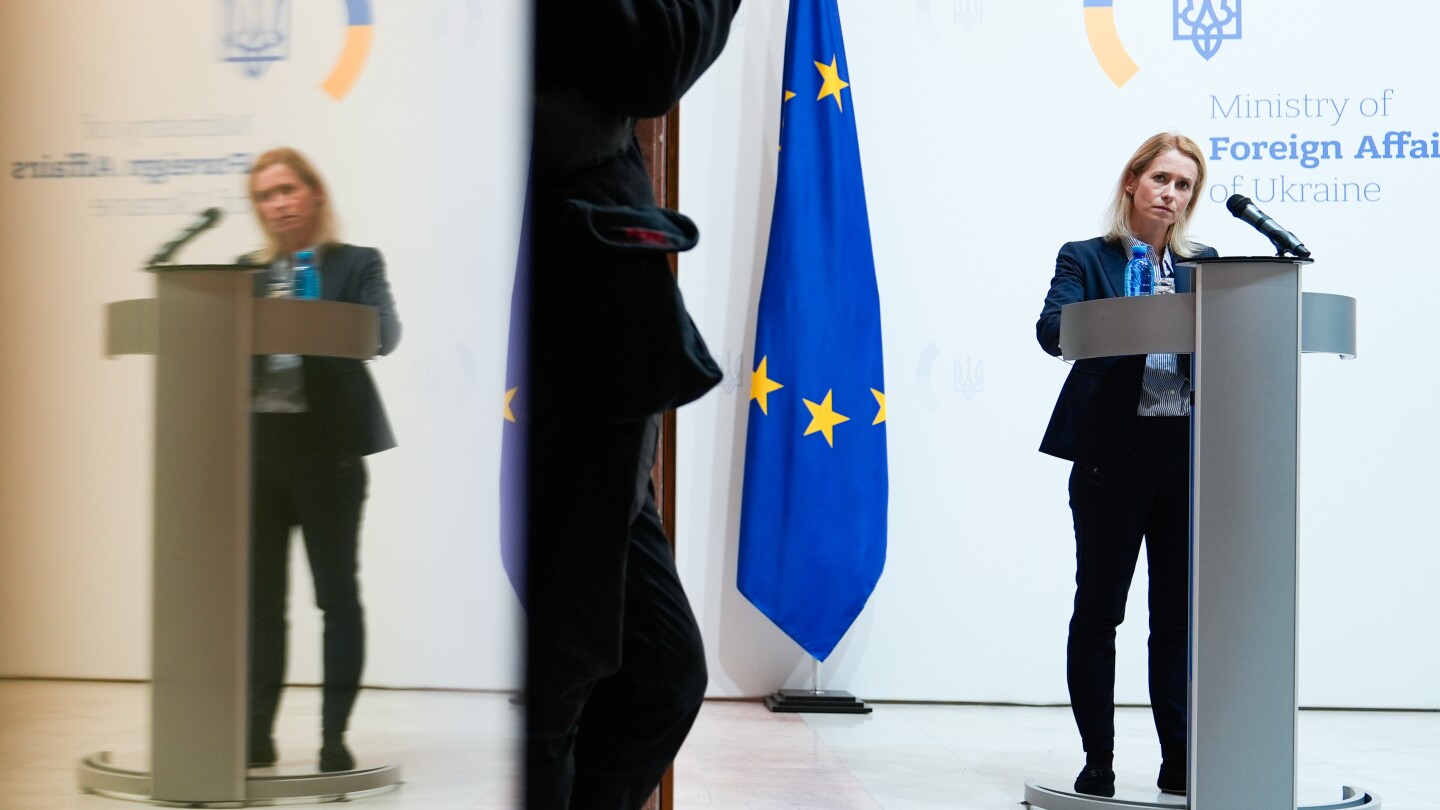
The European Union is ramping up its defence capabilities in response to escalating tensions with Russia, as outlined by EU foreign policy chief Kaja Kallas. Speaking in Brussels, Kallas emphasized that the threat to Europe would persist even after the conclusion of the war in Ukraine. The EU’s comprehensive ‘defence roadmap’ aims to establish a fully operational anti-drone system by the end of 2027 and achieve full defence readiness by 2030. This initiative includes strengthening the EU’s eastern borders and developing European air and space ‘shields’ to counter potential Russian aggression. Kallas highlighted the transformative role of drones in modern warfare, stating that robust drone defences are now essential for all nations. The plan also calls for closing critical capability gaps in air and missile defence through joint development and procurement among member states. European Defence Commissioner Andrius Kubilius underscored the roadmap’s milestones, which are designed to deter Russian aggression, prevent conflict, and maintain peace. The EU’s executive Commission stressed the need for the 27-member bloc to be prepared to respond to high-intensity crises by 2030. The proposal, which requires approval at an upcoming leaders’ summit, has already garnered support from several EU states for a multi-layered ‘drone wall’ to detect, track, and destroy Russian drones. Recent incursions into the airspace of NATO members Poland, Romania, and Estonia have further heightened tensions, with experts suggesting that Russia is testing NATO’s resolve and attempting to sow discord within the alliance. In response, NATO members have bolstered their eastern flank with troops, artillery, and air defence systems. While no cost estimates were provided, Kubilius assured that the investments would not reach ‘hundreds of billions.’ The EU’s defence projects will be closely coordinated with NATO to avoid duplication of efforts.
-
The EU unveils a plan to be ready within 5 years to fend off any Russian attack
In response to escalating concerns over potential security threats, the European Union has introduced a robust defense strategy aimed at fortifying the continent against external attacks by the end of the decade. The plan, announced on Thursday, comes amid growing apprehensions that Russia is actively testing Europe’s defenses. A central component of this initiative is the European Drone Defense Initiative, designed to detect, track, and neutralize unauthorized drones following a series of alarming airspace violations across Europe, particularly near borders with Russia, Belarus, and Ukraine. This initiative is part of a broader framework called Eastern Flank Watch, which seeks to enhance defenses along Europe’s eastern borders, including land, sea, and air domains, as well as counter hybrid threats. The drone defense system is expected to be fully operational by late 2027, with Eastern Flank Watch reaching full capacity by the end of 2028. Additionally, the EU plans to develop separate air and space defense shields. EU foreign policy chief Kaja Kallas emphasized the urgency of bolstering European defense capabilities, stating that while Russia currently lacks the capacity to attack the EU, the threat remains persistent even if the Ukraine conflict ends. The European Commission’s Defense Readiness Roadmap 2030, set to be presented to EU leaders next week, outlines a comprehensive checklist of equipment procurement and deadlines for member states. The plan calls for significant funding, with EU defense spending projected to reach 3.4 trillion euros ($4 trillion) over the next decade. A key aspect of the roadmap is fostering collaboration among member states, with at least 40% of military purchases to be conducted jointly by 2027. The EU also aims to provide security guarantees for Ukraine, recognizing its role as Europe’s first line of defense. Kallas highlighted the goal of establishing a drone alliance with Ukraine by early next year, underscoring the importance of a strong Ukrainian defense industry and military.
-

Italy’s top court blocks extradition of Ukrainian suspect in Nord Stream explosions’ case
In a significant legal development, Italy’s highest court has overturned the extradition of a Ukrainian man, Serhii Kuznietsov, to Germany. Kuznietsov, 49, was arrested on suspicion of orchestrating the 2022 explosions that damaged the Nord Stream gas pipelines, critical infrastructure transporting Russian natural gas to Germany. The Cassation Court in Italy annulled a prior ruling by the Bologna Court of Appeal, which had approved the extradition. The case has now been referred back to the appeal court for reassessment. Kuznietsov’s lawyer, Nicola Canestrini, stated that the court’s detailed reasoning for the decision is yet to be released but is anticipated in the coming weeks. Canestrini also indicated that he is considering requesting Kuznietsov’s release, as the legal grounds for his detention have been invalidated. The explosions, which occurred in September 2022, severely damaged the Nord Stream 1 pipeline and the unused Nord Stream 2 pipeline, both located in the Baltic Sea. German prosecutors allege that Kuznietsov organized the detonation of multiple bombs at significant depths near the Danish island of Bornholm. Kuznietsov, who was detained in August 2023 while vacationing with his family in Italy, has consistently denied involvement, claiming he was serving in the Ukrainian military at the time of the incident. This case has drawn international attention, with Poland also arresting another Ukrainian suspect linked to the explosions, whose extradition remains pending.
-
France steps back from the brink as parliament spares the prime minister. For now
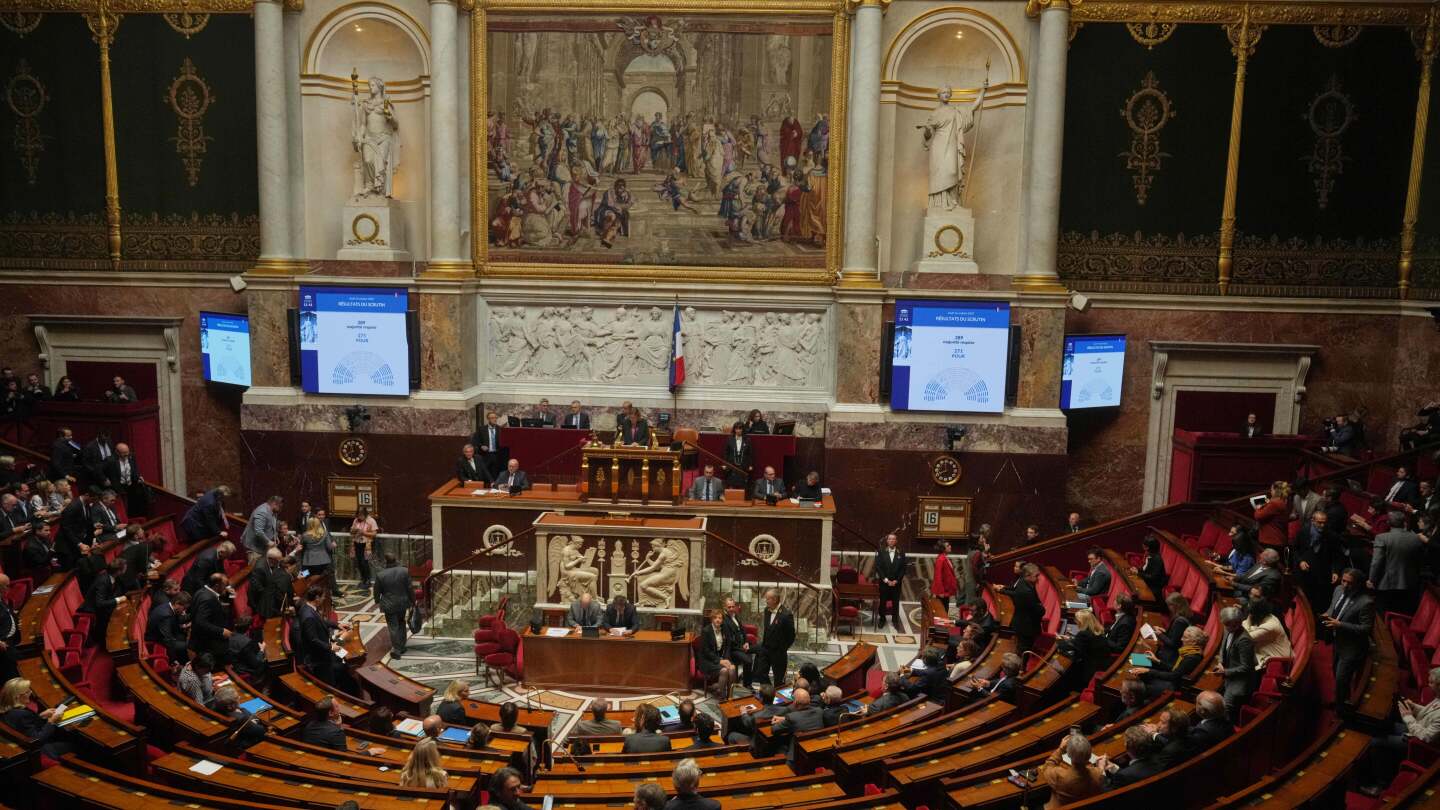
France’s political landscape remains fraught with tension as Prime Minister Sébastien Lecornu narrowly survived two no-confidence votes on Thursday, temporarily averting a government collapse. The motions, filed by the hard-left France Unbowed party and the far-right National Rally, fell short of the required 289 votes, securing Lecornu’s position and providing President Emmanuel Macron with a brief respite. However, the underlying challenges persist, as Macron’s minority government continues to navigate a deeply divided parliament where no single bloc holds a majority. This fragmentation has turned every legislative decision into a high-stakes negotiation, with the upcoming budget debate poised to test the government’s resilience once again.