标签: Europe

欧洲

  • German scents exhibition combines 1,000 years of fragrances with art and history

    German scents exhibition combines 1,000 years of fragrances with art and history

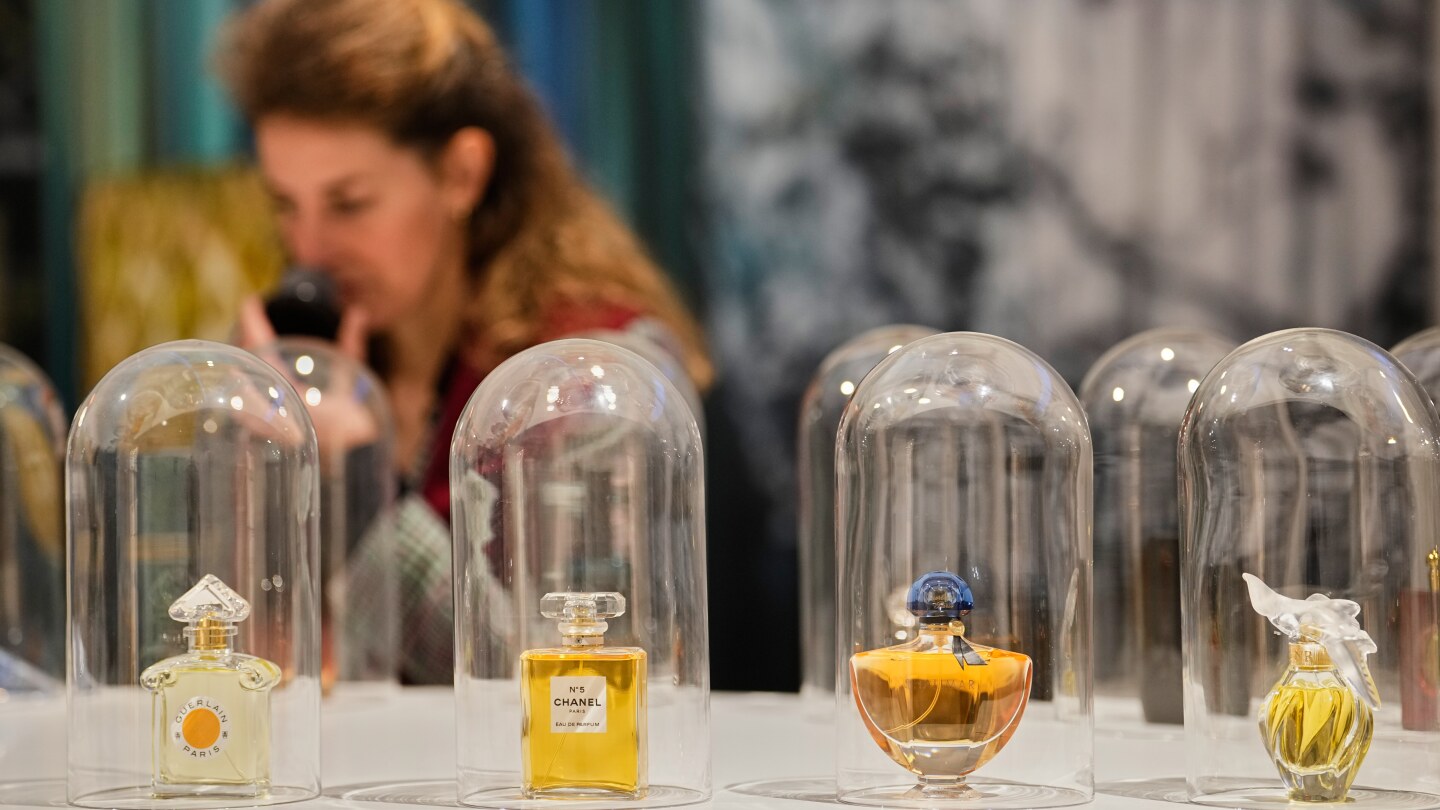
    DÜSSELDORF, Germany — Have you ever imagined the scent of war, the aroma of love, or the pungent odor of medieval Paris? A groundbreaking exhibition in Germany is inviting visitors to embark on a sensory journey through history by exploring 81 distinct fragrances across 37 galleries. Titled ‘The Secret Power of Scents,’ the exhibition, which opened on Wednesday at the Kunstpalast museum in Düsseldorf, seamlessly blends art and olfactory experiences to traverse over 1,000 years of cultural history.

    Curated as an experimental exploration, the exhibition encourages visitors to engage with history through their sense of smell. ‘This is an invitation to discover the history of scents with your nose,’ said Felix Krämer, the museum’s director general. The exhibition is organized chronologically, from medieval religious artifacts to contemporary 21st-century art. Each gallery is equipped with scent steles, atomizers, and diffusers to evoke the aromas of specific time periods or cultural contexts.

    One gallery immerses visitors in the sacred fragrance of myrrh, used in Christianity, Judaism, and Islam for prayer and purification. In contrast, a World War I-themed gallery releases a jarring blend of gunpowder, blood, and sulfur, eliciting visceral reactions from visitors. ‘Anyone who has experienced war will recognize its brutality in this scent,’ said curator Robert Müller-Grünow, a leading expert in scent technology.

    The exhibition also explores the romantic side of history, with a gallery dedicated to Peter Paul Rubens’ 1610 painting ‘Venus and Adonis,’ diffusing the scents of roses and civet, once considered erotic in the 17th century. Meanwhile, the stench of medieval Paris—a mix of canalization, mold, and unwashed bodies—offers a stark contrast.

    The 1920s are celebrated with the uplifting aroma of tobacco, vanilla, and leather, accompanying Gert Wollheim’s 1924 painting ‘Farewell from Düsseldorf,’ which symbolizes the liberation of women. Modern art is represented through scents reminiscent of global brands like Coca-Cola and Eurowings, alongside contemporary fragrances like ‘Iso E Super,’ a velvety, cedarwood-like scent designed to enhance attractiveness.

    Running through March 8, the exhibition has captivated visitors like Kirsten Gnoth, who described the experience as ‘completely new and exciting.’ By combining art with scents, the exhibition offers a unique and immersive way to explore history.
  • Angry Spaniards still demand answers a year after Valencia’s deadly floods

    Angry Spaniards still demand answers a year after Valencia’s deadly floods

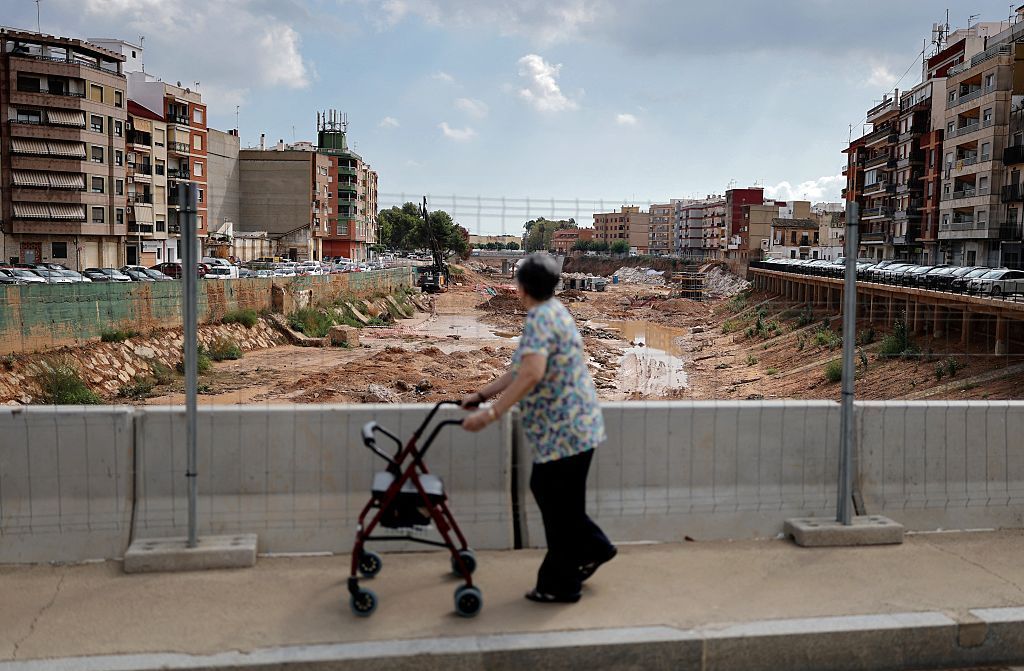
    On 29 October 2024, eastern Spain was struck by catastrophic floods, known as the Dana, which claimed the lives of 237 people across the Valencia region and neighboring areas. The disaster, the worst of its kind in decades, left an indelible mark on communities such as Benetússer and Paiporta, where entire families were swept away by the torrential waters. Toñi García, a resident of Benetússer, tragically lost her husband, Miguel, and their 24-year-old daughter, Sara, when floodwaters engulfed their home’s basement. ‘They didn’t reach the garage door,’ she recalls, ‘because it was so much water, so many metres deep.’ A year later, the region continues to grieve, with a state memorial service attended by King Felipe VI and Prime Minister Pedro Sánchez. The emotional scars remain, particularly among children, with nearly a third still experiencing fear of rain and loud noises, according to Save the Children. Despite significant progress in reconstruction, questions linger about the handling of the crisis. The regional government’s delayed emergency alarm, issued after 20:00 on the day of the floods, has drawn widespread criticism. Regional President Carlos Mazón’s actions during the disaster, including a lengthy lunch with a journalist, have fueled public outrage. Tens of thousands protested in Valencia, demanding his resignation. Mazón, supported by the far-right Vox party, has defied calls to step down, blaming the central government for insufficient support. A judicial inquiry into possible negligence is ongoing, with Mazón set to face a parliamentary commission later this month. As Valencia rebuilds, the threat of future weather events looms large, prompting calls for improved preparedness and resilience.

  • Tight race in Dutch election as anti-Islam populist Wilders’ hope of power declines

    Tight race in Dutch election as anti-Islam populist Wilders’ hope of power declines

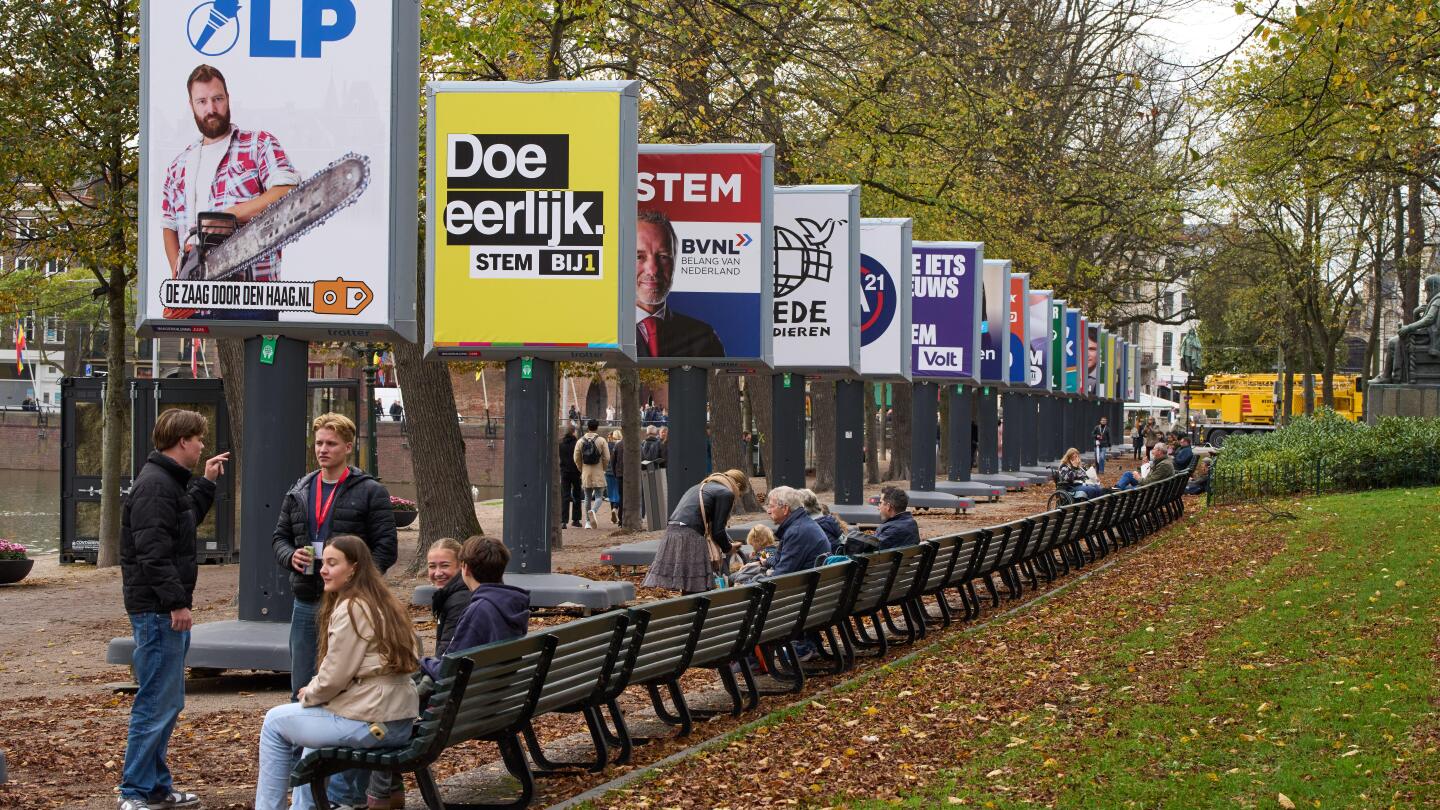
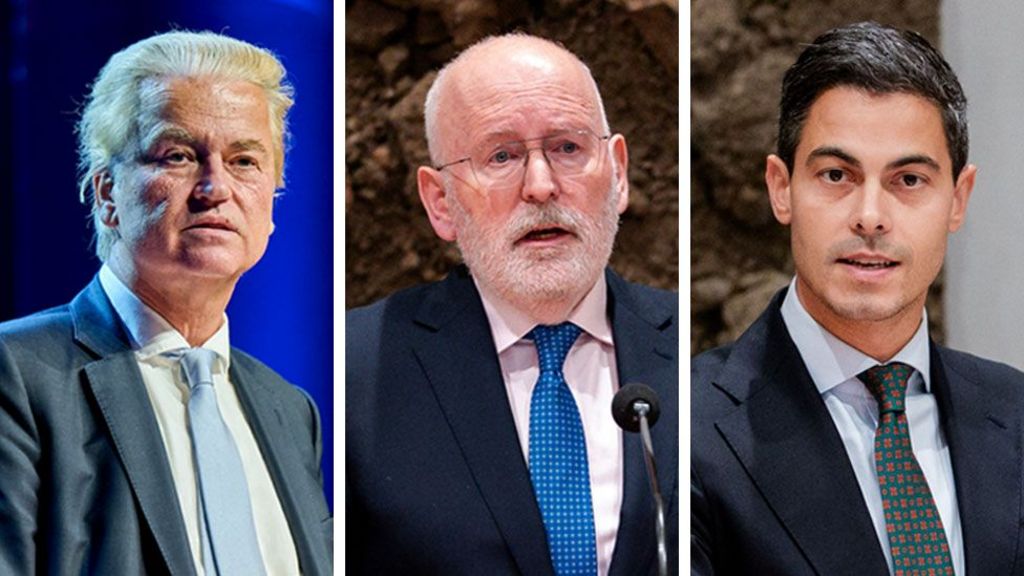
    The Netherlands is on the brink of a pivotal election as Geert Wilders’ anti-Islam Freedom Party (PVV) faces a fierce challenge from left-leader Frans Timmermans and liberal Rob Jetten. Despite Wilders’ victory in the 2023 elections, his prospects of forming a government appear slim this time around. Opinion polls indicate a decline in his support, with Dutch voters grappling with pressing issues such as a chronic housing shortage, rising living costs, and overcrowded asylum centers. Unlike the previous election, Wilders’ rivals are refusing to collaborate with him after he dissolved his own coalition government in June 2024. The election, which commenced at 07:30 local time on Wednesday, is marked by uncertainty, with over a third of voters undecided. Analysts suggest that the second-place finisher could play a decisive role in forming the next government, likely from the center-left or center-right. Wilders’ controversial stance on immigration and Islam, coupled with internal party issues, has alienated both radical and moderate voters. Meanwhile, Timmermans and Jetten have prioritized addressing the housing crisis, with promises of significant construction projects. Unemployment, though low by European standards, has risen to 4%, the highest in four years, fueling voter anxiety. As the Dutch electorate seeks stability, the election outcome could signal a shift away from populism towards more traditional governance.

  • A defiant mother seeks justice for Serbian train station collapse that killed her son and 15 others

    A defiant mother seeks justice for Serbian train station collapse that killed her son and 15 others

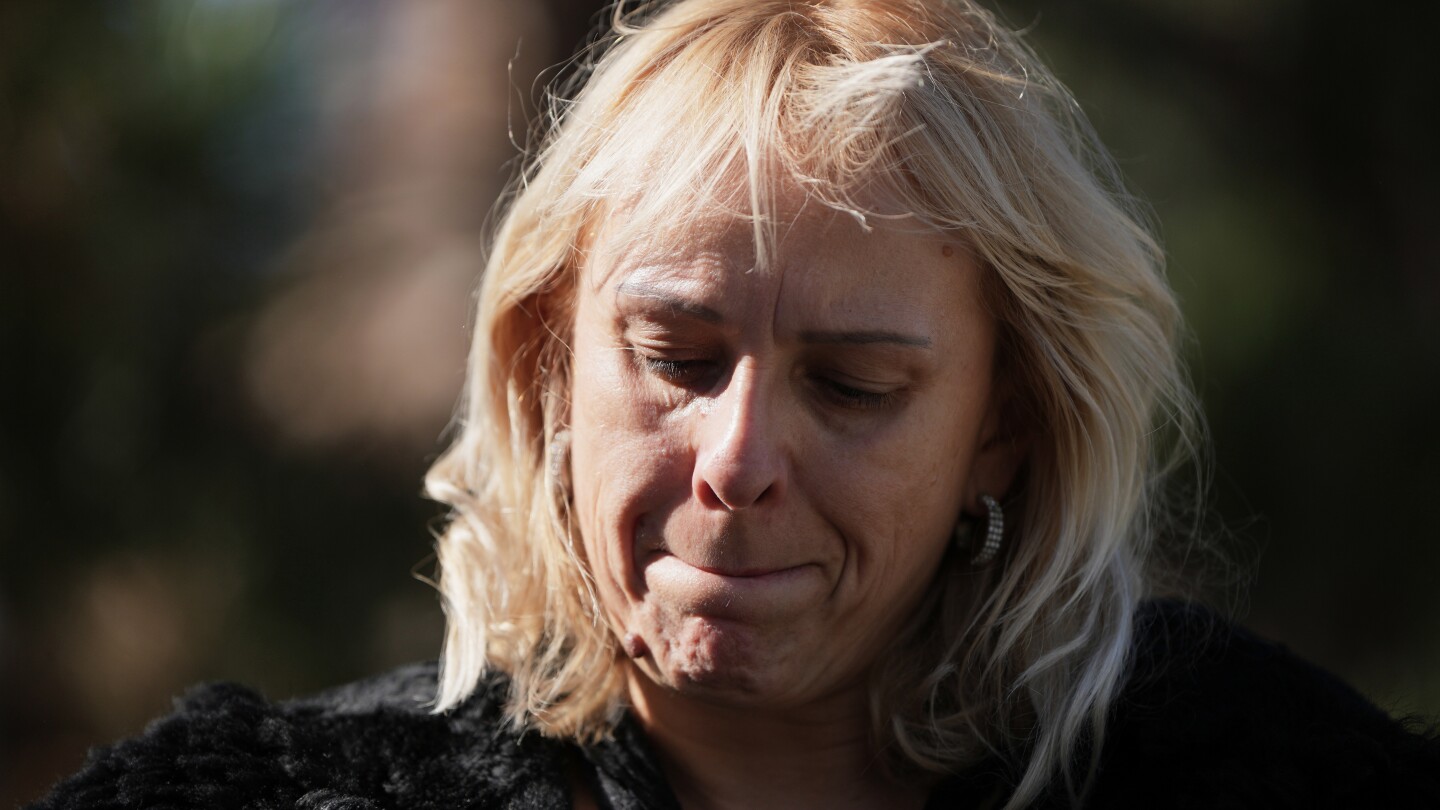
    BELGRADE, Serbia — Dijana Hrka’s life was irrevocably altered on November 1 last year when a catastrophic partial building collapse at a train station in Serbia’s northern city of Novi Sad claimed the life of her 27-year-old son, Stefan, along with 15 others. The tragedy, which also left one woman severely injured, has since ignited widespread anti-government protests across the country, challenging the autocratic rule of President Aleksandar Vucic. Hrka, 47, has emerged as a vocal advocate for justice, joining tens of thousands of protesters demanding accountability for the lives lost and an end to systemic corruption in construction and governance. The protests, which have rattled Vucic’s administration, are set to intensify on the first anniversary of the disaster. Authorities have yet to address the underlying grievances, with discontent simmering over the government’s crackdown on dissent, including detentions and job losses. Hrka, who has faced threats for her activism, remains resolute, drawing strength from the youth-led movement. “Once you lose what is dearest to your heart, you lose fear,” she said. The anniversary protest aims to pressure Vucic to call for early parliamentary elections and ensure those responsible for the collapse face justice. While prosecutors have charged 13 individuals, including engineers and officials, skepticism remains about the transparency of the judicial process. The protest, though intended as a peaceful commemoration, carries the risk of violence, given previous clashes between police and demonstrators. Amid the tension, university students have embarked on a cross-country trek to Novi Sad, symbolizing unity and resilience. Hrka’s unwavering determination and the youth’s activism continue to challenge the status quo, keeping the memory of the victims alive and demanding systemic change.

  • Germany to give more than $1 billion for Holocaust survivors’ home care in 2026

    Germany to give more than $1 billion for Holocaust survivors’ home care in 2026

    In a landmark decision, Germany has pledged an additional $1.076 billion (923.9 million euros) to fund home care for Holocaust survivors globally in the coming year. This significant allocation, negotiated with Germany’s finance ministry, marks the largest budget ever dedicated to supporting frail and vulnerable Holocaust survivors through the New York-based Conference on Jewish Material Claims Against Germany, also known as the Claims Conference. Gideon Taylor, the organization’s president, emphasized that the funding addresses the increasingly complex needs of aging survivors, many of whom are now in their late 80s and facing severe health challenges. The average age of survivors receiving care has risen from 86 in 2018 to 88.5 in 2024, with a notable increase in disabilities such as Alzheimer’s, Parkinson’s, and dementia. Additionally, the Hardship Fund Supplemental payments, which provide €1,450 annually to eligible survivors, have been extended through 2028, benefiting over 127,000 individuals globally. The Claims Conference also announced that non-Jewish rescuers who saved Jewish lives during the Holocaust will now be eligible for similar home care services, ensuring they can live their final years with dignity. Colette Avital, a Holocaust survivor and member of the Claims Conference delegation, praised Germany’s continued commitment to survivors and rescuers, stating that it reflects a profound sense of responsibility. Furthermore, Holocaust education funding has been extended through 2029, with €175 million allocated to initiatives such as teacher training, academic research, and innovative mediums like film, gaming, and virtual reality. Greg Schneider, the Claims Conference’s executive vice president, stressed the urgency of investing in Holocaust education while survivors are still alive to share their testimonies, calling it a moral obligation to both survivors and the six million who perished.

  • Dutch voters head to polls in a knife-edge election focused on housing and Wilders

    Dutch voters head to polls in a knife-edge election focused on housing and Wilders

    The Netherlands is witnessing a pivotal moment as voters cast their ballots in a tightly contested general election on Wednesday. The campaign has been dominated by pressing issues such as migration, a housing crisis, and the potential collaboration with Geert Wilders, the controversial anti-Islam lawmaker whose Party for Freedom (PVV) secured a surprising victory two years ago. This election unfolds against a backdrop of heightened polarization and recent violence, including clashes at anti-immigration rallies and protests against new asylum-seeker centers across the country. Polls indicate that Wilders’ PVV, advocating for a complete halt to asylum-seekers entering the Netherlands, remains a frontrunner. However, moderate parties are gaining ground, and pollsters warn that many voters may decide their choice at the last minute. Voting stations, ranging from city halls to historic landmarks like the Anne Frank House, opened at 7:30 a.m. and will close at 9 p.m., with exit polls expected shortly after. The election’s outcome will shape the formation of a coalition government, as the Dutch proportional representation system ensures no single party can govern alone. Mainstream parties have largely ruled out working with Wilders, citing his role in destabilizing the previous coalition over migration policies. Leaders like Rob Jetten of the center-left D66 and Frans Timmermans of the Labor-Green bloc have criticized Wilders’ divisive rhetoric, emphasizing the need for constructive solutions to migration challenges. Wilders, meanwhile, defends his record, blaming other parties for obstructing his agenda. The election could also mark the decline of the New Social Contract party, which faces potential obliteration after joining the outgoing coalition with Wilders and losing its popular leader, Pieter Omtzigt, earlier this year.

  • Trump’s decision to send aircraft carrier to South America will leave Mideast and Europe with none

    Trump’s decision to send aircraft carrier to South America will leave Mideast and Europe with none

    In a significant strategic move, President Donald Trump has redirected the USS Gerald R. Ford, the nation’s most advanced aircraft carrier, from the Mediterranean Sea to South America as part of an intensified campaign against drug cartels. This decision comes at a critical juncture, as a fragile ceasefire between Israel and Hamas in Gaza faces renewed threats. The redeployment leaves the U.S. with only one active carrier deployed globally, marking a stark shift from recent military engagements, including joint strikes with Israel on Iran and intense combat operations against Yemen’s Houthi rebels in the Red Sea. Aircraft carriers, long symbols of U.S. military power, have been a cornerstone of American foreign policy, with five deployments to the Middle East since the October 7, 2023, Hamas-led attack on Israel. The Ford’s new mission underscores the Trump administration’s heightened focus on the Western Hemisphere, escalating firepower in a region already saturated with warships, aircraft, and troops. Trump, speaking from the USS George Washington in Japan, emphasized the U.S. commitment to halting drug trafficking, both at sea and on land. However, experts like Mark Cancian of the Center for Strategic and International Studies question the sustainability of this deployment, given the limited availability of U.S. carriers. Meanwhile, the U.S. military’s growing presence near Venezuela, coupled with 13 fatal strikes on alleged drug boats, has raised concerns about potential regime change efforts against President Nicolás Maduro, who faces U.S. narcoterrorism charges. Secretary of State Marco Rubio defended the operations as counterdrug efforts, while Maduro accused the U.S. of fabricating a war narrative. Analysts warn of potential instability in Venezuela, with some fearing a Libya-style meltdown if Maduro is ousted. The Ford strike group, accompanied by five destroyers, adds to an unprecedented U.S. military buildup in the region, including submarines, fighter jets, and bombers. Trump’s declaration of drug cartels as unlawful combatants has drawn bipartisan scrutiny, with some lawmakers questioning the lack of congressional approval for these operations. Despite concerns, allies like Sen. Lindsey Graham support the president’s actions, suggesting land strikes in Venezuela are a real possibility.

  • Man arrested after €8m cocaine seizure

    Man arrested after €8m cocaine seizure

    In a significant crackdown on organized crime, Irish police have confiscated suspected cocaine valued at over €8 million (£7 million) in County Laois, Republic of Ireland. The operation, led by the Garda National Drugs and Organised Crime Bureau, was conducted on Tuesday following a search of a residential property and surrounding land in the area. During the raid, authorities arrested a man in his 30s and recovered approximately 116 kilograms of the illicit substance. The investigation targeted a notorious crime syndicate based in west Dublin, according to Irish broadcaster RTÉ. Additionally, law enforcement officers seized several electronic devices believed to be linked to the gang. Det Ch Supt Seamus Boland, head of the bureau, emphasized the ongoing commitment to disrupting drug trafficking networks in Ireland. He urged the public to consider the consequences of illegal drug use, stating, ‘We are determined to continue dismantling drug trafficking routes into Ireland and will continue doing our part to keep our communities safer.’ The seized drugs were later displayed by the Garda National Drugs and Organised Crime Bureau, underscoring the scale of the operation.

  • Irish man killed in first Australian mine explosion in a decade

    Irish man killed in first Australian mine explosion in a decade

    A devastating underground explosion at the Endeavor mine in Cobar, located approximately 700 kilometers northwest of Sydney, has resulted in the tragic deaths of two individuals, including a 59-year-old man from the Republic of Ireland. The incident occurred in the early hours of Tuesday, prompting emergency services to rush to the scene. The Irish national, identified as Ambrose Patrick McMullen from Cootehill in County Cavan, was among the victims. Mr. McMullen, a married father, had relocated to Australia in the mid-1980s, where he built a new life. Two women in their 20s were rescued from the mine, but one succumbed to her injuries later. Carmel Brady, a Fine Gael councillor from Cavan, fondly remembered Mr. McMullen as a kind and athletic individual during their school years. Mine-related fatalities are uncommon in Australia, with the last recorded death occurring in 2015 in Queensland. Cobar Mayor Jarrod Marsden described the incident as ‘absolutely tragic.’ Authorities are conducting a thorough investigation, and a report will be prepared for the coroner.

  • Brigitte Macron’s life ‘deteriorated’ after alleged cyber-bullying, daughter says

    Brigitte Macron’s life ‘deteriorated’ after alleged cyber-bullying, daughter says

    Tiphaine Auzière, the 41-year-old daughter of Brigitte Macron, has testified in a Paris court about the severe impact of sexist cyber-bullying and conspiracy theories on her mother’s health and daily life. As the step-daughter of French President Emmanuel Macron, Auzière took the stand during the trial of 10 individuals accused of spreading baseless claims about Brigitte Macron’s gender and sexuality. These allegations, which suggest she is a transgender woman, have plagued the 72-year-old first lady for years. Auzière emphasized the emotional and physical toll these attacks have taken on her mother, stating that Brigitte has had to meticulously manage her public image to avoid fueling the rumors. She also highlighted the broader impact on their family, particularly the harassment faced by her grandchildren at school. The defendants, ranging from 41 to 65 years old, include an elected official, a gallery owner, and a teacher. Among them is Aurélien Poirson-Atlan, who accused Brigitte Macron of being transgender and described the couple’s 24-year age gap as ‘state-sanctioned paedophilia.’ Poirson-Atlan defended his actions as satire, while others claimed they were exercising their ‘freedom of expression.’ Prosecutors are seeking suspended prison sentences of three to 12 months and fines up to €8,000 ($9,300) for the accused. The Macrons have vowed to present photographic and scientific evidence to disprove the allegations, including in a separate case against US influencer Candace Owens. Brigitte Macron, who first met her husband when she was his teacher, has faced relentless scrutiny since their marriage in 2007.