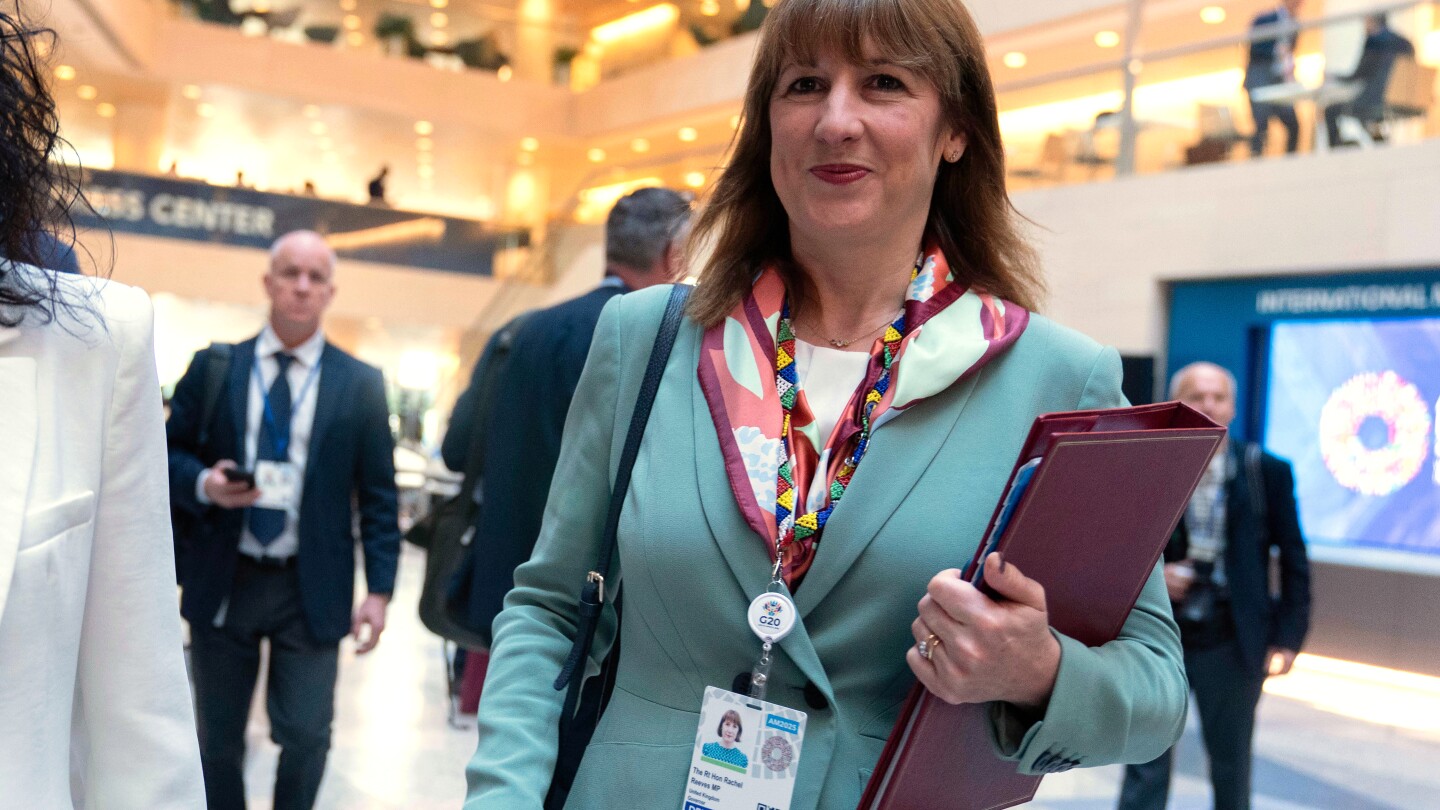
UK Treasury Chief Rachel Reeves has issued a public apology for renting out her London residence without the required license, a legal oversight that has drawn criticism from opposition leaders. The incident came to light after a report by The Daily Mail revealed that Reeves, who moved into a government-owned apartment near Downing Street following the Labour Party’s July 2024 election victory, failed to secure the necessary permit for her property. In a letter to Prime Minister Keir Starmer, Reeves described the lapse as an “inadvertent mistake” and confirmed that her team had since applied for the license. Starmer, after consulting the government’s ethics adviser, stated that no further investigation was necessary, accepting Reeves’ apology and closing the matter. However, Conservative Party leader Kemi Badenoch criticized the handling of the issue, calling for a full investigation and labeling the situation as problematic. The controversy adds to the challenges facing Reeves, who is preparing to deliver her annual budget statement on November 26 amid a struggling economy, high inflation, and subdued growth. The Labour government, which has yet to deliver on its economic promises, is also grappling with internal scandals, including the recent resignation of Deputy Prime Minister Angela Rayner over a tax dispute and the dismissal of UK Ambassador to Washington Peter Mandelson due to his ties to convicted sex offender Jeffrey Epstein.
标签: Europe
欧洲
-
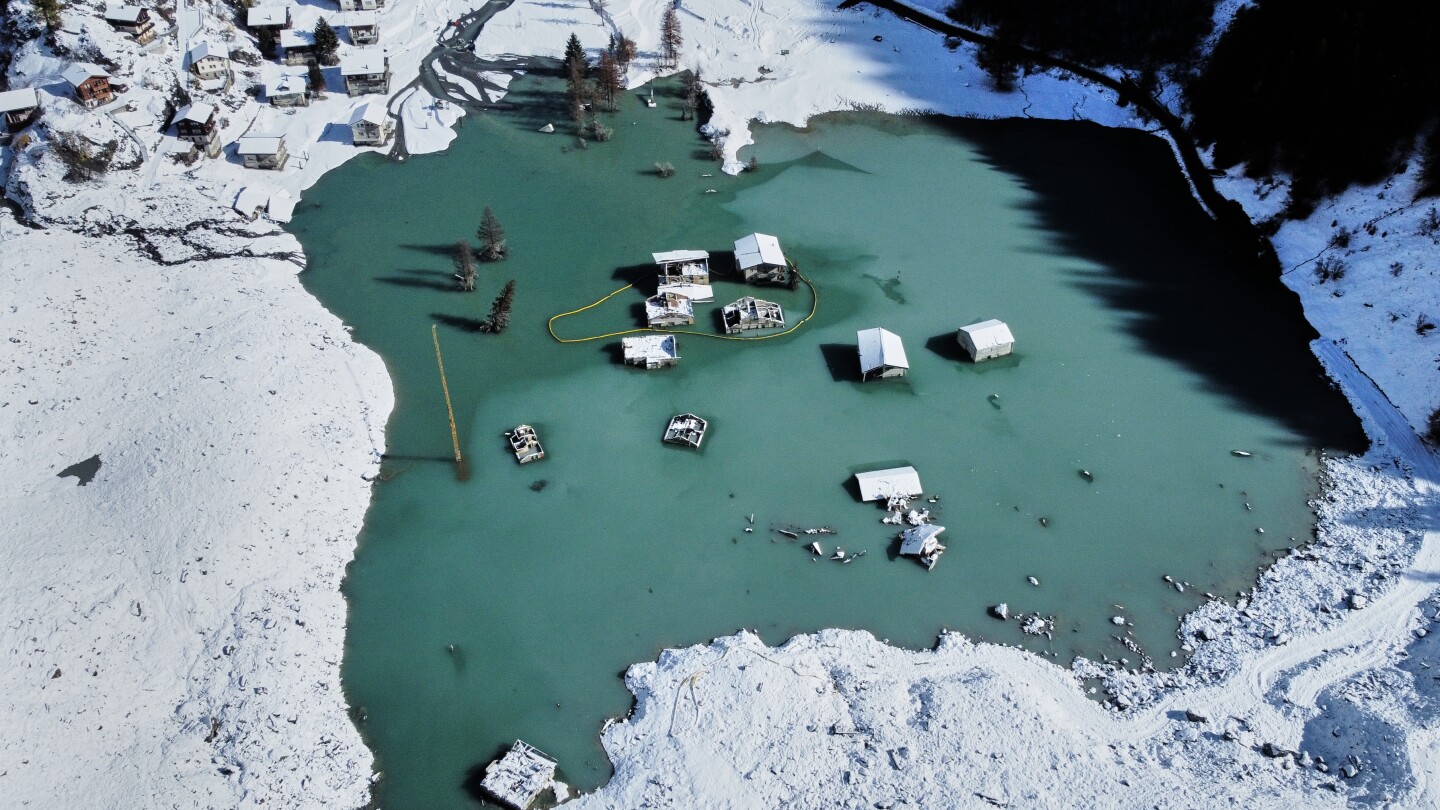
Residents of Swiss village swallowed by mudslide work to rebuild for return home
In May 2025, the serene village of Blatten in Switzerland’s Lötschental valley was struck by a catastrophic landslide. Over nine million cubic meters of ice, stone, and earth cascaded from the Kleines Nesthorn peak, obliterating more than 90% of the village’s structures and claiming the life of a 64-year-old man. The disaster left a scar nearly 2.5 kilometers wide and 100 meters high in some areas, plunging the community into chaos. Despite the devastation, the villagers, led by hotelier Lukas Kalbermatten, chose resilience over despair. Kalbermatten, whose family-owned Hotel Edelweiss was partially submerged in a murky pond, quickly shifted focus to rebuilding. Alongside other displaced families, he established a temporary hotel in the neighboring village of Wiler, ensuring the valley’s tourism industry could continue. The landslide’s aftermath revealed not only the physical destruction but also the emotional toll on residents. While some were overwhelmed by grief, others, like Kalbermatten, adopted a pragmatic approach, channeling their energy into recovery efforts. In the months following the disaster, work crews restored essential services, cleared debris, and began the arduous task of stabilizing the unstable terrain. The recent snowfall has temporarily solidified the remaining rock and ice, reducing immediate risks but complicating excavation efforts. Manfred Ebener, the construction coordinator, warned that the spring thaw could pose new challenges. Despite these hurdles, the community remains determined to rebuild, with plans to complete a new village by 2030. The disaster has also sparked conversations about climate change, as Swiss glaciologists link the increasing frequency of such events to global warming. While the villagers grapple with their new reality, their collective resolve offers a beacon of hope in the face of adversity.
-
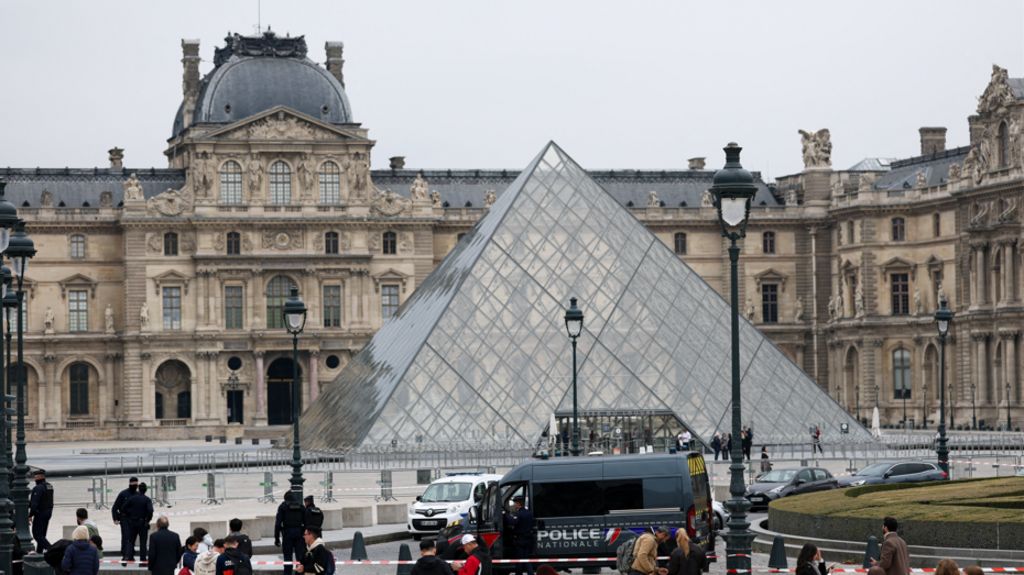
Five new suspects arrested over Louvre jewellery theft
In a significant development in the investigation of the Louvre heist, Paris’ public prosecutor has announced the arrest of five additional suspects. The arrests took place on Wednesday night in the Paris region, as confirmed by Laure Beccuau’s office. Among those detained is a main suspect, according to AFP reports. This follows the partial confession of two men earlier in the week regarding their involvement in the audacious theft. The heist, which occurred on 19 October, saw four thieves break into the world’s most-visited museum in broad daylight, making off with items valued at €88m (£76m; $102m). As of Thursday, the stolen jewels remain unrecovered, Beccuau disclosed in an interview with French radio station RTL. She also noted that DNA evidence from one of the arrested individuals could be linked to the crime scene. French investigators are currently withholding further details, but the new suspects can be held for up to four days before being formally charged or released. Authorities suspect that the gang involved in the heist may be larger than the four individuals captured on CCTV. This breaking news story is continuously updated, and more details will be published shortly. For the latest updates, refresh the page or follow @BBCBreaking on X.
-
Neck-and-neck finish in Dutch election as Wilders’ far-right party and D66 tie
In an unprecedented turn of events, the Dutch general election has resulted in a dead heat between Geert Wilders’ far-right Party for Freedom and the centrist D66, with both parties securing 26 seats in the 150-seat House of Representatives. With 98% of the votes counted, the margin between the two leading parties was a mere 2,000 votes nationwide, as reported by the Dutch national news agency ANP. This razor-thin finish has created significant uncertainty, delaying the process of forming a new coalition government—a first in Dutch electoral history. Wilders’ Party for Freedom is projected to lose 11 seats compared to the previous election, while D66, led by Rob Jetten, gains 11. Wilders has asserted that his party should lead coalition talks if it emerges as the largest, emphasizing that no D66 scout should initiate discussions until the final results are clear. Meanwhile, D66 lawmaker Jan Paternotte described the race as “neck and neck,” noting the exceptional closeness of the election. Votes from nine municipalities, including overseas and postal ballots, remain uncounted, adding to the suspense. The election outcome marks a significant milestone for D66, which has never before secured more than 24 seats. The campaign unfolded against a backdrop of deep political polarization in the Netherlands, a nation once celebrated for its tolerance. Frans Timmermans, former European Commission vice president, announced his departure from Dutch politics following the center-left bloc’s disappointing performance.
-
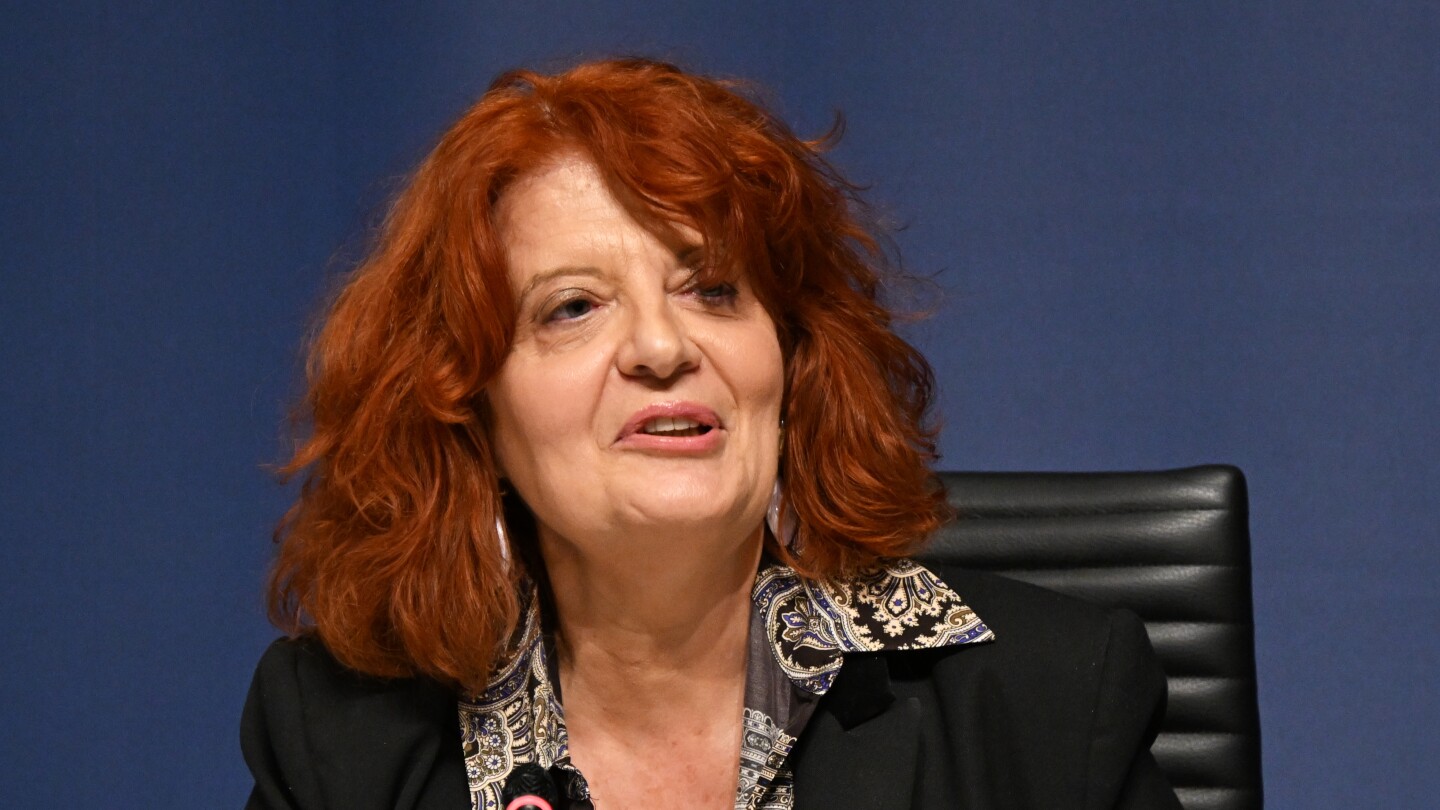
5 more arrests made in Louvre jewel heist
In a significant development in the investigation of the Louvre Museum’s crown jewels theft, five additional individuals have been apprehended, though the stolen treasures remain elusive. Paris Prosecutor Laure Beccuau disclosed the arrests during a radio interview with RTL on Thursday. The suspects were detained late Wednesday in coordinated operations across Paris and its outskirts, including the Seine-Saint-Denis region. While their identities remain undisclosed, one is believed to have been part of the four-member team responsible for the audacious daylight robbery on October 19. Two other team members, arrested earlier, have been preliminarily charged with criminal conspiracy and theft by an organized gang, with both partially confessing to their roles. Despite extensive searches, the jewels, valued at €88 million ($102 million), have not been recovered. The thieves executed the heist in under eight minutes, using power tools to breach display cases and escape with eight pieces of the French crown jewels. Among the arrested is a 34-year-old Algerian national, detained at Charles de Gaulle Airport while attempting to flee to Algeria. His DNA was found on a scooter used in the getaway. Another suspect, a 39-year-old man, was arrested in Aubervilliers, with his DNA linked to the crime scene. Surveillance footage confirmed the involvement of at least four individuals, who used a truck and scooters to carry out the theft. Prosecutor Beccuau emphasized the unsellable nature of the stolen jewels and urged their return, while French authorities face scrutiny over the Louvre’s security vulnerabilities.
-
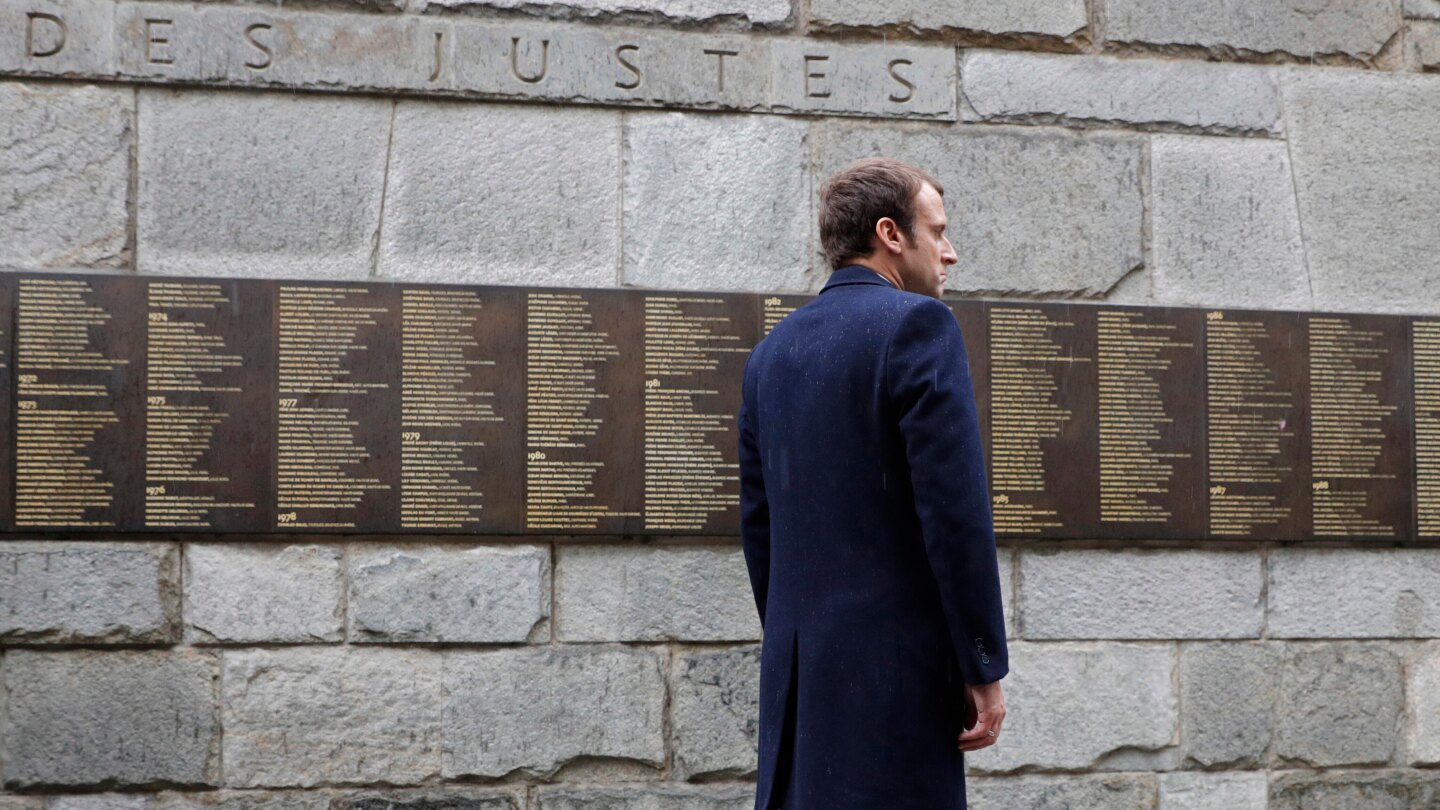
A French trial examines Holocaust Memorial graffiti believed linked to Russia
Three Bulgarian men are currently facing trial in Paris for their alleged involvement in spray-painting blood-red hands on the city’s Holocaust Memorial. This act of vandalism, which occurred last year, has been linked by French intelligence services to a broader Russian campaign aimed at destabilizing France and other Western societies. Approximately 500 red hands were painted on a wall commemorating those who aided Jews during World War II, as well as in nearby neighborhoods. Initially, the graffiti was interpreted in the context of the Gaza conflict, which has heightened antisemitic tensions across Europe. However, court documents reveal that French intelligence believes this act was part of a long-term Russian strategy to sow division, inflame social tensions, and disseminate misinformation through paid proxies. European governments have increasingly accused Russia of orchestrating sabotage campaigns, including vandalism, arson, and bombing attempts. Four Bulgarians were charged in this case, but only three are in custody and present for the trial. The alleged ringleader, Mircho Angelov, remains at large. Georgi Filipov, the first to testify, admitted to painting the red hands in exchange for 1,000 euros to support his 9-year-old son. He claimed he was unaware of the antisemitic implications until after returning to Bulgaria. Kiril Milushev, another defendant, testified that he filmed the graffiti for 500 euros and expressed regret for his involvement. Nikolay Ivanov, the third defendant, denied any pro-Russian connections and stated he merely assisted a friend by purchasing travel tickets and hotel accommodations. The defendants face charges of criminal conspiracy and aggravated degradation of property based on race, ethnicity, or religion, with potential prison sentences if convicted. Plaintiffs in the case include the Paris Holocaust Memorial and the League against Racism and Antisemitism. This trial marks the first of several unusual incidents in France over the past two years, including the appearance of blue Stars of David on Paris buildings, coffins at the Eiffel Tower, and severed pigs’ heads near mosques, all of which are under investigation for potential Russian involvement.
-
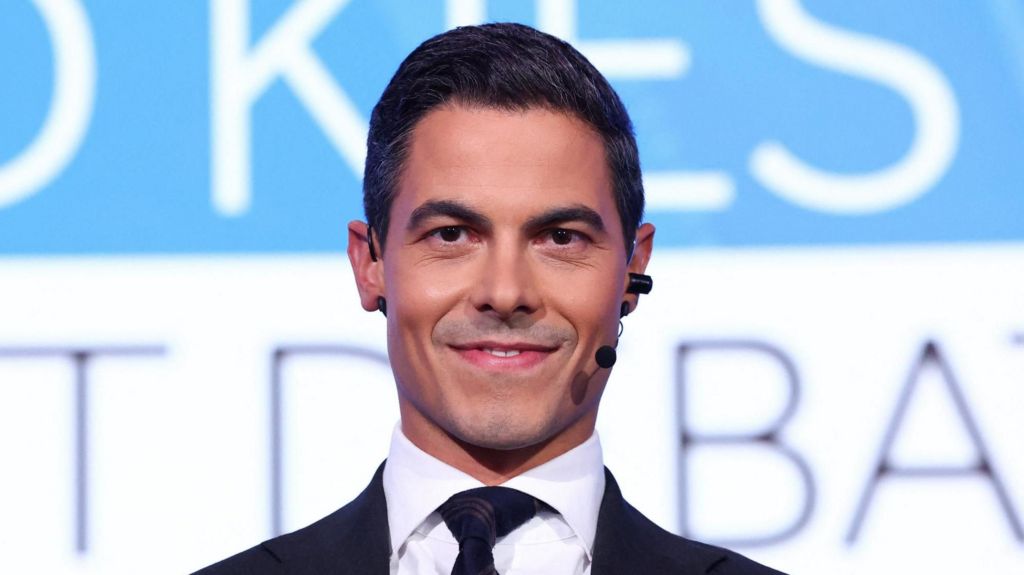
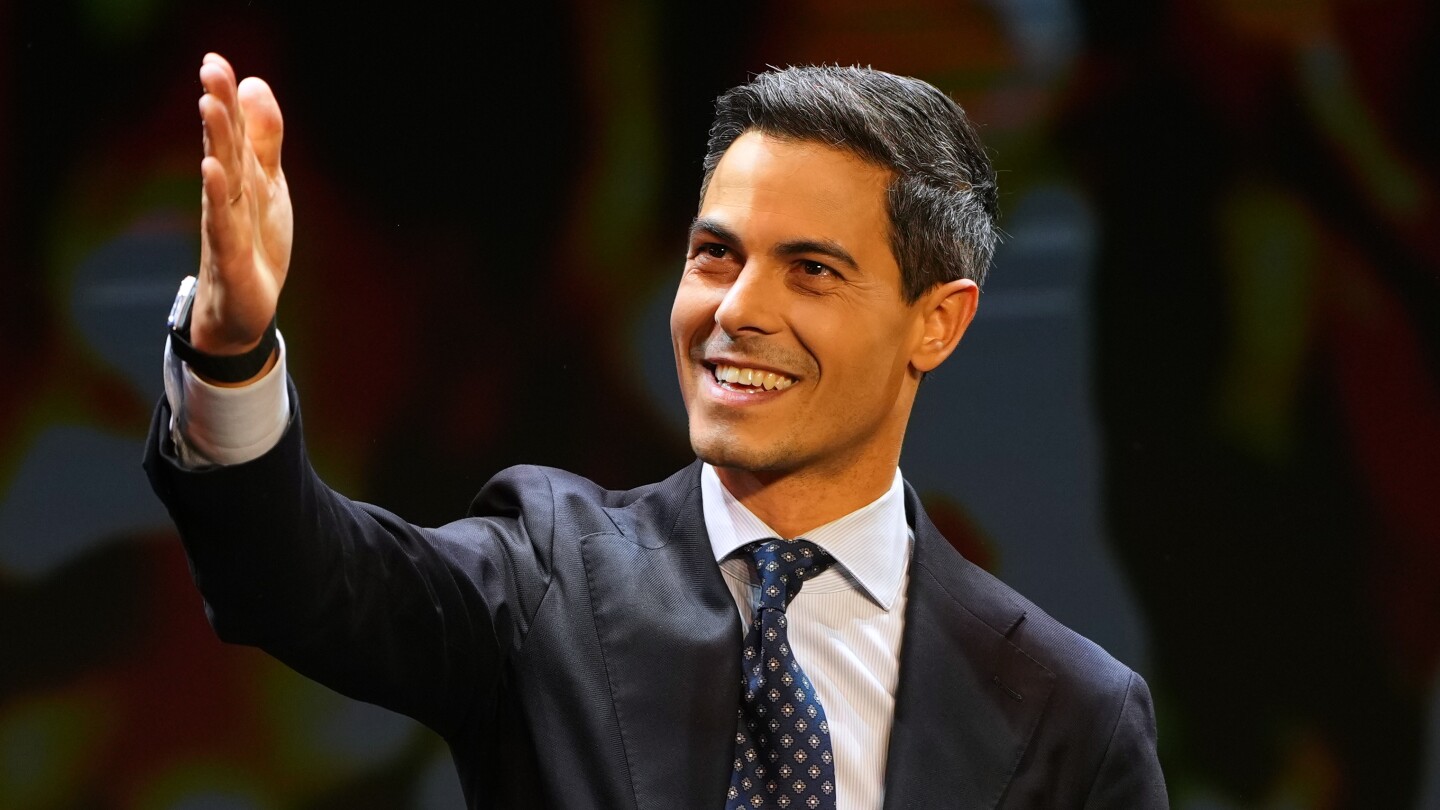
Who is Rob Jetten, tipped to become youngest Dutch prime minister?
Rob Jetten, the 38-year-old leader of the socially liberal D66 party, has emerged as a transformative figure in Dutch politics. His remarkable ascent from a fifth-place party to a leading contender in the recent elections has captivated the nation. Jetten’s campaign, marked by optimism and a cheerful demeanor, stood in stark contrast to the divisive rhetoric of his rival, anti-Islam populist Geert Wilders. The election results remain too close to call, with both leaders vying for the most parliamentary seats. If successful, Jetten could become the Netherlands’ first openly gay prime minister, a historic milestone for the country.
-
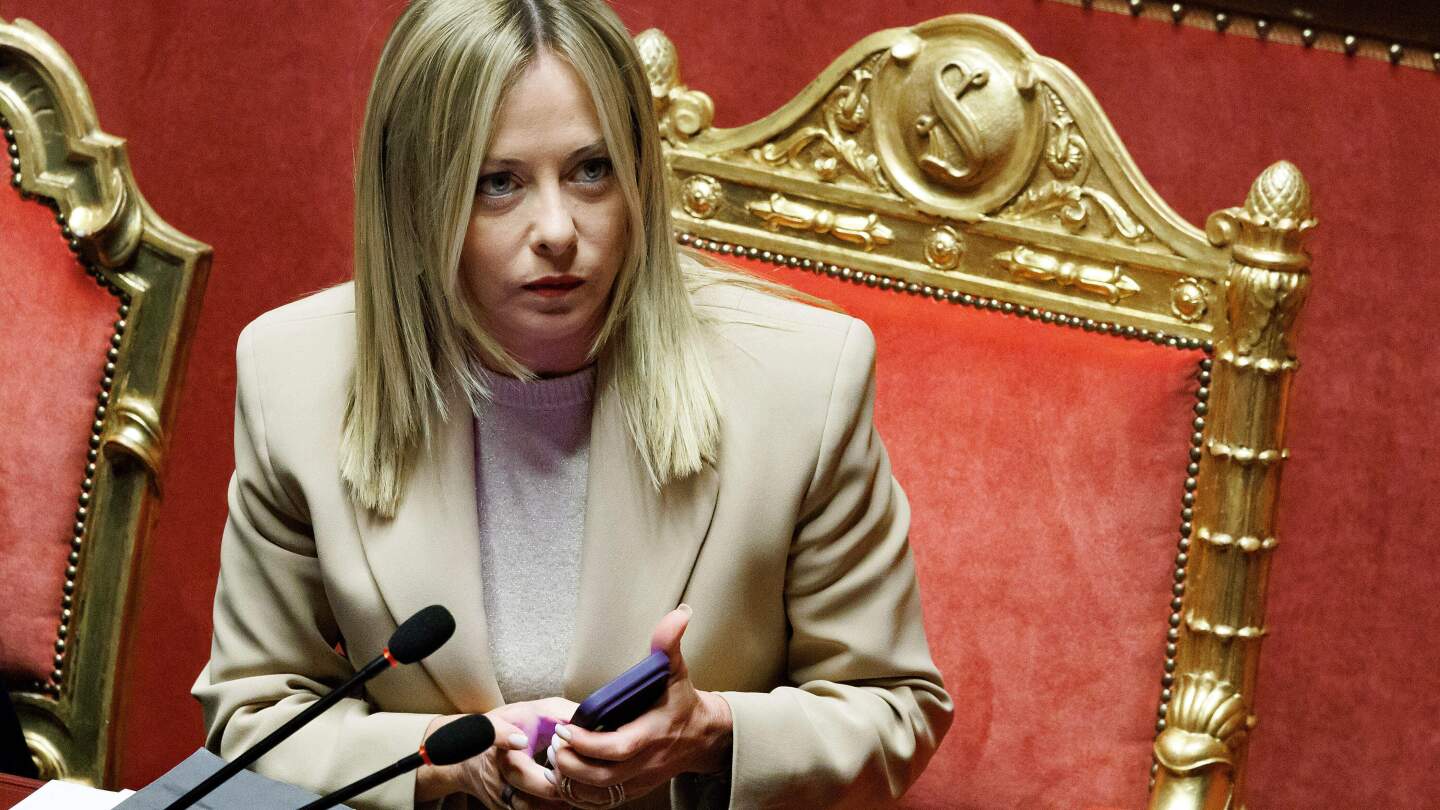
Italian court rejects Sicily bridge project, dealing a blow to Meloni government
In a significant setback for Italy’s right-wing government, the Court of Auditors has refused to approve the ambitious 13.5 billion euro Strait of Messina Bridge project, which aims to connect Sicily to the mainland. The court, responsible for financial oversight and public accounting, announced its decision in a concise statement on Wednesday evening, promising to provide detailed reasoning within 30 days. This move has sparked fierce criticism from Prime Minister Giorgia Meloni, who labeled the ruling as an “intolerable intrusion” by magistrates and vowed to push forward with the project despite the setback. Transport Minister Matteo Salvini, a key advocate for the bridge, accused the court of making a “political decision” rather than a technical one and pledged to explore all avenues to advance the plan. While the court’s decision does not outright block the project, it could significantly delay its approval, potentially requiring the government to seek a new vote to override the objections. The Strait of Messina Bridge, first proposed in 1969, has faced repeated approvals and cancellations over the decades. Meloni’s administration revived the project in 2023, marking the most progress it has ever achieved. However, the initiative has been mired in controversy, with debates over its massive scale, earthquake risks, environmental impact, and potential mafia involvement. Preliminary work was slated to begin this fall, with construction expected to start next year and completion targeted between 2032 and 2033. If built, the bridge would span nearly 3.7 kilometers, with a suspended section of 3.3 kilometers, surpassing Turkey’s Canakkale Bridge as the world’s longest.
-
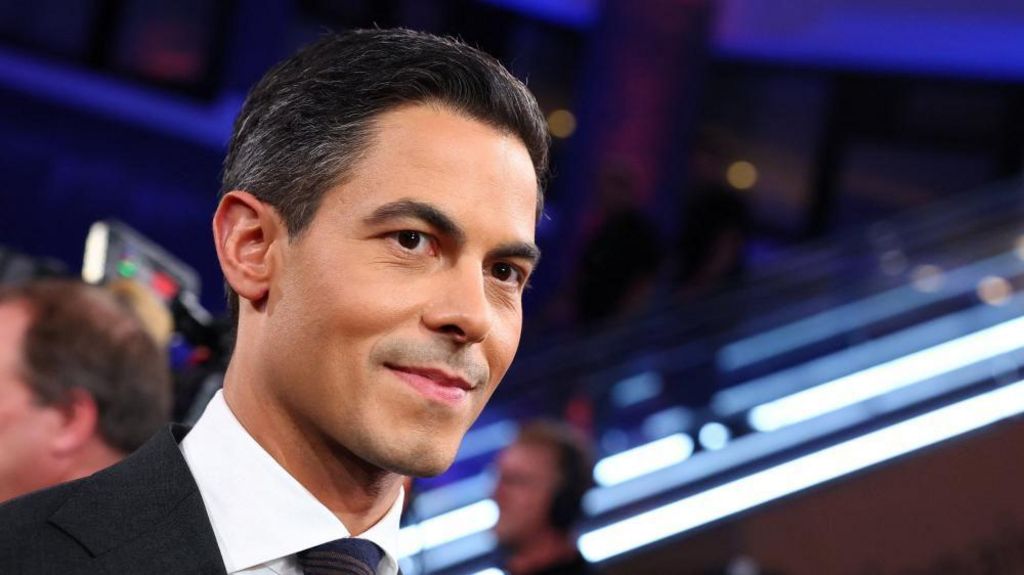
Centrist liberals take shock lead in Dutch election, exit poll says
In a stunning turn of events, Rob Jetten, the 38-year-old leader of the centrist liberal party D66, has emerged as the frontrunner in the Dutch general election, according to the latest exit poll. The Ipsos I&O survey indicates that Jetten’s party has secured 27 seats, narrowly surpassing anti-Islam populist Geert Wilders, who had dominated the polls throughout the campaign. This marks a dramatic shift from the 2023 election, where D66 languished in sixth place. The final outcome remains uncertain, but the exit poll suggests a significant swing in voter sentiment. Wilders, who led the previous government, saw his support wane after his coalition collapsed in June over disputes on asylum and migration policies. Jetten’s polished campaign, bolstered by his strong performances in televised debates and a strategic appearance on a popular game show, resonated with voters seeking unity and progress. The conservative liberals, led by Dilan Yesilgöz, are also poised for a strong showing, potentially securing a role in a future coalition government. Meanwhile, the GreenLeft-Labour party, once a close contender, is projected to finish fourth, signaling a disappointing night for former European Commissioner Frans Timmermans. The election, fought largely on issues of migration, housing shortages, and asylum center overcrowding, has highlighted the electorate’s desire for change. Jetten’s party has pledged to address the housing crisis by building 10 new cities, a policy that has garnered significant attention. As supporters celebrated in Leiden, the atmosphere was electric, with many expressing hope for a brighter future under Jetten’s leadership.
-
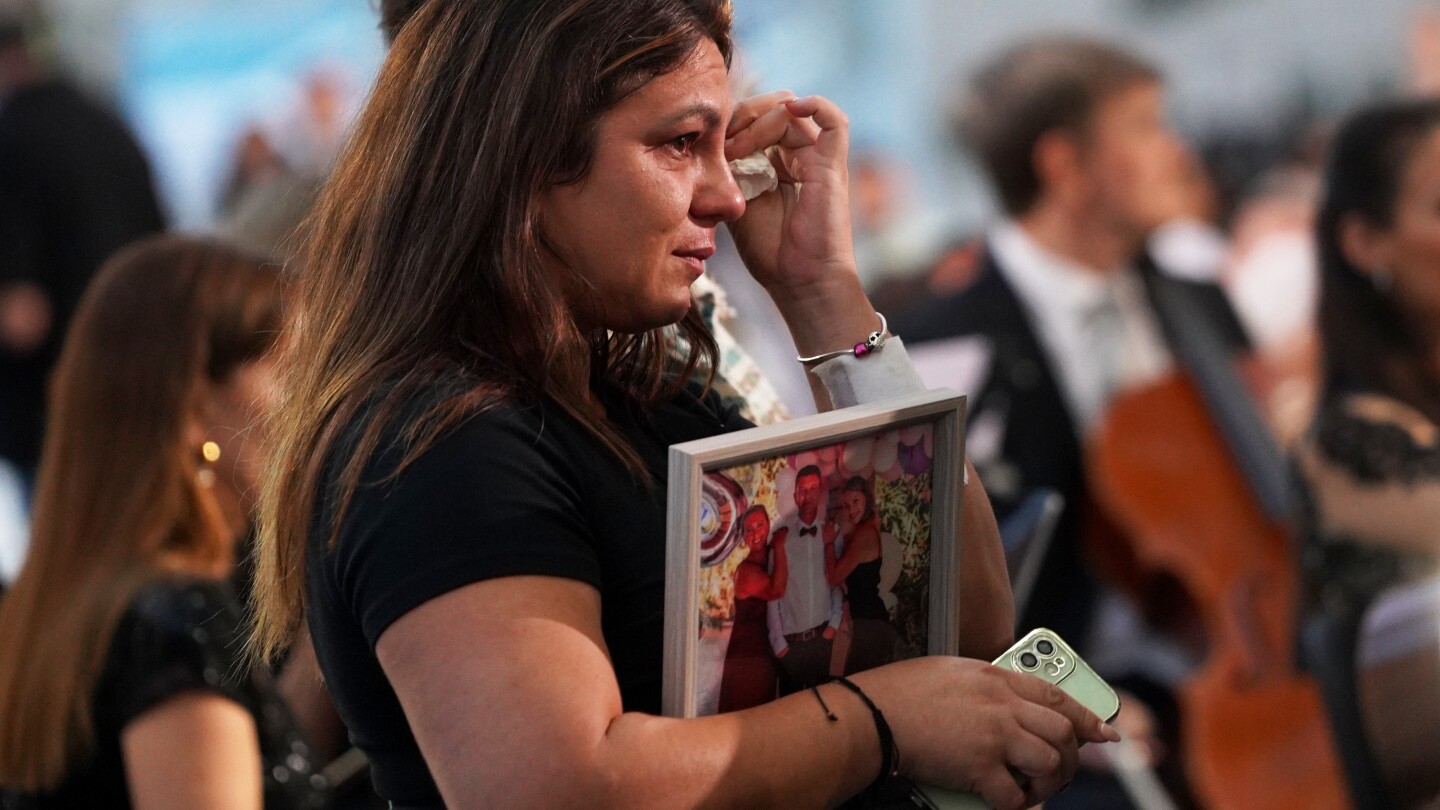
Spain holds memorial ceremony for flood victims a year after disaster killed over 230 people
VALENCIA, Spain — Spain solemnly marked the one-year anniversary of the catastrophic floods that claimed over 230 lives with a national memorial ceremony led by King Felipe VI on October 29, 2025. The event, held at a public museum in Valencia, brought together grieving families, government officials, and public figures to remember one of Europe’s deadliest natural disasters in recent history. The floods, triggered by torrential rains on October 29, 2024, overwhelmed dry gorges and riverbeds, sweeping away vehicles, destroying homes, and leaving a trail of devastation across eastern Spain. The Valencia region bore the brunt of the tragedy, with 229 of the 237 confirmed deaths occurring there. King Felipe VI, alongside Queen Letizia and Prime Minister Pedro Sánchez, paid tribute to the victims, while family members shared emotional testimonies. The ceremony also highlighted the growing concerns over climate change, with experts and officials pointing to the disaster as a stark reminder of the increasing frequency and intensity of extreme weather events. However, the event was not without controversy. Valencia’s regional president, Carlos Mazón, faced jeers and insults from victims’ families, who criticized his administration’s slow response to the crisis. Mazón, who has been the target of large-scale protests demanding his resignation, has remained in power despite widespread dissatisfaction with his handling of the disaster. The memorial served as a poignant moment of reflection, underscoring the enduring pain of the affected communities and the urgent need for climate action.