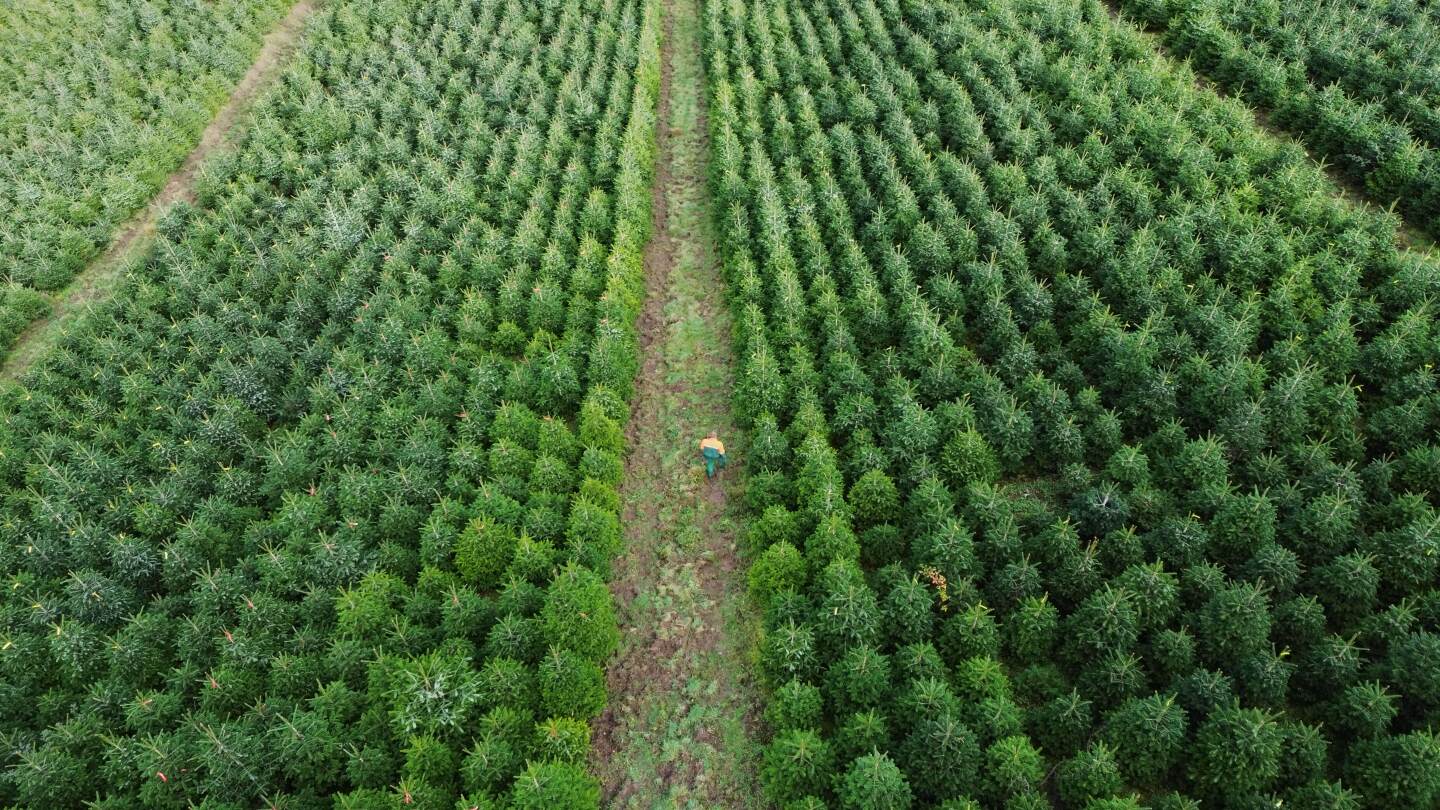
In the picturesque Sauerland region of western Germany, the annual harvest of Christmas trees has commenced, marking the start of a cherished tradition that dates back over five centuries. German growers, like Eberhard Hennecke, are busy preparing for the festive season, ensuring that families across the nation can continue their time-honored custom of decorating Christmas trees. Hennecke, a local producer, shared with The Associated Press that the Sauerland region alone accounts for approximately one-third of Germany’s Christmas tree supply. While most trees are traditionally sold in urban areas, there has been a growing trend of families visiting tree farms to personally select and cut down their trees. To enhance the experience, many farms now offer seasonal treats such as mulled wine and snacks, creating a festive atmosphere that brings joy to all generations. Hennecke emphasized the emotional significance of this tradition, noting how the collective effort of families choosing their tree together fosters a sense of warmth and happiness. This centuries-old practice, which originated in Germany and later spread across Europe and the United States, continues to unite communities and celebrate the spirit of Christmas.
标签: Europe
欧洲
-
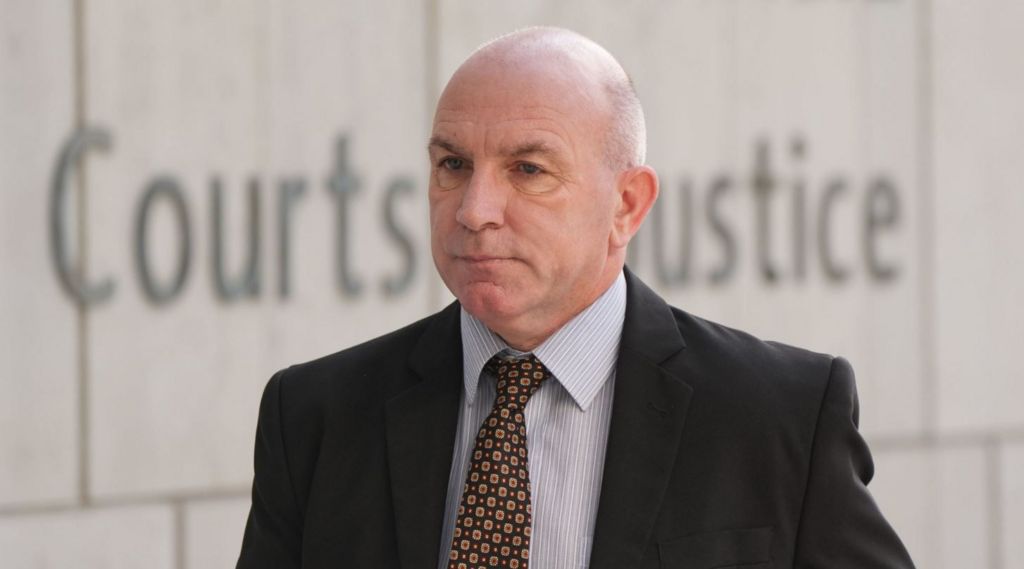
Hurling star DJ Carey jailed over fake cancer claims
DJ Carey, a celebrated former Kilkenny hurler and five-time All-Ireland winner, has been sentenced to five-and-a-half years in prison for a fraudulent scheme in which he pretended to have cancer to defraud individuals. The 54-year-old, who previously lived in Newtown, Maynooth, County Kildare, pleaded guilty in July to 10 charges involving 13 complainants, including Denis O’Brien, one of Ireland’s wealthiest entrepreneurs. O’Brien alone provided Carey with over €125,000 (£109,500), along with accommodation and transport. The Dublin Circuit Criminal Court revealed that Carey defrauded a total of 22 people out of nearly €400,000 (£350,000), with only about €44,000 (£38,500) repaid to date. The sentencing was delayed last week after Carey was hospitalized. The presiding judge condemned the fraud as one of the most reprehensible, stating that Carey had exploited people’s goodwill. Carey’s defense described his situation as a dramatic fall from grace, leaving him a pariah in the community. Once a revered figure in Irish hurling, Carey’s legacy is now marred by this scandal.
-
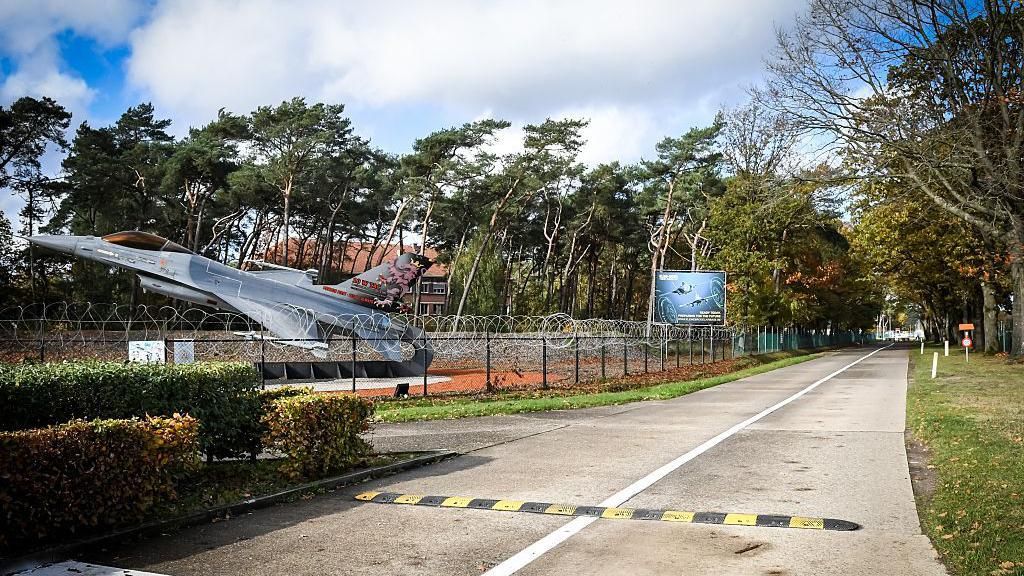
Drones seen over Belgian military base for third night, minister says
For the third consecutive night, drones have been observed flying over a Belgian military base near the Dutch border, as reported by the country’s Defence Minister Theo Francken. The incident occurred at the Kleine-Brogel base, prompting the deployment of a helicopter. The drones subsequently departed towards the Netherlands, according to national broadcaster VRT. Francken described the event as ‘a clear mission targeting Kleine Brogel’ and suggested it resembled an espionage operation, though he refrained from speculating on the perpetrators. ‘I have some ideas, but I’m going to be cautious,’ he stated. Similar drone sightings were reported at other military air bases in Leopoldsburg and Marche-en-Famenne, as well as near coastal airports in Ostend and Antwerp. This incident is part of a broader trend of drone-related disruptions in European airspace. In October, unconfirmed drone sightings forced Munich Airport in Germany to halt operations twice within 24 hours. Earlier, in September, Denmark attributed drone flights over its airports to a ‘professional actor,’ though no evidence linked Russia to the incursion. Russia has consistently denied involvement in such incidents. Additionally, Estonia and Poland sought consultations with NATO members after Russian drones and jets entered their airspace. In response, the European Commission has proposed four defence projects, including a counter-drone system, aiming to bolster Europe’s self-defence capabilities by 2030.
-

Irish government could charge asylum seekers for accommodation
The Irish government is considering implementing a new policy that would require working asylum seekers to contribute up to €238 (£208) per week towards the cost of their state-provided accommodation. This proposal, spearheaded by Irish Justice Minister Jim O’Callaghan and his junior minister Colm Brophy, aims to reduce the financial burden on the state as it grapples with an unprecedented influx of asylum seekers and refugees. As of July, there were 32,774 international protection applicants living in state accommodation in Ireland. The proposed charges would be tiered based on weekly earnings, ranging from €15 (£13) for those earning €97.01 (£85) to €150 (£131) per week, up to €238 (£208) for those earning €600 (£526) or more. Asylum seekers who fail to pay these charges could face legal action, debt collection, and even potential denial of citizenship if they have outstanding debts. Currently, asylum seekers receive a weekly allowance of €38.80 (£34) per adult and €29.80 (£26) per child. The proposal will be discussed at a cabinet sub-committee meeting on Monday, and if approved, it will proceed to a full cabinet meeting for final approval. The government estimates that approximately 7,600 asylum seekers would be eligible to pay these charges. Additionally, the Irish Department of Justice has warned that the current influx of Ukrainian refugees could exhaust the state’s accommodation capacity by the end of November. Since the outbreak of the war in Ukraine in February 2022, over 120,000 Ukrainian refugees have arrived in Ireland, with 83,000 currently residing there. The government is also considering reducing the duration of state accommodation for new refugee arrivals from 90 days to 30 days and phasing out the €600 (£526) payment to those housing Ukrainian refugees. These changes, however, may not take effect until late 2026 or early 2027.
-

Bella Culley freed from Georgian prison
In a dramatic turn of events, 19-year-old Bella Culley, a pregnant teenager from Billingham, Teesside, has been released from prison in Georgia after admitting to drug trafficking charges. Initially facing a potential 20-year sentence, Culley’s fate changed when prosecutors altered the terms of her plea bargain at the last minute. The decision, influenced by her age and pregnancy, was announced during a court hearing in Tbilisi, where Culley expressed her relief and happiness by embracing her lawyer, Malkhaz Salakaia. Culley, who is eight months pregnant, was arrested on 10 May at Tbilisi International Airport after authorities discovered 12kg of marijuana and 2kg of hashish in her luggage. Her family had previously paid £137,000 to reduce her sentence to two years. Culley, who pleaded guilty to drug trafficking, claimed she was coerced into the act by gangsters who allegedly tortured her with a hot iron. She had been held in pre-trial detention since May, initially in harsh conditions before being transferred to a ‘mother and baby’ unit. Her lawyer plans to appeal for a presidential pardon. Culley, now free, will regain her passport and is expected to leave the country soon.
-
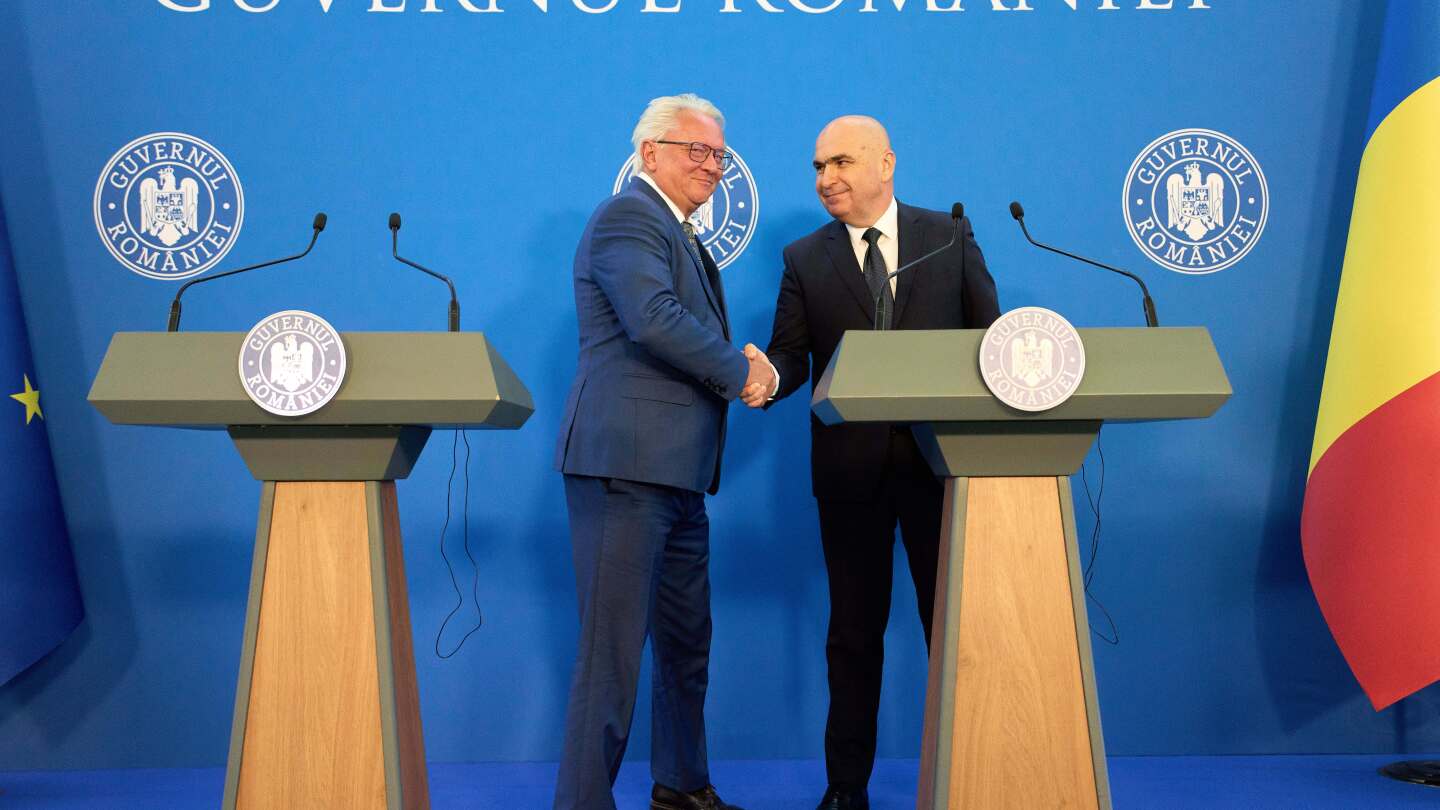
NATO member Romania signs agreement with Germany’s Rheinmetall to build a gunpowder plant
In a significant move to bolster Europe’s defense capabilities, NATO member Romania has inked a landmark agreement with German defense giant Rheinmetall to construct a state-of-the-art gunpowder factory in central Romania. The deal, signed on Monday, underscores Romania’s growing role in the region’s defense industry amid escalating tensions with Russia. Prime Minister Ilie Bolojan lauded the joint venture as a testament to Romania’s emergence as a pivotal player in Southeast Europe’s defense sector. The 535 million-euro ($616 million) facility, set to be built in Victoria, Brasov County, is slated to commence construction in 2026 and is expected to take three years to complete. The project is projected to generate approximately 700 local jobs and will be partially financed through the European SAFE mechanism, aimed at enhancing defense readiness. Bolojan emphasized that Romania’s renewed focus on defense is a direct response to the deteriorating security landscape in Eastern Europe. Rheinmetall CEO Armin Papperger highlighted the factory’s strategic importance, noting that the ammunition powder produced there is in high demand globally, particularly in Europe. He also stressed that the initiative positions Romania as a critical component of both the European and NATO defense ecosystems. Since Russia’s full-scale invasion of Ukraine in 2022, Romania has stepped up its contributions to NATO, including donating a Patriot missile system to Ukraine and establishing an international training hub for F-16 pilots from allied nations.
-

A medieval tower in Rome partially collapses during renovations, injuring a worker
A historic medieval tower in Rome, the Torre dei Conti, partially collapsed on Monday during renovation work, leaving at least one worker seriously injured. The incident occurred near the iconic Roman Forum ruins, drawing the attention of hundreds of tourists who witnessed the dramatic scene. Firefighters swiftly responded, using a mobile ladder and stretchers to rescue three workers, while one remained trapped inside the structure. During the rescue operation, another section of the tower collapsed, creating a cloud of debris and forcing firefighters to retreat from their elevated position. The extent of additional injuries remains unclear. Built in the 13th century by Pope Innocent III as a family residence, the Torre dei Conti has a history of structural damage, including collapses in the 17th century and damage from a 1349 earthquake. Rome Mayor Roberto Gualtieri and Italian Culture Minister Alessandro Giuli were present at the scene to assess the situation.
-
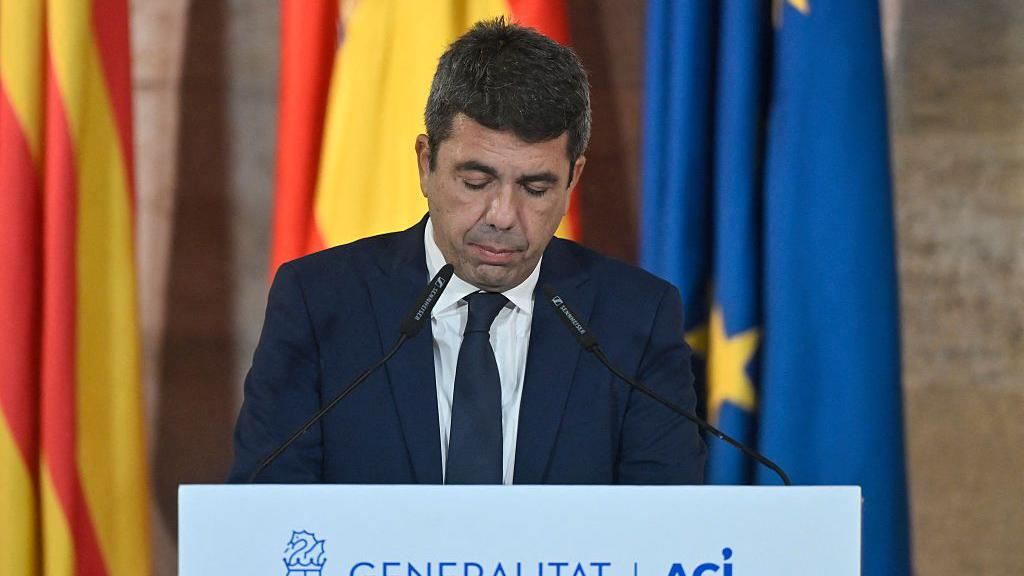
Valencia leader resigns over handling of deadly floods
Carlos Mazón, the president of Spain’s Valencia region, has stepped down following intense public and political pressure over his handling of the catastrophic flash floods that struck the area on October 29, 2024. The disaster, which claimed 229 lives in Valencia and eight more in neighboring regions, marked Spain’s deadliest natural calamity in decades. Mazón faced widespread criticism for his perceived negligence during the crisis, including his decision to spend nearly four hours dining with journalist Maribel Vilaplana while floodwaters devastated communities. Additionally, his administration failed to issue emergency alerts to residents until after 8:00 PM, by which time dozens had already perished. In his resignation speech, Mazón admitted to grave errors, stating, ‘I can’t go on anymore… I know that I made mistakes, I acknowledge it and I will live with them for the rest of my life.’ He emphasized that his actions were not driven by political calculation or ill intent. Public outrage had been mounting for months, with polls showing overwhelming support for his resignation and large-scale protests demanding accountability. Mazón’s attendance at a memorial service for flood victims on the tragedy’s first anniversary further inflamed tensions, as grieving relatives confronted him during the event. His resignation coincided with Vilaplana’s testimony in a judicial investigation into potential negligence. Mazón, who will retain his seat in the regional parliament, accused Spain’s left-wing central government of withholding aid to inflict political damage. His departure poses challenges for the conservative People’s Party (PP), which must navigate its alliance with the far-right Vox party to appoint his successor.
-

France threatens to block Shein over sale of childlike sex dolls ahead of Paris store opening
French authorities have issued a stern warning to the online fast fashion giant Shein, threatening to block its access to the French market following the discovery of childlike sex dolls on its platform. The Directorate General for Competition, Consumer Affairs and Fraud Control (DGCCRF), France’s consumer watchdog, revealed last week that Shein had been selling these dolls, which were described and categorized in a manner that strongly suggested their child-pornographic nature. The agency has escalated the matter to public prosecutors, and Economy Minister Roland Lescure has stated that he will seek to ban Shein from operating in France if such incidents recur. ‘This is provided for by law,’ Lescure emphasized during an interview with BFM TV, citing the government’s authority to prohibit market access in cases involving terrorism, drug trafficking, or child pornography. Under French law, the distribution of child-pornographic materials via electronic networks carries severe penalties, including up to seven years in prison and a €100,000 ($115,000) fine. The DGCCRF has issued a formal notice to Shein, demanding immediate corrective actions. Shein, which was founded in China in 2012 and is now headquartered in Singapore, has not yet responded to requests for comment. The company, known for its rapid global expansion and low-cost fashion, has faced criticism for its labor practices and environmental impact. The controversy comes just days before Shein is set to open its first permanent physical store in Paris, a move that has already sparked significant backlash, with an online petition against the store garnering over 100,000 signatures.
-
Spain’s top prosecutor stands trial over allegations of leaking confidential information
In a landmark event for Spain’s judicial history, Attorney General Álvaro García Ortiz stood trial on Monday over allegations of leaking confidential information. This unprecedented case has sent shockwaves through Prime Minister Pedro Sánchez’s left-wing government, marking the first time a top prosecutor has faced criminal charges in modern Spain. García Ortiz is accused of disclosing an email from a lawyer representing Alberto González Amador, the partner of Madrid’s influential regional leader Isabel Díaz Ayuso, who is under investigation for alleged tax fraud. García Ortiz has vehemently denied the accusations and has received public backing from Sánchez on multiple occasions. The trial, which is expected to conclude next week, underscores the deepening rift between Spain’s national left-wing government and Madrid’s conservative regional administration. The case is part of a broader wave of legal challenges involving individuals close to Sánchez, including corruption probes targeting two former high-ranking officials from his Socialist Party, as well as investigations into the business dealings of Sánchez’s wife, Begoña Gómez. While Sánchez himself has not been directly implicated, these cases have posed significant threats to his government’s stability. The prime minister has criticized some judges, alleging political motivations behind the probes into his wife’s activities.