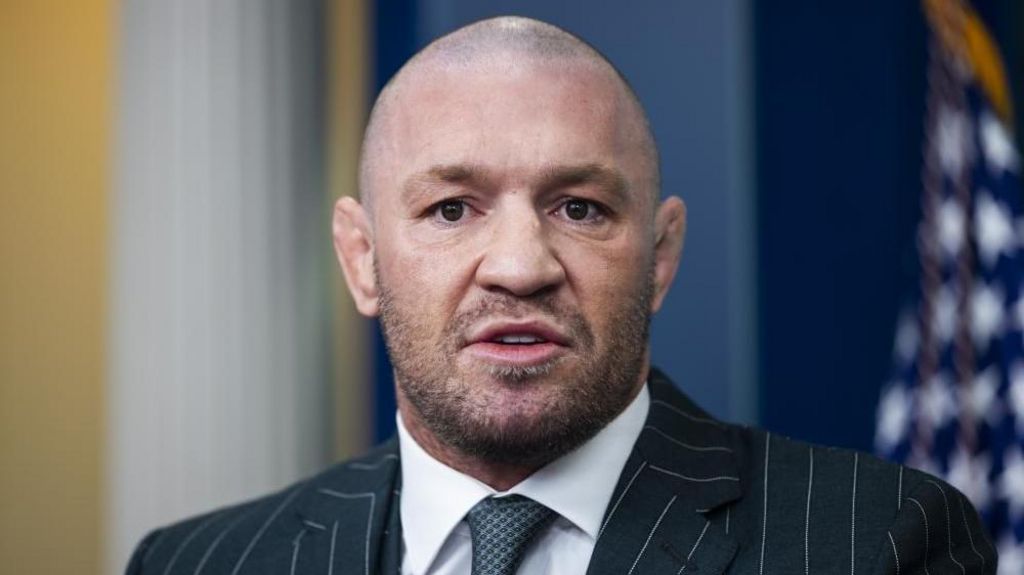
Mixed martial arts star Conor McGregor has announced his withdrawal from the upcoming Irish presidential election, just hours before he was scheduled to address key council meetings in Dublin and Kildare. McGregor, who had been vying for the nominations required to appear on the ballot, cited “careful reflection and family consultations” as the reasons behind his decision. The 37-year-old former UFC champion expressed gratitude for the “support and encouragement” he received but criticized the election’s eligibility rules, calling them a “straitjacket” that hinders a truly democratic process. McGregor’s withdrawal comes after months of social media campaigning, during which he urged his followers to lobby local councillors for his nomination. However, his absence from early candidate presentations raised doubts about his commitment to the race. McGregor’s potential candidacy had already faced scrutiny due to his legal troubles, including a recent civil case in which he was ordered to pay £206,000 in damages for sexual assault allegations, which he denies. With McGregor out of the running, the focus now shifts to the three confirmed candidates: Catherine Connolly, Jim Gavin, and Heather Humphreys, each backed by major political parties. The Irish presidential election is set for October 24, with nominations closing on September 24.
标签: Europe
欧洲
-
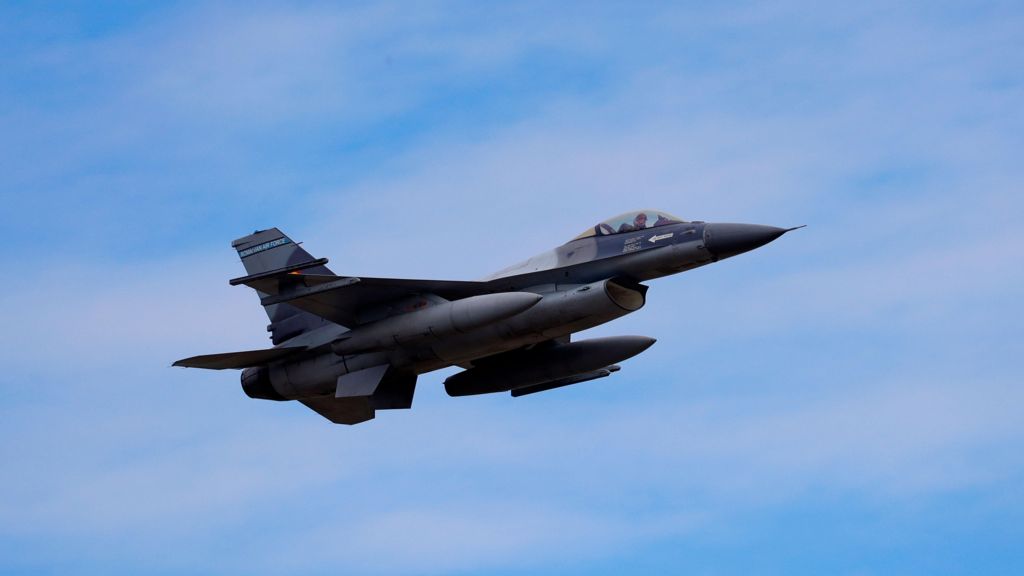
Romania becomes second Nato country to report Russian drone in its airspace
In a significant escalation of tensions in Eastern Europe, a Russian drone breached Romanian airspace on Saturday, marking the second NATO country to report such an incursion this week. Romanian F-16 fighter jets, monitoring the country’s border with Ukraine, detected the drone following Russian air attacks on Ukrainian infrastructure near the Danube River. The drone, identified as a Geran (the Russian designation for the Iranian-designed Shahed 136), was tracked 20 kilometers southwest of the village of Chilia Veche before disappearing from radar. Although it did not fly over populated areas or pose immediate danger, the incident has raised concerns about Russia’s expanding military activities in the region. Ukrainian President Volodymyr Zelensky condemned the breach as a deliberate act of war expansion by Russia, while Moscow has remained silent on the allegations. Romania has summoned the Russian ambassador and is considering its response under a new law that authorizes the military to shoot down unauthorized drones. Meanwhile, Poland reported shooting down three Russian drones earlier in the week, prompting heightened defensive measures across NATO’s eastern flank. The Czech Republic has also deployed a special operations helicopter unit to Poland in response to the escalating threat. As the conflict in Ukraine continues, Western leaders, including U.S. President Donald Trump, have called for stricter sanctions on Russia, though NATO members remain divided on the best course of action.
-
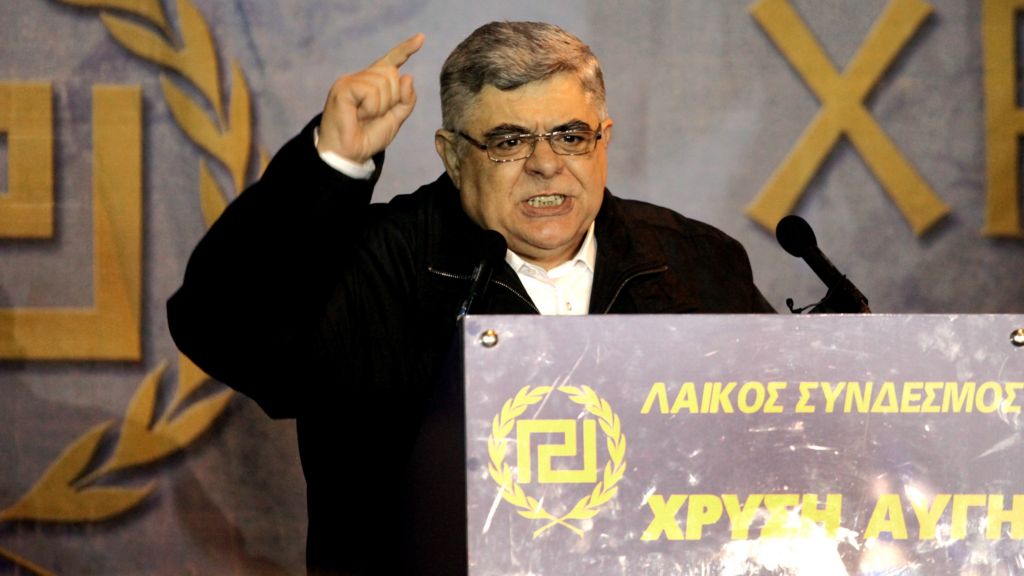
Neo-Nazi Golden Dawn leader released from prison early
Nikos Michaloliakos, the notorious leader of the Greek neo-Nazi party Golden Dawn, has been granted early release from prison, igniting widespread condemnation. The 67-year-old far-right politician, known for his admiration of Nazism and Holocaust denial, was permitted to serve the remainder of his 13-year sentence under house arrest due to health concerns, as reported by state media on Friday. Michaloliakos had been convicted in 2020 for orchestrating a series of violent attacks on immigrants and political opponents carried out by Golden Dawn supporters. This marks the second time he has been released early; a previous attempt in May 2024 was revoked after he failed to demonstrate satisfactory behavior. Golden Dawn, which Michaloliakos founded and led, was declared a criminal organization linked to the murder of an anti-fascist musician and attempted murders of Egyptian fishermen and communist activists. The party gained significant traction during Greece’s financial crisis, securing third place in the 2012 elections with its anti-immigrant and nationalist rhetoric. Despite officially denying its neo-Nazi identity, Golden Dawn adopted Nazi-inspired symbols and ideologies. Michaloliakos and former party MPs were convicted of leading or participating in the criminal group. The decision to release him has drawn sharp criticism from left-wing parties, with Greece’s New Left party calling it a ‘serious blow to the collective memory and the struggle for democracy and justice.’ The communist party KKE has demanded the decision be overturned, emphasizing that Golden Dawn’s crimes remain unforgotten by the public and younger generations.
-
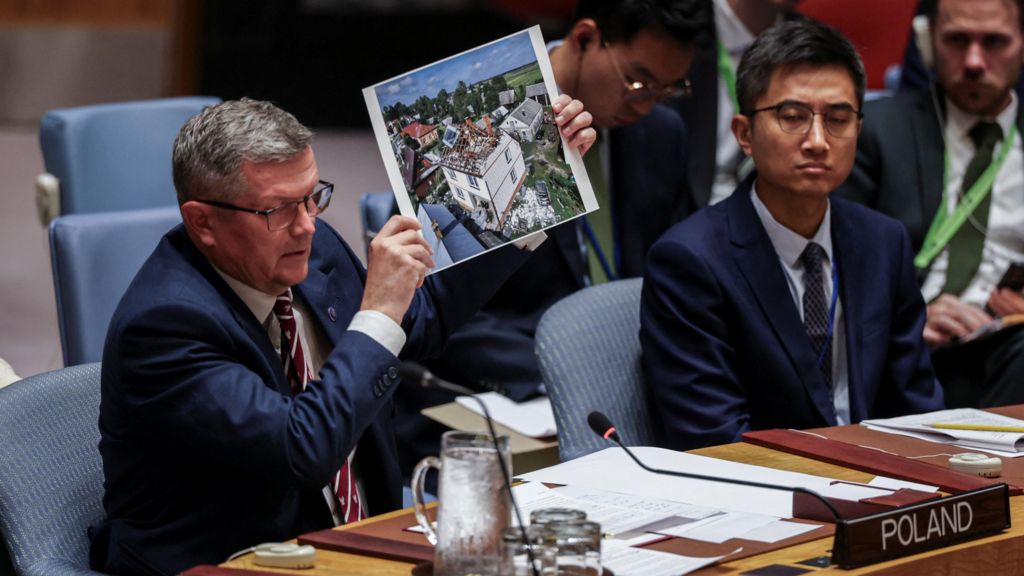
New Nato mission to bolster eastern flank after Russia drone incursion
In a dramatic escalation of tensions, Poland has accused Russia of a deliberate incursion after more than a dozen drones breached Polish airspace on Wednesday. The incident, described as the most serious of its kind since Russia’s full-scale invasion of Ukraine began in February 2022, has prompted a swift response from Nato allies. Denmark, France, and Germany have pledged military support, including fighter jets and warships, to strengthen the alliance’s eastern flank. Other Nato members are expected to follow suit in the coming days.
-
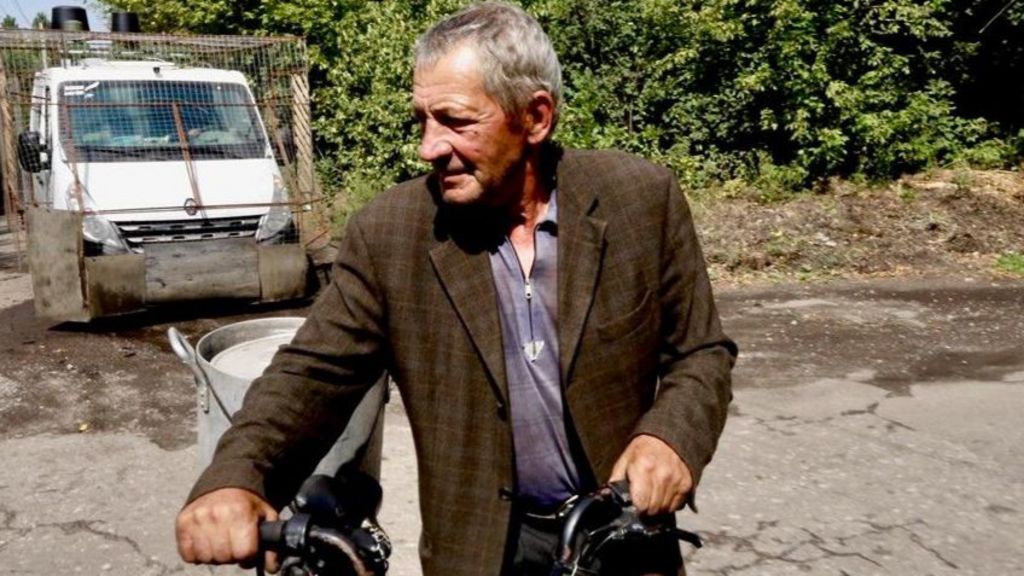
As Russian army inches closer, Ukrainians must decide to stay or go
In the war-torn town of Bilozerske, eastern Ukraine, the White Angels—a specialized police unit—embark on a perilous mission to evacuate civilians amidst relentless Russian drone attacks. The town, once home to 16,000 residents, now lies in ruins, with only an estimated 700 inhabitants remaining. The White Angels’ armored van, equipped with a steel cage and drone-jamming technology, offers scant protection against the ever-present threat of Russian drones. Despite the dangers, the team presses on, navigating shattered streets and burned-out homes to rescue those willing to leave.
-
What the NHS can learn from the European country that helped more people survive cancer
Denmark’s remarkable transformation in cancer care over the past 25 years has become a beacon of hope for healthcare systems worldwide, particularly for the UK’s National Health Service (NHS). In the late 1990s, Denmark’s cancer survival rates were alarmingly low, with patients often seeking treatment abroad due to inadequate domestic services. However, a bold and comprehensive strategy has since propelled Denmark to the forefront of cancer care, offering valuable insights for the NHS.
-

Could protests lead to Vuelta being abandoned?
The 2025 Vuelta a España, one of cycling’s most prestigious Grand Tours, has been marred by repeated disruptions caused by pro-Palestinian protesters, raising serious safety concerns for riders and organizers alike. The race, which is scheduled to conclude in Madrid this Sunday, has seen multiple stages shortened or altered due to protests, with one rider forced to abandon the competition after a crash caused by demonstrators running onto the course.
-
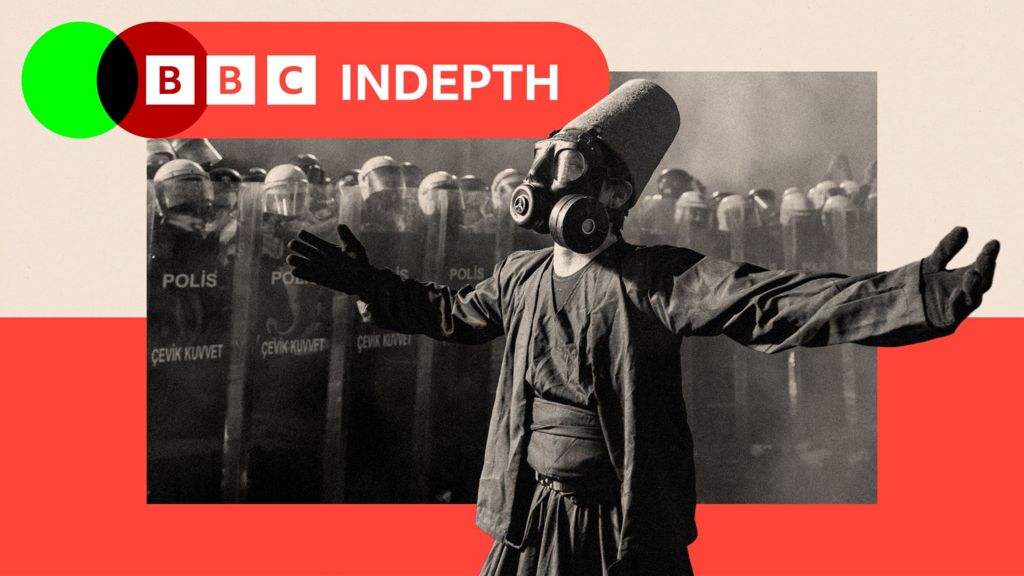
This ‘tough guy’ president says he’s tackling corruption. Rivals say he’s silencing opposition
On April 23, 2025, Istanbul was struck by a 6.2 magnitude earthquake, causing panic and injuries but no fatalities. Amid the chaos, Mayor Ekrem Imamoglu, a prominent opposition figure, was unable to assist his city. Instead, he was incarcerated in Silivri Prison, accused of corruption charges he vehemently denies. His supporters argue that his imprisonment is politically motivated, aimed at neutralizing his potential challenge to President Recep Tayyip Erdogan in the 2028 elections. Imamoglu’s arrest has sparked widespread protests, particularly among the youth, who view it as an assault on democracy. Erdogan’s government has responded with a heavy-handed crackdown, detaining over 2,000 protesters and journalists. Critics accuse Erdogan of transforming Turkey into an autocracy, leveraging his geopolitical influence to avoid international scrutiny. Despite the turmoil, Erdogan remains a dominant figure, with a loyal base that credits him for economic development and the promotion of Islam in a secular republic. However, the erosion of democratic principles under his leadership has raised concerns about the future of Turkish democracy.