
In a devastating escalation of hostilities, Russian drone and missile strikes early Friday inflicted significant damage across Ukraine, leaving at least 20 people wounded and causing widespread power outages. A child was tragically killed in separate attacks in the southeastern region, underscoring the grim toll of the ongoing conflict. In Kyiv, the Ukrainian capital, rescue teams worked tirelessly to evacuate over 20 individuals from a 17-story apartment building engulfed in flames, with five requiring hospitalization. Ukrainian President Volodymyr Zelenskyy condemned the attacks, accusing Moscow of targeting civilian infrastructure in retaliation for its battlefield setbacks. ‘They can show nothing on the battlefield. All they can do is attack our power sector and our cities,’ Zelenskyy stated. The strikes, described by Prime Minister Yuliia Svyrydenko as ‘one of the largest concentrated strikes’ against Ukraine’s energy infrastructure, disrupted power in Kyiv and multiple regions, including Sumy, Kharkiv, and Zaporizhzhia. Russia’s Defense Ministry claimed the attacks targeted energy facilities supplying Ukraine’s military, utilizing Kinzhal hypersonic missiles and strike drones. Meanwhile, Ukraine’s air force reported intercepting or jamming 405 drones and 15 missiles out of a barrage of 465 drones and 32 missiles. The relentless assault on Ukraine’s power grid, a recurring tactic by Russia ahead of winter, aims to undermine public morale. Zelenskyy, buoyed by recent diplomatic progress in the Middle East, called for enhanced international support, including advanced weaponry, to bolster Ukraine’s defenses and counter Russian aggression.
标签: Europe
欧洲
-

Venezuelan opposition leader María Corina Machado wins the Nobel Peace Prize
In a historic recognition of her unwavering commitment to democracy, Venezuelan opposition leader María Corina Machado was awarded the Nobel Peace Prize on Friday. The Norwegian Nobel Committee lauded Machado as a unifying figure in Venezuela’s deeply divided political landscape, praising her resilience in the face of authoritarianism and her dedication to peaceful resistance.
-
Woman in Dutch beach cold case named after 21 years
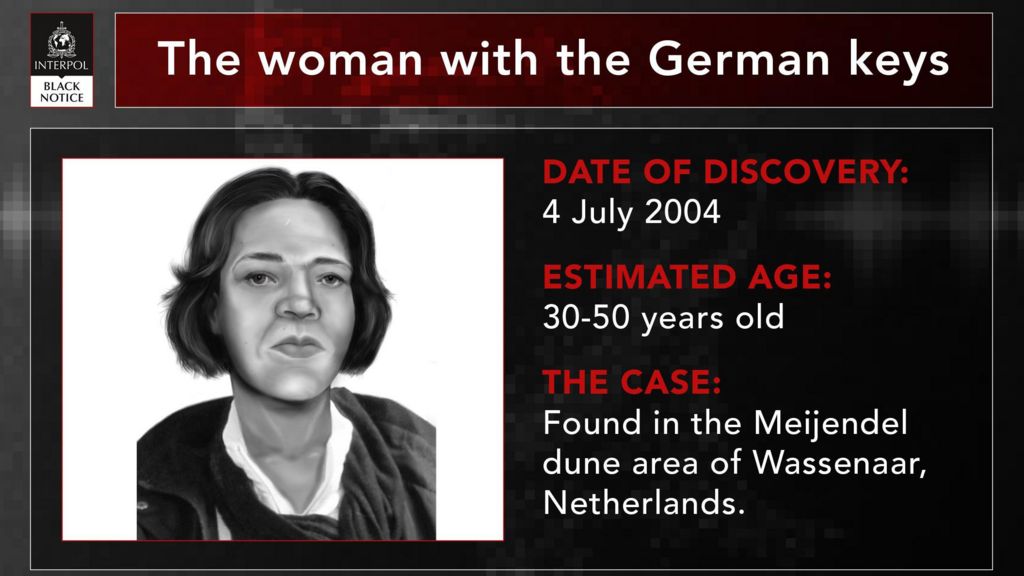
In a significant breakthrough for cold case investigations, the identity of a woman whose body was discovered on a Dutch beach in 2004 has finally been revealed. Eva Maria Pommer, a 35-year-old German citizen, has been named as the fourth individual identified through Interpol’s Operation Identify Me, an international initiative aimed at solving long-standing mysteries involving unidentified bodies. The identification came after a crucial tip-off to Dutch police, following a public appeal aired on German television. Despite the breakthrough, the cause of Pommer’s death remains unexplained, and investigations are ongoing. Known as ‘the woman with the German keys,’ Pommer’s body was found in sand dunes near Wassenaar in July 2004, with no obvious signs of injury or struggle. She was wearing distinctive clothing, including brown plaid leggings and red patent shoes, and carried a key linked to the German city of Bottrop. However, police were unable to trace the key to a specific address, leaving her identity a mystery for two decades. Operation Identify Me, launched in 2023, has utilized Interpol’s ‘black notices’ and global fingerprint sharing to shed light on unsolved cases across six European countries. The campaign has already identified three other women, including Rita Roberts, a British citizen murdered in Belgium in 1992, and Ainoha Izaga Ibieta Lima, a Paraguayan woman found dead in Spain in 2018. Interpol highlights the challenges posed by global migration and human trafficking, which complicate the identification of bodies found outside their countries of origin. The latest identification marks a milestone in international collaboration, offering closure to families and renewed hope for solving other cold cases.
-
The new AI arms race changing the war in Ukraine
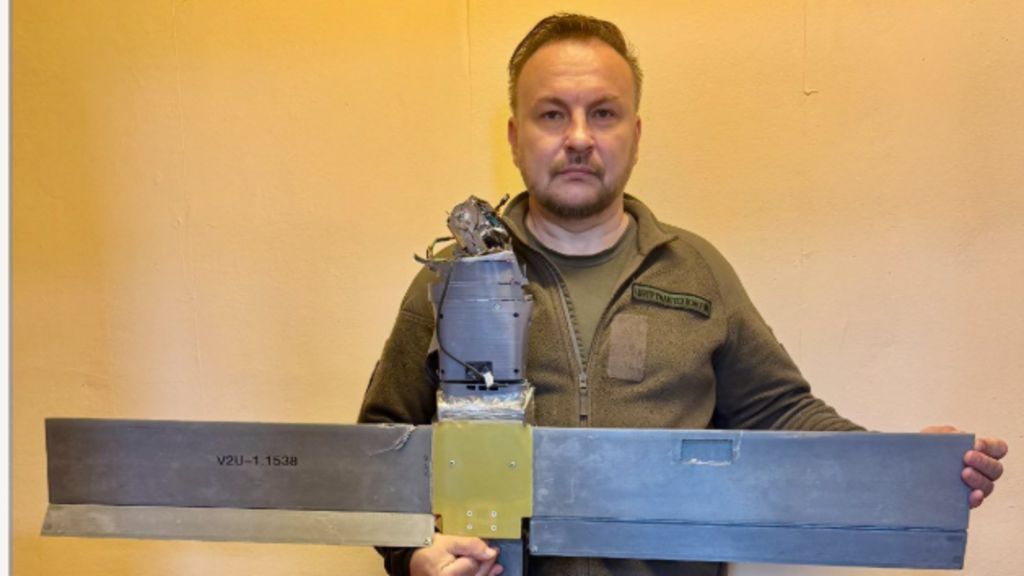
The ongoing conflict between Ukraine and Russia has entered a new phase with the deployment of advanced AI-powered drones, reshaping the dynamics of modern warfare. Serhiy Beskrestnov, a consultant for Ukrainian defense forces, recently intercepted a Russian drone equipped with artificial intelligence, capable of autonomously identifying and attacking targets. Unlike conventional drones, this AI-driven model operates without transmitting or receiving signals, making it immune to jamming techniques.
Both Russian and Ukrainian forces have been integrating AI into their military strategies, utilizing it for target identification, intelligence gathering, and de-mining operations. For Ukraine, AI has become a critical tool, processing over 50,000 video streams monthly from the front lines, as highlighted by Deputy Defense Minister Yuriy Myronenko. This technology enables rapid data analysis, target mapping, and strategic planning, ultimately enhancing operational efficiency and saving lives.
AI is also transforming unmanned weapons systems. Ukrainian troops now employ AI-based software that allows drones to autonomously lock onto targets and complete missions without human intervention. Yaroslav Azhnyuk, CEO of Ukrainian developer The Fourth Law, envisions a future where fully autonomous drones can execute missions with a simple smartphone command, eliminating the need for piloting skills.
However, the rise of AI in warfare raises significant ethical and operational concerns. Vadym, a developer at DevDroid, warns of the risks of friendly fire, as AI systems may struggle to distinguish between Ukrainian and Russian soldiers in similar uniforms. Additionally, there are fears that automated systems could violate international humanitarian laws by failing to protect civilians or recognize surrendering combatants.
Ukraine is also developing AI interceptor drones to counter Russian long-range attack drones like the Shaheds. While these systems promise greater precision and agility, their deployment remains cautious, with human oversight deemed essential for critical decisions. Ukrainian President Volodymyr Zelensky has called for global regulations on AI in weapons, likening the urgency to nuclear non-proliferation efforts.
As the conflict continues, the integration of AI in warfare underscores the need for international cooperation to address the ethical and strategic challenges posed by this rapidly evolving technology.
-
Has the clock stopped on Swiss US trade?
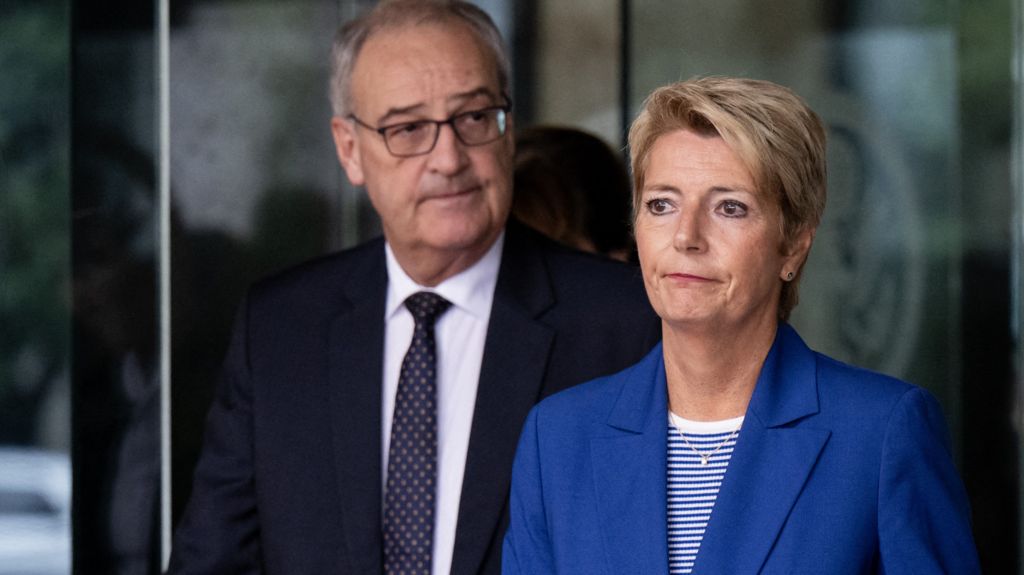
The Swiss economy, renowned for its competitiveness and innovation, faces unprecedented challenges as US-imposed tariffs of 39% on Swiss goods take a heavy toll. Despite Switzerland’s significant contributions to the US economy, including creating 400,000 jobs through investments, President Trump’s trade policies have left the Alpine nation grappling with economic setbacks. Swiss President Karin Keller-Sutter’s efforts to negotiate a reduction in tariffs have so far proven futile, leaving Swiss exporters in a precarious position. Approximately 17% of Swiss exports, valued at billions, are destined for the US market, making the tariffs a severe blow to key industries. While pharmaceuticals, Switzerland’s most lucrative export to the US, remain unaffected for now, the threat of a 100% tariff on imported medicines looms large. The medical technology sector, a global leader in precision engineering, is also at risk. Companies like MPS, which produce advanced medical devices, face immense pressure as the tariffs erode already slim profit margins. Swiss business leaders argue that the tariffs are not only unjustified but also counterproductive, potentially driving up costs for US patients and taxpayers. Despite the challenges, Switzerland is actively diversifying its trade partnerships, securing agreements with India, Mercosur, and China, while maintaining its strong ties with the EU. The long-term impact of the tariffs extends beyond economics, straining the historically robust business relations between Switzerland and the US. While Swiss entrepreneurs remain hopeful for a resolution, the current administration’s approach has left many disillusioned. As Switzerland navigates this trade storm, its resilience and adaptability will be put to the test.
-
Belgian police detain 3 over a suspected plot to attack politicians with a drone
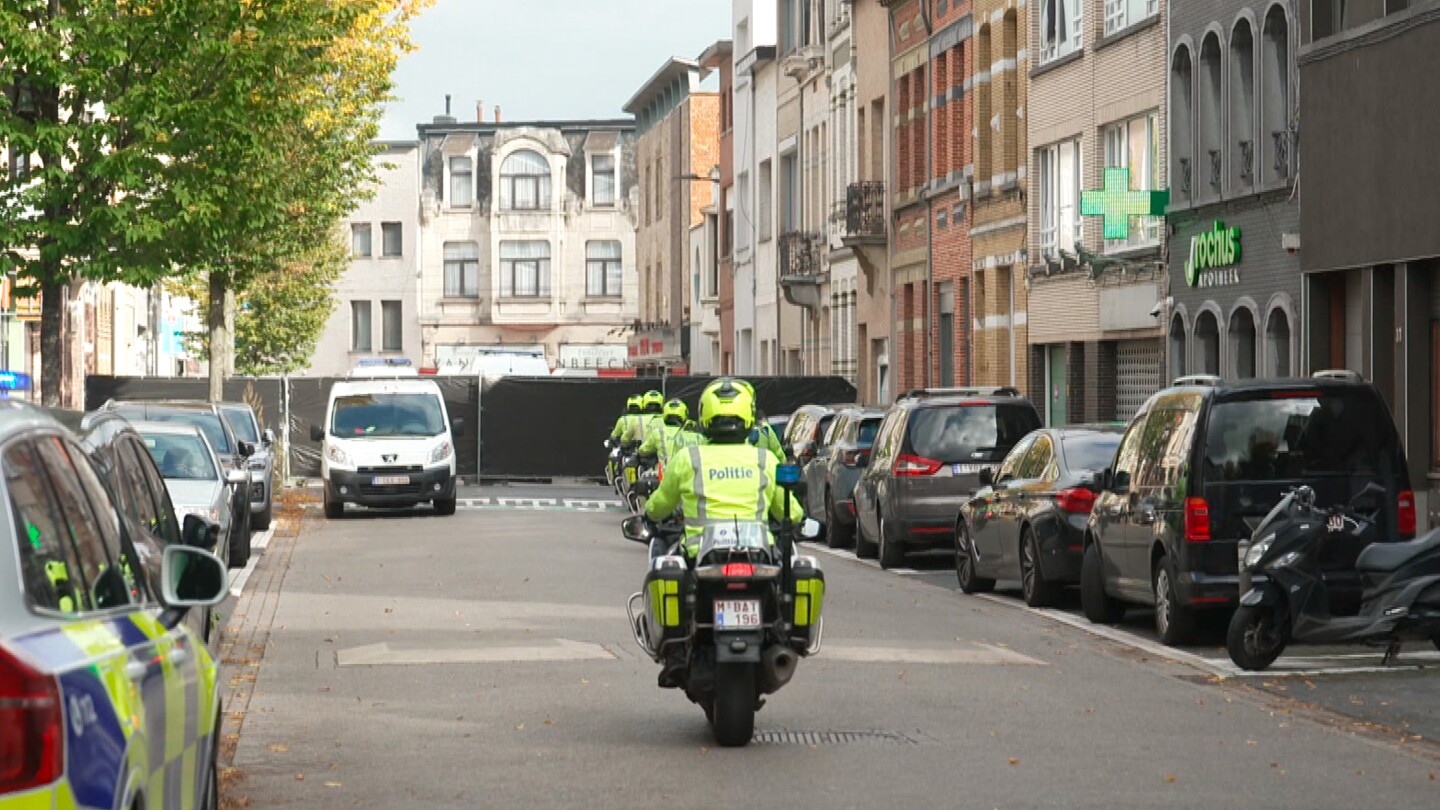
Belgian authorities have thwarted a suspected terrorist plot involving a drone carrying explosives, targeting prominent politicians including Prime Minister Bart De Wever. On Thursday, three individuals were detained following coordinated raids in Antwerp, led by an anti-terrorism judge and supported by explosives detection units. Federal prosecutors revealed that an improvised device, steel balls, and a 3D printer—believed to be used for constructing attack components—were discovered during the searches. Investigators indicated that the suspects intended to build a drone to deliver a payload, potentially inspired by jihadist ideologies. While the politicians targeted were not explicitly named, Belgian Foreign Minister Maxime Prevot confirmed the plot’s focus on Prime Minister De Wever, describing the incident as ‘deeply shocking.’ The suspects, described as young adults born in 2001, 2002, and 2007, were questioned, with two set to appear before a judge and the third released. This incident underscores Belgium’s ongoing struggle with terrorism, particularly the misuse of drones, as highlighted by recent suspicious drone activity near a military base. The Belgian justice system, already strained by a surge in terrorism investigations and drug-related crime, has called for increased government support to bolster security measures. The 2016 Brussels bombings, which claimed 32 lives, remain a stark reminder of the nation’s vulnerability to terrorist threats.
-

Eurovision has never been about politics, says BBC boss Tim Davie
The Eurovision Song Contest, renowned for its vibrant music and cultural celebration, is now embroiled in political controversy as debates intensify over Israel’s participation in the 2025 event. BBC Director General Tim Davie, addressing the UK Parliament’s Public Accounts Committee, emphasized that Eurovision ‘has never been about politics’ and should remain a unifying platform for music and culture. However, concerns over Israel’s actions in Gaza have prompted broadcasters from Ireland, the Netherlands, Slovenia, Iceland, and Spain to threaten a boycott if Israel is allowed to compete. Spain’s Culture Minister Ernest Urtasun echoed Prime Minister Pedro Sánchez’s earlier calls for Israel’s exclusion, citing accusations of genocide and imposing measures such as an arms embargo. Israel’s Foreign Minister Gideon Saar countered, labeling Sánchez’s administration as antisemitic and criticizing its rhetoric. The European Broadcasting Union (EBU), which oversees Eurovision, is set to make a final decision in December. The controversy mirrors the 2022 expulsion of Russia following its invasion of Ukraine, which the EBU justified as necessary to preserve the contest’s integrity. Meanwhile, Austria prepares to host next year’s event in Vienna, following Austrian singer JJ’s victory in 2024. Amidst the political tensions, Eurovision’s history of subtle political messaging continues, with past performances like Ukraine’s 2016 winning song ‘1944’ addressing historical injustices. As the EBU navigates this complex issue, the future of Eurovision as a non-political celebration hangs in the balance.
-

Irish rock band Kodaline to split after more than a decade
Irish rock band Kodaline, renowned for their heartfelt hits such as ‘All I Want’ and ‘High Hopes,’ has announced their decision to part ways after more than a decade together. The group, originally formed in Dublin under the name 21 Demands, adopted their current moniker in 2012, marking a significant shift in their musical direction. Their debut album under the new name, ‘In A Perfect World,’ released in 2013, soared to number three in the UK and number one in Ireland, cementing their place in the music industry. The band, consisting of Steve Garrigan, Vincent May, Mark Prendergast, and Jason Boland, continued their success with subsequent albums, including ‘Coming Up For Air’ (2015), ‘Politics Of Living’ (2018), and ‘One Day At A Time’ (2020), all of which topped the Irish album charts. Throughout their career, Kodaline graced major stages, including Glastonbury’s The Other Stage and the Reading and Leeds Festival, captivating audiences worldwide. In a heartfelt video shared on Instagram, the band expressed their gratitude to fans, stating, ‘From busking on the streets of Dublin to playing shows across the world, it really has been the stuff that dreams are made of.’ They announced plans to record a fifth and final album before bidding farewell, aiming to end their journey on a high note. ‘We want it to end on a high, so before we say goodbye, we’re heading into the studio one last time to record our fifth and final album as Kodaline,’ they shared. The band emphasized their eternal gratitude for the love and support they received, adding, ‘It’s been a journey that we’ll never forget, and we hope the music stays with you long after we’re gone.’
-
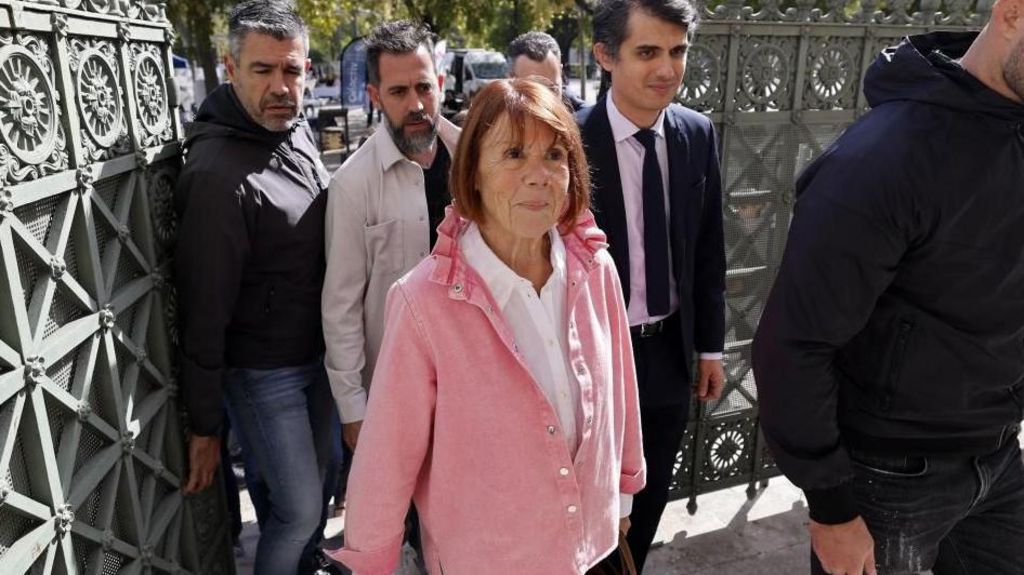
Man who appealed Pelicot rape conviction handed longer jail term
A court in Nîmes, southern France, has increased the prison sentence of Husamettin Dogan, the sole defendant who contested his conviction in a harrowing rape case involving Gisèle Pelicot, a 72-year-old retired grandmother. Dogan, 44, saw his original nine-year sentence extended to 10 years after the court dismissed his appeal. The case, which has shocked the nation, involved Pelicot being drugged and raped by dozens of men recruited by her ex-husband, Dominique Pelicot, over a decade. Despite video evidence presented in court showing Dogan assaulting an unconscious Pelicot, he maintained his innocence, claiming he was unaware she had been drugged. The court, however, rejected his defense, reinforcing the gravity of the crime. Last December, Dogan and 50 other men were convicted of aggravated rape, with 17 initially appealing before withdrawing their challenges. Dogan, a Turkish-born married father, was the only one to pursue his appeal, leading to a retrial judged by a jury of nine public members and three professional judges. Prosecutors had sought a 12-year sentence for Dogan, who argued he was a victim of Dominique Pelicot’s manipulation. The case highlights the extensive abuse Pelicot endured and the role of video evidence in securing convictions. This story is developing, with further updates expected.
-

Half a million bees killed in Dutch arson attack
A Dutch beekeeper, Harold Stringer, has expressed profound shock and sorrow after 10 of his beehives were deliberately set ablaze in Beatrixpark, Almere, resulting in the loss of approximately half a million bees. The incident, which occurred on Tuesday evening, has left the local community and environmental advocates deeply concerned. Stringer, who has been tending to bees for nearly a decade, described the act as ‘horrific,’ emphasizing that each hive housed a colony of 40,000 to 60,000 bees. Police in Almere, a city located east of Amsterdam, have launched an investigation and are appealing for witnesses. They shared images of the fire on social media, highlighting the severity of the arson attack. Authorities revealed that an accelerant was used to ignite the hives, which were placed on pallets in a wooded area of the park. Sadly, almost none of the bees survived. Stringer expressed skepticism about the perpetrator being caught but vowed to rebuild his bee colony from scratch. Fellow beekeeper Heleen Nieman offered to donate one of her three bee colonies to support him. The incident underscores the broader crisis facing bees in the Netherlands, where over half of the country’s 360 bee species are at risk of extinction due to declining populations worldwide.