标签: Europe

欧洲

  • Man given life sentence for murder of Dublin woman

    Man given life sentence for murder of Dublin woman

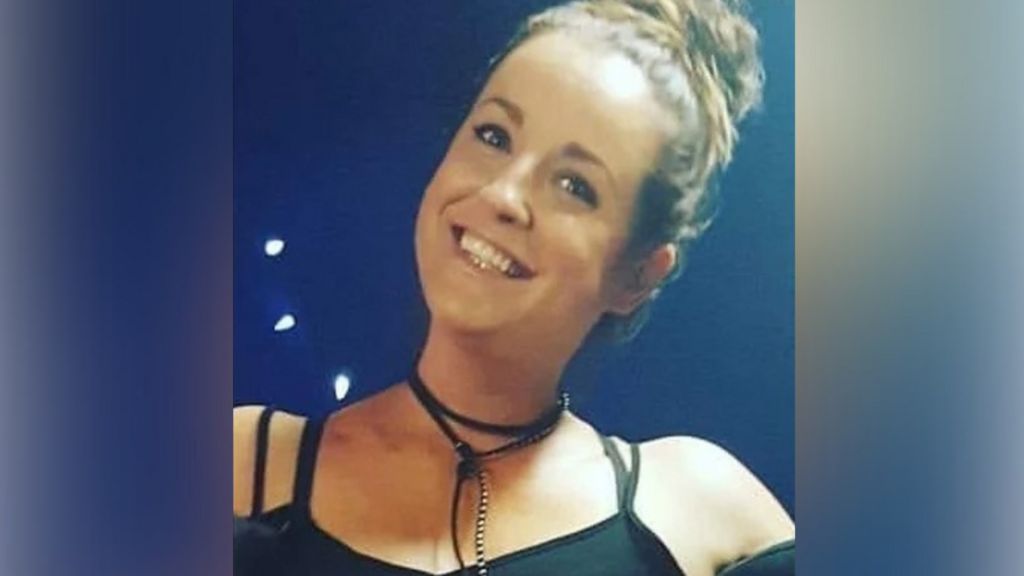
    A 56-year-old man, George Turner, has been sentenced to life imprisonment for the murder of Emma Costello McCrory, a 45-year-old mother-of-two, in north Dublin. Turner, from Fairview Avenue, pleaded guilty to the crime earlier this week. The tragic incident occurred on December 15, 2022, when McCrory was found dead in her home on Howth Road, Clontarf, following a house fire.

    Detective Gardaí revealed that Turner had been in a relationship with McCrory for approximately three months prior to the murder. On the day of the incident, Turner had been asked by McCrory to go to the shops to buy alcohol and withdraw money using her cash card. After visiting a bookmaker’s, Turner returned to the house. He later claimed to have seen smoke emanating from the building and knocked on neighbors’ doors for assistance. However, prosecutors argued that Turner had set the fire after his return and only drew attention to it when smoke became visible. Notably, Turner did not use his phone to call emergency services.

    McCrory’s body was discovered in an upstairs bedroom, and efforts to resuscitate her at the scene were unsuccessful. A post-mortem examination confirmed her death was caused by inhaling carbon monoxide and other toxic gases released during the fire. Traces of alcohol and prescription drugs were found in her blood, which would have rendered her vulnerable and sleepy when the fire started. Fire services found no evidence of an accelerant and determined the fire originated at the foot of her bed.

    Initially, Turner speculated that a cigarette might have caused the fire. However, in March 2023, he confessed to an acquaintance that he had ‘burnt Emma’ and set a blanket on fire ‘to take her out of her pain.’ He later admitted to Gardaí that he had ignited McCrory’s bedclothes and left as they began to smolder. Turner claimed McCrory had no quality of life and did not want to live, though he insisted he had not intended to kill her. Shockingly, Turner continued to use McCrory’s cash card for personal expenses for up to 10 days after her death.

    Turner, who has 42 prior convictions, mostly for public order and road traffic offenses, had previously been jailed for four years in 2016 for possessing firearms and ammunition under suspicious circumstances, as well as drug-related offenses. McCrory’s mother, Pauline Costello, expressed her heartbreak in court, describing her daughter as a ‘wonderful woman’ and ‘a very caring individual.’ She revealed that McCrory had battled cancer while studying for her degree in England at the age of 19 but had recovered and built a life for herself. Costello emphasized her daughter’s vulnerability when she met Turner.

    Turner’s defense lawyer highlighted his client’s remorse and unprompted confessions in March 2023, leading to his guilty plea. Ms. Justice Eileen Creedon extended her sympathies to McCrory’s family, stating that her death occurred in ‘needless and tragic circumstances.’

  • Man admits murdering daughter, eight, in home

    Man admits murdering daughter, eight, in home

    In a harrowing case that has shocked the community of County Wexford, 35-year-old Mohammed Al Shaker Al Tamimi has pleaded guilty to the murder of his eight-year-old daughter, Malika Noor Al Kattib, and the attempted murder of her mother, Aisha Noor Al Kattib. The tragic incident occurred on December 1, 2024, at their residence in New Ross, where Malika succumbed to fatal stab wounds, while her mother sustained non-life-threatening injuries. Al Tamimi, residing at Lower William Street, New Ross, was remanded in custody and is scheduled for sentencing on December 15. During the proceedings at Gorey District Court, prosecuting counsel Anne Rowland informed Mr. Justice Paul McDermot that Aisha Noor Al Kattib would be prepared to deliver a victim impact statement on the sentencing date. Rowland noted that the victim was still grappling with the emotional toll of the ordeal, despite the court’s readiness to expedite the hearing. Defence counsel Michael Bowman emphasized the necessity of continued medical attention for Al Tamimi while in custody. Al Tamimi, who responded with a guilty plea to each charge, now faces a mandatory life sentence in prison.

  • Dutch far-right politician Wilders fears he may have been a target of Belgian attack plotters

    Dutch far-right politician Wilders fears he may have been a target of Belgian attack plotters

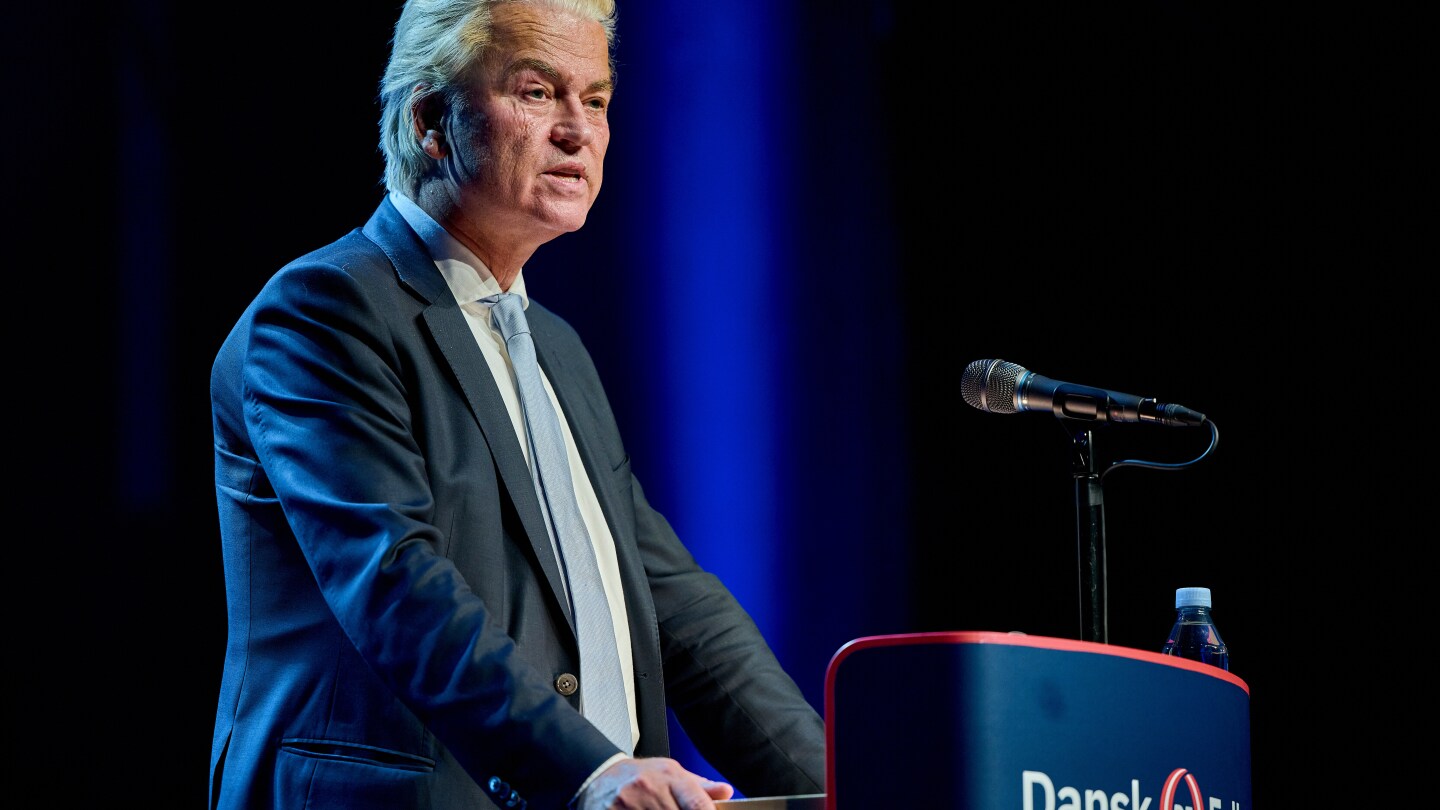
    Dutch far-right politician Geert Wilders announced on Friday that he is temporarily halting his campaign for the upcoming national elections following reports of a suspected terror plot targeting politicians in Belgium. The plot allegedly involved the use of a drone equipped with explosives. Three men were arrested in Antwerp on Thursday after police raids uncovered a homemade bomb, steel balls, and a 3D printer believed to be used for constructing drone parts. Prosecutors described the investigation as focused on “attempted terrorist murder and participation in the activities of a terrorist group.” While specific targets were not officially named, Belgian government ministers indicated that Prime Minister Bart De Wever and Antwerp Mayor Els van Doesburg were among those on the hit list. Wilders, a vocal critic of Islam, confirmed via social media that he was also a potential target. He stated that Dutch counterterrorism authorities did not perceive an immediate threat but expressed personal unease, prompting his decision to suspend campaign activities. Dutch Justice Minister Foort van Oosten assured that measures were being taken to ensure Wilders’ safety and ability to resume campaigning. Wilders’ Party for Freedom is currently leading in polls ahead of the October 29 election, which was triggered by his withdrawal from the ruling coalition over migration policy disputes. Belgian prosecutors linked the plot to a “jihadi-inspired terrorist attack,” though details remain scarce. One suspect has been released, while the other two await formal charges.

  • Kosovo lawmakers break 8-month deadlock with election of an ethnic Serb to the leadership team

    Kosovo lawmakers break 8-month deadlock with election of an ethnic Serb to the leadership team

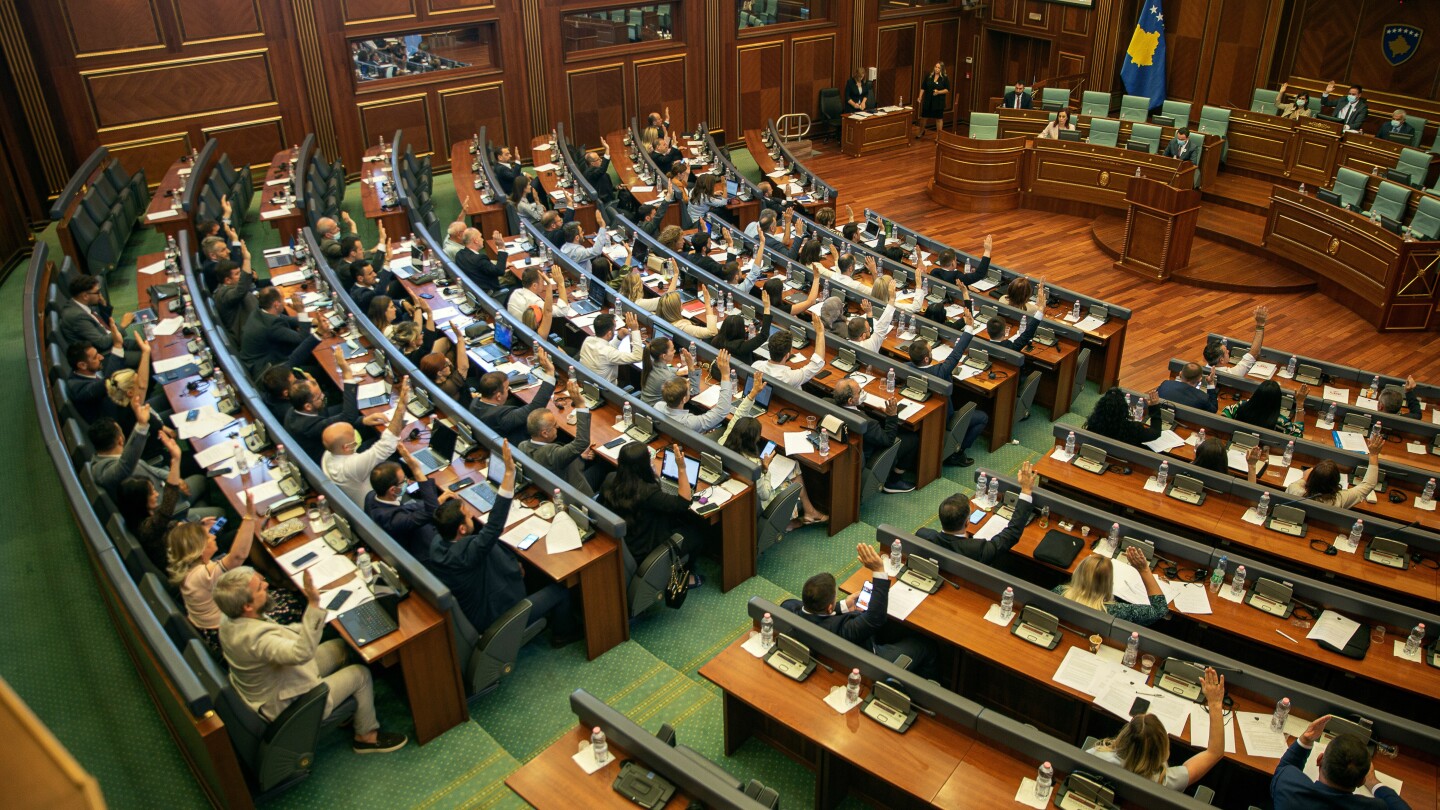
    In a significant development, Kosovo’s Parliament resolved an eight-month political impasse on Friday by electing its full leadership, including a representative from the ethnic Serb minority. This crucial step paves the way for the formation of a new government. While the Parliament had already chosen its top officials in August, including a speaker from the left-wing Self-Determination Movement (Vetevendosje!), it had previously failed to elect a Serb minority representative, a constitutional requirement. Nenad Rasic, from the small ethnic Serb party For Freedom, Justice and Survival, was elected as deputy speaker with 71 votes in favor. However, all nine lawmakers from the main Serb party, Srpska Lista, voted against, and 24 members from two smaller right-wing ethnic Albanian parties abstained. Srpska Lista, which holds nine of the ten seats reserved for the Serb minority, is closely aligned with Serbian President Aleksandar Vucic and his government in Belgrade. Many Kosovo Albanians view this relationship as a potential catalyst for ethnic tensions. The breakthrough came after a Constitutional Court ruling on Wednesday, which urged lawmakers to resolve the stalemate within 12 days. The prolonged deadlock began after inconclusive elections on February 9, where Vetevendosje!, led by acting Prime Minister Albin Kurti, won 48 out of 120 seats, falling short of the 61 needed to govern alone. Kurti, as the leader of the largest party, now has 15 days to form a Cabinet, which must then gain parliamentary approval. If he fails twice, Kosovo could face early elections. A new government is urgently needed to address economic challenges and restart EU-facilitated talks on normalizing relations with Serbia. Kosovo also faces municipal elections on October 12. The 1998-1999 Kosovo War, which claimed around 11,400 lives, mostly ethnic Albanians, ended with a 78-day NATO air campaign that forced Serbian forces out. Kosovo declared independence from Serbia in 2008, but its statehood remains unrecognized by Serbia, Russia, and China, keeping it a focal point of regional tensions.

  • A list of this year’s Nobel Prize winners so far

    A list of this year’s Nobel Prize winners so far

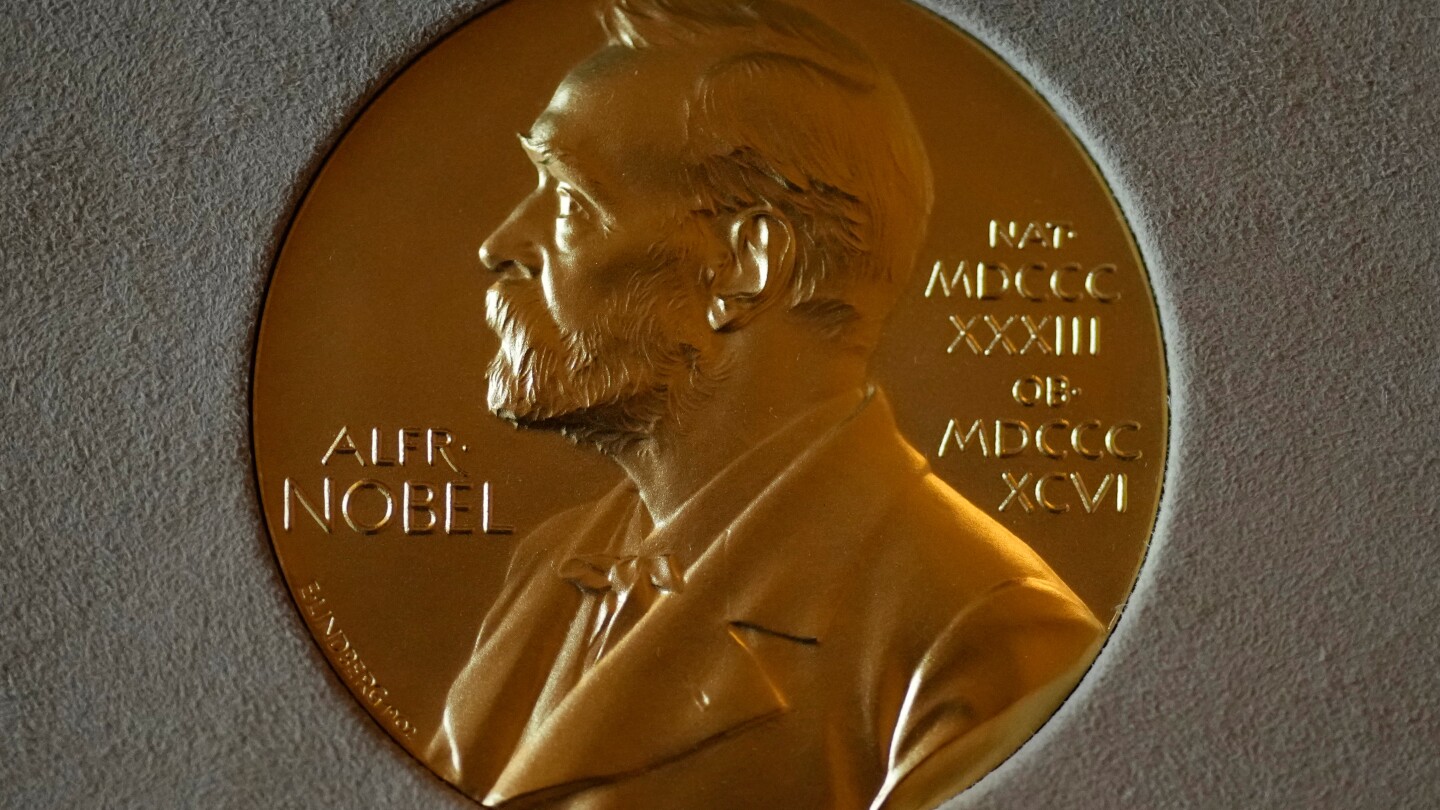
    The Nobel Prize announcements for 2023 reached their climax on Friday with the awarding of the Nobel Peace Prize to Venezuelan opposition leader María Corina Machado. This marked the conclusion of a week filled with prestigious recognitions across various fields, leaving only the economics prize, which will be announced on Monday. The peace prize is uniquely awarded in Oslo, Norway, while the other categories are celebrated in Stockholm, Sweden. The official award ceremony is scheduled for December 10, commemorating the death of Alfred Nobel, the founder of the prizes.

    This year’s Nobel laureates have made groundbreaking contributions to their respective fields. On October 6, the Nobel Prize in Medicine was awarded to Mary E. Brunkow, Fred Ramsdell, and Dr. Shimon Sakaguchi for their pioneering research on regulatory T cells, a discovery that has advanced the understanding and treatment of autoimmune diseases like Type 1 diabetes and lupus. Their work has also paved the way for improved organ transplant success and cancer therapies.

    On October 7, the Nobel Prize in Physics honored John Clarke, Michel H. Devoret, and John M. Martinis for their exploration of quantum tunneling, a phenomenon that has enabled ultrasensitive measurements in MRI machines and laid the foundation for faster computing and advanced technology.

    The Nobel Prize in Chemistry, awarded on October 8, recognized Susumu Kitagawa, Richard Robson, and Omar M. Yaghi for their development of molecular structures capable of trapping gases. Their work holds promise for addressing global challenges, such as reducing greenhouse gases and harvesting moisture in arid environments.

    In literature, Hungarian writer László Krasznahorkai was awarded the Nobel Prize on October 9 for his surreal and anarchic novels, which the judges praised for their artistic power amidst ‘apocalyptic terror.’ Krasznahorkai, a vocal critic of Hungarian Prime Minister Viktor Orbán, has authored over 20 books, including ‘The Melancholy of Resistance’ and ‘Baron Wenckheim’s Homecoming.’

    The week concluded with the Nobel Peace Prize being awarded to María Corina Machado, a unifying figure in Venezuela’s opposition movement. Machado, who was disqualified from last year’s presidential election, has faced significant repression from Nicolás Maduro’s government. Her current whereabouts remain unknown, raising questions about her attendance at the December ceremony. Machado is the 20th woman to receive the Nobel Peace Prize, joining 112 individuals honored in this category.

  • Fear and vigilance rise as attacks on houses of worship intensify worldwide

    Fear and vigilance rise as attacks on houses of worship intensify worldwide

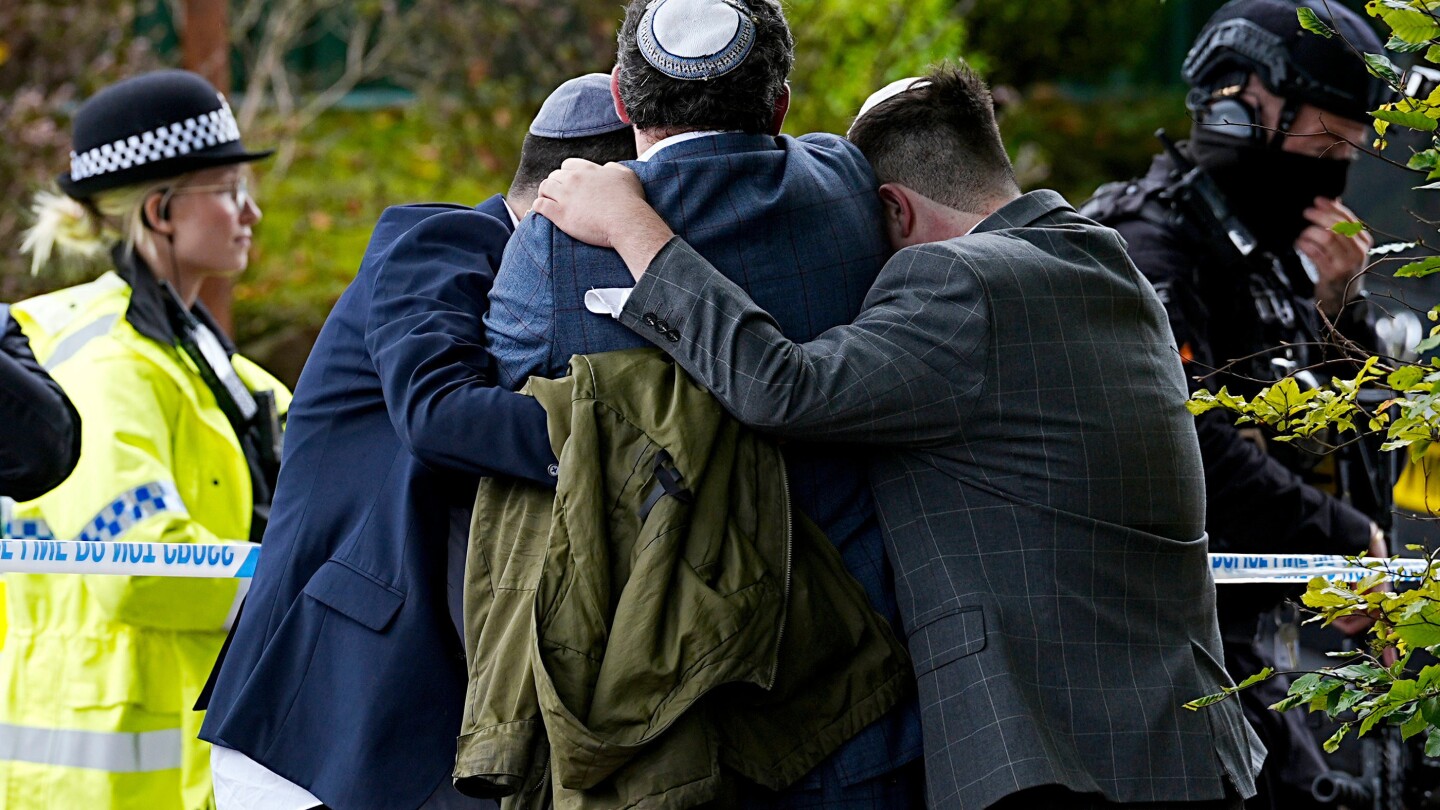
    In recent years, places of worship worldwide have become targets of violent attacks, shattering the sanctity and safety these spaces traditionally provide. From synagogues in England and the U.S. to mosques in New Zealand and Sikh temples in Wisconsin, these incidents have left communities grappling with fear and anxiety. The October 2 attack on a Manchester synagogue, allegedly carried out by an Islamic State sympathizer, resulted in two deaths, followed by a suspected arson attack on a mosque in an English coastal town. These events have intensified concerns among clergy and worshippers globally. Security measures have been heightened, with synagogues in Germany surrounded by barriers and armed police, while U.S. houses of worship employ layered security strategies, including guards, cameras, and access control systems. Despite these efforts, the question remains: Can believers feel safe continuing to worship together? Religious leaders emphasize the need for balanced security measures that do not compromise the welcoming nature of these spaces. In the U.S., the Nonprofit Security Grant Program aids in funding security upgrades, while in Britain, Prime Minister Keir Starmer has pledged increased police presence at synagogues. However, addressing the root causes of hate speech and incitement is equally critical. As attacks on places of worship continue to rise, communities worldwide are calling for both immediate security enhancements and long-term solutions to combat the underlying hatred fueling these acts of violence.

  • Suspected plot to attack Belgian PM foiled

    Suspected plot to attack Belgian PM foiled

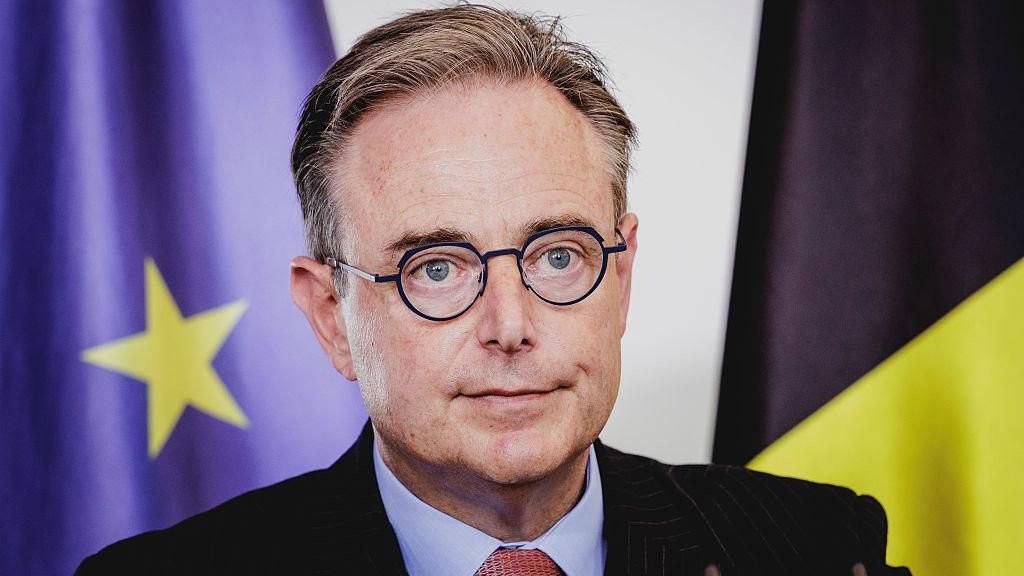
    Belgian authorities have thwarted a potentially devastating terrorist plot targeting Prime Minister Bart de Wever and other high-profile politicians. Three individuals, aged between 16 and 22, were arrested in Antwerp on suspicion of planning a jihadist-inspired attack. During searches near the prime minister’s private residence in Deurne, investigators uncovered an improvised explosive device (IED), a bag of steel balls, and a 3D printer, with evidence suggesting the suspects intended to use a drone to deliver an explosive payload. Deputy Prime Minister Maxime Prevot confirmed de Wever was among the intended targets, calling the plot ‘extremely shocking’ and a stark reminder of the persistent terrorist threat. One suspect has been released, while the other two remain in custody and are expected to face court proceedings. Federal prosecutor Ann Fransen revealed that Belgium has seen a significant rise in terrorism investigations this year, with 80 cases already opened, surpassing the total for 2024. This incident follows a 2023 plot against de Wever, which resulted in five convictions earlier this year.

  • Trump’s quest for the Nobel Peace Prize falls short again despite high-profile nominations

    Trump’s quest for the Nobel Peace Prize falls short again despite high-profile nominations

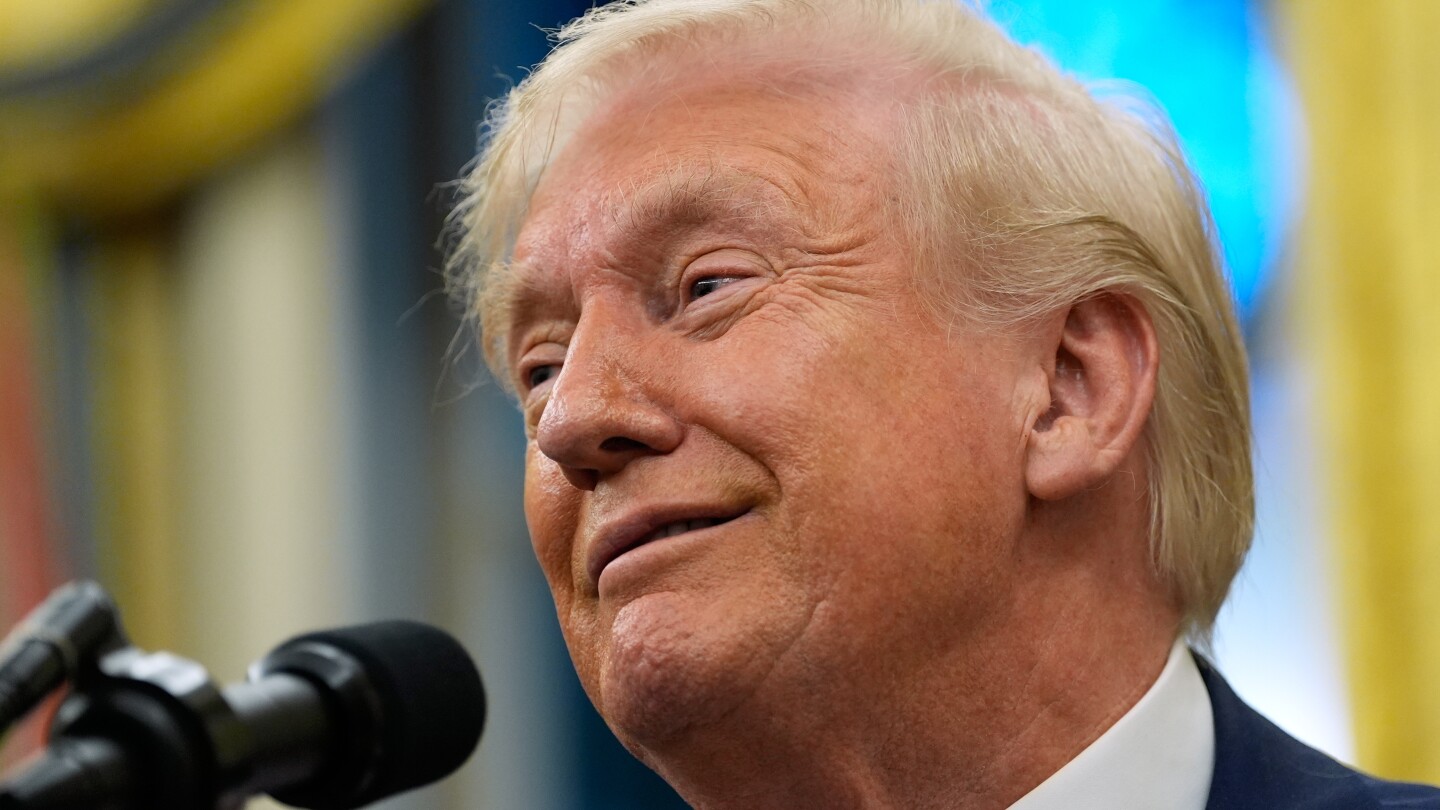
    In a turn of events that left President Donald Trump empty-handed, the Nobel Peace Prize for 2024 was awarded to Venezuelan opposition leader María Corina Machado. Despite fervent lobbying from Trump’s Republican allies, world leaders, and even the president himself, the Norwegian Nobel Committee chose to recognize Machado for her relentless efforts to promote democratic rights in Venezuela and her struggle for a peaceful transition from dictatorship to democracy. Machado, in a gracious gesture, dedicated her win to Trump, acknowledging his support for her cause. Her campaign manager confirmed that Trump congratulated her in a phone call shortly after the announcement. At the White House, Trump expressed a mix of disappointment and pride, recounting how Machado had honored him during her acceptance speech. He also suggested that the award might have been intended for 2024 achievements, hinting at his ongoing political ambitions. The White House, however, initially struck a sour note, with Communications Director Steven Cheung accusing the Nobel Committee of prioritizing politics over peace, particularly in light of the recent Gaza ceasefire deal brokered by the Trump administration. Trump’s long-standing desire for the Nobel Peace Prize has been a recurring theme throughout his presidency, with his supporters citing his role in brokering the Abraham Accords and other diplomatic efforts. Yet, the committee’s decision underscores the complex and often contentious nature of global peace initiatives. The Nobel Peace Prize, established in 1901 to honor those who advance fraternity among nations and promote peace, has been awarded to three sitting U.S. presidents in the past. Trump’s detractors argue that his nominations are often politically motivated, aimed at currying favor rather than recognizing genuine contributions to peace. Meanwhile, global reactions to the decision have been mixed, with some leaders, including Israeli Prime Minister Benjamin Netanyahu and Belarusian President Alexander Lukashenko, voicing their support for Trump. Russian President Vladimir Putin, while refraining from direct judgment, praised the Gaza ceasefire deal and criticized past Nobel Committee decisions. As Trump continues to push for peaceful resolutions to conflicts abroad, his domestic policies remain deeply divisive, reflecting the broader political polarization in the United States.

  • France’s Macron asks newly resigned Prime Minister Lecornu to try again to form a government

    France’s Macron asks newly resigned Prime Minister Lecornu to try again to form a government

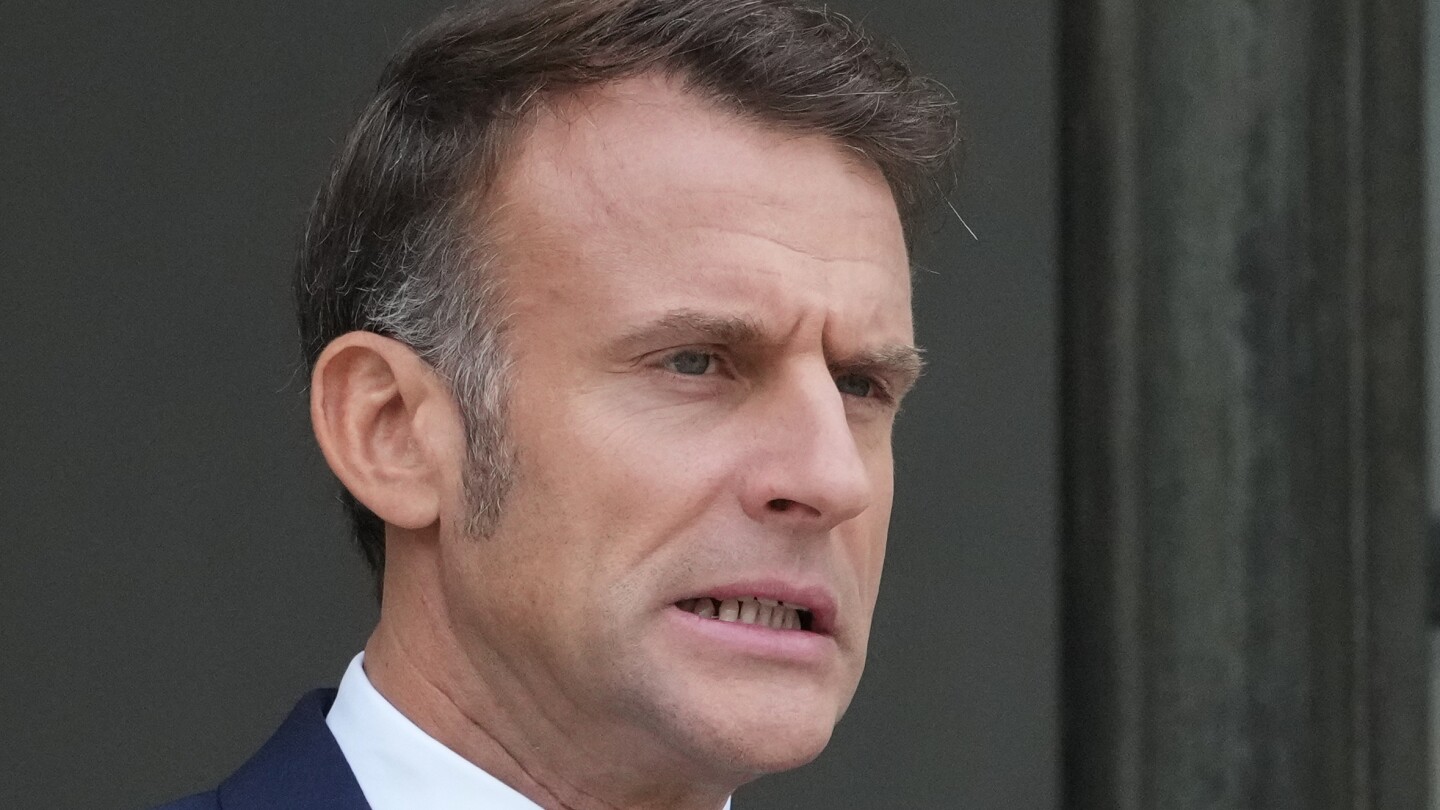
    French President Emmanuel Macron has reappointed Sebastien Lecornu as prime minister, just days after his resignation, in a desperate attempt to resolve the country’s political gridlock and address its mounting economic challenges. Lecornu’s reappointment follows intense negotiations and comes amid growing concerns over France’s economic stability and ballooning public debt, which has alarmed both domestic and European Union stakeholders. Macron’s decision is widely viewed as a last-ditch effort to salvage his second term, which has been marred by political infighting and a lack of parliamentary majority. Lecornu, who resigned earlier this week after his newly formed Cabinet faced opposition from key coalition partners, has been tasked with forming a government and delivering a budget by year-end. In a statement, Lecornu emphasized his commitment to addressing France’s economic woes and restoring political stability. However, his reappointment has drawn skepticism from opposition leaders, who argue that Macron’s centrist approach lacks the necessary support to govern effectively. The political crisis stems from Macron’s decision to dissolve the National Assembly in June 2024, which resulted in a hung parliament and paralyzed legislative progress. With France’s public debt reaching 114% of GDP and poverty rates hitting a record high, the stakes for Lecornu’s success are immense. Investors and EU officials are closely monitoring the situation, as France’s instability threatens to undermine its economic recovery and EU fiscal rules.

  • Major Russian strikes cut power across Kyiv

    Major Russian strikes cut power across Kyiv

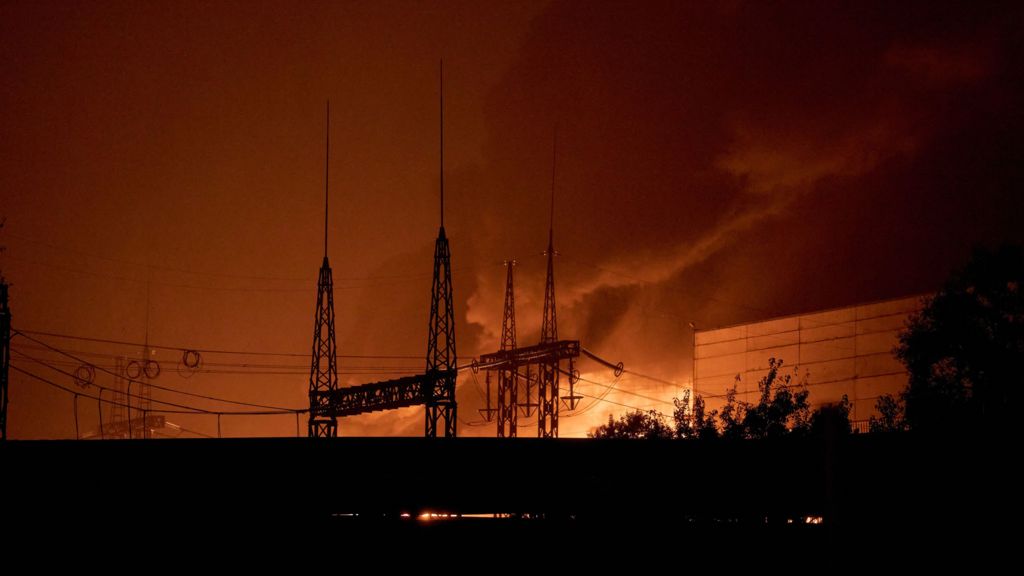
    In a significant escalation of hostilities, Russian missile and drone strikes have targeted Ukraine’s energy facilities, leading to widespread power outages and civilian casualties. Overnight attacks in Kyiv left nine people injured, with five requiring hospitalization, according to Mayor Vitali Klitschko. Residents in eastern districts faced prolonged darkness and disruptions to water supplies. Meanwhile, in the Zaporizhzhia region, a seven-year-old child was killed, and three others were injured in a separate drone strike. Regional head Ivan Fedorov reported intense attacks in the area, which has been under Russian control for some time. Ukrainian President Volodymyr Zelensky accused Moscow of deliberately targeting the country’s energy grid to create chaos and exert psychological pressure. Energy Minister Svitlana Hrynchuk confirmed that repair crews are working to restore power after a ‘massive strike’ on facilities nationwide. The attacks have also damaged apartment buildings, with images released by Ukraine’s state emergency services showing firefighters battling blazes at a 10-story structure. The entire country remains on high alert for hypersonic Kinzhal missile strikes, which are harder to detect. Zelensky warned that Russia’s strategy aims to dismantle Ukraine’s energy infrastructure, with gas facilities already disrupted. Authorities and energy workers are preparing for further assaults as the conflict intensifies.