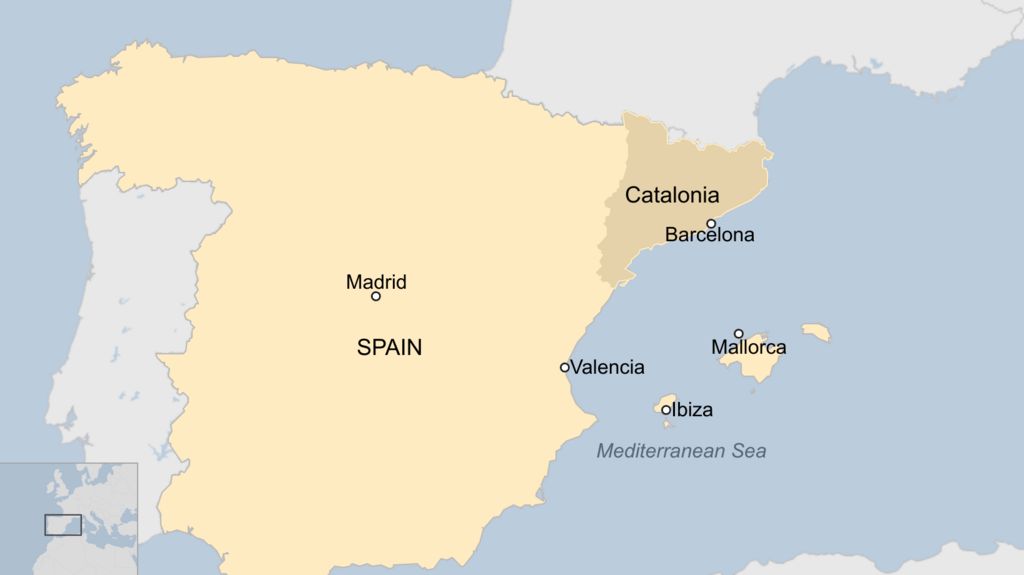
Torrential rains have unleashed devastating floods in Spain’s north-eastern Catalonia region, leaving numerous individuals stranded in their vehicles, according to officials. Dramatic footage circulating on social media depicts muddy torrents surging through the towns of La Ràpita and Santa Bàrbara in Tarragona province, sweeping away everything in their path. Spain’s national weather agency, AEMET, has issued a red alert—the highest level of warning—for the coastal province. Fortunately, there have been no reports of fatalities or injuries thus far. Catalonia’s Civil Protection agency has advised residents in Tarragona’s Ebro Delta to remain indoors, as AEMET predicts up to 180mm (7 inches) of rainfall within a 12-hour period. ‘The situation is complex, and additional rainfall is expected,’ stated Cristina Vicente, a senior official at the agency, in an interview with La Vanguardia newspaper. The severe weather has disrupted train services along the Mediterranean Corridor, with departures from Barcelona and Valencia suspended indefinitely. This flooding follows days of heavy rains and inundation in several south-eastern Spanish regions, including the Balearic Islands. The extreme conditions are attributed to Storm Alice, which has been active in the western Mediterranean.
标签: Europe
欧洲
-
France’s newly re-appointed prime minister names new Cabinet in bid to quell political turmoil
In a bid to stabilize France’s political landscape, Prime Minister Sebastien Lecornu unveiled a new government on Sunday. The reshuffle comes as Lecornu faces mounting pressure to address pressing issues, including crafting a viable budget and restoring confidence among businesses and investors. The Cabinet features a mix of seasoned politicians from President Emmanuel Macron’s centrist alliance and conservative allies, alongside fresh faces from outside the political arena. However, the longevity of this administration remains uncertain, given Macron’s lack of a parliamentary majority and calls from opposition leaders for new elections or his resignation. Lecornu, a 39-year-old centrist and Macron confidant, must navigate a deeply divided National Assembly, where far-right, centrist, and left-wing factions vie for influence. Key appointments include Catherine Vautrin as Defense Minister, tasked with managing France’s military support for Ukraine and addressing European security threats posed by Russia. Paris Police Chief Laurent Nunez, who secured the 2024 Olympics, steps into the role of Interior Minister, while Roland Lescure takes on the critical Finance Ministry portfolio amid concerns over rising debt and poverty. Foreign Minister Jean-Noel Barrot retains his position, accompanying Macron to Egypt for an international ceremony marking the Gaza ceasefire.
-

Presidential candidate calls for Irish unity preparation
In a heated presidential debate broadcast by RTÉ, the two candidates vying for the Irish presidency, Catherine Connolly and Heather Humphreys, addressed critical issues such as Irish unity, neutrality, and foreign policy. Connolly, backed by a coalition of left-leaning parties including Sinn Féin, urged the Irish government to prepare for a united Ireland, citing the Good Friday Agreement and Article 3 of the Irish Constitution as foundational frameworks. She emphasized the need for a green paper and cross-party collaboration to outline steps toward unity, lamenting the lack of progress thus far. Connolly also pledged to make her first presidential visit to Northern Ireland if elected. Humphreys, representing the Fine Gael party, stressed the importance of building trust across communities in Northern Ireland, drawing on her personal experiences and relationships across the border. She highlighted the persistent divisions despite the peace process and expressed her commitment to fostering dialogue and understanding. The debate also saw the candidates clash over the government’s proposal to remove the ‘triple lock’ mechanism, which currently requires UN approval, government decision, and parliamentary vote for deploying Irish troops abroad. Connolly argued for a referendum to protect Ireland’s neutrality, while Humphreys supported the government’s stance, questioning the need for foreign powers to veto Irish peacekeeping missions. Both candidates reaffirmed their commitment to Ireland’s neutrality, though they differed on the specifics of its implementation.
-
Portugal holds municipal elections with attention on Lisbon after streetcar crash
LISBON, Portugal — Voters in Portugal headed to the polls on Sunday for local elections, with the mayoral race in Lisbon drawing significant attention following a tragic streetcar accident last month. The contest pits incumbent Mayor Carlos Moedas, leading a right-of-center coalition, against left-of-center candidate Alexandra Leitão, a law professor, for a four-year term. The September 3 crash, which claimed 16 lives—including 11 tourists—sparked public outrage, though Moedas has denied responsibility and declined to resign. The streetcar service, operated by Carris, falls under the oversight of the Lisbon City Council. However, many voters emphasized that their decisions were shaped more by pressing urban issues such as housing affordability, waste management, and the strain of tourism on the city’s infrastructure. José Rosa, a 72-year-old resident, lamented the chaotic traffic and garbage accumulation, stressing the need for proactive governance. Sandra Almeida, another voter, highlighted the housing crisis, stating that locals are being priced out of their own city. While the streetcar crash remains under investigation, with officials probing potential maintenance failures, Moedas has dismissed any political accountability, calling it a mechanical issue. Despite the tragedy, some voters, like Ana Btelho, saw the incident as a reflection of poor leadership. Moedas, a rising star in Portugal’s center-right Social Democratic Party, is seen as a potential future prime minister, with his tenure as mayor often viewed as a steppingstone to higher office.
-
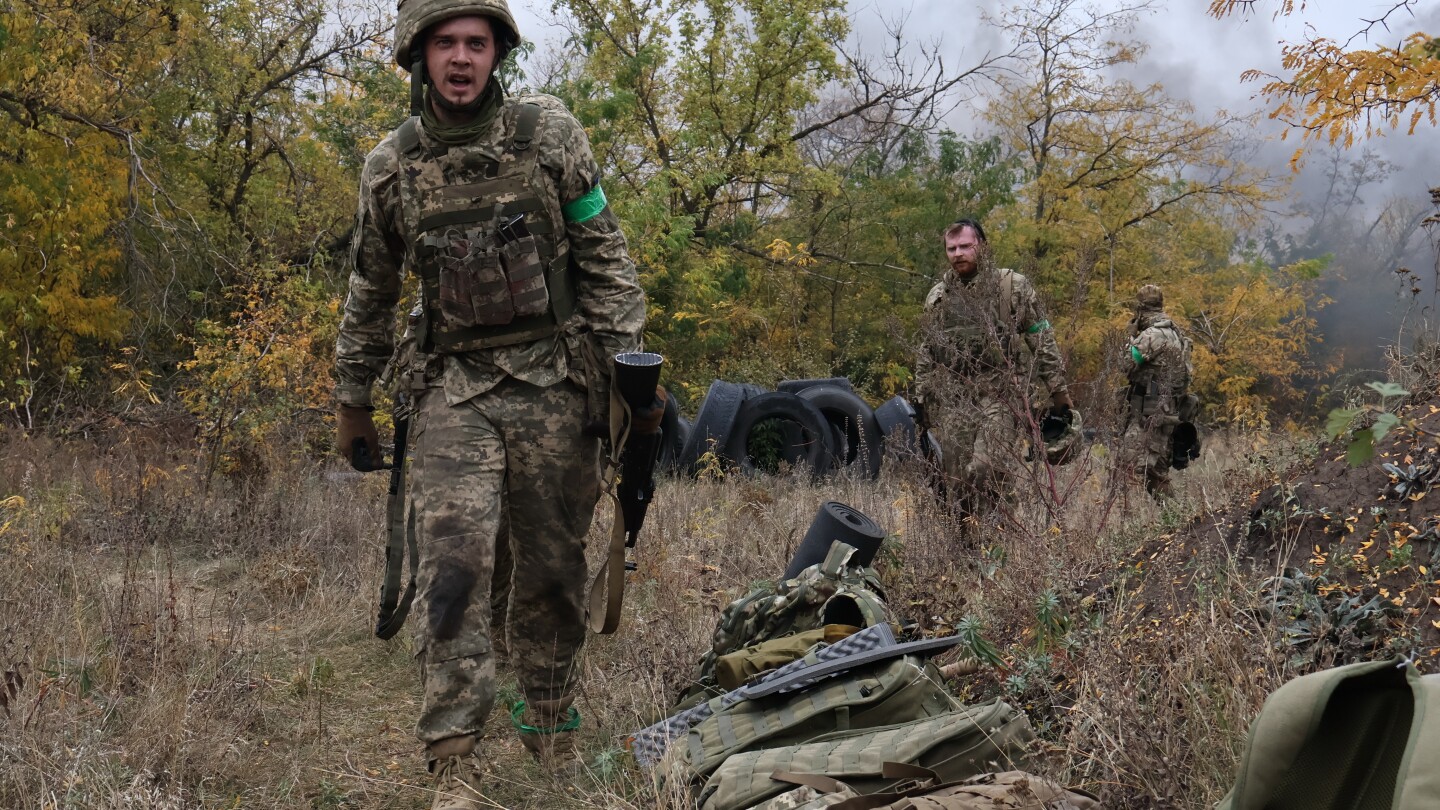
Russia attacks Ukraine’s power grid as Moscow worries over US Tomahawk missiles
Russia has escalated its assault on Ukraine’s energy infrastructure, launching a series of drone and missile strikes overnight into Sunday. This marks a continuation of its strategy to destabilize Ukraine’s power grid ahead of the harsh winter months. The attacks targeted critical energy facilities across multiple regions, including Donetsk, Odesa, and Chernihiv, leaving two employees of Ukraine’s largest private energy company, DTEK, wounded. Ukrainian President Volodymyr Zelenskyy condemned the strikes, labeling them as “aerial terror” and revealing that Russia had deployed over 3,100 drones, 92 missiles, and approximately 1,360 glide bombs in the past week alone. Zelenskyy also emphasized the need for stricter sanctions on buyers of Russian oil, stating that such measures are crucial to cutting off funding for the war. In a separate development, Zelenskyy reported a “very productive” phone call with U.S. President Donald Trump, during which they discussed bolstering Ukraine’s air defense, resilience, and long-range capabilities. The conversation also touched on potential U.S. military aid, including the provision of Tomahawk cruise missiles, a topic that has drawn “extreme concern” from the Kremlin. Belarusian President Alexander Lukashenko, a close ally of Russian President Vladimir Putin, expressed skepticism about the U.S. delivering such weapons, suggesting that Trump’s rhetoric might not translate into immediate action. Meanwhile, Ukraine’s energy sector remains a focal point of the conflict, with Russian strikes causing widespread damage and blackouts. Ukrainian officials have described the recent attacks as among the largest concentrated strikes on the country’s energy infrastructure. As winter approaches, Russia’s strategy appears aimed at undermining public morale by disrupting essential services. Ukraine’s air force reported intercepting or jamming 103 of 118 Russian drones launched overnight, while Russia claimed to have shot down 32 Ukrainian drones over its territory.
-
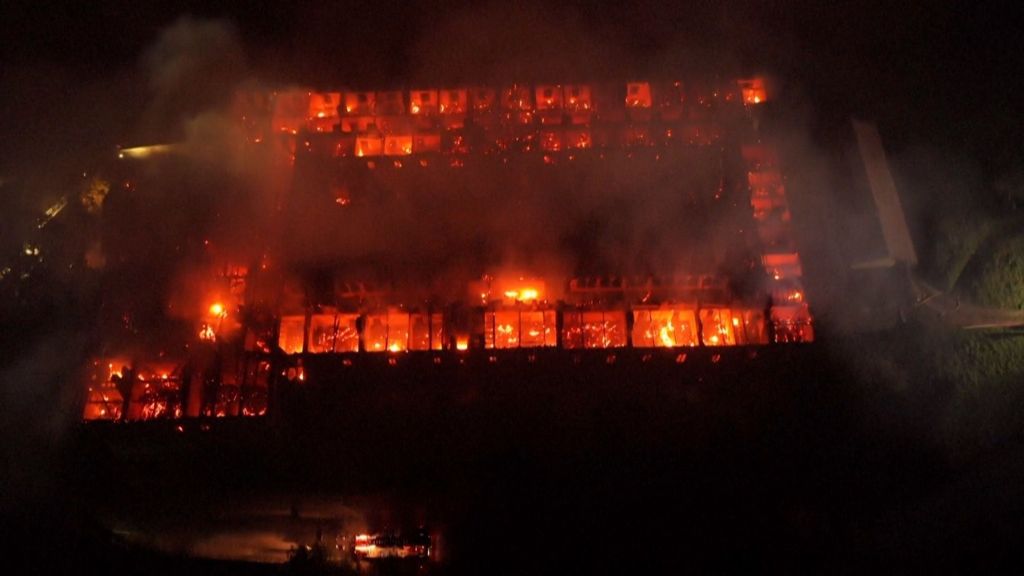
Nuns escape fire at historic Italian monastery
A devastating fire has ravaged the historic Bernaga Monastery in Italy, a site of immense cultural and religious significance. Dramatic drone footage captured the blaze as it consumed the centuries-old structure, sending plumes of smoke into the sky. Miraculously, the nuns residing at the monastery managed to escape unharmed, a testament to their swift response and the efforts of emergency responders. The monastery, known for its architectural beauty and spiritual heritage, has long been a symbol of faith and history in the region. Authorities are now investigating the cause of the fire, which has left the community in shock and mourning the loss of a cherished landmark. Efforts to assess the damage and plan for potential restoration are already underway, as locals and historians alike hope to preserve the legacy of this iconic site.
-
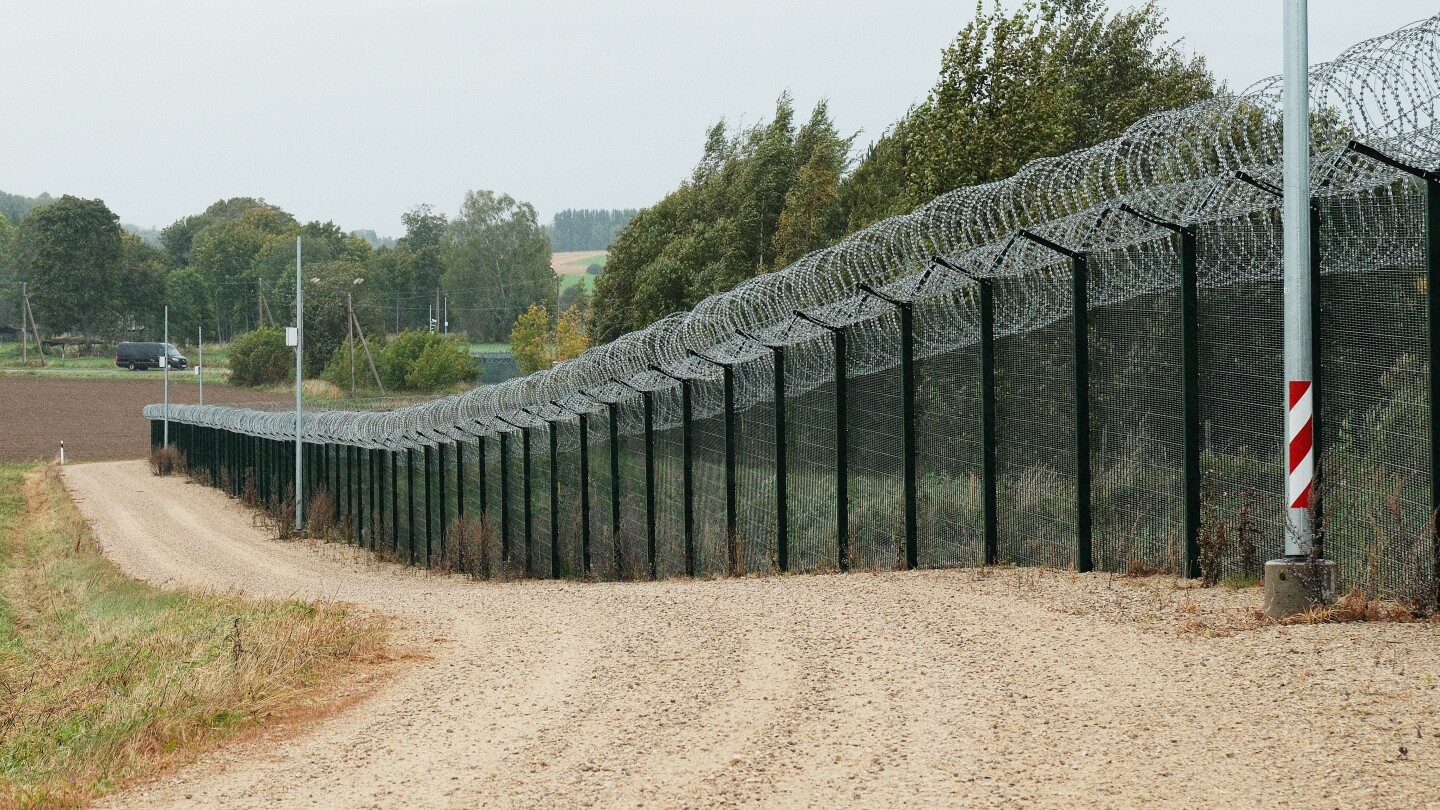
Estonia closes road through Russian territory due to presence of Russian troops
Estonia has temporarily restricted access to a crucial road that traverses a small section of Russian territory, following reports of an unusual presence of Russian soldiers in the area. The decision, announced by Estonia’s Police and Border Guard Board on Friday, was prompted by the observation of a larger-than-normal Russian military unit moving near the border. The road in question, known as the Saatse Boot, is a boot-shaped enclave of Russian land that extends into southeastern Estonia. While Estonians and other nationals are typically permitted to drive through this area without special authorization, stopping is strictly prohibited. The closure aims to safeguard public safety and prevent potential incidents. Interior Minister Igor Taro confirmed on Saturday that the Russian soldiers had since departed, describing the situation as calm but emphasizing that the road would remain closed at least until Tuesday. He reiterated that there is no immediate threat of war, a stance supported by the Estonian Defense Forces. This incident follows heightened tensions in the region, including recent unauthorized incursions by Russian fighter jets into Estonian airspace and drone violations in Poland, both of which have raised concerns among NATO members on the eastern flank.
-

UK police arrest 2 in stabbing death of former Lostprophets singer in prison
In a shocking turn of events, Ian Watkins, the disgraced former lead singer of the Welsh rock band Lostprophets, was fatally stabbed at HMP Wakefield in West Yorkshire, England. The 48-year-old, who was serving a 29-year sentence for a series of heinous child sex offenses, was attacked with a knife on Saturday morning. Emergency services rushed to the scene but pronounced Watkins dead upon arrival. West Yorkshire Police have since arrested two men, aged 25 and 43, on suspicion of murder, and a full-scale investigation is underway. Watkins’ crimes, which included attempting to rape a baby, sexually assaulting a 1-year-old, and producing child pornography, had previously been described by Judge John Royce as among the most horrific cases ever seen in court. The judge labeled Watkins a manipulative and dangerous sexual predator who exploited his fame to fulfill his depraved desires. Lostprophets, which gained fame with their 2006 album ‘Liberation Transmission,’ disbanded following Watkins’ arrest in 2013. The incident has reignited discussions about prison safety and the treatment of high-profile inmates.
-
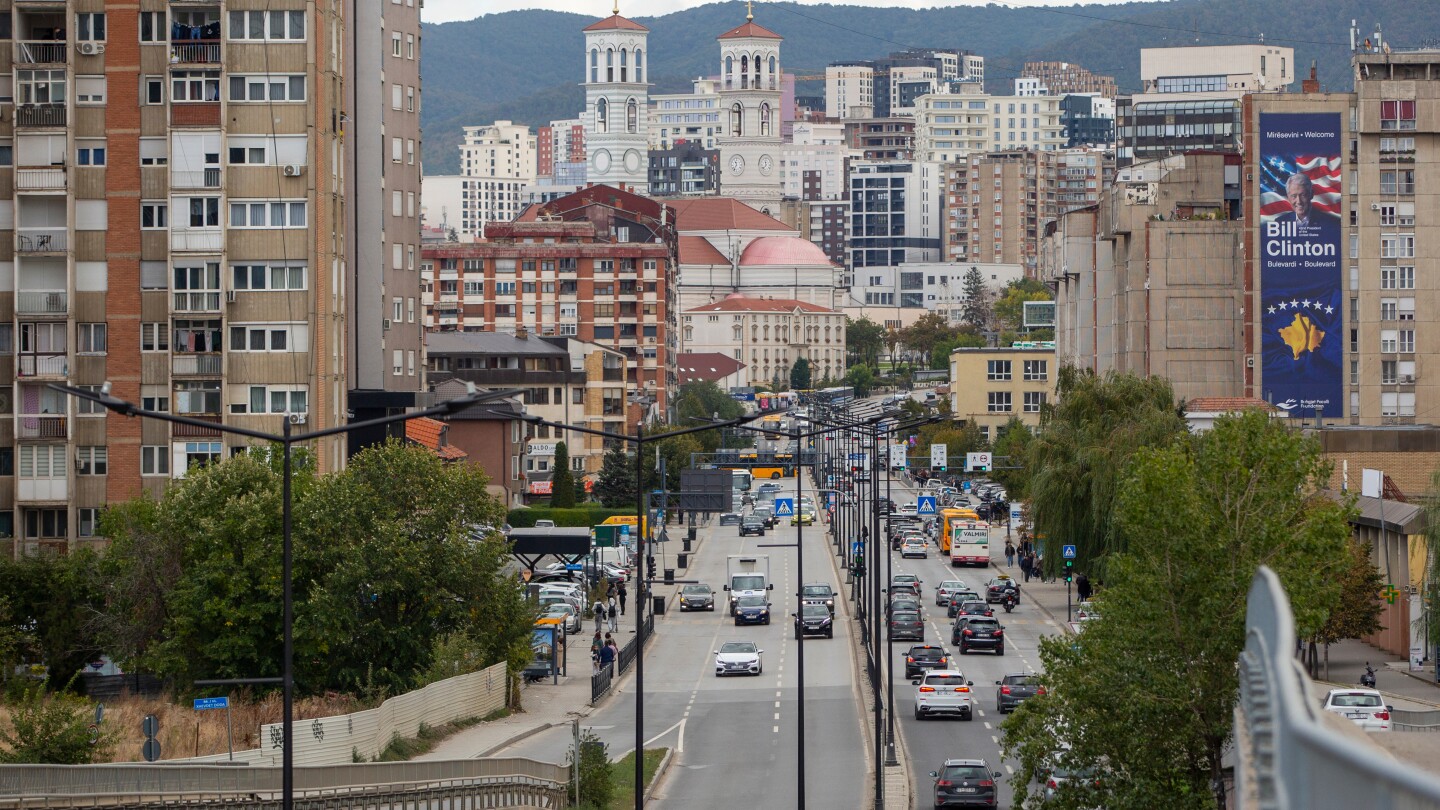
Kosovo holds municipal elections with the governing party aiming for Pristina city hall
PRISTINA, Kosovo — Kosovo is conducting municipal elections on Sunday, with the left-wing governing party, Vetevendosje!, aiming to secure control of the capital’s city hall. This election unfolds against a backdrop of persistent political tensions and strained relations with Serbia. Approximately 2.1 million registered voters are casting ballots to elect mayors in 38 municipalities and around 1,000 local council members. Preliminary results are anticipated by midnight, though many races are expected to proceed to runoffs in about a month, mirroring previous elections. The most closely contested race is in Pristina, where Vetevendosje!’s candidate, former culture minister Hajrulla Çeku, is challenging incumbent Perparim Rama of the conservative Kosovo Democratic League. Vetevendosje! seeks to capitalize on its performance in February’s parliamentary election, where it secured 48 seats in the 120-member legislature, though it fell short of a governing majority. The elections in the Serb-majority north are particularly significant, with Srpska Lista, the dominant Serb party aligned with Serbian President Aleksandar Vucic, expected to retain control of its strongholds. The vote follows Kosovo’s Parliament resolving an eight-month political deadlock by electing its full leadership, including a representative from the ethnic Serb minority. Acting Prime Minister Albin Kurti, Vetevendosje!’s leader, has been tasked with forming a new Cabinet within 15 days, a challenging endeavor as other major parties have yet to engage in coalition talks. Kurti faces mounting pressure to stabilize domestic politics, address economic challenges, and revive EU-mediated normalization talks with Serbia. Kosovo’s independence remains a contentious issue in the Balkans, with Serbia, backed by Russia and China, refusing to recognize it. The 1998–1999 war, which claimed approximately 11,400 lives, predominantly ethnic Albanians, ended after NATO’s intervention forced Serbian forces to withdraw. While most Western nations acknowledge Kosovo’s statehood, the region’s political landscape remains fraught with complexity.
-

The mystery of the missing Paris catwalk necklace
A unique silver necklace featuring a taxidermy butterfly encased in a rock crystal dome, crafted by renowned jeweler Malcolm Morris, has become the focal point of an international search after vanishing from a Paris catwalk show three decades ago. The one-of-a-kind piece, created in 1994, was commissioned by art director Simon Costin for designer Alexander McQueen, who later headed Givenchy. Despite its anticipated debut, the necklace mysteriously disappeared and has not been seen since. Now, Sarah Burns-Collins, a longtime collaborator of Morris and owner of Gold Lark Jewellery, is spearheading efforts to uncover its whereabouts as part of a retrospective celebrating Morris’s 50-year career. Morris, now 67 and based in Shropshire, is celebrated for his work in stage and film, including creating tiaras for Gwyneth Paltrow in ‘Shakespeare in Love.’ The necklace, described as a ‘statement piece’ weighing like a mayoral chain, took three weeks and significant resources to create. Burns-Collins speculates it may still be in Paris, possibly in an antique shop or with a former model. The search continues as Morris and his team hope to solve this enduring mystery.