标签: Europe

欧洲

  • Prince Andrew says he’s giving up his Duke of York title as Epstein allegations refuse to fade

    Prince Andrew says he’s giving up his Duke of York title as Epstein allegations refuse to fade

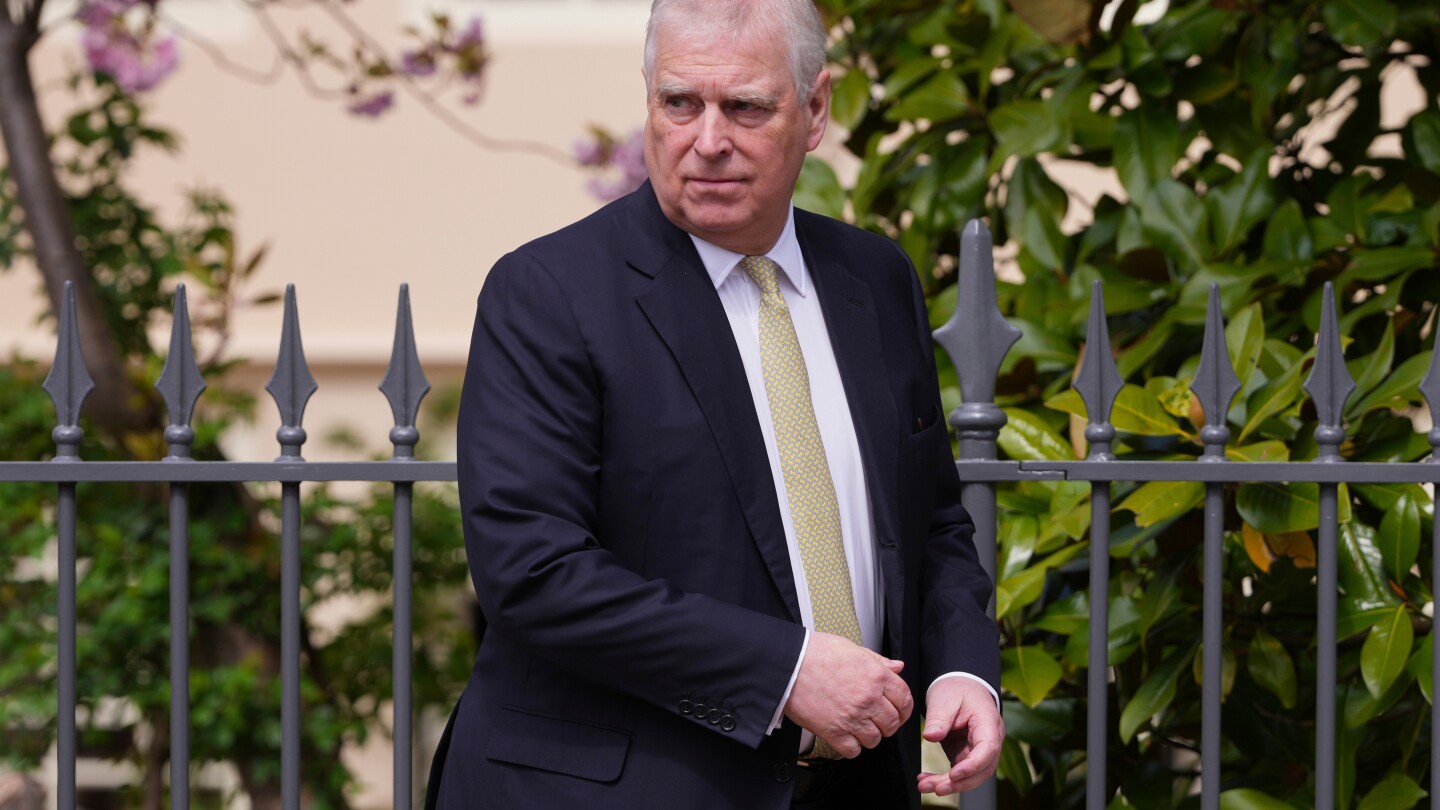
    In a significant development within the British royal family, Prince Andrew has announced his decision to relinquish his royal title as the Duke of York and other associated honors. This decision comes in the wake of renewed public scrutiny over his association with the convicted sex offender Jeffrey Epstein. The announcement was made in a statement released by Buckingham Palace on Friday, where Prince Andrew emphasized that the ongoing allegations against him were becoming a distraction from the duties of King Charles III and the royal family at large.

    Prince Andrew, 65, has consistently denied any wrongdoing, particularly in relation to the accusations made by Virginia Roberts Giuffre, who alleged that she was trafficked by Epstein and had sexual encounters with the prince when she was 17. Giuffre, who tragically passed away by suicide in April at the age of 41, detailed these allegations in a posthumous memoir set to be published soon. In 2021, Giuffre filed a lawsuit against Prince Andrew, which was settled in 2022 for an undisclosed sum. As part of the settlement, Prince Andrew acknowledged Epstein’s role as a sex trafficker and recognized Giuffre as a victim of abuse.

    This is not the first time Prince Andrew has faced public backlash over his ties to Epstein. In a widely criticized BBC interview in November 2019, his attempts to refute Giuffre’s claims were met with skepticism and further damaged his reputation. Following the interview, he stepped down from his royal duties. Now, with the release of Giuffre’s memoir reigniting public interest in the case, Prince Andrew has taken the additional step of giving up his titles, including Knight Grand Cross of the Royal Victorian Order and Royal Knight Companion of the Most Noble Order of the Garter. However, he will retain his status as a prince, a title he has held since birth.
  • Portuguese parliament approves bill banning face coverings in public

    Portuguese parliament approves bill banning face coverings in public

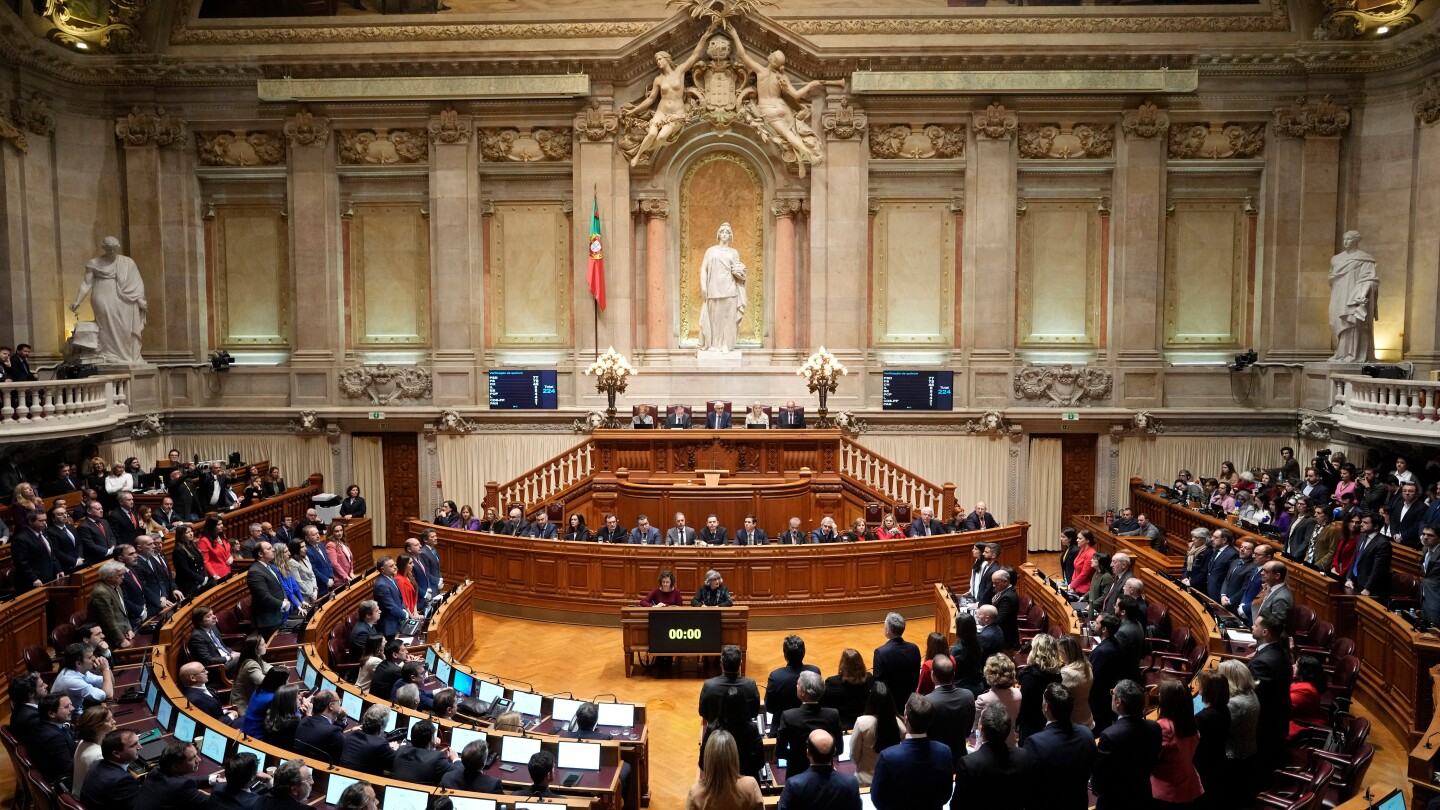
    In a significant legislative move, Portugal’s parliament has passed a bill prohibiting the wearing of face veils for ‘gender or religious’ reasons in most public spaces. The bill, primarily targeting Islamic face coverings such as burqas and niqabs, was introduced by the far-right Chega party and received backing from center-right political groups. While the ban excludes specific locations like airplanes, diplomatic premises, and places of worship, violators could face fines ranging from 200 euros to 4,000 euros ($234 to $4,669). The legislation now awaits approval from President Marcelo Rebelo de Sousa, who may either sign it into law, veto it, or refer it to the Constitutional Court for further review. If enacted, Portugal would join several European nations, including Austria, France, Belgium, and the Netherlands, which have implemented full or partial bans on face and head coverings. Although the number of women in Portugal wearing such garments is relatively small, the issue has sparked debates similar to those in other European countries. Chega has justified the ban by arguing that face coverings perpetuate ‘exclusion and inferiority,’ particularly for women, and contradict principles of ‘liberty, equality, and human dignity.’

  • Can Putin’s ‘Flying Kremlin’ travel through EU airspace to Budapest?

    Can Putin’s ‘Flying Kremlin’ travel through EU airspace to Budapest?

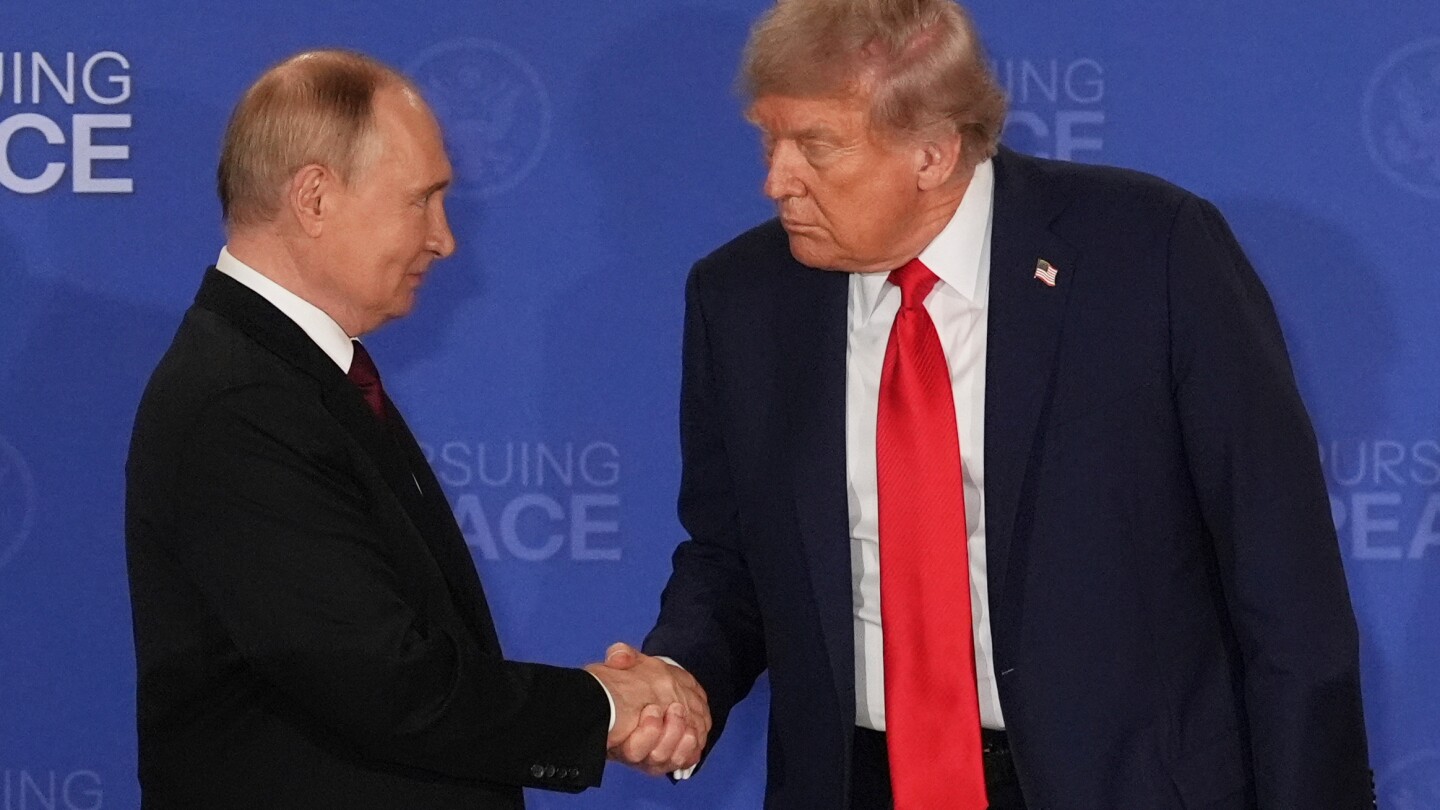
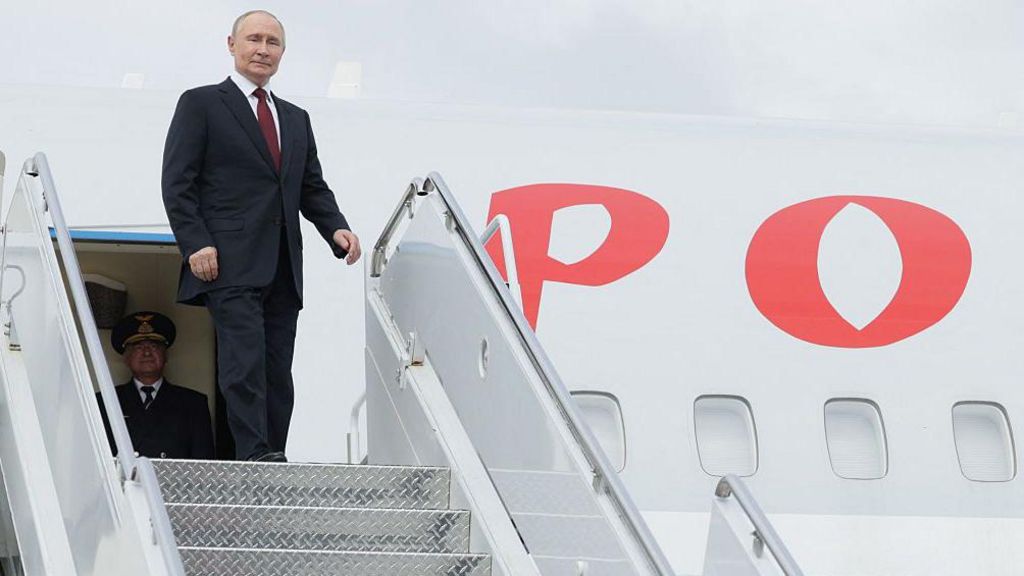
    Russian President Vladimir Putin’s potential visit to Budapest for a summit with US President Donald Trump faces significant logistical and diplomatic challenges, despite the willingness of both leaders to engage in talks. The meeting, which has yet to be finalized, would require Putin to navigate complex airspace restrictions imposed by the EU and NATO, as well as geopolitical tensions stemming from Russia’s invasion of Ukraine in 2022. Putin’s preferred mode of travel, his heavily modified Ilyushin Il-96 aircraft—often referred to as the “Flying Kremlin”—would necessitate special permissions to traverse EU airspace, which has been off-limits to Russian planes since the war began. Hungary, a NATO member and one of Putin’s closest allies within the EU, has expressed confidence in facilitating the visit. Hungarian Prime Minister Viktor Orban, who has maintained strong ties with both Putin and Trump, has already initiated preparations for the summit, emphasizing its potential to advance peace efforts in Ukraine. However, the EU’s executive commission has indicated that while it supports dialogue aimed at achieving a “just and lasting peace,” it will not directly participate in the talks. The logistical challenges of Putin’s journey to Budapest are compounded by the need to avoid airspace over Ukraine and Poland, both of which have strained relations with Moscow. Potential routes include flying through Turkey, Bulgaria, and Serbia, though each would require individual approvals from the respective countries. The summit, if realized, could bolster Orban’s domestic standing ahead of Hungary’s upcoming elections, while also testing the limits of EU unity in addressing the ongoing conflict in Ukraine.

  • Thousands rally in Albanian capital against EU-backed court prosecuting Kosovo war veterans

    Thousands rally in Albanian capital against EU-backed court prosecuting Kosovo war veterans

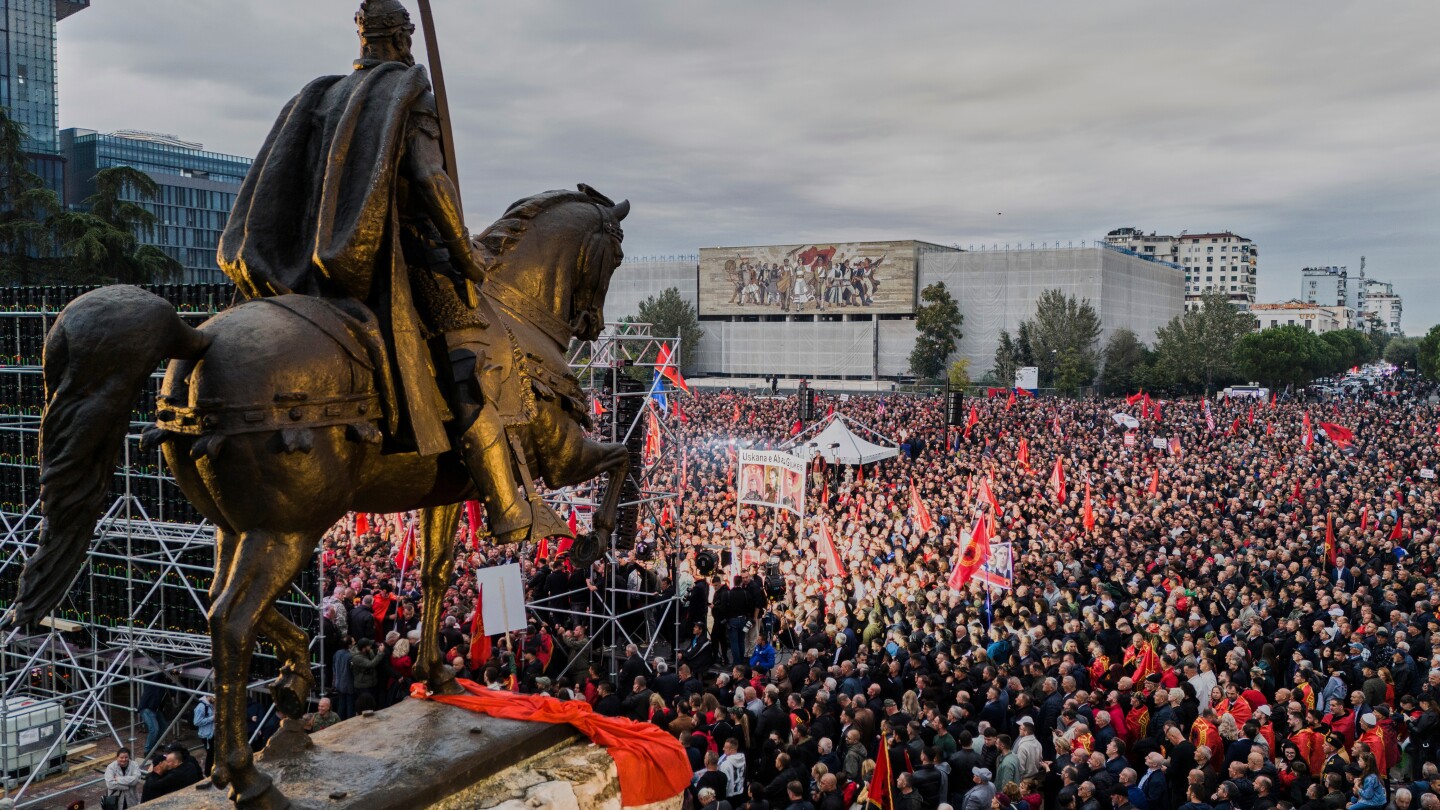
    Thousands of Kosovo war veterans and their supporters gathered in Tirana, Albania, on Friday to protest against the European Union-backed Kosovo Specialist Chambers, which is prosecuting former fighters of the Kosovo Liberation Army (KLA). The demonstrators, who filled Skanderbeg Square, accused the tribunal of bias and injustice, claiming it unfairly targets those who fought for Kosovo’s independence from Serbia during the 1998-1999 war. The rally, organized by the veterans’ association OVL-UCK and supported by the Albanian government, featured national Albanian and KLA flags, with some participants donning KLA uniforms and singing songs about freedom. The protest’s motto, ‘Freedom has a name. Justice for the liberators,’ underscored their demands for fairness. High-profile defendants, including former Kosovo President Hashim Thaci and other ex-leaders, are currently on trial at The Hague for charges such as murder, torture, and persecution of civilians. The court was established following a 2011 Council of Europe report alleging KLA involvement in human organ trafficking and killings, though these allegations were not included in the indictments. The rally remained peaceful, with former Albanian President Alfred Moisiu calling for justice and criticizing the court’s processes as biased. The event highlighted ongoing tensions between Kosovo and Serbia, with Kosovo’s 2008 independence still unrecognized by Serbia and its allies.

  • Russians and Ukrainians expect no major breakthrough at planned Trump-Putin summit

    Russians and Ukrainians expect no major breakthrough at planned Trump-Putin summit

    As U.S. President Donald Trump and Russian leader Vladimir Putin prepare for an upcoming summit in Budapest, Hungary, residents of Russia and Ukraine remain cautiously hopeful yet skeptical about the prospects of ending the ongoing conflict. The meeting, agreed upon during a recent phone call, follows Trump’s scheduled discussion with Ukrainian President Volodymyr Zelenskyy at the White House. However, expectations for a major breakthrough remain low, given the lack of progress in previous talks. Artyom Kondratov, a 36-year-old Moscow resident, expressed doubts, stating, ‘When they meet, I don’t think anything will be achieved quickly.’ He anticipates minor advancements, such as prisoner exchanges and the return of children, but no significant resolutions. Alexander Fedotov, another Moscow resident, believes Trump’s efforts could yield results, noting, ‘Trump isn’t going to Europe for nothing. I think there will be progress.’ Meanwhile, in Ukraine, the mood is less optimistic. Marichka Fartushna, an army medic, criticized the previous meetings as unproductive, asserting, ‘Trump has clearly shown his position. He is not for Ukraine.’ Despite the skepticism, Ukrainian veteran Ivan Balatskyi remains hopeful for continued U.S. support, emphasizing Ukraine’s readiness to fight until the end. The summit comes over three years after Russia’s full-scale invasion of Ukraine and more than a decade after the annexation of Crimea, with many weary of the prolonged conflict. Svetlana, a 55-year-old resident of Sevastopol, voiced a common sentiment: ‘I wish everyone well and peace. We’re all waiting for this, all Russians want it.’

  • Husband guilty in murder case without a body that shocked France

    Husband guilty in murder case without a body that shocked France

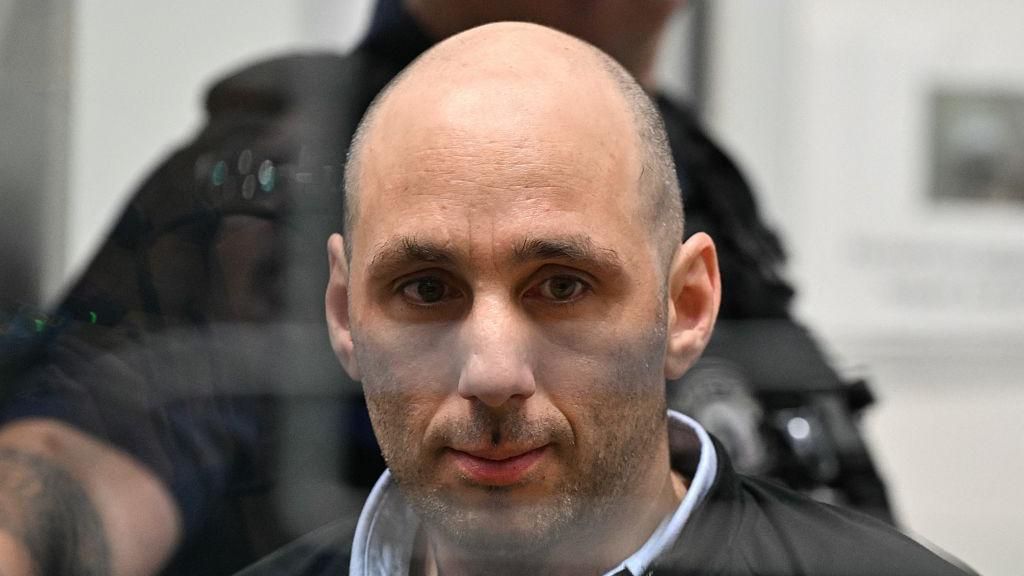
    In a case that has captivated France for years, 38-year-old painter-decorator Cédric Jubillar has been found guilty of murdering his wife, Delphine Jubillar, despite the absence of her body. The trial, which lasted four weeks in the southern town of Albi, concluded with Jubillar being sentenced to 30 years in prison. The jury, comprising six civilians and three magistrates, determined that circumstantial evidence was sufficient to convict him, even though Delphine’s remains were never found. Prosecutors had sought the maximum sentence, and Jubillar’s defense team has announced plans to appeal the verdict. Delphine, 33, vanished on the night of December 15-16, 2020, during the Covid pandemic, from the couple’s home in Cagnac-les-Mines, where they lived with their two young children. Jubillar reported her missing at 04:00 on December 16, claiming he had been awakened by their younger child’s cries. Extensive searches, including in nearby abandoned mines, yielded no trace of her. The trial revealed that the couple’s relationship had deteriorated, with Delphine seeking a divorce and beginning an affair with a man she met on a chatline. Prosecutors argued that Jubillar killed her in a fit of rage after she disclosed the affair, likely by strangulation, and disposed of her body in the surrounding countryside. Key evidence included Delphine’s car parked unusually, broken glasses in the sitting room, and Jubillar’s lack of movement recorded on his phone pedometer. Psychological assessments portrayed Jubillar as a troubled individual with a history of substance abuse and difficulty maintaining employment. His defense argued that the evidence was speculative and that no physical traces of a crime were found. However, the jury’s ‘intimate conviction’ of his guilt led to the verdict. The case has sparked widespread media attention and online speculation, with amateur detectives offering theories about Delphine’s disappearance. Jubillar’s lawyers maintain his innocence and plan to challenge the decision in a higher court.

  • Political deadlock and spending on dual crises leaves French finances in disarray

    Political deadlock and spending on dual crises leaves French finances in disarray

    France, the world’s seventh-largest economy and a cornerstone of the European Union, is grappling with a severe fiscal crisis. Despite its industrial prowess, the nation faces mounting debt, political gridlock, and rising borrowing costs, raising concerns about its financial stability and broader implications for Europe and the global economy.

    **The Roots of the Crisis**
    France’s fiscal woes stem from a combination of long-standing structural issues and recent external shocks. The country last balanced its budget in 1973, relying on robust economic growth to sustain its generous welfare state and worker protections. However, accumulated debt has soared, exceeding 90% of GDP since 2008. The COVID-19 pandemic and the subsequent energy crisis triggered by Russia’s invasion of Ukraine exacerbated the situation. The government’s heavy spending on subsidies to support businesses and households during these crises pushed debt to 114% of GDP in 2023, with the annual deficit ballooning to 5.8%, far above the EU’s 3% limit.

    **Political Paralysis and Economic Uncertainty**
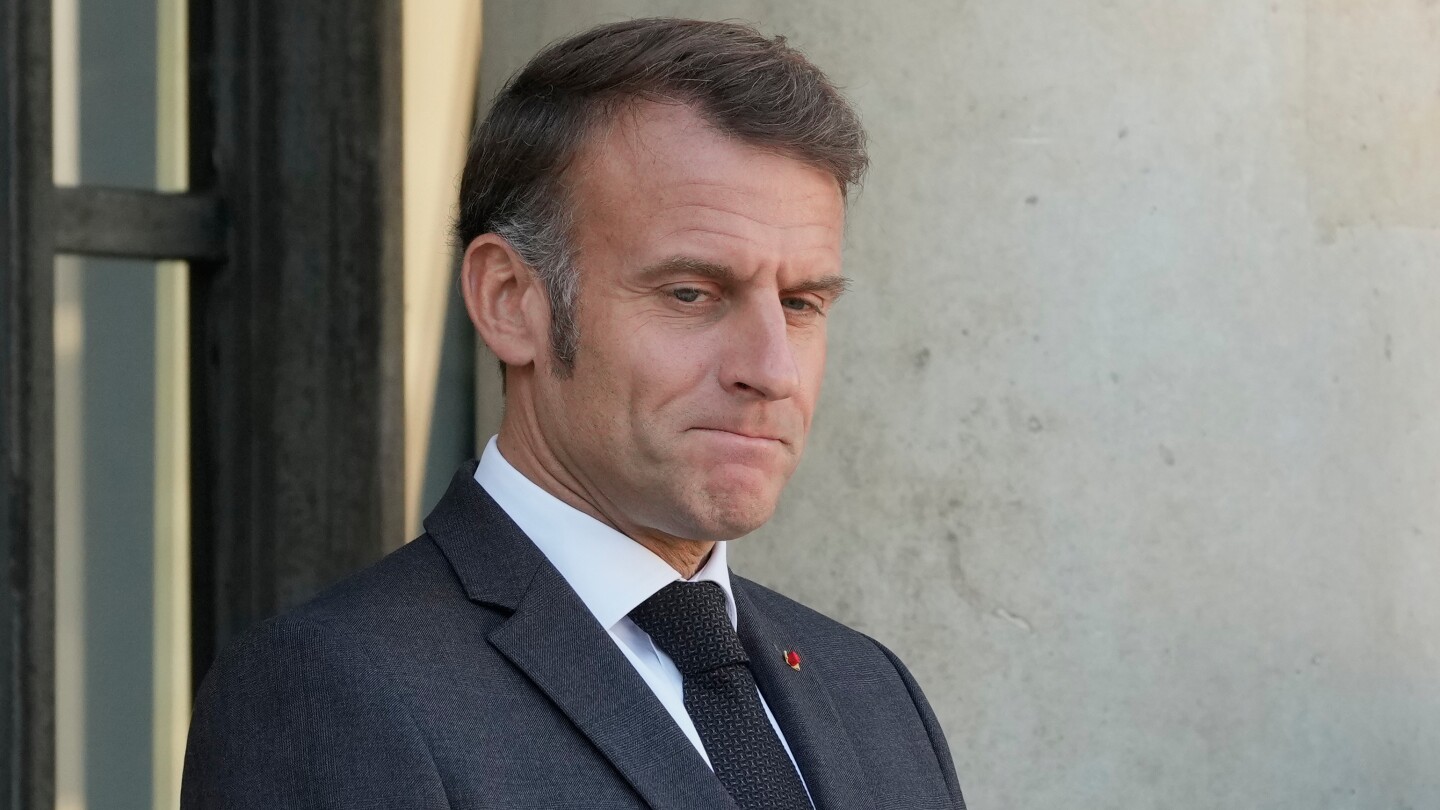
    President Emmanuel Macron’s government is hamstrung by a deeply divided parliament, resulting from snap elections called in 2022. With no political faction holding a majority, consensus on deficit reduction measures—whether through tax hikes or spending cuts—remains elusive. This political deadlock has led to four government changes in just over a year, creating unprecedented instability in France’s Fifth Republic. The uncertainty has unsettled businesses, while rising bond yields have increased borrowing costs for both the government and private sector.

    **Broader Implications for Europe and Beyond**
    As one of the EU’s largest economies, France’s fiscal troubles pose significant challenges for the bloc. The Franco-German partnership, traditionally the driving force behind EU policy, is under strain. Europe faces pressing issues, including supporting Ukraine, countering Russian aggression, and boosting productivity to compete with the U.S. and China. France’s inability to address its debt crisis complicates these efforts.

    Globally, France’s situation serves as a cautionary tale for other heavily indebted nations, including the U.S., China, and Brazil. While France is not at immediate risk of default, the potential for a debt spiral—where rising borrowing costs undermine fiscal sustainability—looms large. The EU’s bailout mechanisms and the European Central Bank’s financial backstop offer some reassurance, but these measures are contingent on political action, which remains absent in France.

    **A Call for Urgent Reforms**
    Market analysts emphasize that France must avoid the fate of Greece and Italy during the 2010-2015 eurozone debt crisis. Long-term solutions require structural reforms to boost economic growth and restore fiscal discipline. However, the current political impasse makes such reforms unlikely in the near term. As France’s fiscal crisis deepens, the stakes for Europe and the global economy continue to rise.

  • Dutch Supreme Court rejects Russia’s final appeal in $50B Yukos case

    Dutch Supreme Court rejects Russia’s final appeal in $50B Yukos case

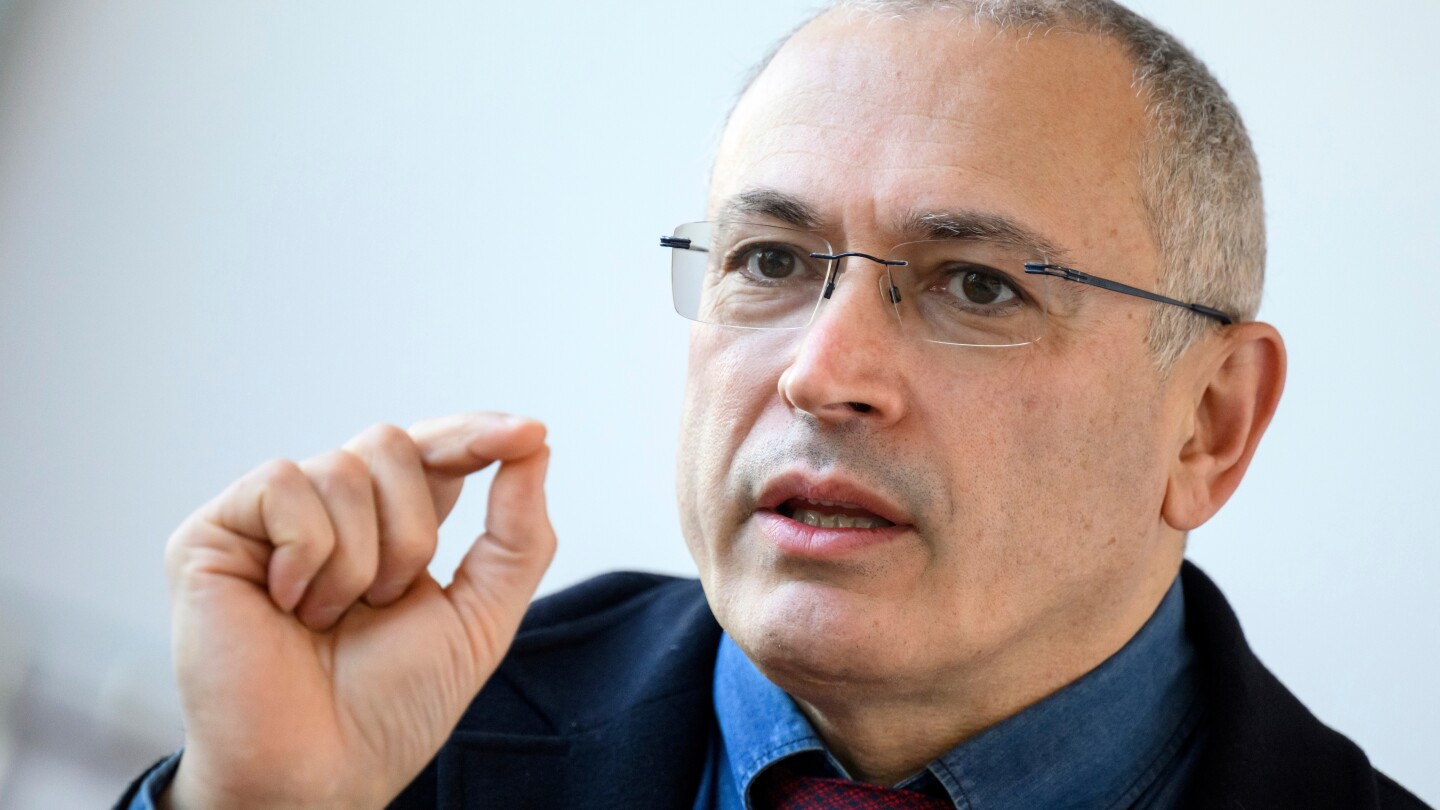
    In a landmark ruling, the Dutch Supreme Court on Friday dismissed Russia’s final appeal against a $50 billion arbitration award to former shareholders of Yukos, the once-mighty Russian oil giant. The court declared the decision as the conclusive end to a protracted legal battle that has spanned over two decades. The former shareholders allege that the Kremlin orchestrated the company’s bankruptcy in 2003 to neutralize its CEO, Mikhail Khodorkovsky, a vocal critic of President Vladimir Putin. The ruling upheld a 2023 decision by Amsterdam judges, which rejected Russia’s last legal argument in a case stemming from a 2014 arbitration panel’s verdict. The panel, based in The Hague, had found that Moscow deliberately crippled Yukos with exorbitant tax claims to seize control of its assets and remove Khodorkovsky from the political arena. Khodorkovsky was arrested in 2003 and spent over a decade in prison while Yukos’s primary assets were sold to a state-owned entity, leading to the company’s eventual bankruptcy. Tim Osborne, CEO of GML, a holding company representing the former majority shareholders, hailed the ruling as a historic victory, emphasizing that it reaffirms the principle that no state is above the law. Osborne vowed to focus on enforcing the award against Russian state assets globally, noting that the total amount, including interest, now exceeds $65 billion.

  • King Charles III’s visit to Vatican marks a historic step in path of unity between two churches

    King Charles III’s visit to Vatican marks a historic step in path of unity between two churches

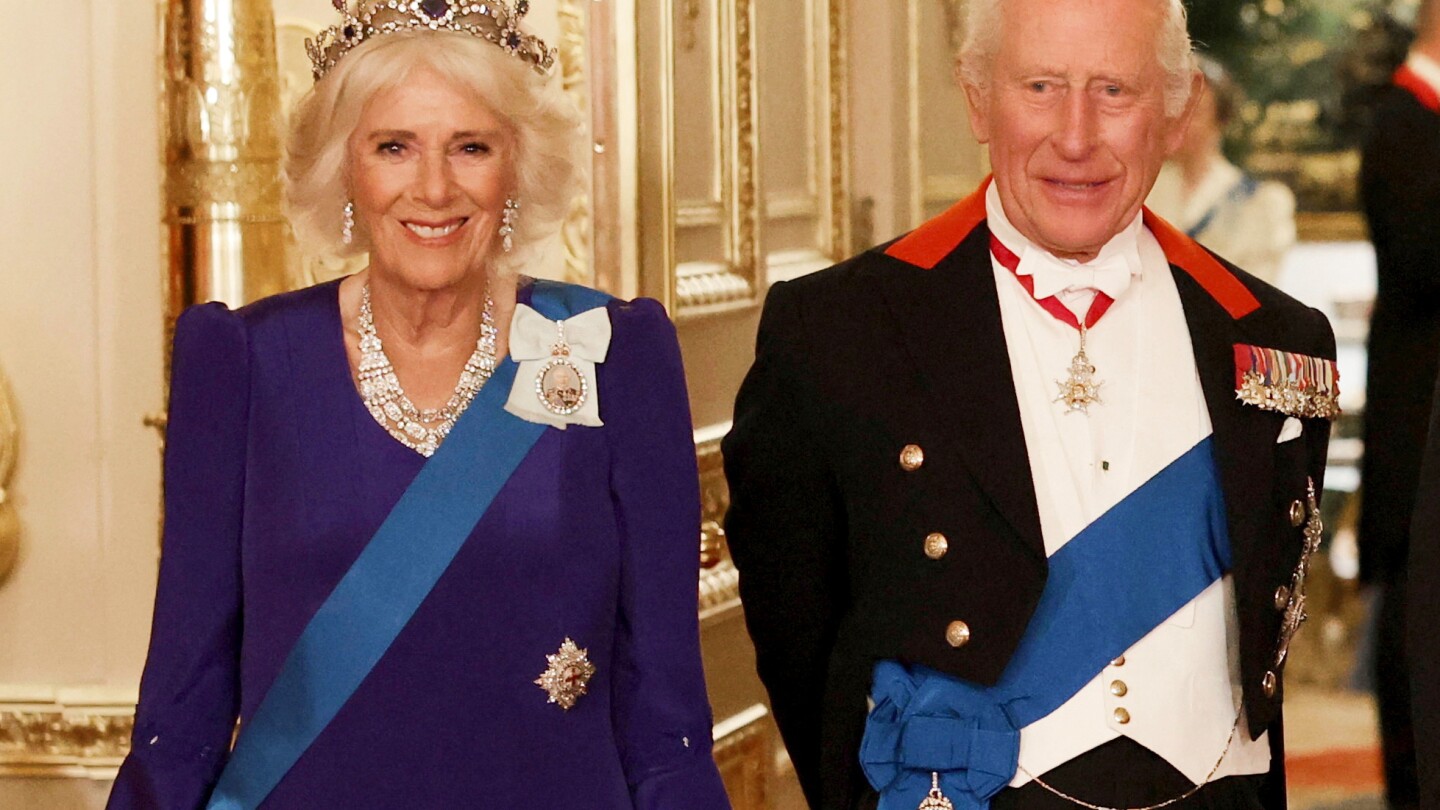
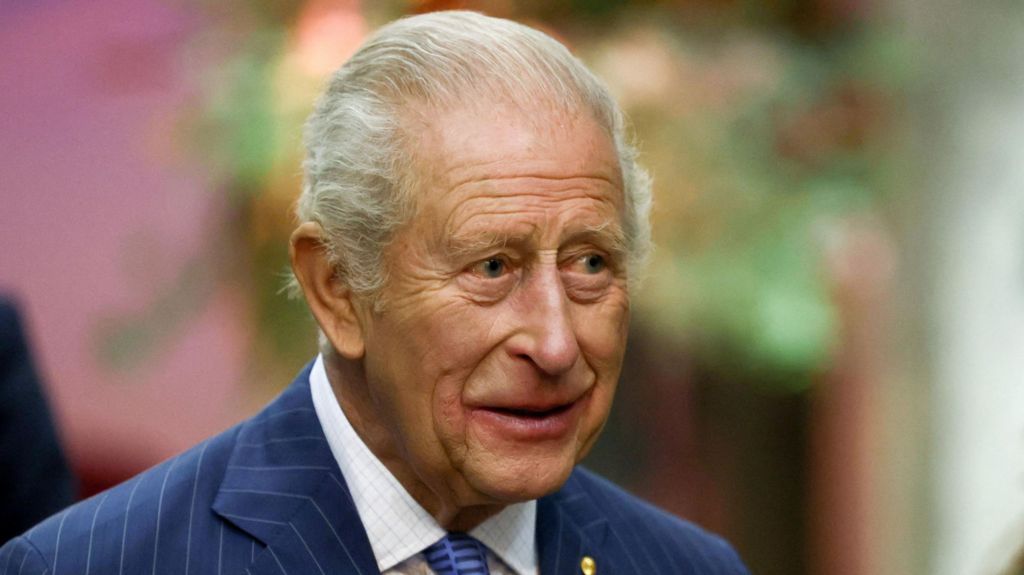
    In a groundbreaking move toward unity, the Catholic Church and the Church of England will hold a historic ecumenical prayer service on October 23 in the Sistine Chapel. This event, centered on their shared commitment to caring for God’s creation, will feature Britain’s King Charles III and Pope Leo XIV praying together for the first time since the Reformation. The visit, originally planned for April, was postponed due to the late Pope Francis’ illness and subsequent passing. King Charles, the titular head of the Church of England, has long expressed a desire to visit the Vatican during the 2025 Holy Year, following in the footsteps of his late mother, Queen Elizabeth II, who visited during the 2000 Jubilee. During his visit, Charles will be honored with the title “Royal Confrater” at St. Paul’s Outside the Walls, a basilica with deep ties to the Church of England. This title symbolizes spiritual fellowship and will be accompanied by a specially designed chair bearing his coat of arms, reserved for him and his heirs. The two churches have been divided since 1534, when King Henry VIII broke away from the Catholic Church after being denied a marriage annulment. While relations have warmed in recent decades, significant differences remain, particularly regarding the ordination of female priests, which the Catholic Church prohibits. Notably, the Archbishop of Canterbury-designate, Sarah Mullally, will not attend the service as she has yet to be formally installed. Instead, the Archbishop of York will join Pope Leo in leading the service, which will feature hymns performed by both the royal choirs and the Sistine Chapel choir. Monsignor Flavio Pace, secretary of the Vatican’s office for promoting Christian unity, emphasized that theological dialogue should continue despite these differences. This historic event marks a significant step in bridging centuries of division between the two churches.

  • King Charles to pray with Pope during Vatican trip in historic first

    King Charles to pray with Pope during Vatican trip in historic first

    In a landmark event bridging centuries of religious history, King Charles III and Pope Leo XIV will pray together at a church service in the Vatican’s Sistine Chapel next week. This unprecedented moment marks the first time a British monarch and a pontiff have shared such a spiritual gathering since the 16th-century Reformation. The service, held under Michelangelo’s iconic ceiling, will unite clergy and choirs from both the Roman Catholic Church and the Church of England, of which King Charles is the supreme governor. The visit, scheduled for October 22 and 23, is being hailed as a powerful symbol of reconciliation between the two faiths. The King and Queen Camilla will also meet Pope Leo, the first US-born pontiff, and senior Vatican officials, further strengthening ties between the UK and the Catholic Church. The ecumenical service will focus on environmental protection, reflecting King Charles’s longstanding commitment to environmental causes. Additionally, the King will attend a service at St. Paul’s Outside the Walls, a church historically linked to the English monarchy, where he will receive an honorary spiritual title as a “royal confrater.” This visit underscores the King’s dedication to fostering interfaith dialogue and unity.