标签: Europe

欧洲

  • Deference and disappointment as Zelensky leaves White House empty-handed

    Deference and disappointment as Zelensky leaves White House empty-handed

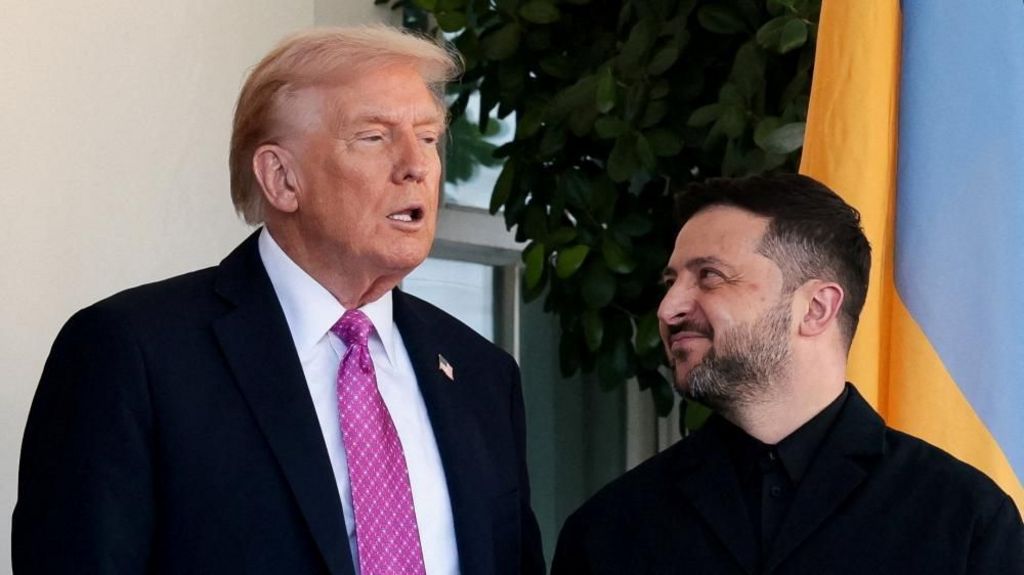
    Ukrainian President Volodymyr Zelensky’s high-stakes visit to the White House ended in disappointment as he failed to secure the much-needed American long-range Tomahawk missiles. The meeting, described by Zelensky as ‘pointed,’ starkly contrasted with the optimism his delegation had harbored before their arrival in Washington. Just hours before landing, news broke of a two-and-a-half-hour phone call between President Donald Trump and Russian President Vladimir Putin, followed by an announcement of an upcoming summit between the two leaders. This development cast a shadow over Zelensky’s visit, leaving Ukrainian hopes for decisive U.S. support unfulfilled.

    Trump, who had previously expressed frustration with Putin, now appeared confident that the Russian leader was ready to negotiate. ‘I think he wants to make a deal,’ Trump stated, framing the conflict as a personal dispute rather than a geopolitical crisis. Zelensky, cautious not to challenge Trump directly, praised the U.S. president’s peacemaking efforts but made it clear that he did not share Trump’s trust in Putin’s intentions. ‘We understand that Putin is not ready,’ Zelensky said.

    The meeting concluded with Trump suggesting that the war be frozen along existing battle lines, a proposal that falls short of Ukraine’s demands for security guarantees and military aid. For Ukraine and its allies, the conflict is not a personal grievance but a war of aggression by an authoritarian state with imperial ambitions. The absence of U.S. commitments leaves Ukraine to continue its fight against Russia, relying on its own resilience and determination.

    In Kyiv, residents expressed mixed feelings about the outcome of the talks. Volodymyr Tsepovatenko, a shop owner repairing damage from recent missile strikes, warned that any peace deal now would only allow Russia to prepare for future aggression. Oleksandr Vilko, whose car was destroyed in the attacks, emphasized that Ukraine’s fate ultimately lies in the hands of its army. ‘With or without [Tomahawks], Ukrainians will fight on,’ he said. Despite the challenges, Ukraine remains steadfast in its resolve to defend its sovereignty and freedom.
  • Burning ship loaded with gas abandoned in Gulf of Aden off Yemen as 1 mariner missing

    Burning ship loaded with gas abandoned in Gulf of Aden off Yemen as 1 mariner missing

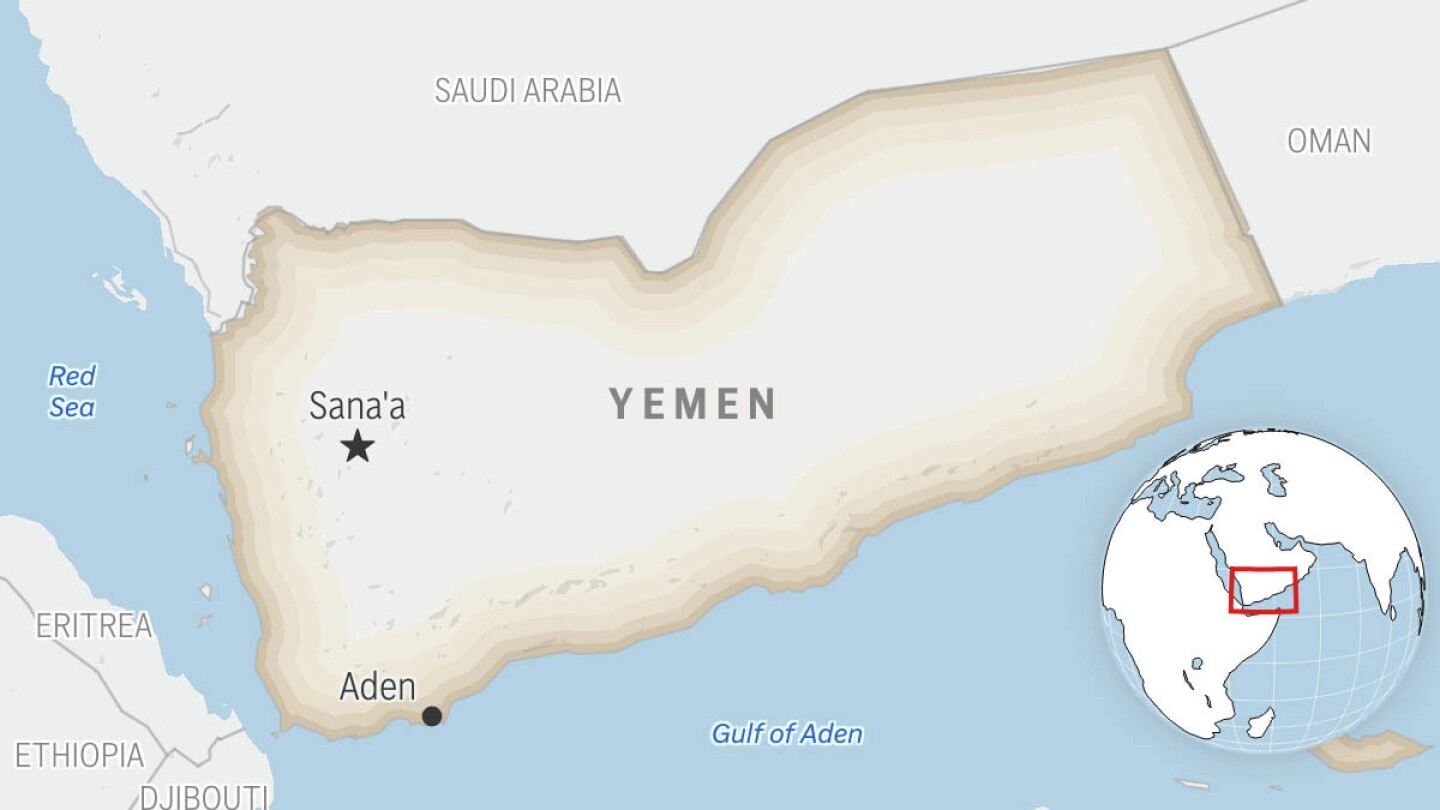
    A Cameroonian-flagged vessel, the Falcon, caught fire in the Gulf of Aden off Yemen on Saturday, following a suspected projectile strike. At least one mariner is missing, and another is believed to remain aboard the burning tanker after the rest of the 26-member crew, predominantly Indian with one Ukrainian, abandoned the ship. The incident has sparked conflicting explanations, with British authorities suggesting a projectile hit the vessel, while the European Union described it as an accident. The ship, fully loaded with liquefied petroleum gas, poses a significant explosion risk, prompting warnings to nearby vessels. The British military’s United Kingdom Maritime Trade Operations (UKMTO) reported the incident occurred approximately 210 kilometers east of Aden, with investigations ongoing. The EU’s Operation Aspides, which patrols the region, noted the Greek frigate HS Spetsai and a French aircraft were nearby. The Falcon has previously been linked to an alleged Iranian ‘ghost fleet’ evading international sanctions, though its Indian-based owners could not be reached for comment. The Houthi rebels, known for targeting ships in the Red Sea, have not claimed responsibility, though their activities have disrupted global shipping routes, with $1 trillion in goods passing through annually before the conflict. The Israeli military denied involvement in the incident. The Houthis’ campaign has already claimed nine mariners’ lives and sunk four ships, exacerbating regional tensions.

  • Oviedo and Espanyol players stand still in protest

    Oviedo and Espanyol players stand still in protest

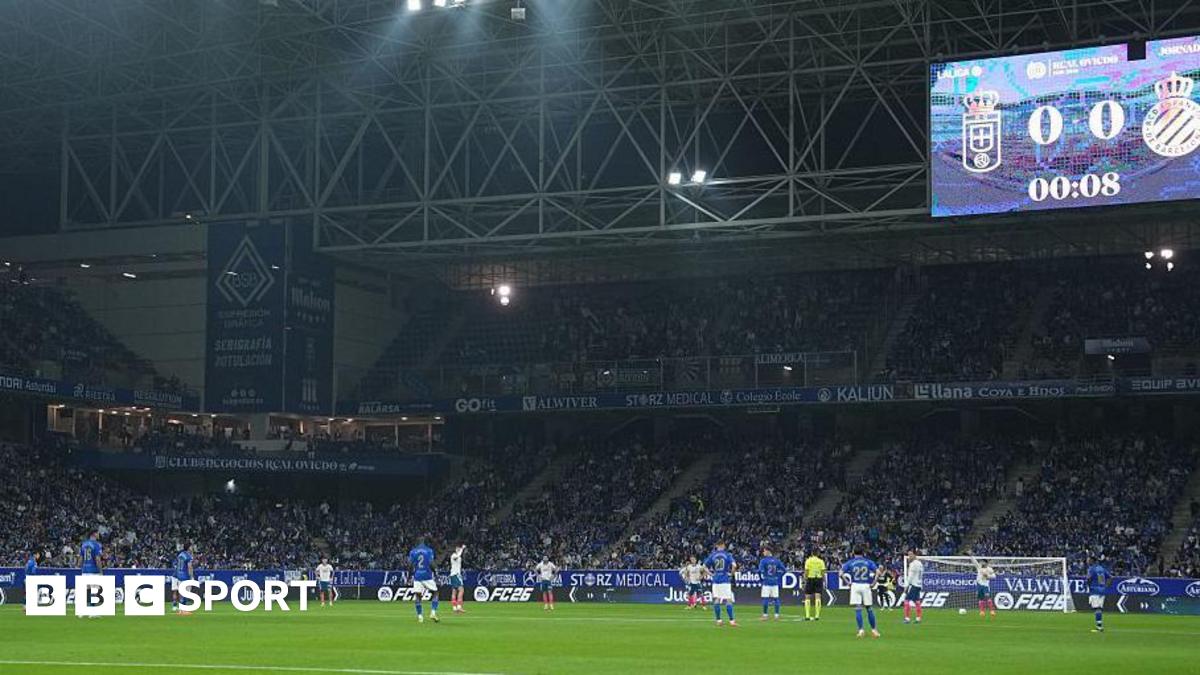
    In a striking display of dissent, players from Oviedo and Espanyol staged a symbolic protest during their La Liga match on Friday, refusing to move for the first 15 seconds in response to the league’s decision to host a game in Miami. The protest targeted La Liga’s lack of transparency and dialogue regarding the relocation of Villarreal’s fixture against Barcelona to the Hard Rock Stadium on December 20. The Spanish Footballers’ Association (AFE) coordinated the protest, emphasizing their rejection of a project they claim lacks player approval and adequate labor protections. La Liga, however, refuted these accusations, expressing a willingness to engage in dialogue with the AFE. The protest was not broadcast live, as cameras shifted to the stadium’s exterior. The AFE announced that similar demonstrations would occur in remaining La Liga games this weekend, though Barcelona and Villarreal players were excluded to avoid misinterpretation. The controversy follows the Italian football federation’s decision to host a Serie A match in Perth, Australia. Barcelona coach Hansi Flick voiced his displeasure with the Miami game, while Real Madrid and Uefa expressed opposition and reluctant approval, respectively. RFEF president Rafael Louzan and Barcelona president Joan Laporta defended the move, calling it beneficial for football.

  • One scandal too many forces UK monarchy to sideline Prince Andrew

    One scandal too many forces UK monarchy to sideline Prince Andrew

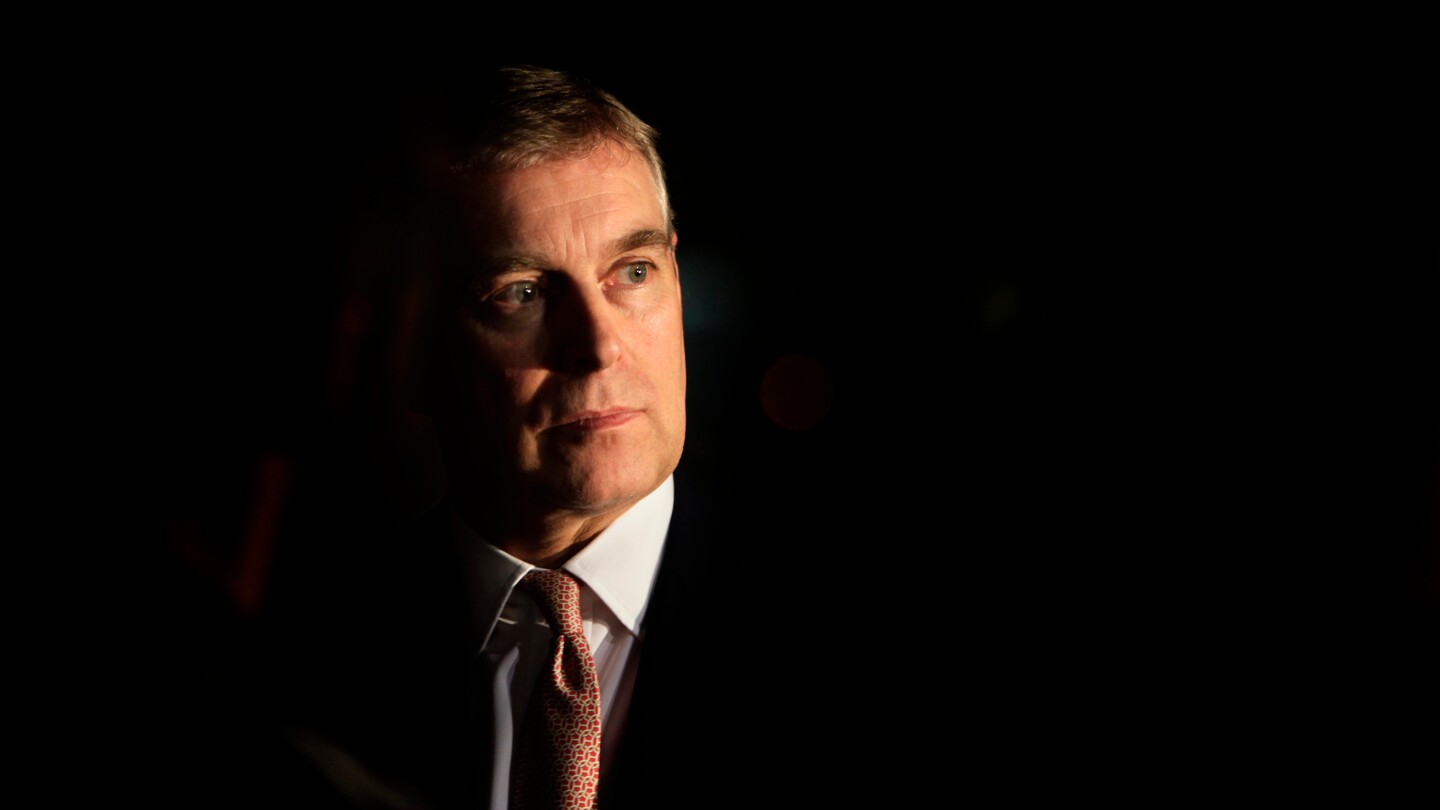
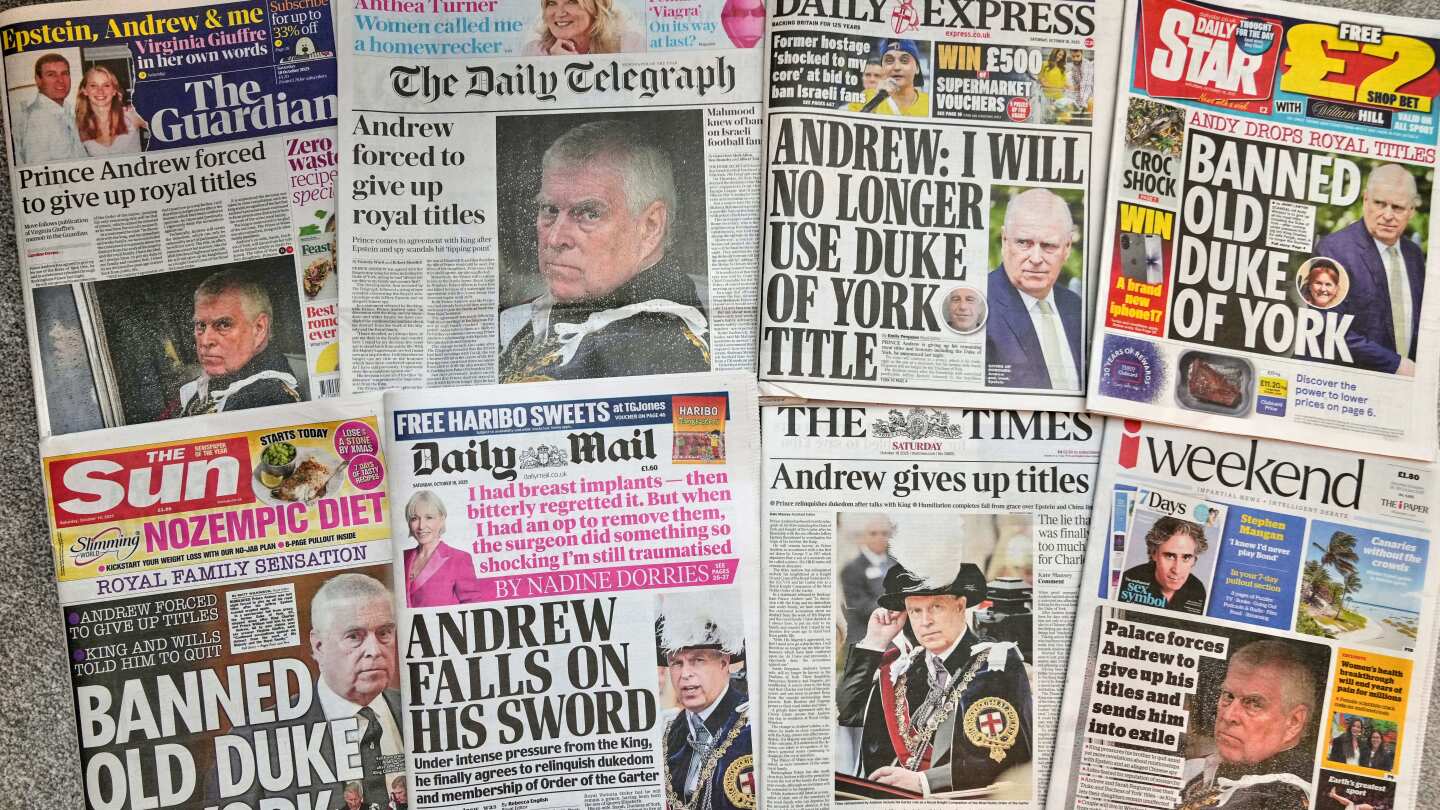
    The British monarchy has taken decisive action to distance itself from Prince Andrew following a series of damaging revelations about his association with convicted sex offender Jeffrey Epstein. Buckingham Palace announced on Friday that Andrew, the second son of the late Queen Elizabeth II, has agreed to relinquish his remaining royal titles, including the Duke of York, to prevent further distractions from the monarchy’s public duties. This move comes after emails surfaced this week showing that Andrew maintained contact with Epstein longer than he had previously admitted, contradicting his earlier claims and misleading the British public. Craig Prescott, a constitutional law expert at Royal Holloway University of London, described this as the “straw that broke the camel’s back,” emphasizing the severity of the deception. The decision to strip Andrew of his titles marks the culmination of a years-long process that began in 2019 when he stepped back from public duties following a disastrous BBC interview addressing his ties to Epstein and allegations of sexual misconduct. The interview, widely criticized for its lack of empathy and implausible explanations, set the stage for this week’s revelations. Andrew’s banishment from royal life underscores King Charles III’s efforts to modernize and stabilize the monarchy, particularly as he prepares for a significant state visit to the Vatican. The king is also motivated by a desire to protect the reputations of Queen Camilla and the Duchess of Edinburgh, who have championed causes related to domestic and sexual violence. By severing ties with Andrew, the monarchy aims to insulate itself from further scandal and reaffirm its commitment to public service.

  • A look at Prince Andrew’s antics and scandals that have tried royal patience for decades

    A look at Prince Andrew’s antics and scandals that have tried royal patience for decades

    In a dramatic turn of events, Britain’s Prince Andrew has been compelled to relinquish his remaining royal titles, marking a significant fall from grace for the once-prominent royal figure. This decision, orchestrated by his brother King Charles III, comes in the wake of mounting controversies surrounding Andrew’s association with convicted pedophile Jeffrey Epstein. Over the past four decades, Andrew’s actions have repeatedly embarrassed the royal family, sparking lawsuits, public outrage, and allegations of exploiting his royal status for personal gain. The prince’s tumultuous journey includes a series of scandals that have tarnished his reputation and ultimately led to his banishment from public life. In 1984, Andrew made headlines for spraying reporters with paint during a visit to Los Angeles, an incident he later described as enjoyable. In 2007, he sold his Sunninghill Park estate for a price significantly above market value, raising suspicions of an influence-peddling scheme involving a Kazakh businessman. The prince’s troubles escalated in 2010 when his ex-wife, Sarah Ferguson, was caught on camera allegedly offering access to Andrew for £500,000. The following year, Andrew resigned as Britain’s special trade envoy amid revelations of his ties to Epstein and other controversial figures. The Epstein scandal reached its peak in 2019 when Andrew faced allegations of sexual misconduct with underage victims trafficked by Epstein. A disastrous BBC interview later that year further damaged his credibility, as he failed to express remorse for Epstein’s victims. By 2022, Andrew settled a civil lawsuit filed by Virginia Giuffre, who accused him of sexual abuse, though he admitted no wrongdoing. In 2024, new concerns emerged about his association with a suspected Chinese spy, prompting national security alarms. The prince’s downfall culminated in 2025 with the tragic suicide of Giuffre and the revelation of a 2011 email to Epstein, contradicting his earlier claims of severed ties. These events have irrevocably stained Andrew’s legacy, forcing the royal family to distance itself from his actions.

  • Skeletons found in mass grave are ancient Roman soldiers, study finds

    Skeletons found in mass grave are ancient Roman soldiers, study finds

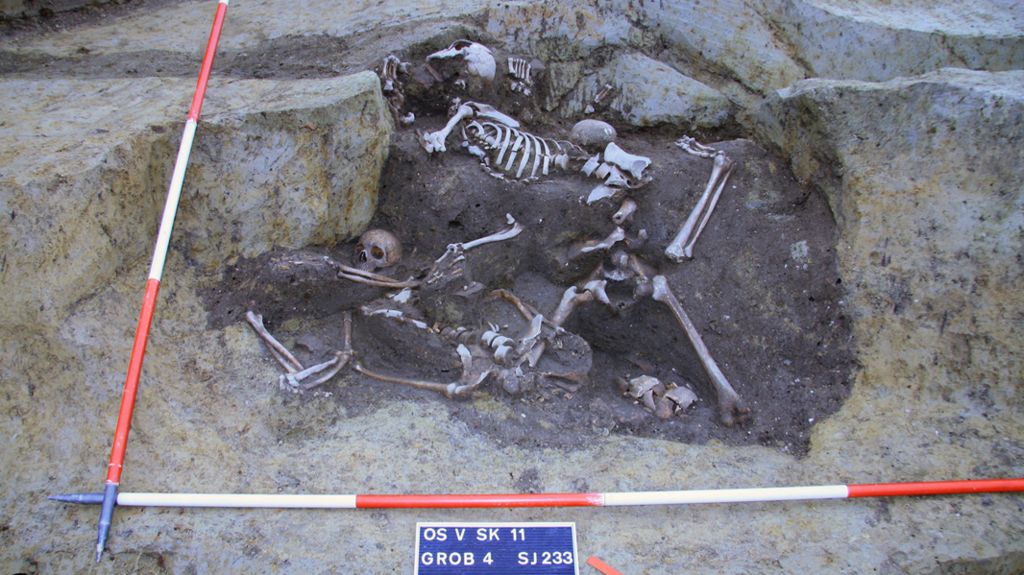
    A groundbreaking archaeological discovery in Croatia has shed light on the lives and deaths of seven Roman soldiers who lived approximately 1,700 years ago. The remarkably well-preserved skeletons, unearthed in 2011 at the site of the ancient Roman city of Mursa (modern-day Osijek), were found in a mass grave that researchers believe was originally a water-well. The findings, detailed in a new research paper, suggest these men were likely victims of the tumultuous ‘Crisis of the Third Century,’ particularly the Battle of Mursa in 260 CE, a period marked by violent conflicts over imperial succession. The skeletons, belonging to men aged between 36 and 50, exhibited signs of robust physicality and a primarily vegetarian diet, though some had consumed meat and seafood. All bore evidence of both healed and unhealed injuries, including blunt force trauma and puncture wounds likely caused by arrows or spears. Additionally, DNA analysis revealed a diverse ancestry, indicating none were local to the region. The researchers noted that mass burials were uncommon in the Roman Empire, typically reserved for extreme circumstances such as large-scale battles. The discovery underscores Mursa’s historical significance as a hub of trade, craft, and conflict during the Roman era.

  • Trump only one who can force Putin to negotiating table, Finnish president tells BBC

    Trump only one who can force Putin to negotiating table, Finnish president tells BBC

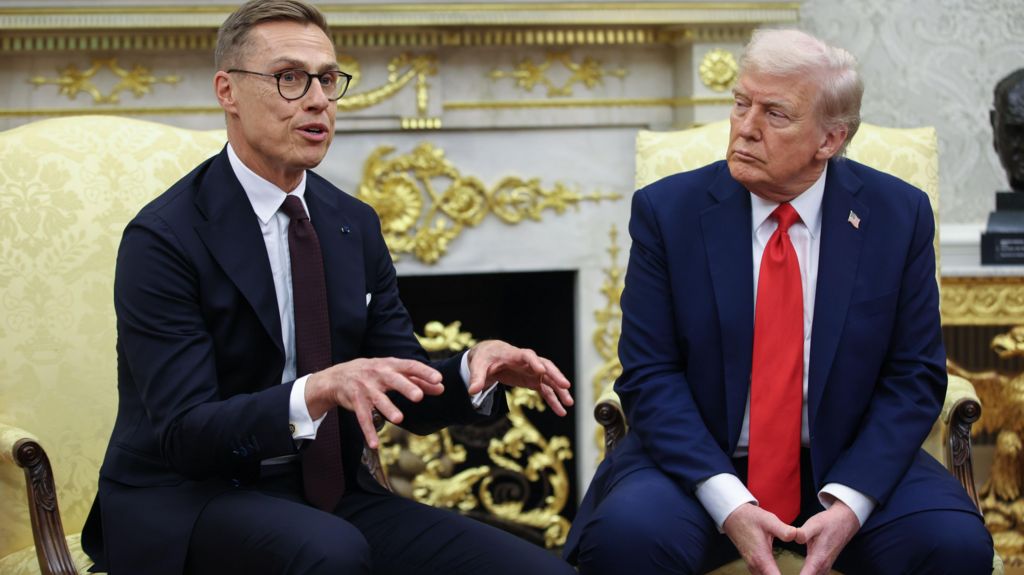
    Finland’s President Alexander Stubb has asserted that Donald Trump is the sole figure capable of compelling Russian President Vladimir Putin to engage in peace negotiations regarding the ongoing conflict in Ukraine. In an interview with BBC Radio 4’s Today programme, Stubb emphasized that Finland will never recognize Crimea, Donetsk, or Luhansk as part of Russia. He expressed his commitment to ensuring Ukraine’s future as an EU and NATO member post-war. Stubb’s remarks came ahead of Ukrainian President Volodymyr Zelensky’s meeting with Trump at the White House, where Zelensky appealed for U.S. assistance in ending the war. Trump, in turn, revealed that Putin has agreed to a face-to-face meeting in Hungary, signaling a potential diplomatic breakthrough. Stubb underscored the necessity of applying pressure on Russia to bring them to the negotiating table, contrasting Trump’s earlier ‘carrot’ approach with a more forceful ‘stick’ strategy. He expressed optimism about the progress made in peace negotiations during Trump’s second term, citing economic sanctions and the depletion of Russia’s reserves as critical factors. Stubb also highlighted the importance of U.S. support in providing air defense, intelligence, and operational assistance to Ukraine. He outlined a two-phase peace process, beginning with a ceasefire and followed by extended negotiations, expressing hope for tangible results in the near future.

  • How an old suitcase revealed a hidden family fortune, lost under Nazi rule

    How an old suitcase revealed a hidden family fortune, lost under Nazi rule

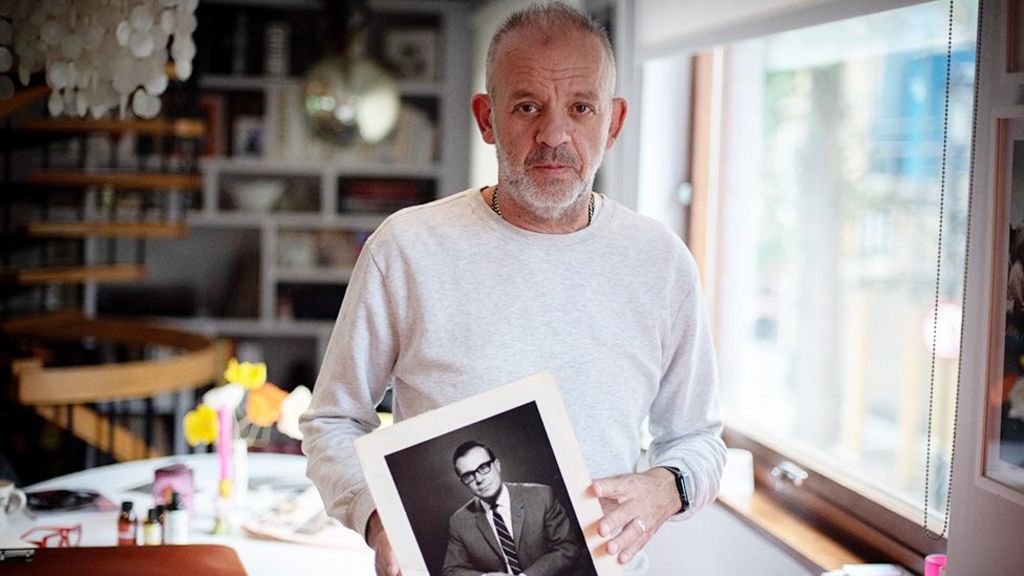
    In 2009, Antony Easton stumbled upon a small brown leather suitcase hidden under his late father Peter’s bed in Lymington, Hampshire. What he discovered inside would unravel a decades-long mystery about his family’s past, revealing a tale of immense wealth, devastating loss, and survival during the Holocaust. The suitcase contained immaculate German banknotes, photo albums, and a birth certificate that shattered Antony’s understanding of his father’s identity. Peter Roderick Easton, who had prided himself on his ‘Englishness,’ was, in fact, born Peter Hans Rudolf Eisner in pre-war Germany, a member of one of Berlin’s wealthiest Jewish families.

  • UK sees lessons from Northern Ireland that could aid the fragile Gaza ceasefire process

    UK sees lessons from Northern Ireland that could aid the fragile Gaza ceasefire process

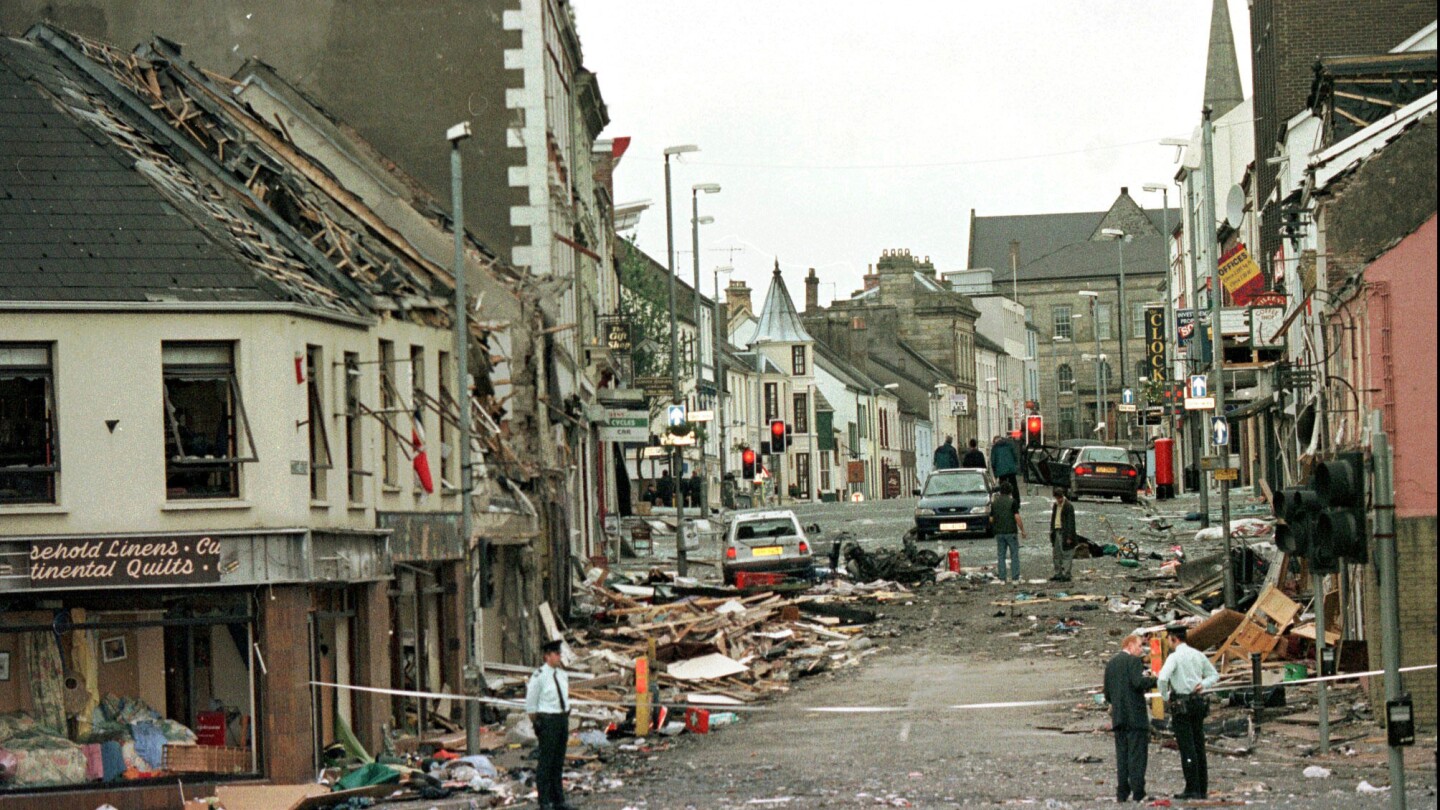
    As the ceasefire in the two-year Gaza war holds, the international community looks to the Northern Ireland peace process of the 1990s for insights into resolving seemingly intractable conflicts. Key figures from that era, including former British Prime Minister Tony Blair and his former chief of staff Jonathan Powell, have re-emerged in discussions about Gaza’s future. British Prime Minister Keir Starmer has emphasized the UK’s readiness to assist in disarming Hamas, drawing parallels to the disarmament of the Irish Republican Army (IRA) during the Northern Ireland peace process. The IRA’s eventual agreement to decommission weapons, overseen by an international commission, was a pivotal moment in the 1998 Good Friday Agreement, which largely ended decades of violence known as ‘the Troubles.’ However, experts caution that while there are parallels between the two conflicts, the scale of devastation and complexity in Gaza is far greater. The Trump-backed plan for Gaza focuses narrowly on Hamas’ disarmament but fails to address broader issues like Palestinian statehood, which is widely seen as essential for lasting peace. The Northern Ireland experience highlights the importance of inclusivity and patience in peacebuilding, though achieving a similar consensus in the Middle East remains a monumental challenge. Despite its successes, the Northern Ireland peace process was not without setbacks, including occasional dissident attacks and the collapse of its power-sharing government. Experts argue that excluding Hamas from future political processes could hinder progress, as inclusivity was a cornerstone of Northern Ireland’s success. As key players like Blair and Powell return to the spotlight, their experience in conflict resolution may offer valuable lessons, though the path to peace in Gaza remains fraught with uncertainty.

  • Polish judge refuses to extradite Ukrainian Nord Stream blasts suspect

    Polish judge refuses to extradite Ukrainian Nord Stream blasts suspect

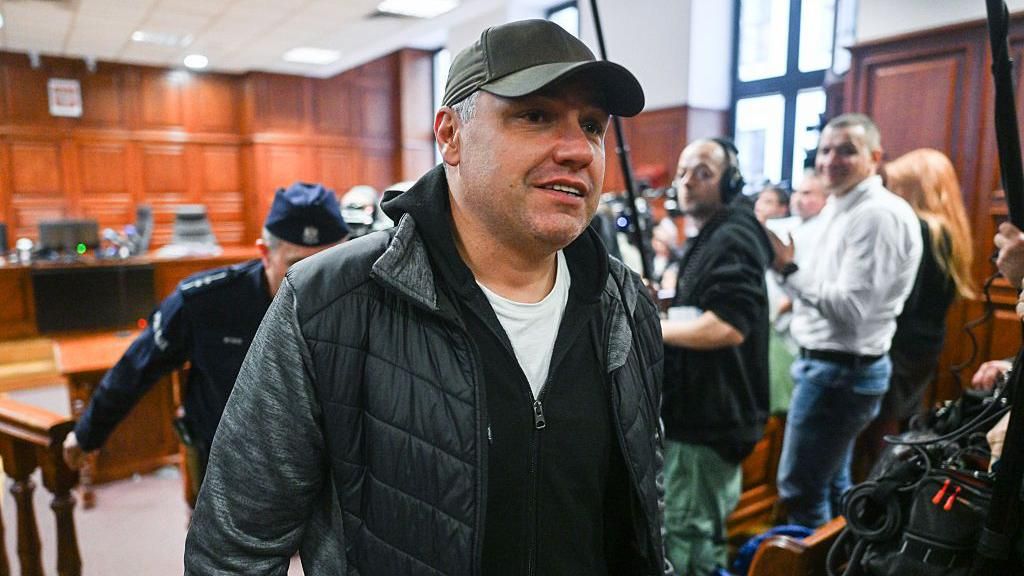
    In a landmark decision, a Polish judge has refused to extradite a Ukrainian citizen, Volodymyr Zhuravlyov, who was suspected by Germany of involvement in the sabotage of the Nord Stream gas pipelines in September 2022. Judge Dariusz Lubowski of the Warsaw District Court ruled that if Ukraine was responsible for the attack, it could be considered a ‘just’ act in the context of Russia’s ongoing invasion of Ukraine. The ruling, which was met with surprise in the courtroom, led to Zhuravlyov’s immediate release and sparked a broader debate about the legal and moral implications of the case.

    Zhuravlyov, a deep-sea diver by profession, was detained in Poland last month on a European arrest warrant. He is accused of planting explosives on the Nord Stream pipelines, which run from Russia to Germany through the Baltic Sea. The explosions, which occurred in September 2022, severely damaged the controversial energy supply line, initially raising suspicions of Russian involvement before evidence pointed toward Ukrainian actors. Ukrainian officials have consistently denied any role in the sabotage.

    In his ruling, Judge Lubowski emphasized that the context of the war in Ukraine was critical to his decision. He described Russia’s invasion as a ‘bloody and genocidal attack’ and argued that Ukraine had the legal right to defend itself. Citing philosophical principles from Aristotle and Saint Thomas Aquinas, Lubowski stated that actions taken by Ukraine to weaken Russia’s military potential could be justified. ‘If Ukraine and its special forces organized an armed mission to destroy enemy pipelines, these actions were not unlawful. On the contrary, they were justified, rational, and just,’ he declared.

    The judge also questioned Germany’s jurisdiction over the case, noting that the explosions occurred in international waters on pipelines owned primarily by the Russian state. He insisted that his decision was based on legal reasoning rather than emotional or political considerations. Following the ruling, Zhuravlyov was granted compensation from the Polish state for his detention.

    Zhuravlyov’s wife, Yulianna, expressed relief at the verdict, stating that it was important for Ukrainians to feel understood. The family, who have lived in Poland since February 2022, plans to remain in the country. Meanwhile, another Ukrainian suspect, Serhiy Kuznetsov, detained in Italy in August, is also fighting extradition to Germany. His case was recently sent back to a lower court in Bologna after Italy’s top appeals court annulled an earlier extradition ruling.

    The Nord Stream sabotage case has highlighted the complexities of international law and the geopolitical tensions surrounding the war in Ukraine. While Germany has expressed respect for the Polish court’s decision, the case continues to raise questions about accountability and the legal boundaries of wartime actions.