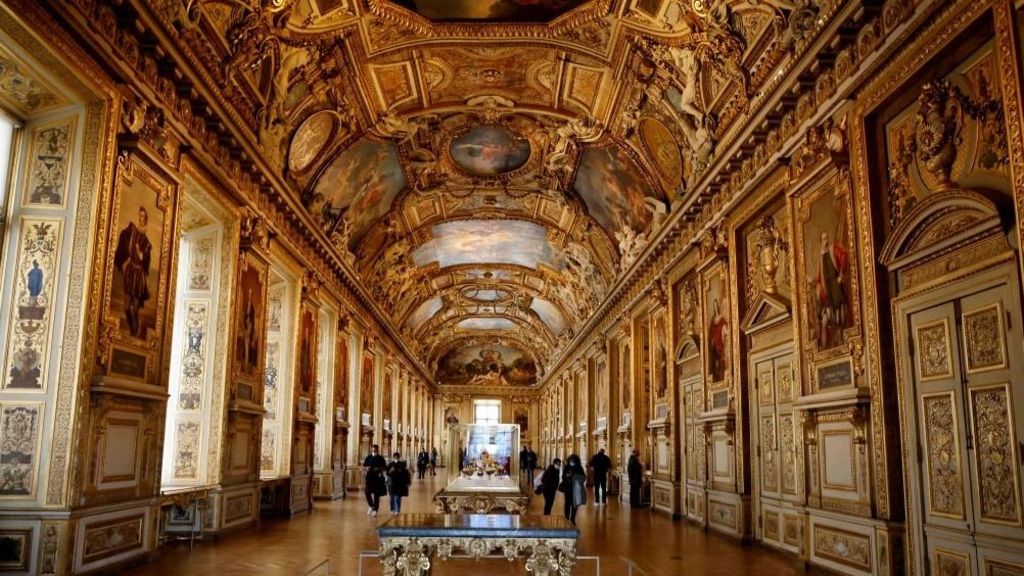
In a daring daylight robbery, the Louvre Museum in Paris was forced to shut down as thieves executed a meticulously planned heist targeting France’s invaluable crown jewels. The incident, which occurred on Sunday morning between 9:30 and 9:40 local time, has left the nation in shock. The perpetrators, armed with power tools, breached the museum’s security by using a mechanical ladder to access the Galerie d’Apollon via a balcony near the River Seine. They then cut through glass panes with an angle grinder or chainsaw to enter the museum. French Culture Minister Rachida Dati described the thieves as ‘experienced’ and ‘very professional,’ noting that they entered ‘calmly’ and smashed display cases containing the jewels. The thieves made their escape on scooters, leaving behind a scene of ‘total panic’ as the museum was evacuated. Authorities have not yet confirmed which items were stolen, but the targeted wing houses jewels from France’s royal past. One item, possibly the crown of Empress Eugénie, was found outside the museum, apparently dropped during the escape. The Regent Diamond, a 140-carat centerpiece of the gallery, was reportedly not stolen. Interior Minister Laurent Nuñez described the stolen jewels as ‘priceless’ and ‘of immeasurable heritage value.’ This incident is part of a recent spate of thefts targeting French museums, including the Adrien Dubouche Museum in Limoges and the Cognacq-Jay Museum in Paris. The Louvre, which has faced high-profile thefts in the past, including the infamous 1911 Mona Lisa heist, has since implemented stringent security measures. However, this latest breach raises questions about the effectiveness of current security protocols.
标签: Europe
欧洲
-
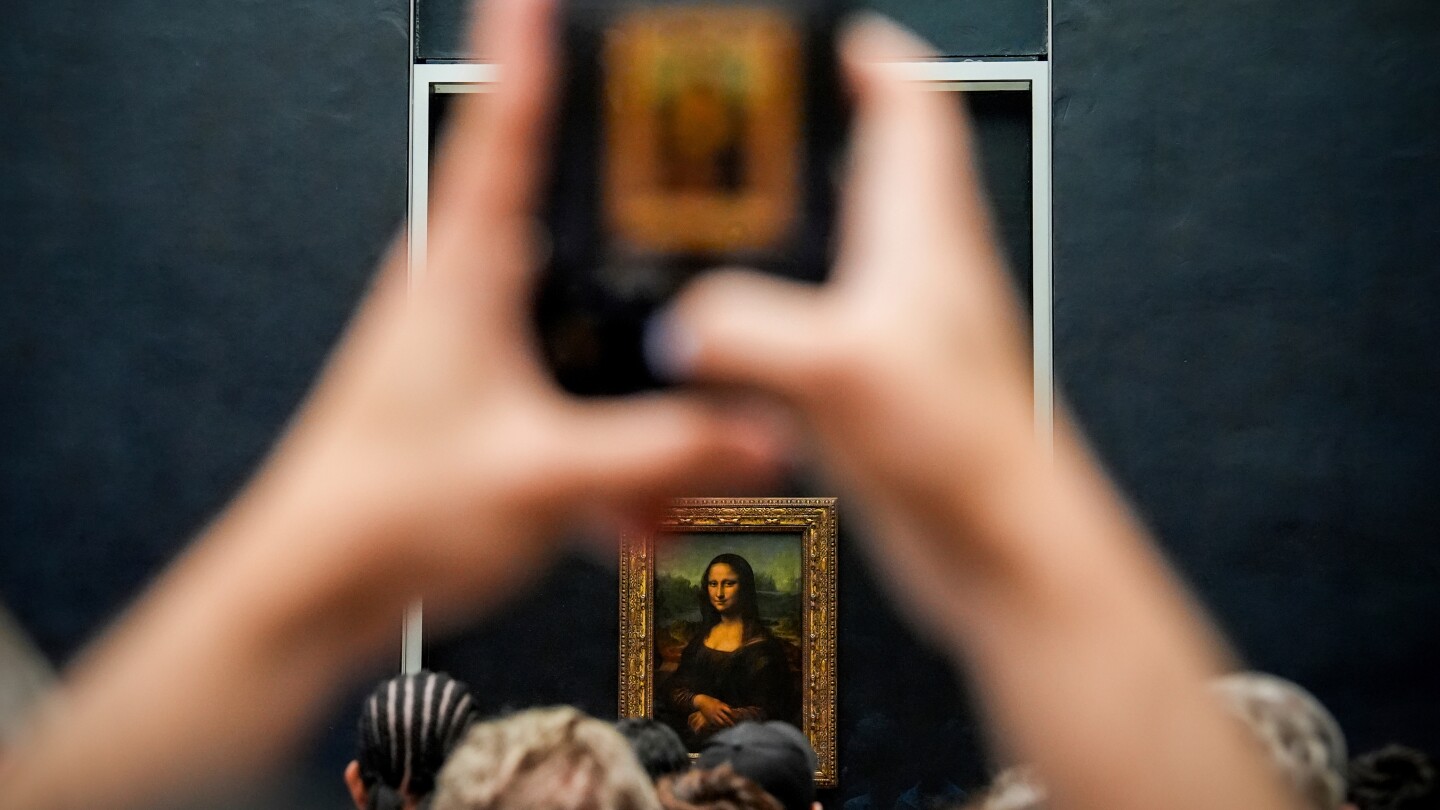
Thieves hit the Louvre again. Here’s a look at other famous heists in museums worldwide
In a brazen act of theft, nine pieces from the historic jewelry collection of Napoleon and the Empress were stolen from the Louvre Museum in Paris on Sunday morning. The perpetrators reportedly used a basket lift to access the museum, targeting the Galerie d’Apollon, where part of the French Crown Jewels are displayed. The incident occurred while tourists were inside the gallery, prompting the museum to close for the day as police secured the premises and evacuated visitors. This heist adds to the Louvre’s long history of thefts, including the infamous 1911 disappearance of the Mona Lisa, which was stolen by a former worker and recovered two years later in Florence. The incident underscores the vulnerability of even the most secure cultural institutions. Meanwhile, other notable art heists include the unsolved 1990 theft of 13 works from Boston’s Isabella Stewart Gardner Museum, valued at half a billion dollars, and the 2017 theft of a 100-kilogram solid-gold coin from Berlin’s Bode Museum. These incidents highlight the ongoing challenges museums face in protecting priceless artifacts from determined thieves.
-
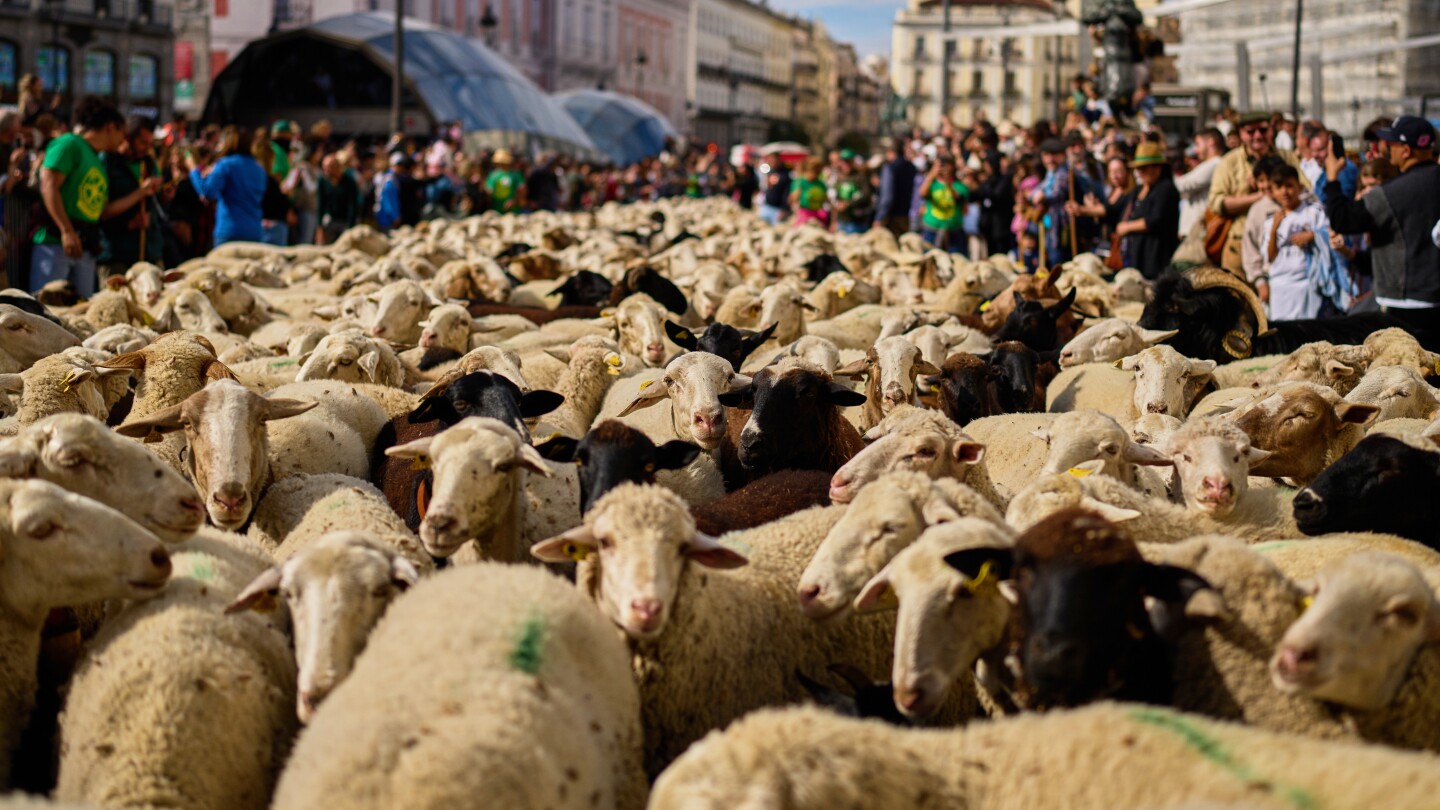
Madrid’s annual ‘Transhumance’ festival of sheep and goats draws huge crowds
Madrid’s bustling streets took on a pastoral charm this Sunday as a flock of sheep and goats paraded through the Spanish capital, marking the annual Transhumance Festival. This unique event, which honors the region’s rural heritage, drew thousands of spectators who marveled at the sight of 1,100 Merino sheep and 200 goats trotting past iconic landmarks, accompanied by the sounds of bells, bleats, and traditional horn music. The festival recreates the ancient practice of transhumance—moving livestock between seasonal grazing grounds—while highlighting its environmental benefits, such as reducing wildfire risks by clearing flammable undergrowth. Juan García Vicente, a long-time participant and environmentalist, emphasized the festival’s relevance amid Spain’s recent devastating wildfire season, calling for greater efforts to combat climate change and preserve rural traditions. The event also includes a symbolic payment of 50 maravedis, a medieval coin, to Madrid’s city hall, a tradition dating back to a 1418 agreement between the city and shepherds. Since its inception in 1994, the festival has become a cherished cultural event, celebrated not only in Madrid but also in towns across Italy, France, and California. Despite its modern decline due to industrialized farming, transhumance remains a vital practice for a small group of farmers who value its ecological and cultural significance. For attendees like American tourist Jennifer Granda, the festival offered a fascinating glimpse into Spain’s agricultural heritage, while locals like Ana Vásquez appreciated its nostalgic charm and connection to tradition.
-
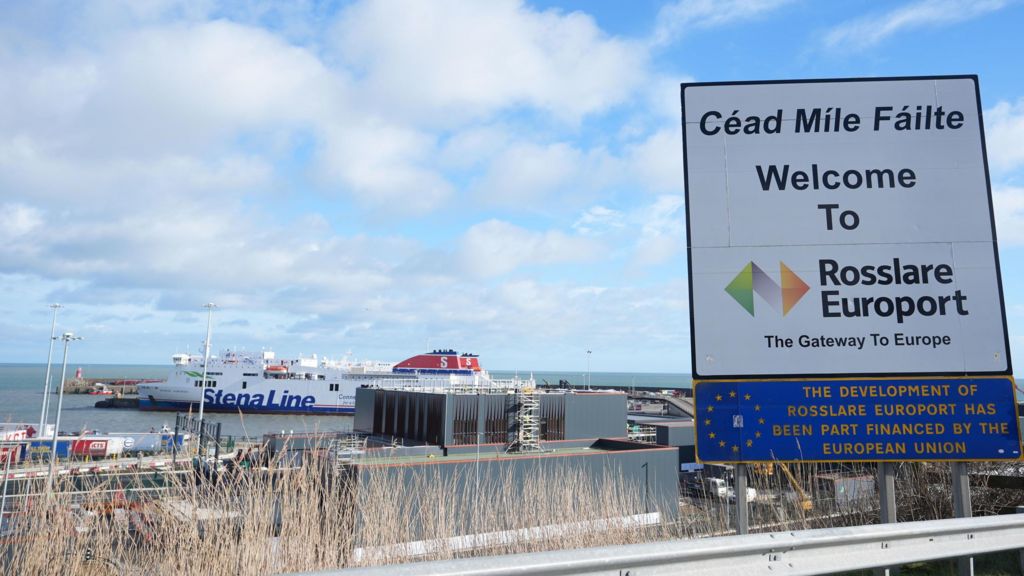
Man arrested after cocaine worth €14.2m seized
In a significant operation at Rosslare Europort in County Wexford, Irish revenue officers intercepted a substantial quantity of suspected cocaine, weighing approximately 202.5 kilograms. The discovery was made during a routine search of a lorry that had just disembarked from a ferry. The seized drugs, estimated to be worth €14.2 million (£12.3 million), mark one of the largest narcotics hauls in recent Irish history. Following the seizure, Gardaí (Irish police) arrested a man in his 30s, who is currently being held at a local garda station. Authorities have confirmed that investigations are ongoing, with further details expected to emerge as the case progresses. This operation underscores the continued efforts by Irish law enforcement to combat drug trafficking and organized crime within the Republic of Ireland.
-
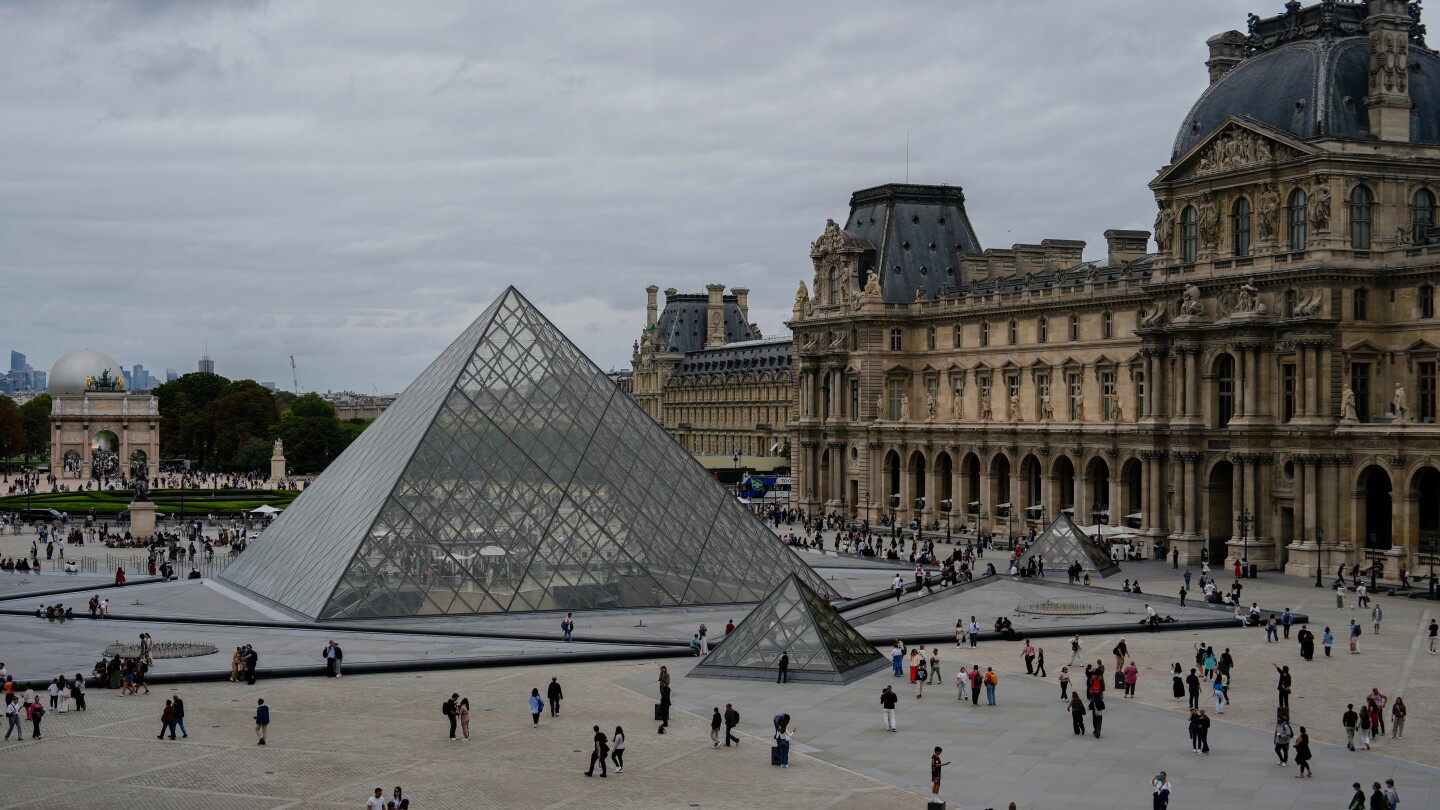
Louvre Museum closes after theft
In a shocking incident on Sunday, the Louvre Museum in Paris fell victim to a meticulously planned robbery, prompting its immediate closure. French Culture Minister Rachida Dati confirmed the theft on social media platform X, stating that the crime occurred during the museum’s opening hours. Authorities are currently investigating the heist, with no reports of injuries. According to French daily Le Parisien, the perpetrators entered the museum through its Seine-facing facade, where ongoing construction provided an opportunity for access. Using a freight elevator, they reportedly reached the Apollo Gallery, where they shattered windows and stole nine pieces from the historic jewellery collection of Napoleon and the Empress. The Apollo Gallery is renowned for its display of the French Crown Jewels, making the theft particularly significant. The Louvre, which attracts up to 30,000 visitors daily, has a storied history of thefts, including the infamous 1911 disappearance of the Mona Lisa. This latest incident underscores ongoing security challenges faced by the museum, which houses over 33,000 priceless works of art spanning ancient civilizations to European masterpieces.
-
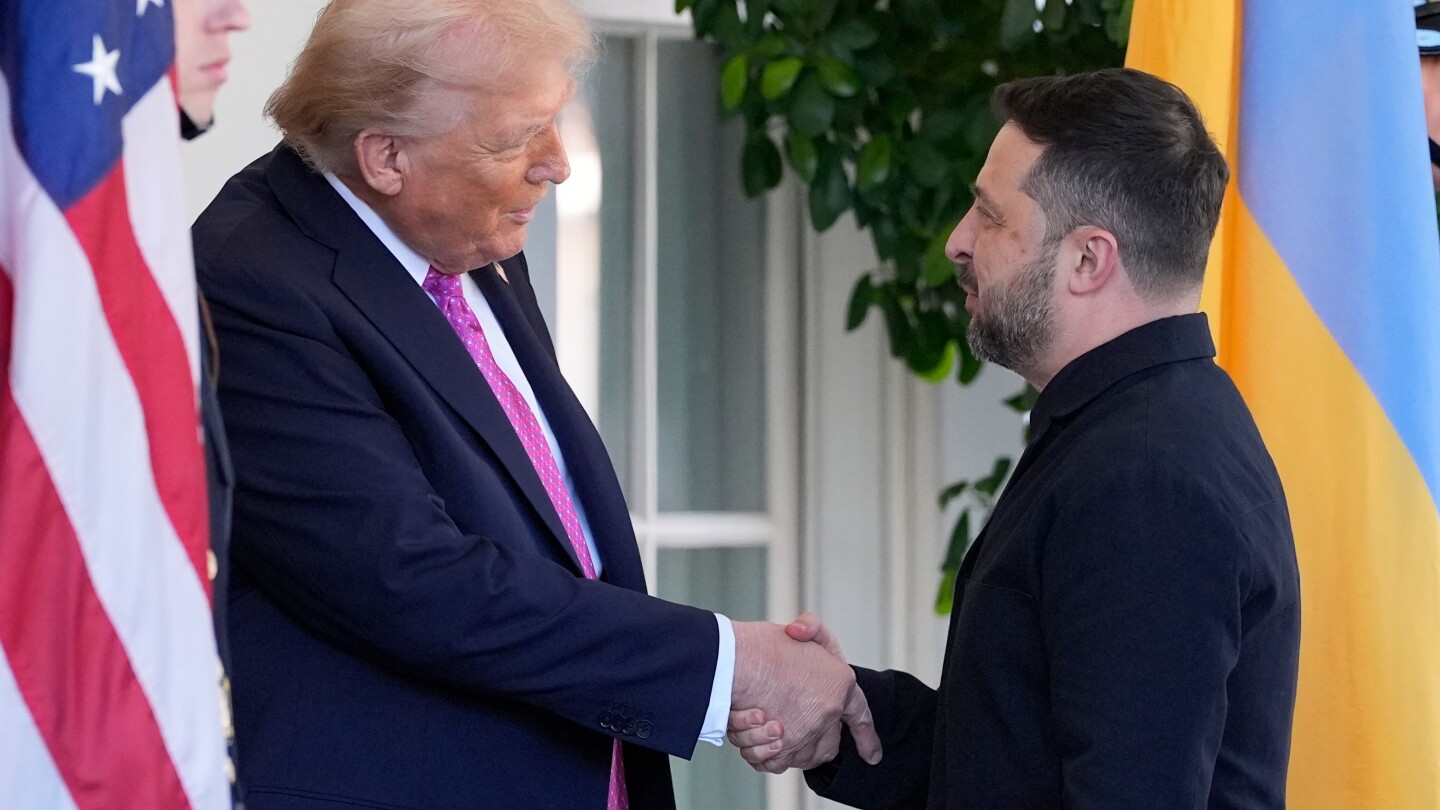
Ukrainian drones strike major Russian gas plant as Trump says Kyiv may have to trade land for peace
In a significant escalation of the ongoing conflict, Ukrainian drones targeted a major gas processing plant in southern Russia, igniting a fire and disrupting operations. The Orenburg plant, operated by Gazprom and located near the Kazakh border, is a critical facility with an annual capacity of 45 billion cubic meters. The attack forced the plant to temporarily halt gas intake from Kazakhstan, according to statements from Russian and Kazakh authorities. Regional Governor Yevgeny Solntsev confirmed that a workshop was set ablaze, causing partial damage. The Kazakh Energy Ministry cited Gazprom’s notification, attributing the disruption to an ’emergency situation following a drone attack.’ Ukraine’s General Staff reported a ‘large-scale fire’ and damage to a gas processing unit, underscoring Kyiv’s strategy of targeting Russian energy infrastructure to weaken Moscow’s war efforts. Meanwhile, Ukrainian prosecutors accused Russia of modifying aerial-guided bombs to strike deeper into Ukrainian territory. The UMPB-5R, a rocket-powered bomb capable of traveling up to 130 kilometers, was reportedly used for the first time in an attack on Lozava, a city 150 kilometers south of Kharkiv. Russian strikes also injured 11 people in the Dnipropetrovsk region, damaging residential buildings and a store. In a separate incident, Ukraine claimed a drone strike hit Russia’s Novokuibyshevsk oil refinery, sparking a fire and damaging refining units. Russian authorities did not immediately confirm the attack but stated that their air defense forces had intercepted 45 Ukrainian drones overnight. Ukraine’s air force, in turn, reported that Russia launched 62 drones into Ukrainian territory, with 40 being neutralized. Amid these developments, U.S. President Donald Trump suggested that Ukraine might need to cede territory to achieve peace, marking a shift in his stance. In a Fox News interview, Trump indicated that Russian President Vladimir Putin would likely retain control of certain areas. Trump’s comments, coupled with his reluctance to commit to supplying Ukraine with Tomahawk missiles, have raised concerns about the U.S. role in the conflict. As both sides prepare for a potential summit between Trump and Putin in Budapest, hopes for a breakthrough remain tempered by the ongoing violence and geopolitical complexities.
-
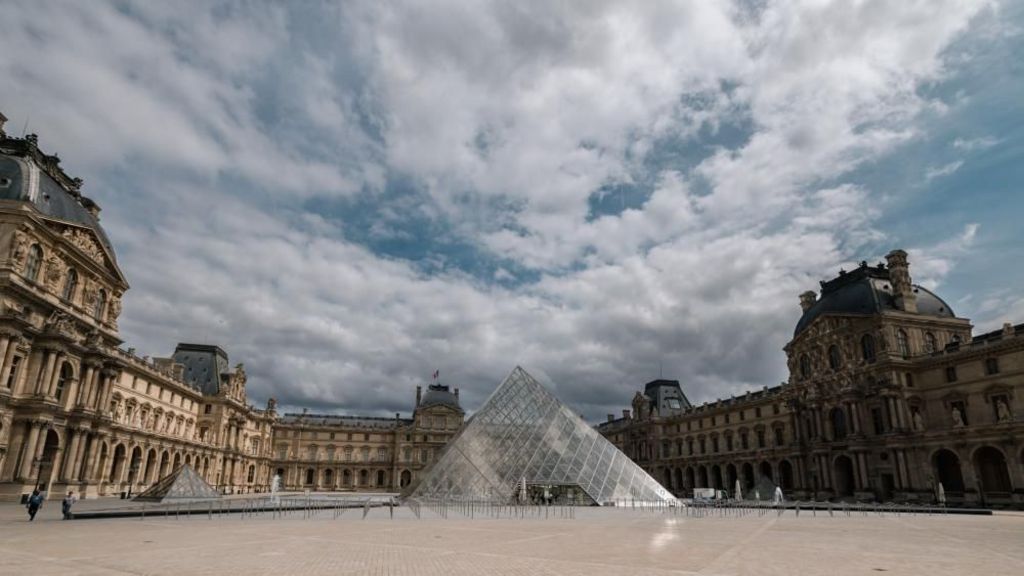
Louvre museum in Paris closed after robbery, French culture minister says
The iconic Louvre Museum in Paris has been temporarily closed following a brazen robbery that occurred on Sunday morning, as confirmed by France’s Culture Minister, Rachida Dati. The incident took place during the museum’s opening hours, prompting an immediate response from law enforcement. Dati, who was present at the scene, shared the news on X (formerly Twitter), though specific details about the stolen items remain undisclosed. Reports from various French media outlets suggest that valuable jewellery was among the items taken. The Louvre, renowned as the world’s most visited museum, is home to countless priceless artworks and historical treasures. In a brief statement, the museum announced its closure ‘for exceptional reasons,’ without elaborating further. Authorities are currently conducting a thorough investigation to uncover the circumstances surrounding the theft. This developing story is expected to be updated with more information shortly. For real-time updates, the public is encouraged to follow @BBCBreaking on X or use the BBC News App.
-
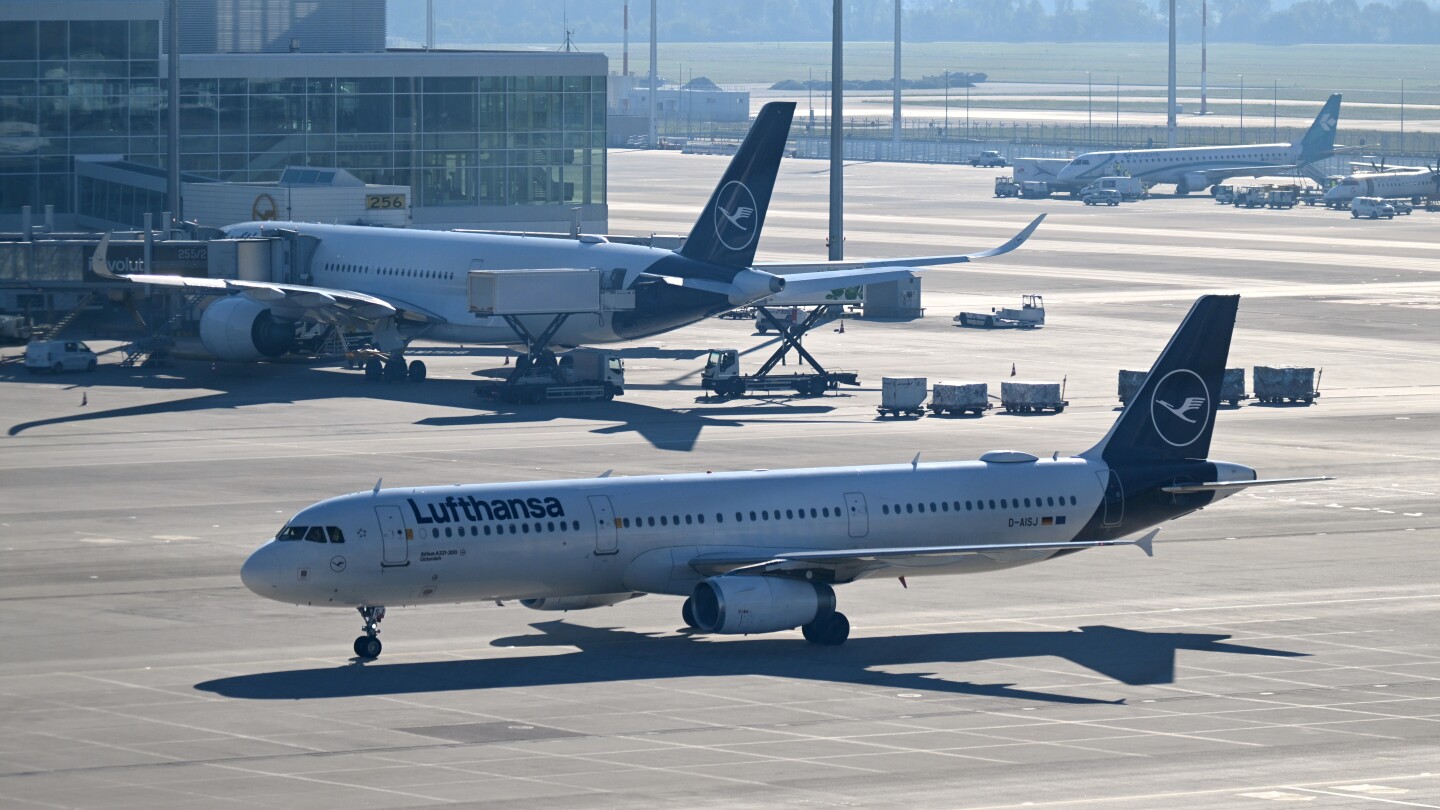
Germany’s Munich Airport temporarily closed following drone reports, but nothing found
Munich Airport, one of Germany’s busiest aviation hubs, faced a temporary closure on Saturday night following unverified reports of drone sightings. According to federal police, the incident occurred after multiple individuals, including security personnel and airport staff, reported suspicious observations. The sightings took place around 10 p.m. and again at 11 p.m., lasting approximately 30 minutes each time. Despite the disruption, the airport resumed operations before midnight, and air traffic returned to normal by Sunday morning. The impact on flights and passengers was minimal, with only three flights diverted—two of which later landed in Munich—and one departure canceled. Federal police conducted a thorough search but found no drones or suspicious individuals in the vicinity. This incident marks the latest in a series of mysterious drone overflights affecting European Union airspace. Earlier this month, Munich Airport experienced two closures within 24 hours due to similar drone sightings, disrupting thousands of travelers.
-
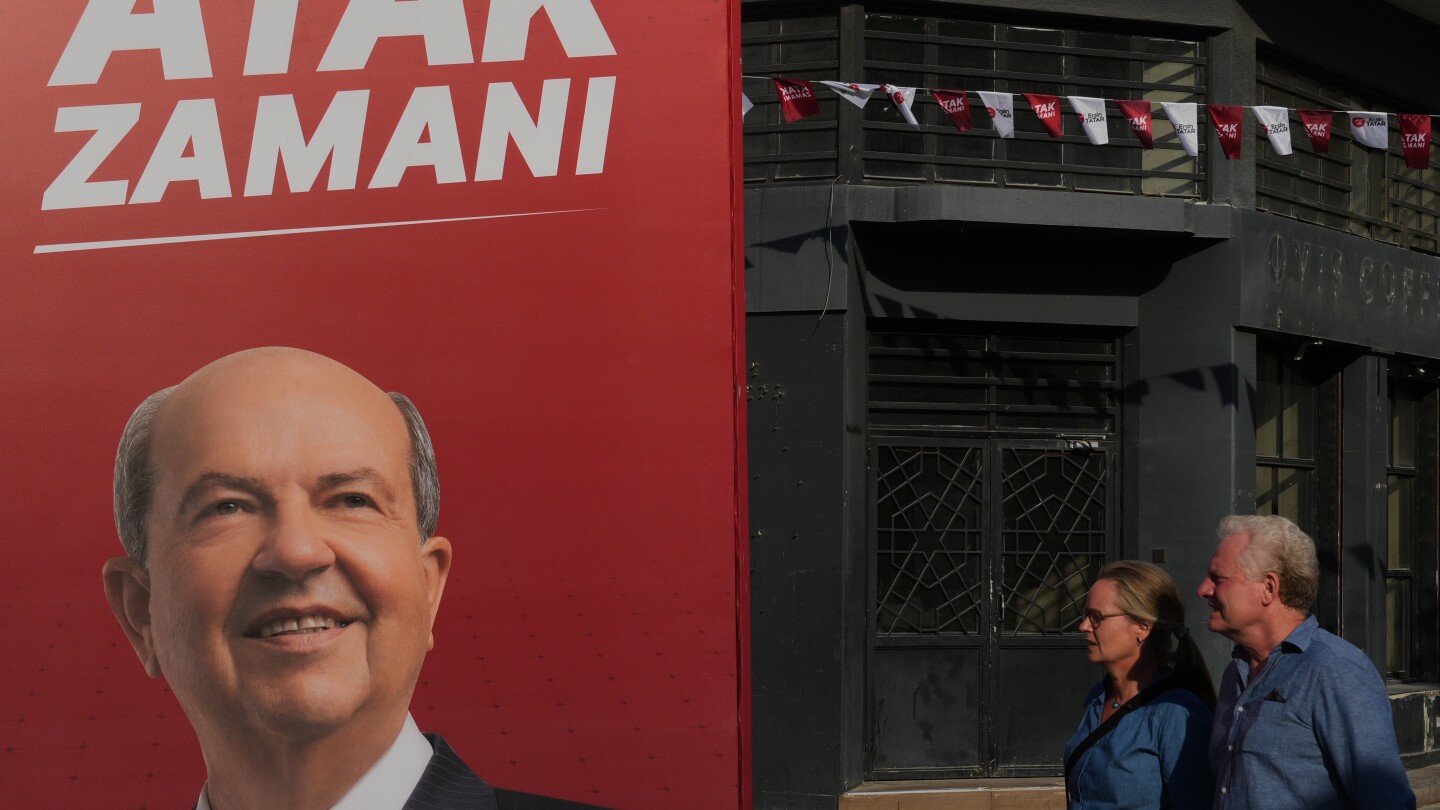
Turkish Cypriots vote in an election seen as a choice on deeper Turkey ties or closer EU relations
In a decisive election held on Sunday, Turkish Cypriots in the ethnically divided island of Cyprus faced a critical choice: deepen their alignment with Turkey or pivot toward stronger ties with Europe. With approximately 218,000 registered voters, the polls closed at 1500 GMT, marking a significant moment in the region’s political landscape. The election featured seven candidates, but the primary contest was between the hard-right incumbent Ersin Tatar and the center-left challenger Tufan Erhurman. Tatar, 65, has been a vocal advocate for permanently dividing Cyprus and seeking international recognition for a Turkish Cypriot state closely aligned with Turkey’s political, economic, and social policies. His stance echoes that of Turkish President Recep Tayyip Erdogan, who recently reiterated at the U.N. General Assembly that Cyprus comprises “two separate states” and called for formal recognition of the Turkish Cypriot entity. In contrast, Erhurman, 55, has championed a return to negotiations with Greek Cypriots to establish a two-zone federation. He has criticized Tatar’s reluctance to engage in formal peace talks during his five-year tenure, arguing that it has isolated Turkish Cypriots internationally and wasted valuable time. The election unfolds against the backdrop of Cyprus’s division since 1974, when Turkey invaded following a coup by Greek junta-backed supporters of union with Greece. Turkish Cypriots declared independence in 1983, but only Turkey recognizes it, maintaining over 35,000 troops in the island’s northern third. While Cyprus joined the European Union in 2004, only the Greek Cypriot south enjoys full membership benefits, despite many Turkish Cypriots holding EU-recognized passports. Greek Cypriots firmly reject the two-state proposition, viewing it as incompatible with the U.N. and EU-endorsed federation framework. Cypriot President Nikos Christodoulides has repeatedly stated that talks based on a two-state solution are non-negotiable, fearing Turkey’s potential dominance over the entire island.
-

Pope gives Venezuela reason to celebrate by canonizing its beloved ‘doctor of the poor’ as 1st saint
In a historic moment for Venezuela, Pope Leo XIV will canonize José Gregorio Hernández, the nation’s revered ‘doctor of the poor,’ on Sunday. This marks Venezuela’s first saint and brings a rare moment of celebration to a country grappling with a prolonged economic crisis and escalating tensions with the United States. The canonization ceremony, held in St. Peter’s Square, will also honor Mother Carmen Rendiles Martínez, founder of a Venezuelan religious order, and Papua New Guinea’s first saint, Peter To Rot, among others. Thousands of Venezuelans are expected to attend in Rome, while many more will gather in Caracas to watch the livestreamed event. The Vatican highlighted that Pope Francis approved Hernández’s sainthood from his hospital room, bypassing the traditional miracle confirmation process due to the widespread veneration of the ‘doctor-saint.’ Hernández, a 19th-century physician, became a national icon for his selfless care of the poor, often refusing payment and even providing funds for medicine. His tragic death in 1919 while delivering medicine to an elderly woman cemented his legacy. The canonization comes at a critical time for Venezuela, following recent geopolitical tensions and the Nobel Peace Prize awarded to opposition leader María Corina Machado. Despite the challenges, this event symbolizes hope and unity for the Venezuelan people. Other individuals being canonized include Archbishop Ignazio Choukrallah Maloyan, Sister Vincenza Maria Poloni, Maria Troncatti, and Bartolo Longo, each recognized for their profound impact on faith and society.