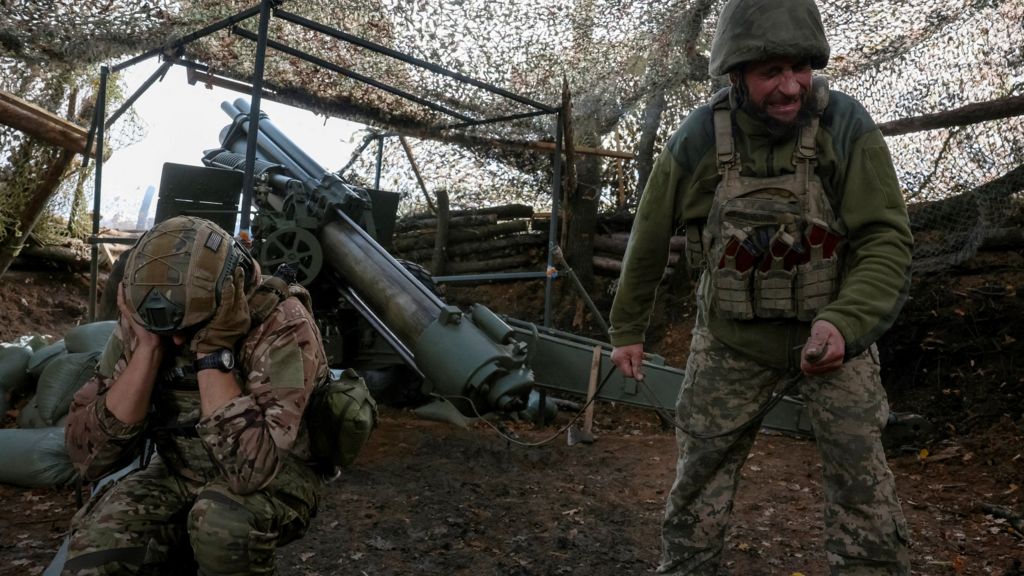
Ukrainian President Volodymyr Zelensky has declared the defense of Pokrovsk a top priority, as elite special forces have been deployed to the embattled town on the eastern front line. Ukrainian military sources revealed to the BBC that special forces from military intelligence and assault groups are being utilized as regular infantry to safeguard supply lines to troops stationed in the Donbas region. Reports of Russian advances around the strategic town, located west of Donetsk, have been increasing, though Ukraine has refuted claims that their forces are encircled. Moscow has demanded that Kyiv cede the entire Donbas region, including areas it does not currently control, as part of a peace agreement. Russia presently occupies approximately one-fifth of Ukrainian territory, including the Crimean peninsula annexed in 2014. The deployment of special forces underscores Kyiv’s determination to retain control of Pokrovsk, which Russia has been attempting to seize for over a year. Local media reports indicate that Kyrylo Budanov, head of Ukraine’s military intelligence, is personally overseeing operations in the region. Pokrovsk serves as a critical transport and supply hub, and its capture could facilitate Russian efforts to dominate the rest of the region. Kyiv also believes that losing Pokrovsk would bolster Russia’s narrative of military success, potentially pressuring the West to acquiesce to its demands. The US has expressed growing frustration with the Kremlin’s stalled peace negotiations, leading to sanctions on Russia’s largest oil producers and the cancellation of a planned summit between US President Donald Trump and Russian President Vladimir Putin. Zelensky has shown openness to Trump’s ceasefire proposal, which would freeze the conflict along current front lines, while Russia insists on Ukrainian troops withdrawing from the remaining Donbas territory. In his nightly address, Zelensky emphasized, ‘Pokrovsk is our priority. We continue to destroy the occupier, and that is what matters most… They must be halted where they have reached – and destroyed there.’ Meanwhile, Russia claims to have neutralized Ukrainian special forces who landed near Pokrovsk by helicopter, although the veracity of these claims remains unverified. Images shared with news agencies depict a Ukrainian Black Hawk helicopter deploying troops near Pokrovsk, though the exact location and date are uncertain. The Ukrainian open-source monitoring group DeepState estimates that about half of Pokrovsk is a ‘grey zone,’ with neither side in full control. A military source in Donetsk informed the BBC that Ukrainian forces are not surrounded but face intense fire on their supply lines. The US-based Institute for the Study War noted that Ukrainian forces have made marginal advances north of Pokrovsk, but the town remains largely contested.
标签: Europe
欧洲
-
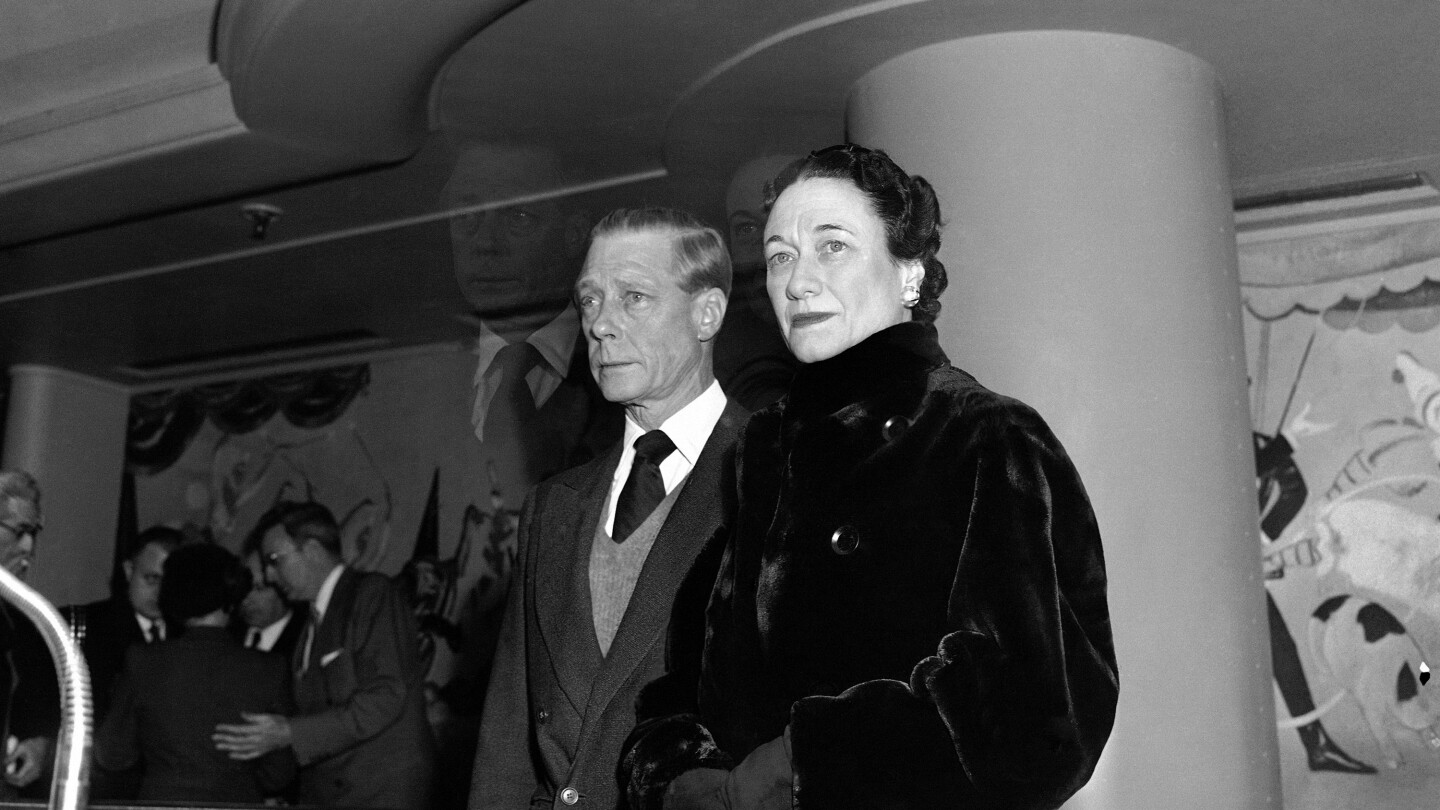
Andrew’s royal exit is the latest crisis for Britain’s monarchy
The British monarchy, a symbol of tradition and continuity, has once again found itself navigating turbulent waters. The recent banishment of Prince Andrew by King Charles III marks a significant moment in the institution’s history. Stripped of his princely title and residence, Andrew faces heightened scrutiny over his financial dealings and association with the late Jeffrey Epstein, a convicted sex offender. This decisive action underscores Charles’ commitment to safeguarding the monarchy’s reputation amid ongoing controversies.
-
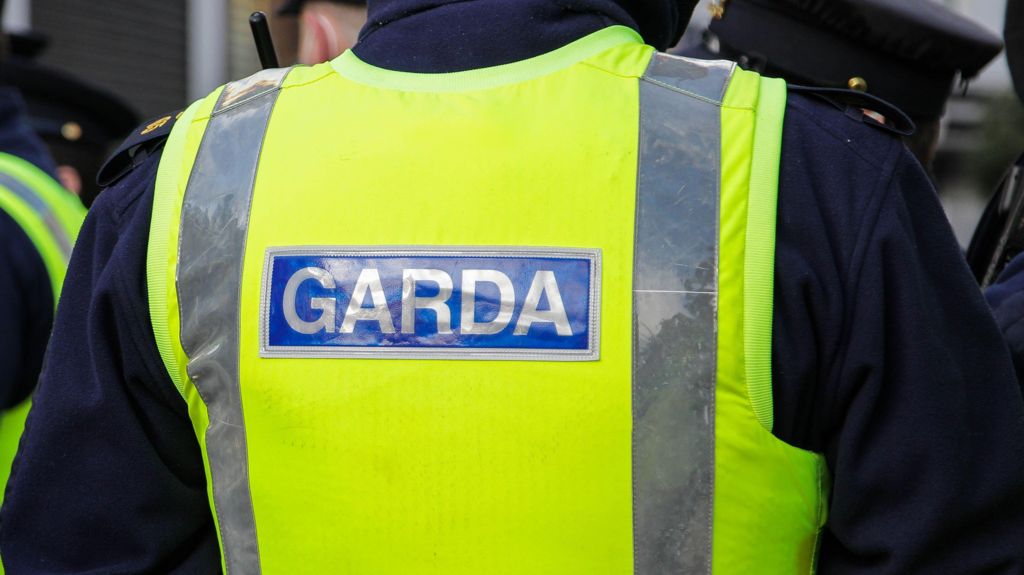
Children hospitalised after fireworks thrown at asylum accommodation
A distressing incident unfolded in Drogheda, County Louth, on Friday evening when fireworks were hurled into a building housing individuals seeking international protection. The attack, which occurred around 20:15 local time, resulted in a fire that was subsequently extinguished by emergency services. Among the evacuated occupants, four children and one adult were transported to hospital for medical evaluation, as reported by Irish broadcaster RTÉ. Ireland’s Justice Minister Jim O’Callaghan condemned the act as a ‘criminal attack,’ emphasizing the peril it posed to the lives of the residents, particularly the women and children who endured the terrifying ordeal. Minister O’Callaghan assured that alternative accommodations are being arranged for the affected individuals. A comprehensive Garda investigation is currently underway, with the scene preserved for technical examination to aid in identifying the perpetrators. The Minister warned of severe consequences for those responsible, underscoring the gravity of the arson attack.
-
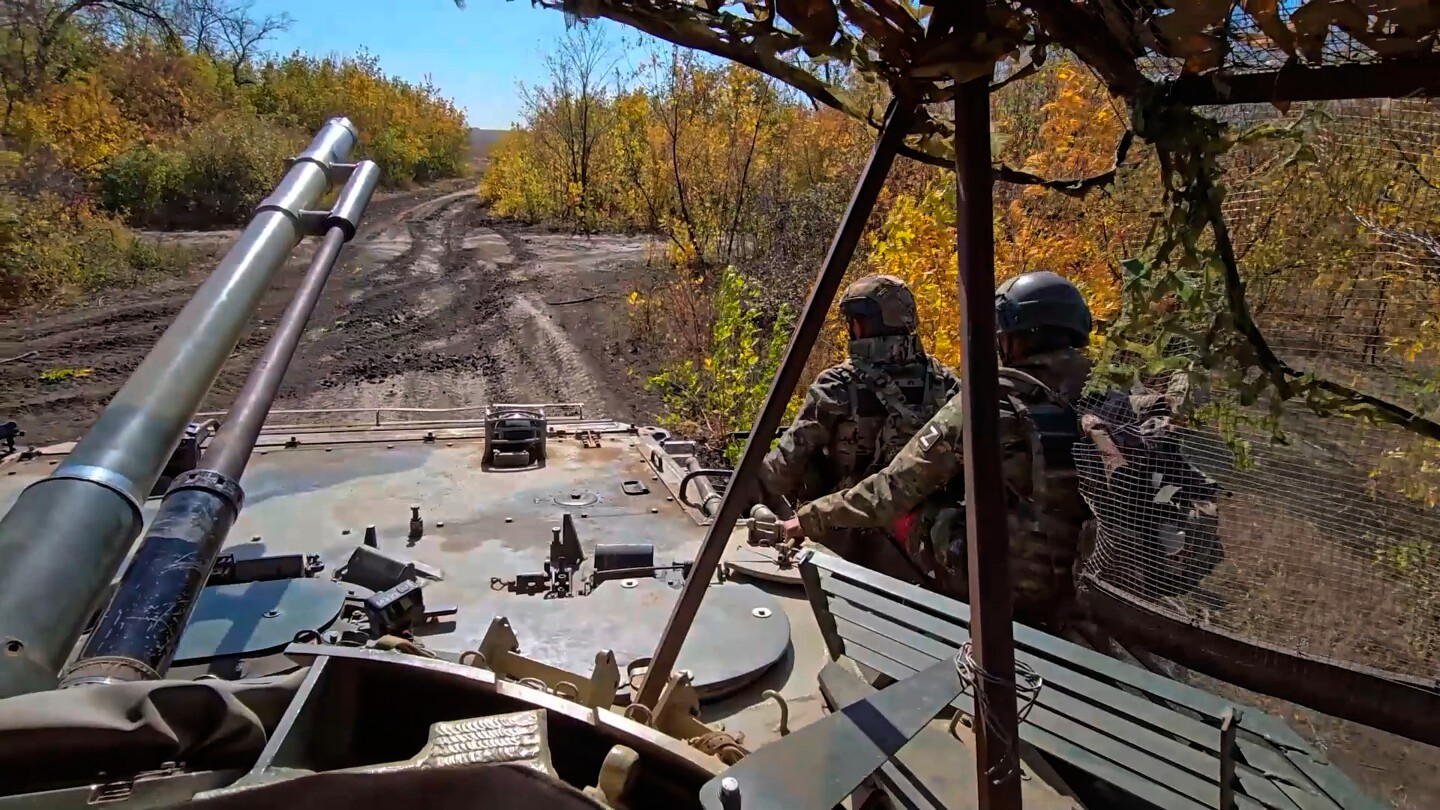
Ukraine says it hit a key fuel pipeline near Moscow that supplies Russian forces
In a significant escalation of the ongoing conflict, Ukrainian military intelligence reported on Saturday that its forces successfully targeted a crucial fuel pipeline in the Moscow region, which plays a vital role in supplying the Russian army. The operation, carried out late Friday, was announced via the Telegram messaging channel by Ukraine’s Main Intelligence Directorate (HUR). The strike, described as a “serious blow” to Russia’s military logistics, destroyed the Koltsevoy pipeline near the Ramensky district. This pipeline, spanning 400 kilometers (250 miles), was responsible for transporting substantial quantities of gasoline, diesel, and jet fuel from refineries in Ryazan, Nizhny Novgorod, and Moscow to Russian military operations. According to HUR, the pipeline had an annual capacity of 3 million tons of jet fuel, 2.8 million tons of diesel, and 1.6 million tons of gasoline. Kyrylo Budanov, the head of HUR, emphasized the impact of the strike, stating, ‘Our strikes have had more impact than sanctions,’ referencing the international sanctions imposed on Russia following its full-scale invasion of Ukraine in February 2022. Meanwhile, Russia continues its relentless campaign of drone and missile attacks on Ukraine’s energy infrastructure, causing widespread power outages and restrictions. On Saturday alone, Moscow launched 223 drones at Ukraine, with 206 intercepted by Ukrainian defenses. Seventeen drones struck targets across seven regions, including a ballistic missile attack in southern Ukraine that killed one civilian and injured 15 others, including a child. Additionally, a Russian strike in the central Poltava region ignited a fire at a gas plant, further exacerbating the humanitarian crisis. The conflict shows no signs of abating, with both sides intensifying their military operations and targeting critical infrastructure.
-
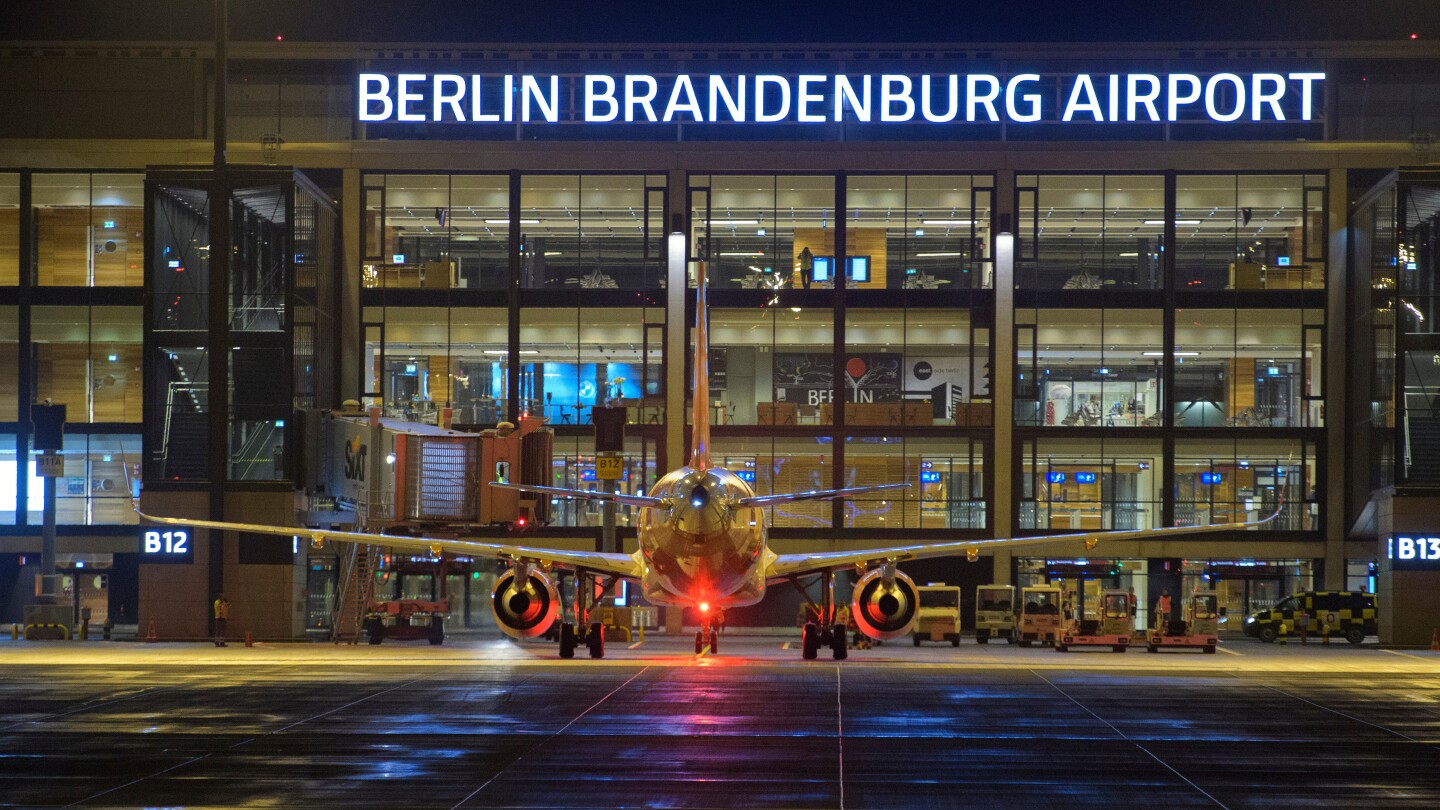
A drone sighting temporarily suspends air travel at the Berlin airport
Berlin Brandenburg Airport experienced a temporary suspension of flights on Saturday evening following a reported drone sighting, according to German news agency dpa. The disruption lasted nearly two hours, from 8:08 p.m. to 9:58 p.m. local time, before normal operations resumed by the next morning. Witnesses alerted local police, who confirmed the sighting but were unable to locate the drone. Neither airport officials nor police representatives provided immediate comments on the incident. This event occurs amid heightened security concerns across Europe, particularly after a surge in drone intrusions into NATO airspace in September. Some European officials have speculated that these incidents may be orchestrated by Moscow to test NATO’s readiness. Notably, Munich Airport faced similar disruptions last month, with two closures in less than 24 hours due to drone sightings. The repeated incidents have raised questions about the effectiveness of current defense mechanisms against such threats.
-

Police seize €1.3bn from Campari owner over alleged tax evasion
Italian authorities have seized shares worth €1.3 billion (£1.1 billion; $1.5 billion) from Luxembourg-based Lagfin, the controlling entity of the Campari Group, as part of an ongoing investigation into alleged tax evasion. The confiscation follows a year-long probe into the company’s financial activities, particularly its absorption of its Italian subsidiary. Prosecutors allege that Lagfin failed to pay taxes equivalent to the value of the seized shares during the merger process. Campari, the renowned producer of spirits such as Aperol, Grand Marnier, and Courvoisier, has stated that neither the company nor its subsidiaries are involved in the case. However, Campari’s chairman, Luca Garavoglia, is reportedly under investigation. Lagfin, which holds over 50% of Campari’s shares and 80% of its voting rights, has maintained that it has always adhered to tax obligations across all jurisdictions. The investigation, initiated by Milan prosecutors last year, uncovered €5.3 billion in undeclared capital gains between 2018 and 2020, on which the company allegedly failed to pay an ‘exit tax’—a levy imposed on firms relocating their headquarters abroad. Italian financial newspaper Il Sole 24 Ore also reported accusations that Lagfin transferred Italian assets to foreign ownership solely for tax benefits. Garavoglia, a billionaire who inherited Campari from his late mother, and Giovanni Berto, head of Campari’s Italian branch, are both implicated in the case. Campari, one of the world’s largest spirits producers, is valued at approximately €7 billion on the Milan Stock Exchange. The company traces its origins to 1860, when Gaspare Campari’s homemade bitter liqueur gained popularity at his Milan bar. By 1904, the family began commercial production, and from the 1990s, the firm expanded by acquiring other alcohol brands.
-

Pope declares Cardinal Newman a church doctor and signals Catholic education a priority
In a historic ceremony at the Vatican, Pope Leo XIV elevated St. John Henry Newman, the renowned 19th-century British theologian and convert, to the esteemed rank of Doctor of the Church. This title, one of the highest honors in Catholicism, places Newman among the ranks of luminaries such as St. Augustine and St. Therese of Lisieux. The declaration was made during a special Holy Year Mass for Catholic educators and students, where Newman was also named a co-patron of Catholic education alongside St. Thomas Aquinas. Newman, a pivotal figure in both Anglican and Catholic traditions, is celebrated for his profound contributions to Christian theology and his unwavering commitment to conscience and truth. Born in 1801, Newman’s journey from Anglicanism to Catholicism in 1845 marked a significant personal and theological transformation. His writings on doctrine, education, and the nature of universities continue to resonate, particularly in the context of modern challenges like the ethical use of artificial intelligence. Pope Leo XIV’s emphasis on Newman as a model for educators underscores the Church’s commitment to fostering spiritual growth and human dignity in education. Newman’s legacy, characterized by his holistic approach to learning and his ecumenical appeal, remains a beacon for both conservative and progressive Catholics. His hymns, such as ‘Lead, Kindly Light,’ continue to inspire worshipers across denominations, reflecting his enduring influence. The recognition of Newman as a Doctor of the Church highlights his universal relevance and the timeless value of his teachings.
-
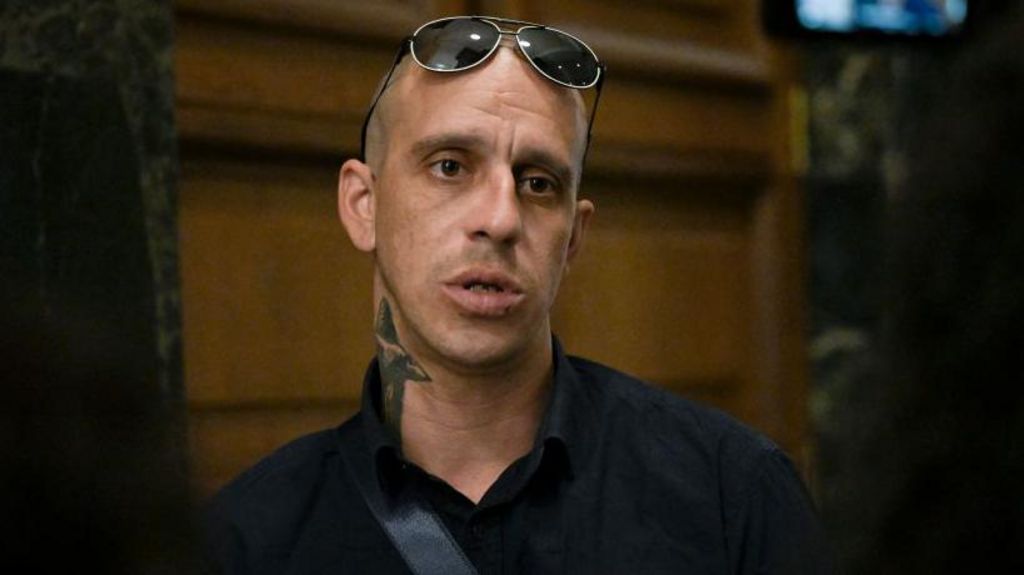
Hand of Moscow? The men jailed for vandalism in French hybrid warfare case
In a case that underscores the evolving nature of modern hybrid warfare, three Bulgarian men were sentenced to two to four years in prison for their involvement in a Kremlin-linked campaign to destabilize France. The trial, held in a Paris courtroom, revealed a stark contrast between the sophistication of hybrid warfare and the mundane reality of its execution. Georgi Filipov, Nikolay Ivanov, and Kiril Milushev admitted to vandalizing the Wall of the Righteous, a Holocaust memorial, with red handprints in May 2024. Despite their admissions, they denied working for a foreign power or harboring antisemitic motives. The trio’s actions were part of a broader series of symbolic attacks in France, including pigs’ heads left outside mosques and coffins placed near the Eiffel Tower. These incidents were amplified by Russian social media trolls, aiming to sow discord and question the stability of French society. France, with its political divisions and historical ties to Moscow, has become a prime target for such operations. The defendants, described as low-level operatives, were allegedly recruited through discreet channels, highlighting a shift from high-cost espionage to cost-effective, deniable proxies. Filipov, who claimed ignorance of the operation’s significance, was paid €1,000 for his role. Milushev cited personal struggles, while Ivanov, considered the mastermind, received the harshest sentence. The case raises questions about the Kremlin’s role in exploiting societal fractures to undermine Western democracies.
-
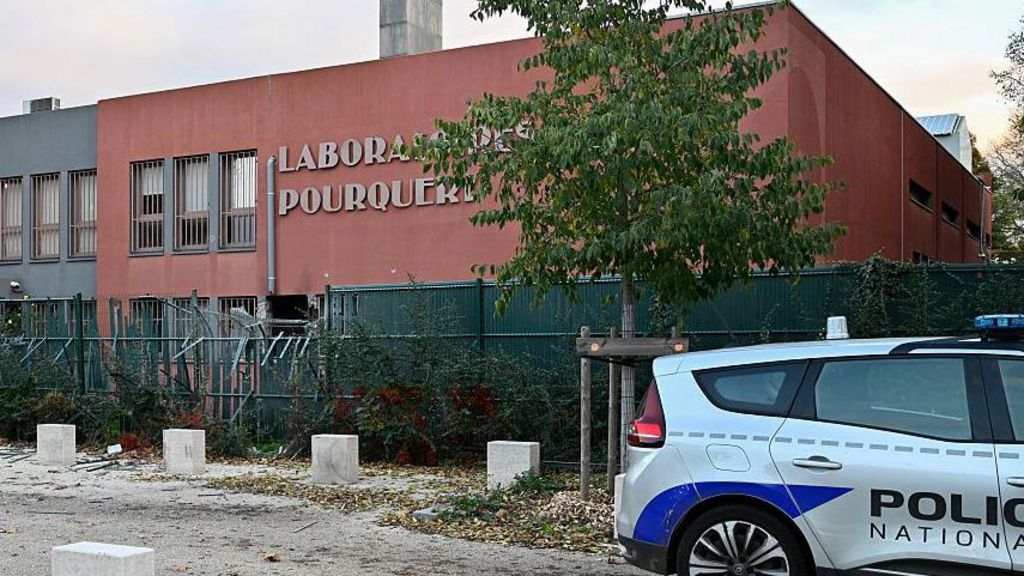
France hit by second major heist as thieves target gold refinery
French law enforcement has apprehended six individuals near Lyon in connection with a daring heist at a precious metals refinery. The thieves reportedly used explosives to breach the facility on Thursday, making off with a haul primarily consisting of gold, valued at €12 million (£10.5 million, $13.8 million). Following a high-speed chase, police successfully detained the suspects and recovered the stolen goods. This incident follows the recent arrest of five individuals linked to a high-profile theft at the Louvre Museum in Paris earlier this month. Social media footage from the Lyon heist captured two men near a white van, with one scaling the refinery’s fence using a ladder. Another video depicted a robber armed with a weapon and loading briefcases into the vehicle. A local resident recounted hearing a significant explosion, describing it as ‘really impressive.’ Five employees of Pourquery Laboratories sustained minor injuries from the blast. Among those detained was a woman, and authorities seized assault rifles and explosives during the operation. Meanwhile, the Louvre heist investigation has led to the arrest of seven individuals, including three of the four thieves who used a mechanical lift to access the museum’s Gallery of Apollo on October 19. The thieves employed a disc cutter to open display cases containing crown jewels, stealing items worth €88 million (£76 million; $102 million). Police continue their search for the fourth suspect.
-
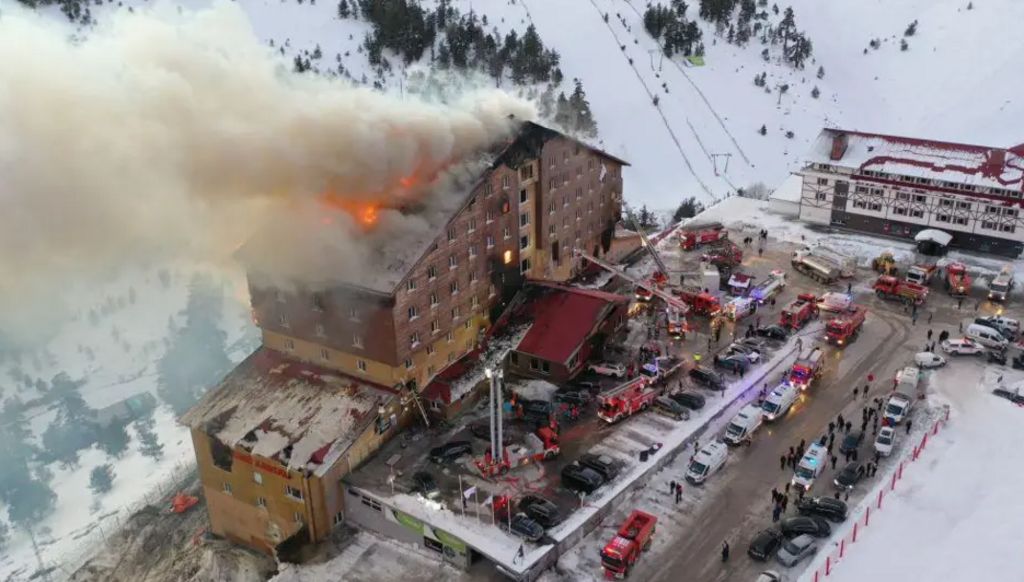
Hotel owner and 10 others jailed for life over deadly Turkish fire
In a landmark ruling, the owner of a Turkish ski resort hotel and 10 others have been sentenced to life in prison following the deadliest fire in Turkey’s history. The devastating blaze at the Grand Kartal Hotel in Bolu occurred during school holidays in January, claiming the lives of 78 people, including 34 children. The fire, which erupted in the early hours, forced some residents to leap from the 12-story building to escape the inferno. A total of 137 people were injured in the tragedy.
The hotel owner, Halit Ergül, along with his wife and two daughters, received the maximum penalty after being found guilty of severe negligence. Bolu’s deputy mayor and the local fire chief were also among those sentenced. An investigation revealed critical safety failures, including malfunctioning safety equipment and non-compliant gas installations. Ergül denied responsibility, blaming the gas supplier and the tourism ministry for oversight.
In addition to the life sentences, 18 other defendants, mostly hotel employees, were handed prison terms ranging from 12 to 22 years. Two cooks were acquitted. The Bolu mountains, a popular skiing destination for residents of Istanbul and Ankara, were bustling with tourists at the time of the disaster due to the school holiday season. The tragedy has left a lasting scar on the community, with victims’ families expressing profound grief and loss.