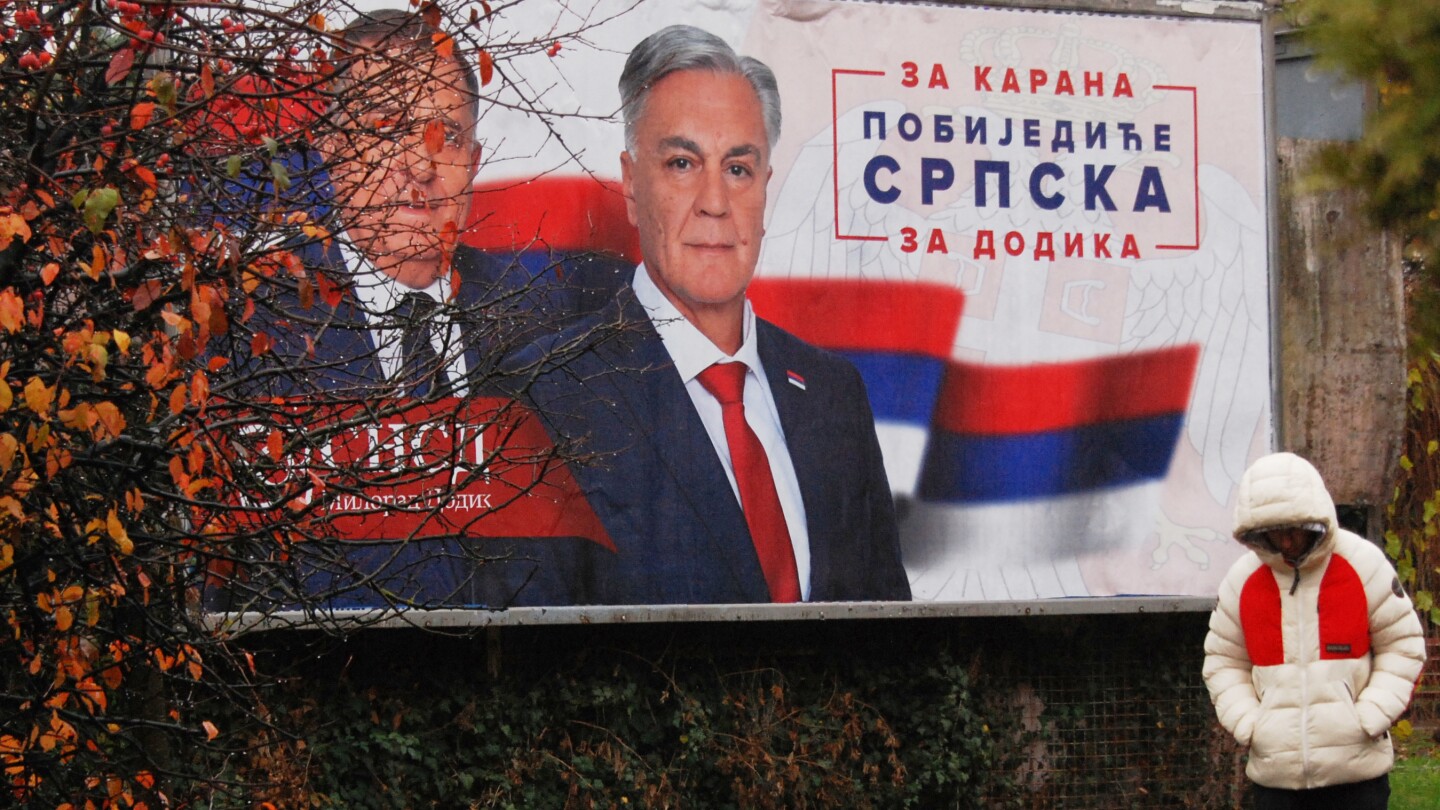
In a pivotal moment for Bosnia-Herzegovina, voters in the Serb-dominated region of Republika Srpska headed to the polls on Sunday to elect a new president. This snap election follows the removal of Milorad Dodik, the former pro-Russian leader, who was ousted in August after a Bosnian court convicted him of defying the international High Representative for Bosnia. Dodik, who was sentenced to a year in prison and barred from public office, paid a fine to avoid incarceration and remains the leader of his Party of Independent Social Democrats. The election pits Sinisa Karan, Dodik’s chosen successor, against Branko Blanusa, a university professor representing the opposition Serb Democratic Party. Four other candidates are also in the race, though they are considered less competitive. Blanusa, after casting his vote in Banja Luka, emphasized the campaign’s fairness and urged a high voter turnout among the 1.2 million Bosnian Serb electorate. The election unfolds against a backdrop of deep ethnic divisions and political instability. Bosnia’s complex governance structure, established by the 1995 U.S.-brokered Dayton Agreement, divides the country into two entities: Republika Srpska, controlled by Serbs, and a federation shared by Bosniaks and Croats. Dodik, a long-time advocate for Republika Srpska’s secession from Bosnia, has faced international sanctions for his separatist policies. Although the U.S. recently lifted sanctions after Dodik agreed to step down, tensions persist with the international community, particularly with Christian Schmidt, the peace envoy overseeing Bosnia’s post-war stability. Dodik has actively campaigned for Karan, framing the election as a continuation of his political agenda. The outcome of this election could significantly impact Bosnia’s fragile political landscape and its relations with the international community.
标签: Europe
欧洲
-
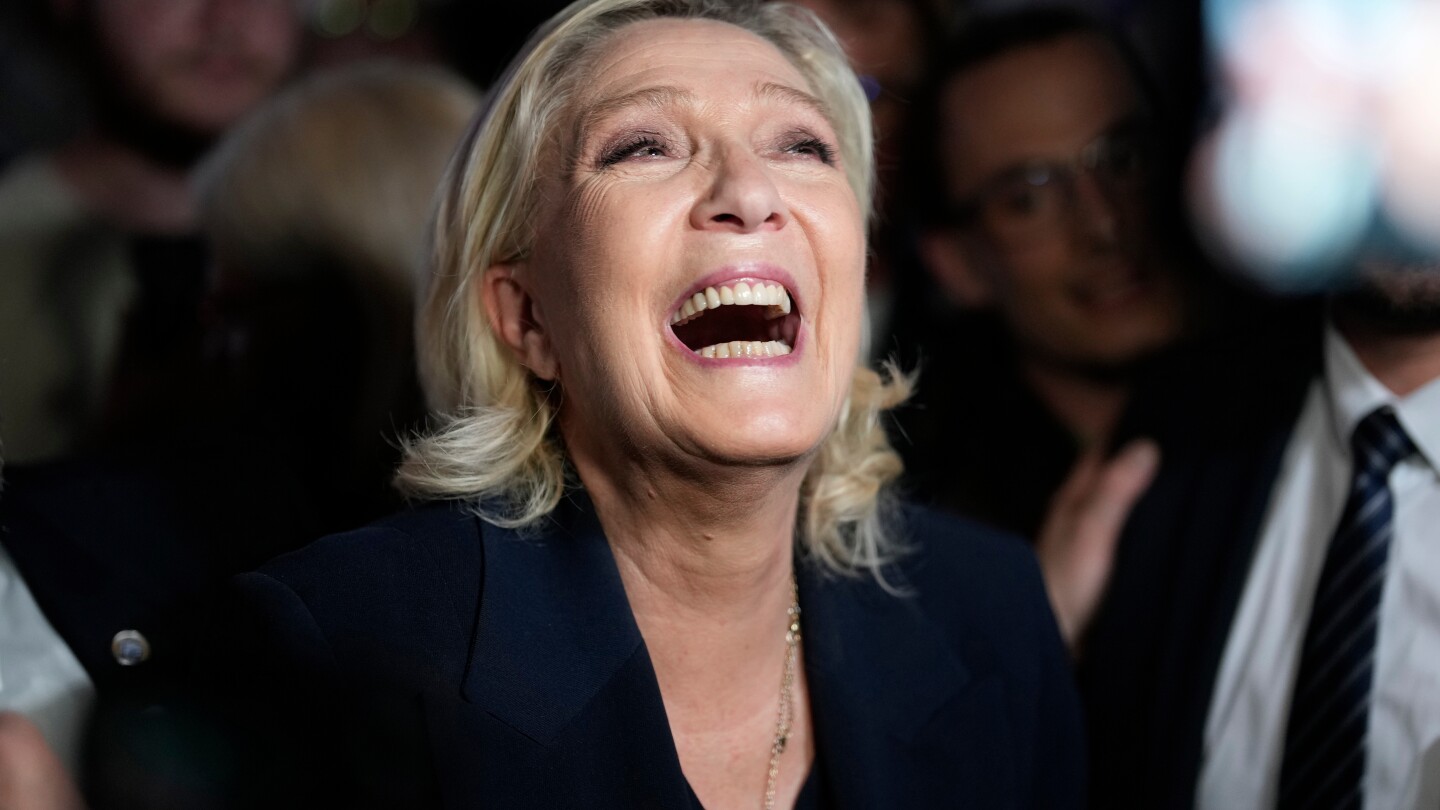
AP mapping shows France’s poorest regions backing Le Pen’s party as support for Macron wanes
In May 2017, Emmanuel Macron, freshly elected as France’s president, addressed his supporters with a promise to bridge the nation’s divides and win over voters who had backed his far-right rival, Marine Le Pen. Le Pen, leader of the National Front (now rebranded as National Rally), had secured over 10.6 million votes—a historic high for her party. Macron vowed to address the “anger” and “distress” driving these voters, pledging to eliminate their reasons for supporting extremist parties. However, as Macron’s presidency nears its end, this promise lies in ruins. Le Pen’s nativist rhetoric, targeting immigrants, Muslims, and the European Union, has gained millions of converts. National Rally, shedding its controversial past under Le Pen’s father, Jean-Marie Le Pen, has become the largest party in parliament and is poised for a potential victory in the 2027 elections.
-
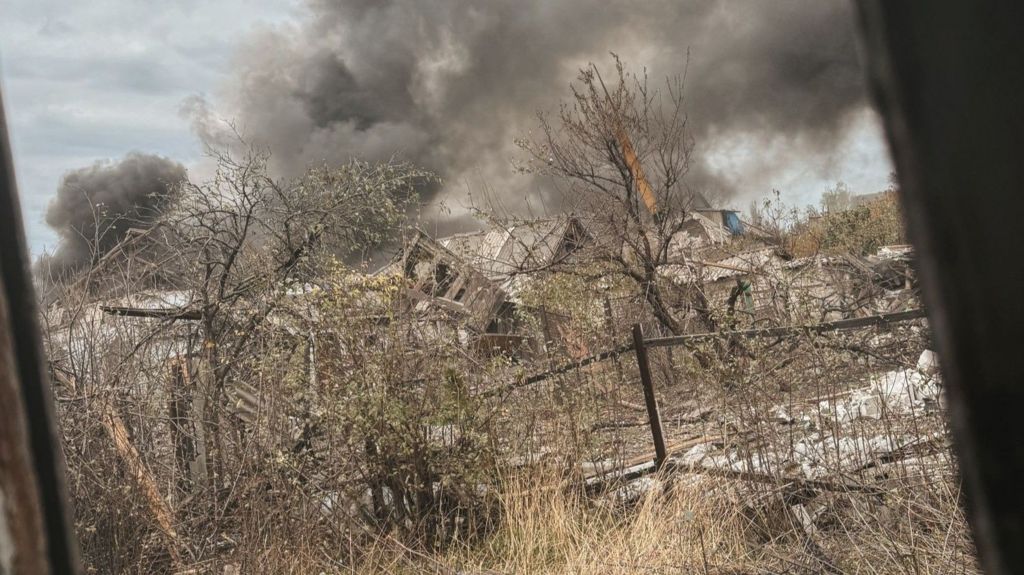
In Ukraine’s ‘kill-zone’, robots are a lifeline to troops trapped on perilous eastern front
In the ongoing conflict in eastern Ukraine, the Fifth Brigade of the Ukrainian army has deployed unmanned ground vehicles (UGVs) to deliver critical supplies to troops on the frontline in Pokrovsk and Myrnograd. These robotic devices, often referred to as ‘land drones,’ have become indispensable in a region where Russian forces are aggressively targeting supply routes. The UGVs, resembling mini tanks without turrets, are small, agile, and capable of navigating narrow paths, making them ideal for transporting food, ammunition, and fuel to soldiers in perilous conditions.
-
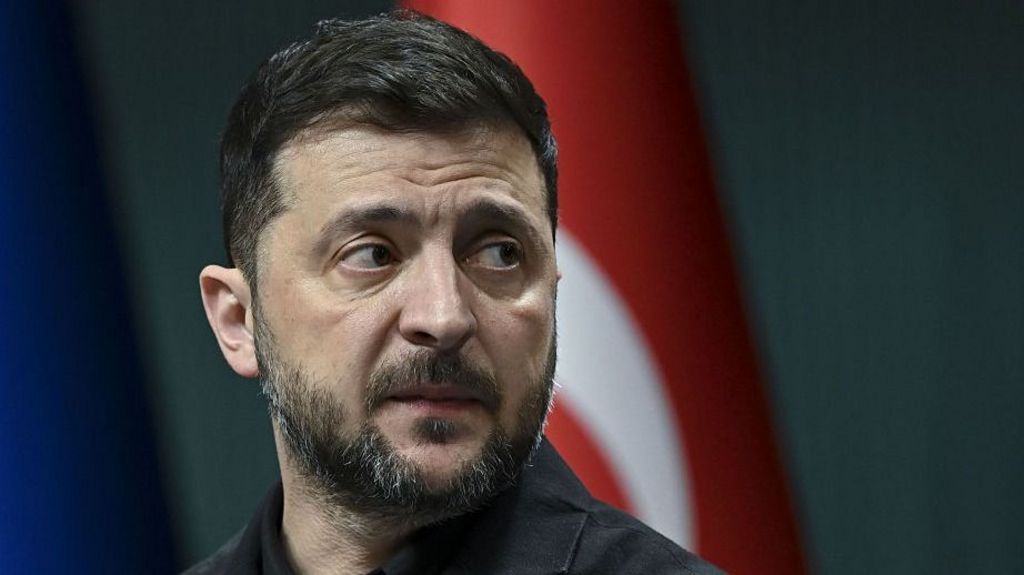
US insists it authored Ukraine peace plan ahead of talks on ending war
A proposed peace plan to end the Ukraine war, allegedly authored by the United States, has ignited significant debate and resistance from Ukraine’s allies. US Secretary of State Marco Rubio emphasized that the draft, which includes provisions favorable to Russia, was developed with input from both Russia and Ukraine. However, Republican Senator Mike Rounds contradicted this, stating that Rubio had informed lawmakers the plan was not US policy but rather a Russian proposal. The State Department swiftly denied Rounds’ claims, asserting that the proposal was indeed crafted by the US. The plan, which remains undisclosed but has been widely leaked, includes controversial measures such as Ukraine withdrawing troops from eastern regions and limiting its armed forces. Ukrainian President Volodymyr Zelensky has warned of the plan’s potential to leave Ukraine vulnerable, while Russian President Vladimir Putin suggested it could form the basis of an agreement. The proposal has faced strong opposition from European leaders, including France and Germany, who argue it undermines Ukraine’s security. US President Donald Trump, who has prioritized ending the conflict, clarified that the plan is not a final offer and extended the deadline for Ukraine’s approval. As negotiations continue in Geneva, the international community remains divided over the plan’s feasibility and implications for lasting peace.
-

Who killed young Chechen woman who fled Russia for a life of freedom?
Aishat Baimuradova, a 23-year-old woman from Chechnya, sought freedom from the oppressive constraints of her conservative Muslim family and the societal norms of her homeland. Fleeing to Armenia in late 2024, she embraced a new life, cutting her hair short, shaving part of her eyebrow, and sharing her journey on Instagram. However, her newfound freedom was tragically cut short when she was found murdered in her rented flat in October. Police are investigating two individuals seen leaving the building, one of whom was a woman Aishat had recently befriended. Both reportedly returned to Russia shortly after the incident. Chechnya, a republic in Russia’s North Caucasus, is known for its authoritarian rule under Ramzan Kadyrov, where dissent is met with severe repercussions. Human rights organizations have documented enforced disappearances, torture, and extrajudicial killings in the region. Aishat’s death underscores the perilous journey many Chechen women face when seeking autonomy. Her family, who had disowned her, denies any involvement in her death. This case has reignited fear among Chechen women who have fled, many of whom now live in constant dread of retribution. The South Caucasus, particularly Armenia and Georgia, has become a common escape route due to visa-free travel for Russians, but it remains fraught with danger. Aishat’s story is a stark reminder of the ongoing struggle for women’s rights in Chechnya and the risks associated with seeking freedom.
-

France dazzles with 7 tries and sends Wallabies home from winless tour of Europe
In a spectacular display of offensive prowess, France delivered their finest attacking performance of the year, securing a historic 48-33 victory over Australia at the Stade de France on Saturday. The match, marked by breathtaking tries and relentless energy, saw France achieve their highest-ever score against the Wallabies, while also clinching three consecutive wins over Australia for the first time in nearly five decades. Despite Australia’s spirited efforts, including five tries of their own, they were unable to overcome France’s dominance, culminating in their first winless European tour since 1958 and a record 10th loss in a single year. France’s Nicolas Depoortere shone with his second consecutive brace, while 20-year-old Kalvin Gourgues made a memorable debut, setting up Louis Bielle-Biarrey for a crucial try. Australia’s early brilliance, including a try by Matt Faessler, was overshadowed by France’s relentless attack, which featured seven tries, including a sensational solo effort by Bielle-Biarrey. Despite a valiant fightback, Australia’s exhaustion from previous defeats to England, Italy, and Ireland was evident, as France sealed their victory with decisive plays in the final minutes.
-
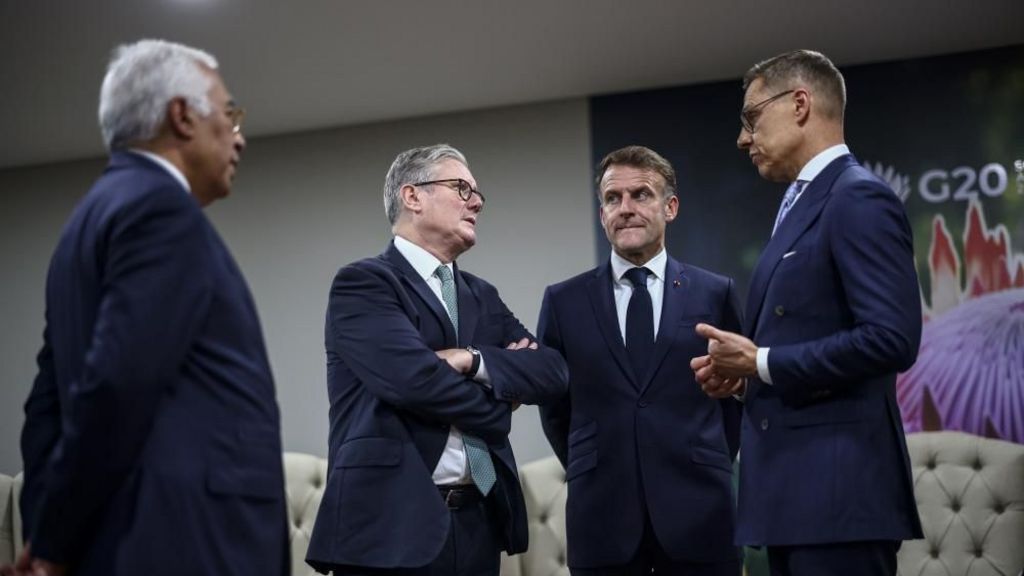
Ukraine’s allies voice concerns over US plan to end war
Allies of Ukraine from Europe, Canada, and Japan have raised significant concerns regarding a US-proposed peace plan aimed at ending the Russia-Ukraine war. While acknowledging that the draft contains elements essential for a just and lasting peace, they emphasized the need for additional work, particularly on issues related to border changes and limitations on Ukraine’s military capabilities. The joint statement, issued during the G20 summit in South Africa, was signed by leaders from Canada, Finland, France, Ireland, Italy, Japan, the Netherlands, Spain, the UK, Germany, Norway, and top EU officials. They stressed that borders must not be altered by force and expressed worries about proposed caps on Ukraine’s armed forces, which could leave the country vulnerable to future attacks. US President Donald Trump clarified that the draft plan was not his final offer, and discussions are ongoing. Security officials from Britain, France, Germany, the US, and Ukraine are set to meet in Geneva on Sunday to further deliberate on the 28-point proposal. Ukrainian President Volodymyr Zelensky warned that Ukraine is facing one of the most challenging moments in its history, pressured to accept a plan perceived as favorable to Moscow. The US plan includes provisions for Ukrainian troop withdrawals from contested regions, limitations on military personnel, and the potential reintegration of Russia into the global economy. Zelensky has appointed Andriy Yermak to lead Ukraine’s negotiating team, emphasizing the need to defend national interests and prevent further Russian aggression. Meanwhile, Russian President Vladimir Putin indicated that Moscow is willing to show flexibility but remains prepared to continue fighting. The situation remains tense as both sides navigate the complexities of the proposed peace deal.
-
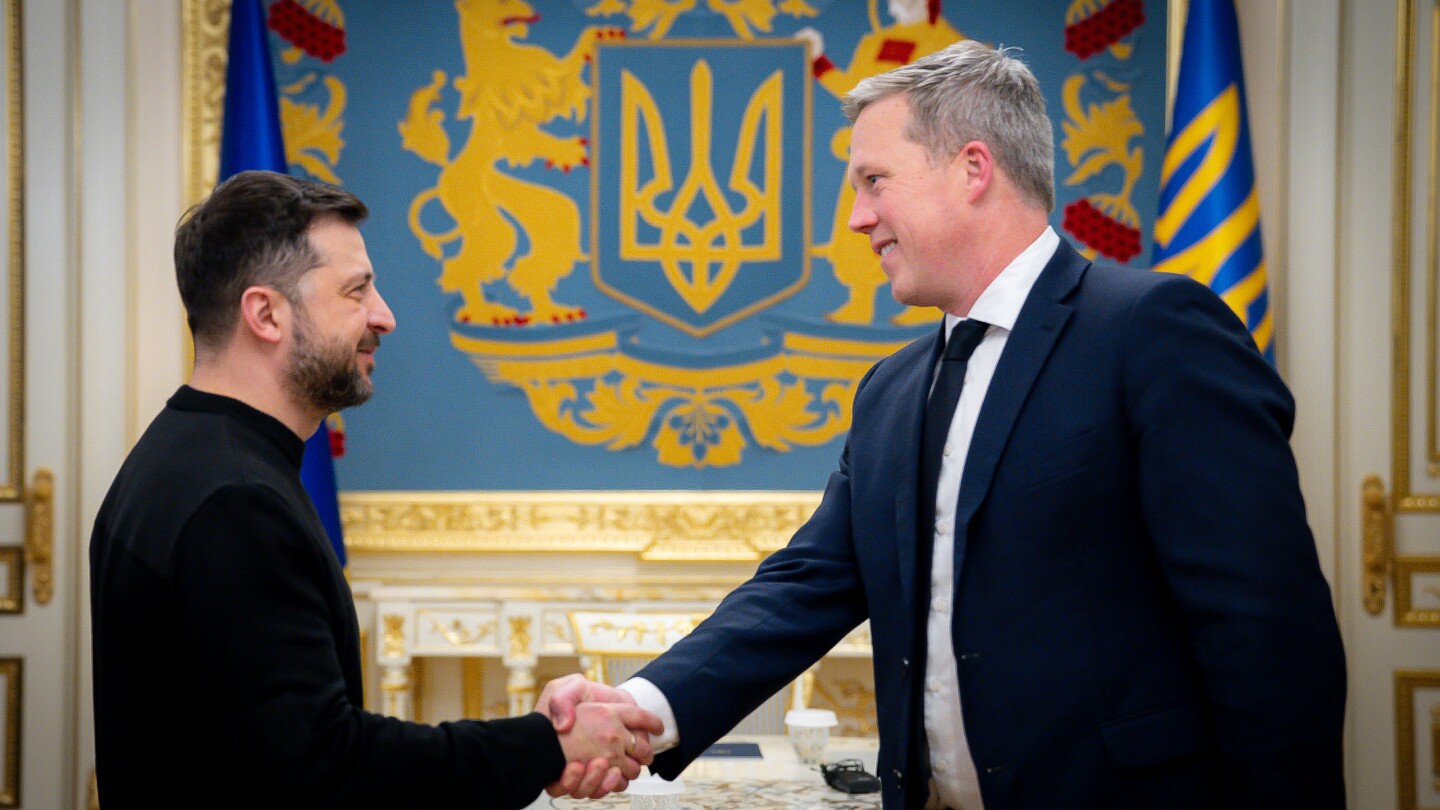
American senators rip Trump’s Ukraine peace proposal at international security conference in Canada
At the Halifax International Security Forum in Nova Scotia, Canada, U.S. senators vehemently criticized a 28-point peace proposal on Ukraine, crafted by the Trump administration and the Kremlin without Ukraine’s involvement. The plan, which accommodates numerous Russian demands, including territorial concessions, was labeled as one of the most serious geopolitical errors of our time. Independent Senator Angus King of Maine, a member of the Senate Foreign Relations Committee, compared the proposal to the infamous 1938 Munich Pact, a failed act of appeasement by British Prime Minister Neville Chamberlain. King emphasized that the plan rewards aggression and lacks any ethical, legal, or moral justification. Republican Senator Thom Tillis of North Carolina echoed these sentiments, stating that Senate Leader Mitch McConnell’s criticism of the proposal was insufficient. Tillis described Russian President Vladimir Putin as a ‘murderer, rapist, and assassin,’ arguing that the plan should not give Putin any sense of victory. Democratic Senator Jeanne Shaheen of New Hampshire, the ranking member of the Senate Foreign Relations Committee, called the proposal an ‘outrage,’ accusing Trump of being manipulated by Putin. Despite Putin’s endorsement of the plan as a potential basis for peace, Ukrainian President Volodymyr Zelenskyy did not outright reject it but insisted on fair treatment and pledged to work calmly with Washington and other partners. The Halifax International Security Forum, now in its 17th year, typically attracts military officials, diplomats, and scholars. However, this year, the Trump administration suspended the participation of U.S. defense officials in such events. The strained relations between the U.S. and Canada, exacerbated by Trump’s trade policies and controversial remarks, have led to a significant drop in Canadian tourism to the U.S., particularly in border states like New Hampshire.
-

Paul Costelloe, Irish-American fashion designer for Princess Diana, dies at 80
Paul Costelloe, the renowned Irish-American fashion designer who famously dressed the late Princess Diana and became a cornerstone of the London fashion scene, has passed away at the age of 80. His company confirmed the news in a statement on Saturday, revealing that he died peacefully in London, surrounded by his wife and seven children, following a brief illness. Born in Dublin in 1945, Costelloe was the son of a tailor who crafted raincoats in the city’s Rathmines district. His journey into fashion began at the prestigious Chambre Syndicale de la Haute Couture in Paris, where he absorbed the creative essence of iconic designers like Emanuel Ungaro and Pierre Cardin. Costelloe’s career took off as an assistant to designer Jacques Esterel, followed by a stint in Milan with British retailer Marks & Spencer. Although the venture into the Italian market faltered, he remained in Milan, working for the luxury department store La Rinascente. Later, he moved to the United States, designing for the Anne Fogarty label before establishing his own fashion house. His brand became synonymous with luxurious fabrics, innovative designs, and a diverse range of offerings, including womenswear, menswear, bags, and accessories. In 1983, Costelloe’s career reached new heights when he was appointed as Princess Diana’s personal designer, a role he held until her tragic death in 1997. The royal connection began when one of Diana’s ladies-in-waiting noticed his designs and arranged a meeting. Reflecting on the moment, Costelloe once recalled, “I looked out at Hyde Park and I said: ‘God, this is it, Paul, you have made it!’” His legacy as a designer who blended creativity with elegance continues to inspire the fashion world.
-
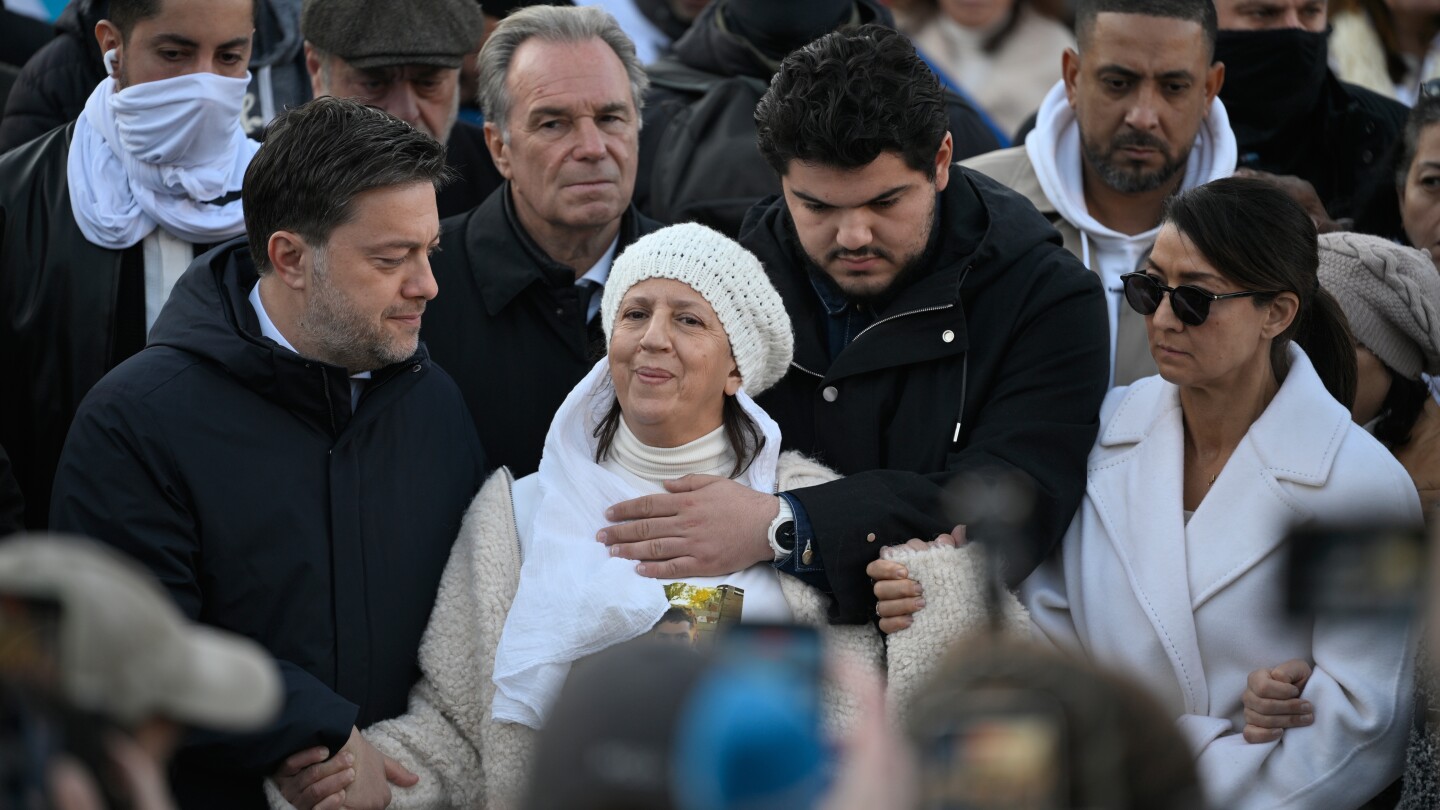
Thousands march in Marseille to denounce drug violence after killing of activist’s brother
Thousands of demonstrators gathered in Marseille, France, on Saturday to protest drug trafficking and honor Mehdi Kessaci, a 20-year-old man whose murder last week has been linked to organized crime. The killing, described by authorities as a premeditated act by drug gangs to intimidate Mehdi’s older brother, Amine Kessaci, a prominent anti-drug activist, has sparked nationwide outrage. An estimated 6,000 people, many dressed in white, marched under the banner “Justice for Mehdi,” observing a minute of silence and raising their hands in a symbolic rejection of drug-related violence. Politicians from across the spectrum joined the rally, which was mirrored in approximately 20 other cities across France. Amine Kessaci, 22, who has faced threats and is under police protection, organized the march to denounce drug trafficking and pay tribute to his brother. Mehdi, who aspired to become a police officer, had no involvement in drug-related activities, according to Marseille prosecutor Nicolas Bessone. This tragedy marks the second time Amine has lost a brother to alleged drug violence, following the death of Brahim in 2020, which inspired him to found the association Conscience to support families affected by gang violence. Marseille, a long-standing hub for drug trade, has seen escalating violence, with 367 cases of murder or attempted murder linked to drug trafficking in 2024 alone. French authorities have intensified efforts to combat the crisis, including a new anti-drug law and a government campaign to raise awareness about the connection between recreational drug use and gang violence. Interior Minister Laurent Nuñez noted that these measures have reduced homicides in Marseille from 49 in 2023 to 24 in 2024, though Mehdi’s killing underscores the growing brutality of drug gangs.