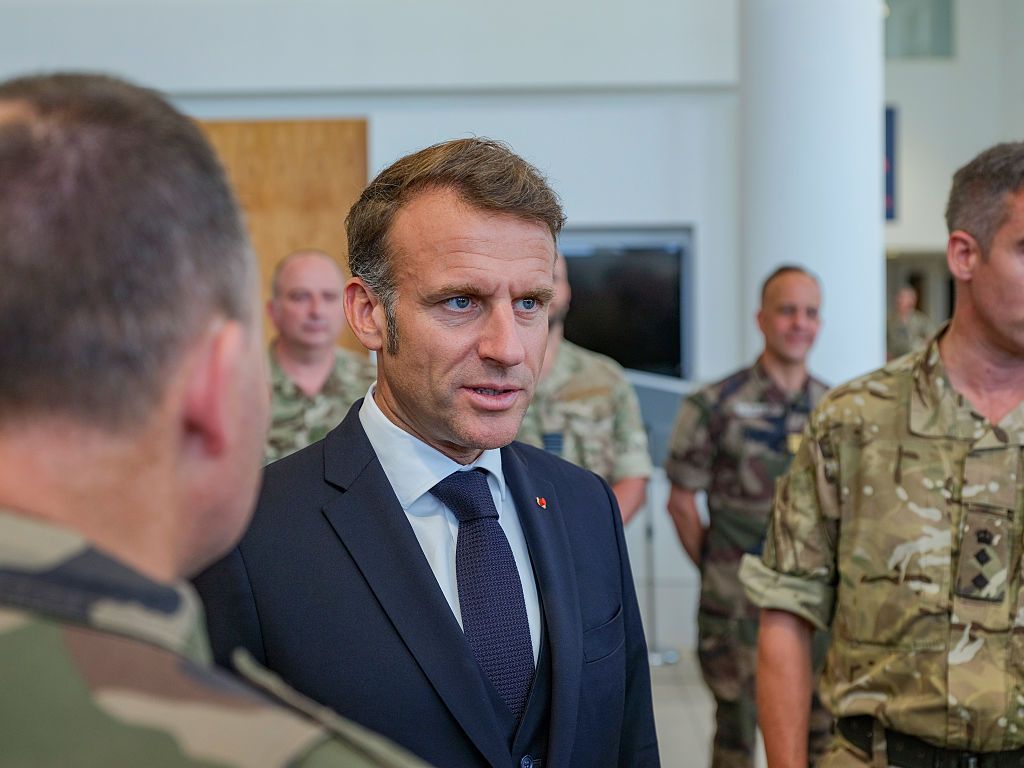
French President Emmanuel Macron is set to unveil a new voluntary military service initiative later this week, aimed at bolstering the nation’s armed forces. While specific details remain undisclosed, French media reports suggest the program will span 10 months, offer remuneration, and be entirely voluntary. Macron emphasized that the initiative is not intended to deploy young people to conflict zones like Ukraine but rather to address the growing ‘desire for service’ among the youth and counter the ‘hybrid confrontation’ posed by Russia. ‘If we French want to protect ourselves, we must demonstrate resilience against the powers that threaten us most,’ Macron stated. He further stressed the importance of public understanding of the armed forces’ role and operations. The proposal is expected to be elaborated during Macron’s visit to an army base on Thursday. The revamped service, as reported by La Tribune Dimanche, will offer volunteers a monthly stipend ranging from €900 to €1000. This move comes amid broader European efforts to strengthen military readiness, with countries like Germany, Latvia, Sweden, and Lithuania reintroducing various forms of military service. Macron’s announcement follows his earlier warnings about a ‘turning point in history’ and the need for France and Europe to prepare for potential shifts in global alliances, particularly in light of Russia’s ongoing aggression in Ukraine.
标签: Europe
欧洲
-

EU’s top court tells Poland to recognize same-sex marriages registered elsewhere in Europe
In a landmark decision, the Court of Justice of the European Union (CJEU) has ruled that Poland must recognize same-sex marriages legally conducted in other EU member states, despite Polish law not permitting such unions. The ruling emerged from a case involving a Polish couple who married in Berlin in 2018 and later sought to return to Poland, only to have their marriage certificate rejected by Polish authorities. The CJEU emphasized that EU countries are obligated to acknowledge marriages between same-sex EU citizens lawfully concluded in another member state, citing violations of the ‘freedom to move and reside’ and the ‘fundamental right to respect for private and family life.’ However, the court clarified that the ruling does not compel Poland to legalize same-sex marriage domestically. Hubert Sobecki of the LGBTQ+ advocacy group Love Does Not Exclude noted that the Polish government must comply with the ruling, as non-compliance could result in fines or political pressure from the EU. The decision comes amid ongoing struggles for LGBTQ+ rights in Poland, where same-sex marriage and civil partnerships remain illegal. Prime Minister Donald Tusk’s government has faced resistance from conservative factions and President Karol Nawrocki over proposals to grant limited rights to same-sex couples, such as access to medical records and joint tax statements. The ruling marks a significant step toward marriage equality in Poland, though its full implementation remains uncertain.
-
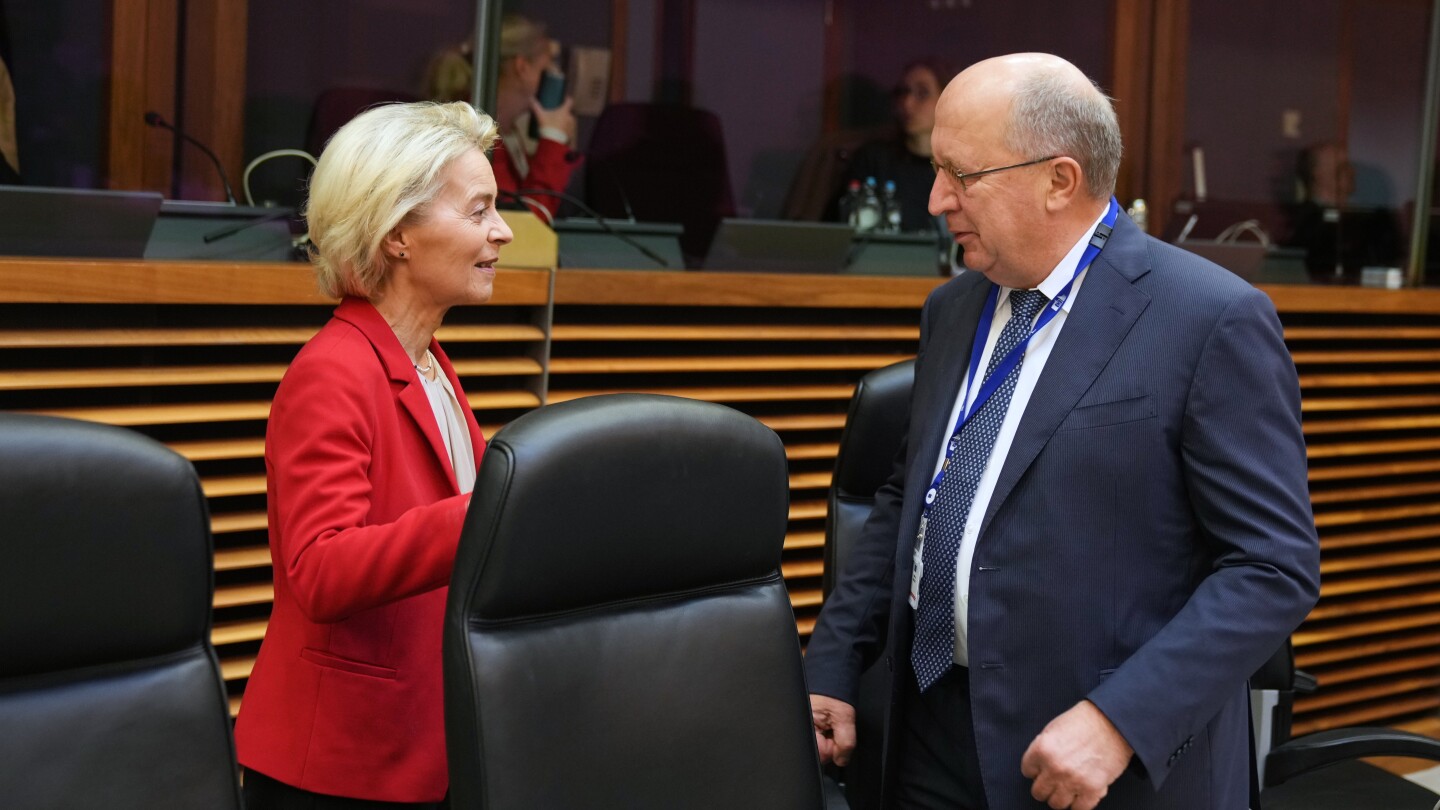
The European Union proposes deepening defense industry ties with Ukraine
In a significant move to bolster European security, the European Union’s Defense Commissioner, Andrius Kubilius, has called for enhanced integration of Ukraine’s defense industry with the EU’s defense framework. This proposal comes as the U.S. peace plan for Ukraine remains uncertain and Russia’s unconventional warfare tactics continue to unsettle the 27-nation bloc. During a session with EU lawmakers in Strasbourg, Kubilius emphasized the mutual benefits of this collaboration, stating, ‘Ukraine’s defense industry needs us, but we need Ukraine’s defense innovations even more.’ He highlighted that granting Ukraine access to the EU’s Defence Investment Program would facilitate joint procurement of defense equipment. The EU is set to vote on a 1.5-billion euro ($1.7 billion) initiative, with 300 million euros ($345 million) earmarked for the Ukraine Support Instrument. Defense spending across the EU is projected to reach 392 billion euros ($450 billion) this year, nearly double the pre-invasion levels of 2022. The European Commission also plans to propose a significant increase in the EU’s long-term defense and space budget to 131 billion euros ($153 billion), urging member states to prioritize European suppliers for military equipment. Kubilius further outlined incentives for EU-based defense companies to collaborate on large-scale projects, such as the Eastern Flank Watch and Drone Defense Initiative, which would benefit from Ukrainian innovation. Last week, the European Commission introduced a new defense package aimed at accelerating the deployment of troops and tanks across Europe, alongside the EU Defense Industry Transformation Roadmap, which seeks to streamline regulations and boost domestic production of military assets.
-

Pope Leo XIV’s visit rekindles hope in war- and crisis-battered Lebanon
In a small Beirut apartment, Mireille Khoury lights a candle each evening beside a portrait of her late son, Elias, who tragically lost his life in the catastrophic August 2020 Beirut port explosion. This ritual is a poignant reminder of her ongoing quest for justice, shared with other families who have organized monthly protests since the disaster. Despite dwindling numbers and a stalled investigation, the upcoming visit of Pope Leo XIV to Lebanon has reignited a flicker of hope for Khoury and many others in this crisis-ridden nation. ‘We need a lot of prayers, and we need a miracle for this country to continue,’ Khoury expressed, as she prepares to join the pontiff in a silent prayer at the explosion site during his visit. Pope Leo’s journey, commencing on Sunday, marks his first official foreign trip and fulfills a promise made by his predecessor, Pope Francis, to visit Lebanon, a country where Christians constitute about a third of the population. This visit, the fourth by a pope to Lebanon, carries a profound message of solidarity at a time when the country grapples with regional instability and internal crises. Since 2019, Lebanon has endured political unrest, economic collapse, the port explosion, and the devastating Israel-Hezbollah war, which left over 4,000 dead and caused $11 billion in damages. For many Lebanese, divine intervention seems the only remedy. In the village of Dardghaya, a mixed Christian and Shiite Muslim community, worshippers gathered in a basement room for Mass, their century-old Greek Melkite church still in ruins from an Israeli strike. Despite a U.S.-brokered ceasefire, Israel continues near-daily strikes in southern Lebanon, deterring many from returning to their homes. Father Maurice el Khoury, the church’s priest, expressed hope that Pope Leo’s visit would bring a radical change to Lebanon’s trajectory, emphasizing that the pope’s blessings are for all Lebanese, not just Christians. However, disappointment lingers in southern Lebanon, as the pope’s itinerary excludes the war-torn region, reminiscent of Pope Francis’ visit to Mosul in 2021. Georges Elia, a Dardghaya congregant, remains hopeful for a surprise papal visit to the south, a ‘sacred land’ in dire need of healing. Lebanon’s historical ties with the Vatican date back to its independence in 1943, with the Catholic Church playing a pivotal role in establishing institutions that benefited all communities. Historian Charles Hayek noted that Lebanon has always understood the importance of strong Vatican ties for a small country to be heard. Pope Leo’s schedule includes an interfaith dialogue in Beirut, continuing Pope Francis’ legacy of support for the port blast victims’ families. Khoury, who was unable to visit the Vatican due to emotional turmoil, hopes to meet the new pope and urge him to keep the investigation alive. ‘I live by the hope that I will be meeting my son one day,’ she said, her faith a beacon in these trying times.
-

Britain’s unpopular government prepares a high-stakes budget and hopes for growth
The UK Labour Party, which secured a decisive victory in the 2024 general election, is grappling with mounting economic and political challenges as it prepares to unveil its annual budget. Despite initial promises of tax hikes to stabilize public finances, reduce debt, and stimulate growth, the government now faces stubbornly high inflation, increased borrowing, and sluggish economic performance. Business leaders and Labour lawmakers alike express growing concerns, with some even contemplating the unthinkable: ousting Prime Minister Keir Starmer, who led the party to victory less than 18 months ago.
Treasury Chief Rachel Reeves is tasked with delivering a budget that balances tough fiscal decisions with measures to ease the cost of living and safeguard public services. However, her options are limited. The UK economy, the world’s sixth-largest, has underperformed since the 2008-2009 financial crisis, compounded by the lingering effects of Brexit, the COVID-19 pandemic, and geopolitical tensions. The government’s debt servicing costs exceed £100 billion annually, with national debt hovering around 95% of GDP.
Reeves must navigate the delicate balance between appeasing financial markets and satisfying voters. The specter of Liz Truss’s short-lived premiership, which ended in 2022 after unfunded tax cuts triggered market turmoil, looms large. Analysts warn that any misstep could erode investor confidence, driving up borrowing costs and forcing a policy reversal.
The government has ruled out significant public spending cuts, leaving tax increases as the primary revenue-raising tool. However, attempts to raise income taxes have sparked backlash, forcing a retreat in favor of smaller measures like a ‘mansion tax’ and pay-per-mile charges for electric vehicles. Sweeteners, such as above-inflation pension boosts and a freeze on train fares, aim to soften the blow.
Critics argue that further tax hikes risk pushing the economy into a low-growth cycle, while analysts highlight the difficulty of satisfying both markets and voters. Prime Minister Starmer’s leadership is also under scrutiny, with Labour trailing behind the hard-right Reform UK party in opinion polls. Speculation about a leadership challenge has further destabilized the party, raising fears of electoral defeat in 2029.
As the government pins its hopes on economic revival, the upcoming budget is seen as a critical test of its ability to deliver growth and restore public confidence. Analysts warn that failure could mark the beginning of the end for Starmer’s administration.
-
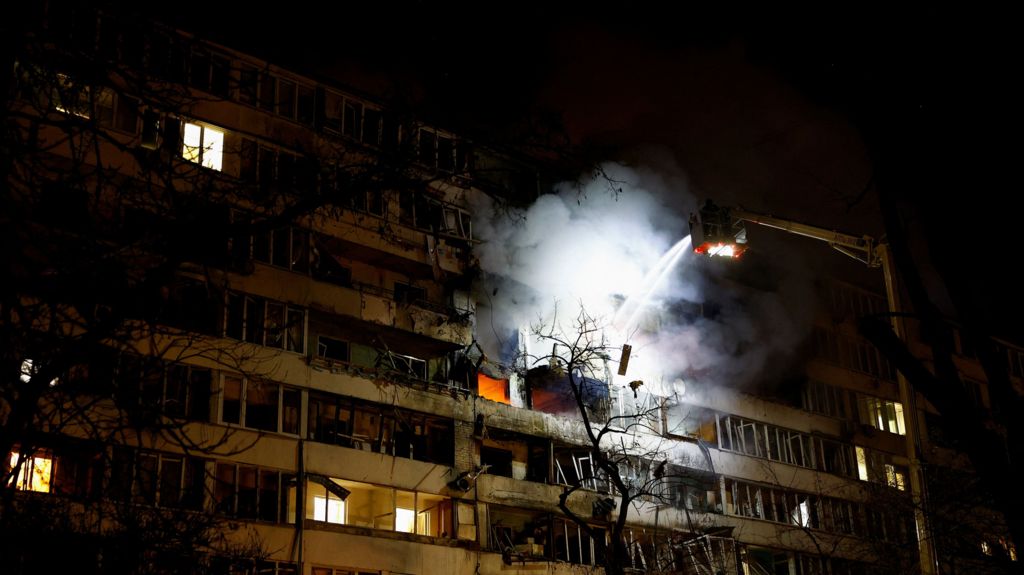
Russia and Ukraine trade deadly strikes overnight
In a grim escalation of hostilities, Russia and Ukraine exchanged devastating drone strikes overnight, resulting in significant casualties and widespread damage. Kyiv, the Ukrainian capital, bore the brunt of a ‘massive’ Russian assault, which claimed at least two lives and left six others injured. The early morning attack on Tuesday targeted residential areas, with at least two high-rise buildings engulfed in flames, disrupting essential services such as electricity and water. Emergency responders worked tirelessly to rescue 18 individuals, including three children, from the wreckage, as search operations continued. Simultaneously, Russian officials reported that a Ukrainian strike in the Rostov region had killed three people, with the death toll rising from initial reports. The Rostov region’s acting governor, Yuri Sliusar, lamented the ‘great grief’ brought by the attack, while Taganrog’s mayor vowed retaliatory measures. The southern Krasnodar region also faced a ‘sustained and massive’ Ukrainian bombardment, injuring ten. Amid the violence, Ukrainian President Volodymyr Zelensky expressed cautious optimism about progress in peace talks, highlighting ‘correct elements’ in the revised US peace plan. However, the Kremlin dismissed the amendments as ‘unconstructive,’ casting doubt on the prospects for a swift resolution. The White House, meanwhile, remained hopeful for a negotiated end to the conflict. As the war drags on, the latest strikes underscore the deepening humanitarian crisis and the urgent need for diplomatic breakthroughs.
-

Russia strikes Ukraine’s capital despite US peace push
Early Tuesday, Russia intensified its assault on Ukraine’s capital, Kyiv, targeting residential areas and energy infrastructure. According to video evidence and local officials, a residential building in the central Pechersk district and another in the eastern Dniprovskyi district sustained severe damage. Mayor Vitalii Kitschko confirmed the incidents, while footage on Telegram depicted a massive fire engulfing multiple floors of a nine-story building in Dniprovskyi. At least four individuals were injured, as reported by Kyiv city administration head Tymor Tkachenko. Ukraine’s energy ministry acknowledged strikes on energy infrastructure but did not provide details on the extent of the damage. This aggressive move by Russia followed recent discussions between U.S. and Ukrainian representatives in Geneva regarding a U.S.-Russia mediated peace plan. Oleksandr Bevz, a Ukrainian delegate, described the talks as “very constructive,” noting progress on most issues. However, Kremlin spokesperson Dmitry Peskov stated on Monday that Russia had not yet reviewed the updated peace proposal.
-
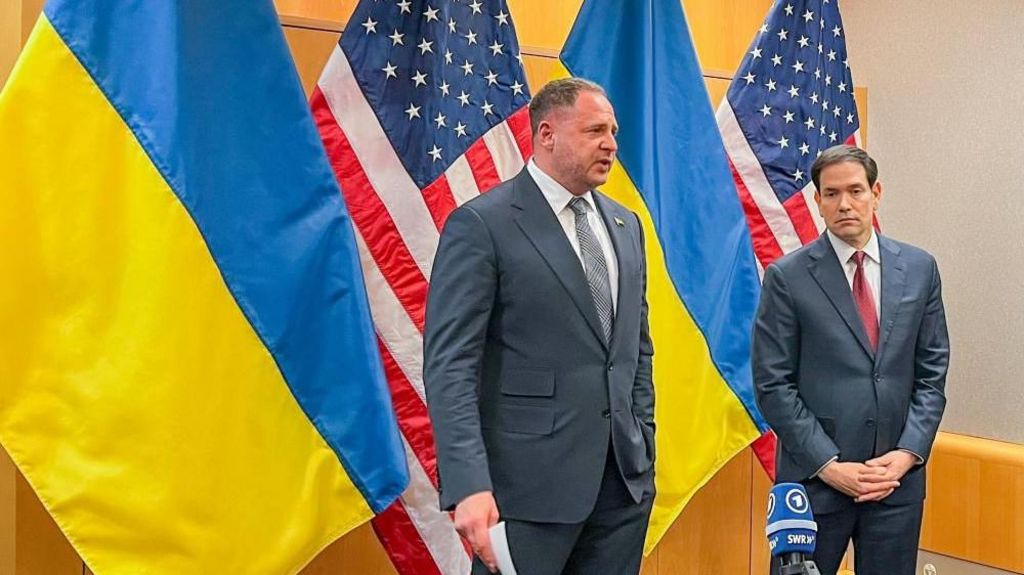
Updated peace plan could be a deal Ukraine will take – eventually
In a high-stakes diplomatic effort to broker peace in Ukraine, senior officials from the United States and Ukraine engaged in intense negotiations in Geneva over the weekend. The talks, which included national security advisers from Germany, France, and the UK, aimed to address a proposed peace deal that initially appeared heavily skewed in favor of Russia’s demands. The initial proposal, reportedly influenced by US President Donald Trump’s envoy Steve Witkoff, faced strong resistance from Kyiv, which refused to accept terms resembling surrender. Ukraine’s lead negotiator, Andriy Yermak, appeared visibly tense as discussions began, with US Secretary of State Marco Rubio forced to deny allegations that the draft was authored by the Kremlin. By Sunday night, Rubio announced ‘tremendous progress,’ though details remained vague. A joint Ukraine-US statement revealed an ‘updated and revised framework document,’ which reportedly incorporates significant amendments proposed by European allies. Key changes include the removal of an automatic veto on Ukraine’s future NATO membership, no permanent deployment of Western troops, and a commitment to recover occupied territories through diplomatic means. The revised plan also eliminates a full amnesty for war crimes and introduces security guarantees akin to NATO’s Article 5, a non-negotiable priority for Ukraine. German Chancellor Friedrich Merz described the deal as ‘significantly modified’ in a positive direction. However, skepticism remains, as Russia’s President Vladimir Putin shows no signs of conceding unless forced. Analysts suggest that while Trump’s push for a deal has injected momentum into peace efforts, the outcome may still fall short of Ukraine’s aspirations. The negotiations highlight the delicate balance between diplomatic progress and the enduring realities of the conflict.
-
US presses Europe on rules for big tech companies
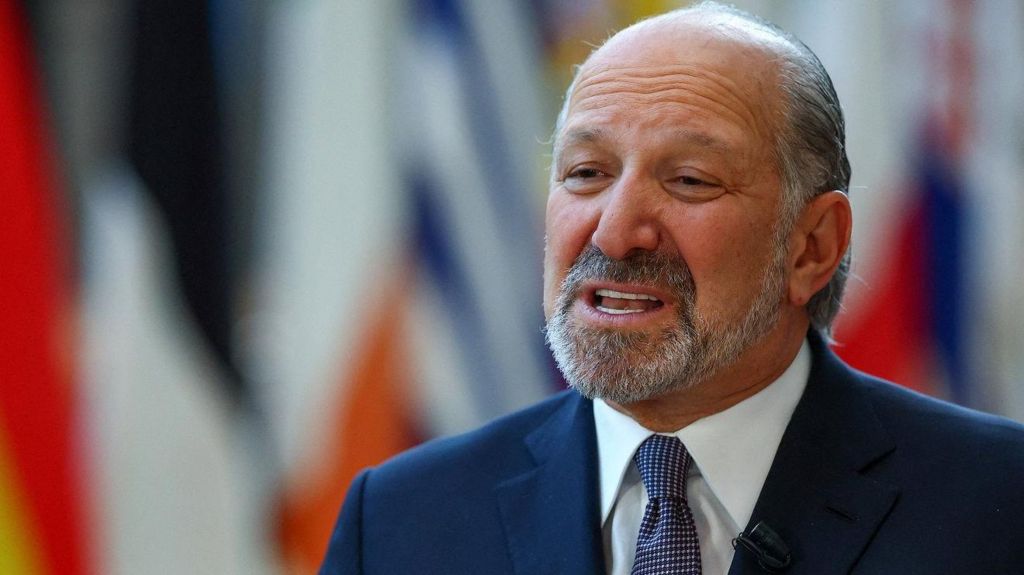
US Commerce Secretary Howard Lutnick has emphasized the necessity for Europe to ‘reconsider’ its digital regulations if it seeks reduced tariff rates on its steel and aluminium exports to the United States. This statement was made during ongoing discussions between US and European Union officials in Brussels, aimed at reviewing the trade framework established in July. The initial agreement had set US tariffs on European products at 15%, a reduction from previously threatened rates, in exchange for European investment commitments and increased access for American agricultural products. However, disagreements persist over certain aspects of the deal. European officials had anticipated tariff relief for their metals exports, but the US continues to impose a 50% duty and has expanded the range of affected products. Additionally, Europe is seeking exemptions for items like wine, cheese, and pasta, similar to recent concessions granted for tropical fruit and coffee by the Trump administration. US Trade Representative Jamieson Greer highlighted that the US expects Europe to fulfill its promises of lowering tariffs on American goods before considering further exemptions. Both Greer and Lutnick stressed that US concessions on metals tariffs are contingent upon European adjustments to its digital regulations. Lutnick, in an interview with Bloomberg Television, underscored the importance of Europe understanding US digital companies and revising its regulations to be more accommodating. The US has consistently argued that Europe’s digital service taxes unfairly target American firms. US companies have also expressed dissatisfaction with the EU’s Digital Markets Act, which aims to enhance competition by imposing rules such as requiring Apple to ensure iPhone compatibility with third-party devices. While many tech firms had hoped for stronger advocacy from the Trump administration against these regulations, the Biden administration has largely left such disputes to the companies involved. European officials, including Trade Commissioner Maroš Šefčovič, have maintained that their digital rules are non-negotiable and not discriminatory against American companies.
-

Man found guilty of murdering his 75-year-old mother
A 55-year-old man, Billy Burns, has been convicted of murdering his 75-year-old mother, Miriam Burns, in a tragic case that unfolded in County Kerry. The incident occurred on August 15, 2022, at their home in the Ardshanavooly housing estate in Killarney. Despite pleading not guilty by reason of insanity, a jury at the Central Criminal Court unanimously found Burns guilty after six hours of deliberation. Sentencing is scheduled for Friday, where victim impact statements are expected to be presented. Miriam Burns died from asphyxia due to manual strangulation and blunt force trauma to her head. The trial revealed that Burns had been living rough in Killarney at the time of the murder. He had returned home on August 12, 2022, leading to a heated argument witnessed by neighbors. Burns later returned to the house, where he stayed overnight. Miriam was last seen alive between 20:00 and 22:30 local time. She stopped responding to calls and texts later that night, and it is believed she was killed after 22:00. Burns was seen leaving the next morning and later returned to remove items from the house in an attempt to destroy evidence. When family members became concerned, they asked neighbors to check on Miriam, who was found dead in her living room on August 15. Burns was arrested the following day and re-arrested in February 2023 after further investigations. The defense called psychiatrist Dr. Eugene Morgan, who argued that Burns met the criteria for a not guilty verdict by reason of insanity. However, Dr. Stephen Monks, a consultant psychiatrist at the Central Mental Hospital, testified that Burns understood the nature of his actions despite his mental illness. State Pathologist Dr. Margaret Bolster confirmed that Miriam’s injuries were consistent with multiple blows, manual strangulation, and possible suffocation. In closing arguments, prosecuting Counsel Sean Guerin emphasized Burns’s history of aggressive behavior towards his mother, attributing it to his abuse of drugs and alcohol rather than psychiatric illness. Burns’s denial of involvement and false statements to police further demonstrated his understanding of the crime. Judge Karen O’Connor adjourned sentencing until Friday.