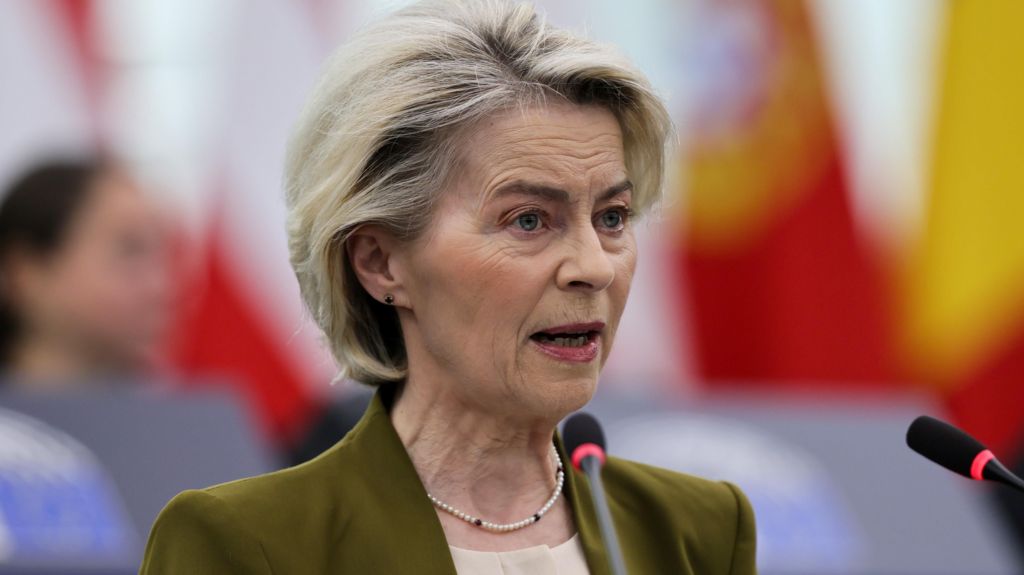
European Commission President Ursula von der Leyen has reaffirmed Europe’s steadfast commitment to Ukraine amidst the ongoing conflict, describing the situation as ‘volatile’ and ‘dangerous.’ Addressing the European Parliament in Strasbourg, von der Leyen accused Russia of lacking ‘real intent’ in pursuing peace negotiations, emphasizing that Ukraine would require robust security guarantees to deter future aggression. She highlighted Russia’s post-World War Two mindset, viewing Europe as a ‘sphere of influence,’ and stressed the necessity of European involvement in any peace agreement.
标签: Europe
欧洲
-

Turkish journalist jailed for four years for threatening Erdogan on social media
A Turkish court on Wednesday convicted veteran journalist Fatih Altayli of threatening President Recep Tayyip Erdogan, sentencing him to four years and two months in prison. The case, widely criticized as an attempt to stifle dissent, has drawn significant attention to the state of press freedom in Turkey. Altayli, 63, whose YouTube programs garnered hundreds of thousands of daily views, was detained in June and charged with publicly disseminating a threat against the president. He has denied the allegations and plans to appeal the verdict. The court ordered him to remain in custody during the appeals process, as reported by Cumhuriyet newspaper and other media outlets. The charges stem from a comment Altayli made on his program, “Fatih Altayli Comments,” following a poll indicating that over 70% of Turks opposed a lifetime presidency for Erdogan, who has ruled for more than two decades. Altayli remarked that he was unsurprised by the poll results, stating that the Turkish people historically prefer checks on authority. He referenced the Ottoman Empire, noting that sultans who lost public favor were often assassinated or forced into suicide. During the trial, Altayli called the accusations “absurd and unnecessary,” questioning why the president would fear him, as he has no ties to violent organizations. His YouTube program was suspended last month after the trial’s first hearing, though he continued to share news and commentary through letters relayed by his lawyers and read by his assistant. With most mainstream media in Turkey controlled by pro-government entities, independent journalists have increasingly turned to platforms like YouTube for uncensored reporting. According to the Turkish Journalists Syndicate, Altayli is among 11 journalists and media workers currently imprisoned in Turkey. The government maintains that these individuals are prosecuted for criminal acts, not their journalistic activities.
-
Kremlin confirms US envoy’s visit as talks on ending war in Ukraine gain momentum
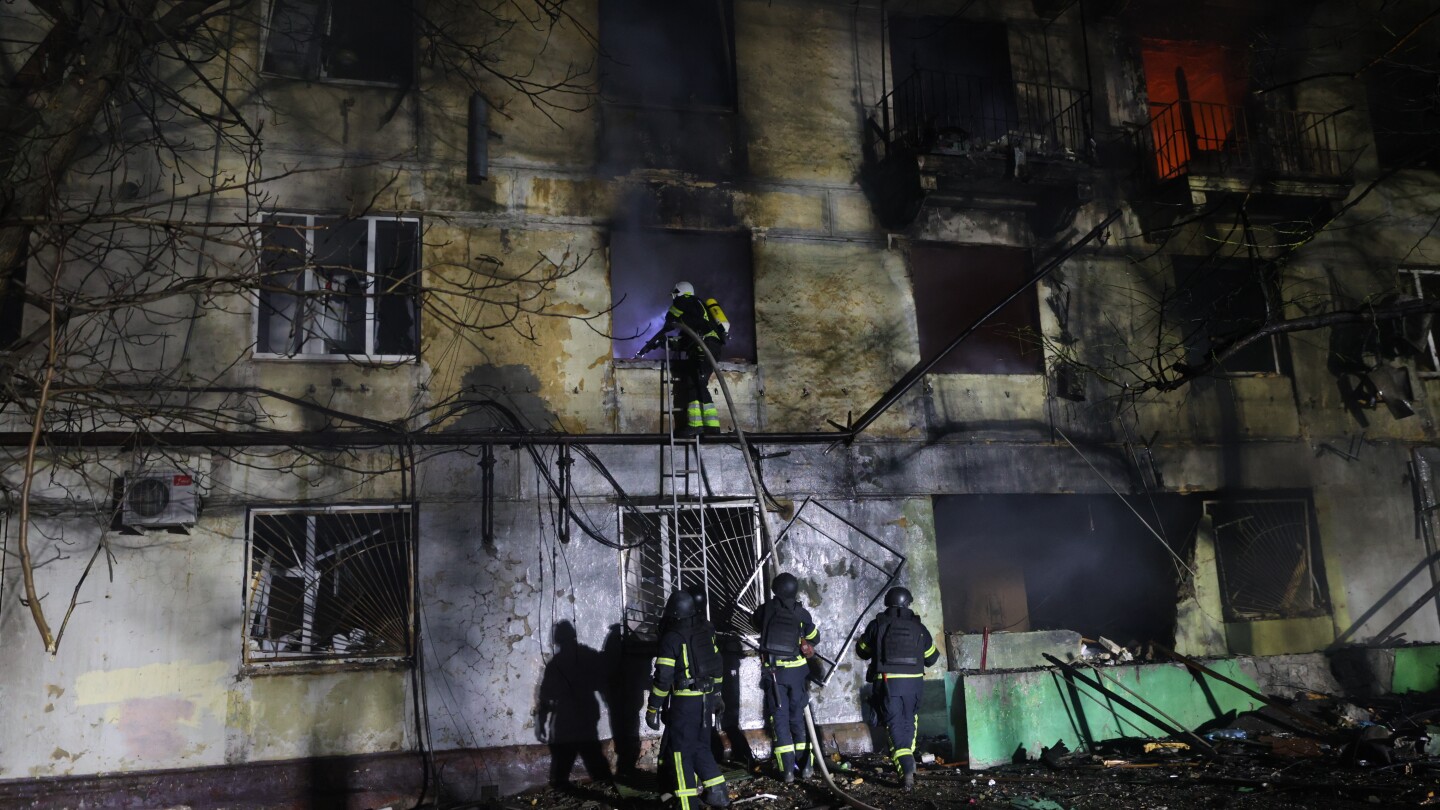
A senior Kremlin official confirmed on Wednesday that U.S. special envoy Steve Witkoff is scheduled to visit Moscow next week, marking a significant step in accelerating diplomatic efforts to end the nearly four-year conflict between Russia and Ukraine. Yuri Ushakov, Russian President Vladimir Putin’s foreign affairs adviser, emphasized that while communication channels remain open, no formal U.S. peace proposal has been presented. This comes despite recent talks involving the U.S., Russia, and Ukraine in Abu Dhabi earlier this week. Ushakov stated, ‘Contact is ongoing, including via telephone, but no one has yet sat down at a round table and discussed this point-by-point.’ Ukrainian officials have yet to confirm whether U.S. Army Secretary Dan Driscoll, a key figure in recent peace initiatives, will visit Kyiv in the coming days. President Volodymyr Zelenskyy expressed cautious optimism about a U.S.-proposed peace plan, describing it as ‘workable’ after weekend discussions in Geneva, though critical issues remain unresolved. Meanwhile, Russia’s ongoing military aggression continues to cast a shadow over diplomatic efforts. A recent drone attack on Zaporizhzhia damaged over 50 residential buildings and injured 19 people, while Russian air defenses intercepted 33 Ukrainian drones. European leaders, including German Chancellor Friedrich Merz and EU Commission President Ursula von der Leyen, have stressed the importance of Ukrainian sovereignty and European security in any peace agreement. Von der Leyen highlighted that Ukraine’s security is integral to Europe’s stability, rejecting any limitations on Ukraine’s armed forces or its path to NATO membership.
-
How Prince Albert could help bring NFL to Paris and Monaco
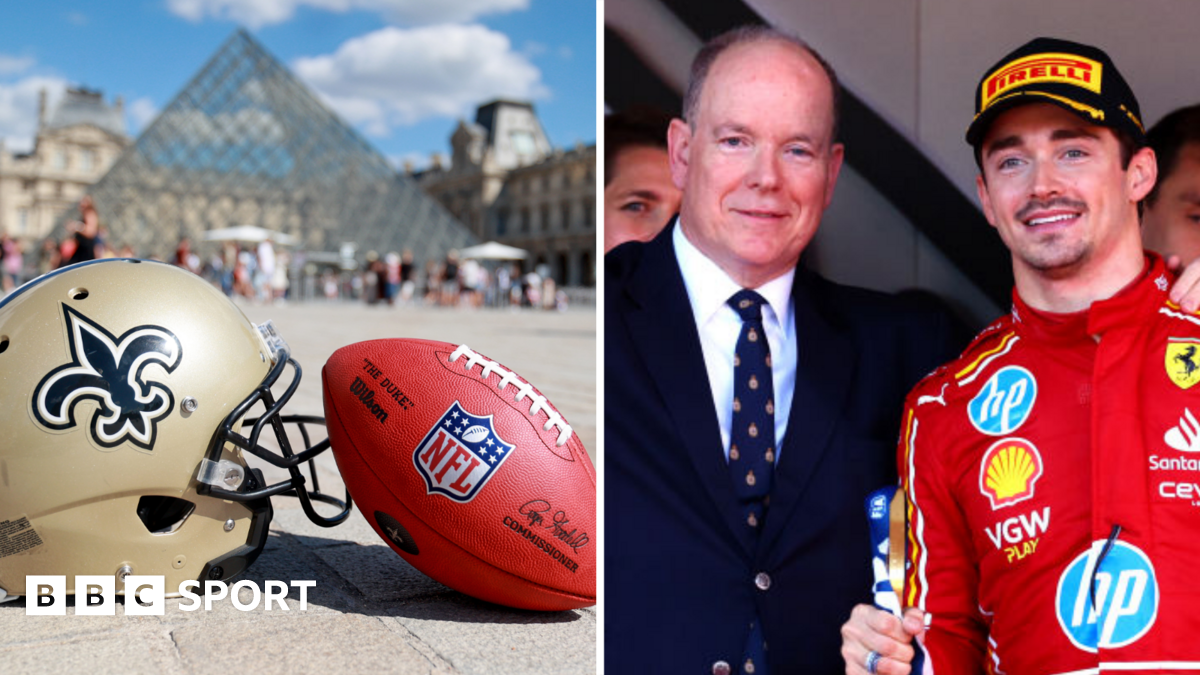
The New Orleans Saints are making waves in the NFL’s international expansion efforts, with plans to potentially host an off-season mini-camp in Monaco. This initiative is part of the Saints’ broader strategy to grow American football in France, a market they have been actively cultivating since the NFL launched its global markets programme in 2022. The Saints are the only NFL team with marketing rights in France, and they have been building business and community links from the ground up. Their efforts include a strategic partnership with the Paris Musketeers, a team in the European League of Football, and various community initiatives such as flag football clinics for youth. The Saints’ outreach has even led to a connection with Prince Albert II of Monaco, who has expressed interest in hosting the team for a training camp. This move could further boost the Saints’ profile in France ahead of a potential regular-season game in Paris, which the NFL is considering for 2026 or 2027. The NFL’s international expansion is not limited to Europe; discussions are also underway for games in the Middle East and Asia. The league aims to establish a lasting presence in these markets, ensuring that international games are not one-off events but part of a sustained effort to grow the sport globally.
-

Why PSG are turning to local talent to defend European crown
Paris Saint-Germain (PSG) is undergoing a transformative shift, prioritizing homegrown talent over high-profile signings. This strategic pivot marks the end of the club’s ‘bling-bling’ era, characterized by extravagant acquisitions, and ushers in a new chapter focused on nurturing local players. The change has been accelerated by an early-season injury crisis, which has thrust several academy graduates into the spotlight. This season, as many as five Parisian-born players have featured in the first team, showcasing the club’s commitment to its youth development program. The move to the state-of-the-art PSG Campus, a sprawling 59-hectare facility, has been instrumental in this transition. The complex, inaugurated a year ago, houses the men’s and women’s teams, their youth sides, and includes 16 pitches, accommodation for 140 young players, and educational facilities. Sporting advisor Luis Campos emphasized the club’s long-term vision of integrating more Parisian players into the first team. ‘The idea is to have players in every age group who can climb the steps,’ Campos stated, referencing the literal staircase of the PSG Campus, where the senior team trains at the top. This approach aims to reduce reliance on the transfer market, with Campos likening frequent signings to ‘going to the supermarket often doesn’t make you a better cook.’ The strategy has already yielded success, with players like Senny Mayulu and Warren Zaire-Emery making significant contributions. Mayulu, a versatile 19-year-old, has become a key figure, scoring crucial goals, including in the Champions League final. Zaire-Emery, who made his debut at 16, has rediscovered his form and is captaining the injury-hit squad. Yohan Cabaye, the academy director, praised the resilience and character of these young players, particularly Mayulu, who overcame multiple injuries in his formative years. However, Cabaye cautioned against using Zaire-Emery as a benchmark, noting that not every 16-year-old can replicate his rapid rise. PSG’s focus on youth extends to fending off competition from other clubs, with a dedicated team of scouts monitoring local talent. The under-19 side’s recent league title retention and continental success have further validated the academy’s effectiveness. Despite challenges, including a recent labor inspection highlighting workload issues, PSG remains committed to its youth-centric strategy. As the club prepares for upcoming fixtures, the new generation of homegrown talent is poised to play a pivotal role in PSG’s continued success on the European stage.
-
Moravian stars light up Germany’s Christmas season
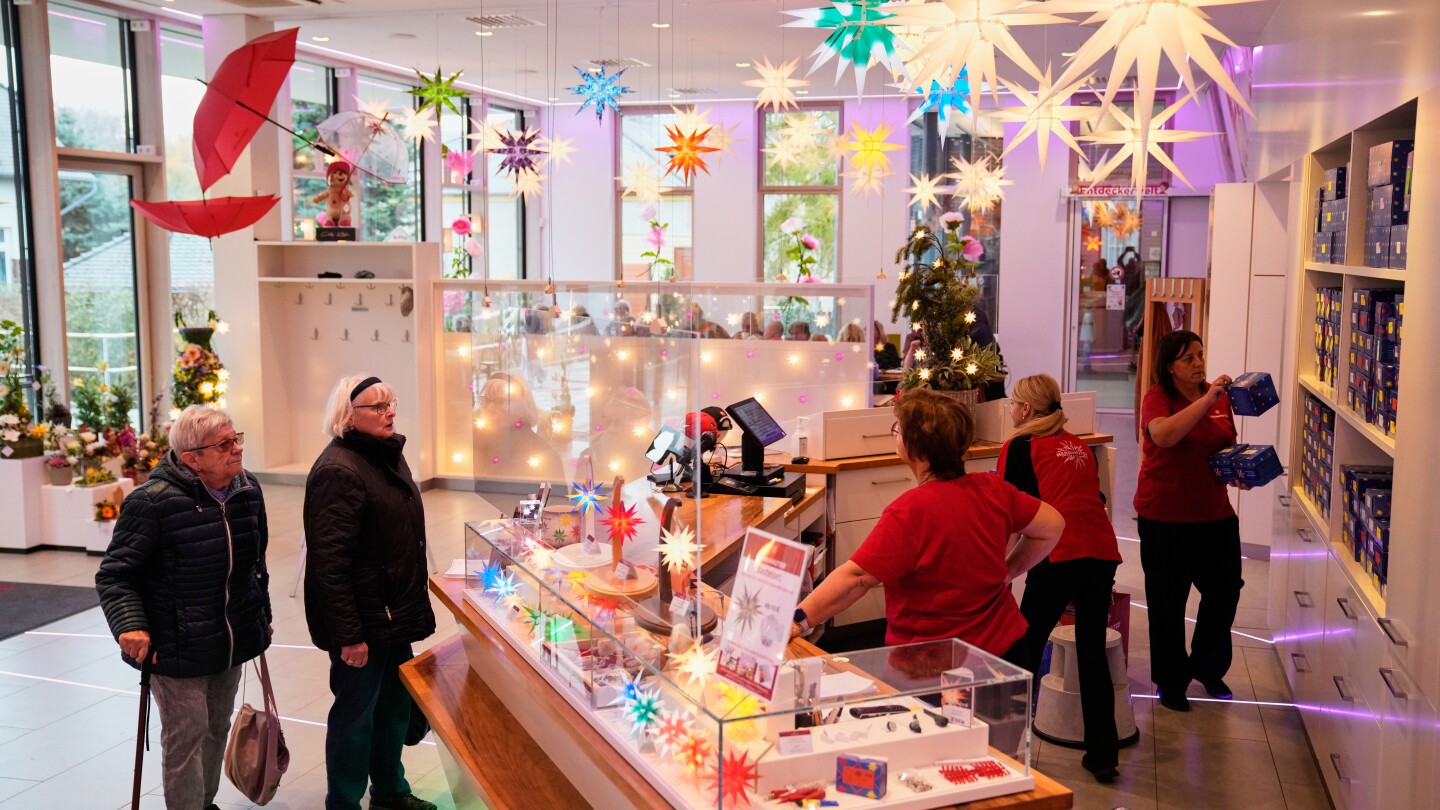
In the quaint village of Herrnhut, nestled near the borders of Poland and the Czech Republic, a centuries-old tradition continues to illuminate the darkest days of winter. The Moravian stars, a symbol of the Star of Bethlehem, have become a cherished part of Christmas celebrations across Germany and beyond. These stars, handmade for over 180 years, adorn church steeples, apartment windows, and even the chancellery in Berlin during Advent. Katja Ruppert, managing director of the Herrnhuter Sterne manufacturing company, explains that the stars represent the guiding light that led the three wise men to the Christ Child. The tradition began in 1722 when refugees from the Moravian Church, fleeing persecution in Bohemia and Moravia, founded Herrnhut under the protection of Count Nikolaus von Zinzendorf. The stars were born out of a geometry lesson in one of the schools established by the church, where a math teacher tasked students with creating a complex geometric shape. This initial cardboard star was patented in 1925, allowing it to be dismantled for shipping and reassembled. Today, the stars come in various sizes, colors, and materials, ranging from 8 centimeters to 250 centimeters in diameter, with prices starting at 19 euros. The company has expanded its offerings to include monochrome, varicolored, and even ‘literary stars’ made from the pages of old books. A handicrafts workshop in Herrnhut allows visitors to create their own stars, while a showroom showcases the diverse range of designs. The Moravian star’s popularity has grown significantly in the past two decades, with over 820,000 stars produced annually by 230 employees. Despite their local fame, the stars have yet to be widely exported, though Moravian Church communities in places like Bethlehem, Pennsylvania, and Christiansfeld, Denmark, also feature them during Advent. For many, like hairdresser Silk Schmidt, the stars are a cherished part of their holiday traditions, bringing light and beauty to the winter season.
-
What to know about French ex-President Sarkozy’s latest legal matters
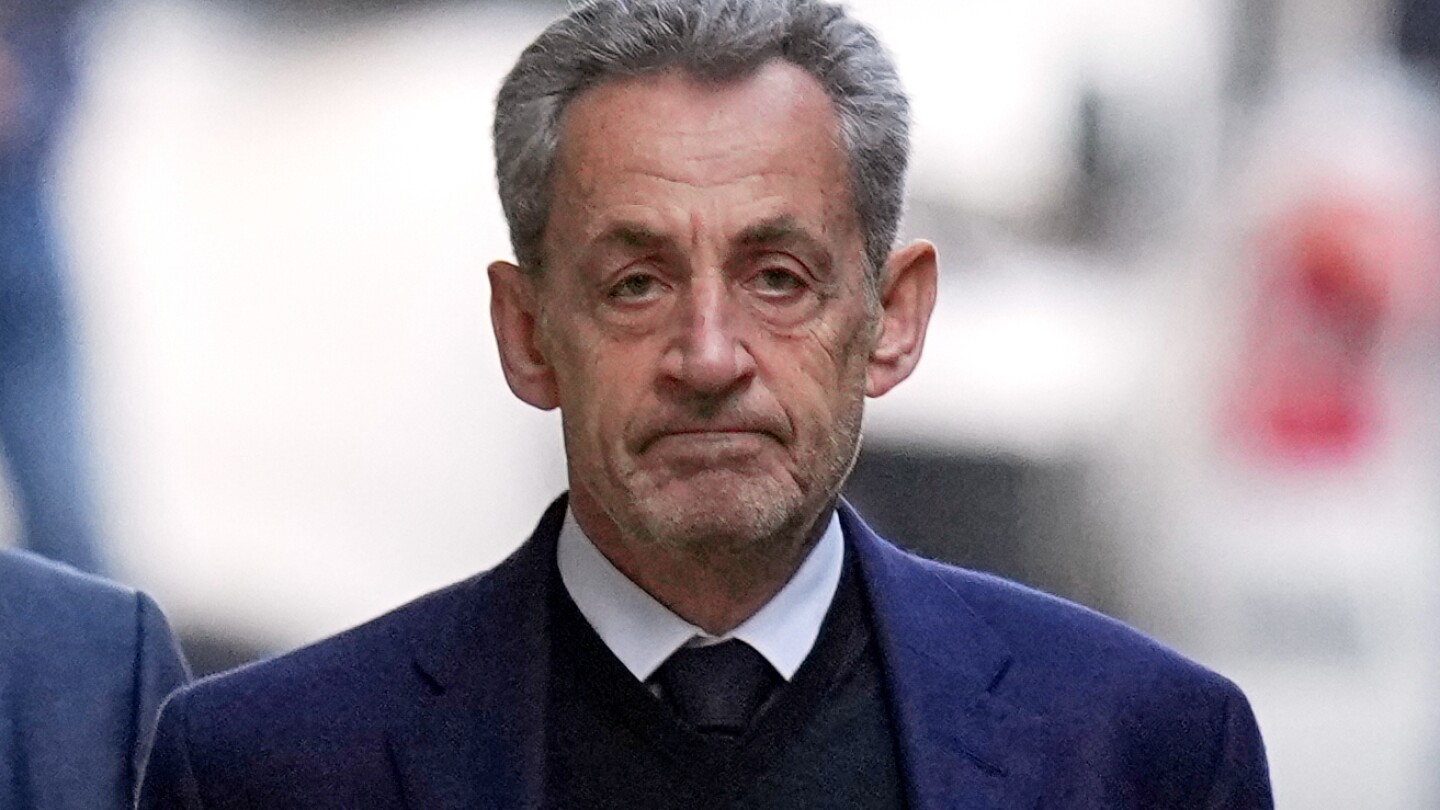
Nicolas Sarkozy, the former President of France, awaits a pivotal ruling from the Court of Cassation on Wednesday regarding his conviction for illegal campaign financing during his 2012 reelection bid. The court will determine whether to uphold or overturn his one-year prison sentence, half of which is suspended, for exceeding the legal spending limit by nearly double the allowed €22.5 million ($25.5 million). This decision follows his recent release from a 20-day incarceration in Paris’ La Santé prison, stemming from a separate case involving alleged secret financing from Libya during his 2007 presidential campaign. Sarkozy, 70, has consistently denied any wrongdoing. If the Court of Cassation confirms the conviction, it will mark a definitive legal conclusion, barring further appeals. The court’s role is to ensure proper application of legal procedures rather than re-examining the case’s merits. Additionally, Sarkozy faces an upcoming appeal trial in the Libya case, scheduled from March 16 to June 3, where he was previously sentenced to five years for criminal association related to campaign financing. Amid these legal battles, Sarkozy is set to release a memoir titled “Diary of a Prisoner,” reflecting on his recent incarceration. The former president’s legal woes also include preliminary charges for alleged witness tampering in the Libya case, with his wife, Carla Bruni-Sarkozy, similarly implicated. Sarkozy’s legacy continues to be marred by these controversies, including a prior conviction for corruption and influence peddling, which led to the revocation of his Legion of Honor medal.
-
Ambitious plan to store CO2 beneath the North Sea set to start operations
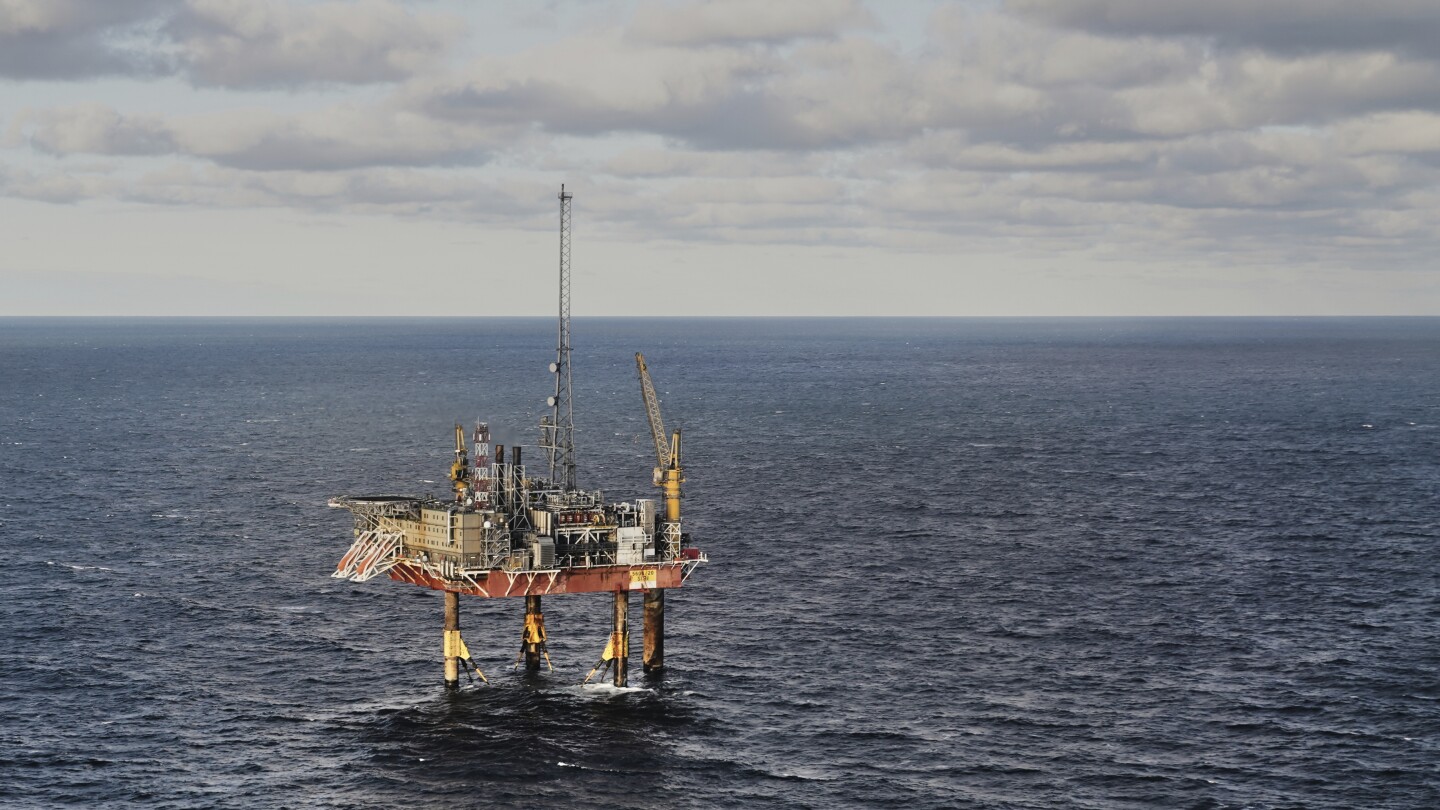
In a groundbreaking initiative, the Nini oil field in Denmark’s North Sea is being repurposed from fossil fuel extraction to a permanent carbon dioxide storage site. Spearheaded by chemical giant INEOS, the Greensand Future project aims to inject liquefied CO2 into depleted oil reservoirs 1,800 meters beneath the seabed. This innovative approach, which effectively reverses the oil extraction process, is set to commence commercial operations next year, marking the European Union’s first fully operational offshore CO2 storage facility. The project will initially store 400,000 tons of CO2 annually, with plans to scale up to 8 million tons by 2030. Denmark’s geological survey confirms the suitability of the Greensand sandstone rock for this purpose, citing its porous structure and secure seal rock. While proponents hail carbon capture and storage (CCS) as a vital tool in combating climate change, critics argue it should not overshadow the urgent need for emission reductions. Environmental groups like Greenpeace caution against over-reliance on CCS, emphasizing the importance of cutting emissions at their source. Despite these concerns, INEOS is expanding its efforts, including potential development of another North Sea oil field, as part of Europe’s broader energy transition.
-
UK’s Treasury chief set to raise taxes once again in her second budget
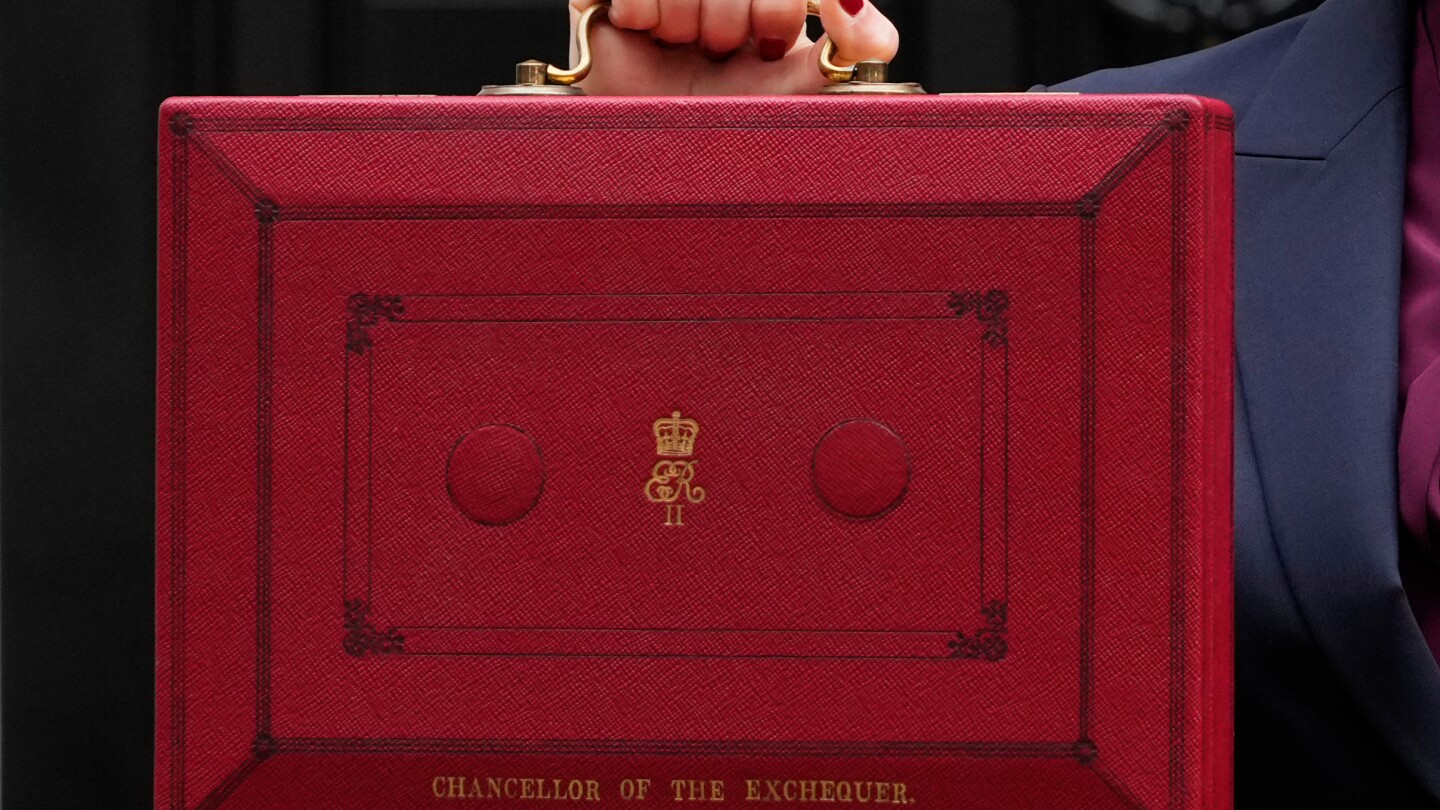
LONDON — Amid mounting economic pressures, Britain’s Labour government, led by Chancellor of the Exchequer Rachel Reeves, is poised to unveil its second budget since its landslide election victory in July 2024. The announcement, scheduled for Wednesday, comes as the government grapples with a strained public finances and a faltering economy. Reeves, the first woman to hold the prestigious Treasury role, is expected to introduce additional tax-raising measures to address a significant fiscal shortfall. This marks a departure from her earlier assurance that her first budget would be the sole major tax-raising effort of the current parliamentary term, which extends to 2029. The British economy, the world’s sixth-largest, has struggled to meet expectations, with critics attributing the downturn to last year’s business tax hikes. Despite a brief recovery in the first half of 2024, when the UK led the Group of Seven in growth, the economy has since stumbled. Peter Arnold, chief economist at EY U.K., noted that Reeves must navigate a ‘delicate balancing act’ between ensuring fiscal stability and fostering economic growth. The UK’s financial woes are compounded by long-term challenges stemming from the 2008 global financial crisis, the COVID-19 pandemic, the Russia-Ukraine war, and the lingering effects of Brexit. These factors have collectively eroded the nation’s economic resilience and tax revenue. Reeves also faces substantial spending commitments, including reversing planned welfare cuts and addressing the cost-of-living crisis amid persistent inflation. Economists estimate she will need to secure £20-30 billion ($26-39 billion) to meet these demands. While a straightforward income tax hike has been ruled out, Reeves is likely to implement smaller, more complex tax measures. Key expectations include freezing tax thresholds, which would push more earners into higher brackets as wages rise, and introducing a mansion tax on high-value properties. Changes to capital gains tax and private pension provisions are also under consideration.
-
As Russia pummels Ukraine’s energy systems, Kyiv hopes US gas will fill the gap
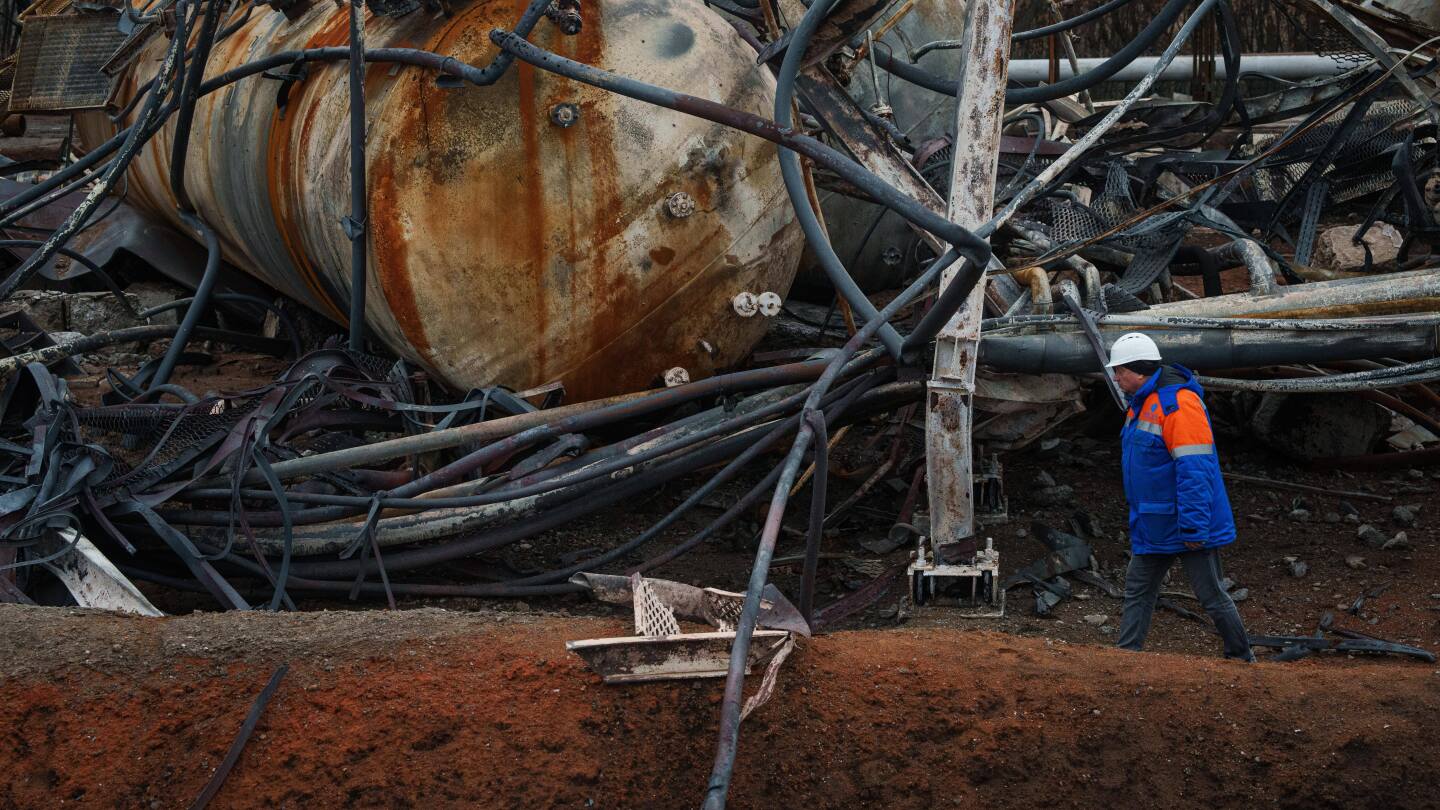
The aftermath of a devastating Russian drone and missile assault on a Ukrainian gas facility has left the surrounding soil scorched and the infrastructure in ruins. The attack, which occurred on October 30, targeted a reservoir storing liquefied propane gas, leaving several tanks empty and destroyed. Victor, a long-time employee who has worked at the facility for 28 years, expressed his sorrow over the damage, stating, ‘It hurts to look at all this because I saw firsthand its establishment, construction, and development. But we must continue to work.’ The Associated Press was granted exclusive access to Naftogaz’s gas extraction fields in central Ukraine, marking the first time a news outlet has been allowed to document the war damage at these facilities. Due to security concerns, the exact location of the facility remains undisclosed. Russia’s strategic targeting of Ukraine’s gas infrastructure aims to cripple morale and force the country to import expensive gas, which it can scarcely afford. Without these attacks, Ukraine could have covered the majority of its gas consumption through domestic extraction. However, the March and October assaults have left Ukraine needing to import an additional 4.4 billion cubic meters of gas this winter, at an estimated cost of $2 billion. Naftogaz, Ukraine’s state gas company, is negotiating with U.S. government lenders to secure financing for purchasing American liquefied natural gas. The energy crisis has become a critical factor in ongoing peace negotiations, with a senior Ukrainian official emphasizing the urgency of the situation. ‘It is urgent because of Ukraine’s energy situation, urgent because of what Ukrainians need this winter, urgent in terms of the fight,’ the official stated. The destruction of gas infrastructure, which has no military significance, is seen as a deliberate attempt to terrorize Ukrainians by leaving them without heating and electricity during the harsh winter months. Naftogaz CEO Serhii Koretskyi condemned the attacks, describing them as ‘manic terror attacks.’ The damage has pushed Ukraine to increase its gas imports, with Naftogaz securing 70% of the required funds through European loans and grants. The remaining 30% is being sought from U.S. lenders, though the process is time-sensitive. ‘This money was needed the day before yesterday,’ Koretskyi remarked. The attacks have also left gas transport pipes in a tangled wreckage, with workers scrambling to salvage what they could. The repeated assaults on Ukraine’s gas infrastructure have forced the country to rely heavily on imports, with some repairs expected to take months or even years. The situation has raised concerns about the long-term sustainability of Ukraine’s energy sector, with experts suggesting that the government may need to raise gas prices to reduce reliance on loans. However, such a move risks public backlash, especially given the ongoing pressure on the government from a major corruption scandal in the energy sector. Despite the challenges, Ukraine remains committed to rebuilding its gas infrastructure and ensuring energy security for its citizens.