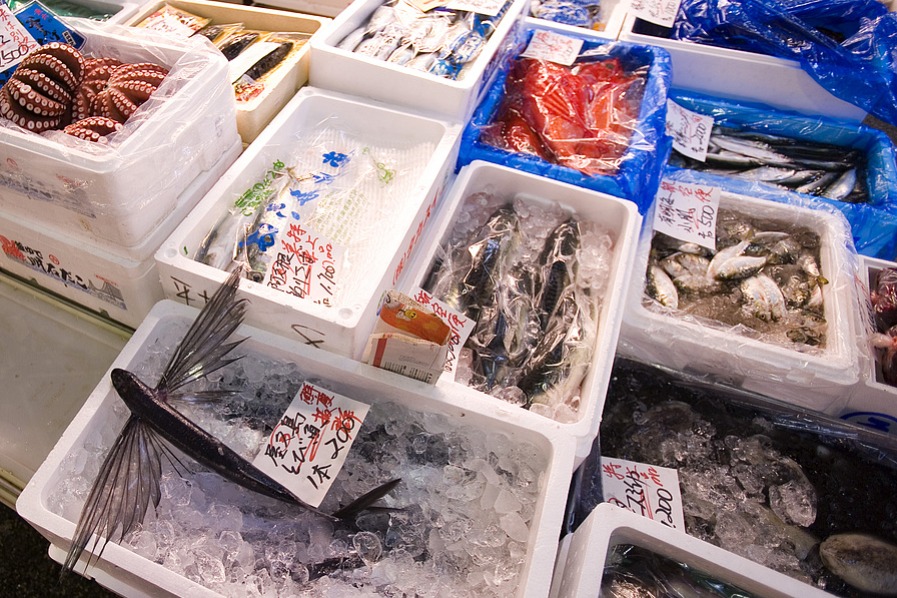
China has formally urged Japan to implement robust measures to guarantee the safety and quality of its aquatic products, reiterating its steadfast opposition to Japan’s unilateral discharge of Fukushima nuclear-contaminated water. The call was made during a technical exchange between China’s General Administration of Customs and Japanese officials on Thursday, as confirmed by Foreign Ministry spokesman Lin Jian. The discussions focused on enhancing inspection and monitoring protocols to ensure the safety of aquatic products. Lin emphasized that any resumption of aquatic product imports from Japan must be grounded in continuous, independent scientific data collected by China. He further stressed that Japan must take concrete actions to ensure its exports comply with Chinese legal and regulatory standards. Japan, in response, acknowledged China’s concerns and reaffirmed its commitment to international monitoring and independent sampling to meet Chinese requirements. Lin reiterated China’s unwavering stance against the unilateral ocean discharge of nuclear-contaminated water, pledging continued collaboration with the international community to ensure strict oversight of such activities.
标签: Asia
亚洲
-

China rips Japan over aircraft’s intrusion
China has issued a stern protest to Japan following the unauthorized entry of a Japanese civilian aircraft into the airspace over the Diaoyu Islands. The incident, which occurred on Saturday, has prompted Beijing to demand an immediate halt to such provocative actions, warning that they could jeopardize the stability of bilateral relations. Liu Jinsong, Director-General of the Asian Affairs Department at China’s Foreign Ministry, conveyed the protest to Yokochi Akira, the Chief Minister of the Japanese Embassy in Beijing, emphasizing the gravity of the situation. The Chinese Coast Guard swiftly responded by deploying ship-based helicopters to warn and expel the intruding aircraft during a routine patrol in the area. Japan’s Ministry of Defense, however, accused Chinese helicopters of violating its territorial airspace—a claim vehemently denied by Zhang Xiaogang, a spokesman for China’s Ministry of National Defense. Zhang reiterated that the Diaoyu Islands and their affiliated islets are an inherent part of Chinese territory, and any unauthorized entry constitutes a serious breach of China’s sovereignty. He defended the Coast Guard’s actions as ‘completely legitimate and legal,’ urging Japan to restrain its citizens and avoid further provocations. Both Liu Jinsong and China Coast Guard spokesman Liu Dejun emphasized that China will continue to take all necessary measures to safeguard its territorial integrity and maritime rights. The incident underscores the ongoing tensions between the two nations over the disputed islands, with China calling for Japan to act responsibly to maintain regional stability.
-
High-level exchanges seen as positive
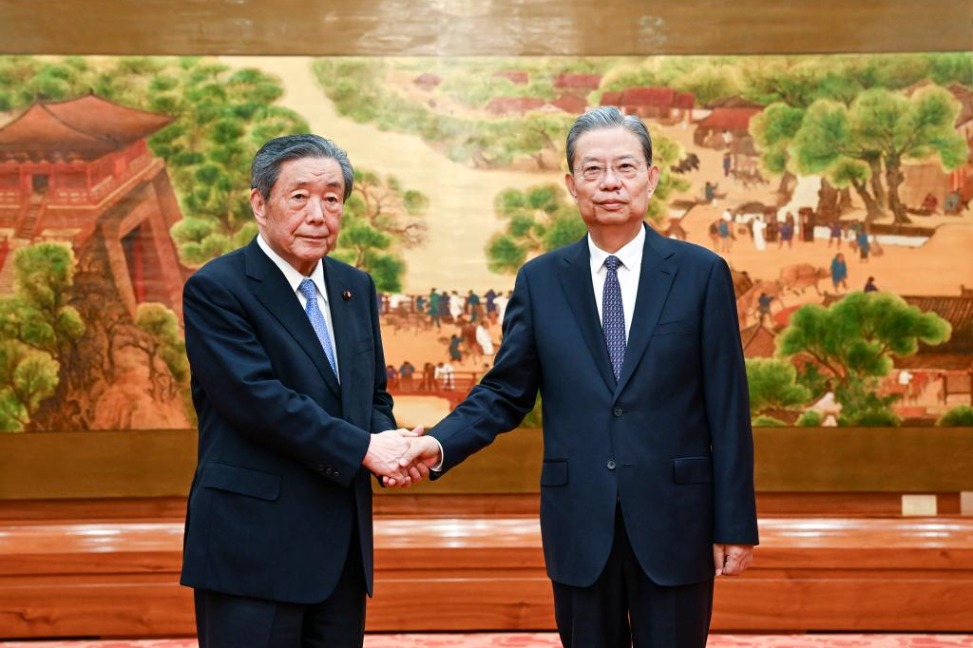
Recent high-level visits by Japanese political figures to China have been interpreted as a strategic move to bolster economic cooperation and mitigate risks posed by Washington’s unilateral and protectionist policies, according to analysts. These visits, led by prominent figures such as Hiroshi Moriyama, chairman of the Japan-China Friendship Parliamentarians’ Union and secretary-general of Japan’s Liberal Democratic Party, underscore a shared commitment to enhancing bilateral relations. Moriyama, accompanied by a bipartisan delegation, met with Zhao Leji, chairman of China’s National People’s Congress Standing Committee, on April 29, 2025. During the meeting, Zhao emphasized the importance of win-win cooperation and long-term bilateral development. Moriyama echoed this sentiment, expressing a willingness to strengthen trade and cultural exchanges while addressing differences constructively. The visits follow a trip by Komeito party leader Tetsuo Saito and his delegation earlier in April, further highlighting Japan’s bipartisan consensus on fostering ties with China. Analysts, including Da Zhigang of the Heilongjiang Provincial Academy of Social Sciences, noted that these interactions aim to counterbalance the disruptive effects of US tariff policies and promote regional stability. Xiang Haoyu of the China Institute of International Studies added that while these visits signal a positive shift, underlying issues such as political mistrust and fragile public sentiment remain challenges. Both sides have pledged to uphold multilateralism and strengthen regional collaboration, particularly in Southeast Asia, to address global economic uncertainties.
-

Japan urged to expedite removal of chemical weapons from Chinese territory
China has issued a renewed call to Japan, urging the nation to expedite the removal of chemical weapons abandoned on Chinese soil during World War II. This appeal comes as the world commemorates the 80th anniversary of the victory in the Chinese People’s War of Resistance Against Japanese Aggression and the 28th anniversary of the enforcement of the Chemical Weapons Convention. Foreign Ministry spokesman Guo Jiakun emphasized that Japan bears an inescapable historical, political, and legal responsibility to address this issue, which is also an international obligation under the Chemical Weapons Convention. The disposal of these weapons is critical to ensuring the safety and environmental well-being of affected Chinese communities. Despite China’s significant support in excavating and destroying approximately 120,000 of the 150,000 recovered chemical weapons, progress remains slow. Guo highlighted that lingering remnants of these weapons continue to pose severe threats to local lives, property, and ecological security. China insists that Japan must fully implement its post-2022 plan to eliminate these hazardous remnants comprehensively and efficiently.
-
Ex Japanese PM: Japan should properly handle the Taiwan question as an internal affair of China
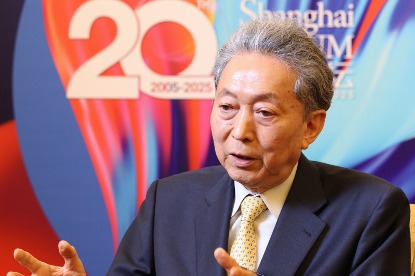
In a recent exclusive interview with China Daily, former Japanese Prime Minister Yukio Hatoyama underscored the necessity of maintaining the foundational principles of China-Japan relations, particularly referencing agreements established in the 1970s. Hatoyama highlighted that the Chinese government’s stance on Taiwan, viewing it as an inseparable part of China, was acknowledged and respected by Japan at that time. He emphasized that Japan should continue to honor this consensus and manage the Taiwan issue appropriately, treating it as an internal matter of China. This approach, according to Hatoyama, is crucial for sustaining the stability and progress of bilateral relations between the two nations.
-
Former Japanese PM wowed by China’s tech development, calling for Sino-Japan collaboration
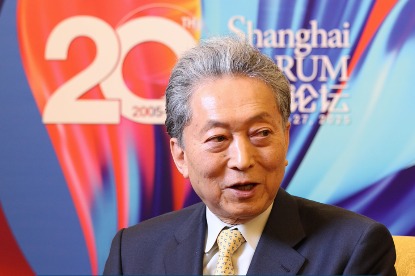
Former Japanese Prime Minister Yukio Hatoyama has expressed admiration for China’s rapid technological advancements, emphasizing the potential for a synergistic partnership between Japan and China, particularly in artificial intelligence (AI) and robotics. Speaking at the Shanghai Forum 2025 on Friday, Hatoyama highlighted the complementary strengths of the two nations, suggesting that Japan’s meticulous attention to detail and expertise in basic materials could be effectively paired with China’s robust organizational capabilities and recent industrial achievements to foster mutual benefits. In an exclusive interview with China Daily, Hatoyama underscored the importance of collaboration in these cutting-edge fields, envisioning a macro-micro partnership that could drive innovation and economic growth for both countries. The former prime minister’s remarks come at a time when global technological competition is intensifying, and strategic alliances are increasingly seen as vital for maintaining a competitive edge. The Shanghai Forum 2025, which attracted over 500 guests and representatives, served as a platform for discussing key issues in global development, with Hatoyama’s call for Sino-Japan collaboration resonating strongly among attendees. As both nations continue to invest heavily in AI and robotics, the potential for joint ventures and knowledge exchange could pave the way for groundbreaking advancements in these critical sectors.
-
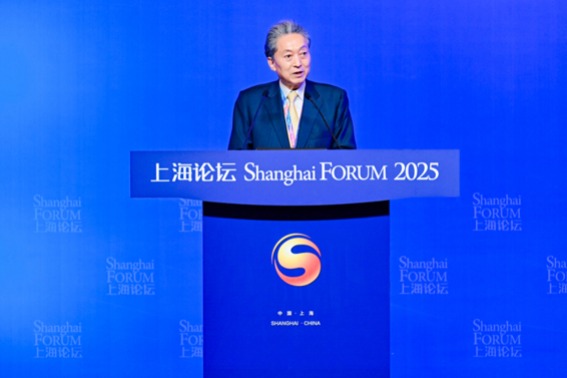
Ex-Japan PM urges tech collaboration with China
Former Japanese Prime Minister Yukio Hatoyama has called for enhanced technological collaboration between Japan and China, particularly in artificial intelligence (AI) and robotics. Speaking at the Shanghai Forum 2025, Hatoyama emphasized the complementary strengths of the two nations, with Japan excelling in precision and fundamental materials, and China demonstrating robust organizational capabilities and industrial achievements. He highlighted China’s rapid advancements in AI and robotics, noting that the country has achieved a world-leading position in these fields. Hatoyama also pointed out the potential for mutual benefits through a macro-micro partnership, leveraging each country’s unique advantages. He stressed the importance of adhering to historical agreements in Sino-Japanese relations and called for a reconsideration of Japan’s strategic alignment with the United States. Hatoyama proposed the establishment of a mechanism to regulate competition between China and the U.S. in technology fields, advocating for collaborative efforts involving Japan, South Korea, and European countries. The forum, themed ‘Age of innovation: Technology, development and governance,’ brought together over 500 participants from more than 50 countries and regions, fostering discussions on global technological advancements and governance.
-
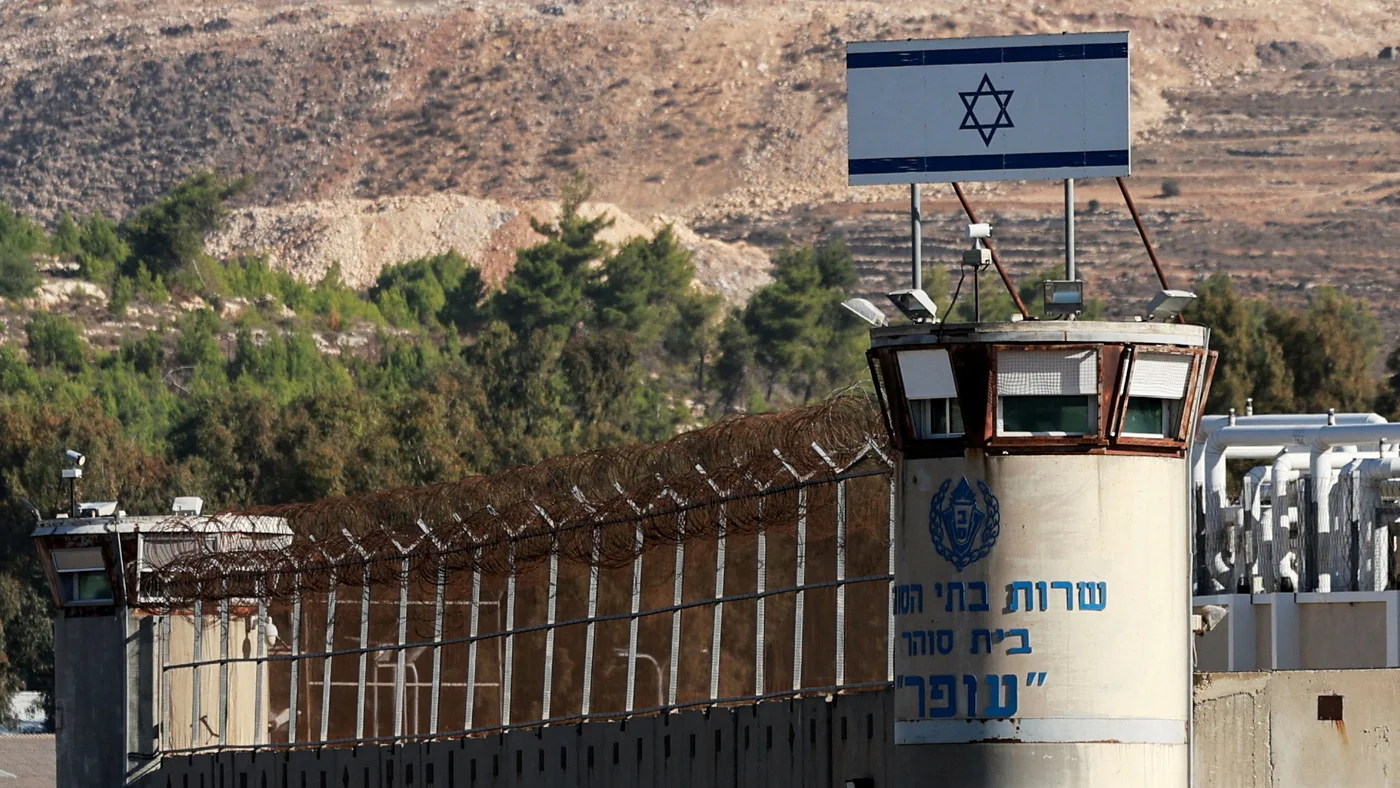
Palestinian captives in Israeli prison face ‘health disaster’, advocacy group warns
A severe health emergency is unfolding within Israel’s Megiddo Prison facility, according to alarming reports from the Palestinian Prisoners Society (PPS). The northern Israeli detention center, long criticized for its treatment of Palestinian detainees, is experiencing dangerous outbreaks of scabies and other communicable diseases that threaten to develop into a full-scale health catastrophe.
Medical assessments confirm that scabies infestations, caused by parasitic mites burrowing beneath the skin, have created widespread dermatological complications among the prison population. The PPS has documented numerous cases where inadequate medical intervention has exacerbated conditions, leading to severe rashes, persistent irritation, and additional health complications.
The advocacy organization attributes this deteriorating situation to systematic neglect by Israeli prison authorities. Detainees reportedly face critical shortages of nutritional food, appropriate clothing, basic hygiene products, and proper access to ventilation and natural lighting. These conditions create an environment where contagious diseases can spread rapidly through the confined population.
Particular concern has been raised regarding the vulnerability of younger detainees, with hundreds of children reportedly at risk. This warning follows the recent death of 17-year-old Walid Khaled Abdullah Ahmed within the facility, though circumstances surrounding his passing remain unconfirmed. His death marks the 63rd fatality among Palestinian detainees in Israeli custody since October 2023.
Israeli newspaper Haaretz previously reported in November that approximately 25% of Palestinian prisoners had contracted scabies infections in preceding months. Inmates have characterized their treatment as deliberately neglectful rather than accidentally inadequate, with one prisoner quoted as saying guards told sick detainees they ‘are terrorists and must die.’
Megiddo Prison has developed a notorious reputation for human rights violations beyond medical neglect. Documentation includes reports of electric shock torture, attacks by security dogs, severe physical beatings, and incidents where prisoners were stripped naked and restrained for extended periods without food or protection from cold temperatures.
A 2024 report by the Commission of Detainees’ and Ex-Detainees’ Affairs further detailed systematic torture practices, medical negligence, incidents of sexual violence, and routine physical abuse within the facility, painting a comprehensive picture of institutional maltreatment.
-
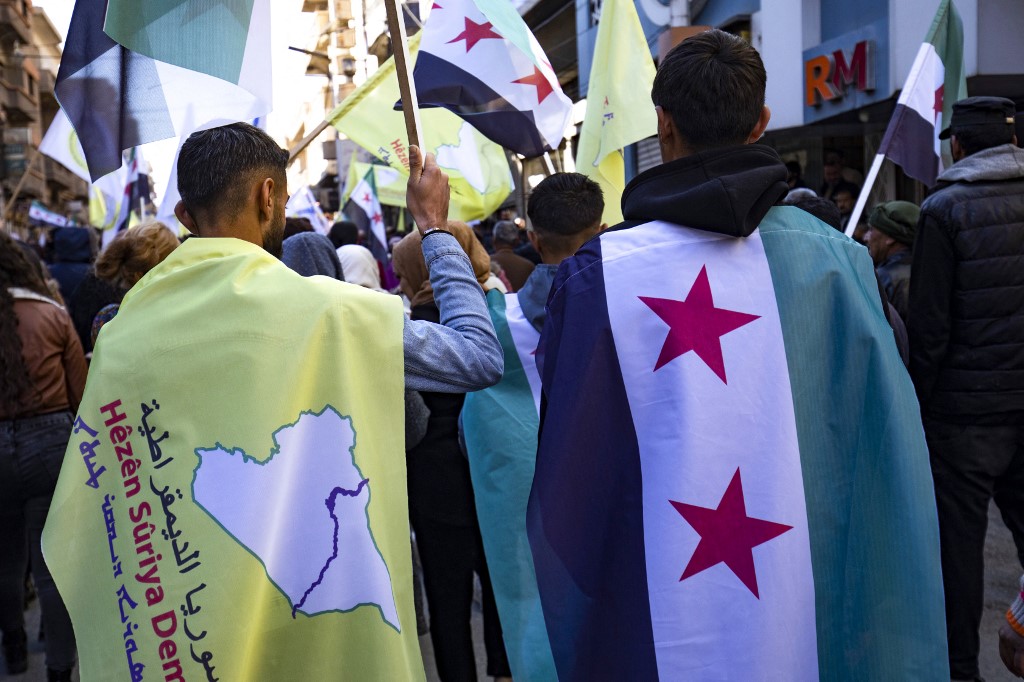
What is Turkey’s vision for the Kurds in Syria?
Regional observers are closely examining Turkey’s strategic objectives regarding the Kurdish-dominated Syrian Democratic Forces (SDF) that control substantial territories in northeastern Syria. Since the collapse of Bashar al-Assad’s regime in December, Ankara has emerged as a dominant power broker in Syria, cultivating strategic alliances with the interim government led by Hay’at Tahrir al-Sham (HTS).
Both Turkish authorities and HTS leadership have consistently demanded the expulsion of Kurdistan Workers’ Party (PKK)-affiliated elements from SDF ranks and advocated for the group’s disarmament, potentially through integration into Syria’s formal defense structures. This position creates a complex diplomatic landscape given that Western powers, while classifying PKK as a terrorist organization, have simultaneously supported PKK-linked factions in Syria since 2014 to combat Islamic State extremists.
Recent statements from de facto Syrian leader Ahmed al-Sharaa emphasize that the emerging administration will reject any form of federal division and insists on state monopoly over military capabilities. Despite President Erdogan’s vigorous rhetoric regarding eliminating security threats from Syrian territory, Ankara appears to favor diplomatic solutions over full-scale military intervention against Kurdish forces.
The SETA think tank, maintaining close government ties, recently proposed a collaborative framework where American and Turkish officials could pursue non-violent resolution mechanisms. The proposal suggests the United States would acknowledge Turkey’s security concerns by limiting military and political support for SDF, while Turkey would refrain from large-scale operations in northeastern Syria.
Turkish Foreign Minister Hakan Fidan has reiterated demands for SDF to expel PKK cadres and demobilize their forces. On Monday, Fidan claimed approximately 2,000 foreign fighters embedded within SDF ranks are under the command of senior PKK officials Sabri Ok and Fehman Huseyin, who allegedly influence SDF leadership.
A critical element in this diplomatic process involves ongoing negotiations between Turkish authorities and imprisoned PKK leader Abdullah Ocalan, initiated in October. Multiple Turkish sources indicate Ocalan may release a video statement in February urging PKK disarmament, which could significantly pressure SDF toward accepting a political compromise.
Senior PKK official Bese Hozat confirmed they await Ocalan’s guidance regarding future steps, noting his intensive efforts toward democratic solutions for the Kurdish question and regional democratization.
Turkish officials anticipate that with Ocalan’s potential intervention, non-PKK elements within SDF could be integrated into Damascus’ military administration. Additionally, they expect former President Donald Trump’s potential return to office might accelerate SDF’s positional reconsideration.
Beyond disarmament, Ankara seeks the repatriation of Kurdish refugees to northeastern Syria and the reintegration of rival Kurdish political parties into the region. Turkey recently facilitated discussions between Masoud Barzani, former president of Iraqi Kurdistan and PKK rival, and SDF leader Mazloum Abdi, urging political reintegration and cooperation with Damascus.
According to sources familiar with Ankara’s strategic thinking, Turkey essentially desires the Democratic Union Party (PYD) to transform into a national political entity participating in democratic elections and gaining representation in Damascus through constitutional processes.
Al Jazeera Arabic recently reported that Damascus presented SDF with a draft agreement aligning with Turkish interests, offering constitutional recognition of Kurdish cultural rights and establishing decentralized administrative systems with substantial local powers. However, Damascus insists SDF must integrate into national military institutions as individuals rather than as independent units, and cannot maintain current deployments in non-Kurdish majority areas like Raqqa. SDF reportedly rejected these terms, citing Turkish security threats and demanding equitable oil revenue sharing.
Despite ongoing diplomatic efforts, indications suggest Turkey continues military preparations. Yahya Bostan, a columnist with extensive military and intelligence connections, recently wrote that Ankara is intensifying efforts to eliminate PKK threats, anticipating increased diplomatic and intelligence operations at military levels in the near future.
-
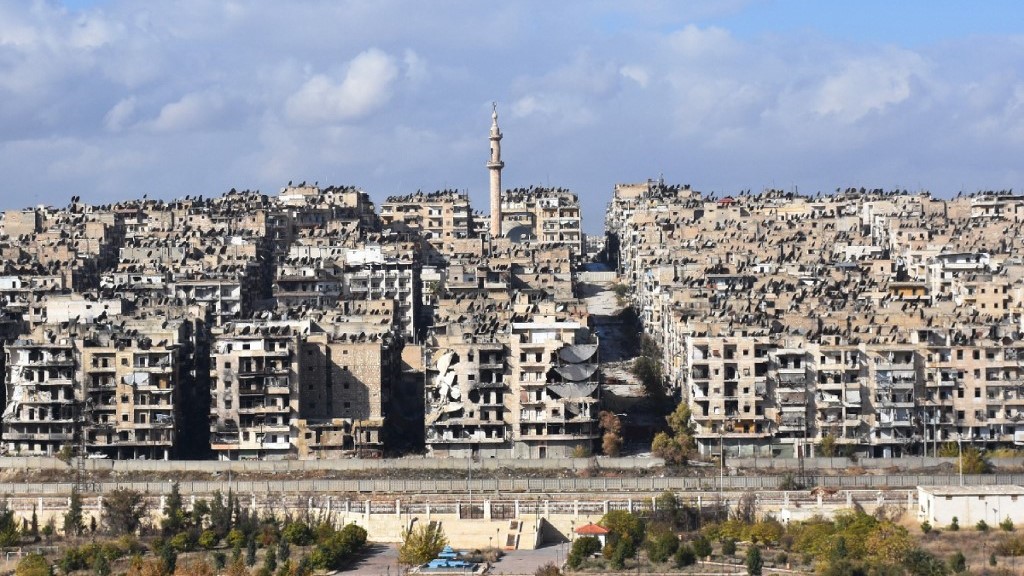
Sheikh Maqsoud: The Kurdish enclave in Syria’s Aleppo
The strategic city of Aleppo has emerged as the critical battleground in Syria’s reignited civil war, exposing the complex geopolitical fractures that have defined the 13-year conflict. Recent fighting has erupted between multiple factions including former al-Qaeda affiliate Hay’at Tahrir al-Sham, Turkish-backed Syrian National Army forces, government loyalists to President Bashar al-Assad, and Kurdish-led defense units.
The predominantly Kurdish neighborhood of Sheikh Maqsoud, with its 30,000 residents and centuries-old Kurdish heritage, has become a primary flashpoint. This district has remained under control of the People’s Protection Units (YPG) since 2012 despite repeated attacks throughout the civil war. The YPG, an ideological affiliate of the Kurdistan Workers Party (PKK), has maintained a delicate balancing act between opposition forces and the Syrian government while attempting to protect local residents.
Historical context reveals that Kurds faced systematic discrimination prior to 2011 under Syria’s Arab nationalist government, with their language and culture suppressed in official contexts. The current administration in northeastern Syria, the Autonomous Administration of North and East Syria (AANES), was established on principles of multi-ethnic, multi-faith decentralization.
Turkey’s support for opposition groups, particularly the Syrian National Army, has created significant tensions as Ankara considers crushing PKK-affiliated groups a primary objective. Recent developments suggest rebel forces have gained control of major northern Syrian cities, raising questions about the sustainability of Kurdish-held territories.
The Syrian Democratic Forces (SDF), which includes Kurdish units and receives U.S. backing, has characterized the new offensive as Turkish-driven with the ultimate goal of occupying Syrian territory. Humanitarian conditions have deteriorated severely with reports of besieged neighborhoods, blocked supply routes, and failed attempts to establish humanitarian corridors. Thousands of Kurdish civilians have been displaced from Aleppo’s outskirts, creating uncertainty about the future of Kurdish presence in the region.