标签: Asia

亚洲

  • India: Space agency launches its heaviest satellite

    India: Space agency launches its heaviest satellite

    India’s space program marked a monumental achievement on Wednesday as the Indian Space Research Organisation (ISRO) successfully deployed its heaviest-ever payload into low-Earth orbit. The landmark launch of the LVM3-M6 rocket, carrying the US-constructed AST SpaceMobile communications satellite weighing 6,100 kilograms, represents a quantum leap in the nation’s aerospace capabilities.

    Prime Minister Narendra Modi hailed the deployment as “a significant stride” for India’s space sector, emphasizing that the mission “strengthens India’s heavy-lift launch capability and reinforces our growing role in the global commercial launch market.” The successful launch demonstrates India’s evolving prowess in the competitive commercial satellite sector, where telecommunications companies increasingly demand expanded and sophisticated communications infrastructure.

    The mission utilized a modified variant of the launch vehicle that previously carried India’s unmanned lunar spacecraft in August 2023, showcasing technical enhancements to accommodate heavier payloads. This achievement follows ISRO’s earlier deployment of the CMS-03 communication satellite, which weighed approximately 4,410 kilograms, establishing a new benchmark for India’s launch capacity.

    This technological milestone provides substantial momentum to India’s ambitious low-cost space exploration agenda, which includes planned uncrewed orbital missions and human spaceflight operations targeted for the coming years. The world’s most populous nation has dramatically expanded its spacefaring ambitions throughout the past decade, achieving capabilities rivaling established space powers at significantly reduced costs.

    India’s space roadmap now includes an uncrewed orbital mission preceding its inaugural human spaceflight scheduled for 2027, with Prime Minister Modi additionally announcing ambitious plans for an Indian astronaut to reach the Moon by 2040.

  • Ex-senior army officers urge UK to ‘cut all military collaboration with Israel’

    Ex-senior army officers urge UK to ‘cut all military collaboration with Israel’

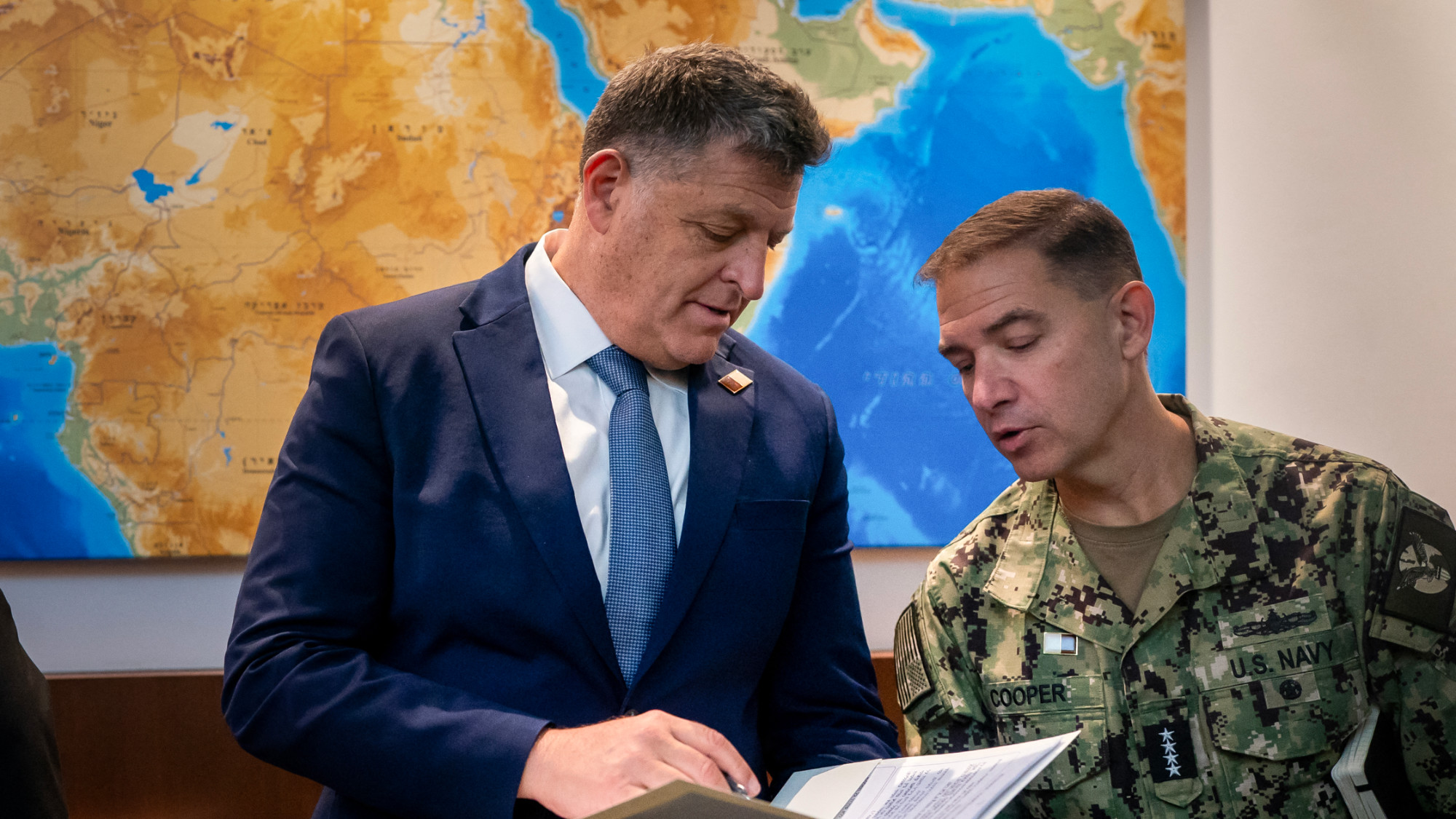
    In a significant development, four distinguished former British military commanders have formally urged Prime Minister Keir Starmer to implement a comprehensive arms embargo against Israel and immediately suspend all defense collaborations with Israeli-linked firms. The high-ranking veterans, possessing decades of combined service, argue that despite the current ceasefire in Gaza, maintaining military ties is untenable given evidence of Israeli war crimes.

    The signatories, including John Deverell—a veteran of over thirty years who served as defense attache in Saudi Arabia and Yemen during 9/11—alongside former UK Defence Academy Director General Andrew Graham, retired Major General Peter Currie, and ex-Afghanistan commander Charlie Herbert, delivered their forceful appeal via letter. They explicitly challenged the UK Defense Ministry’s previous assertion that Israeli military protocols closely mirror Britain’s rigorous standards.

    Citing Israel’s deployment of indiscriminate munitions leading to ‘exceptionally disproportionate civilian fatalities and widespread infrastructure destruction,’ the officers condemned the ongoing military cooperation. They emphasized that documented evidence of war crimes is so compelling that continued collaboration risks British complicity. Their demands extend beyond an arms embargo to include prohibiting RAF and contracted aircraft from supporting Israeli military operations and suspending all military technology transfers.

    This call for stricter sanctions emerges amid revelations that UK arms exports to Israel have dramatically increased under the current Labour government. Recent export data shows approvals for military aircraft, radars, targeting equipment, and explosive devices between October-December 2024 surpassed total arms licenses granted throughout the entire 2020-2023 Conservative administration.

    The controversy deepens as the British army prepares to award a £2 billion training contract, with a subsidiary of Israeli defense giant Elbit Systems participating in one bidding consortium. Meanwhile, Palestinian health authorities report over 400 fatalities since the October ceasefire violations, adding to the staggering death toll exceeding 70,000 Palestinians—mostly women and children—since hostilities began in October 2023.

  • Black box recovered from Libyan general’s crashed plane

    Black box recovered from Libyan general’s crashed plane

    Turkish authorities have successfully recovered the flight data recorder and cockpit voice recorder from the crashed private jet carrying Libya’s armed forces commander, Lieutenant General Mohammed Al Haddad. The military aircraft went down near Ankara on Wednesday, claiming the lives of all eight occupants including General Haddad and four senior aides.

    The Falcon 50 executive jet had departed from Turkey’s capital when it reported critical electrical system failure minutes after takeoff. The aircraft was returning to Tripoli following high-level military discussions between Libyan and Turkish defense officials. Contact was lost after the emergency landing request, with wreckage subsequently located across a three-square-kilometer area in Haymana district.

    Turkish Interior Minister Ali Yerlikaya confirmed recovery operations at the crash site, stating: “The examination and evaluation processes of these devices have been initiated.” A comprehensive investigation involving 408 emergency personnel from AFAD disaster agency, police, and medical services is underway, with drone surveillance providing real-time imagery of the operation.

    Aviation expert Tolga Tuzun Inan from Bahcesehir University noted that multiple contributing factors likely combined with meteorological conditions to cause the tragedy. While analysis of the black boxes may require several months, the data is expected to reveal the precise sequence of events leading to the catastrophic failure.

    The incident has drawn international attention to Libya’s fractured political landscape. General Haddad had served as army chief of staff since August 2020 under the UN-recognized government in Tripoli, led by Prime Minister Abdulhamid Dbeibah who expressed “deep sadness and great sorrow” over the deaths.

    Turkey maintains significant strategic ties with Tripoli’s administration, providing both economic and military support. Recent diplomatic outreach to eastern commander Khalifa Haftar’s rival administration had suggested potential reconciliation efforts, though this tragedy may complicate regional power dynamics.

    A 22-member Libyan delegation including relatives of the deceased has arrived in Ankara as investigation continues under the supervision of Ankara’s prosecutor office.

  • Journalist Bilal Abdul Kareem arrested in Syria

    Journalist Bilal Abdul Kareem arrested in Syria

    Syrian authorities have arrested American journalist Bilal Abdul Kareem following his vocal criticism of President Ahmed al-Sharaa’s administration, according to sources speaking with Reuters. The detention occurred Monday in al-Bab, located in northern Aleppo province, though official confirmation from Damascus remains pending.

    Abdul Kareem, who previously contributed to Middle East Eye and has resided in Syria since 2012, transitioned from stand-up comedy to become a significant voice within Syrian opposition circles. His recent commentaries have sharply criticized President al-Sharaa, the former rebel leader who overthrew Bashar al-Assad in December 2024. The journalist particularly condemned what he perceived as excessive moderation of Islamic principles to gain international favor and denounced the government’s refusal to grant citizenship to foreign opposition fighters.

    In his final social media post before detention, Abdul Kareem explicitly opposed Syria’s participation in the US-led coalition against Islamic State. The video, published shortly after a suspected IS attack killed two American soldiers and a civilian interpreter, contained statements describing the United States as ‘the enemy of the Syrian people’ and questioning the legitimacy of US military presence in the region.

    The journalist brings extensive experience working with major international networks including CNN, BBC, Sky News, and Channel 4. This incident marks his second significant detention in recent years, following a six-month imprisonment in 2020 by Hay’at Tahrir al-Sham (HTS) for allegedly inciting against the rebel group. Although previously maintaining positive relations with HTS—the organization instrumental in overthrowing Assad and formerly led by al-Sharaa—tensions escalated following Abdul Kareem’s reports about torture within HTS detention facilities.

    Abdul Kareem has additionally claimed being placed on a US ‘kill list’ and surviving five assassination attempts, though legal proceedings have thus far failed to substantiate these allegations.

  • Sharjah Desert Police Park allows entry for only govt employees on weekends until Jan 5

    Sharjah Desert Police Park allows entry for only govt employees on weekends until Jan 5

    Sharjah’s Desert Police Park has instituted a temporary access policy reserving weekend admissions exclusively for government employees and their immediate families. This measure, effective immediately through January 5, 2026, responds to unprecedented visitor turnout during peak periods.

    The park administration announced on December 24, 2025, that Fridays and Saturdays will be designated for public sector workers seeking recreational opportunities. This strategic allocation aims to manage crowd density while recognizing the contributions of government personnel.

    Regular public access continues uninterrupted from Monday through Thursday, maintaining the facility’s availability for general community use during weekdays. The temporary weekend restrictions represent a seasonal adjustment rather than a permanent policy change.

    The timing coincides with increased regional tourism activity during the holiday period, when recreational destinations typically experience heightened demand. Park authorities emphasized this as a capacity management solution rather than an exclusionary measure.

    Government employees must present valid identification confirming their employment status for weekend entry. Family members accompanying eligible personnel will be admitted under the same provisions.

    The Desert Police Park remains committed to serving all community segments while implementing practical solutions for optimal visitor experience and safety standards.

  • Festive lights, security tight for Christmas in Damascus

    Festive lights, security tight for Christmas in Damascus

    The ancient streets of Damascus’s Old City present a study in contrasts this Christmas season, where festive illuminations and holiday decorations coexist with heightened security patrols and pervasive anxiety. This uneasy atmosphere follows a devastating June attack on the Saint Elias church that claimed 25 lives and injured dozens, leaving Syria’s Christian community grappling with trauma while attempting to maintain traditional celebrations.

    The newly established government has publicly recommitted to protecting religious coexistence and involving all sects in Syria’s transitional process. However, these assurances ring hollow for many citizens who have witnessed recent sectarian violence in Alawite regions and major clashes in Druze-majority southern territories.

    Security measures have been substantially intensified throughout the capital, with Interior Ministry forces conducting pedestrian searches, stopping motorcycles, and establishing coordinated security perimeters around churches. An anonymous security official detailed the comprehensive protection strategy: “We’ve implemented a multi-district security plan to ensure safety for all citizens. Protecting both Christian and Muslim communities remains the state’s fundamental duty, particularly during religious observances.”

    Complementing government efforts, civilian-led neighborhood committees comprising local Christians provide additional protective services through coordinated patrols using communication devices. These community-based security initiatives have reportedly increased some residents’ comfort levels regarding public celebrations.

    Demographic shifts underscore the challenges facing Syria’s religious minorities. The Christian population has dramatically declined from approximately one million before the conflict began in 2011 to roughly 300,000 today, with many seeking refuge abroad despite the government’s proclaimed protection stance.

    Amid the security concerns, symbolic acts of remembrance continue. At the site of June’s attack, mourners illuminated a memorial tree adorned with stars bearing victims’ images. Hanaa Masoud, who lost her husband and relatives in the attack, articulated the community’s anguish: “If we cannot find safety in our places of worship, where can we feel secure?”

    Despite these tensions, some younger Syrians like university student Loris Aasaf maintain hope for cross-sectarian celebration and national rebuilding, asserting that “Syria deserves joy and the promise of a new future.”

  • Guizhou gives a new lease of life to idle land

    Guizhou gives a new lease of life to idle land

    In a remarkable environmental transformation, China’s southwestern Guizhou province has successfully revitalized previously unproductive mountainous terrain through comprehensive land rehabilitation initiatives. Aerial photography from Qianxi county reveals the striking metamorphosis of fragmented, erosion-prone fields into neatly organized agricultural plots following systematic conservation efforts.

    The challenging topography of this mountainous region had long suffered from severe runoff issues that consistently washed away vital water resources, nutrient-rich topsoil, and fertilizers, rendering extensive land areas practically unusable for cultivation. This persistent environmental degradation created significant agricultural limitations for local communities.

    In response, regional authorities implemented an integrated approach to watershed management that has yielded dramatic results. The multi-faceted program included constructing engineered stone terraces to prevent soil displacement, establishing specialized forestry systems specifically designed for soil and water conservation, and implementing strategic land-closure measures to facilitate natural recovery processes.

    These coordinated interventions have effectively reversed years of ecological decline, breathing new life into landscapes that had remained dormant and unproductive for extended periods. The successful regeneration represents a significant achievement in sustainable land management practices, demonstrating how targeted environmental policies can transform ecological challenges into agricultural opportunities.

    The project’s success offers valuable insights into addressing similar land degradation issues in mountainous regions worldwide, showcasing practical solutions that balance ecological restoration with agricultural productivity. This transformation stands as a testament to the potential of coordinated conservation efforts to create sustainable farming environments where previously only barren slopes existed.

  • From predator to plate: Japan bear crisis sparks culinary craze

    From predator to plate: Japan bear crisis sparks culinary craze

    Japan is confronting an unprecedented bear crisis through an unexpected culinary transformation, as record-breaking bear attacks drive both ecological concerns and gastronomic innovation. With 13 fatal maulings recorded this year—doubling previous records—authorities have implemented aggressive culling measures while simultaneously promoting bear meat consumption as a sustainable solution.

    The phenomenon represents a complex intersection of wildlife management and rural economic development. Scientists attribute the surge in bear-human conflicts to multiple factors: rapidly expanding bear populations, declining rural human demographics, and poor acorn harvests that drive bears into human settlements seeking sustenance.

    In response, the government has deployed military personnel for trapping operations and even tasked riot police with shooting bears. The scale of intervention is substantial—over 9,100 bears were culled in the first half of this fiscal year, already surpassing the total for all of 2023-2024.

    This ecological challenge has sparked a remarkable culinary movement. Restaurants across northern Japan report unprecedented demand for bear meat dishes. Koji Suzuki, a 71-year-old restaurateur and hunter in Chichibu, notes, ‘With increasing bear-related news coverage, customer interest in consuming the meat has dramatically increased.’ His establishment serves bear prepared on stone slates or in traditional hot pots alongside vegetables.

    The government actively supports this trend, allocating $118 million in subsidies for bear population control and promoting sustainable consumption. ‘Transforming nuisance wildlife into positive resources is crucial,’ stated agriculture ministry officials earlier this month.

    From fine dining establishments in Sapporo serving bear consommé to village-owned restaurants in Aomori prefecture, bear meat has become an unexpected tourism draw. Chef Kiyoshi Fujimoto incorporates locally sourced brown bear into French cuisine, while Katsuhiko Kakuta’s restaurant developed its own processing facility to supply nearby hotels.

    Despite growing popularity, logistical challenges remain. A shortage of government-approved processing facilities means much culled bear meat still goes to waste. Only 826 game factories exist nationwide, with limited capacity in the most affected northern regions.

    The situation represents a pragmatic approach to wildlife management—addressing safety concerns while creating economic opportunities from what would otherwise be buried as waste. As restaurant owner Kakuta observes, ‘Bear meat has become a tourism resource for us, utilizing what would otherwise be discarded.’

  • China-led livestock project in Mauritania wins poverty reduction award

    China-led livestock project in Mauritania wins poverty reduction award

    A groundbreaking livestock technology initiative spearheaded by China in Mauritania has received international acclaim, being honored as one of the world’s most effective poverty alleviation programs. The recognition came during the 2025 International Seminar on Global Poverty Reduction Partnerships held in Beijing on December 10.

    The award-winning project, operating through the Animal Husbandry Technology Demonstration Center in Mauritania, represents the second consecutive year that initiatives from China’s Ningxia Hui Autonomous Region have been selected for the Global Solicitation on Best Poverty Reduction Practices. This prestigious recognition highlights the growing international appreciation for South-South cooperation models in addressing global development challenges.

    The seminar was jointly convened by the International Poverty Reduction Center in China alongside multiple United Nations agencies, including the Food and Agriculture Organization (FAO). This collaborative framework underscores the importance of multilateral partnerships in tackling poverty worldwide.

    Under the leadership of expert Zhang Hong’en, the Mauritania project has introduced advanced juncao cultivation techniques and modern animal husbandry practices to local communities. These innovations have demonstrated significant potential in enhancing food security, creating sustainable livelihoods, and building resilience against climate-related challenges in the West African nation.

    The recognition comes as global attention focuses on practical solutions that can deliver measurable results in poverty reduction, particularly in developing regions where agricultural development remains crucial to economic stability and food independence.

  • ‘There is nothing to celebrate’: Gaza’s Christians mark sombre Christmas amid fragile truce

    ‘There is nothing to celebrate’: Gaza’s Christians mark sombre Christmas amid fragile truce

    The Christian community in Gaza has announced the cancellation of public Christmas festivities for the third consecutive year, marking a solemn holiday season amidst ongoing conflict and humanitarian crisis. Youssef Tarazi, a 31-year-old Palestinian Christian, confirmed that the traditional giant Christmas tree in Gaza City will remain unlit this year, symbolizing the community’s collective mourning.

    Church authorities have suspended all external celebrations, limiting observances to private prayers and indoor nativity scenes within church buildings. This decision reflects the profound grief shared across religious lines, with both Christians and Muslims experiencing devastating losses during the ongoing conflict.

    George Anton, director of operations at the Latin patriarchate in Gaza, emphasized the impossibility of celebration while the community continues to suffer. ‘We cannot celebrate while Christians and Muslims alike are mourning devastating losses caused by the war,’ Anton stated. ‘For us, the war has not ended.’

    The physical landscape of celebration has been fundamentally altered, with many homes and streets that once hosted festive gatherings now destroyed. Since October 2023, Israeli military operations have damaged or destroyed numerous Christian institutions, including three historic churches: the Church of Saint Porphyrius, the Holy Family Church, and the Gaza Baptist Church.

    The human toll has been equally devastating, with at least 53 Christians killed directly or indirectly during the conflict. Many casualties resulted from airstrikes, while others died due to inaccessible medical care and medicine shortages, particularly affecting elderly community members with chronic illnesses.

    Gaza’s Christian population has dwindled to approximately 580 people across 220 families—the smallest community in decades. Over 400 Christians have fled during the war, fearing for their safety after losing relatives and friends. Those remaining face deteriorating humanitarian conditions that may force additional families to seek medical care and stability elsewhere.

    The community, comprising approximately 70% Greek Orthodox and 30% Latin Catholics, emphasizes their shared fate with Gaza’s Muslim majority. ‘We are part of this society,’ Anton noted, ‘and what happens to Gaza happens to us.’

    Recent attacks on religious institutions have compounded the trauma, including an October 2023 strike on the ancient Church of Saint Porphyrius that killed 16 refugees and a July attack on Gaza’s only Catholic church that killed two women and injured several others.

    As Gaza’s Christians prepare for a holiday season without traditional celebrations, they emphasize that their spiritual observance continues through prayer, even as their joy remains incomplete amid the ongoing humanitarian crisis and collective grief.