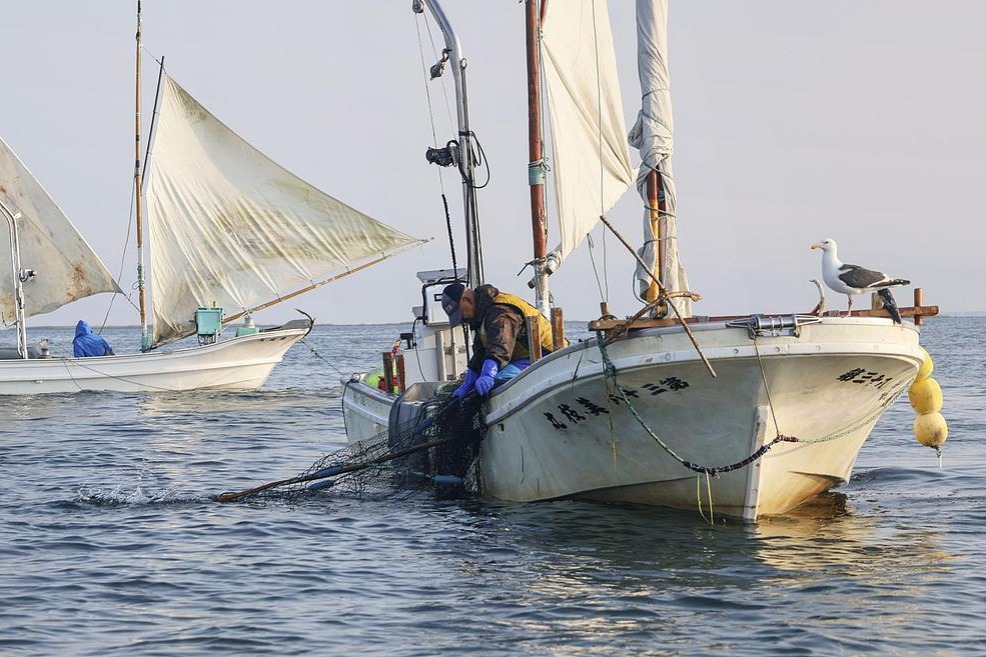
China has announced the conditional resumption of seafood imports from select regions of Japan, effective immediately. The decision, disclosed by the Foreign Ministry on Monday, comes with stringent safeguards to ensure public health and food safety. Mao Ning, the ministry’s spokesperson, emphasized that the move aligns with Chinese laws, international trade regulations, and scientific assessments. However, China retains the authority to impose immediate restrictions should any risks emerge. The announcement follows the General Administration of Customs’ Sunday declaration, which outlined the resumption of imports from certain Japanese areas while maintaining a ban on products from 10 prefectures, including Fukushima. These regions remain excluded due to ongoing concerns over radioactive wastewater discharges from the Fukushima Daiichi Nuclear Power Plant, which began in August 2023. China, previously the largest overseas market for Japanese seafood, had imposed a comprehensive ban following the wastewater release. Mao highlighted that Japan has agreed to international monitoring and independent sampling by China, pledging to ensure the safety of exported aquatic products. Despite the conditional resumption, China reiterated its opposition to Japan’s ocean discharge practices, underscoring the need for long-term risk management and international collaboration.
标签: Asia
亚洲
-
US builds next-generation bunker buster with China in mind
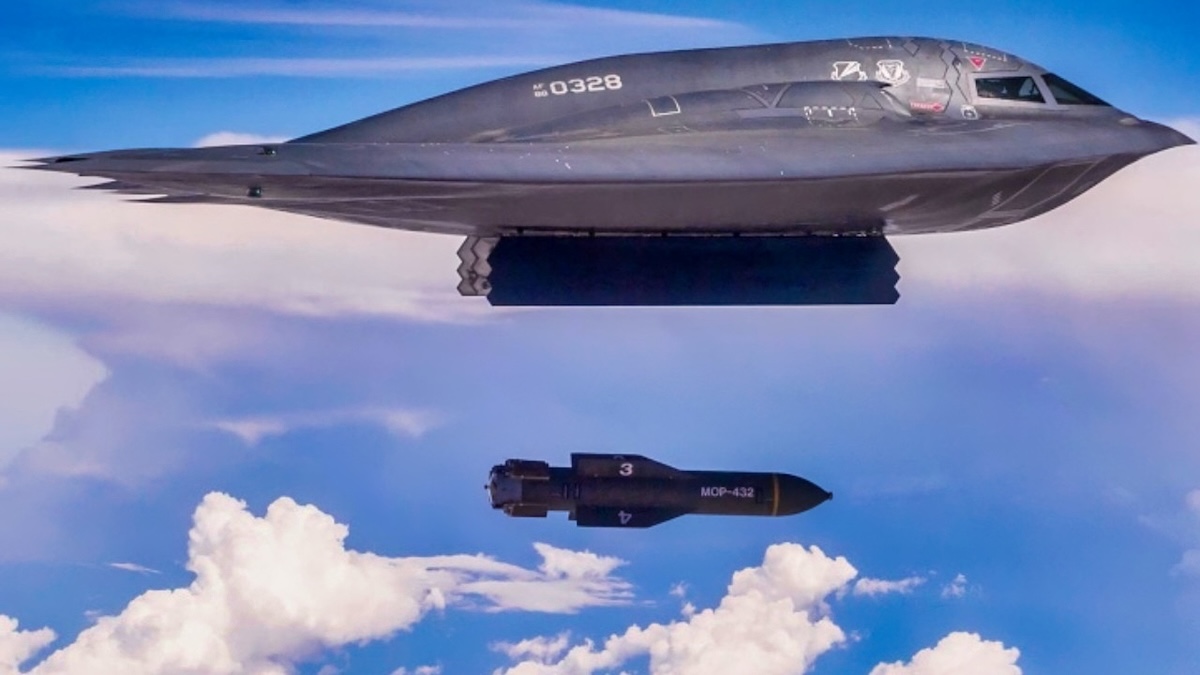
In the wake of its recent strikes on Iran’s nuclear facilities, the United States is fast-tracking the development of a next-generation penetrator (NGP) to address the evolving challenges of modern warfare. The June 2024 operation, codenamed Midnight Hammer, saw the first combat use of the 13,000-kilogram GBU-57/B Massive Ordnance Penetrator (MOP) against Iran’s Fordow and Natanz sites. While the strikes demonstrated precision, they also highlighted operational limitations, particularly with the B-21 Raider’s reduced payload capacity. This has spurred the US Department of Defense to prioritize the creation of a more advanced penetrator capable of overcoming hardened and deeply buried targets. The NGP, expected to weigh under 9,900 kilograms, will feature enhanced precision, propulsion systems for standoff capability, and improved terminal effects. Its development is driven by lessons from the Iran strikes and the growing global proliferation of fortified facilities in nations like China, North Korea, and Russia. The US Air Force aims to deploy initial prototypes within two years, integrating the NGP into the Long Range Strike system alongside platforms like the B-21 bomber and the AGM-181A Long-Range Stand-Off missile. However, the strikes on Iran’s Fordow facility, which lies 80 meters underground, raised questions about the MOP’s effectiveness. Satellite imagery revealed only six craters despite the deployment of 14 bombs, suggesting incomplete destruction of critical infrastructure. US Defense Secretary Pete Hegseth downplayed these concerns, calling leaked reports preliminary and emphasizing the complexity of battle damage assessments. The lessons from Iran could foreshadow greater challenges in potential conflicts with China, where deeply buried command centers and missile silos pose significant threats. Analysts warn that conventional strikes on such targets might be misinterpreted as nuclear decapitation attempts, escalating tensions. As the US refines its penetrator technology, the broader strategy of deterrence by denial remains critical, though it faces practical limitations amid China’s expanding missile capabilities and anti-access systems.
-
4 giant pandas at western Japan zoo depart for China
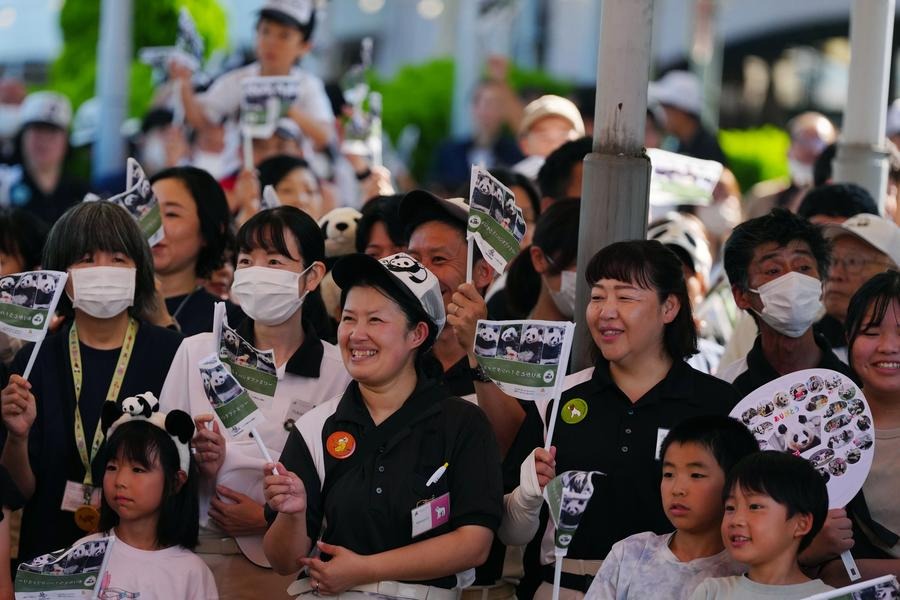
On June 28, 2025, four giant pandas from Adventure World amusement park in Shirahama, Wakayama Prefecture, Japan, embarked on their journey back to China. The pandas, 24-year-old Rauhin and her three daughters—Yuihin (8), Saihin (6), and Fuhin (4)—were transported to the Chengdu Research Base of Giant Panda Breeding in Sichuan Province. The departure marked the end of their stay in Japan, where they had been part of a joint breeding program initiated in 1994. Early in the morning, park staff and fans gathered to bid farewell, waving flags and wearing T-shirts adorned with images of the pandas. The zoo’s director, Koji Imazu, expressed his hopes for the pandas’ healthy and long lives in China, emphasizing their role in fostering goodwill between the two nations. The transfer was scheduled for June to avoid the physical strain of summer heat, especially for Rauhin, who is now in her senior years. The younger pandas are expected to contribute to future breeding efforts in China. The zoo’s panda breeding team ensured a smooth transition by sharing detailed information about each panda’s traits with their Chinese counterparts.
-
US missing the point on China’s industrial cyberespionage
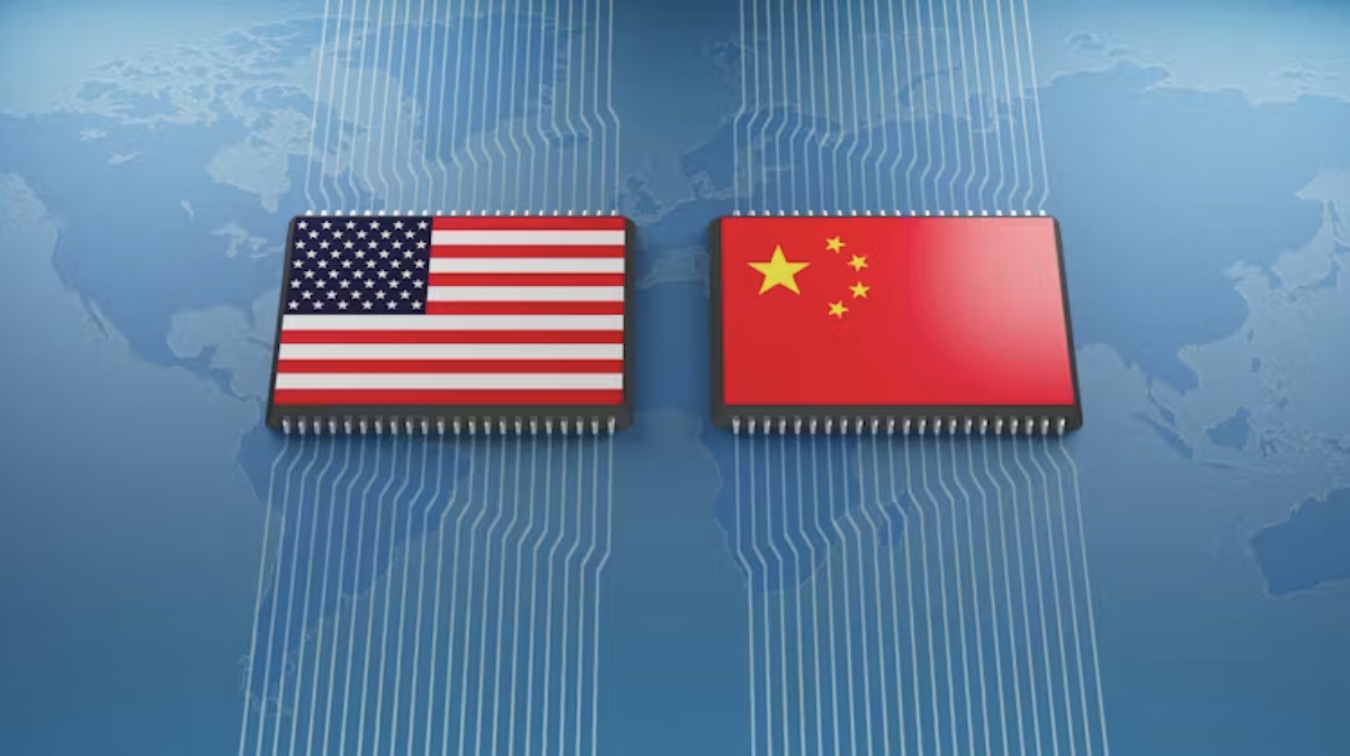
The United States is actively pursuing economic decoupling from China, implementing measures such as increased tariffs on Chinese goods, restrictions on advanced technology exports, and subsidies to bolster domestic manufacturing. This strategy aims to reduce reliance on China for critical products and safeguard US intellectual property from theft, particularly state-sponsored cyber-economic espionage. Former US Trade Representative Katherine Tai emphasized that China-specific tariffs were intended to counter harmful cyber intrusions and theft, echoing earlier Trump administration efforts to address intellectual property theft. However, the effectiveness of decoupling in protecting US innovations remains questionable. Political scientist William Akoto, who specializes in state-sponsored cyberespionage, argues that decoupling may not deter cyber theft and could even exacerbate it. His research highlights that industrial similarity, rather than reliance, drives cyberespionage. Countries with overlapping advanced industries, such as aerospace and electronics, are more likely to target each other with cyberattacks due to intense competition. For instance, the 2012 cyberattack on US solar panel manufacturer SolarWorld, attributed to Chinese entities, exemplifies this dynamic. Cutting trade ties does not eliminate technological rivalry; instead, it may intensify espionage efforts. Historical examples, such as South Africa’s covert acquisition of nuclear technology under sanctions and Israel’s clandestine military tech efforts during embargoes, illustrate how isolation can fuel desperation. To mitigate cyberespionage, Akoto suggests investing in cyber defense, building resilience, and accelerating innovation. Strengthening network security, training employees against phishing, and adopting robust encryption can make hacking attempts less successful. Additionally, businesses can focus on faster product development cycles to stay ahead of competitors. Rather than relying on tariffs and export bans as solutions, US leaders should prioritize resilience and stress-test cybersecurity measures to make espionage less rewarding for adversaries.
-

Behind Trump’s flip-flop on Chinese student visas
In a surprising turn of events, former President Donald Trump has seemingly retracted plans for the U.S. State Department to scrutinize and revoke visas for Chinese students studying in the United States. On June 11, 2025, Trump took to his social media platform, TruthSocial, to announce that Chinese students remain welcome in the U.S., stating their presence ‘has always been good with me!’ This declaration came weeks after Secretary of State Marco Rubio revealed intentions to review and potentially cancel visas for Chinese nationals with ties to the Chinese Communist Party or those pursuing studies in critical fields. The conflicting messages have left Chinese students and prospective applicants in a state of uncertainty. Historically, Chinese students have faced barriers to studying in the U.S., with efforts to restrict their access dating back decades. Since the late 1970s, millions of Chinese students have been granted visas to study in American universities, contributing significantly to the U.S. economy and academic institutions. However, the proposed visa restrictions have reignited concerns about anti-Chinese discrimination and the broader implications for U.S.-China relations. The Trump administration’s contradictory moves highlight the complexities of balancing national security interests with the benefits of international educational exchange.
-
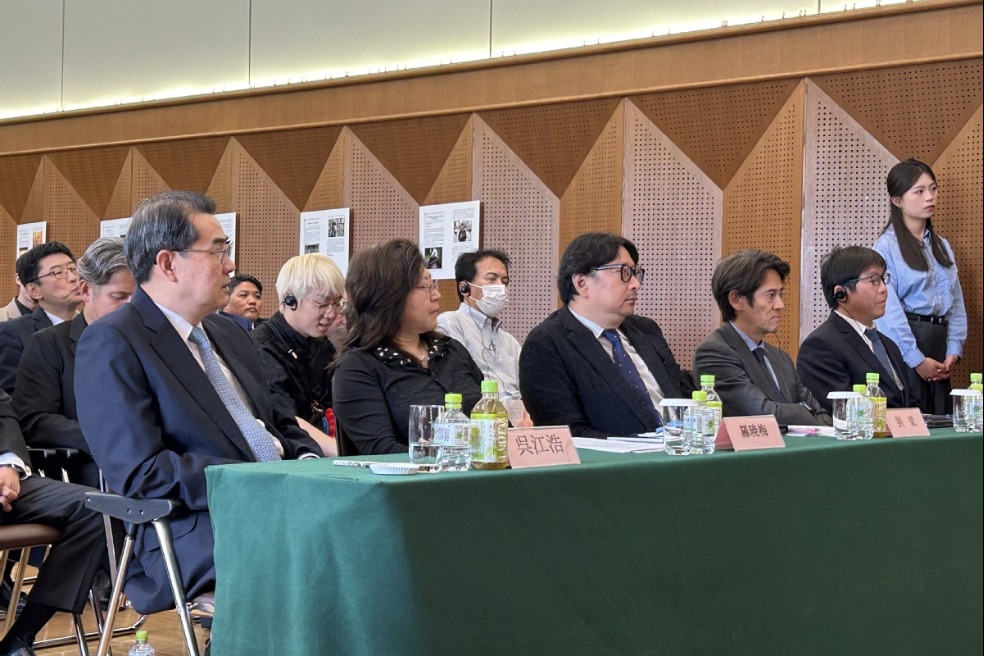
Chinese diplomat highlights importance of media in bilateral relations
Chinese Ambassador to Japan Wu Jianghao emphasized the critical role of media in enhancing mutual understanding and advancing bilateral relations during a China-Japan media salon hosted by the Chinese embassy in Tokyo on June 12. The event brought together media professionals and diplomats who advocated for objective, balanced, and fair reporting to foster deeper connections between the two nations. Ambassador Wu highlighted the media’s function as a bridge, urging thoughtful voices in both countries to contribute positively to the healthy and stable development of China-Japan relations. He also called for the effective use of social media to amplify these efforts. The high-level consultation mechanism on people-to-people and cultural exchanges between China and Japan, relaunched at the end of last year, aims to strengthen media and think tank cooperation to improve public opinion environments. Takeshi Hisanaga, an editorial writer at The Nishinippon Shimbun, expressed concern over the diminishing sense of closeness among Japanese citizens toward China, underscoring the need for improved media engagement.
-

Japan’s close-range reconnaissance a security threat, China says
China has raised concerns over Japan’s close-range reconnaissance activities, labeling them as a significant threat to maritime and airspace security. Foreign Ministry spokesman Lin Jian addressed the issue during a regular press briefing on Thursday, responding to reports that Japanese military patrol planes encountered Chinese fighter jets flying unusually close over the weekend. Lin emphasized that China’s military operations in the region are fully compliant with international law and practices. He stated that Japan’s reconnaissance activities against China’s routine military exercises are the primary cause of security risks. Lin urged Japan to cease such provocative actions. Meanwhile, China has confirmed the deployment of carrier strike groups led by the CNS Liaoning and CNS Shandong for training exercises in the Western Pacific, underscoring its commitment to maintaining regional stability. The defense departments of both nations have maintained communication through established channels to address the issue.
-
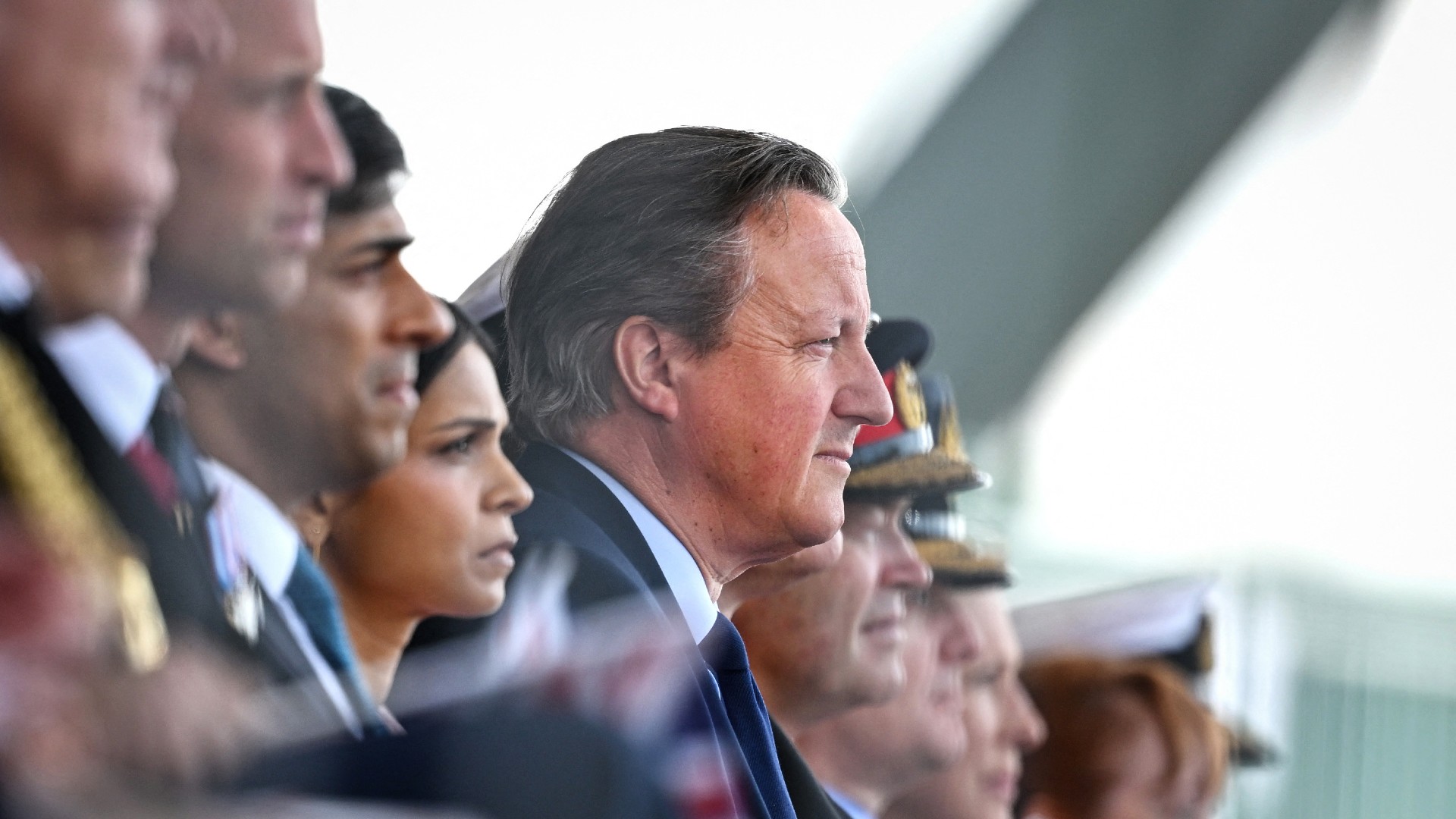
Could David Cameron be prosecuted for threatening the ICC?
International legal authorities have raised serious concerns about potential criminal liability for David Cameron, the United Kingdom’s former Foreign Secretary, following revelations about his alleged attempts to influence the International Criminal Court’s judicial processes. According to exclusive reporting from Middle East Eye, Cameron reportedly threatened Chief Prosecutor Karim Khan during an April 2024 telephone conversation, warning that Britain would withdraw from the Rome Statute and cease financial support if the court pursued arrest warrants for Israeli leaders.
UN Special Rapporteur on Palestine Francesca Albanese characterized such threats as clear obstruction of justice, stating the situation demonstrates ‘incredible audacity’ from someone in a position of power. Professor Sergey Vasiliev of the Open University of the Netherlands noted that if confirmed, Cameron’s actions would represent a crossing of legal boundaries and demonstrate profound disrespect for the ICC’s judicial independence.
The controversial exchange occurred while Prosecutor Khan’s team was preparing arrest warrants for Israeli Prime Minister Benjamin Netanyahu, Defense Minister Yoav Gallant, and three Hamas leaders. Despite Cameron’s intervention, the court formally approved the warrants six months later on November 21, charging Netanyahu and Gallant with war crimes and crimes against humanity in Gaza.
Legal experts cite Article 70 of the Rome Statute, which prohibits offenses against the administration of justice, including intimidating court officials to influence their duties. Professor Tom Dannenbaum of the Fletcher School of Law and Diplomacy explained that while the UK maintains the right to withdraw from the ICC, conditioning such action on specific prosecutorial decisions constitutes improper political pressure that undermines judicial independence.
The potential consequences for Cameron could include ICC arrest warrants and, if convicted, up to five years imprisonment in The Hague. Domestically, British law permits investigation under the ICC Act 2001 for obstruction of justice or misconduct in public office, offenses carrying maximum life sentences. However, experts note practical challenges including political considerations and possible functional immunity claims for actions taken in official capacity.
The development occurs amidst heightened tensions between the ICC and Western governments, including recent US sanctions against court officials and Prosecutor Khan’s current leave of absence pending unrelated misconduct investigations.
-
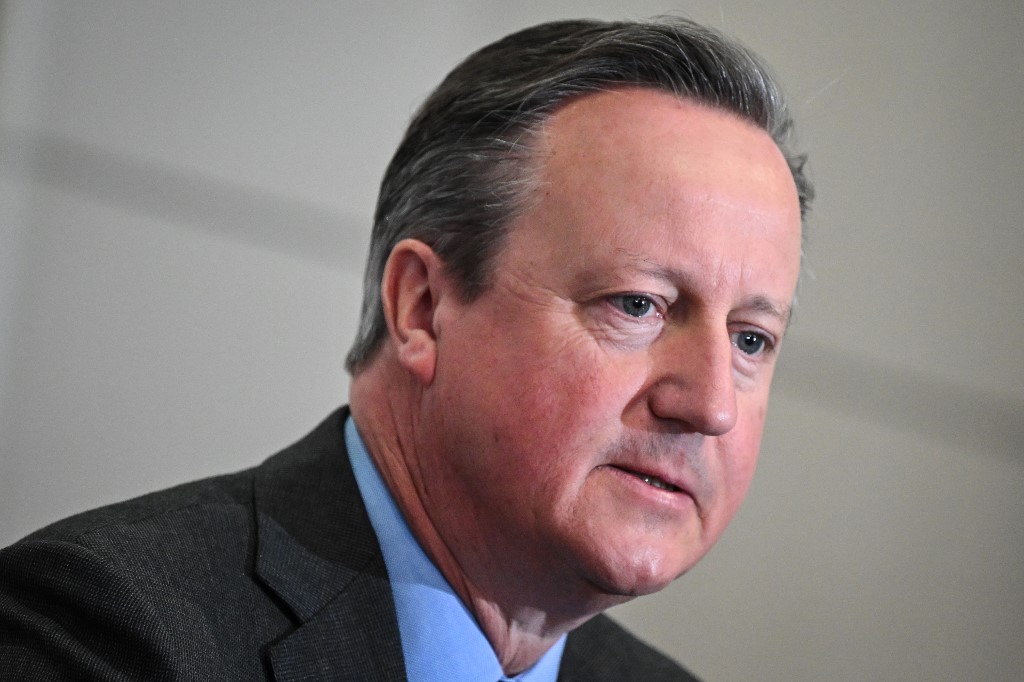
Exclusive: David Cameron threatened to withdraw UK from ICC over Israel war crimes probe
The British government secretly threatened to withdraw funding and membership from the International Criminal Court should it proceed with arrest warrants against Israeli leaders, according to exclusive revelations from Middle East Eye.
Former Prime Minister and then-Foreign Secretary David Cameron delivered this ultimatum during a heated April 2024 telephone exchange with ICC Chief Prosecutor Karim Khan. The confrontation occurred while Khan was on official duties in Venezuela, with Cameron warning that targeting Israeli leadership would be equivalent to “dropping a hydrogen bomb” on diplomatic relations.
Cameron explicitly stated that issuing warrants against Israeli Prime Minister Benjamin Netanyahu and Defense Minister Yoav Gallant would force the UK to “defund the court and withdraw from the Rome Statute” – the foundational treaty establishing the ICC. He argued that while prosecuting Russia for aggression against Ukraine was justified, targeting Israel during its self-defense operations following October 7 attacks was unacceptable.
The foreign secretary aggressively interrupted Khan throughout the conversation, claiming the warrants would create “profound implications” within British politics and his Conservative Party. He accused the prosecutor of singling out Israel while ignoring other nations like Iran.
Khan remained resolute despite the pressure, emphasizing that his office had engaged with Israel for three years without meaningful cooperation. He warned that UK withdrawal would signal the death of the rules-based international system, stating: “If this were to occur then we would have to accept that the rules-based system would be dead.”
The prosecutor later expressed surprise at the blunt nature of the threats, noting that similar pressure applied to a national prosecutor would potentially constitute a criminal offense. He described his disappointment that senior officials would “debase themselves and their nation” through such tactics.
The confrontation preceded Khan’s formal announcement of warrant applications on May 20, 2024, which also targeted Hamas leaders Yahya Sinwar, Ismail Haniyeh and Mohammed Deif. The Sunak government subsequently filed a formal objection challenging ICC jurisdiction over Israeli nationals, though the newly elected Labour government under Keir Starmer withdrew this objection in July.
The ongoing tension reflects broader international divisions regarding the ICC’s Palestine investigation, with the United States imposing sanctions on Khan and four ICC judges while freezing the prosecutor’s assets. The court continues to maintain its independence despite these pressures, recently ordering that any future warrants related to Palestine investigations remain confidential.
-
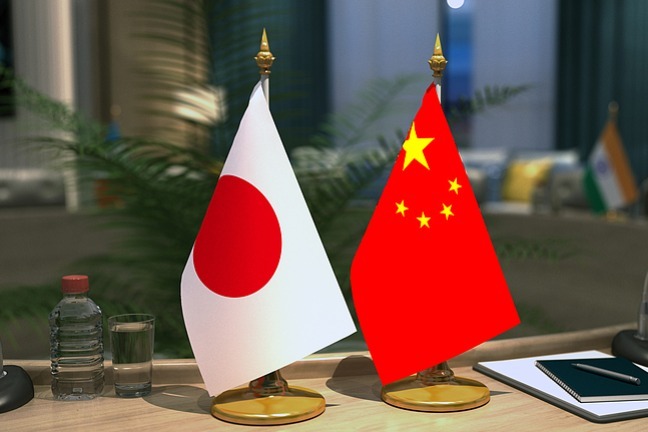
Wang: People-to-people ties can deepen China-Japan relations
Foreign Minister Wang Yi highlighted the importance of fostering people-to-people connections to enhance China-Japan relations during a meeting with Yohei Kono, president of the Japanese Association for the Promotion of International Trade (JAPIT), in Beijing on Wednesday. Wang emphasized that such engagements have historically played a crucial role in advancing bilateral ties and remain vital in the current geopolitical climate. He praised Kono for his unwavering commitment to promoting friendship between the two nations, even during challenging times. Wang also underscored the significance of remembering historical lessons, particularly as this year marks the 80th anniversary of the victory in the Chinese People’s War of Resistance Against Japanese Aggression and the World Anti-Fascist War. He echoed Japanese Prime Minister Shigeru Ishiba’s recent remarks on the importance of learning from history to avoid repeating past mistakes. Kono reaffirmed JAPIT’s dedication to fostering friendly cooperation and stressed that while history cannot be altered, the future can be shaped through collective efforts. The discussions also touched on strengthening trilateral cooperation and cultural exchanges among China, Japan, and South Korea, with both sides agreeing on the need to integrate industrial and supply chains to counter de-globalization challenges. They emphasized the importance of mutual understanding and friendship among the people of the three nations to promote regional peace, stability, and prosperity.