
Timor-Leste has reversed its controversial decision to provide lawmakers with free cars following widespread public outcry and protests. The plan, which sparked outrage among citizens, led to demonstrations in the capital, Dili, where protesters burned tires and set a government vehicle ablaze. Police responded with tear gas, but the government ultimately succumbed to public pressure and canceled the initiative on Tuesday. Despite this, protests persisted on Wednesday, with an estimated 2,000 demonstrators demanding further reforms, including the abolition of lifetime pensions for retired lawmakers. The unrest reflects broader discontent with perceived government excesses and inequality in the region. Lawmakers in Timor-Leste earn an annual salary of $36,000, over ten times the country’s average income of $3,000, exacerbating public frustration. Protest leader Cezario Cesar highlighted the disparity, stating, ‘People don’t have access to good education, water, and sanitation… we have a lack of facilities, but they’re still creating laws to benefit themselves.’ The protests have expanded beyond the car issue, with demonstrators calling for systemic changes to address corruption and inequality. Similar anti-government movements have recently emerged across Asia, including in Nepal and Indonesia, driven by anger at political elites and economic hardships. Timor-Leste, one of Southeast Asia’s youngest and poorest nations, remains a symbol of democratic resilience, with protests seen as a normal part of its political landscape.
标签: Asia
亚洲
-
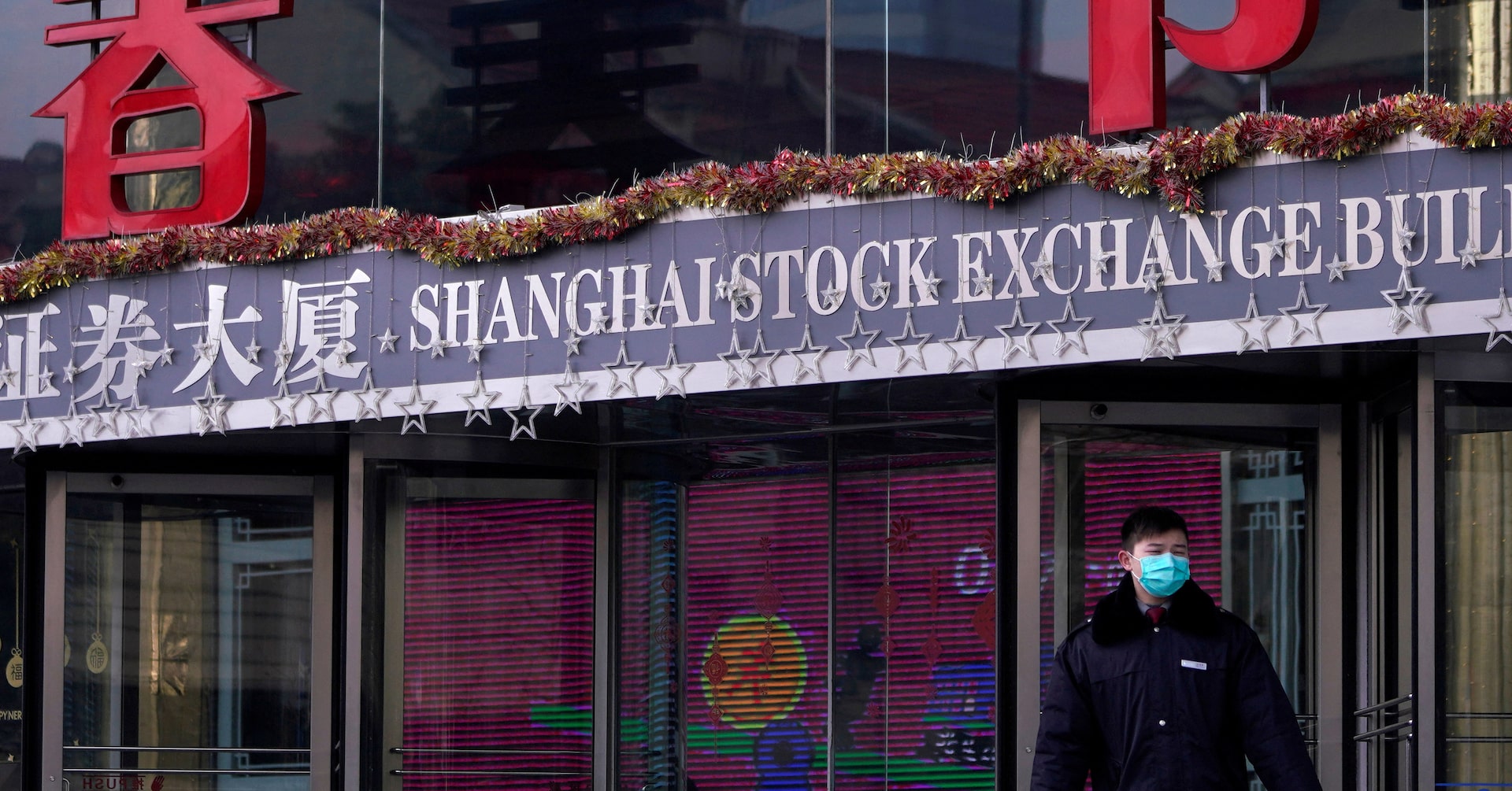
China’s $19 trillion stock market, once called uninvestable, lures foreigners again
Foreign investors are increasingly turning their attention back to China’s stock markets, marking a significant shift from their previous stance of labeling them as uninvestable. This renewed interest is driven by the burgeoning opportunities in technology, particularly in artificial intelligence (AI), semiconductors, and innovative pharmaceuticals. The U.S.-China tariff truce and a domestic monetary easing environment have further bolstered investor sentiment, leading to notable market rallies. Last week, the Shanghai Composite index reached a decade high, while Hong Kong stocks hit a four-year high.
-
TikTok lives: US, China in deal for app to keep operating in US
In a landmark agreement, TikTok will continue its operations in the United States under U.S.-controlled ownership, resolving a prolonged dispute between the U.S. and China. The deal, announced by President Donald Trump on Tuesday, mandates the transfer of TikTok’s American assets from its Chinese parent company, ByteDance, to a consortium of U.S. investors. ByteDance will retain a 19.9% stake, just below the 20% threshold, while the remaining 80% will be held by a group including existing shareholders like Susquehanna International Group, General Atlantic, and KKR, alongside new investors such as Andreessen Horowitz and Oracle. The U.S. entity will feature an American-dominated board, with one member designated by the U.S. government, ensuring national security safeguards. The deal, expected to close within 30 to 45 days, marks a significant step in easing tensions between the two economic giants. The White House extended the divestiture deadline to December 16, allowing ByteDance additional time to finalize the complex transaction. The agreement reflects a compromise that addresses both U.S. national security concerns and Chinese interests, potentially paving the way for smoother bilateral relations.
-

Singapore’s Carro raises $60 million to promote Japanese cars in Asia
Southeast Asia’s leading online used-car marketplace, Carro, has successfully raised $60 million in a recent funding round spearheaded by Japan’s sovereign wealth fund, Cool Japan Fund. Announced on Wednesday, the investment is earmarked for promoting Japanese vehicles, particularly plug-in hybrid electric models, across the Asia-Pacific region. Carro expressed confidence in its ability to significantly enhance the market presence of these vehicles in the area.
Carro, which operates in multiple markets including Singapore, Malaysia, Indonesia, Thailand, Japan, Taiwan, and Hong Kong, is also eyeing expansion into Australia. CEO Aaron Tan recently hinted at the company’s plans for a dual listing, with sources indicating a potential U.S. initial public offering (IPO) that could value the company at over $3 billion. This would mark the largest Southeast Asian listing in the U.S. since SEA’s $989.3 million debut in 2017 and the first major automotive tech and commerce startup from Singapore to go public in the United States.
Backed by prominent investors such as Temasek and SoftBank Group, Carro’s digital platform facilitates vehicle transactions between consumers and dealers, while also offering insurance, financing, and after-sales services. Cool Japan Fund, a government-backed private fund, aims to bolster Japan’s economy by increasing international demand for its products and services.
This strategic investment underscores Carro’s ambitious growth trajectory and its commitment to transforming the automotive market in the Asia-Pacific region.
-
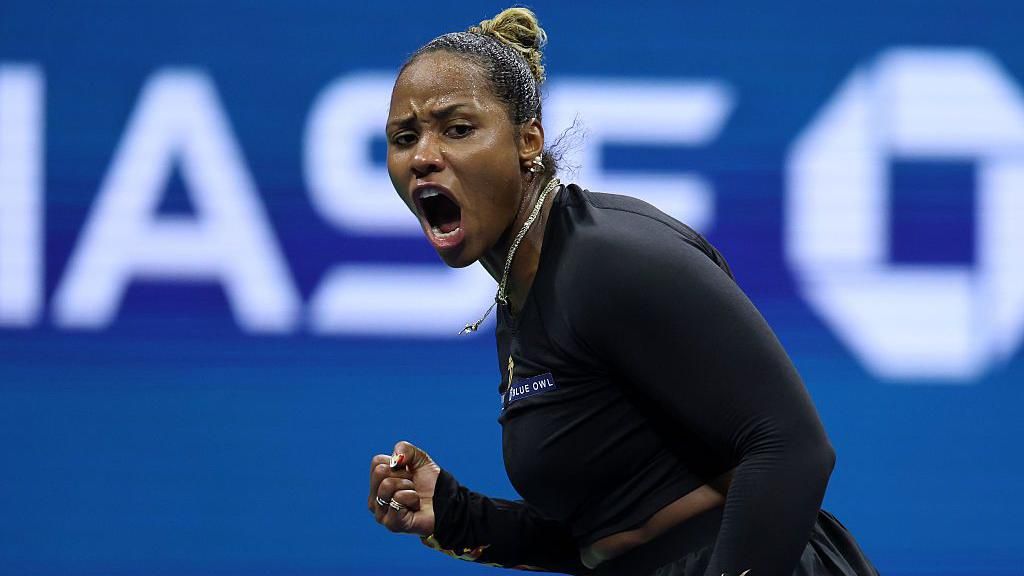
US tennis star sorry for ‘offensive’ comments on Chinese food
American tennis star Taylor Townsend has issued a public apology following widespread criticism over her remarks about Chinese cuisine during her stay in Shenzhen for the Billie Jean King Cup Finals. The 29-year-old, currently the world’s top-ranked doubles player, sparked a social media uproar after sharing videos on Instagram expressing her disbelief over dishes featuring frogs, turtles, and sea cucumber. In her posts, she described the meals as ‘crazy’ and ‘wild,’ even joking about needing to ‘talk to HR.’ Her comments quickly drew backlash on both English and Chinese social media platforms. In a subsequent video posted on Wednesday, Townsend expressed remorse, stating, ‘There’s no excuse, there’s no words, and, for me, I will be better.’ She emphasized her privilege as a professional athlete to experience diverse cultures and acknowledged the ‘most amazing experience’ at the tournament. Earlier, Townsend had shared her reactions to traditional Chinese delicacies like braised soft-shell turtle with fish maw and dry pot bullfrog, questioning their safety and giving the dishes a low rating. Her teammate Hailey Baptiste also appeared in a video mocking a sea cucumber dish. The backlash intensified as Chinese social media users condemned her remarks, with hashtags like ‘American tennis player publicly insults Chinese food’ trending. Many called for greater cultural sensitivity, urging respect for local customs. This incident follows a recent confrontation between Townsend and Latvian player Jelena Ostapenko, who accused her of lacking ‘class’ and ‘education.’ Townsend and her team are set to face Kazakhstan in the quarterfinals on Thursday.
-
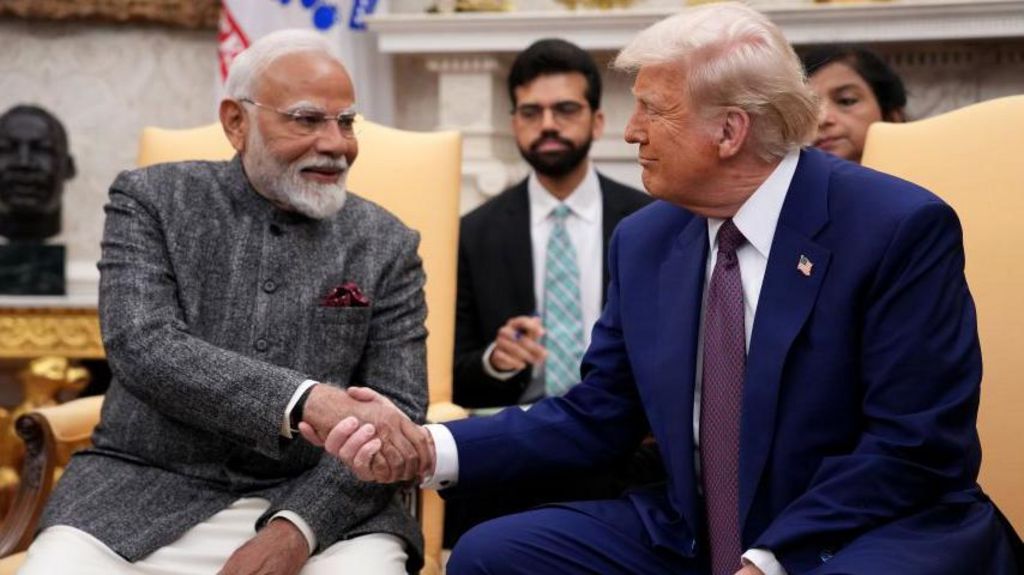
Trump’s birthday call to Modi amid US-India trade talks
In a gesture signaling a potential easing of recent tensions, U.S. President Donald Trump reached out to Indian Prime Minister Narendra Modi to extend birthday wishes ahead of his 75th birthday. The phone call, made on Wednesday, comes after weeks of strained relations due to U.S. tariffs imposed on India for its purchase of Russian oil and weapons. Trump described the tariffs as partially punitive, while India defended its actions as necessary for domestic energy security, labeling the tariffs as unjust. The call followed recent discussions between U.S. trade negotiator Brendan Lynch and Indian commerce officials, aimed at resolving trade disputes and advancing a bilateral trade agreement. Both sides have described these talks as positive, though negotiations remain ongoing. Trump later praised Modi on social media, acknowledging his efforts in global diplomacy, particularly regarding the Russia-Ukraine conflict. Modi reciprocated by referring to Trump as a friend and reaffirming their commitment to strengthening bilateral ties. Despite the recent friction, both leaders expressed optimism about the future of U.S.-India trade relations, with Modi highlighting their shared vision as natural partners. The call marks a notable step toward mending ties, even as Trump continues to advocate for higher tariffs on China and India to pressure Russia over the Ukraine war.
-
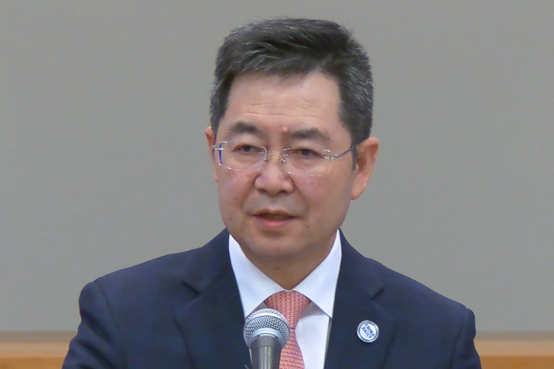
The Global Governance Initiative supports the fulfillment of the UN’s mission
At the ‘Vision China’ event held at the United Nations headquarters in New York on September 15, Qu Yingpu, publisher and editor-in-chief of China Daily, emphasized the significance of the Global Governance Initiative. The event, themed ‘Standing United: Inheriting the UN Legacy, Advancing Global Governance,’ highlighted the initiative’s alignment with core principles such as sovereign equality, international rule of law, multilateralism, a people-centered approach, and tangible outcomes. Qu underscored that these principles provide Chinese wisdom and solutions to bolster global governance, particularly as unilateralism and power politics continue to undermine the UN and other multilateral institutions. The initiative aims to foster a more collaborative and effective global governance framework, addressing contemporary challenges while upholding the UN’s foundational values.
-
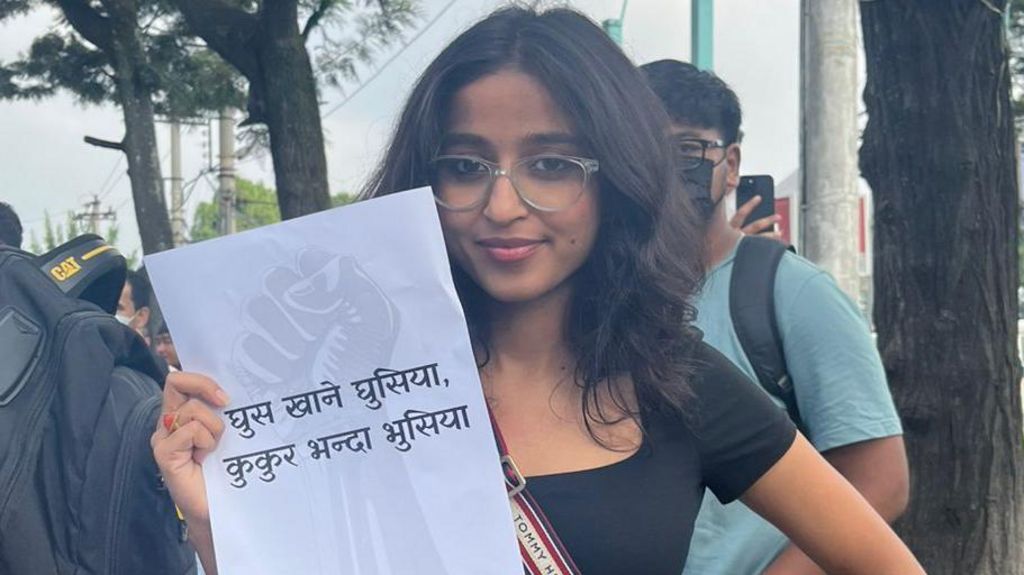
Politicians get rich while we suffer – so I helped bring down our government in 48 hours
In a dramatic turn of events, Nepal’s Generation Z protesters managed to topple the government in less than 48 hours, but the triumph was marred by significant casualties and widespread destruction. The protests, which erupted last week, resulted in the deaths of 72 people, marking the deadliest unrest in the Himalayan nation in decades. Official buildings, political leaders’ residences, and luxury hotels, including the recently opened Hilton, were set ablaze, vandalized, and looted. The wife of a former prime minister is currently fighting for her life after their home was torched.
Tanuja Pandey, a 24-year-old environmental campaigner and one of the protest organizers, expressed a mix of pride and sorrow. ‘We are proud, but there is also a mixed baggage of trauma, regret, and anger,’ she said. The protests were a vehement rejection of Nepal’s political class, accused of decades of poor governance and exploitation of state resources, according to Ashish Pradhan, a senior adviser at the International Crisis Group. However, the damage to government services could parallel the toll of the 2015 earthquake, which claimed nearly 9,000 lives.
The financial losses are staggering, estimated at 3 trillion Nepalese rupees ($21.3 billion), nearly half of the country’s GDP. The Kathmandu Post, whose offices were also attacked, reported that at least 300 local government offices across the nation were damaged. The protests were fueled by deep-seated anger over inequality, with young Nepalis targeting the children of politicians, derogatorily referred to as ‘nepo babies,’ for flaunting their unexplained wealth on social media.
Ms. Pandey, who comes from a middle-class family in eastern Nepal, had previously uploaded a video highlighting the exploitation of natural resources in the Chure mountain range. She called for action against corruption and the misuse of national wealth. The protests, leaderless like many youth movements in Asia, gained momentum after the government banned 26 social media platforms, citing their failure to register locally.
The situation escalated on September 8, when thousands gathered at Maitighar Mandala in central Kathmandu. Initially peaceful, the protests turned violent as crowds moved towards the parliament building. Police responded with tear gas, water cannons, and live rounds, resulting in numerous casualties. The chaos continued the next day, with demonstrators setting fire to parliament, the prime minister’s office, and other government buildings.
In the aftermath, former Supreme Court Chief Justice Sushila Karki was appointed interim prime minister, backed by protesters. However, concerns remain about Nepal’s political future, with experts warning against the glorification of the army as a stabilizing force. The involvement of Durga Prasai, a controversial figure with a history of violent protests, in initial negotiations has also raised eyebrows.
Families of the deceased protesters are grappling with their loss. Yogendra Neupane, a 23-year-old aspiring civil servant, was shot in the back of the head near the parliament building. His family, unaware of his participation until the situation escalated, mourns his sacrifice. ‘His blood and sacrifice should be recognized so that other young people won’t have to hit the streets again in the future,’ said his great-uncle Saubhagya.
Ms. Pandey remains cautiously optimistic about Nepal’s future, viewing the protests as a political awakening for her generation. ‘We are no longer willing to stay silent or accept injustice,’ she declared. ‘This is not just a gentle nudge; it’s a bold challenge to a system that has hoarded power for decades.’
-
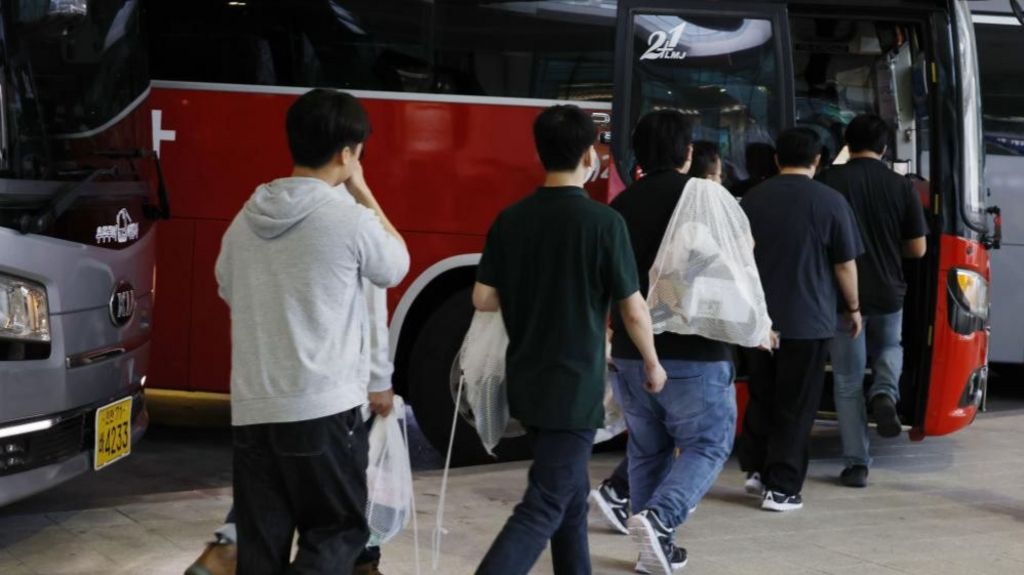
US officers tied us up and pointed guns at us, South Korean engineers tell BBC
In a startling turn of events, over 300 South Korean workers were detained in Georgia, USA, in one of the largest immigration raids during Donald Trump’s presidency. The workers, employed by South Korean companies Hyundai and LG, were assisting in the construction of an electric car battery plant, a project aimed at boosting foreign investment in the US. The raid, which involved armed immigration officers, armored vehicles, and drones, left the workers shocked and terrified. Many were handcuffed, shackled, and transported to detention centers, where they endured harsh conditions, including freezing temperatures and unsanitary water. Initially, US officials claimed the workers were in the country illegally, but a subsequent agreement allowed them to leave voluntarily without penalties. The incident has strained US-South Korea relations, with South Korea investigating potential human rights violations. Despite the ordeal, some workers express a sense of resignation, as their livelihoods depend on their work in the US.
-
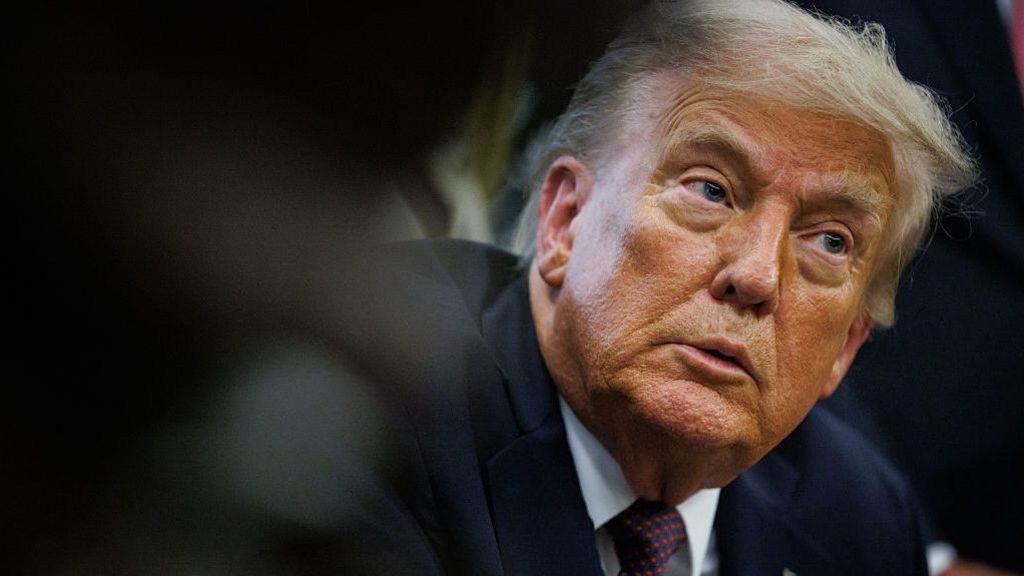
Deal is done to keep TikTok in the US, says Trump
In a significant development, the United States and China have reached an agreement to ensure TikTok continues its operations in the US. President Donald Trump announced the deal, stating that he will confirm the details with Chinese President Xi Jinping during an upcoming call. TikTok, owned by Chinese company ByteDance, had faced the threat of a shutdown unless it sold its US operations. However, Trump has repeatedly postponed the ban since its initial announcement in January, with the latest extension pushing the deadline to December 16.
Under the negotiated deal, TikTok’s US business will be controlled by an investor consortium, including tech giant Oracle, private equity firm Silver Lake, and venture capital firm Andreessen Horowitz. The new US entity will see American investors holding approximately 80% of the stake, with US nationals dominating the board, including one government-appointed member. US users will transition to a new app, currently in testing, which will utilize content-recommendation algorithms licensed from ByteDance—a key factor in TikTok’s success.
Oracle will maintain its existing agreement to host TikTok servers within the US, addressing concerns about data security. The deal is expected to be finalized within the next 30 to 45 days. Earlier, a US trade delegation in Madrid announced a ‘framework’ agreement with China, which China confirmed but emphasized that no deal would compromise its firms’ interests. Wang Jingtao, deputy head of China’s cyberspace administration, highlighted that the agreement includes licensing algorithms and intellectual property rights, subject to Chinese government approval.
Trump’s reversal on TikTok marks a shift from his initial stance during his first term, when he called for the app’s ban. The US Supreme Court upheld a 2024 law banning TikTok unless ByteDance sold its US operations, citing national security concerns. ByteDance has consistently denied sharing user data with the Chinese government, maintaining that its US operations are independent. The deadline for a sale has been extended four times, with the latest delay set to expire on December 16.