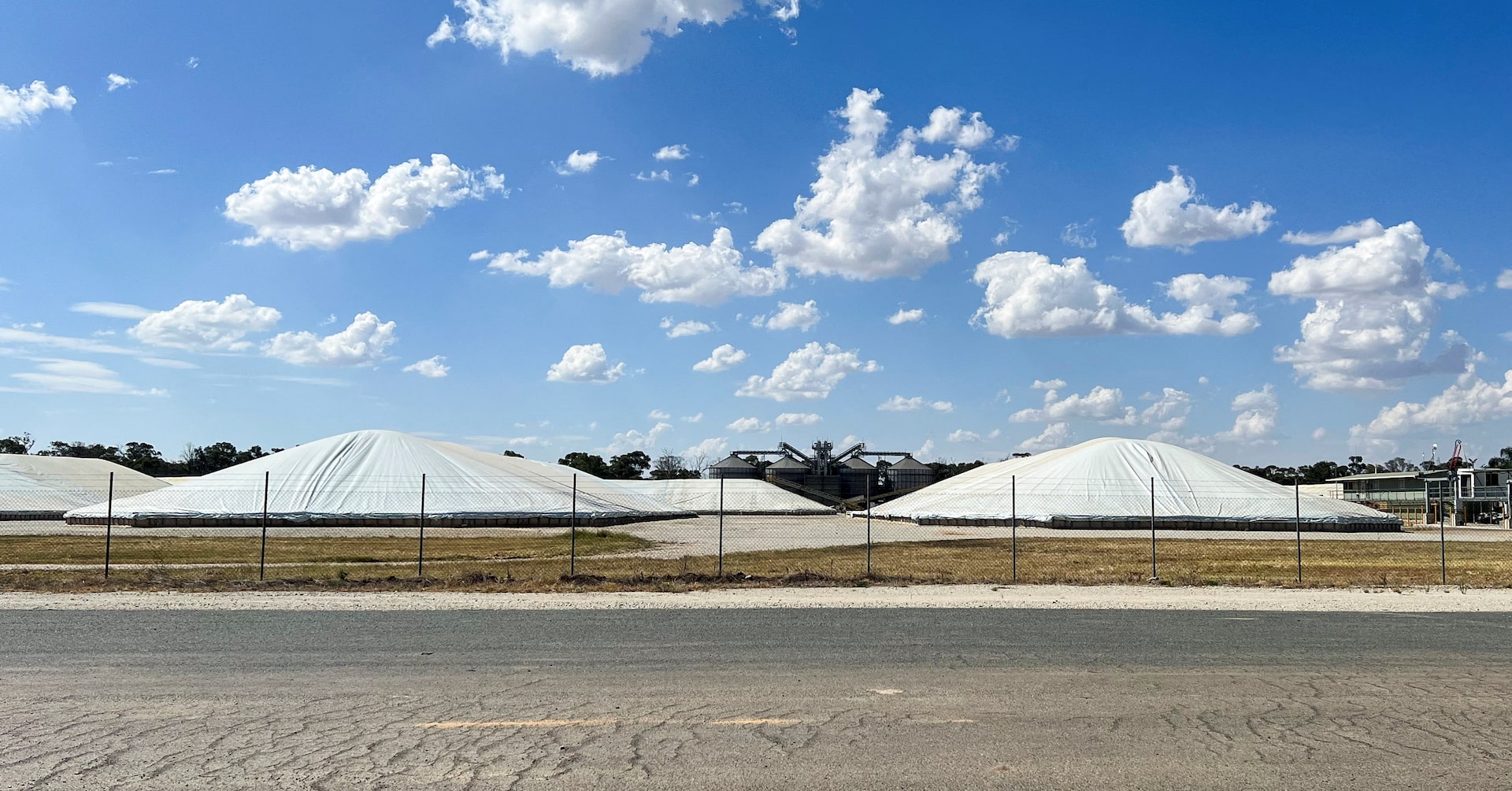
Australia has raised alarms after discovering khapra beetle larvae in imported nappies sold nationwide, posing a significant risk to the country’s grain industry and agricultural exports. The larvae were detected in the brand Little One’s Ultra Dry Nappy Pants Walker Size 5, exclusively sold by Woolworths, Australia’s largest supermarket chain. The agriculture ministry has been working with the importer and retailer to trace and treat affected products since the discovery in New South Wales on September 7. Agriculture Minister Julie Collins emphasized the urgency of containing the pest, stating that around 1,500 of the 2,000 cartons have been tracked down, but some remain in circulation. Khapra beetles, native to India, are classified as the most significant pest threat to Australia’s A$18 billion grains industry. Their establishment could lead to trading partners rejecting Australian goods, causing substantial economic losses. Woolworths has removed unsold nappies from shelves and quarantined them, while the manufacturer, Belgian company Ontex, has suspended operations at its Sydney facility pending comprehensive checks. The ministry has urged consumers who purchased similar nappies to seal them in a bag and contact authorities. The incident underscores the critical need for stringent biosecurity measures to protect Australia’s agricultural sector.
标签: Asia
亚洲
-
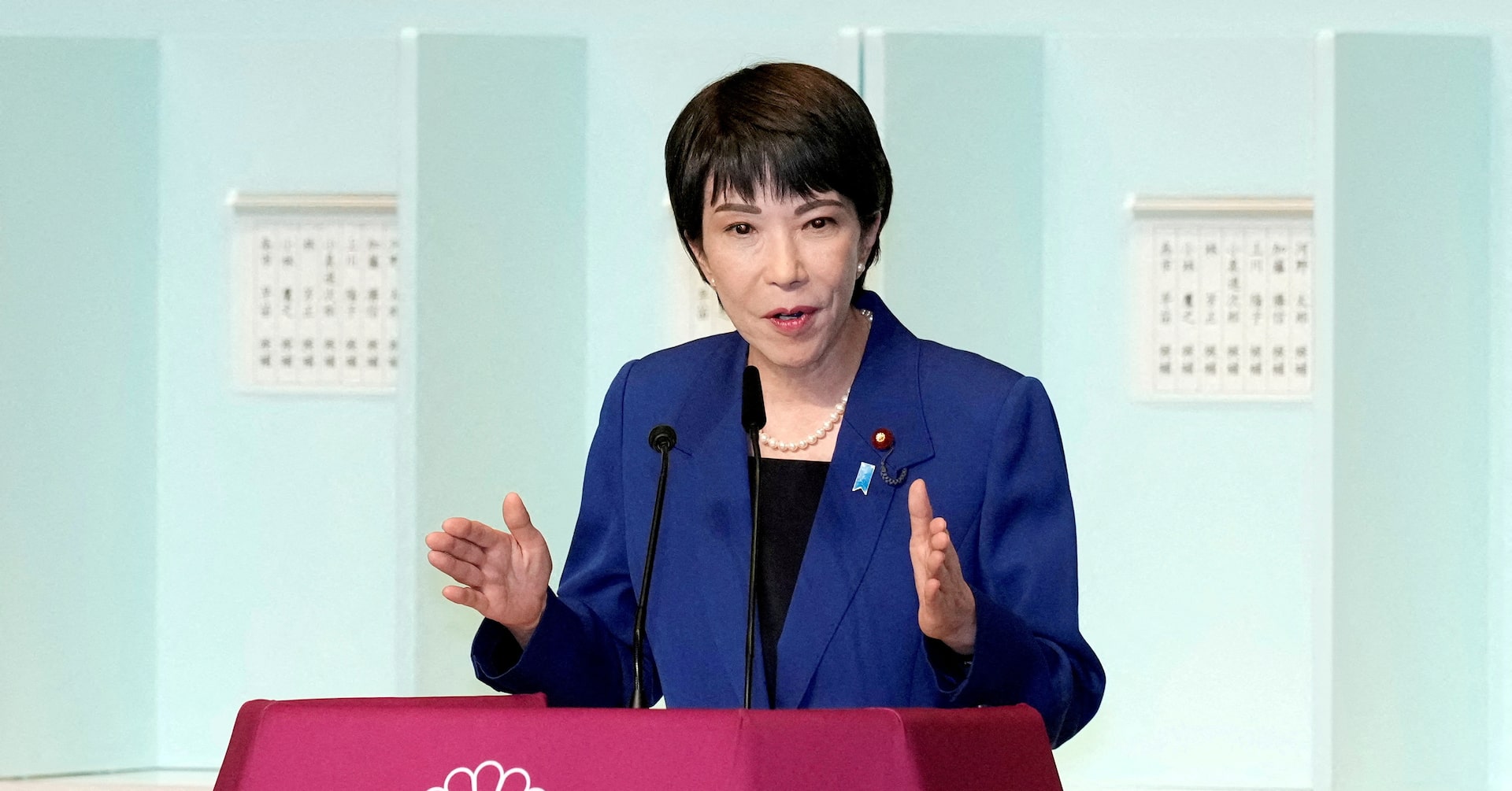
Japan’s fiscal dove Takaichi joins race for leadership of ruling party
In a pivotal moment for Japan’s political landscape, veteran lawmaker Sanae Takaichi announced her candidacy for the ruling Liberal Democratic Party’s (LDP) leadership election on October 4, 2024. Takaichi, a fiscal conservative and vocal opponent of the Bank of Japan’s (BOJ) interest rate hikes, aims to become Japan’s first female prime minister. She is set to outline her policies in a press conference on Friday, emphasizing increased government spending to revitalize the nation’s fragile economy.
Takaichi’s announcement comes as outgoing Prime Minister Shigeru Ishiba steps down following a series of electoral defeats during his brief tenure. The leadership race has drawn a diverse field of candidates, including Agriculture, Forestry, and Fisheries Minister Shinjiro Koizumi, who leads recent polls with 23.8% support. Takaichi follows closely at 21.0%, while Chief Cabinet Secretary Yoshimasa Hayashi and former foreign minister Toshimitsu Motegi trail at 5.9% each.
Hayashi, in his policy announcement, pledged to continue Ishiba’s initiatives, particularly efforts to boost wages in smaller companies to alleviate the burden of rising living costs. However, he distanced himself from the ‘Abenomics’ policies of the late Shinzo Abe, arguing that the economy has moved beyond the need for such aggressive stimulus measures. Meanwhile, Motegi expressed his intention to negotiate further tariff reductions with the United States, contingent on favorable circumstances.
The election outcome will shape Japan’s economic and fiscal policies at a critical juncture, as the nation grapples with an aging population, inflationary pressures, and global economic uncertainties. With Takaichi and Koizumi emerging as frontrunners, the race underscores a potential shift in Japan’s political and economic direction.
-
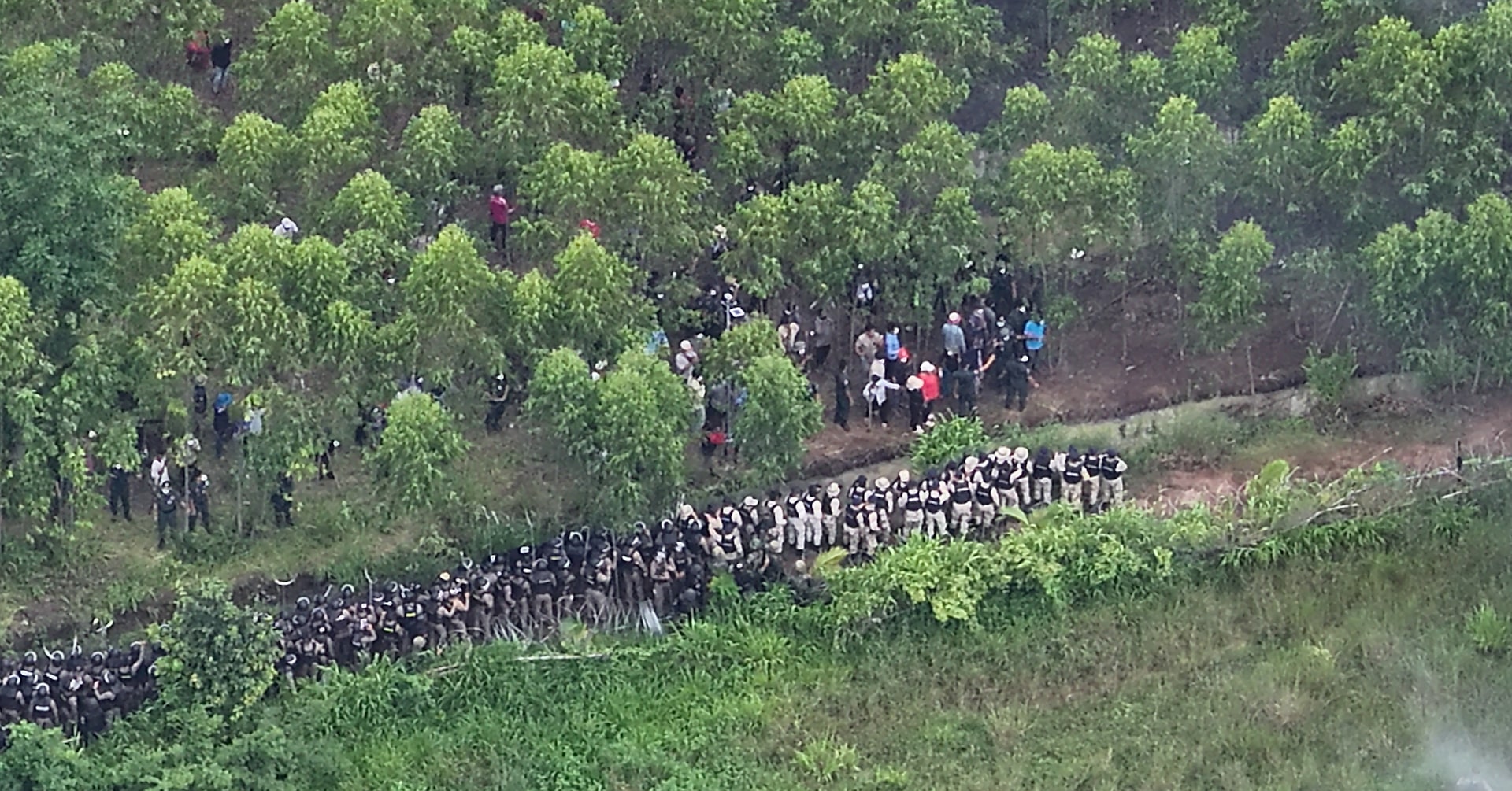
Thai police fire tear gas at Cambodian protesters at a disputed border village
A recent confrontation between Thai riot police and Cambodian civilians in a disputed border region has resulted in significant injuries and heightened tensions. On Wednesday, Thai authorities deployed tear gas and rubber bullets against Cambodian protesters, leaving at least 23 Cambodians injured, according to Cambodian officials. Thailand defended its actions, stating that the use of force was necessary to prevent disorder after Cambodian protesters allegedly dismantled Thai defensive barriers and attacked officials with sticks, stones, and slingshots. The clash occurred in an area claimed by both countries—Thailand identifies it as part of Ban Nong Ya Kaew village in Sa Kaeo province, while Cambodia asserts it belongs to Prey Chan village in Bantheay Meanchey province. This incident marks the most significant escalation since a ceasefire agreement in July ended a five-day border conflict that claimed 48 lives and displaced thousands. Cambodian Prime Minister Hun Manet has called for international support, urging ASEAN and global leaders to intervene and prevent further unilateral actions by Thailand. The U.S. government has also weighed in, urging both nations to de-escalate tensions and finalize terms for a long-term observer mission along the border. The dispute stems from a century-long disagreement over undemarcated points along the 817 km border, originally mapped by France in 1907. Both countries have erected barbed wire fences in the area, sparking weeks of protests from civilians on both sides.
-
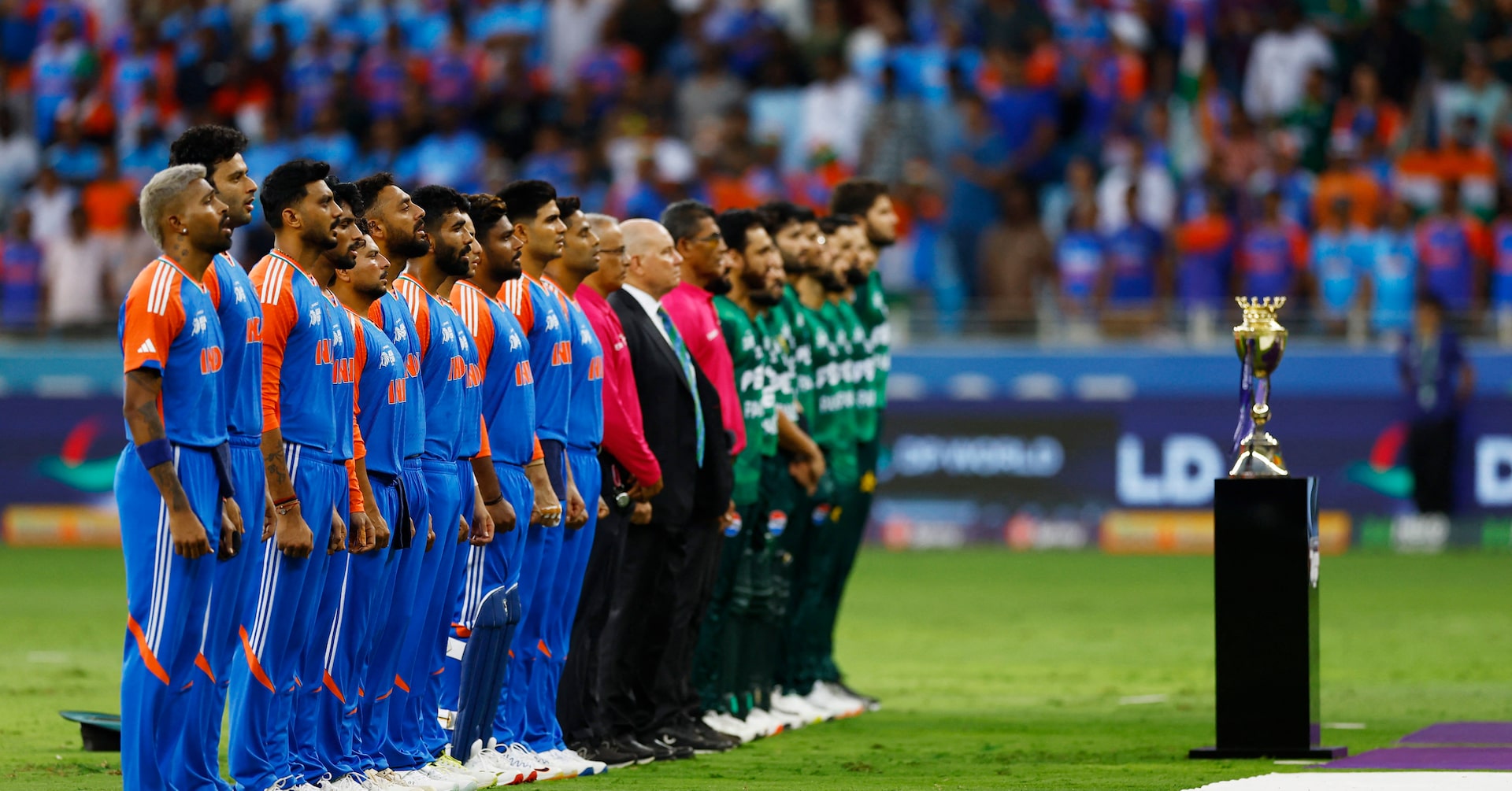
Pakistan gearing up for India rematch, says captain Salman
In a highly anticipated rematch, Pakistan and India are set to face off in the Super Fours stage of the Asia Cup on Sunday, following a contentious group-stage encounter last week. The match, scheduled at the Dubai International Cricket Stadium, comes amid heightened tensions between the two cricketing giants. Pakistan secured their spot in the Super Fours with a 41-run victory over the United Arab Emirates (UAE) on Wednesday, despite concerns over their middle-order batting performance. Captain Salman Agha expressed confidence in his team’s readiness, stating, ‘We are ready for any challenge. If we play good cricket, like we have in the last few months, we’ll be good against any side.’ However, Pakistan’s batting struggles, highlighted by opener Saim Ayub’s third consecutive duck, remain a pressing issue. India, meanwhile, enters the match with momentum after a dominant seven-wicket win over Pakistan last weekend. The previous match was marred by the Indian team’s refusal to shake hands with their opponents, a gesture that sparked controversy and led to calls from the Pakistan Cricket Board for the removal of match referee Andy Pycroft. Bilateral cricket between the two nations has been suspended since 2013, making their encounters in multi-team tournaments all the more significant. If both teams advance, they could meet again in the final on September 28, adding another chapter to their storied rivalry.
-

MBK-controlled Lotte Card says personal data of nearly 3 million customers leaked
SEOUL, Sept 18 (Reuters) – In a significant cybersecurity incident, South Korean credit card firm Lotte Card, majority-owned by private equity fund MBK Partners, revealed on Thursday that a hacking attack had compromised the personal data of approximately 2.97 million customers. CEO Cho Jwa-jin disclosed during a press conference that among the affected individuals, around 280,000 had sensitive information exposed, raising concerns about potential card fraud.
-
China’s SAIC to cut stake in India car venture amid investment curbs, sources say
China’s SAIC Motor, one of the nation’s largest state-owned automotive companies, is set to significantly reduce its 49% stake in its Indian joint venture with JSW Group, according to sources familiar with the matter. The decision comes as the venture, JSW MG Motor, continues to face financial losses and regulatory challenges exacerbated by political tensions between China and India. SAIC will cease further investment in the venture but will continue to supply technology and products. The move underscores the broader impact of geopolitical friction on business operations, particularly after India imposed restrictions on Chinese investments in 2020 following a border standoff. Despite recent diplomatic efforts to ease tensions, progress in business relations remains stagnant. JSW Group has proposed acquiring most of SAIC’s stake to become the majority shareholder, but disagreements over valuation have stalled negotiations. Additionally, JSW’s pursuit of a partnership with Chinese automaker Chery to develop its own-brand vehicles has further strained relations with SAIC. The venture, valued at $1.2 billion, has struggled to meet expectations despite its growth in India’s electric vehicle market, where it ranks second behind Tata Motors. The Indian government is currently reviewing a $240 million investment proposal from JSW MG Motor for EV manufacturing, with concerns over the repatriation of profits to China adding complexity. As competition in India’s auto market intensifies, particularly with Tesla’s recent entry, the future of SAIC’s presence in the region remains uncertain.
-
Beijing urges top hog producers to cut output, state media says
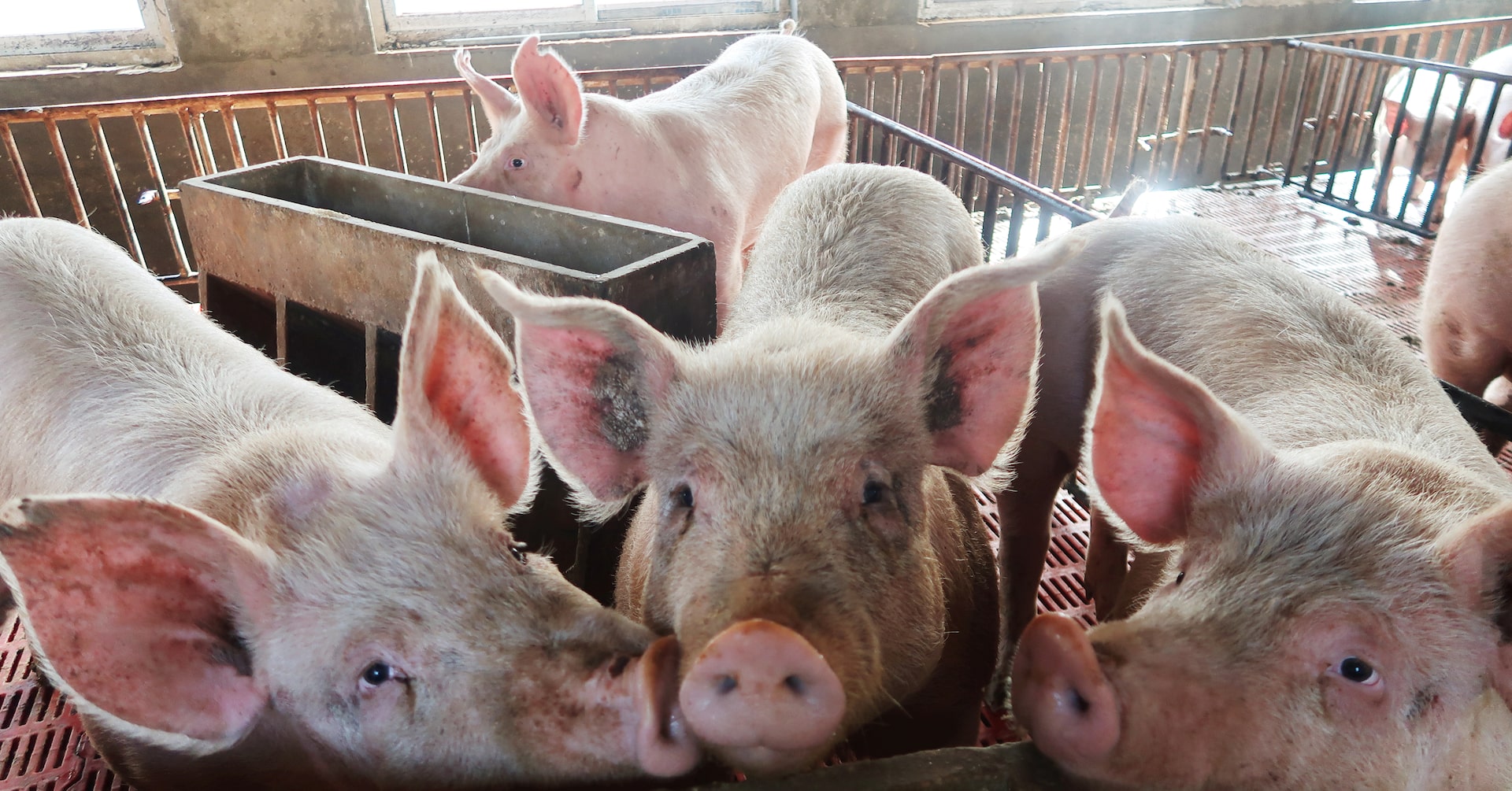
In a bid to address a significant oversupply and tepid consumer demand in its pork industry, China has called on its leading hog producers to reduce output. The directive was issued during a high-level meeting on Tuesday, as reported by the state-run Shanghai Securities News. Key players such as Muyuan Foods and Wens Foodstuff were urged to decrease the number of breeding sows, lower slaughter volumes, and maintain hog weights at approximately 120 kg. The meeting, organized by the National Development and Reform Commission and the Ministry of Agriculture and Rural Affairs’ animal husbandry bureau, underscores Beijing’s intensified efforts to curb overcapacity and stabilize market prices. Authorities also announced plans to tighten credit for expanding hog production capacity and reduce subsidies that have previously fueled growth in pig output. This move comes as hog prices have plummeted to around 13 yuan ($1.83) per kg, a sharp decline from 18.8 yuan a year ago, according to consultancy MySteel. The price drop has severely impacted industry margins, with shares of Muyuan and Wens falling by 2% and 3%, respectively, as of 0607 GMT.
-
Australia’s biggest takeover deals that fell apart
A consortium led by Abu Dhabi National Oil Company (ADNOC) has withdrawn its $18.7 billion offer to acquire Australian gas producer Santos Ltd (STO.AX), marking the third failed bid for Santos in seven years. The decision, announced on September 18, 2025, follows months of negotiations that ultimately collapsed due to disagreements over valuation, risk-sharing, and regulatory approvals. The consortium, which included ADNOC’s overseas unit XRG, cited a combination of factors that impacted its assessment of the deal. Santos, in response, stated that the consortium refused to agree to a fair distribution of risks, including securing regulatory approvals and committing to domestic gas development. The proposed offer of $5.76 per share, equivalent to A$8.89 at the time, was significantly higher than Santos’ last traded price of A$6.74. This withdrawal highlights the challenges of completing large-scale transactions in Australia, where valuation disputes, shareholder approval thresholds, and regulatory risks have repeatedly derailed major deals. Other notable failed mergers and acquisitions in Australia include BHP Group’s $49 billion bid for Anglo American, Woodside Energy’s talks with Santos, and Brookfield’s $10.6 billion bid for Origin Energy, all of which collapsed due to similar issues.
-
Investors in Vietnam to face strict police screening under planned reform
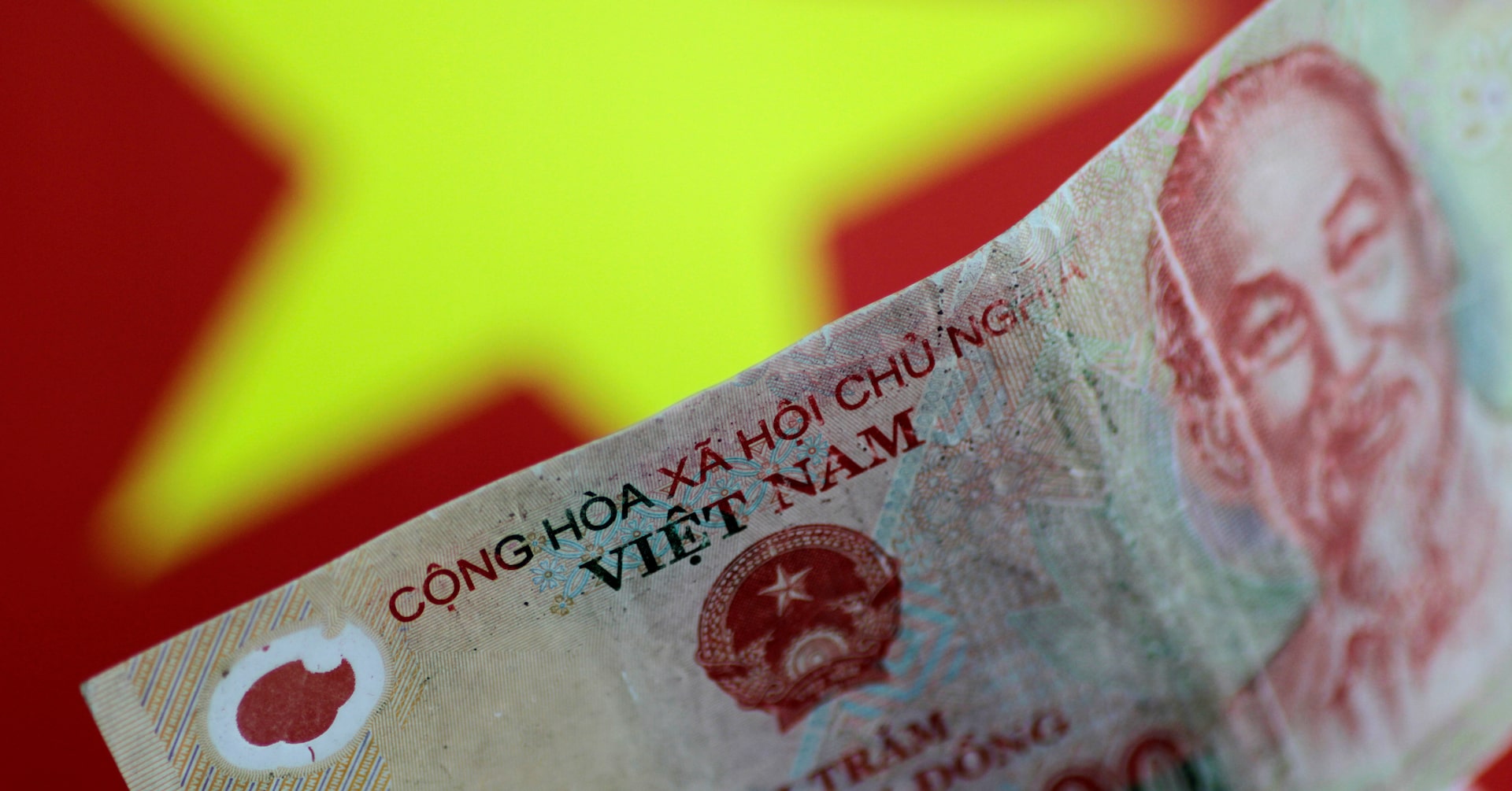
Vietnam is set to introduce sweeping reforms that would require police approval for investment projects across key sectors such as energy, telecommunications, and construction. The draft decree, proposed by the Ministry of Public Security, aims to bolster national security and reinforce the ‘absolute leadership’ of the ruling Communist Party. However, the move has sparked concerns among foreign investors, who fear increased compliance costs and project delays. The proposal, which is open for public comment until September 22, could significantly expand the powers of Vietnam’s security apparatus. If enacted, the decree would mandate security vetting for a wide range of critical infrastructure projects, including nuclear power plants, telecommunications, and oilfields, as well as seemingly less critical ventures like industrial parks and golf courses. Vietnam, a nation heavily reliant on foreign investment, currently conducts limited security checks on most development projects, with the police playing a largely advisory role. The proposed reforms would grant the Ministry of Public Security the authority to determine whether projects meet undefined security conditions, effectively giving it veto power. The draft document also outlines plans for the ministry to supervise and inspect foreign aid projects, assessing their impact on security and social order. While the government argues that the reforms are necessary to address a complex international landscape dominated by strategic competition, critics warn that the changes could deter investment and slow economic growth. Vietnam is home to major multinational corporations, including Samsung, Honda, and Intel, which have previously expressed concerns over bureaucratic delays. The proposed decree follows a similar 2019 regulation that prioritized defense considerations in economic projects but was more limited in scope. As the draft moves closer to becoming law, its potential implications for Vietnam’s investment climate remain a subject of intense debate.
-

SoftBank, OpenAI Japan AI joint venture is delayed, source says
SoftBank Group Corp. and OpenAI’s highly anticipated joint venture to deliver artificial intelligence (AI) services to corporate clients in Japan has encountered significant delays, according to an insider familiar with the matter. Initially slated for launch this summer, the venture, named SB OpenAI Japan, is now expected to provide an update on its progress in November. The source, who requested anonymity due to the confidential nature of the details, cited prolonged preparations as the primary cause for the setback. SoftBank confirmed that preparations are ongoing but refrained from commenting further, while OpenAI has yet to respond to inquiries. The venture was announced in February by SoftBank CEO Masayoshi Son and OpenAI CEO Sam Altman, with ownership shared between OpenAI and a newly established SoftBank entity. At a June shareholder meeting, Junichi Miyakawa, CEO of SoftBank’s telecom unit, had targeted the end of July for the venture’s launch, though specific product offerings remain under discussion. This initiative marks a resurgence in Son’s bold investment strategy, following a period of retrenchment due to underperforming tech investments. Meanwhile, SoftBank’s $500 billion Stargate project, aimed at developing data centers in the U.S., has also faced delays due to protracted negotiations and location-related decisions, as disclosed by CFO Yoshimitsu Goto last month.