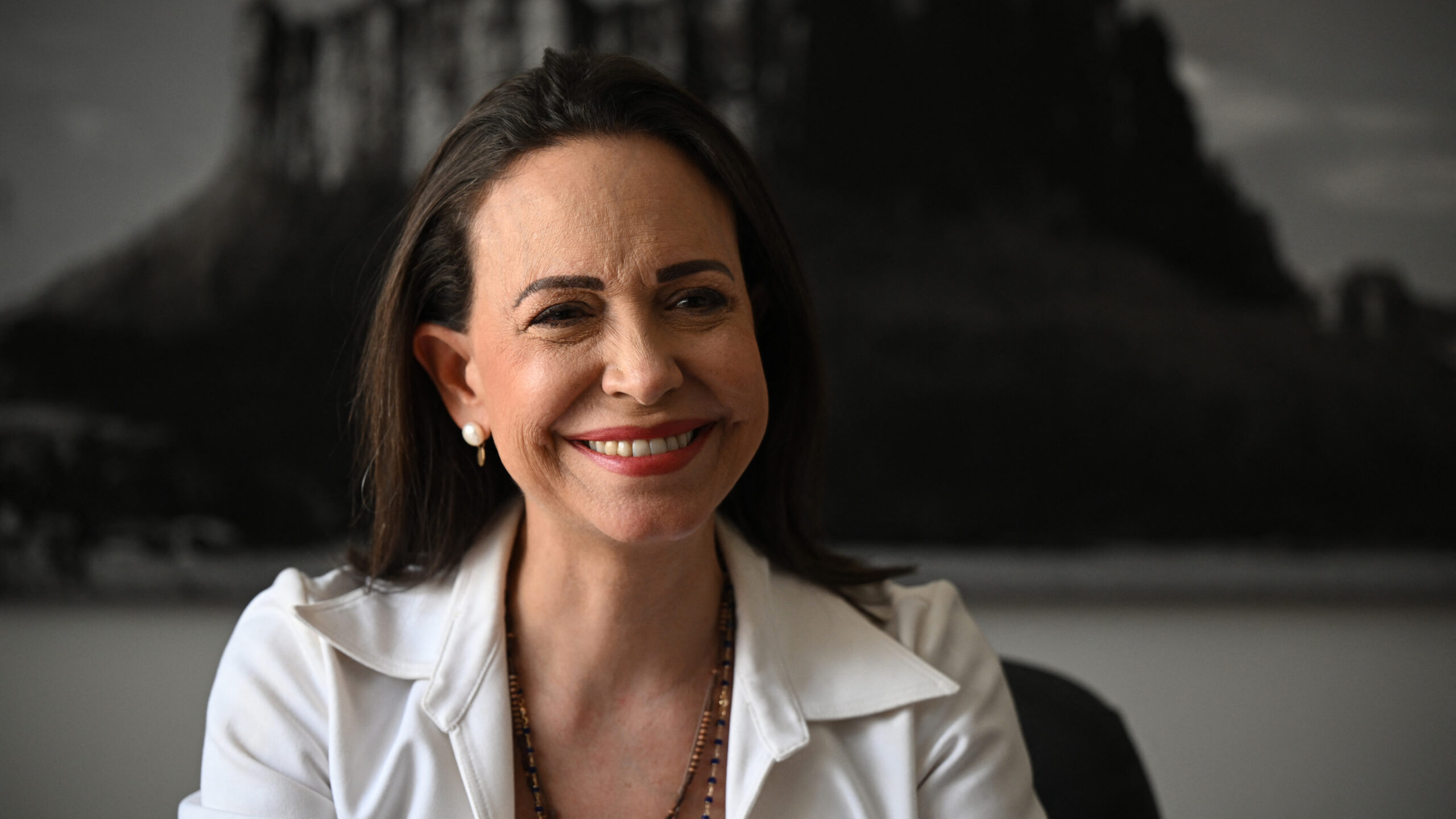
A prominent American civil rights organization has demanded that the 2025 Nobel Peace Prize recipient, Venezuelan opposition leader Maria Corina Machado, renounce her affiliations with racism, fascism, and far-right ideologies. The Council on American-Islamic Relations (Cair) expressed strong disapproval of the Nobel Prize committee’s decision, citing Machado’s connections to Israeli Prime Minister Benjamin Netanyahu’s Likud Party and her participation in far-right European gatherings. Cair highlighted her appearance at the Patriots of Europe conference in Madrid, where she shared the stage with figures like Geert Wilders and Marine Le Pen, who advocated for a new ‘Reconquista,’ a term evoking the historical expulsion of Muslims and Jews from Spain. The group urged the Nobel committee to reconsider its choice, arguing that it tarnishes the award’s legacy. Machado, who has openly supported Netanyahu and pledged to relocate Venezuela’s embassy to Jerusalem if elected, dedicated her prize to former U.S. President Donald Trump and the Venezuelan people, praising Trump’s backing of her cause. Trump has previously deployed warships near Venezuela to combat drug cartels. Cair emphasized that the Nobel Peace Prize should honor individuals who champion justice universally, not those who endorse divisive and exclusionary ideologies.
标签: Asia
亚洲
-
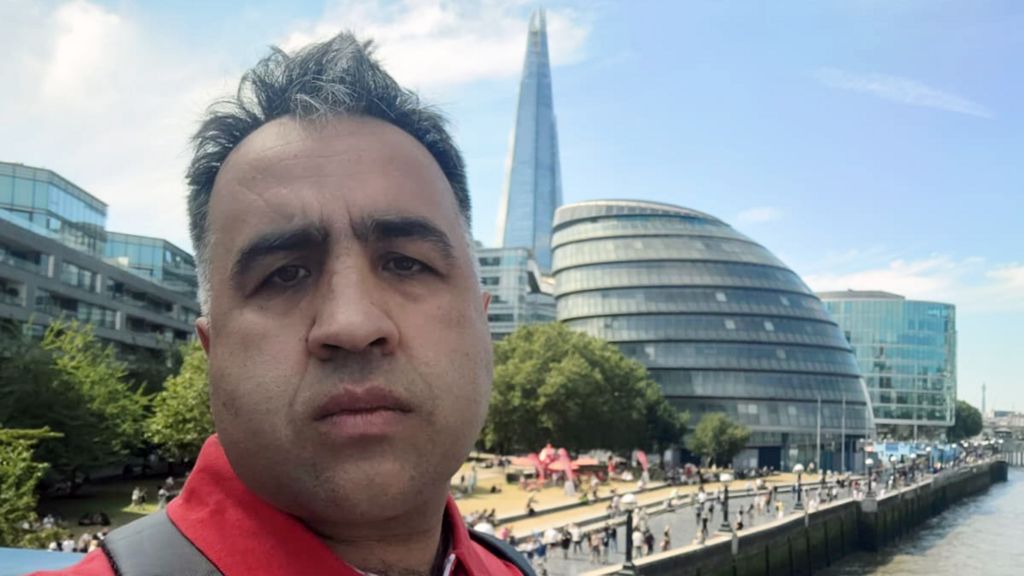
I was ready to die for the Taliban. Now I hope I can prevent others becoming radicalised
Maiwand Banayee, a 45-year-old NHS diabetes remission coach and postgraduate student in Coventry, leads a life far removed from his turbulent past as a Taliban fighter. Born in Afghanistan in 1980, Banayee’s early years were marked by vulnerability and bullying, which led him to seek validation through radical ideologies. At 14, he was radicalized in the Shamshato refugee camp in Pakistan, where he was exposed to intense religious propaganda and the glorification of martyrdom. The camp, dominated by the Hezb-e-Islami group, became a breeding ground for extremism, with mullahs promising heavenly rewards for those who sacrificed their lives. Banayee’s journey into the Taliban’s fold began in 1996, when he returned to Kabul and joined the group, enforcing their austere version of Sharia law. However, his faith in the Taliban began to waver after witnessing their cruelty and hypocrisy. A turning point came when he was forced to pray again by Taliban fighters, an act that deeply wounded his ego and sparked doubts about their true nature. Over time, Banayee distanced himself from extremism, eventually fleeing to the UK in 2001. After years of struggle, including failed asylum applications and homelessness, he found stability in Ireland, where he married and became a citizen. Today, Banayee is an advocate against radicalization, sharing his story in his book, *Delusions of Paradise: Escaping the Life of a Taliban Fighter*. He warns of the dangers of religious schools in Afghanistan, which he believes are radicalizing a new generation of children. Banayee’s message to young people is clear: question everything and seek truth beyond the myths of extremism.
-

How hackers forced brewing giant Asahi back to pen and paper
Asahi Super Dry, Japan’s most popular beer, is facing severe supply shortages following a crippling cyber-attack on its production facilities. The incident, which forced Asahi to halt operations at most of its 30 factories across Japan, has left retailers, bars, and restaurants scrambling to meet customer demand. Although some facilities have partially reopened, the company’s computer systems remain offline, forcing manual processing of orders and shipments via pen, paper, and fax machines. This has drastically reduced output, with shipments now at just 10-20% of normal levels.
Asahi, which commands approximately 40% of Japan’s beer market, has apologized for the disruptions but has not provided a timeline for full recovery. The impact extends beyond beer, with shortages also affecting Asahi’s soft drinks, bottled teas, and other products. Major convenience store chains like FamilyMart, 7-Eleven, and Lawsons have warned customers of dwindling supplies.
The ransomware group Qilin has claimed responsibility for the attack, leveraging its platform to extort proceeds from cyber-attacks. While Asahi’s European operations, including brands like Peroni and Grolsch, remain unaffected, the incident highlights Japan’s vulnerability to cyber threats. Experts point to the country’s reliance on outdated systems and a lack of cybersecurity professionals as key weaknesses.
In response, the Japanese government has emphasized its commitment to improving cyber capabilities. The recent enactment of the Active Cyber Defense Law (ACD) grants authorities greater powers to combat cyber threats, including the ability to neutralize attackers’ servers. However, for small businesses like Ben Thai restaurant in Tokyo, the immediate challenge is navigating the ongoing supply disruptions. Owner Sakaolath Sugizaki remains uncertain about when normal operations will resume, echoing the concerns of many across Japan.
-
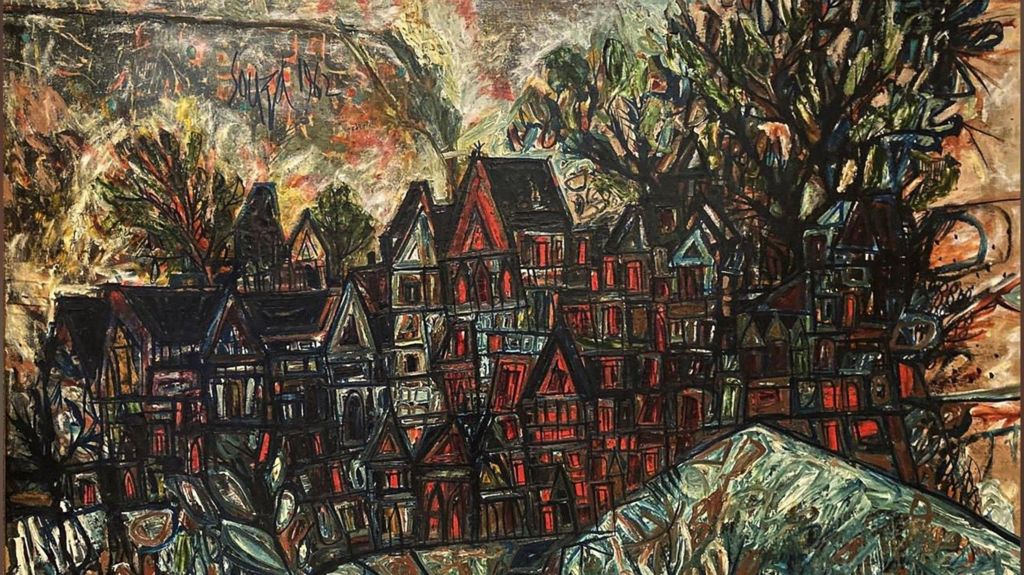
How record auctions are fuelling India’s art boom
The Indian art market is experiencing an unprecedented surge, as evidenced by the recent Saffronart auction in Delhi, where Vasudeo Santu Gaitonde’s untitled 1971 painting sold for a staggering $7.57 million, nearly triple its estimated value. The auction, which achieved a total of $40.2 million, marked the highest-ever total for South Asian art and set a new benchmark for the industry. Gaitonde’s work now stands as India’s second most expensive painting, following closely behind MF Husain’s ‘Untitled (Gram Yatra)’, which fetched $13.8 million earlier this year. The momentum continued as Sotheby’s sold Francis Newton Souza’s ‘Houses in Hampstead’ for a price just below Gaitonde’s piece, making it India’s third most expensive painting. This record-breaking season reflects a broader trend in the Indian art market, which has grown exponentially from $2 million at the turn of the century to an estimated $338 million today, with projections of reaching $1.1 billion by 2030. The boom is fueled by rising wealth among India’s elite and the diaspora, who view art as both a status symbol and a generational investment. Recent tax cuts, reducing the goods and services tax (GST) on art from 12% to 5%, have further bolstered the market. Despite a global slump in art sales, India’s art scene thrives, driven by a surge in art fairs, galleries, and exhibition spaces. Established modernists like Husain, Souza, Gaitonde, and Raza dominate top sales, but auctioneers note that rising prices are also lifting demand for previously overlooked artists. The market’s sustainability is further supported by growing recognition of Indian artists and increased investment in public engagement spaces, such as the Kiran Nadar Museum of Art’s new Delhi building, set to open in 2026. Non-profits like Khoj are also playing a crucial role in nurturing emerging artists, ensuring the ecosystem’s long-term growth.
-
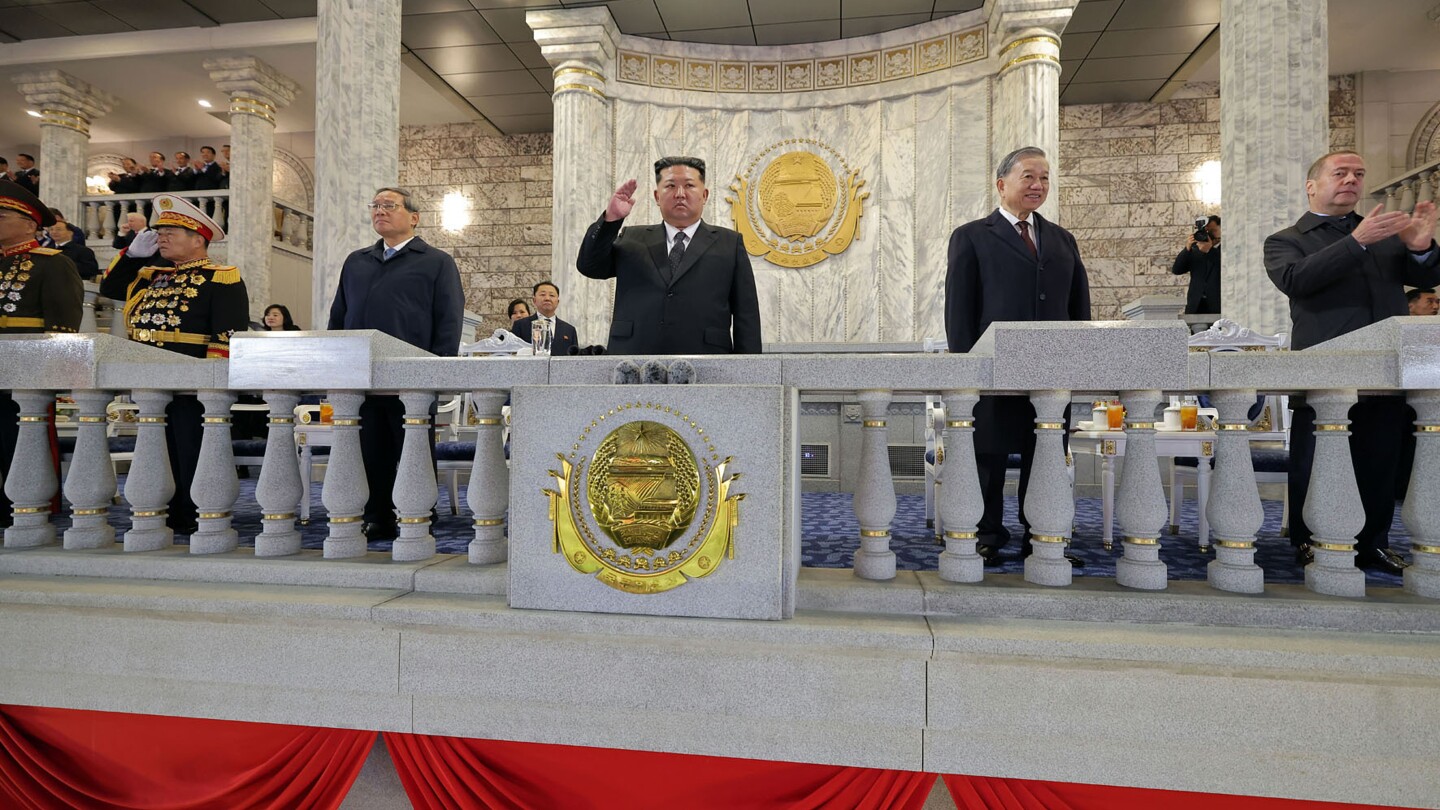
North Korea displays new long-range missile at military parade celebrating Kim Jong Un’s leadership
In a grand display of military might, North Korean leader Kim Jong Un unveiled the Hwasong-20, a new intercontinental ballistic missile (ICBM), during a massive military parade in Pyongyang. The event, held on Friday night to commemorate the 80th anniversary of the ruling Workers’ Party, showcased North Korea’s most advanced weapons, including the untested Hwasong-20, described by state media as the nation’s “most powerful nuclear strategic weapon system.” The parade, attended by high-profile foreign dignitaries, underscored Kim’s growing diplomatic influence and his unwavering commitment to expanding North Korea’s nuclear arsenal, capable of targeting the U.S. mainland and regional adversaries. Kim, in a speech, emphasized the need for his military to become an “invincible entity” to counter all threats, though he refrained from directly mentioning the U.S. or South Korea. The Hwasong-20, mounted on an 11-axle launcher truck, represents a significant leap in North Korea’s missile technology, with its solid-fuel engine offering greater mobility and faster launch capabilities compared to older liquid-fueled models. The parade also featured shorter-range ballistic, cruise, and supersonic missiles, which North Korea claims can deliver nuclear strikes against South Korea. The event highlighted Kim’s efforts to strengthen ties with key allies, including China and Russia, as he seeks to break out of international isolation and counter U.S.-led Western influence. High-level visitors, such as Chinese Premier Li Qiang, former Russian President Dmitry Medvedev, and Vietnamese Communist Party General Secretary To Lam, attended the celebrations, signaling Kim’s increasingly assertive foreign policy. Kim’s recent meetings with Medvedev and Li focused on deepening strategic partnerships, with Medvedev praising North Korean soldiers for their role in supporting Russia’s war efforts in Ukraine. Since Russia’s invasion of Ukraine, Kim has prioritized strengthening ties with Moscow, sending troops and weapons to aid Putin’s campaign. The parade and diplomatic engagements reflect Kim’s dual strategy of bolstering North Korea’s military capabilities while expanding its international alliances.
-
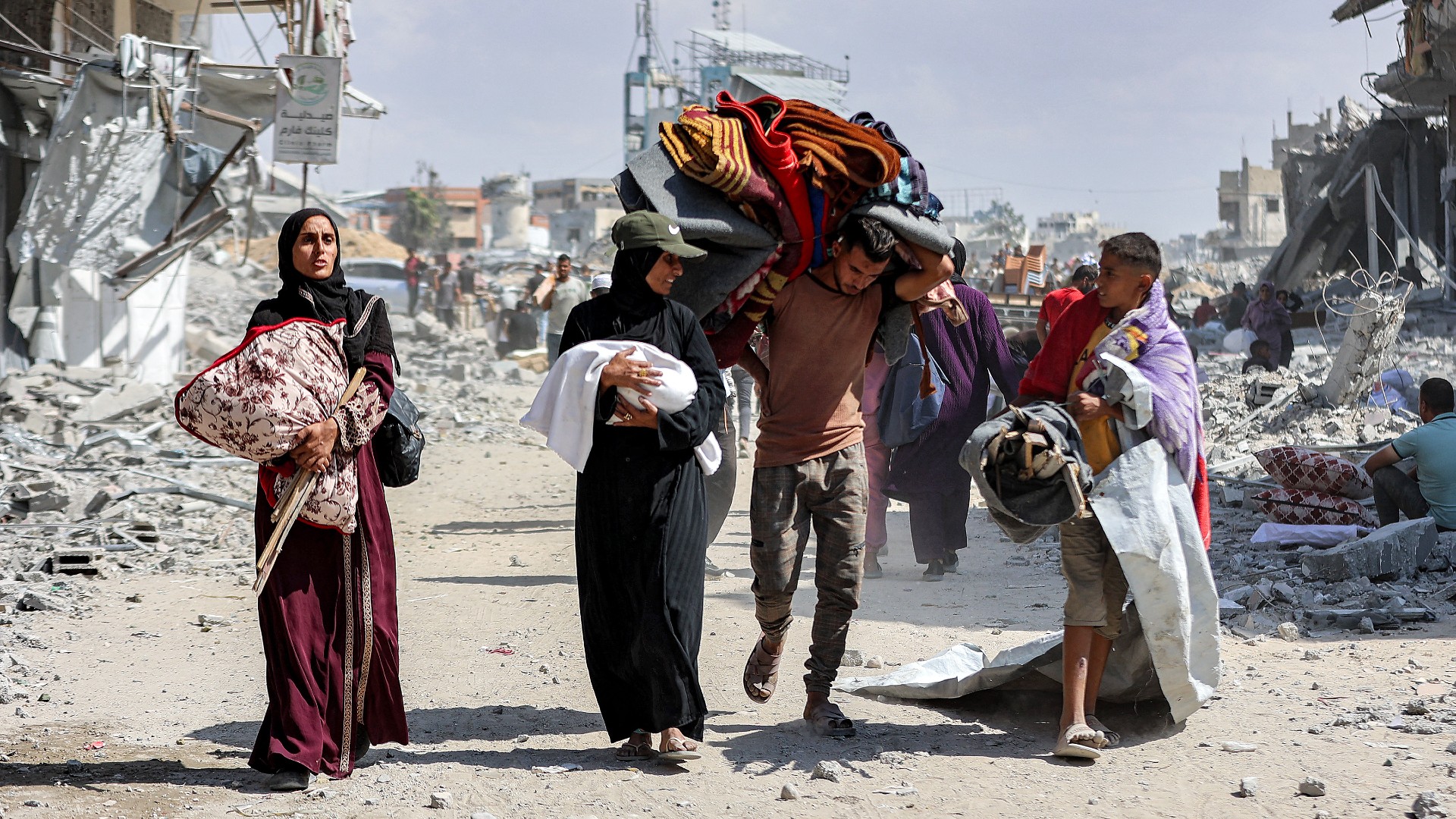
Full text of the agreement signed by Israel and Hamas to ‘end the war’ on Gaza
In a groundbreaking development, Middle East Eye has obtained a copy of the historic agreement signed by Israel, Hamas, and international mediators in Egypt, aimed at bringing an end to the prolonged conflict in Gaza. The document, titled ‘Implementation Steps for President Trump’s Proposal for a Comprehensive End of Gaza War,’ outlines a meticulously crafted six-step plan to achieve lasting peace in the region.
The first step involves U.S. President Donald Trump’s formal announcement declaring the end of the Gaza war, with all parties committing to the necessary measures to ensure its cessation. This was swiftly followed by the Israeli government’s approval of the initial phase, signaling a significant step towards de-escalation.
The second step mandates an immediate halt to all military operations, including aerial and artillery bombardments, upon the Israeli government’s endorsement. Concurrently, the third step prioritizes the urgent delivery of humanitarian aid and relief to the beleaguered Gaza Strip, ensuring that the basic needs of the population are met.
The fourth step details the withdrawal of the Israeli Defense Forces (IDF) to pre-agreed lines, as specified in an attached map, within 24 hours of the Israeli government’s approval. This withdrawal is contingent upon Hamas’s full adherence to the agreement, with the IDF pledging not to re-enter the vacated areas.
The fifth step, to be executed within 72 hours of the IDF’s withdrawal, focuses on the release of all Israeli hostages, both living and deceased, held in Gaza. This phase also includes the establishment of an information-sharing mechanism to ensure the safe and complete exhumation and release of any remaining deceased hostages. In a reciprocal gesture, Israel will release a corresponding number of Palestinian prisoners, with the exchange conducted discreetly through mediators and the International Committee of the Red Cross (ICRC), without public ceremonies or media coverage.
The final step involves the formation of a task force comprising representatives from the United States, Qatar, Egypt, Turkey, and other agreed-upon nations. This task force will oversee the implementation of the agreement, ensuring that both sides adhere to their commitments and coordinate effectively.
This comprehensive agreement, brokered with the involvement of key international players, represents a significant milestone in the quest for peace in the region. It underscores the collective commitment to ending the cycle of violence and fostering a sustainable resolution to the Gaza conflict.
-
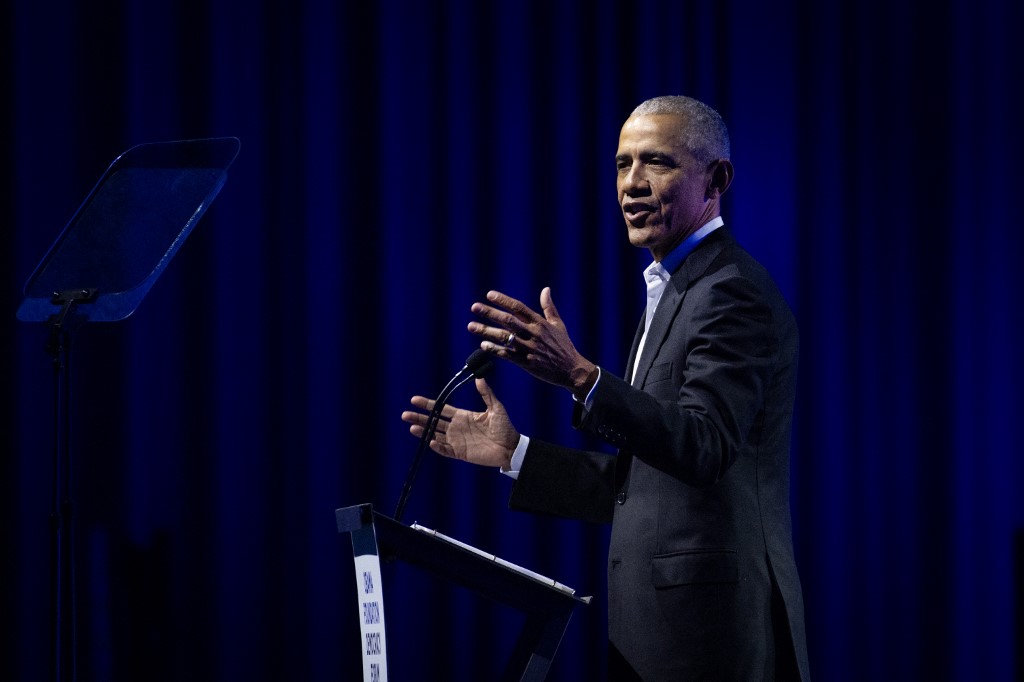
Gaza ceasefire: Obama is criticised for ‘bothsides-ing’ genocide
Former U.S. President Barack Obama has come under fire from social media users for his recent post on X (formerly Twitter) regarding the ceasefire agreement between Israel and Hamas. Critics accuse him of dehumanizing Palestinians and employing a ‘bothsides-ing’ approach to what many describe as a genocide. In his post, Obama expressed relief at the prospect of ending the conflict, reuniting hostages with their families, and delivering aid to Gaza. However, his choice of words sparked widespread outrage. Many users highlighted his distinction between ‘Israeli families’ and ‘the people of Gaza,’ arguing that it perpetuates a long-standing pattern of Western rhetoric that diminishes Palestinian humanity. Palestinian-American human rights attorney Noura Erakat emphasized that the people of Gaza are Palestinians who have endured a century-long struggle for survival. Media critic Sana Saeed described Obama’s language as a ‘masterclass in rendering Palestinians faceless and nameless.’ Others criticized his use of the term ‘conflict,’ which they argue misrepresents the situation as a war between equals rather than a genocide. Historian Assal Rad stressed that acknowledging the genocide is essential for accountability and justice. This is not the first time Obama has faced criticism for his stance on Israel and Palestine. In 2023, he supported Israel’s ‘right to defend itself’ while urging attention to Palestinian suffering, a stance some labeled as ‘bothsides-ing.’ The recent ceasefire agreement, signed on Thursday, includes the exchange of captives and aims to begin rebuilding Gaza. However, critics argue that true peace cannot be achieved without justice and accountability for Israel’s actions.
-
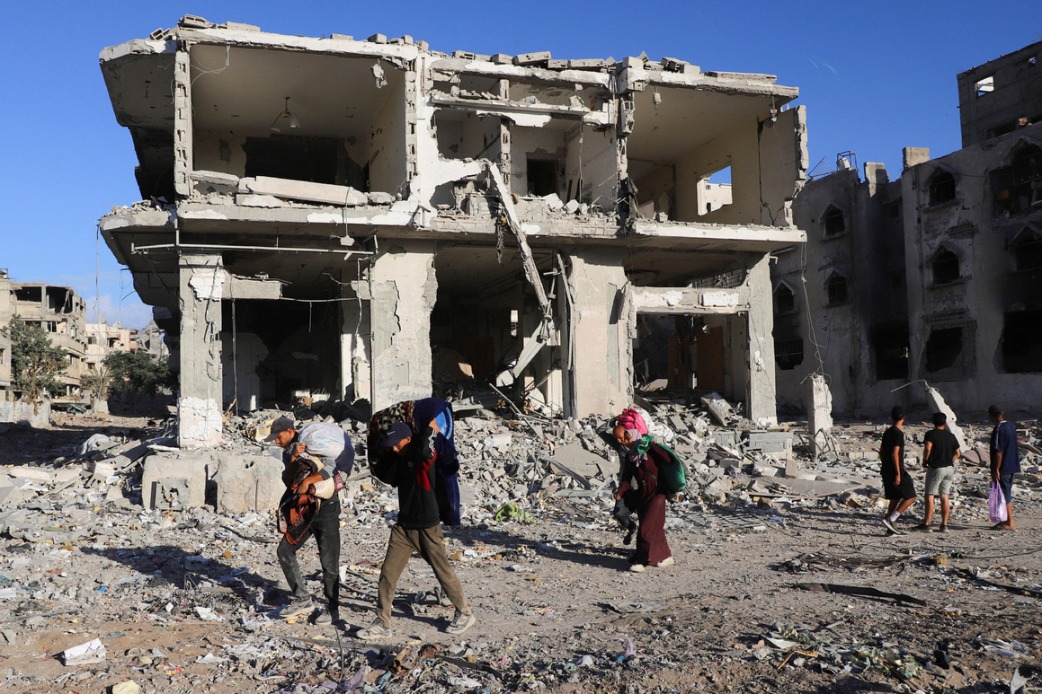
Ceasefire agreement comes into effect in Gaza: sources
A long-awaited ceasefire agreement between Israel and Hamas officially commenced in the Gaza Strip at 12:00 noon local time (0900 GMT) on Friday, October 10, 2025, according to reliable sources. The Israeli military confirmed the implementation of the truce in a concise statement, while local residents reported a noticeable calm across most areas of the coastal enclave following the announcement. This development marks the culmination of weeks of arduous negotiations, facilitated by Egypt and supported by various international stakeholders. The agreement aims to halt the recent escalation of violence that has plagued the region, offering a glimmer of hope for stability and relief to the war-torn population. Eyewitnesses described scenes of cautious optimism as Palestinians navigated the aftermath of the conflict, with many returning to damaged neighborhoods to assess the destruction. The ceasefire represents a critical step toward de-escalation, though its long-term sustainability remains uncertain as both sides cautiously monitor the situation.
-
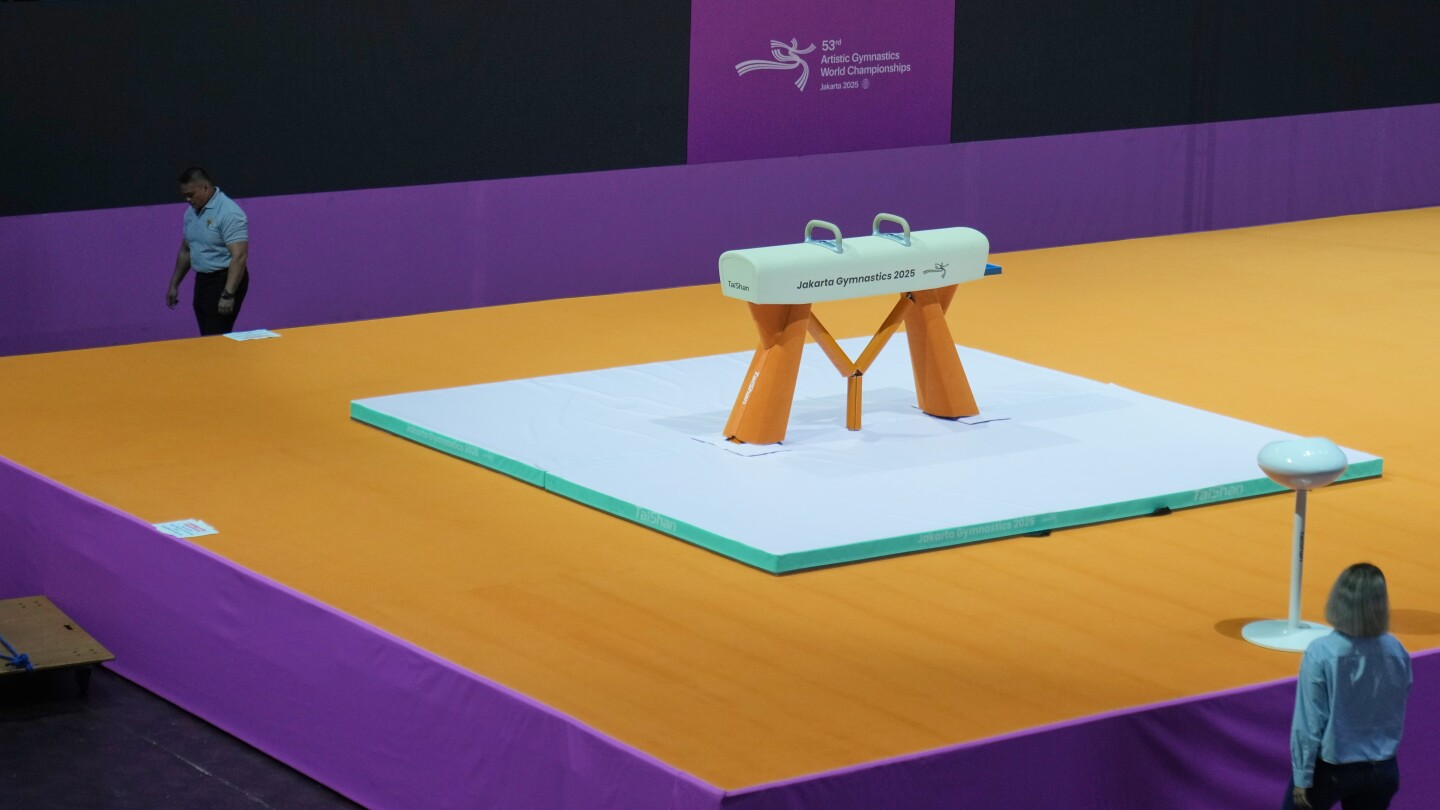
Gymnastics governing body reacts to Indonesia’s block on Israeli team at worlds in Jakarta
JAKARTA, Indonesia — The International Gymnastics Federation (FIG) issued a restrained response on Friday to Indonesia’s decision to bar Israeli athletes from participating in the upcoming World Artistic Gymnastics Championships in Jakarta. In a brief statement, the FIG acknowledged the Indonesian government’s refusal to grant visas to the Israeli delegation, citing the challenges faced by the host nation in organizing the event. Notably, the statement did not threaten to revoke Indonesia’s hosting rights, despite FIG regulations that permit such action in cases of visa denial. The FIG expressed hope for a future where athletes worldwide can compete in a safe and peaceful environment. Indonesia’s decision follows widespread opposition in the predominantly Muslim nation, which has historically supported the Palestinian cause. Israel, one of 86 registered countries, had planned to send a team led by 2020 Olympic gold medalist Artem Dolgopyat. The Israeli Gymnastics Federation had previously received assurances from Indonesian officials that their participation would be welcomed, contradicting Indonesia’s long-standing policy of excluding Israeli sports delegations. On Thursday, Indonesia’s senior law minister, Yusril Ihza Mahendra, confirmed the ban, even as Israel and Hamas agreed to a ceasefire. The Indonesian Olympic Committee and Gymnastics Federation have both expressed respect for the government’s decision, with the latter claiming FIG support. This incident highlights the growing intersection of politics and sports, as global criticism of Israel’s actions in Gaza spills into cultural and athletic arenas. Earlier this year, Indonesia lost hosting rights for the Under-20 FIFA World Cup due to similar political tensions, though it was later awarded a different youth tournament that Israel did not qualify for, reportedly due to close ties between Indonesian soccer officials and FIFA leadership.
-
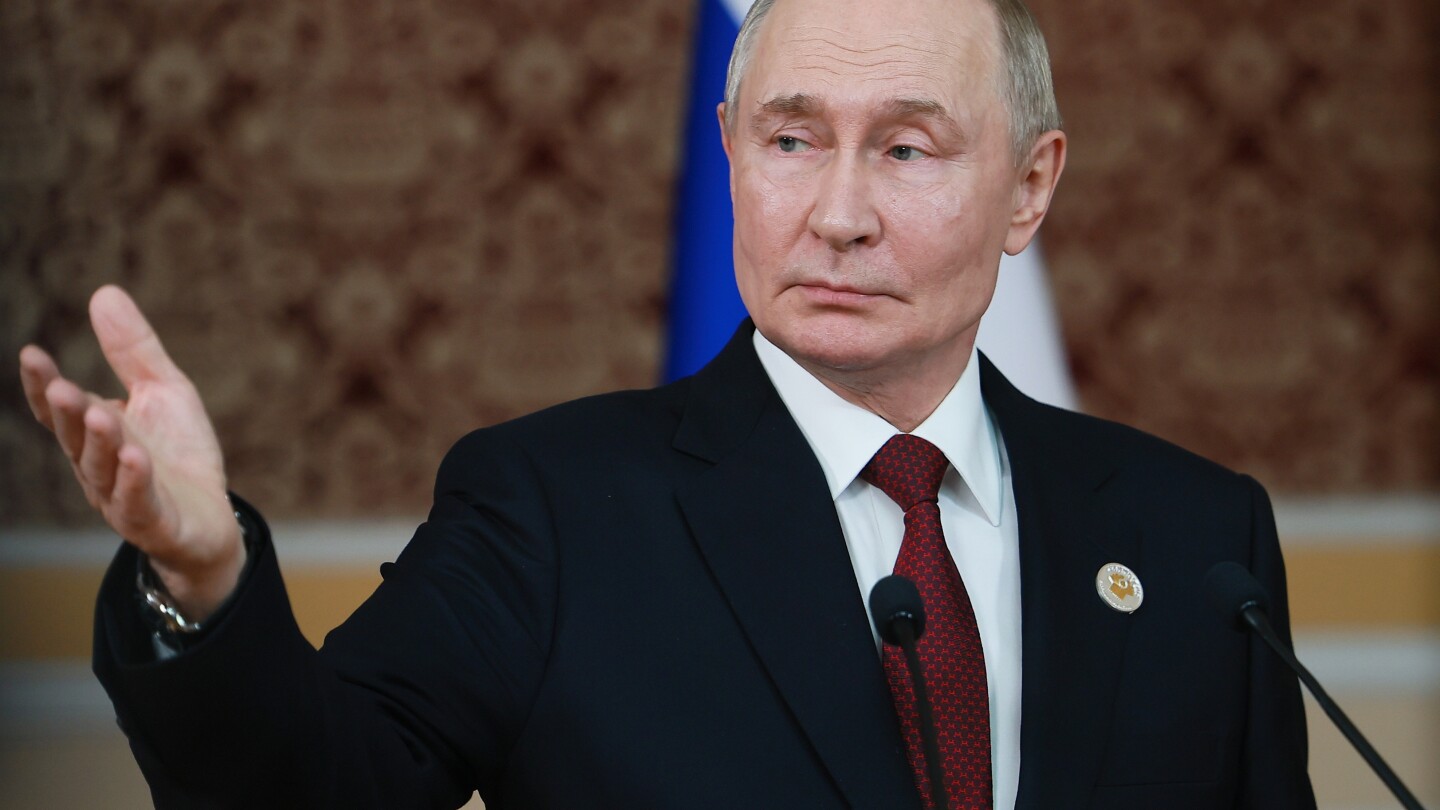
Putin praises Trump’s peace efforts despite failing to win the Nobel prize
Russian President Vladimir Putin publicly commended U.S. President Donald Trump’s peace initiatives during a summit in Dushanbe, Tajikistan, despite Trump’s failure to secure the Nobel Peace Prize. Putin highlighted Trump’s efforts to broker ceasefires in Gaza and Ukraine, describing them as significant steps toward resolving long-standing conflicts. He refrained from commenting on Venezuelan opposition leader María Corina Machado’s Nobel win but criticized the Nobel Committee for past awards to individuals he claimed contributed little to global peace. Trump expressed gratitude for Putin’s remarks on his Truth Social platform, sharing a video of the Russian leader’s comments. Putin also expressed optimism about extending the 2010 New START nuclear arms reduction treaty, which is set to expire in February. The treaty limits each country to 1,550 deployed nuclear warheads and 700 deployed missiles and bombers. Putin emphasized that while Russia is prepared to negotiate, the decision ultimately rests with the U.S. He warned that the treaty’s collapse would leave no arms control agreement between the world’s two largest nuclear powers. Belarusian President Alexander Lukashenko echoed Putin’s sentiments, calling the Nobel Committee’s decision not to award Trump the prize ‘sheer stupidity.’ Putin also revealed that he and Trump discussed potential solutions to the ongoing conflict in Ukraine during their August summit in Alaska, expressing hope for progress based on their discussions.