标签: Asia

亚洲

  • Iran will not negotiate under threat: Iranian FM

    Iran will not negotiate under threat: Iranian FM

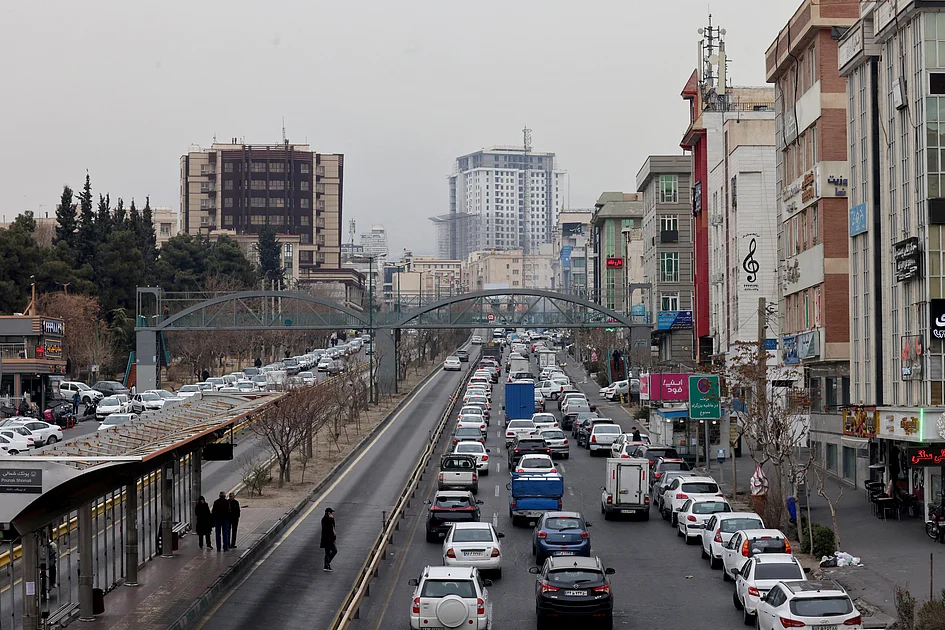
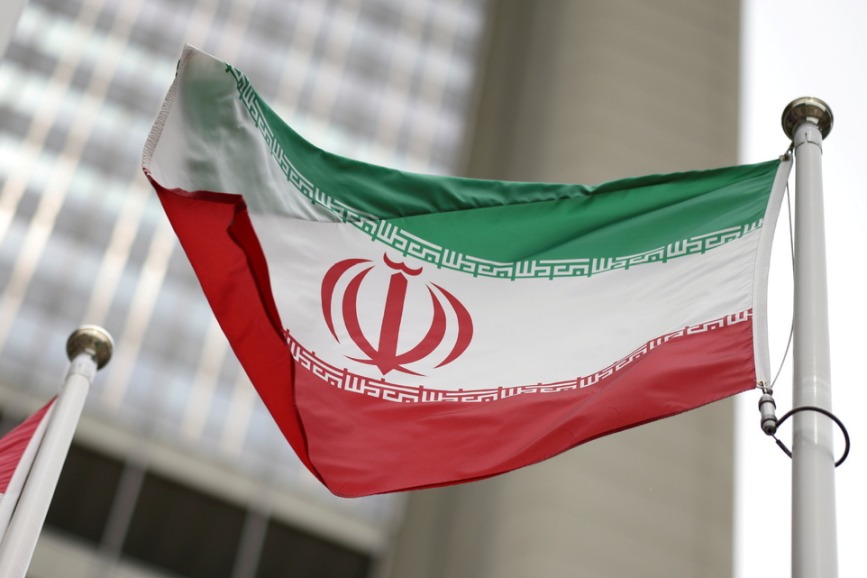
    Iranian Foreign Minister Seyed Abbas Araghchi delivered a firm stance on diplomatic engagement during his appearance in Istanbul on Friday, asserting that while Tehran remains open to dialogue, it will not enter negotiations while facing external threats.

    Addressing international relations in the region, Araghchi clarified Iran’s position: “The Islamic Republic has no inherent objection to diplomatic discussions and actively seeks peaceful resolution through dialogue. However, the foundation of any meaningful negotiation must be built on mutual respect and sovereign equality, not under the shadow of ultimatums or coercive measures.”

    The minister’s remarks come amid ongoing regional tensions and reflect Tehran’s consistent foreign policy approach that prioritizes national dignity in international dealings. Araphchi’s statement reinforces Iran’s long-standing position that productive diplomacy cannot occur when one party attempts to dictate terms through pressure tactics.

    This declaration from a senior Iranian diplomat signals the country’s continued resistance to what it perceives as Western attempts to force concessions through economic and political pressure. The Istanbul appearance provided a significant platform for Iran to communicate its diplomatic red lines to the international community.

    The foreign minister’s comments arrive at a time of complex geopolitical dynamics in the Middle East, where multiple nations are navigating delicate power balances and alliance structures. Iran’s insistence on threat-free negotiations establishes clear parameters for any future diplomatic engagements with Western powers.
  • Hunan’s smoked fish and meat arrive in time for Spring Festival

    Hunan’s smoked fish and meat arrive in time for Spring Festival

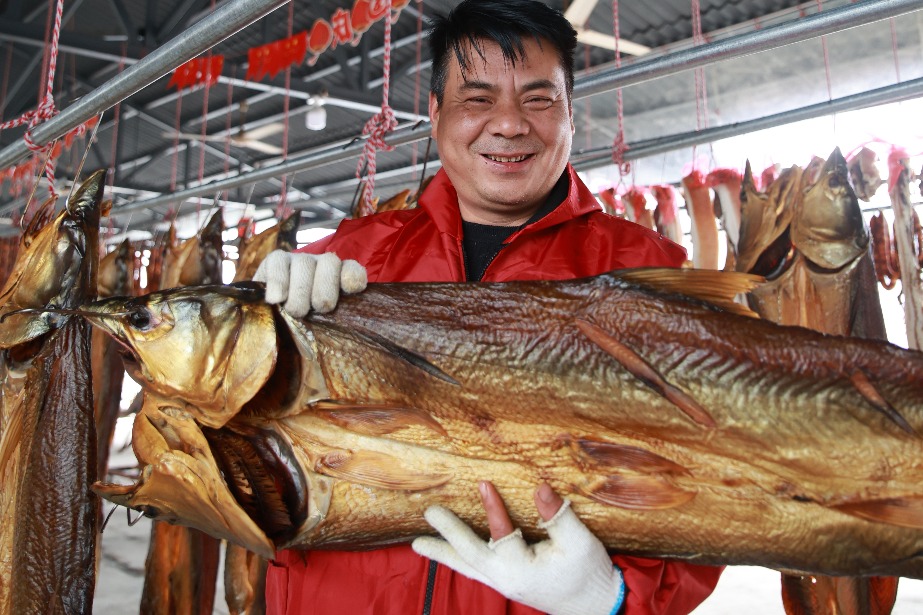
    As the Lunar New Year approaches, the air in Helonghu township of Yueyang, Hunan province becomes infused with the distinctive aroma of traditionally smoked fish and meat. In a region celebrated for its culinary heritage, artisans like 46-year-old Tan Wang are preserving generations-old techniques while meeting contemporary demand.

    For fifteen years, Tan has maintained her family’s craft in a workshop where rows of glistening smoked fish and golden-brown cured meats hang meticulously under natural light. These delicacies, prepared exclusively for Spring Festival consumption, represent both cultural tradition and economic livelihood for this Dongting Lake-adjacent community.

    The production process follows strict seasonal and methodological protocols. Commencing only after the winter solstice, artisans leverage the region’s cold, dry winds to create ideal curing conditions. Each batch undergoes a meticulous 20-day process involving precise salting, air-drying, and smoking with natural ingredients.

    “We exclusively use locally farmed fish, cured immediately after catching to preserve freshness,” Tan explained to regional media. The purification process employs only salt and baijiu (traditional Chinese liquor), deliberately avoiding modern additives or preservatives.

    Her husband Kuai Chao emphasizes the unchanging nature of their recipe: “Our smoking technique has remained identical across generations. This consistency produces the authentic color and flavor that defines our products.”

    The tradition has evolved into a significant local industry, with Helonghu township hosting nearly a thousand specialized smokehouses. Collective annual output surpasses two million kilograms, generating approximately 200 million yuan ($28.8 million) in economic value.

    Despite deep roots in tradition, producers like Tan are looking toward modernization. She expresses ambition to expand product varieties and develop online sales channels, hoping to share this cultural taste with broader audiences while maintaining artisanal integrity.

  • Turkey FM calls on US, Iran to come to negotiating table, says talks are ‘vital’

    Turkey FM calls on US, Iran to come to negotiating table, says talks are ‘vital’

    Turkish Foreign Minister Hakan Fidan has issued a compelling appeal for renewed diplomatic engagement between the United States and Iran during a high-level meeting with Iranian counterpart Abbas Araqchi in Istanbul on Friday. The top diplomat emphasized the critical importance of restarting nuclear negotiations between the two nations to alleviate mounting regional tensions.

    Fidan articulated Turkey’s firm opposition to foreign intervention in Iran while specifically addressing concerns about potential military action. The minister revealed intelligence indicating Israeli efforts to persuade Washington to launch strikes against Iranian facilities, warning that such actions would inflict ‘great harm’ on an already fragile region.

    ‘We observe Israel actively lobbying the US administration to authorize military operations against Iran,’ Fidan stated during a joint press conference. ‘We strongly hope American leadership will exercise prudent judgment and prevent this dangerous escalation from materializing.’

    The diplomatic intervention comes amid heightened tensions in the Middle East, with Turkey positioning itself as a regional mediator advocating for peaceful conflict resolution. Fidan’s remarks underscore Ankara’s strategic interest in stabilizing the region and preventing further military confrontations that could disrupt regional security and economic stability.

    This development follows recent cross-border attacks between Iran and Israel, and increasing international concern about Iran’s nuclear program. Turkey’s mediation attempt represents a significant diplomatic initiative to bridge the gap between the longstanding adversaries through dialogue rather than military action.

  • International arrivals to Guizhou skyrocket after visa-free policies

    International arrivals to Guizhou skyrocket after visa-free policies

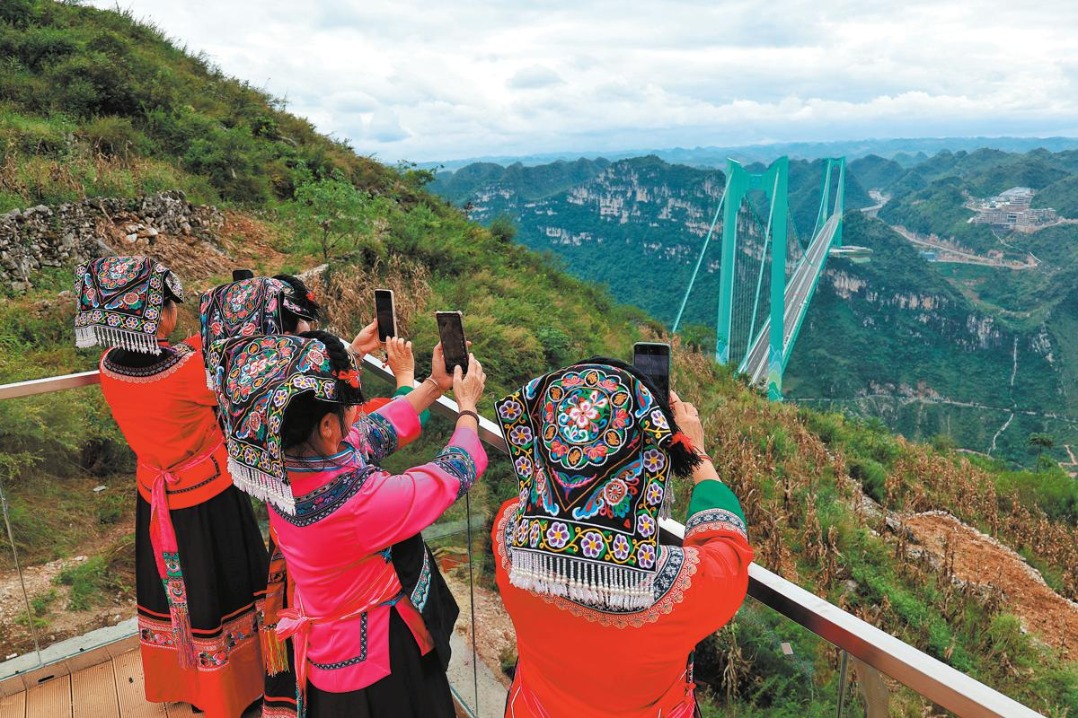
    Southwest China’s Guizhou province has experienced an extraordinary tourism boom, with international arrivals skyrocketing by 267% year-on-year throughout 2025. This remarkable growth has been primarily fueled by China’s expanded visa-free entry policies and the restoration of international air connectivity following pandemic-era restrictions.

    According to official data released by the Guizhou provincial border inspection authority, the region recorded over 74,000 foreign entries during this period. Notably, more than 29,000 of these arrivals utilized visa-exempt channels, representing a staggering 275% increase compared to the previous year.

    Yang Yujie, a representative from the Guizhou border inspection authority, identified tourism, academic pursuits, and business engagements as the primary motivations for international visitors. “We’re observing distinct patterns in travel demographics, with senior travelers, family vacation packages, and short-duration excursions emerging as dominant trends in cross-border tourism,” Yang noted.

    The statistical breakdown reveals particularly impressive growth from South Korea. During the 14-month policy implementation period beginning November 2024, Guiyang Airport welcomed over 2,000 South Korean visitors—accounting for approximately 6% of all foreign entries and marking a 46-fold increase compared to the same timeframe in the previous period. Tourism purposes motivated more than 80% of these South Korean arrivals.

    Enhanced aviation infrastructure has significantly contributed to this tourism surge. Guiyang expanded its international network in 2025 by launching two direct routes to South Korea (Incheon and Cheongju), bringing its total international passenger routes connecting to East, Southeast, and South Asia to 15 destinations.

    To accommodate the substantial increase in passenger volume, Guizhou’s border control authorities have implemented streamlined processing measures including fast-track clearance authorization systems and digital platforms for pre-submission of foreign entry vehicle documentation.

  • Doctors Without Borders: Sudan’s el-Fasher largely destroyed and empty

    Doctors Without Borders: Sudan’s el-Fasher largely destroyed and empty

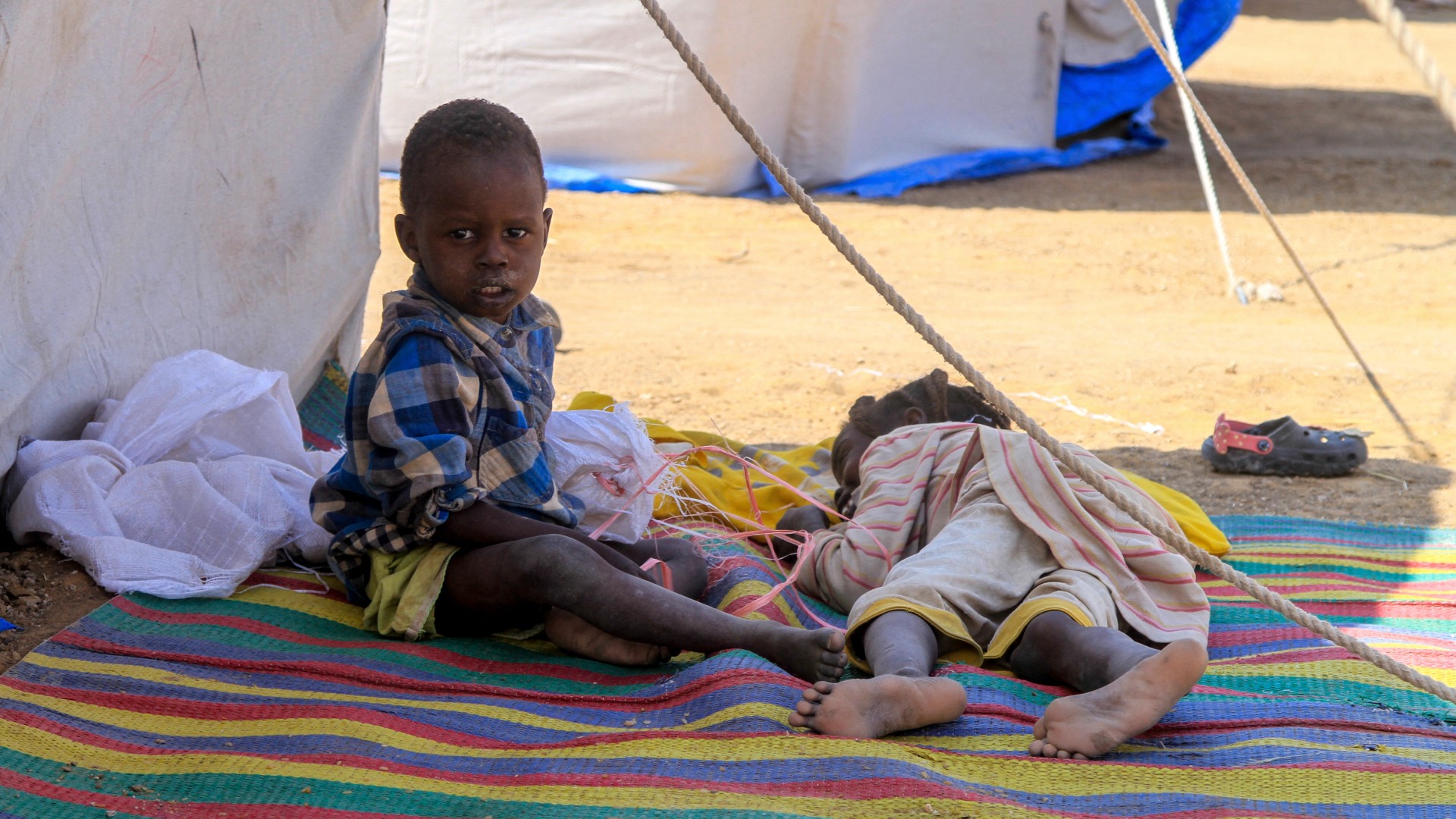
    The city of el-Fasher in Sudan’s North Darfur region has been rendered a desolate wasteland, according to Médecins Sans Frontières (MSF), which gained rare access to the area for the first time since February 2025. During a four-hour assessment on January 15, MSF personnel witnessed extensive devastation throughout the regional capital, characterizing it as ‘largely destroyed’ and ’emptied of the communities that once inhabited it.’

    The humanitarian organization reported that the city now resembles a ghost town, with minimal civilian presence remaining after the paramilitary Rapid Support Forces (RSF) captured the strategic location in October following a 550-day siege. Although MSF described the visit as too brief for comprehensive evaluation, it provided alarming evidence of the massive scale of destruction and population displacement that occurred during the military takeover.

    Survivors who managed to escape el-Fasher have provided harrowing accounts to various media and humanitarian organizations, detailing widespread atrocities including systematic massacres, mass rape incidents, and extensive looting perpetrated by RSF forces. Middle East Eye has corroborated these reports through analysis of footage showing RSF fighters specifically targeting civilians attempting to flee the conflict zone.

    The human cost of the siege has been catastrophic. Prior to the RSF offensive, approximately 260,000 residents were trapped within the city under siege conditions. Current estimates from the UN’s World Food Programme suggest between 70,000 to 100,000 individuals may remain trapped within the devastated urban center. The Yale Humanitarian Research Lab has further estimated that the RSF disposed of tens of thousands of bodies through burning or burial following their seizure of the city.

    Meanwhile, the conflict continues to expand geographically, with RSF recently launching new offensives in Sudan’s Blue Nile state, even as the Sudanese Armed Forces managed to break a two-year siege on the southern city of Dilling. The broader national conflict, which erupted in April 2023 over disputes regarding the integration of RSF into the regular military, has reportedly resulted in over 150,000 fatalities and displaced approximately 14 million people nationwide.

  • US military destroyer docks at Israel’s Eilat port, Israeli media reports

    US military destroyer docks at Israel’s Eilat port, Israeli media reports

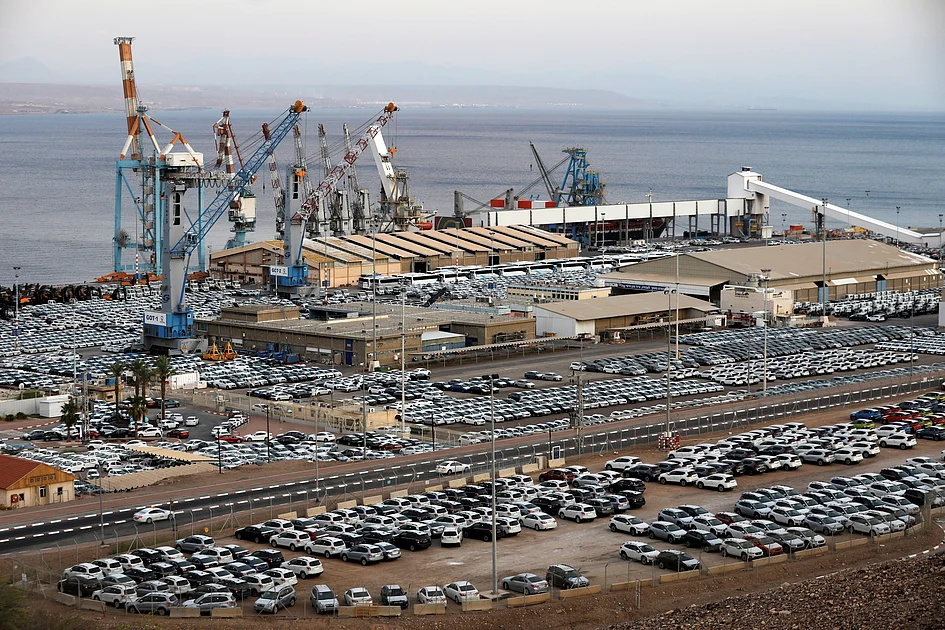
    In a significant military deployment amid heightened regional tensions, a United States Navy destroyer has arrived at the Israeli port of Eilat, according to reports from Israel’s Ynet news outlet. The vessel’s positioning on the Gulf of Aqaba places it near Israel’s strategic borders with both Egypt and Jordan.

    Israeli military sources indicated the docking was pre-coordinated as part of ongoing defense cooperation between the two allied nations, though both US Naval command and Israeli defense forces declined official commentary when approached by Reuters.

    The naval deployment coincides with contradictory signals from the Trump administration regarding Iran policy. While President Donald Trump has expressed openness to diplomatic engagement with Tehran, his administration has simultaneously bolstered military presence throughout the Middle East region.

    A US defense official, speaking on condition of anonymity due to security concerns, emphasized that operational details remain classified to ensure personnel safety. Pentagon representative Pete Hegseth affirmed military readiness to execute whatever actions the commander-in-chief might order.

    The strategic maneuvering occurs against a backdrop of escalating rhetoric. Trump has demanded Iran return to negotiations concerning its nuclear program under threat of “far harsher US action,” while Iranian leadership has vowed retaliation against American, Israeli, and allied targets if provoked. The President previously referenced an approaching “armada” destined for Iranian waters while simultaneously expressing hope that military force wouldn’t be necessary.

  • What military assets does the US have in the Middle East?

    What military assets does the US have in the Middle East?

    The United States is significantly enhancing its military posture across the Middle East as diplomatic rhetoric intensifies between Washington and Tehran. Recent declarations from the Trump administration regarding a ‘massive armada’ movement toward Iranian waters have catalyzed preparations for potential regional conflict.

    According to defense analyses, approximately 40,000 American troops are currently stationed throughout the region, distributed across at least 19 military installations. The strategic al-Udeid Air Base in Qatar serves as the tactical headquarters for US Central Command (Centcom), hosting nearly 10,000 personnel and extensive aerial assets. Bahrain maintains the US Navy’s Fifth Fleet headquarters with 9,000 troops, while Kuwait stations around 13,500 soldiers across multiple facilities including Camp Arifjan and Ali al-Salem Air Base.

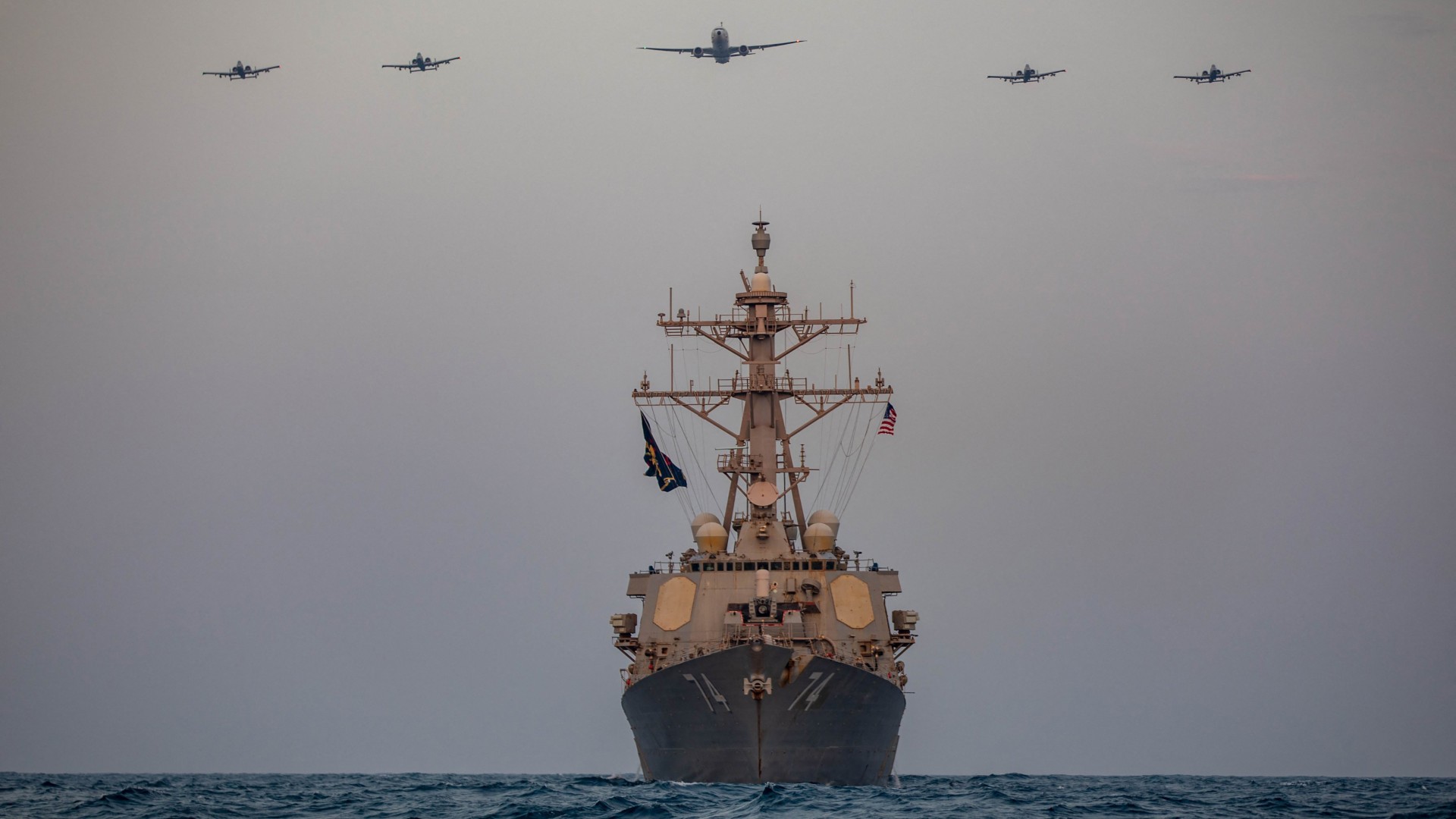
    The naval reinforcement centerpiece involves the nuclear-powered USS Abraham Lincoln carrier strike group, which has redirected from the South China Sea to the Arabian Sea. This formidable force includes Arleigh Burke-class destroyers equipped with Tomahawk cruise missiles capable of reaching deep into Iranian territory, accompanied by 5,680 crew members and multiple aircraft squadrons.

    Electronic warfare capabilities are being augmented with the deployment of RC-135W Rivet Joint surveillance aircraft to Qatar and EA-18G Growler jets transiting toward the region. Additional reinforcements include F-15 fighter squadrons at Jordan’s Muwaffaq Salti Air Base and anticipated THAAD missile defense systems.

    Regional allies exhibit cautious positioning, with both the UAE and Saudi Arabia publicly refusing permission for their territories to be used for offensive operations against Iran. Qatar, Oman, and Turkey have similarly advocated against military action, reflecting concerns about potential retaliatory measures. Iranian-aligned groups including Yemen’s Houthis and Iraqi paramilitaries have threatened counterstrikes against US bases should hostilities escalate.

    The complex geopolitical landscape underscores the delicate balance of power, where military preparedness intersects with diplomatic maneuvering across one of the world’s most volatile regions.

  • Iran says Europe to ‘suffer consequences of foolish act’ after Guards terror listing

    Iran says Europe to ‘suffer consequences of foolish act’ after Guards terror listing

    Iran’s judiciary chief Gholamhossein Mohseni Ejei issued a stark warning to European nations on Friday, declaring that the European Union would face significant repercussions for its decision to designate the Islamic Revolutionary Guard Corps (IRGC) as a terrorist organization. The strongly worded statement, broadcast through Iranian state television, characterized the EU’s action as a “hostile measure” that would not remain unanswered.

    Ejei asserted that European countries would ultimately “suffer the consequences of their foolish act,” though he provided no specific details regarding the nature or timing of Iran’s planned response. The declaration represents the first official Iranian reaction to the EU’s landmark decision, which marks a significant escalation in tensions between Iran and Western powers.

    The Islamic Revolutionary Guard Corps, established following the 1979 Islamic Revolution, serves as a critical military, political, and economic force within Iran’s power structure. The organization maintains substantial influence over Iran’s security apparatus and controls strategic economic sectors through its extensive network of affiliated enterprises.

    This development occurs against a backdrop of deteriorating relations between Iran and European nations, particularly concerning Iran’s nuclear program, regional activities, and military cooperation with Russia. The EU’s designation follows years of diplomatic pressure and represents one of the most severe international actions taken against Iran’s military establishment.

    Analysts suggest that Iran’s response could manifest through various channels, including potential escalations in regional proxy conflicts, adjustments to nuclear negotiation stances, or economic countermeasures targeting European interests. The situation underscores the continuing deterioration of EU-Iran relations and raises concerns about further destabilization in an already volatile region.

  • Labour peer who had sanctions lifted by China says it’s ‘meagre return’ for UK

    Labour peer who had sanctions lifted by China says it’s ‘meagre return’ for UK

    In a significant diplomatic development during Prime Minister Sir Keir Starmer’s landmark visit to Beijing, China has removed sanctions against seven British parliamentarians previously blacklisted for their criticism of China’s human rights record. The move marks the first prime ministerial visit to China since 2018 and represents an attempt to reset strained UK-China relations.

    Among those removed from the sanctions list is Baroness Helena Kennedy KC, a Labour peer who characterized the development as a “meagre return” on the diplomatic mission. While acknowledging the concession, Kennedy emphasized that securing the release of British citizen and media tycoon Jimmy Lai—currently imprisoned in Hong Kong under controversial national security laws—would have represented a more meaningful outcome.

    The sanctioned parliamentarians, including four sitting Conservative MPs and crossbencher Lord Alton, were originally penalized in 2021 for their vocal criticism of China’s treatment of Uyghur minorities through their association with the Inter-Parliamentary Alliance on China. The group has since criticized what they term the “selective lifting of sanctions,” maintaining that they will “take no comfort” in the decision while Lai remains imprisoned and Uyghur concerns persist.

    Prime Minister Starmer confirmed to BBC that he raised both the Lai case and Uyghur treatment during discussions with President Xi Jinping “as you would expect.” The visit yielded additional agreements, including a commitment to halve import taxes on British whisky effective next week, though details on visa-free travel arrangements for British citizens visiting China remain unresolved.

    The diplomatic reset has faced criticism from multiple quarters. Former security minister Tom Tugendhat, despite being among those removed from the sanctions list, characterized the deal as “frankly extraordinary and unbelievably bad” for Britain’s global standing. Liberal Democrat MP Wera Hobhouse, who was previously denied entry to Hong Kong under circumstances she believes were intended to silence criticism, questioned the authenticity of a reset that ignores “the existence of secret bans.”

    The UK government confirmed it has not reciprocated by lifting sanctions on any Chinese individuals, maintaining its position on human rights concerns even as it seeks to rebuild diplomatic and trade relations with Beijing.

  • Curran takes hat trick in England’s rain-hit T20 win against Sri Lanka

    Curran takes hat trick in England’s rain-hit T20 win against Sri Lanka

    In a dramatic opening to their T20 series, England secured an 11-run victory over Sri Lanka through the DLS method in a rain-interrupted match at Pallekele on Friday. The encounter was highlighted by fast bowler Sam Curran’s extraordinary hat-trick, making him only the second Englishman to achieve this feat in T20 internationals.

    The match was significantly affected by weather conditions, with Sri Lanka’s innings limited to 17 overs before they were all out for 133. England appeared to be comfortably heading toward victory when rain interrupted their chase after 15 overs, with the scoreboard reading 125-4. The Duckworth-Lewis-Stern method ultimately determined England’s winning margin.

    Curran’s performance represented a remarkable turnaround after his initial two overs proved expensive, conceding 35 runs. However, the left-arm seamer staged a spectacular recovery during his final over, claiming three consecutive wickets to complete his hat-trick and finishing with figures of 3-38. This achievement places him alongside Chris Jordan, who recorded England’s only previous men’s T20 hat-trick against the United States during the 2024 T20 World Cup.

    Sri Lanka had initially built a strong foundation, reaching 76-1 within seven overs thanks to aggressive batting from Kusal Mendis and Pathum Nissanka. However, England’s spin duo of Adil Rashid (3-19) and Liam Dawson (2-31) systematically dismantled the middle order, setting the stage for Curran’s historic final over.

    England’s chase began explosively with Phil Salt aggressively targeting the Sri Lankan bowlers, particularly Maheesh Theekshana whom he struck for 6-4-4 off the first three deliveries. Captain Jos Buttler continued the momentum with four consecutive boundaries against fast bowler Eshan Malinga.

    Despite Salt’s dominant 46 runs from 35 balls, Sri Lanka’s fielding performance proved substandard. The opener received two reprieves—dropped on 17 off Wanindu Hasaranga’s bowling and again on 41 when Nissanka failed to hold a catch off Matheesha Pathirana. Nissanka’s fielding difficulties continued as he dropped another chance that would have dismissed Harry Brook on 11.

    Tom Banton contributed a brisk 29 from 15 balls, featuring several inventive reverse-swept boundaries, while Brook remained unbeaten on 16. The three-match series serves as crucial preparation for both teams ahead of next week’s T20 World Cup in India. The teams will meet again for the second match on Sunday, followed by the series finale on Tuesday.