标签: Asia

亚洲

  • Dubai’s VARA: Regulating the future of virtual assets

    Dubai’s VARA: Regulating the future of virtual assets

    Dubai has solidified its position as a global leader in digital finance by establishing the Virtual Assets Regulatory Authority (VARA), the world’s first dedicated regulator for virtual assets. Since its inception in 2022, VARA has been at the forefront of shaping a regulatory framework that balances innovation, investor protection, and market integrity. Under the leadership of CEO Matthew White, VARA has evolved into a full-scale authority overseeing one of the most dynamic virtual asset markets globally.

    VARA’s approach is rooted in principles rather than rigid prescriptions, ensuring flexibility and clarity for market participants. The framework emphasizes activity-specific requirements, data-driven supervision, and global alignment. White highlights the importance of leveraging technology-enabled supervision, scaling innovation through sandboxes, and fostering cross-border cooperation. Collaborations with entities like the UAE Securities and Commodities Authority further strengthen Dubai’s unified national framework.

    Innovation remains a cornerstone of VARA’s strategy, but not at the expense of accountability. White asserts that compliance and innovation are complementary, benefiting investors, consumers, and innovators alike. The authority’s principles-based framework sets clear guardrails while allowing Virtual Asset Service Providers (VASPs) the flexibility to meet standards. Strict enforcement mechanisms, including fines up to Dh10 million, underscore VARA’s commitment to compliance.

    Engagement with the industry is central to VARA’s operations. Regular consultations with VASPs, tech experts, and investors ensure that regulations remain relevant and effective. Workshops and participation in major events like GITEX and TOKEN2049 further enhance VARA’s connection with the ecosystem. Dubai’s appeal as a virtual asset hub is bolstered by its world-class infrastructure, business-friendly policies, and lifestyle advantages, attracting institutional investors and major players in the industry.

    VARA is also pioneering the tokenization of real-world assets and exploring AI-powered Web3 platforms. The Dubai Land Department’s Property Token Ownership Certificate exemplifies this shift, linking tokenized assets to the land registry. Successful projects, such as Prypco Mint’s tokenized real estate, demonstrate the potential of these innovations. Additionally, VARA’s Pilot Framework allows for the safe testing of new products, ensuring responsible innovation.

    Looking ahead, VARA is preparing for the next generation of digital assets, focusing on robust governance and tech oversight. The Technology & Information Rulebook ensures firms meet stringent cybersecurity and data protection standards. White envisions Dubai as a global hub for virtual assets, driving economic growth, creating jobs, and competing on the international stage.
  • Hamas launches Gaza crackdown as Trump vows to disarm group

    Hamas launches Gaza crackdown as Trump vows to disarm group

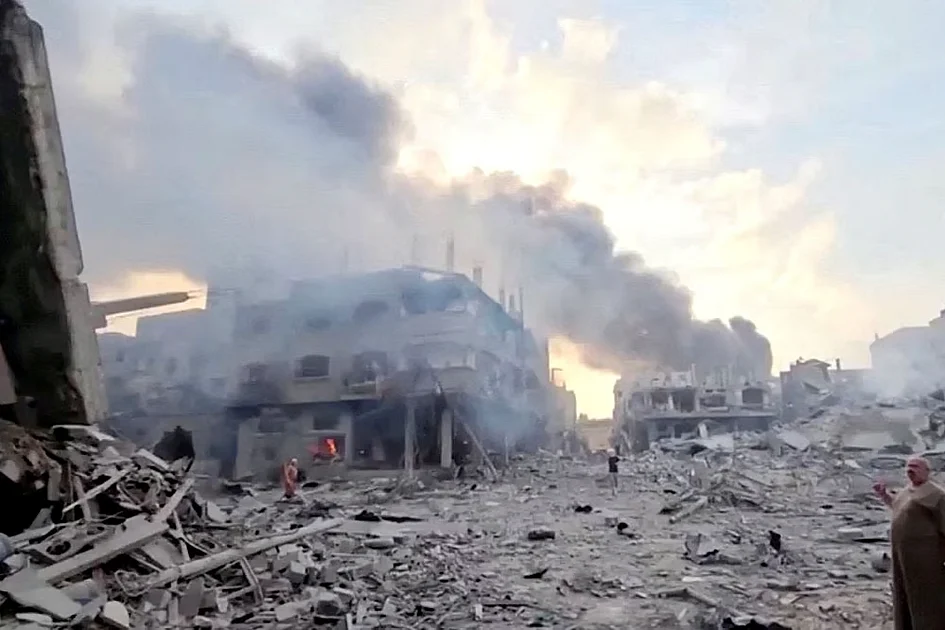
    In a dramatic escalation of tensions, Hamas has tightened its control over Gaza, launching a severe crackdown on alleged collaborators and outlaws. The group released a video on its official channel depicting the street execution of eight blindfolded and kneeling suspects, branding them as traitors. This comes as US President Donald Trump vowed to disarm Hamas, emphasizing a swift and potentially violent approach if the group fails to comply. The executions occurred amidst ongoing armed clashes between Hamas security units and Palestinian clans, even as a US-brokered truce with Israel entered its fifth day. Meanwhile, Israeli forces withdrew from Gaza City, and Hamas’s black-masked police resumed patrols, aiming to restore order. Trump’s 20-point plan, endorsed by world powers, calls for Gaza’s demilitarization and excludes Hamas from any future leadership role. For many Palestinians, the presence of Hamas forces has brought a sense of security after the recent conflict. However, Israeli families continue to demand the return of the remains of deceased hostages still held in Gaza. The military has identified some of the returned bodies, including Israeli nationals and a Nepalese student, as families seek closure. In Tel Aviv, celebrations for the release of living hostages were tempered by concerns over the unresolved fate of the deceased.

  • Afghanistan says more than a dozen civilians killed in renewed border fighting with Pakistan

    Afghanistan says more than a dozen civilians killed in renewed border fighting with Pakistan

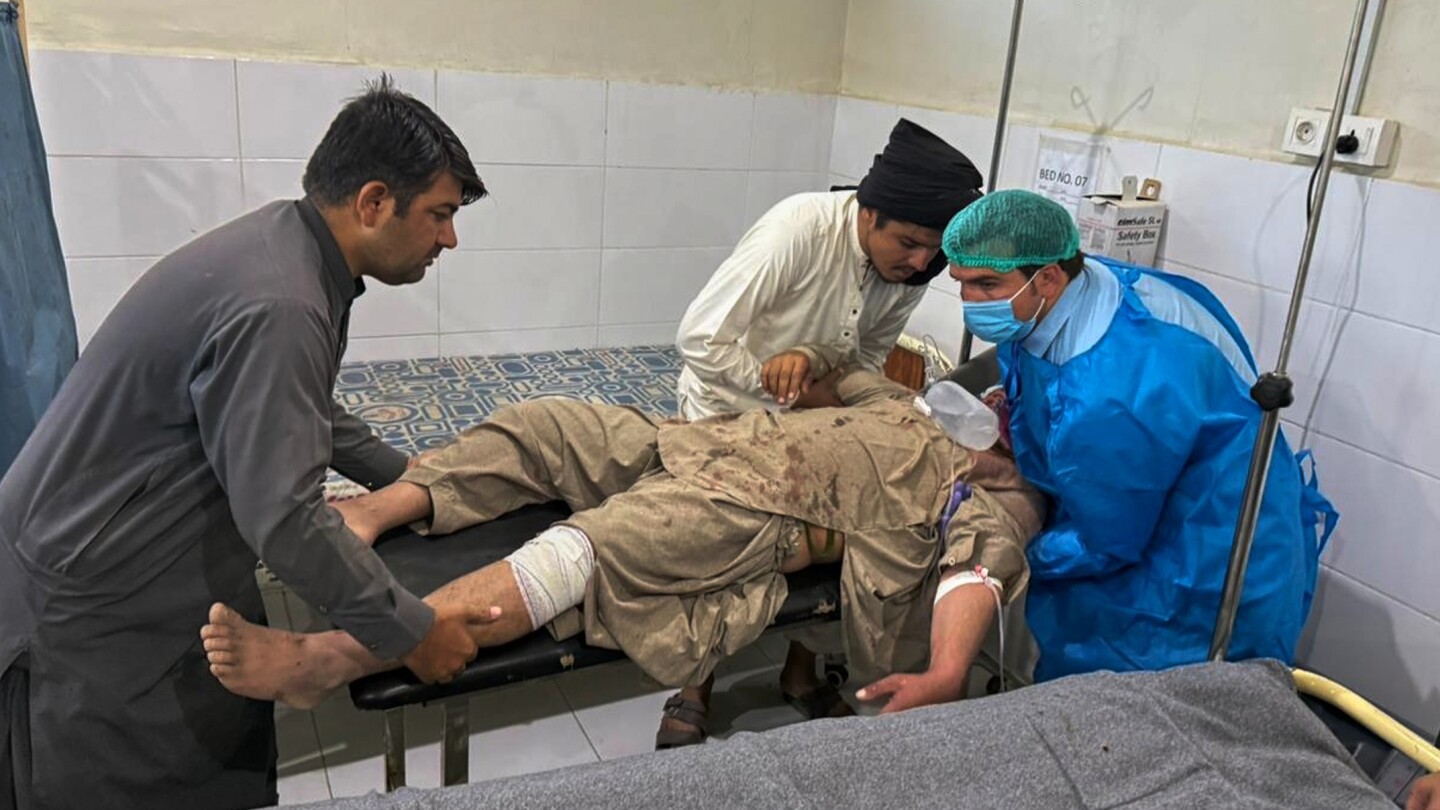
    Tensions between Pakistan and Afghanistan have escalated into deadly border clashes, resulting in significant civilian casualties and widespread destruction. Early Wednesday, renewed fighting erupted along the shared border near the village of Chaman, leaving more than a dozen Afghan civilians dead and over 100 wounded, according to officials from both nations. The violence follows days of cross-border shelling that began on Saturday, with both sides reporting military casualties. Afghanistan claims to have killed 58 Pakistani soldiers in retaliation for alleged violations of its territory and airspace, while Pakistan’s military reported 23 troop fatalities. The clashes, concentrated in the Kurram district of Pakistan’s Khyber Pakhtunkhwa province and Afghanistan’s Spin Boldak district, involved heavy artillery and mortar fire. Pakistan’s state media accused Afghan troops of initiating “unprovoked fire,” while Afghanistan’s Taliban government countered that Pakistan used light and heavy weapons in its assaults. Zabihullah Mujahid, the Taliban’s chief spokesman, claimed Afghan forces retaliated by killing several Pakistani soldiers, seizing military posts, and capturing weapons, including tanks. Pakistan’s military denied these claims, stating that the attacks were orchestrated by the Afghan Taliban and resulted in the deaths of 15 to 20 Taliban fighters. The fighting has displaced civilians near the border, with reports of families evacuating their homes to escape the violence. Despite temporary ceasefires brokered by Saudi Arabia and Qatar over the weekend, border crossings remain closed, and the situation remains volatile. The clashes highlight the deep-seated mistrust between the two nations, with Pakistan accusing the Taliban government of harboring the Tehreek-e-Taliban Pakistan (TTP), a militant group responsible for numerous attacks within Pakistan. Kabul denies these allegations, insisting it does not allow its territory to be used against other countries. The ongoing conflict underscores the fragile security dynamics in the region and the urgent need for diplomatic intervention to prevent further escalation.

  • Indonesia’s Lewotobi Laki Laki volcano unleashes new burst of hot ash

    Indonesia’s Lewotobi Laki Laki volcano unleashes new burst of hot ash

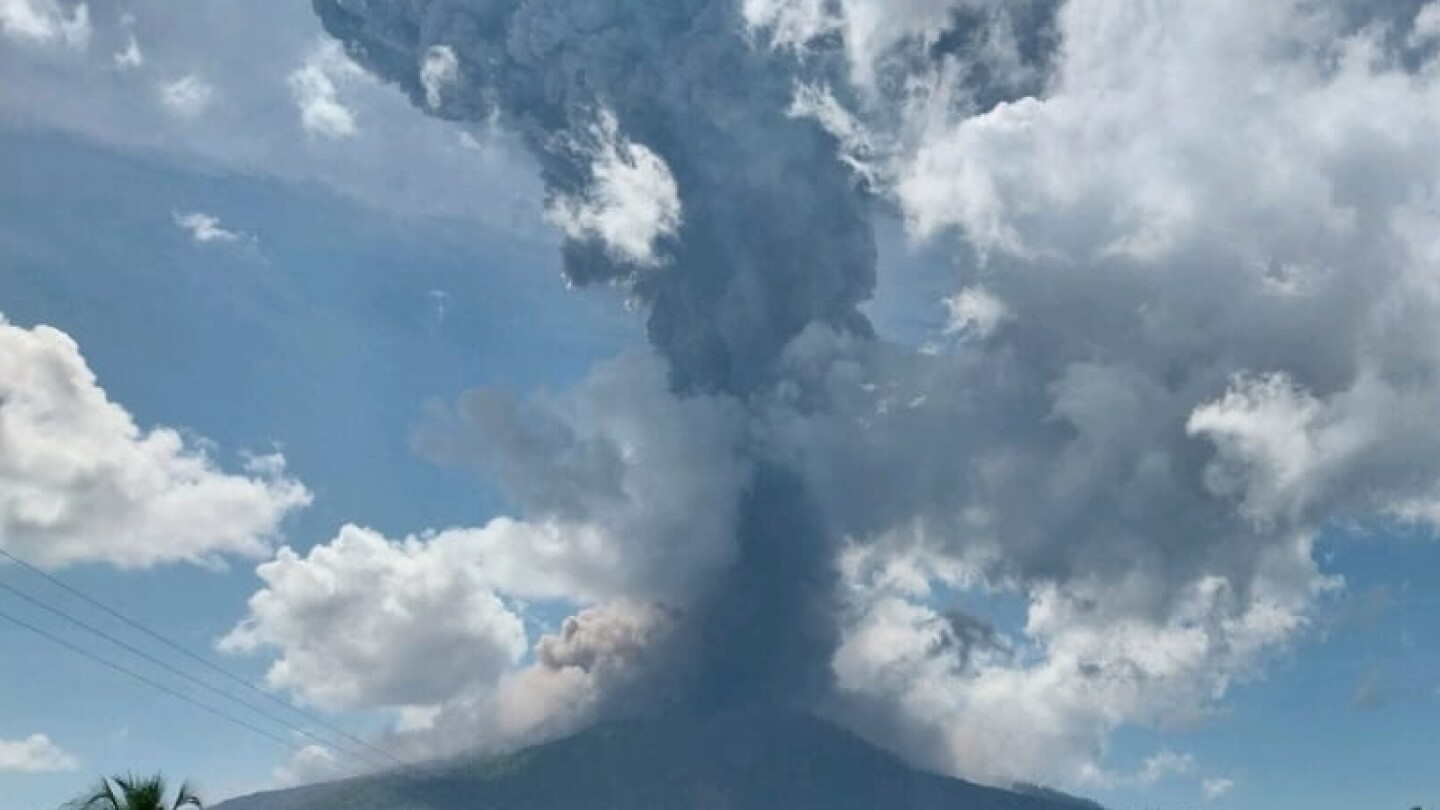
    JAKARTA, Indonesia — Mount Lewotobi Laki Laki, one of Indonesia’s most active volcanoes, erupted for the second consecutive day on Wednesday, releasing massive plumes of hot ash that covered nearby villages. Authorities have not reported any casualties so far. According to Indonesia’s Geology Agency, the first eruption occurred in the early morning, propelling lava and ash clouds up to 10 kilometers (6 miles) into the sky. A subsequent eruption less than nine hours later produced a mushroom-shaped ash column reaching 8 kilometers (nearly 5 miles) high. The volcano, located on Flores Island, had already erupted three times on Tuesday, with avalanches of scorching gas, rocks, and lava cascading down its slopes. The third eruption illuminated the night sky with glowing lava and lightning. Hadi Wijaya, head of the Center for Volcanology and Geological Disaster Mitigation, reported that several villages were blanketed in ash and debris. He also cautioned residents to remain alert for heavy rainfall, which could trigger dangerous lava flows in rivers originating from the volcano. Standing at 1,584 meters (5,197 feet), Mount Lewotobi Laki Laki has been under the highest alert level since its eruption on June 18. An exclusion zone of 7 kilometers (4.3 miles) from the crater has been established due to increasing volcanic activity. The volcano’s major eruption in November 2024 resulted in nine fatalities and dozens of injuries, with another eruption occurring in March of this year. Indonesia, home to over 280 million people, is part of the seismically active ‘Ring of Fire,’ a horseshoe-shaped zone encircling the Pacific Basin, and boasts 120 active volcanoes.

  • New Zealand official says Pacific nations threatened by great power contest over deep sea minerals

    New Zealand official says Pacific nations threatened by great power contest over deep sea minerals

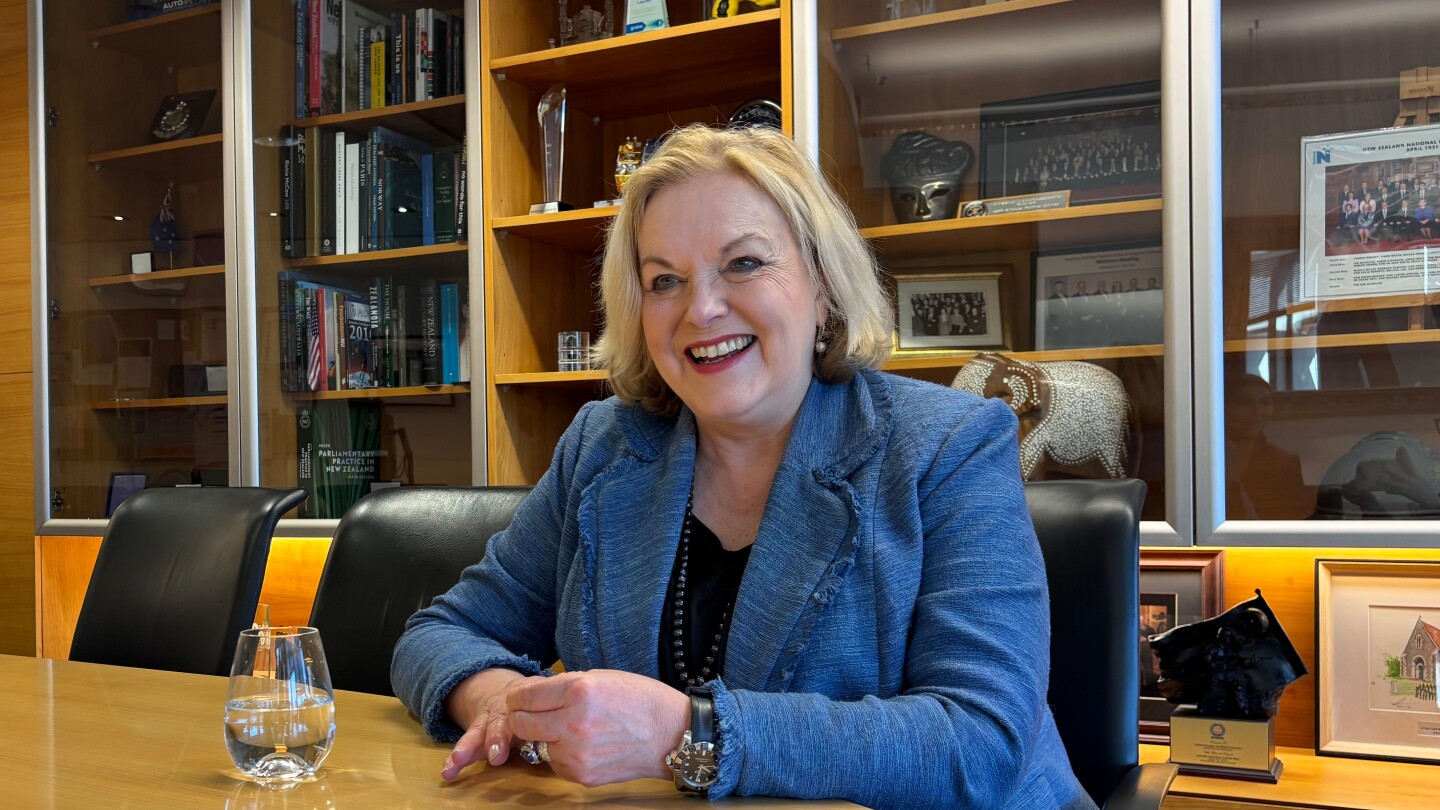
    New Zealand’s Defense Minister Judith Collins has raised concerns over the increasing pressure faced by small South Pacific nations due to great power competition for their rare minerals and fisheries wealth. In an interview with The Associated Press, Collins emphasized the need for regional neighbors to take more action to protect the sovereignty of these island nations. Collins, who also oversees New Zealand’s intelligence and space sectors, made these remarks ahead of her visit to Washington D.C., where she is set to meet with Trump administration officials, including Secretary of War Pete Hegseth and Secretary of Homeland Security Kristi Noem.

  • India top court allows less-polluting crackers even as Delhi air turns toxic

    India top court allows less-polluting crackers even as Delhi air turns toxic

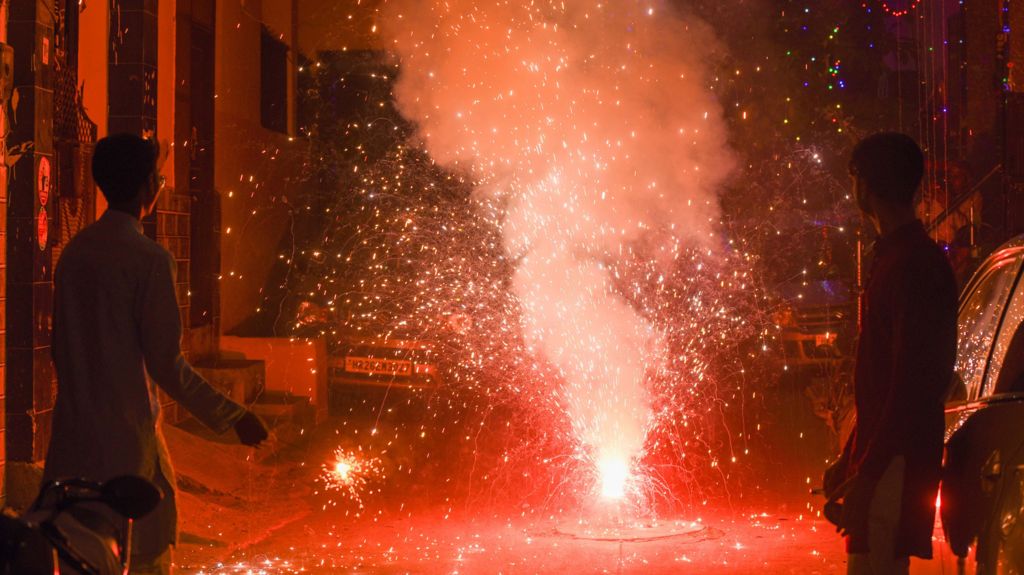
    As Delhi’s air quality plunges into the ‘very poor’ category, India’s Supreme Court has permitted the sale and use of ‘green firecrackers’ during the upcoming Diwali festival. These firecrackers, designed to emit 20-30% fewer pollutants and produce minimal ash, are seen as a compromise between tradition and environmental concerns. However, critics argue that even these less harmful alternatives release toxic substances, exacerbating the city’s already dire pollution levels. On Wednesday, Delhi’s air quality was 25-30 times worse than the World Health Organization’s safe limits, with PM2.5 levels in some areas exceeding 400, a threshold that poses severe health risks. The court’s decision, which includes strict guidelines on the sale and use of firecrackers, has sparked mixed reactions. While some welcome the opportunity to celebrate Diwali fully, others fear weak enforcement will worsen the pollution crisis. Meanwhile, the Delhi government has activated the Graded Response Action Plan (GRAP) to combat rising pollution, banning coal, firewood, and non-essential diesel generators. As winter approaches, Delhi faces its annual pollution battle, with Diwali’s firecrackers adding to the challenge.

  • Australia’s highest court rejects Candace Owens’ visa challenge

    Australia’s highest court rejects Candace Owens’ visa challenge

    In a landmark decision, Australia’s High Court has upheld the government’s refusal to grant a visa to U.S. conservative commentator Candace Owens, citing concerns over her potential to incite discord within the country. The unanimous ruling by three judges on Wednesday dismissed Owens’ legal challenge against Home Affairs Minister Tony Burke’s decision last year to deny her entry on character grounds. Owens, known for her controversial and conspiratorial views, had planned a speaking tour in Australia and New Zealand in November 2023. Burke invoked the Migration Act in October 2023, determining that Owens failed the ‘character test’ due to her history of making extremist and inflammatory remarks targeting Muslim, Black, Jewish, and LGBTQIA+ communities. The court documents revealed Burke’s assessment that her presence could pose a risk to national interests by fostering division. Owens’ legal team argued that the Migration Act infringed upon Australia’s implied freedom of political communication, a claim the judges rejected. The court also ordered Owens to cover the government’s legal costs. While Owens’ spokesperson indicated she would address the decision on social media, her plans to visit New Zealand remain unclear. Notably, New Zealand initially denied her visa in November 2023, citing Australia’s rejection, but later reversed the decision in December, emphasizing the value of free speech. This case underscores Australia’s stringent visa policies, which have also been applied to other high-profile figures, such as rapper Ye (formerly Kanye West), whose visa was revoked earlier this year.

  • China, US clash in global shipping after chip and tariff wars

    China, US clash in global shipping after chip and tariff wars

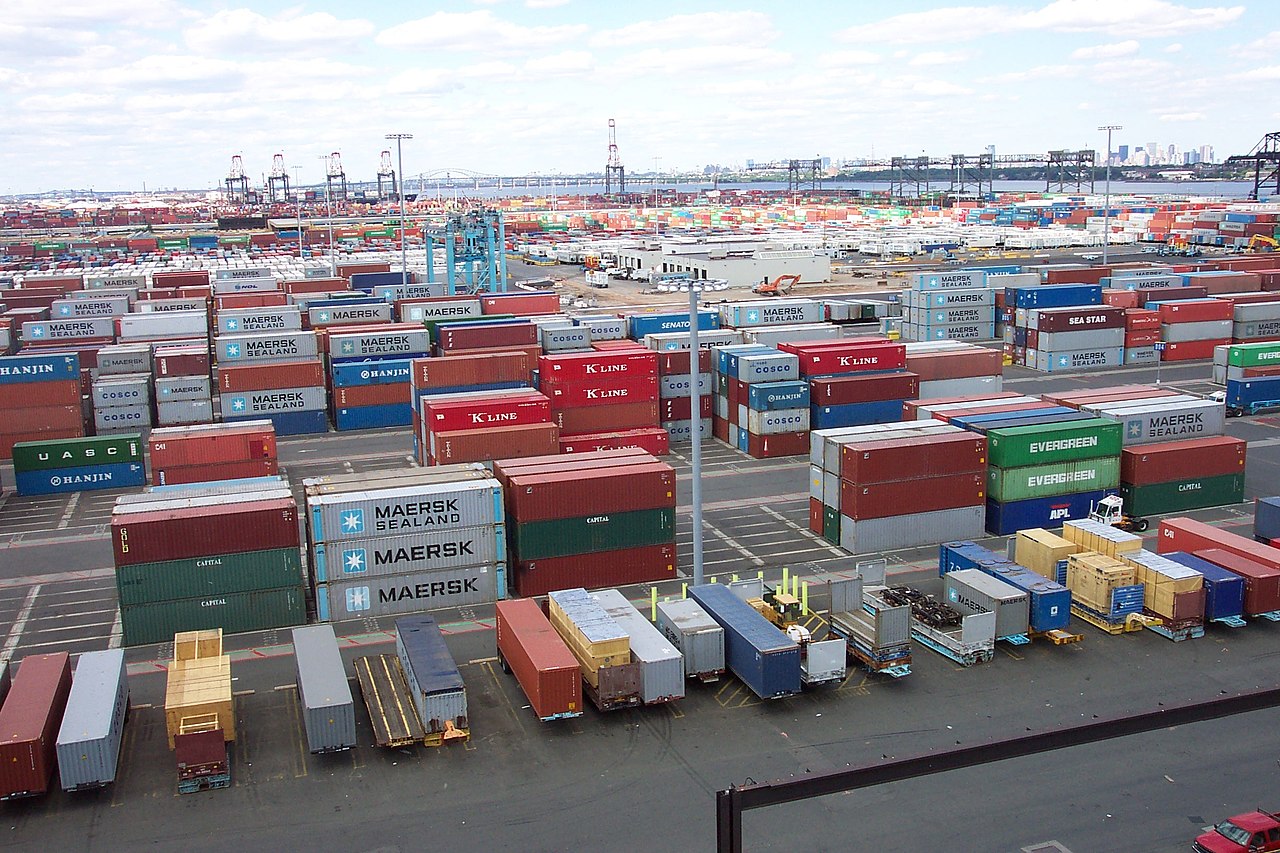
    In a significant escalation of trade tensions, China has announced retaliatory measures against the United States’ newly imposed port fees. The Chinese Commerce Ministry revealed on Tuesday that it would levy a special port-entry charge of 400 yuan ($56) per net ton on US-linked container ships. This rate is set to increase annually, reaching 1,120 yuan by April 17, 2028. Additionally, China has sanctioned five US-related subsidiaries of South Korea’s Hanwha Ocean, accusing them of aiding US investigations into China’s maritime and shipbuilding sectors, which Beijing claims undermines its sovereignty and development interests. The sanctions prohibit Chinese entities from engaging in transactions or cooperation with the listed firms. A spokesperson for the Chinese Commerce Ministry emphasized that while China is open to dialogue, it is prepared to defend its interests if necessary. The spokesperson also criticized the US for its approach, stating that negotiations should not be conducted under threats or intimidation. This development comes ahead of a potential meeting between Chinese President Xi Jinping and US President Donald Trump at the APEC Summit in Seoul later this month. The US had previously imposed fees on Chinese ships entering its ports, citing unfair trade practices. China’s new measures are seen as a direct response to these actions, further straining bilateral relations. The situation underscores the growing rivalry between the two nations in the global trade and maritime sectors, with both sides taking increasingly assertive stances to protect their economic interests.

  • China seizes 60,000 maps for ‘mislabelling’ Taiwan

    China seizes 60,000 maps for ‘mislabelling’ Taiwan

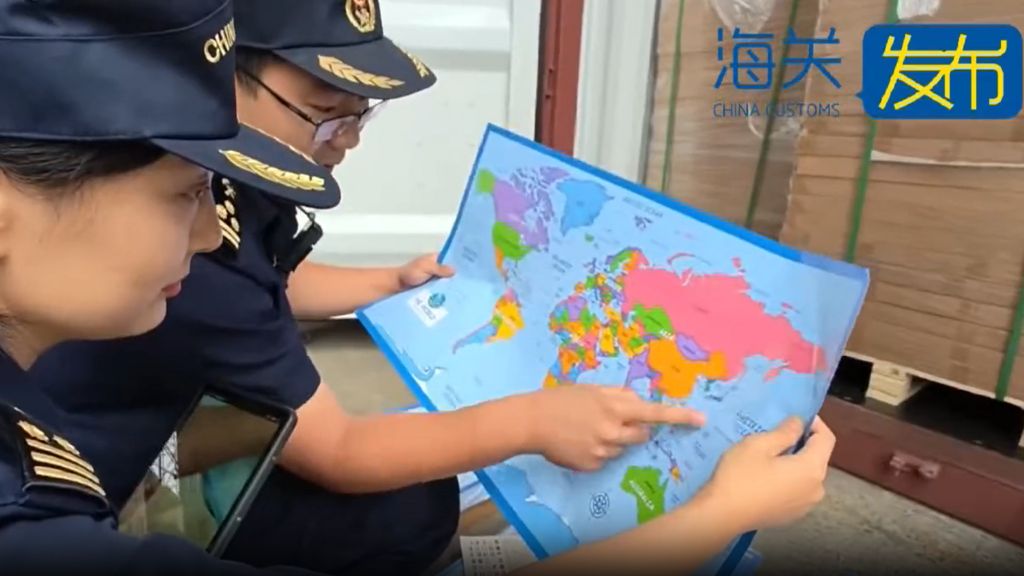
    Chinese customs authorities in Shandong province have intercepted a significant shipment of 60,000 maps destined for export, citing serious concerns over national sovereignty and territorial integrity. The maps were deemed ‘problematic’ due to their mislabelling of Taiwan, which China claims as an integral part of its territory, and the omission of key islands in the South China Sea. Beijing’s claims in the South China Sea overlap with those of neighboring countries, including the Philippines and Vietnam, making cartographic accuracy a highly sensitive issue. The seized maps also failed to include the controversial nine-dash line, which demarcates China’s expansive claims over nearly the entire South China Sea, as well as the maritime boundary between China and Japan. Authorities emphasized that such maps ‘endanger national unity, sovereignty, and territorial integrity,’ rendering them unfit for sale. This incident underscores the heightened tensions in the region, particularly following recent confrontations between Chinese and Philippine vessels in the South China Sea. The Philippines accused a Chinese ship of ramming and firing a water cannon at a Philippine government vessel, while Beijing claimed the incident occurred after repeated warnings were ignored. The confiscation of ‘problematic maps’ is not unprecedented, but the scale of this seizure is notable. Earlier this year, customs officers in Qingdao and Hebei provinces also intercepted similar shipments containing errors in national borders and territorial depictions. The sensitivity surrounding maps in the region was further highlighted by the 2023 Barbie movie, which faced bans and censorship in Vietnam and the Philippines for depicting the nine-dash line. China Customs did not disclose the intended destination of the seized maps, but the incident reflects Beijing’s unwavering stance on territorial issues and its commitment to enforcing strict standards on cartographic representations.

  • US soybean farmers are dangerously overdependent on China

    US soybean farmers are dangerously overdependent on China

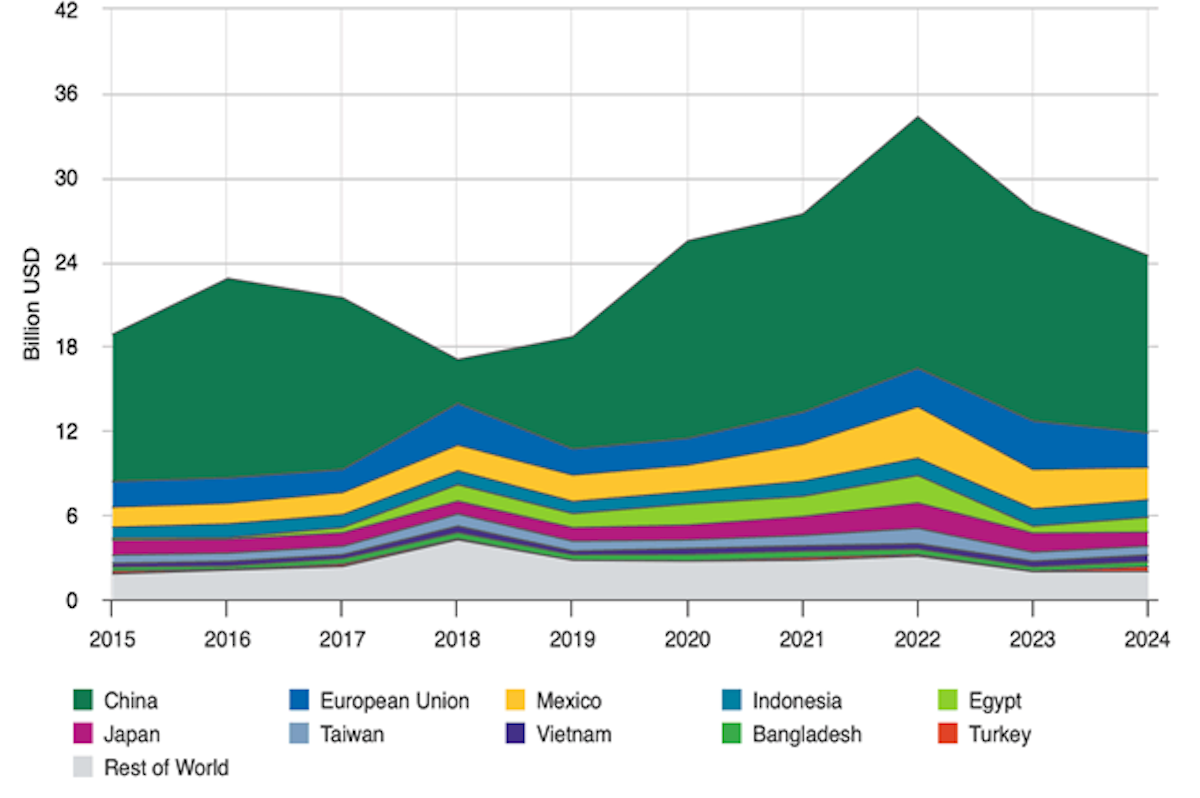
    In 2003, during my early days at DTN/The Progressive Farmer, I was invited to speak about China at a farmers’ meeting in Iowa. Though not an expert on Chinese agriculture, my 17 years living and working in Tokyo and Hong Kong allowed me to witness China’s extraordinary economic growth. I confidently declared, ‘China is the difference between $5 soybeans and $10 soybeans.’ This prediction proved accurate, as US soybean exports to China doubled in the following years, with prices soaring to $9–$15 per bushel. For decades, China has been the largest overseas buyer of US soybeans, accounting for over half of American exports in 2024, far surpassing the European Union’s 10% share. However, the trade war initiated by President Donald Trump in 2018 disrupted this relationship, prompting China to increasingly turn to Brazil as its primary supplier. Despite this shift, China continued to purchase significant quantities of US soybeans—until 2024. This year, China has drastically reduced its imports, buying only 200 million bushels in the first eight months, compared to 1 billion during the same period in 2023. In recent months, imports have dropped to zero. The American Soybean Association’s president, Caleb Ragland, expressed concern, stating, ‘The farm economy is suffering while our competitors supplant the United States in the biggest soybean import market in the world.’ While some analysts predict a potential rebound in Chinese purchases, the ongoing trade tensions, including Trump’s imposition of 100% tariffs on Chinese goods, cast doubt on this possibility. The situation underscores the urgent need for US farmers to diversify their markets and reduce reliance on China. Meanwhile, China is actively expanding its domestic soybean production and investing in alternative suppliers like Brazil and Russia. For US farmers, the loss of China as a major buyer is a stark reminder of the risks of overdependence on a single market. Developing new domestic and international markets is essential to ensure long-term stability and growth in the soybean industry.