标签: Asia

亚洲

  • Chinese Communist Party expels top generals in sweeping military crackdown

    Chinese Communist Party expels top generals in sweeping military crackdown

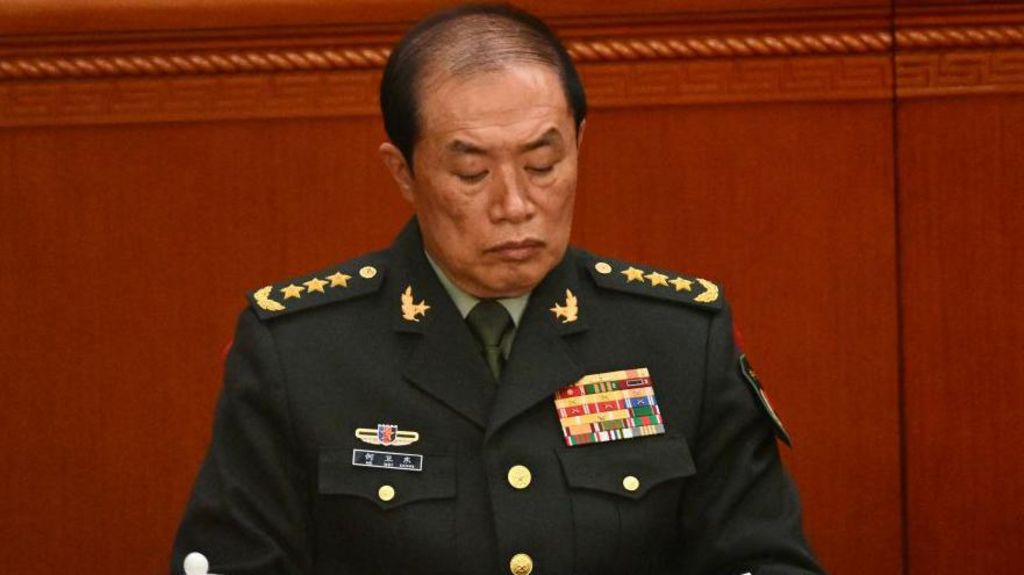
    In a sweeping move, the Chinese Communist Party has expelled nine high-ranking military officials, marking one of the most significant public crackdowns on the military in decades. The expelled generals, including He Weidong, the Vice-Chairman of the Central Military Commission (CMC), were accused of serious financial crimes and violations of party discipline. The announcement, made by China’s defense ministry, described the offenses as involving ‘an extremely large amount of money, of extremely serious nature, and with extremely detrimental consequences.’

    He Weidong, who was also a member of the Politburo, the party’s apex decision-making body, is the first serving Politburo member to be investigated. His prolonged absence from public view since March had fueled speculation about his involvement in the ongoing purge. The other expelled officials include Miao Hua, director of the CMC’s political work department, and Wang Houbin, commander of the Rocket Forces, among others.

    The expulsions come on the eve of the party’s Fourth Plenum, where the Central Committee will discuss economic development plans and vote in new members. Analysts suggest that while the crackdown is framed as part of an anti-corruption campaign, it also serves as a political purge to consolidate power and eliminate dissent within the military. The CMC had previously signaled its intent to root out ‘toxic influence’ and enforce ‘iron rules’ for cadres.

    This purge follows smaller-scale removals of military officials in recent years, including former defense ministers Wei Fenghe and Li Shangfu. The Rocket Forces, in particular, have seen significant leadership changes. The expulsion of civilian officials, such as former foreign minister Qin Gang, further underscores the breadth of the campaign.

    Neil Thomas, a fellow in Chinese politics at the Asia Society Policy Institute, noted that President Xi Jinping’s purges aim to project strength and discipline. However, he cautioned that such measures could stifle initiative and make governance more rigid. The upcoming plenum will be closely watched for signs of the purge’s extent, with attendance levels serving as a key indicator.
  • Japan’s former PM Tomiichi Murayama, famous for WW2 apology, dies aged 101: reports

    Japan’s former PM Tomiichi Murayama, famous for WW2 apology, dies aged 101: reports

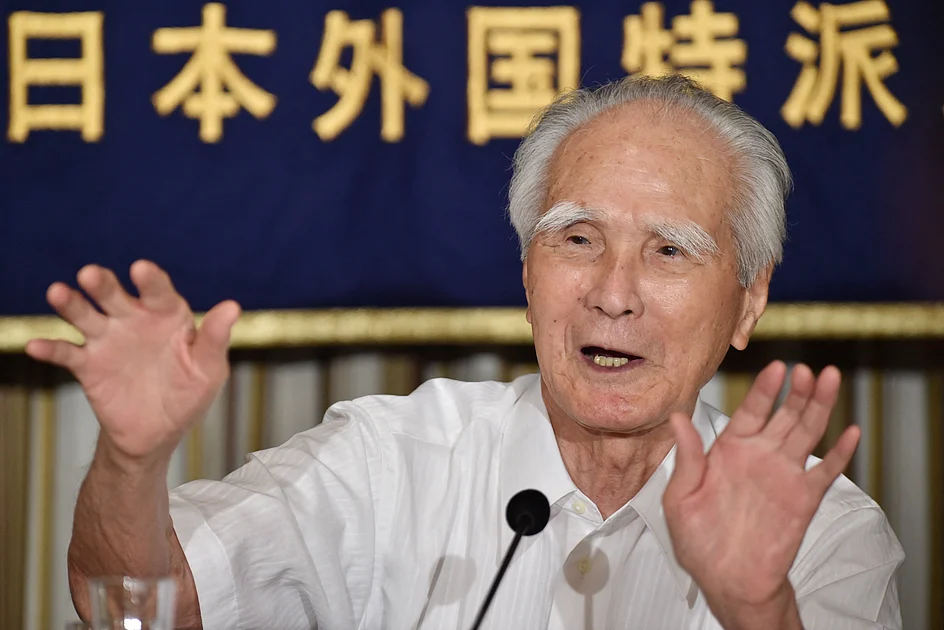
    Tomiichi Murayama, the former Prime Minister of Japan renowned for his landmark 1995 apology addressing Japan’s wartime atrocities during World War II, has passed away at the age of 101, according to media reports. Murayama, who served as Japan’s leader from 1994 to 1996, delivered the historic statement on the 50th anniversary of Japan’s surrender in WWII, expressing “deep remorse” for the nation’s actions in Asia. His apology, often referred to as the Murayama Statement, marked a significant moment in Japan’s post-war reconciliation efforts and was widely regarded as a pivotal step in addressing historical grievances with neighboring countries. Murayama’s legacy remains deeply intertwined with his commitment to peace and his efforts to foster better relations with Asian nations affected by Japan’s wartime aggression. His passing has reignited discussions about the importance of acknowledging historical truths and the ongoing need for reconciliation in the region.

  • Former Japanese prime minister Tomiichi Murayama dies at age of 101

    Former Japanese prime minister Tomiichi Murayama dies at age of 101

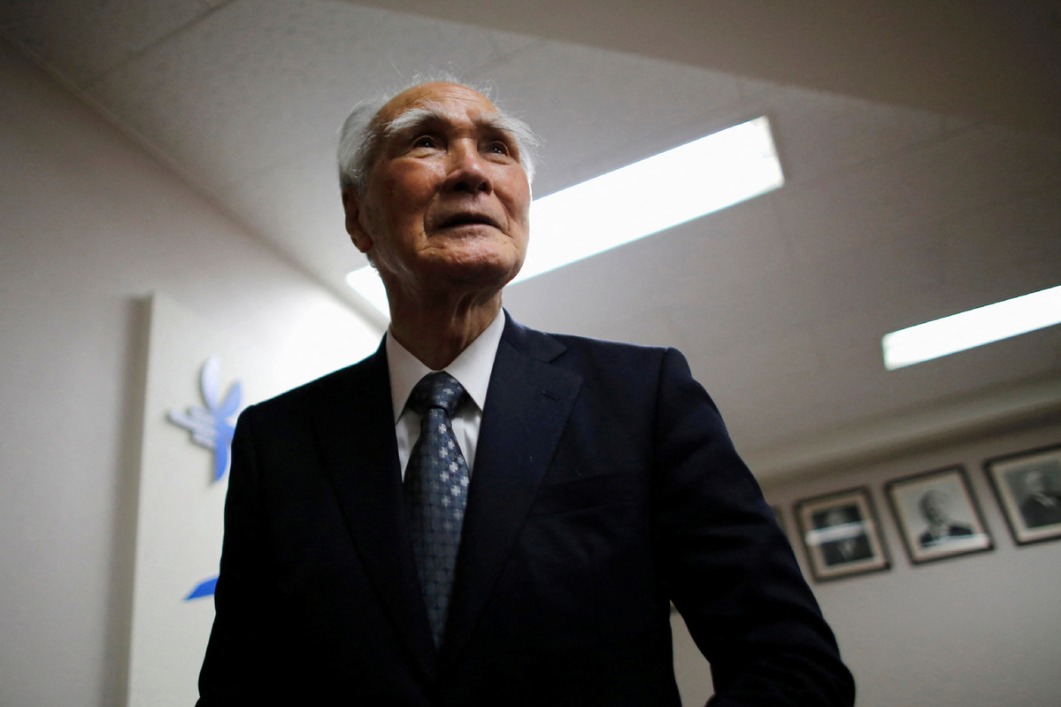
    Former Japanese Prime Minister Tomiichi Murayama, a pivotal figure in Japan’s political landscape, has died at the age of 101, as reported by Kyodo News. Murayama, who served as the nation’s leader from 1994 to 1996, was renowned for his historic 1995 apology for Japan’s wartime actions, a statement that significantly shaped Japan’s post-war diplomatic relations. His tenure marked a period of political reform and reconciliation, particularly in addressing Japan’s wartime legacy. Murayama’s passing has prompted reflections on his contributions to fostering peace and stability in the region. His legacy continues to resonate, particularly in his efforts to mend ties with neighboring countries affected by Japan’s wartime aggression.

  • Hackers use Canada, US airport PA systems to praise Hamas, criticise Trump

    Hackers use Canada, US airport PA systems to praise Hamas, criticise Trump

    In a coordinated cyberattack, hackers infiltrated the public address (PA) systems and flight information displays at four airports across Canada and the United States on Tuesday, October 15, 2025. The breaches occurred at Kelowna International Airport and Victoria International Airport in British Columbia, Windsor International Airport in Ontario, and Harrisburg International Airport in Pennsylvania. The hackers broadcast messages praising Hamas and criticizing former U.S. President Donald Trump, along with unauthorized images and music. According to officials, the attackers exploited third-party software and cloud-based systems to gain access. The Kelowna Royal Canadian Mounted Police (RCMP) confirmed that an advertisement streaming service at Kelowna Airport was briefly compromised. Similarly, Victoria Airport switched to an internal system to regain control after the breach. The Canadian Centre for Cyber Security is collaborating with the RCMP and affected airports to investigate the incidents. In the U.S., Transportation Secretary Sean Duffy acknowledged the breach at Harrisburg International Airport, with the Federal Aviation Administration (FAA) also involved in the probe. All four airports, which are smaller regional hubs, reported that their systems were restored to normal shortly after the attacks. The incident highlights vulnerabilities in airport cybersecurity infrastructure and raises concerns about the potential for future disruptions.

  • Koreans allegedly involved in online scams in Cambodia to be repatriated to face probes at home

    Koreans allegedly involved in online scams in Cambodia to be repatriated to face probes at home

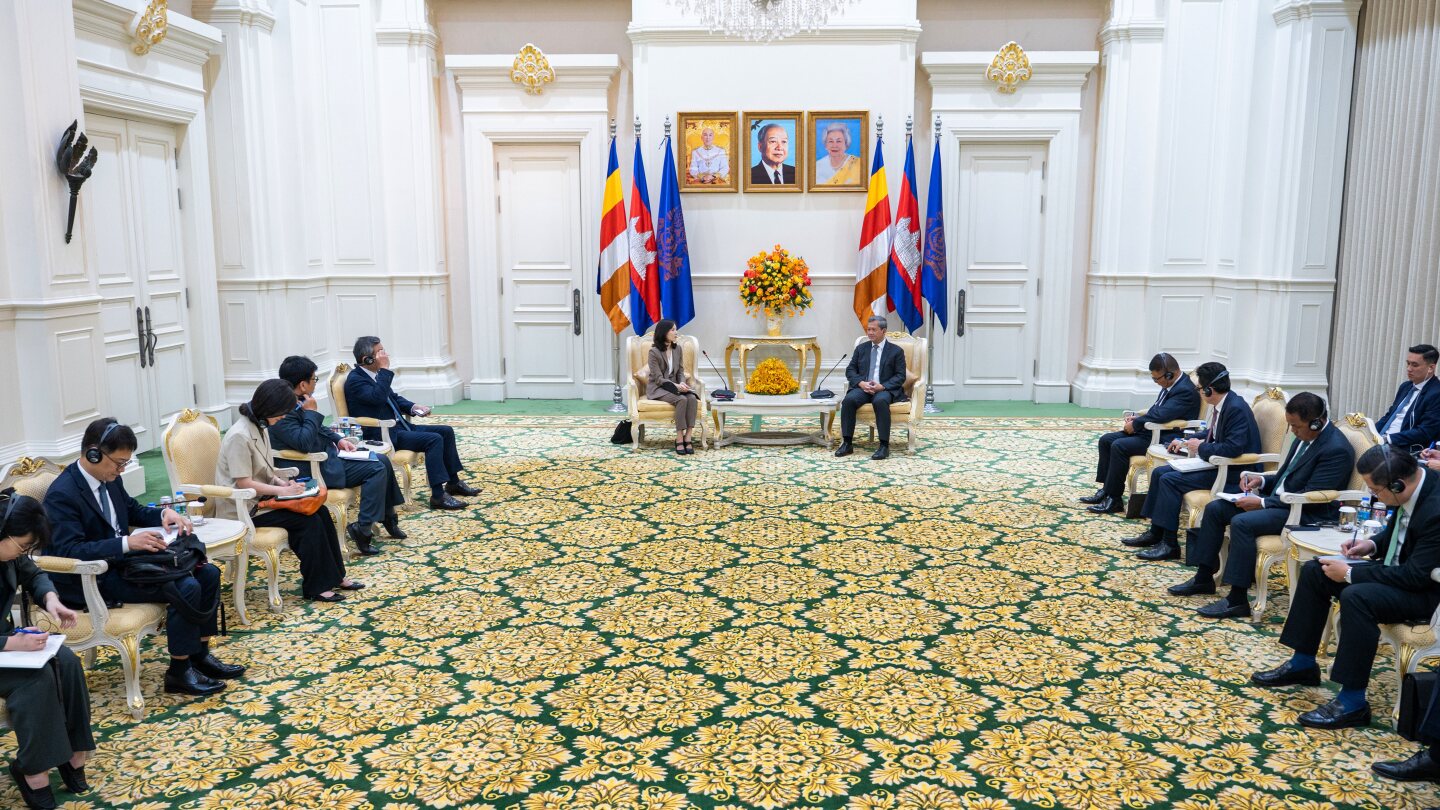
    In a significant development, dozens of South Korean nationals allegedly linked to online scam operations in Cambodia are set to be repatriated to their home country. A charter flight is scheduled to depart Phnom Penh on Saturday, marking a collaborative effort between South Korea and Cambodia to address the growing issue of fraudulent activities in the region. This move comes in the wake of the tragic death of a South Korean student, who was reportedly coerced into working at a scam center in Cambodia, sparking widespread public outrage in South Korea. The incident prompted the South Korean government to dispatch a high-level delegation to Phnom Penh for discussions on joint measures to combat such crimes. Approximately 60 South Koreans, previously detained during crackdowns on scam centers, are expected to be on the flight. Upon their return, they will undergo investigations to determine whether they were willing participants or victims of deceptive job advertisements. South Korean officials estimate that around 1,000 of their citizens are among the 200,000 workers employed in Cambodian scam centers. The rise in online scams, exacerbated by the COVID-19 pandemic, has created a dual victim pool: individuals forced into fraudulent activities under duress and those targeted by scams. The South Korean government has also implemented a travel ban to certain parts of Cambodia, including Bokor Mountain in Kampot province, where the deceased student was found. Cambodian Prime Minister Hun Manet has urged Seoul to reconsider these restrictions. Meanwhile, South Korean President Lee Jae Myung has called for immediate action to curb illegal job advertisements not only in Cambodia but across Southeast Asia. The global reach of these scam centers has expanded, with reports of victims being trafficked from regions as far as South America, Western Europe, and Eastern Africa, according to an Interpol report released in June.

  • Egypt to freeze domestic fuel prices for a year after latest hike

    Egypt to freeze domestic fuel prices for a year after latest hike

    In a significant move to stabilize its economy, Egypt has announced a one-year freeze on domestic fuel prices following a recent increase. The decision, confirmed by the petroleum ministry, comes after the government raised prices on a wide range of fuel products by 10.5% to 12.9%, marking the second hike this year. This aligns with Egypt’s broader strategy to reduce subsidies and address its budget deficit. Diesel, a widely used fuel in the country, saw a price increase of 2 Egyptian pounds ($0.0421) to 17.50 pounds per litre. The government remains committed to aligning domestic fuel prices with actual costs by December, as part of its agreement with the International Monetary Fund (IMF) under an $8 billion loan. The IMF has urged Egypt to cut subsidies on fuel, electricity, and food while expanding social safety nets. Despite these measures, Egypt’s current account deficit stood at $2.2 billion in the second quarter, with oil product imports rising to $500 million from $400 million a year earlier. The freeze aims to provide economic stability amid global market uncertainties.

  • Malaysia soccer federation suspends senior official in fallout from FIFA cheating accusations

    Malaysia soccer federation suspends senior official in fallout from FIFA cheating accusations

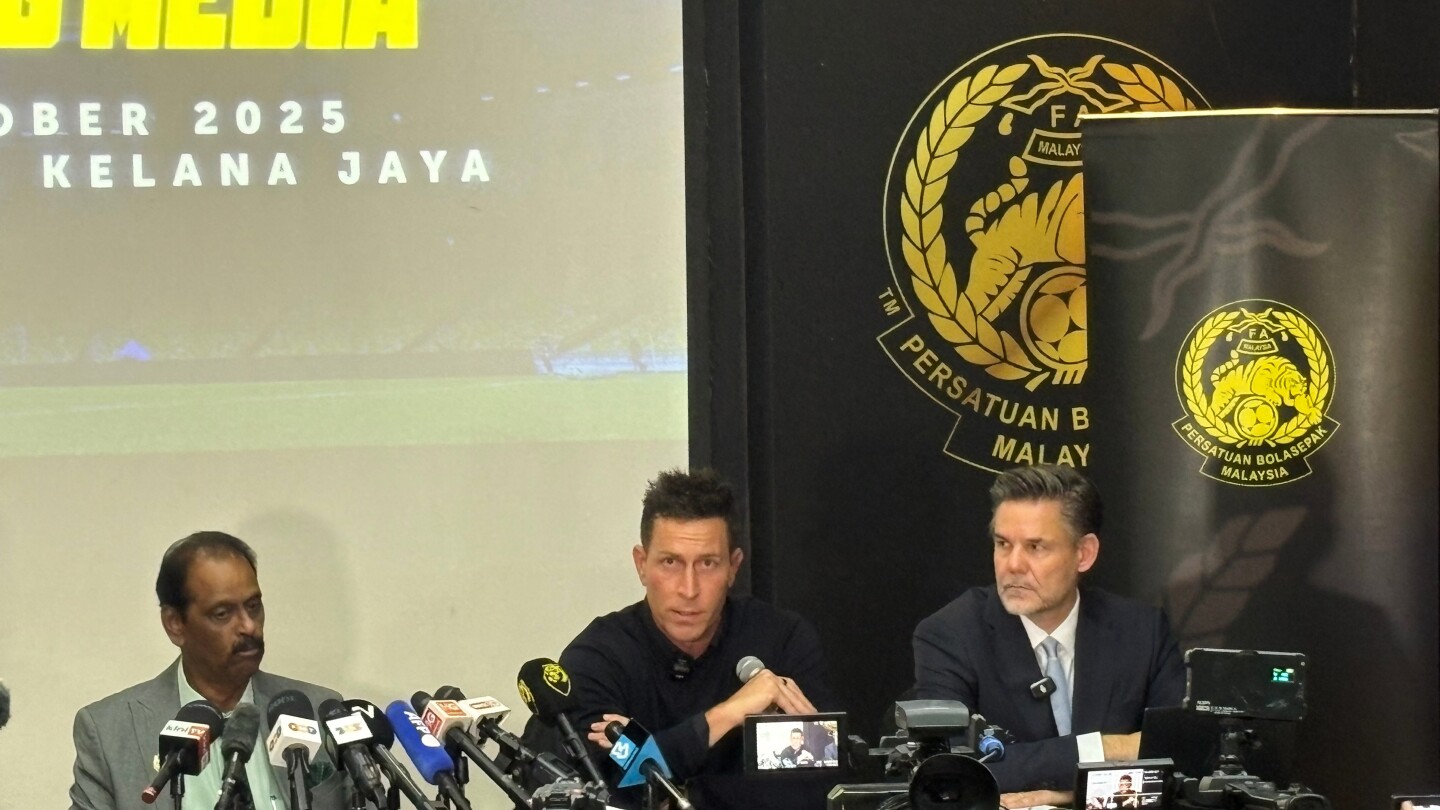
    The Football Association of Malaysia (FAM) has taken decisive action by suspending its secretary general, Noor Azman Rahman, following allegations by FIFA that the country fielded ineligible players in a 2027 Asian Cup qualifier. The controversy stems from falsified documentation involving the players’ grandparents, which led to FIFA suspending seven overseas-born players and imposing a $438,000 fine on FAM. The incident occurred during a June match where Malaysia triumphed over Vietnam with a 4-0 victory.

  • Magnitude 6.1 earthquake hits southern Philippines

    Magnitude 6.1 earthquake hits southern Philippines

    A magnitude 6.1 earthquake rattled the southern Philippines on Friday, October 17, 2025, as reported by the United States Geological Survey (USGS). The tremor originated near Dapa municipality in Surigao del Norte province, at a depth of approximately 69 kilometers (43 miles). Provincial rescuer Ralph Cadalena confirmed to AFP that there were no immediate reports of casualties or damage, describing the event as a “sudden strong shake” that lasted only briefly. This seismic activity follows a series of powerful quakes that have recently struck the region, including a magnitude 6.9 earthquake in Cebu province, which claimed 76 lives and damaged 72,000 homes, and two subsequent quakes of magnitudes 7.4 and 6.7 in eastern Mindanao, resulting in at least eight fatalities. The Philippines, located on the Pacific “Ring of Fire,” experiences frequent earthquakes due to its position along this seismically active arc. The nation’s deadliest natural disaster occurred in 1976 when an 8.0-magnitude quake off Mindanao’s southwest coast triggered a tsunami, leaving 8,000 people dead or missing. Authorities continue to monitor the situation closely as the region remains vulnerable to further seismic events.

  • Clashes break out near Bangladesh parliament as major parties sign a roadmap for change

    Clashes break out near Bangladesh parliament as major parties sign a roadmap for change

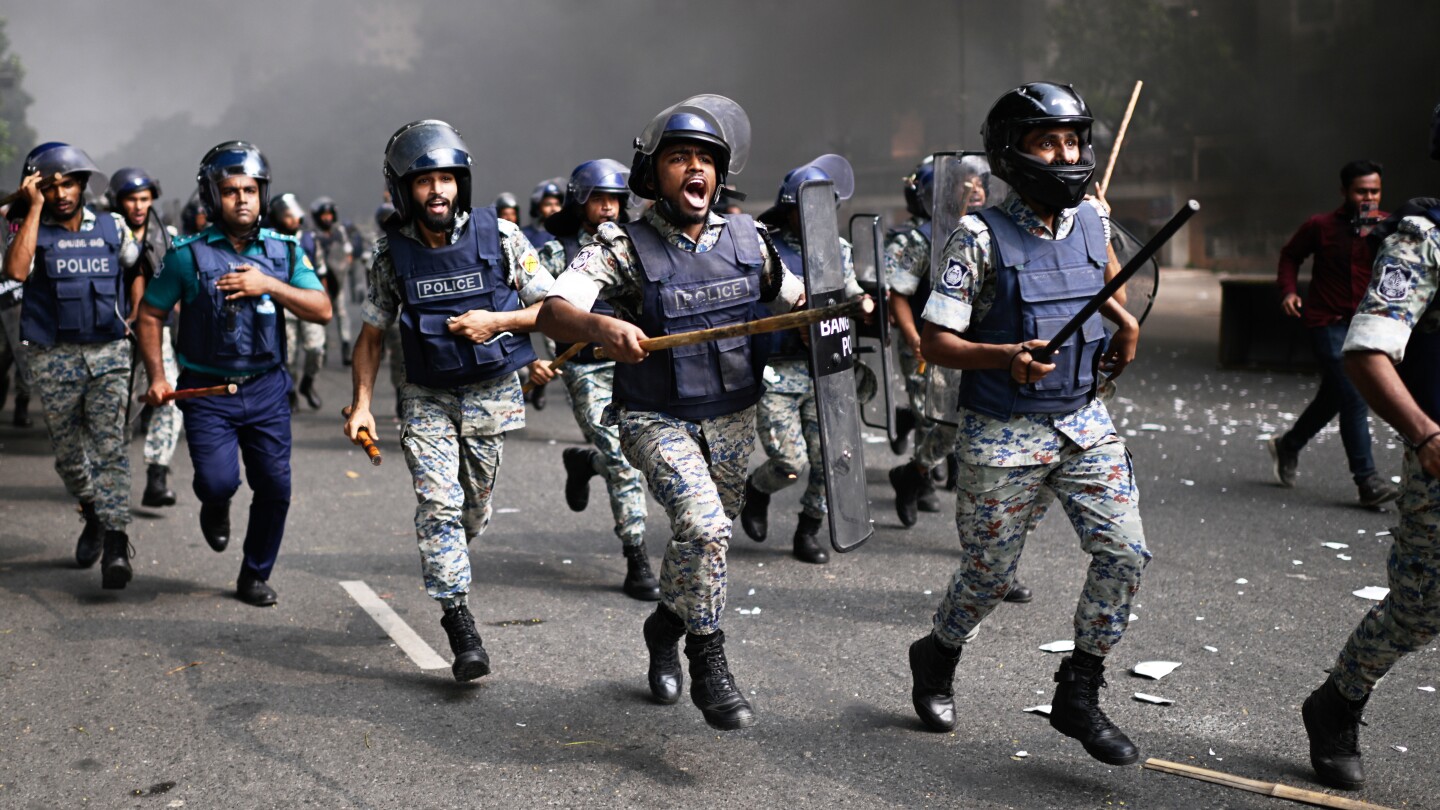
    In a significant development in Bangladesh’s political landscape, major political parties endorsed a roadmap for political reforms proposed by the interim government on Friday. However, the signing ceremony was marred by violent clashes between police and protesters demanding greater recognition for activists who played a pivotal role in ousting former Prime Minister Sheikh Hasina in August 2024. The protests, centered outside the national Parliament building in Dhaka, saw police deploying tear gas, stun grenades, and batons to disperse demonstrators, resulting in injuries and property damage. The protesters, identifying themselves as part of the 2024 movement that ended Hasina’s 15-year autocratic rule, sought additional welfare guarantees and program provisions for movement participants. The interim government, led by Nobel Peace Prize laureate Muhammad Yunus, facilitated the signing of the ‘July National Charter,’ a nonbinding document aimed at introducing constitutional and legal reforms. The charter proposes measures to enhance checks and balances, impose term limits on legislators, and combat corruption and conflicts of interest. Notably, the Awami League, Hasina’s former party, was excluded from the process, raising questions about the inclusivity of the upcoming February elections. While the Bangladesh Nationalist Party and several other parties signed the charter, some left-wing and student-led groups abstained. Yunus hailed the signings as a step toward a ‘civilized society,’ but concerns persist over the exclusion of key political factions and the broader implications for Bangladesh’s democratic transition.

  • Look: UAE-made $25 million self-driving F1 race car ready to compete in Abu Dhabi

    Look: UAE-made $25 million self-driving F1 race car ready to compete in Abu Dhabi

    The United Arab Emirates has unveiled a groundbreaking innovation in the world of motorsports: a $25 million self-driving Formula One (F1) race car powered entirely by artificial intelligence (AI). Developed by the Advanced Technology Research Council (ATRC) in Abu Dhabi, the EAV-25 is a sleek, futuristic vehicle designed to compete without human intervention. Its striking hammerhead shark-inspired design and cutting-edge technologies, including advanced sensor systems, edge computing, and fast mobility stacks, make it a marvel of modern engineering. Unlike traditional F1 cars, which cost between $12 million and $15 million, the EAV-25’s components, such as its $50,000 steering wheel and $500,000 wings, reflect its unparalleled sophistication. The car is currently on display at the Evolve Future Mobility Show in Sharjah and will compete in the Abu Dhabi Autonomous Racing League at Yas Marina Circuit on November 15, with a $2.25 million prize pool at stake. The EAV-25 can reach speeds of 370 km/h, outperforming human-driven cars by leveraging AI algorithms that analyze millions of operations per second. This innovation marks a significant milestone in the evolution of motorsports, where data and algorithms are becoming the new competitive edge.