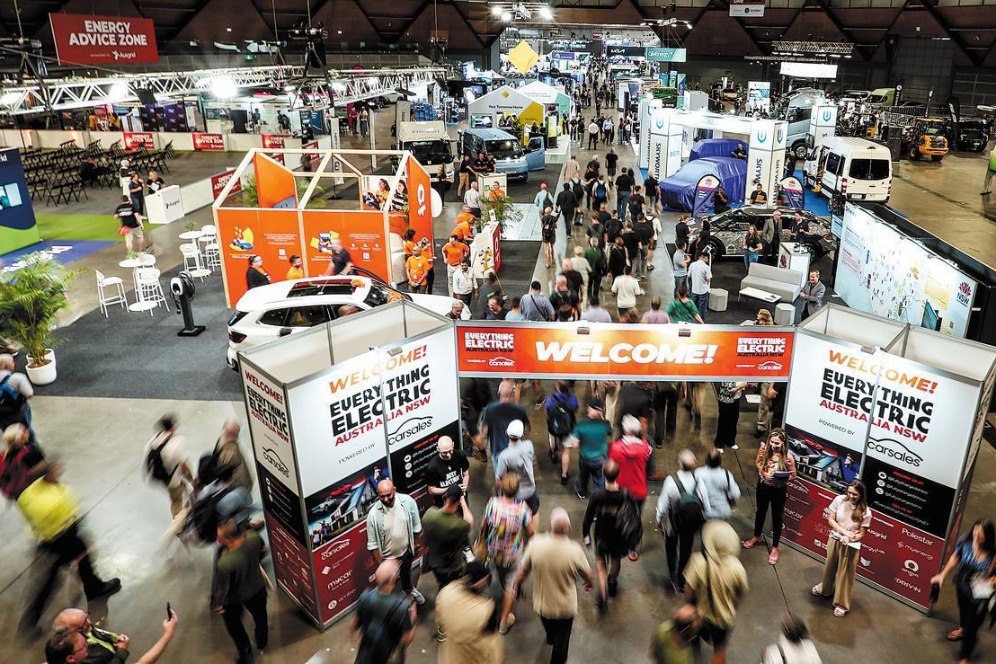
Electric vehicle (EV) sales in Australia have soared to unprecedented levels, driven by advancements in charging infrastructure and the introduction of high-quality, affordable models from Chinese automakers. According to the latest industry report, Australians purchased 72,758 EVs in the first half of 2025, marking a 24.4% increase from the same period last year. EVs now represent 12.1% of all new car sales, with Chinese brands dominating the market. The State of EVs 2025 report, released by Australia’s Electric Vehicle Council, highlights that June 2025 set a new monthly record, with EVs accounting for nearly 16% of new vehicle sales. The national EV fleet has more than doubled in two years, reaching over 410,000 vehicles. This growth is attributed to significant investments in charging infrastructure and the implementation of new vehicle efficiency standards. The report notes that there are now 153 EV models available in Australia, up from 123 in June 2024, alongside a 20% increase in fast-charging locations and a 22% rise in high-power public charging plugs. Aman Gaur, head of legal, policy, and advocacy at the Electric Vehicle Council, emphasized that Chinese automakers are playing a pivotal role in this transformation by offering affordable, high-quality EVs with diverse features. Despite the sector’s rapid growth, EVs still constitute only 2% of all cars on Australian roads. The Australian Automotive Dealer Association echoed these sentiments, noting that Chinese brands account for 77.5% of all battery-electric vehicle sales in 2025. However, challenges such as brand competition and the need for expanded service infrastructure remain. Australian consumers, like accountant Shawn Williams, are increasingly opting for Chinese EVs due to their competitive pricing and utility, especially in light of rising household costs.
标签: Asia
亚洲
-
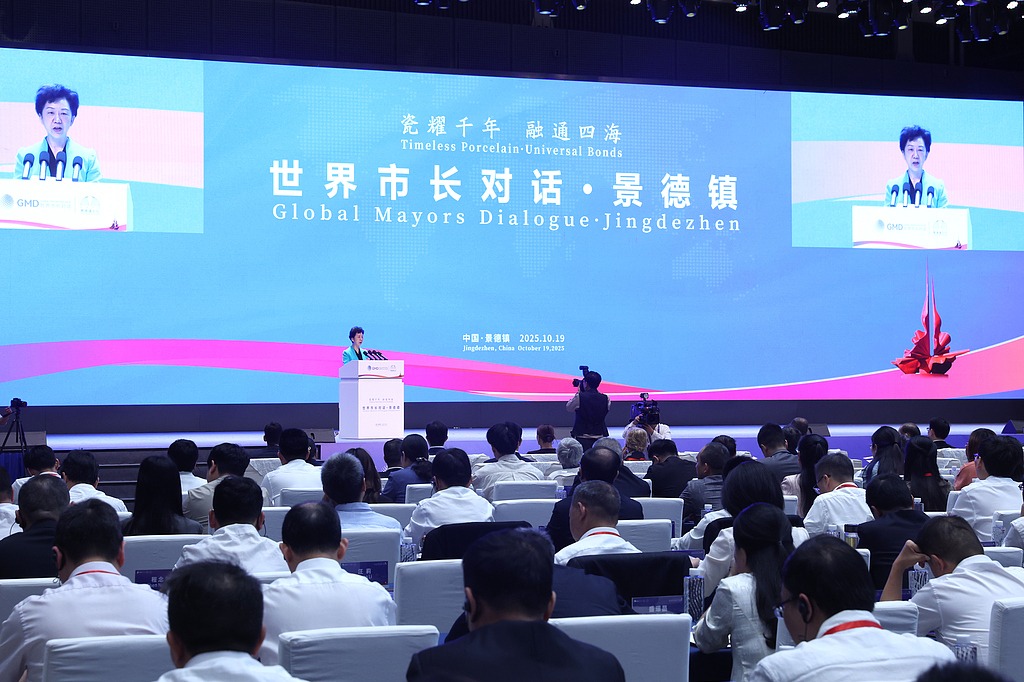
Global mayors foster artistic ceramic bonds
City leaders from across the globe gathered in Jingdezhen, China’s renowned ‘porcelain capital,’ to celebrate ceramics as a timeless symbol of cultural unity and friendship. The 2025 Global Mayors Dialogue, held on October 19, highlighted the shared artistic heritage that transcends borders and fosters mutual understanding in an increasingly diverse and complex world. Jingdezhen, located in Jiangxi province, served as the perfect backdrop for this international event, showcasing its centuries-old craftsmanship and innovation. Kagan Mehmet Usta, the mayor of Iznik, Turkiye, emphasized the deep cultural ties between Iznik and Jingdezhen, which were formalized as sister cities in 2021. He noted that this relationship symbolizes a shared artistic legacy that continues to inspire future generations. Nurbaev Niiazbek, deputy speaker of the City Council of Osh, Kyrgyzstan, praised ceramics as a universal language of peace, reflecting a nation’s aesthetics, craftsmanship, and philosophy. He announced plans to invite Jingdezhen experts to train local ceramic specialists and establish a dedicated pavilion for Jingdezhen porcelain at Silk Road trade fairs. Chen Kelong, mayor of Jingdezhen, highlighted the city’s commitment to cultural and trade cooperation, citing its international exchange activities and flagship stores in Dubai and Istanbul. The Jingdezhen International Ceramic Expo, running from October 19 to 22, further underscored the city’s global influence. Tourism in Jingdezhen has seen remarkable growth, with over 60 million visitors in 2024. Veronika Todorova, deputy mayor of Troyan, Bulgaria, expressed her admiration for Jingdezhen’s traditions and expressed eagerness for future collaborations. The event reinforced the role of ceramics as a bridge for cultural exchange and cooperation in the modern era.
-
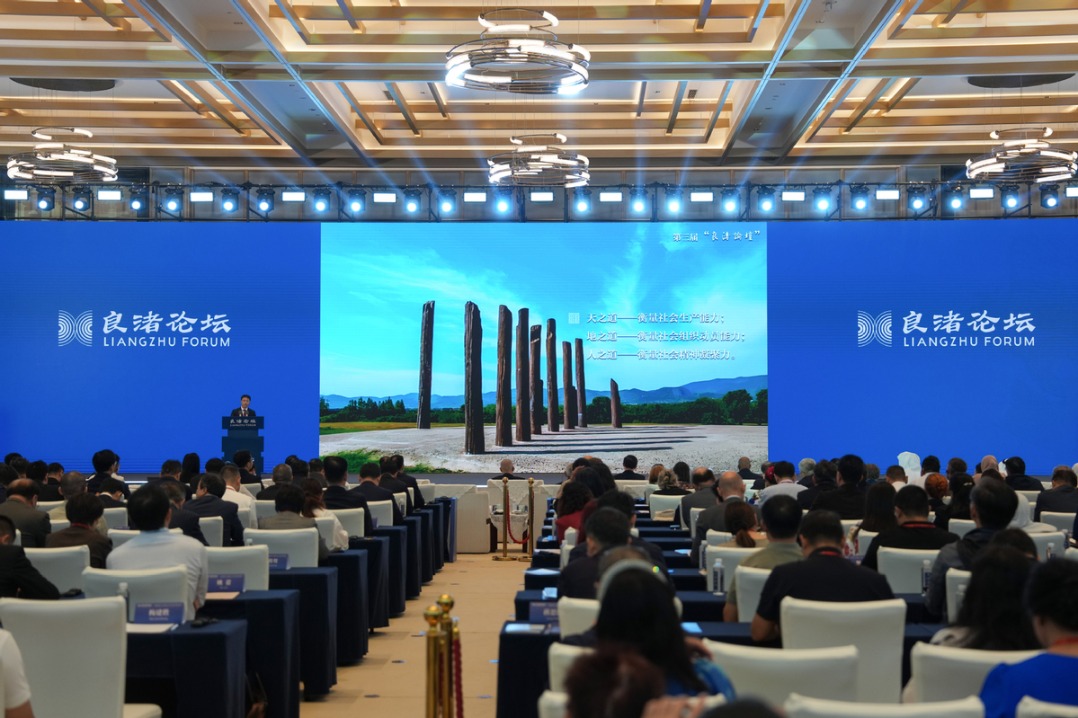
Liangzhu forum promotes need to protect world’s cultural heritages
The third Liangzhu Forum, held in Hangzhou, Zhejiang Province, from October 18 to 20, 2025, brought together over 300 participants to discuss the urgent need for global cultural heritage protection. The event emphasized the importance of safeguarding cultural diversity and fostering mutual understanding among civilizations.
-
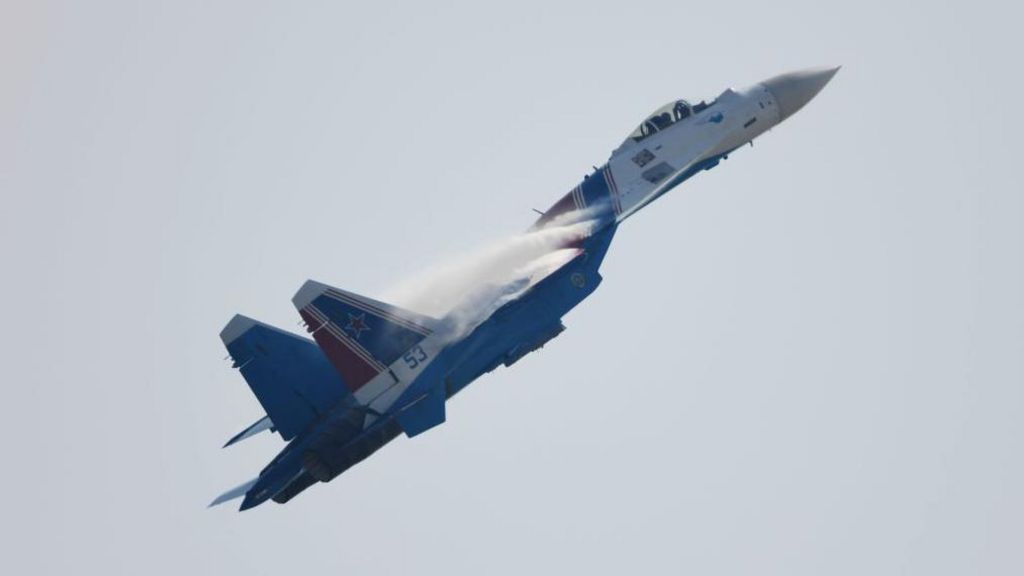
Australia accuses China of ‘unsafe’ military jet manoeuvres
Australia has lodged a formal complaint with China following an incident in the South China Sea, where a Chinese military aircraft allegedly released flares dangerously close to an Australian patrol jet. The Australian Department of Defence described the maneuver as ‘unsafe and unprofessional’ in a statement issued on Monday. Fortunately, the Australian P-8A aircraft and its crew emerged unscathed from the encounter, which occurred on Sunday. The Australian Defence Force emphasized its expectation that all nations, including China, adhere to safe and professional military conduct. When questioned by reporters, a spokesperson for the Chinese Foreign Ministry claimed to be unaware of the incident. This confrontation is the latest in a series of tense military interactions between the two countries in the region, where China’s expansive territorial claims conflict with those of neighboring nations. The incident coincided with Australian Prime Minister Anthony Albanese’s visit to the United States for discussions with President Donald Trump, focusing on the AUKUS submarine deal involving Australia, the US, and the UK. Australia has previously accused Chinese jets of similar actions, including a February incident where flares were allegedly dropped near an Australian aircraft. China defended its actions at the time, stating that the Australian jet had intruded into its airspace and that its response was ‘lawful and restrained.’ Although Australia does not claim territory in the South China Sea, it has aligned with the US and its allies in challenging the legal basis of China’s claims. Previous incidents include a May 2023 accusation that a Chinese fighter jet dropped flares near an Australian navy helicopter in the Yellow Sea, and a November 2023 claim that Chinese navy sonar pulses injured Australian divers in international waters off Japan.
-
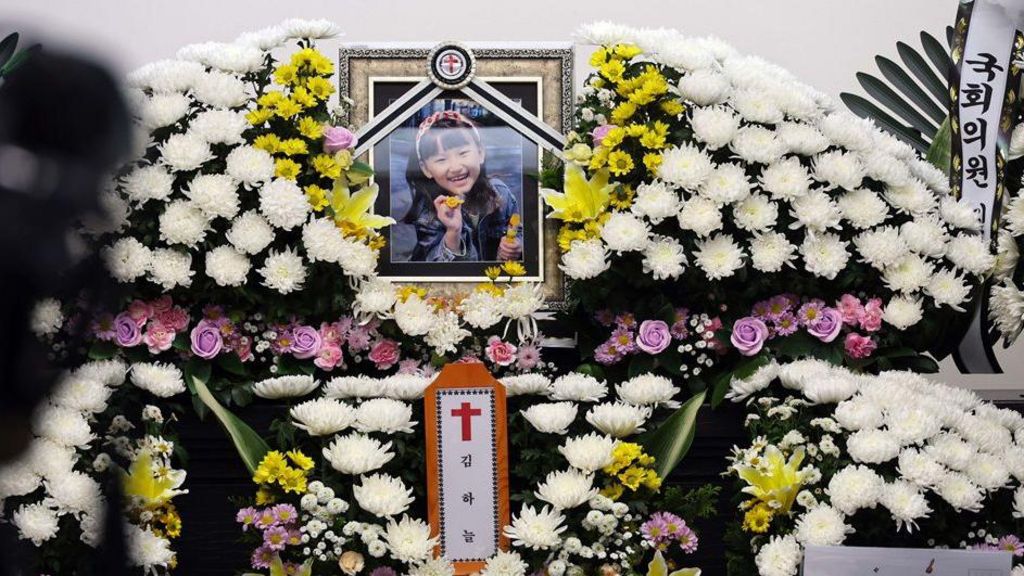
Teacher who killed eight-year-old jailed for life in South Korea
In a case that has deeply shaken South Korea, a 48-year-old elementary school teacher, Myeong Jae-wan, has been sentenced to life imprisonment for the brutal murder of an eight-year-old girl, Kim Hae-neul. The incident occurred in February in the central city of Daejeon, where Myeong lured the young student into a classroom before fatally stabbing her. Prosecutors had pushed for the death penalty, emphasizing the victim’s family’s demand for severe punishment. However, the court ruled that while the risk of reoffending was high, it could not conclusively justify execution. Myeong, who claimed her judgment was impaired due to ongoing mental health treatment, expressed remorse through dozens of letters submitted to the court, though prosecutors noted her lack of remorse during the investigation. Prior to the attack, Myeong had taken a six-month leave for depression but was deemed fit to return to work by a doctor just 20 days later. Reports indicate she exhibited violent behavior in the days leading up to the stabbing, including an altercation with another teacher. On the day of the crime, Myeong purchased a weapon, intending to end her own life and that of a random child. She lured Kim into a media room, where the attack took place. Kim was reported missing after failing to board her school bus and was later found with fatal stab wounds. Myeong also sustained a neck injury, suspected to be self-inflicted. The court condemned Myeong’s actions, stating that as a teacher, she was entrusted with protecting her students but instead committed a heinous crime in a place meant to be safe. In addition to the life sentence, Myeong has been ordered to wear an electronic tracking device for 30 years. South Korean leaders have called for enhanced safety measures to prevent such tragedies in the future.
-
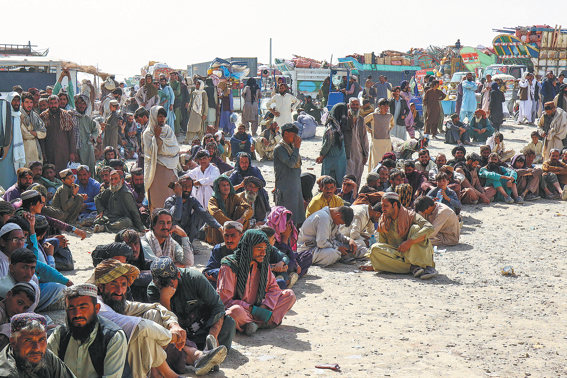
Afghanistan, Pakistan agree to ceasefire
In a significant development aimed at de-escalating tensions, Afghanistan and Pakistan have agreed to an immediate ceasefire following a week of intense border clashes that resulted in dozens of casualties and hundreds injured. The agreement was finalized during talks in Doha, Qatar, on Sunday, marking the worst violence since the Taliban regained control of Afghanistan in 2021. The ceasefire was announced by Pakistan’s Defense Minister Khawaja Muhammad Asif via a post on X, stating that both nations would reconvene in Istanbul on Saturday to discuss further details. Asif emphasized that terrorism originating from Afghan soil would cease immediately, and both countries would respect each other’s sovereignty. The Afghan delegation, led by Defense Minister Mullah Muhammad Yaqoob and intelligence chief Abdul Haq Wassiq, echoed this commitment to peace and mutual respect. The talks, mediated by Qatar and Turkey, focused on ending hostilities and establishing mechanisms for lasting peace and stability. Regional powers, including Qatar, Saudi Arabia, and the UAE, have urged de-escalation, warning that the violence could destabilize a region already grappling with threats from groups like the Islamic State and al-Qaida. The clashes were triggered by Pakistan’s demand for Afghanistan to curb extremists operating from its territory, a claim the Taliban denies. While the ceasefire provides a temporary reprieve, experts warn that underlying issues, particularly cross-border terrorism, remain unresolved.
-
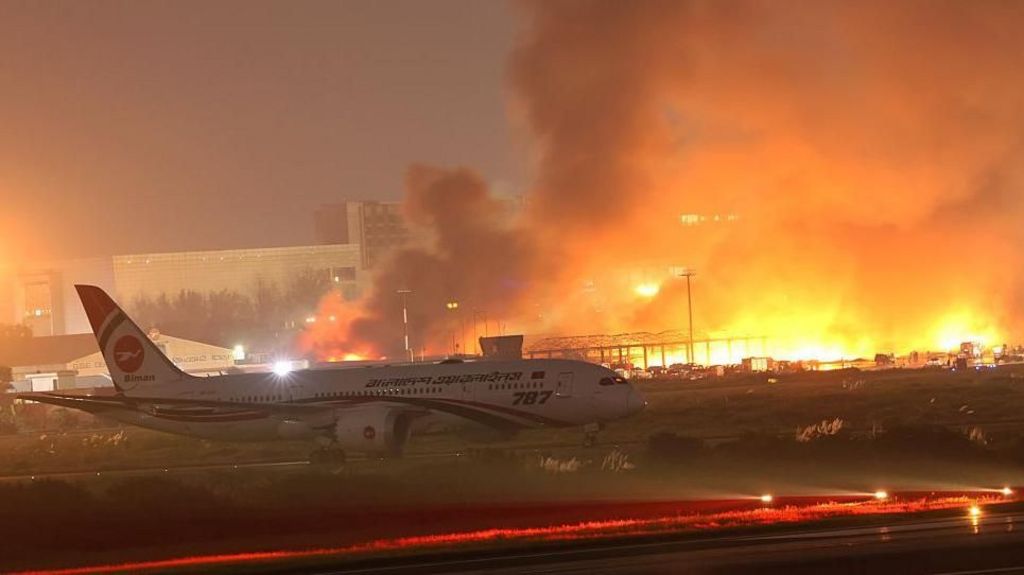
Airport inferno could cost Bangladesh $1bn in damages – experts
A catastrophic fire at Hazrat Shahjalal International Airport in Bangladesh has left the nation’s business community reeling, with potential losses estimated at over $1bn (£750m). The blaze, which erupted in the airport’s logistics section on Saturday, destroyed vast quantities of clothing, raw materials, and other essential goods, putting numerous businesses at risk. The fire, which took 27 hours to extinguish, forced the temporary suspension of flights and airport operations. Bangladesh, the world’s second-largest apparel exporter after China, relies heavily on its garment sector, which generates approximately $40bn annually and contributes over 10% to the country’s GDP. Local media reported that around 35 people were injured while battling the flames. The damaged cargo village, a critical logistics hub, stored fabrics, pharmaceuticals, chemicals, and other goods, including samples crucial for securing new buyers. Inamul Haq Khan, senior vice-president of the Bangladesh Garment Manufacturers and Exporters Association, highlighted that the destruction of these samples could jeopardize future business opportunities. The International Air Express Association of Bangladesh also confirmed the $1bn damage estimate in an email to the BBC. This incident marks Bangladesh’s third major fire within a week, following a deadly warehouse fire that claimed 16 lives and a factory blaze in Chittagong. Online conspiracy theories have linked these incidents, alleging they were pre-planned. Historically, such tragedies have been politicized, with parties accusing each other of exploiting disasters for political gain. The interim government has vowed to take immediate action if evidence of sabotage or arson is found. Frequent fires in Bangladesh are often attributed to poor infrastructure and lax safety enforcement, with hundreds of lives lost in recent years.
-
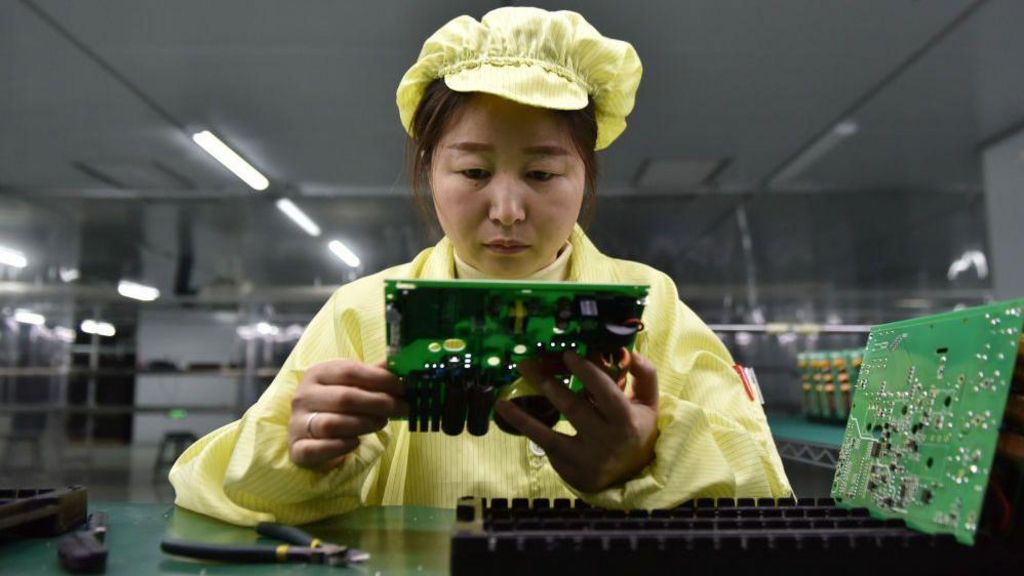
China’s economic growth slows as trade tensions with US flare up
China’s economic expansion decelerated to 4.8% in the third quarter of 2024, marking its slowest pace in a year, as trade tensions with the United States intensified. This figure, released by China’s National Bureau of Statistics on Monday, represents a decline from the 5.2% growth recorded in the previous quarter. The slowdown coincides with Beijing’s imposition of stringent controls on rare earth exports, critical minerals for global electronics production, which has further strained its fragile trade truce with Washington. The third-quarter GDP data will influence discussions among China’s top leaders this week as they deliberate on the nation’s economic strategy for 2026–2030. Despite the challenges, Chinese officials highlighted the economy’s ‘strong resilience and vitality,’ attributing growth momentum to the technology sector and business services. Beijing remains committed to its annual growth target of ‘around 5%,’ supported by government measures to avert a sharp downturn. In response to China’s export controls, US President Donald Trump threatened to impose an additional 100% tariffs on Chinese imports. Meanwhile, US Treasury Secretary Scott Bessent plans to meet Chinese officials in Malaysia to ease tensions and facilitate a potential meeting between Trump and Chinese President Xi Jinping. Prior to the recent escalation, Chinese businesses capitalized on the trade truce, boosting exports to the US by 8.4% in September. China’s industrial output also rose by 6.5% year-on-year, driven by strong performances in 3D printing, robotics, and electric vehicle manufacturing. The service sector, encompassing IT support, consultancies, and logistics, also expanded.
-

South Korea seeks to arrest dozens of online scam suspects repatriated from Cambodia
South Korean authorities are moving to formally arrest the majority of 64 citizens repatriated from Cambodia, where they were allegedly involved in online scam operations. The individuals, detained in Cambodia over recent months, were flown back to South Korea on a charter flight last Saturday. Upon arrival, they were held for questioning to determine whether their participation in the scam organizations was voluntary or coerced. Police have requested arrest warrants for 58 of the returnees, accusing them of engaging in fraudulent activities such as romantic scams, fake investment schemes, and voice phishing, primarily targeting fellow South Koreans. Courts are expected to decide on the arrest requests in the coming days. Five individuals have been released, though the reasons remain undisclosed as investigations continue. Four returnees reported being beaten while held against their will in Cambodian scam centers. The case has sparked public outcry in South Korea, urging stronger measures to protect citizens from being trafficked into overseas scam operations. This follows the tragic death of a South Korean student in Cambodia, who was reportedly lured into providing his bank account for scam activities and later tortured. The U.N. estimates that over 100,000 people have been trafficked to scam centers in Cambodia, with similar numbers in Myanmar and other regions. South Korea has imposed a travel ban on parts of Cambodia and dispatched a government delegation to address the issue. Interpol reports indicate that the reach of these scam centers has expanded globally, with victims now being trafficked from South America, Western Europe, Eastern Africa, and new centers emerging in the Middle East, West Africa, and Central America.
-
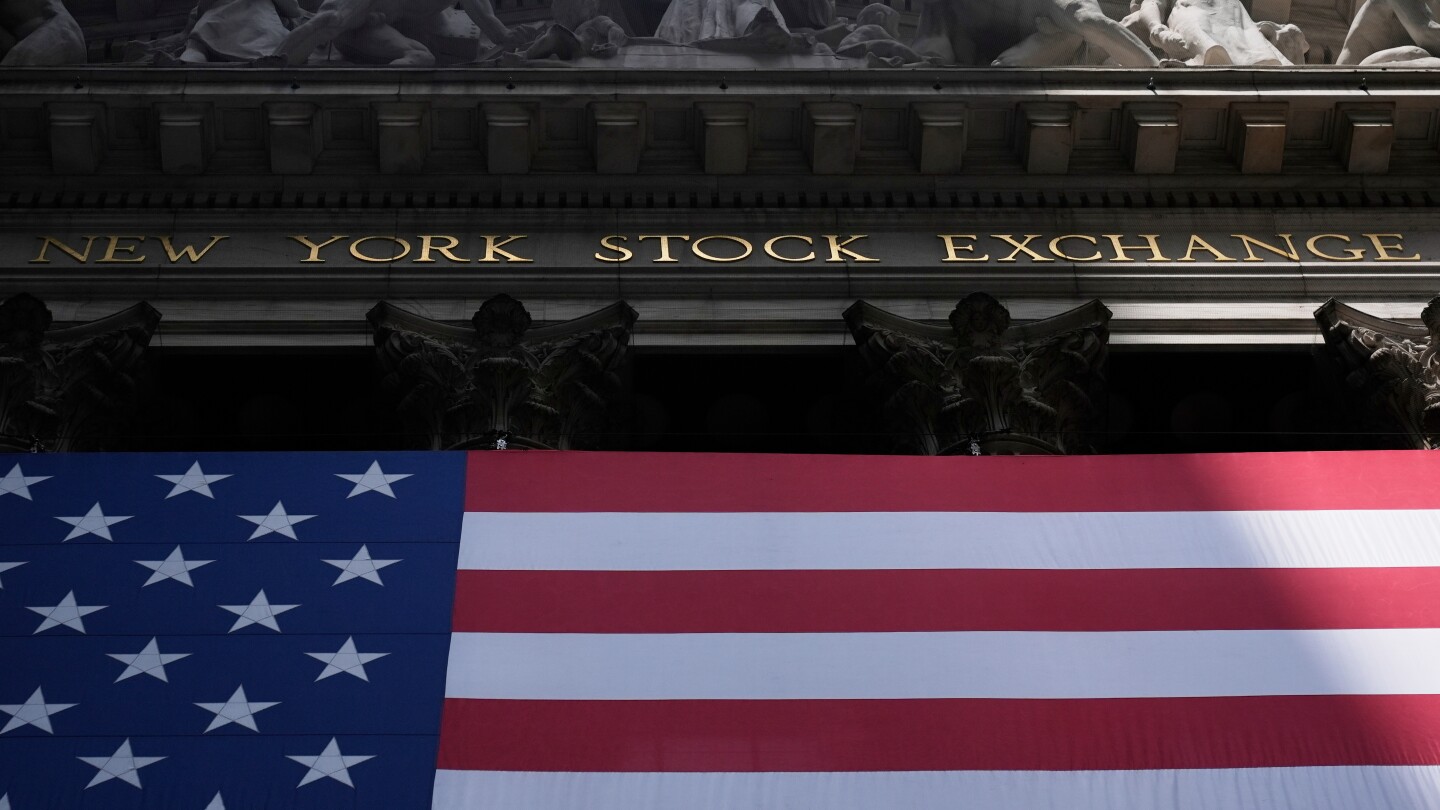
Asian shares advance, with Japan’s benchmark surging after ruling party forms new coalition
Asian markets experienced a significant surge on Monday, buoyed by a strong performance on Wall Street and easing concerns over bank lending and the U.S.-China trade war. Japan’s Nikkei 225 soared 2.9% to a record high of 48,970.40, following the Liberal Democratic Party’s formation of a new coalition, paving the way for Sanae Takaichi to potentially become Japan’s first female prime minister. Takaichi is anticipated to advocate for market-friendly policies, including low interest rates and increased government spending. Meanwhile, China reported a 4.8% annual economic growth rate for the last quarter, driven by robust exports to non-U.S. markets. However, this marks the slowest growth pace in a year, as the nation grapples with a prolonged property market slump and sluggish consumer and business spending. The Chinese Communist Party’s leadership convened in Beijing to outline policy goals for the next five years and address personnel changes, with outcomes expected to be formalized in March. Hong Kong’s Hang Seng rose 2.5%, while South Korea’s Kospi hit a record high, fueled by optimism over a potential trade deal with the U.S. and strong semiconductor demand. U.S. futures edged higher, and oil prices declined slightly. Bank stocks stabilized after several institutions reported stronger-than-expected quarterly profits, though concerns linger over loan quality following recent bankruptcies. JPMorgan CEO Jamie Dimon warned of potential risks in the lending sector, emphasizing the need for caution. In currency markets, the U.S. dollar strengthened against the Japanese yen, while the euro also gained ground.