
In a daring daylight robbery at the Louvre Museum in Paris, thieves made off with priceless royal jewels valued at $102 million, according to French prosecutor Laure Beccuau. The heist, which lasted just seven minutes, involved four individuals who used an extendable ladder to break into the museum’s Apollo Gallery. Authorities are currently analyzing fingerprints and reviewing surveillance footage to track down the culprits, believed to be part of an organized crime group. The stolen items include an emerald-and-diamond necklace gifted by Napoleon I to his wife, Empress Marie-Louise, and a diamond-studded diadem once owned by Empress Eugenie. The incident has reignited concerns over the security of France’s cultural institutions, following similar thefts in recent months. Louvre officials defended their security measures, stating that the display cases, installed in 2019, represented a significant upgrade. Meanwhile, Interior Minister Laurent Nunez has pledged to enhance security around cultural sites. The museum remained closed on Tuesday, leaving tourists disappointed.
标签: Asia
亚洲
-
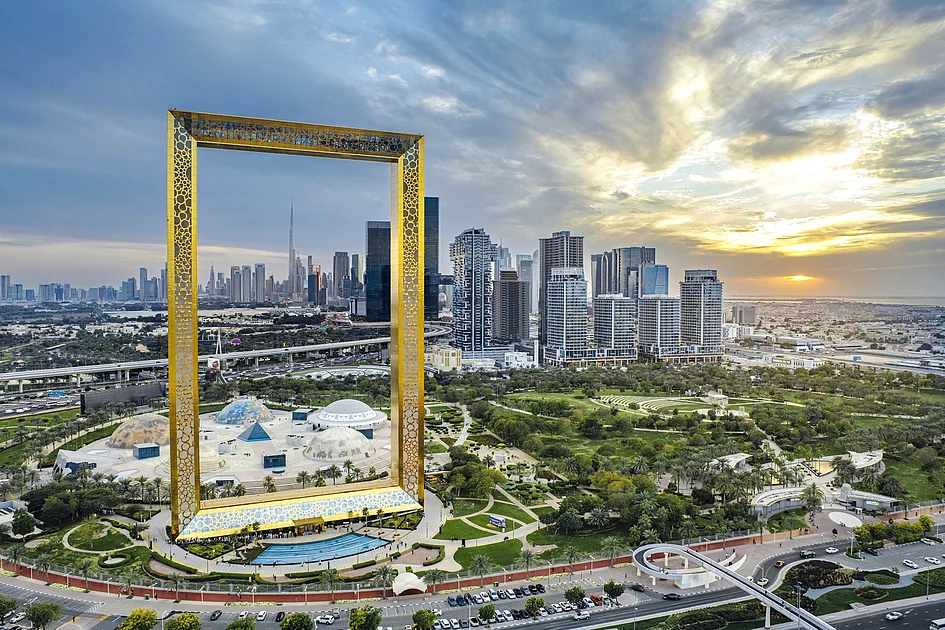
Data is the new emerging currency in Dubai real estate
Dubai’s real estate sector is undergoing a significant transformation, driven by the increasing demand for transparency, digital tools, and data-driven insights. In a rapidly maturing market, traditional methods of intuition and charm are no longer sufficient for real estate professionals. Today, agents must evolve into data strategists, analysts, and trusted advisors to meet the expectations of modern investors and buyers.
-

‘A new sense of energy and hope’: Singaporean women acquitted over pro-Palestine walk
In a landmark ruling, a Singaporean court has acquitted three women who organized a walk to the presidential office in support of Palestine. The trio—Siti Amirah Mohamed Asrori, Kokila Annamalai, and Mossammad Sobikun Nahar—were initially charged with organizing an illegal procession in February 2024. However, the judge ruled that their actions did not fully meet the legal criteria for the charge, citing their lack of awareness that the route they took was in a prohibited area. The women had walked along public roads and pavements, with no signage indicating restrictions. The judge noted that they had made efforts to comply with the law, and their procession, though unpermitted, did not warrant conviction. If found guilty, each could have faced fines of up to S$10,000, six months in jail, or both. The acquittal has been hailed as a significant moment for civil rights activists in Singapore, where public demonstrations are rare and heavily regulated. The women’s supporters celebrated outside the court, with one of the defendants stating that the verdict provides ‘a new sense of energy and hope’ for the movement. The case has drawn widespread attention, particularly as Singapore maintains strict rules against public assemblies, especially those related to the Israel-Gaza conflict. Authorities have consistently denied permits for such events, citing the risk of public disorder. The government supports a two-state solution for Israel and Palestine but enforces stringent measures to maintain domestic harmony. The prosecution has two weeks to appeal the verdict, while police continue to investigate other events related to the conflict.
-

‘Good soil, good income’: Dubai-based CEO says farmers could earn from carbon credits
Farmers worldwide may soon have a new revenue stream by storing carbon in their soil, contributing to environmental protection while boosting their incomes. This innovative concept was highlighted at the Abu Dhabi Global Food Week (ADFW) 2025, where experts discussed the potential of carbon credits in regenerative farming practices. Satyam Bose, Chairman and CEO of Virenxia Group, emphasized that sustainable agriculture is not only beneficial for the planet but also financially viable for farmers. Bose’s company is at the forefront of this transformation, integrating sustainable bio-inputs, digital soil testing tools, and AI-based advisory systems to guide farmers in real-time decision-making. However, Bose stressed that technology alone doesn’t drive change—people do. He shared the success story of Ajay Chauva, a young agricultural graduate from India, who, after training in Virenxia’s systems, now runs his own enterprise and is a respected figure in his farming community. This shift towards data-driven agriculture is fostering a culture of innovation, with farmers discussing advanced topics like drone scheduling and soil organic carbon as casually as sports scores. Bose also drew parallels between the challenges faced by small-scale farmers in India and those in the UAE’s controlled agricultural systems, noting that both must learn to trust data while preserving traditional wisdom. To support this transition, new systems are being introduced, such as greenhouses that provide real-time soil and water readings directly to farmers’ phones. This evolution is reshaping farmers’ identities, empowering them to make data-backed decisions and inspiring a new generation of tech-savvy farmers who balance traditional practices with modern innovations. Bose’s insights were shared during the AgriTech Forum at ADFW 2025, a three-day event bringing together global experts to explore how emerging technologies can build resilient and sustainable food systems for the future.
-

UAE’s crypto lead unmasked: Here’s why investors are ahead
The United Arab Emirates (UAE) has solidified its position as a global frontrunner in cryptocurrency adoption, with recent data highlighting its exceptional growth and investor enthusiasm. According to a 2025 wealth-insights report by Avaloq, 39% of affluent to ultra-high-net-worth individuals in the UAE hold crypto assets, surpassing the global average of 30%. This trend is further underscored by a 210% year-on-year growth in crypto adoption and a remarkable 25.3% ownership rate, earning the UAE a near-perfect score of 98.4 out of 100 on a leading adoption index.
Several factors contribute to this surge. Regulatory clarity stands at the forefront, with Dubai’s Virtual Assets Regulatory Authority (Vara) and tax-friendly policies creating an investor-friendly environment. The UAE’s commitment to digital economy development has also fostered a fertile ground for both retail and institutional crypto activity. Notably, Abu Dhabi-based MGX Fund Management’s $2 billion investment in Binance in March 2025 exemplifies the institutional momentum driving the market.
Infrastructure development further bolsters the UAE’s crypto leadership. The country’s exchange market generated nearly $1 billion in revenue in 2023 and is projected to grow to $5.35 billion by 2030, reflecting a compound annual growth rate of 27.1%. Demographics also play a crucial role, with a tech-savvy, youthful population showing significant interest in digital assets. Studies reveal that 74% of UAE residents aged 25-34 are actively engaged with cryptocurrencies, and 21% plan to trade within the next year.
Despite these advancements, challenges persist. Market volatility, lack of knowledge, and distrust of exchanges remain barriers for some investors. Additionally, competition among wealth managers is intense, with 63% of UAE investors considering or having changed advisors due to cost, transparency, and trust issues. Analysts emphasize the need for education and robust infrastructure to sustain growth.
Akash Anand, Avaloq’s regional director, remarked, ‘The UAE’s investor appetite for crypto is ahead of the global trend. It’s not just about buying digital coins but harnessing a broader digital-asset ecosystem to build future wealth.’ As the UAE continues to lead the crypto race, its blend of regulatory support, institutional backing, and demographic advantages positions it as a key player in the evolving digital asset landscape.
-
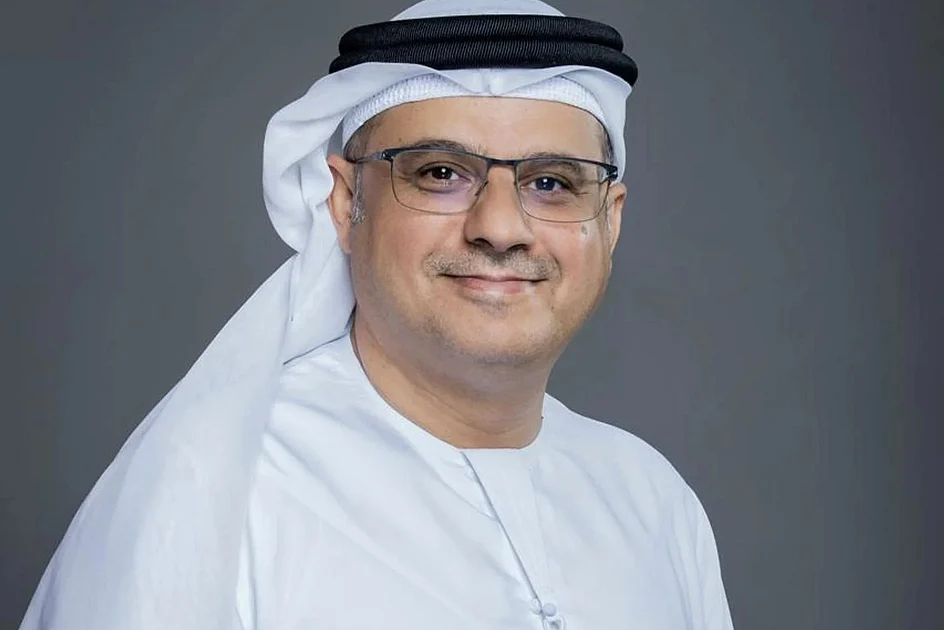
NBQ’s net profits rise 16% to Dh465 million in 9 months
The National Bank of Umm Al Qaiwain (NBQ) has announced a robust financial performance for the first nine months of 2025, with net profits soaring by 16% to Dh465 million compared to the same period in 2024. The bank’s total assets witnessed a significant 32% increase, reaching Dh21.8 billion as of September 30, 2025, up from Dh16.5 billion a year earlier. This growth was driven by a 20% rise in net loans and advances to Dh8.7 billion and a 45% surge in customer deposits to Dh14.7 billion. Shareholders’ equity also expanded by 10% to Dh6.4 billion. NBQ’s capital adequacy ratio stood at 33.75%, well above the minimum threshold set by the Central Bank of the UAE in line with Basel III guidelines. The non-performing loans ratio improved dramatically, dropping by 338 basis points to 0.85% from 4.23% in September 2024. Non-interest income grew by 48% to Dh233 million, while the cost-to-income ratio remained efficient at 22%. Impairment coverage, including collateral, stood at an impressive 459%. Adnan Al Awadhi, CEO of NBQ, attributed the bank’s success to its ongoing digital transformation, customer-centric solutions, and sound risk management practices. He emphasized NBQ’s commitment to operational excellence, regulatory compliance, and sustainability, which he believes will drive further expansion.
-

Gold retreats after record rally, on track for biggest daily drop since 2020
Gold prices experienced a significant downturn on Tuesday, marking their steepest daily decline in five years. This follows a record-breaking rally that saw the precious metal reach an all-time high of $4,381.21 per ounce on Monday. Spot gold fell by 5.5% to $4,115.26 per ounce, its lowest level in a week, while US gold futures for December delivery dropped 5.7% to $4,109.10 per ounce. The sharp decline comes after gold gained approximately 60% this year, driven by geopolitical tensions, economic uncertainty, and expectations of US interest rate cuts. Analysts attribute the sudden drop to profit-taking by investors and improved risk appetite in the market. The dollar index also rose by 0.4%, making gold more expensive for holders of other currencies. Meanwhile, other precious metals, including silver, platinum, and palladium, also saw significant declines. Silver dropped 7.6% to $48.49 per ounce, while platinum and palladium fell by 5.9% and 5.3%, respectively. Traders are now awaiting the delayed release of the US consumer price index report for September, expected to show a 3.1% year-on-year rise. Markets anticipate a 25-basis-point interest rate cut by the Federal Reserve at its upcoming policy meeting, which could further influence gold prices. As a non-yielding asset, gold typically benefits from a low-interest-rate environment, but recent volatility suggests a period of consolidation may be ahead.
-
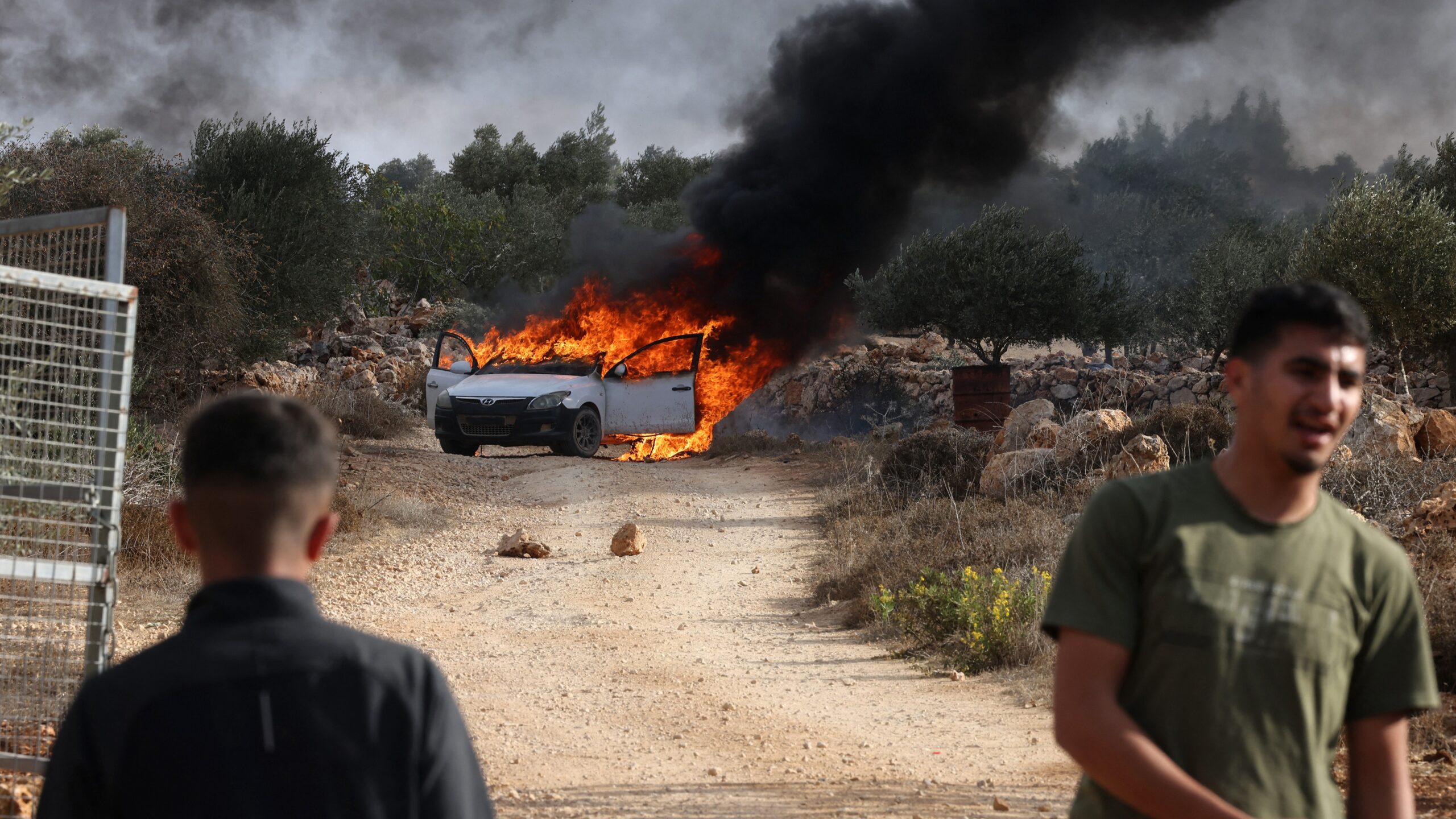
Viral video of West Bank settler attack sparks outrage and accusations of US hypocrisy
American journalist Jasper Nathaniel has publicly criticized the US embassy in Israel for failing to protect him after he was targeted by Israeli settlers while reporting in the occupied West Bank. Nathaniel described the incident as an ambush, which occurred during his coverage of the olive harvest in Turmus Ayya, northeast of Ramallah. The attack, which left dozens injured, including an elderly Palestinian woman and international activists, was captured on video and has sparked widespread outrage online. Nathaniel’s posts on X (formerly Twitter) have drawn attention to the escalating violence by Israeli settlers, with the United Nations recording 71 incidents of settler violence against Palestinians in just seven days. Despite being escorted by the Israeli military, Palestinian farmers were reportedly led into an ambush, raising questions about the military’s role in these attacks. Nathaniel’s text exchange with the US embassy revealed that the embassy declined to intervene, citing Israel’s responsibility as the host nation. The incident has intensified scrutiny of the US embassy’s role in the region and highlighted the ongoing violence faced by Palestinians under occupation. Social media users have condemned the lack of international attention to these attacks, with many pointing out the disparity in media coverage when Palestinians are the victims. The incident underscores the broader issue of settler violence and the challenges faced by journalists and activists in the region.
-

Holiday declared for schools in Chennai amid heavy rains, waterlogging
In response to severe weather conditions, schools in Chennai will remain closed on Wednesday, October 22, as heavy rains continue to batter the region. The decision, announced by Chennai District Collector Rashmi Siddharth Jagade on Tuesday, is a precautionary measure to ensure the safety of students and staff. This closure extends the Diwali holidays, which were initially set to end on Tuesday. The torrential downpour, caused by a low-pressure system over the Bay of Bengal, has resulted in widespread waterlogging, disrupting daily life and making commutes across the city extremely difficult. The adverse weather conditions are expected to persist, with other parts of Tamil Nadu also bracing for heavy rainfall. Deputy Chief Minister Udhayanidhi Stalin has inspected infrastructure projects aimed at improving water drainage in Chennai and its surrounding areas to mitigate the impact of such extreme weather events. Authorities are urging residents to exercise caution and stay updated on weather advisories.
-
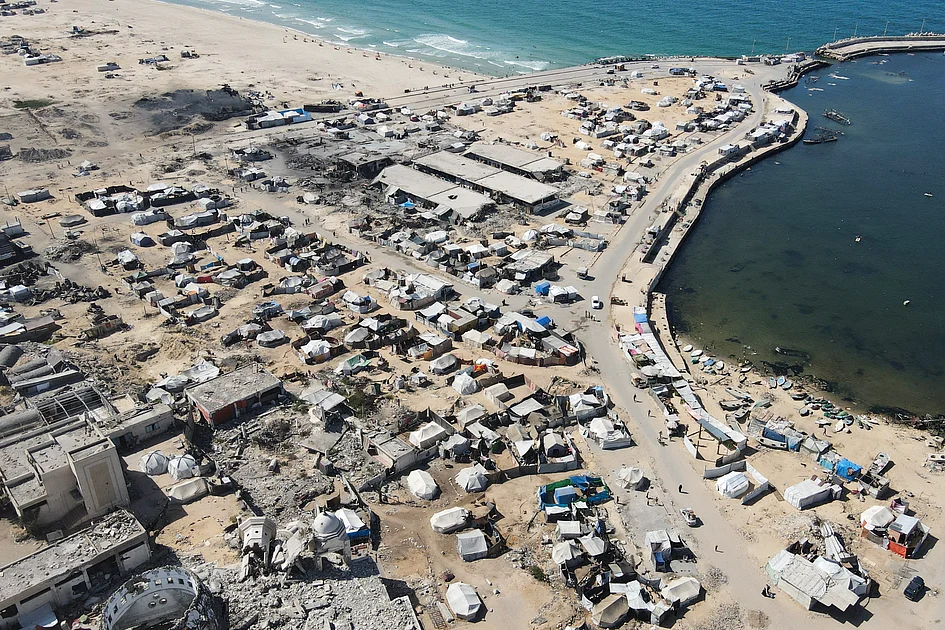
Hamas says dealt ‘severe blow’ to group it says collaborated with Israel
The Palestinian movement Hamas announced on Tuesday that its newly established Radea security unit had successfully targeted and dismantled an armed group accused of collaborating with Israel in the Gaza Strip. The operation, carried out in the early hours of Tuesday morning in southern Gaza, focused on the militia led by Yasser Abu Shabab, a fugitive leader whose group Hamas alleges has been involved in subversive activities. According to a statement released by Hamas, the Radea unit arrested several members of Abu Shabab’s Popular Forces and seized military equipment used in their operations. The Radea unit, whose name translates to ‘deterrence,’ was recently created by Hamas with the stated purpose of enforcing order and combating treasonous activities. This recent operation follows clashes last week in Gaza City’s Shujaiya neighborhood between the Radea force and various armed groups, including Abu Shabab’s militia, which Hamas accuses of looting and receiving weapons from Israel. Abu Shabab’s group initially operated in Gaza’s southern Rafah governorate and has been accused of aid looting. In July, Abu Shabab claimed his group had the freedom to operate in areas under Israeli military control and communicated their activities in advance. Israeli authorities acknowledged in June that they had armed Palestinian groups opposed to Hamas, though they did not specifically name Abu Shabab’s militia. The recent operation is part of Hamas’ broader efforts to reassert control over Gaza following the October 10 ceasefire agreement with Israel. Last week, Hamas’ official television channel broadcast footage of the execution of eight alleged collaborators in Gaza City, further underscoring its efforts to eliminate perceived threats. Israeli Prime Minister Benjamin Netanyahu reiterated on Saturday that the war in Gaza would not end until Hamas disarms, as stipulated in the US-brokered ceasefire deal. Hamas has yet to directly address the disarmament issue since US President Donald Trump presented the plan two weeks ago.