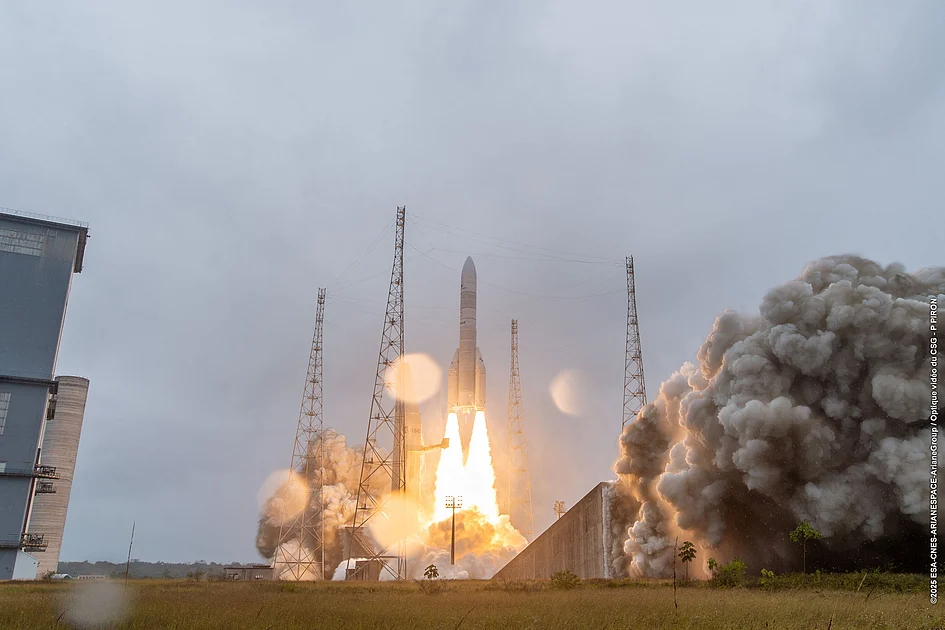
In a landmark move to counter the growing influence of Elon Musk’s Starlink, Europe’s leading aerospace companies—Airbus, Thales, and Leonardo—have announced a preliminary agreement to merge their satellite manufacturing and services operations. The new France-based venture, set to launch in 2027, marks the most significant consolidation of European aerospace assets since the formation of MBDA, the missile manufacturer, in 2001. The collaboration, codenamed ‘Project Bromo,’ aims to create a formidable competitor in the global space industry. The combined entity is projected to employ 25,000 people and generate €6.5 billion ($7.58 billion) in revenue, based on 2024 figures. The venture is expected to yield ‘mid-triple digit’ millions of euros in synergies within five years, though specific strategies remain undisclosed. French Finance Minister Roland Lescure emphasized that the deal would ‘strengthen European sovereignty in a context of intense global competition.’ The agreement comes after months of negotiations, overcoming hurdles related to governance and valuation. Airbus will hold a 35% stake, with Thales and Leonardo each retaining 32.5%, ensuring a balanced governance structure. The merger will integrate Thales Alenia Space, Telespazio, and various Airbus space and digital businesses, alongside remaining space activities of Leonardo and Thales SESO. While the companies have already reduced 3,000 jobs in their space divisions, executives have shifted focus to potential growth opportunities. The deal faces up to two years of discussions with governments, unions, and the European Commission, with implications for operations in Britain, Germany, Italy, and France. Thales CFO Pascal Bouchiat acknowledged the challenges ahead, particularly in the telecoms sector, despite securing an initial contract for the new European satellite network, IRIS². The announcement follows Reuters’ earlier report of a framework agreement, which was salvaged after overcoming governance disputes. Executives have pledged to avoid rotating leadership or nationality-based appointments, which have historically caused friction in the European aerospace industry.
标签: Asia
亚洲
-
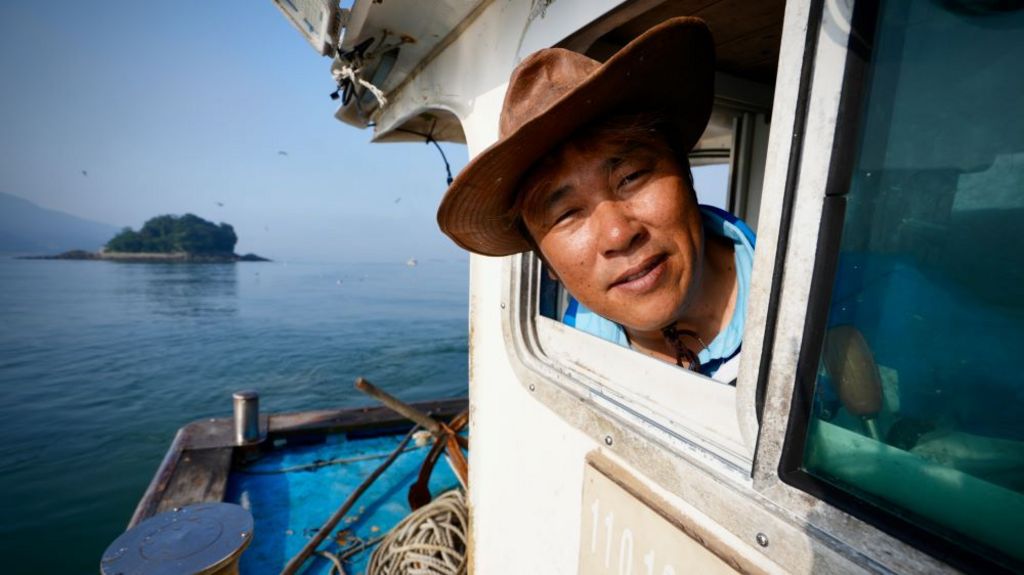
South Korea’s fishermen keep dying. Is climate change to blame?
The fishing industry in South Korea is facing unprecedented challenges as climate change and overfishing disrupt marine ecosystems and endanger lives. Hong Suk-hui, a boat owner on Jeju Island, experienced this firsthand when his fishing boat capsized in February, resulting in the tragic drowning of five crew members. This incident is part of a broader trend: last year, 164 people were killed or went missing in maritime accidents around South Korea, a 75% increase from the previous year. Fishermen attribute these dangers to increasingly unpredictable weather patterns, which they believe are driven by climate change. The seas around Korea are warming at a rate faster than the global average, leading to more intense tropical storms and forcing fish species to migrate. This has compelled fishermen to venture further into perilous waters, often with insufficient safety measures. The aging workforce and reliance on poorly trained migrant labor exacerbate the risks. The South Korean government has launched investigations and proposed safety improvements, but the future remains uncertain. With fish stocks dwindling and young people shunning the industry, the traditional way of life for coastal communities is under threat. Environmental campaigners urge immediate action to address these issues and prevent further tragedies.
-
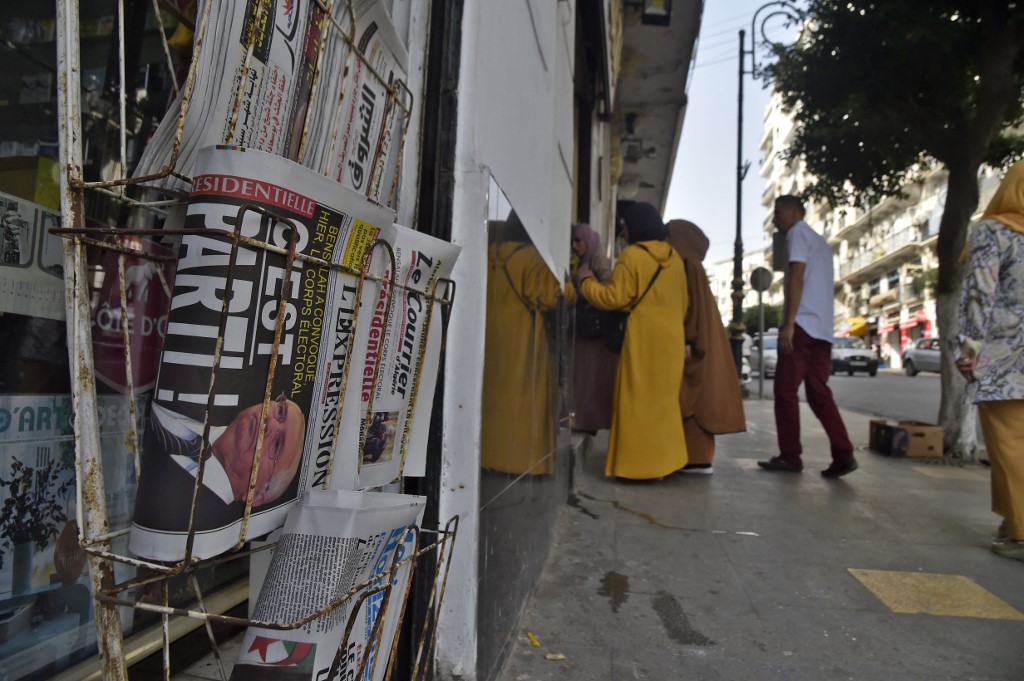
‘Pick up the torch’: The revival of Algerian feminist media
Madjeda Zouine, an Algerian journalist and activist, has redefined her career by merging journalism with activism. After working in mainstream media, she joined Femmes en Communication and its radio station Voix des Femmes in 2017, a platform dedicated to feminist issues. For Zouine, this marked a pivotal moment in her life, as she transitioned from merely having a job to embracing a profound commitment to women’s rights. However, this commitment is often misunderstood in Algeria, where journalists are frequently perceived as activists first and journalists second. In a country where human rights, particularly women’s rights, remain precarious, feminist journalism occupies a crucial niche between activism and information. Zouine criticizes the trivialization of violence against women in some Algerian media, where language often justifies rape or murder by blaming the victim. She cites the tragic cases of Chaima and Ryma, young women who were brutally murdered after refusing to comply with societal expectations. Zouine emphasizes that feminist media avoids such harmful narratives and instead focuses on empowering women. Despite societal pressures and financial constraints, Zouine and her colleagues continue their work through platforms like the podcast Laha, which addresses women’s demands and sexual health issues. Additionally, the bilingual Arabic-French magazine La Place-Lblassa, founded in 2020 by Maya Ouabadi, provides a space for women to express themselves freely. Ouabadi highlights the importance of reclaiming the term ‘feminist’ and using it openly to inspire young women. The magazine serves as both an information tool and a source of inspiration, showcasing role models and challenging societal norms. The history of feminist publications in Algeria dates back to the colonial period, with magazines like El Djazairia and L’Action paving the way. However, many of these publications disappeared during the civil war in the 1990s. Today, researchers like Awel Haouati are working to preserve the history of women’s struggles in Algeria, ensuring that the legacy of feminist activism is not forgotten. Through their efforts, they aim to educate future generations about the social and political battles that have shaped Algerian society.
-
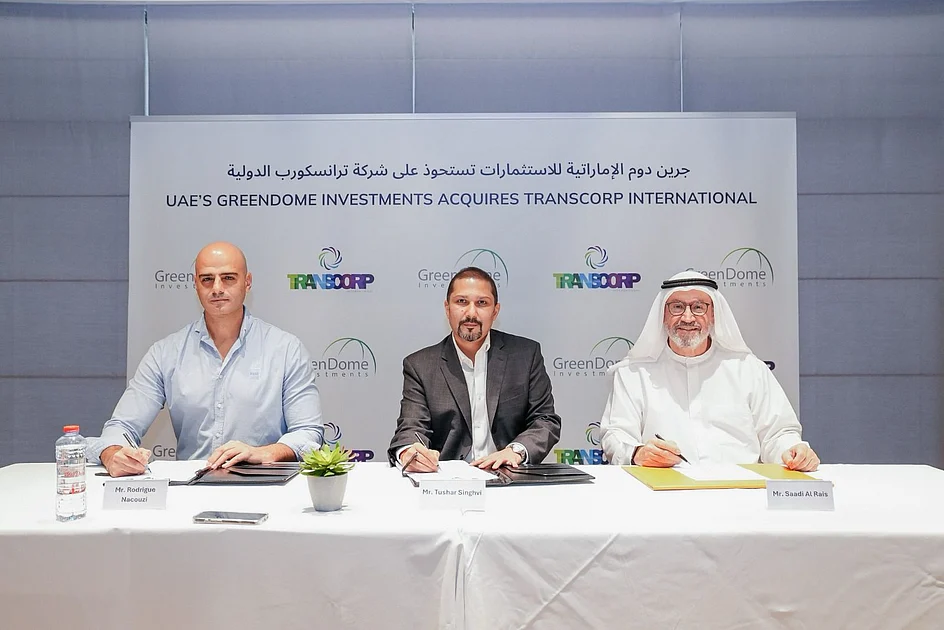
CE-Ventures announces strategic exit from Transcorp
CE-Ventures, the corporate venture capital arm of Crescent Enterprises, has announced the successful divestment of its equity stake in Transcorp, a UAE-based logistics and fulfilment company. The strategic sale to Elite Co, a leading regional operator supported by Green Dome Investments, has yielded a remarkable 7.6x multiple on invested capital (MOIC), marking one of the most lucrative exits in the region across all sectors. CE-Ventures initially invested in Transcorp in 2018, playing a pivotal role in transforming the company into a dominant player in cold-chain fulfilment, last-mile delivery, and B2B distribution. Over the years, CE-Ventures collaborated closely with Transcorp’s leadership to institutionalise governance, enhance internal systems, and unlock strategic growth opportunities. Tushar Singhvi, Deputy CEO & Head of Investments at Crescent Enterprises, expressed pride in supporting Transcorp’s evolution into a scalable, institutional-grade logistics company. Rodrigue Nacouzi, CEO and founder of Transcorp, praised CE-Ventures as a strategic partner that contributed significantly to the company’s growth. Sudarshan Pareek, Senior Vice President at CE-Ventures, highlighted the firm’s philosophy of backing mission-driven founders in sectors where operational excellence is key. Hisham Albahar, CEO of Elite Co, emphasised Transcorp’s market-leading position in cold-chain logistics and its strategic importance in Elite Co’s regional expansion. This transaction underscores Crescent Enterprises’ strategy of fostering resilient, high-impact businesses while driving sector consolidation. It also aligns with Elite Co’s broader expansion plans under Green Dome Investments, which aims to consolidate logistics and supply chain assets across the GCC.
-
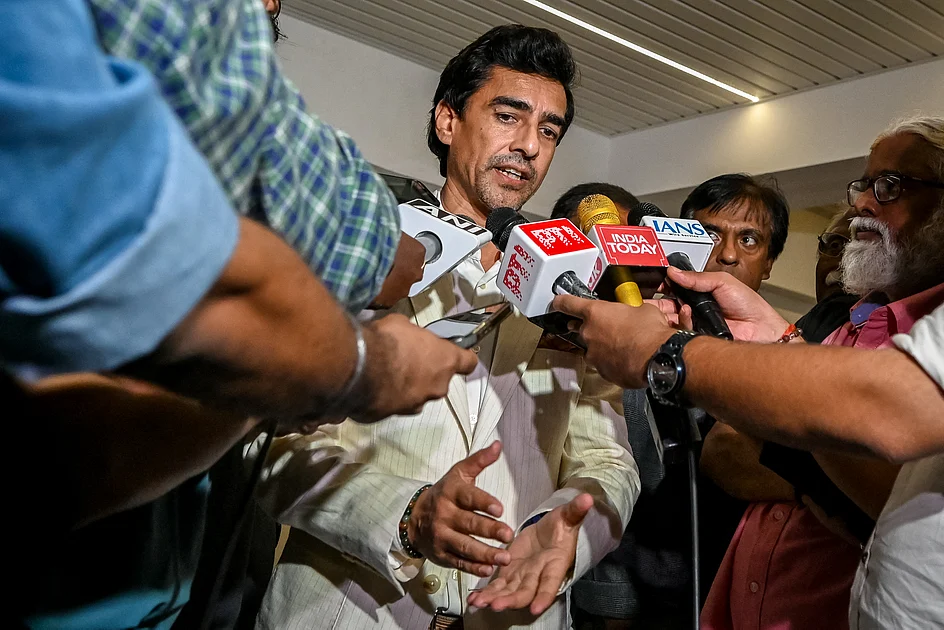
India board seeks to criminalise match-fixing ‘to protect cricket’
The Board of Control for Cricket in India (BCCI) has taken a decisive step to combat match-fixing by petitioning the Supreme Court to classify it as a criminal offense. This move aims to intensify pressure on illegal bookmakers and players involved in corrupt practices. In court documents reviewed by AFP, the BCCI emphasized that match-fixing undermines the integrity of cricket and has a detrimental impact on the sport. The board argues that match-fixing constitutes cheating by deception, an offense already recognized under the Indian Penal Code (IPC). The case originates from allegations of match-fixing during the 2018-2019 Karnataka state cricket league, involving six individuals, including players, a coach, and a team owner. Although the High Court dismissed the case in 2022, the BCCI is determined to pursue legal action. The issue of match-fixing in Indian cricket dates back to the infamous 2000 scandal involving South Africa’s captain Hansie Cronje, who admitted to throwing matches and implicated India’s then-captain Mohammad Azharuddin. In response, the BCCI introduced anti-corruption codes in 2019, empowering the board to impose fines and lifetime bans. The BCCI’s legal filing underscores the importance of public confidence in the authenticity of cricket, warning that its erosion could destabilize the sport. The Indian Premier League (IPL) also faced a match-fixing scandal in 2013, leading to bans for key players and suspensions for teams like Rajasthan Royals and Chennai Super Kings. Neighboring Sri Lanka has already implemented stringent laws against match-fixing, including penalties of up to 10 years in prison and hefty fines. The BCCI’s initiative reflects a broader effort to protect cricket’s credibility and ensure its future.
-
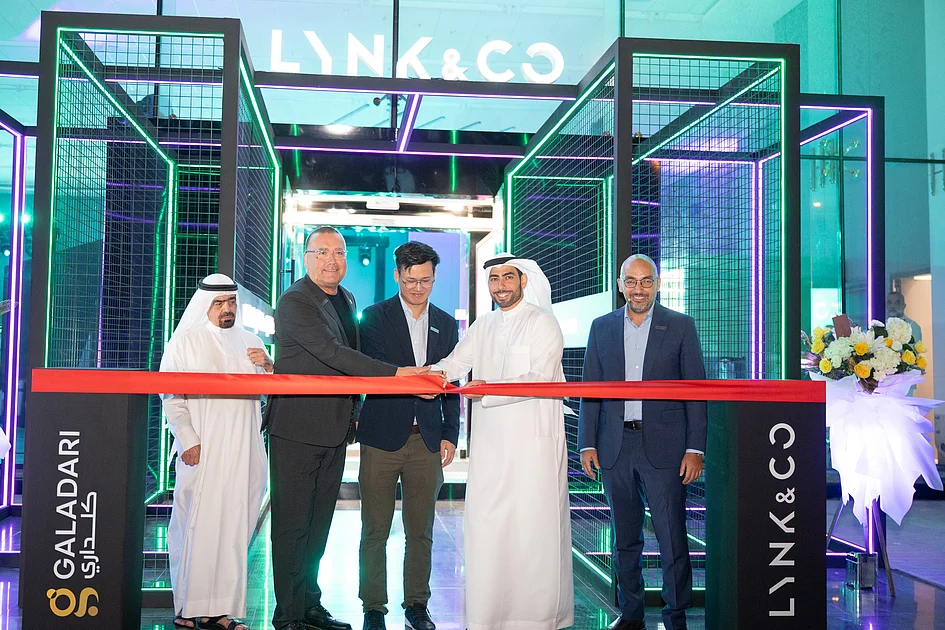
Where cars meet couture: Lynk & Co redefines showroom experience with debut in Sharjah
Lynk & Co, the European premium mobility brand, has redefined the traditional car showroom experience with its debut in Sharjah, UAE. In collaboration with Galadari Brothers, the brand unveiled its first UAE showroom on October 12, 2025, marking a significant milestone in the future of mobility, lifestyle, and community. The event was more than a launch; it was a bold statement about the evolution of automotive retail.
The Sharjah showroom is a fusion of Scandinavian minimalism, urban culture, and cutting-edge technology, creating an atmosphere akin to a social club rather than a conventional car dealership. The opening ceremony, led by Ibrahim Abdullatif Ibrahim Galadari, Group Chief Investment Officer and Director at Galadari Brothers, alongside Lynk & Co leadership, attracted a diverse crowd of media, industry insiders, and guests. The evening featured live DJ performances, signature mocktails, and an immersive exploration of the showroom’s sleek interiors, digital gaming zones, and curated lifestyle corners.
Lynk & Co’s models, including the flagship 09 SUV, were showcased in a boutique lounge setting, emphasizing the brand’s commitment to blending mobility with culture. Rooted in Scandinavian design, safety, and innovation, Lynk & Co combines Volvo-engineered powertrains, advanced driving technologies, and precision craftsmanship, setting a new benchmark in the UAE automotive market.
Since its inception in 2016 under Geely Holding Group, Lynk & Co has aimed to redefine mobility for a new generation of connected, urban drivers. Its vision, ‘Changing Mobility Forever,’ focuses on open, connected mobility, integrating technology, design, and community. All models are designed and engineered in Sweden, with safety at their core, powered by Volvo’s acclaimed Drive-E engines.
The Sharjah showroom reflects Lynk & Co’s disruptive approach to automotive retail, emphasizing exploration and engagement over traditional sales tactics. The brand plans to expand its presence with a flagship club showroom on Sheikh Zayed Road in Dubai, further reinforcing its commitment to fostering open, connected communities.
Ibrahim Abdullatif Ibrahim Galadari remarked, ‘Lynk & Co is more than a car brand; it’s a lifestyle. The Sharjah opening represents the start of a cultural shift, where technology, design, and experience come together to define the future of mobility in the UAE.’
The launch signifies Lynk & Co’s entry into the UAE market and introduces a global collective of drivers, dreamers, and disruptors who envision mobility in a new light. In a world that doesn’t need just another car brand, Lynk & Co offers a fresh perspective on how we move.
-
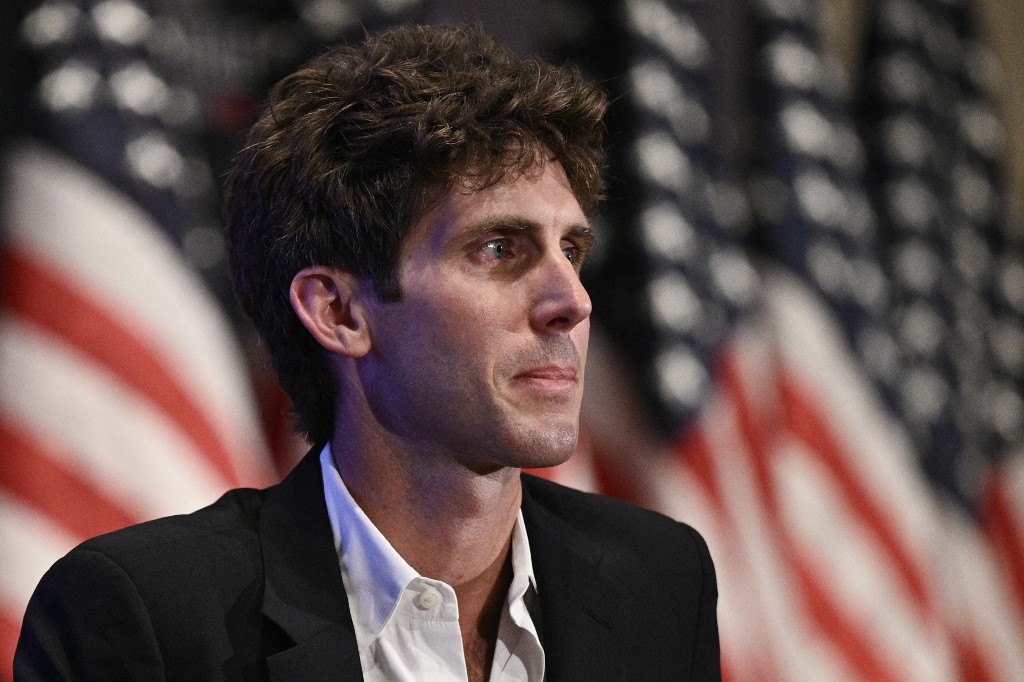
Sequoia COO resigns amid row over partner’s ‘Islamist liar’ attack on Mamdani
Sumaiya Balbale, the Chief Operating Officer at Sequoia Capital, stepped down from her position in August following a controversy involving Islamophobic remarks made by partner Shaun Maguire. According to the Financial Times, Maguire, a venture capitalist with close ties to Elon Musk, posted comments in July targeting New York City mayoral candidate Zohran Mamdani, which Balbale reportedly found offensive and discriminatory. Maguire’s post accused Mamdani’s culture of promoting deceit to advance an Islamist agenda, a statement that sparked widespread backlash. Balbale raised her concerns with Sequoia’s senior leadership, but the firm defended Maguire’s right to free speech, prompting her resignation. Her departure has been widely praised on social media, with many applauding her courage and integrity. The controversy also led over a thousand tech professionals to sign an open letter demanding disciplinary action against Maguire and condemning Sequoia’s inaction. The letter highlighted Maguire’s alleged history of anti-Muslim rhetoric and its impact on the global tech community. Additionally, the incident has strained Sequoia’s relationships with Middle Eastern investors, with some financiers expressing reluctance to collaborate with the firm. Balbale, a practicing Muslim and board member of Shake Shack, has previously spoken about how her identity has shaped her career. Sequoia Capital, Balbale, and Maguire have yet to publicly comment on the matter.
-
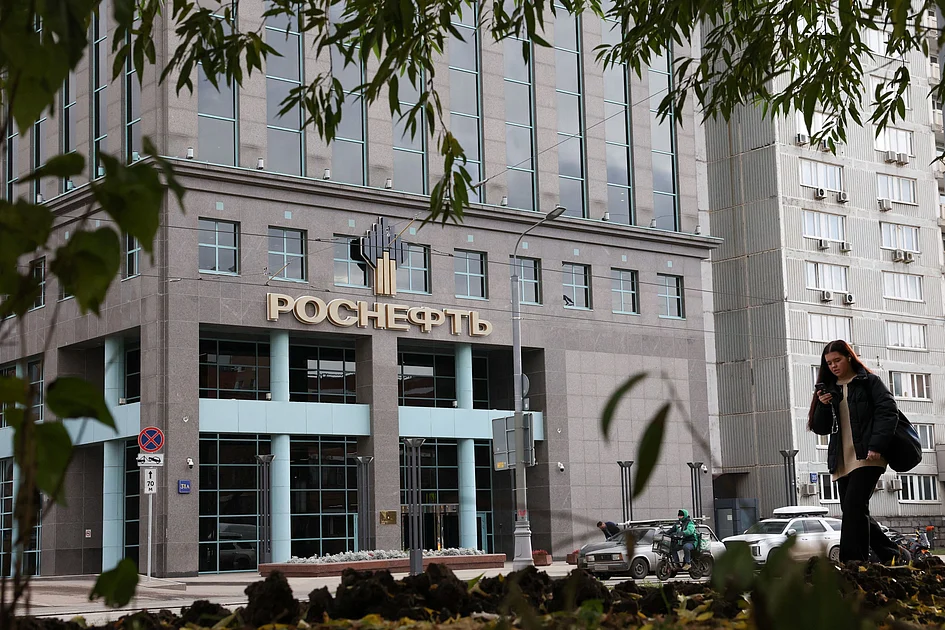
Oil rises nearly 5% on fresh US sanctions against Russia
Oil prices experienced a significant surge of nearly 5% on Thursday, driven by fresh U.S. sanctions targeting major Russian energy companies Rosneft and Lukoil in response to the ongoing Ukraine conflict. Brent crude futures climbed by $2.98, or 4.8%, reaching $65.57 per barrel, while U.S. West Texas Intermediate (WTI) crude futures rose by $3.01, or 5.2%, to $61.51 per barrel. The sanctions, which extend measures previously imposed by Britain and the European Union, aim to pressure Moscow into agreeing to a ceasefire in Ukraine. The U.S. has warned of further actions if Russia fails to comply. The sanctions have forced major buyers of Russian oil, such as China and India, to reconsider their supply chains to avoid exclusion from the Western financial system. Indian refiners, including Reliance Industries, are reportedly planning to sharply reduce or halt imports of Russian crude. However, market analysts remain skeptical about the long-term impact of these sanctions, given Russia’s resilience in maintaining oil production and revenues despite previous measures. Oversupply concerns, fueled by OPEC+ production increases, have also tempered crude price gains. Meanwhile, U.S. demand for crude oil, gasoline, and distillates has strengthened, leading to a decline in inventories and supporting market sentiment.
-

Dubai-Based startup SpeakUp reaches 30,000 users in five months
SpeakUp, an innovative Dubai-based technology startup, has achieved a remarkable milestone by amassing 30,000 users within just five months of its launch. This AI-powered platform is transforming the global event and public speaking industry by facilitating direct connections between event organizers and speakers, eliminating the need for traditional intermediaries. Since its inception, SpeakUp has experienced a consistent monthly user growth rate of nearly 20%, attracting users from diverse regions including North America, Europe, the Middle East, and Asia. The platform allows organizers to post speaking opportunities—ranging from conferences and summits to podcasts—while verified speakers can apply directly, streamlining the booking process and reducing delays typically associated with speaker bureaus or agent-led systems. Nick Zhuchkov, co-founder and CEO of SpeakUp, emphasized the company’s mission to simplify and democratize speaker-organizer interactions. ‘We designed SpeakUp to be intuitive, fast, and borderless, catering to everyone from grassroots podcast hosts to major international conferences,’ he stated. The platform integrates communication, smart recommendations, and booking into a single interface, leveraging artificial intelligence to match speakers with relevant opportunities. This automation has significantly reduced lead times for event planners, with most bookings occurring without manual negotiation. SpeakUp has also attracted high-profile users, including Uzair Merchant, a celebrated director in Hollywood and Bollywood, and Laura Buckwell, a renowned event host in the Middle East. The company has recently witnessed a surge in signups, with over 400 new users joining within a single hour during a recent evening. This momentum reflects a broader industry shift toward more efficient and accessible speaker engagement. SpeakUp is now focusing on expanding its product features and forging new partnerships across media, education, and events sectors, further solidifying its position as a game-changer in the industry.
-
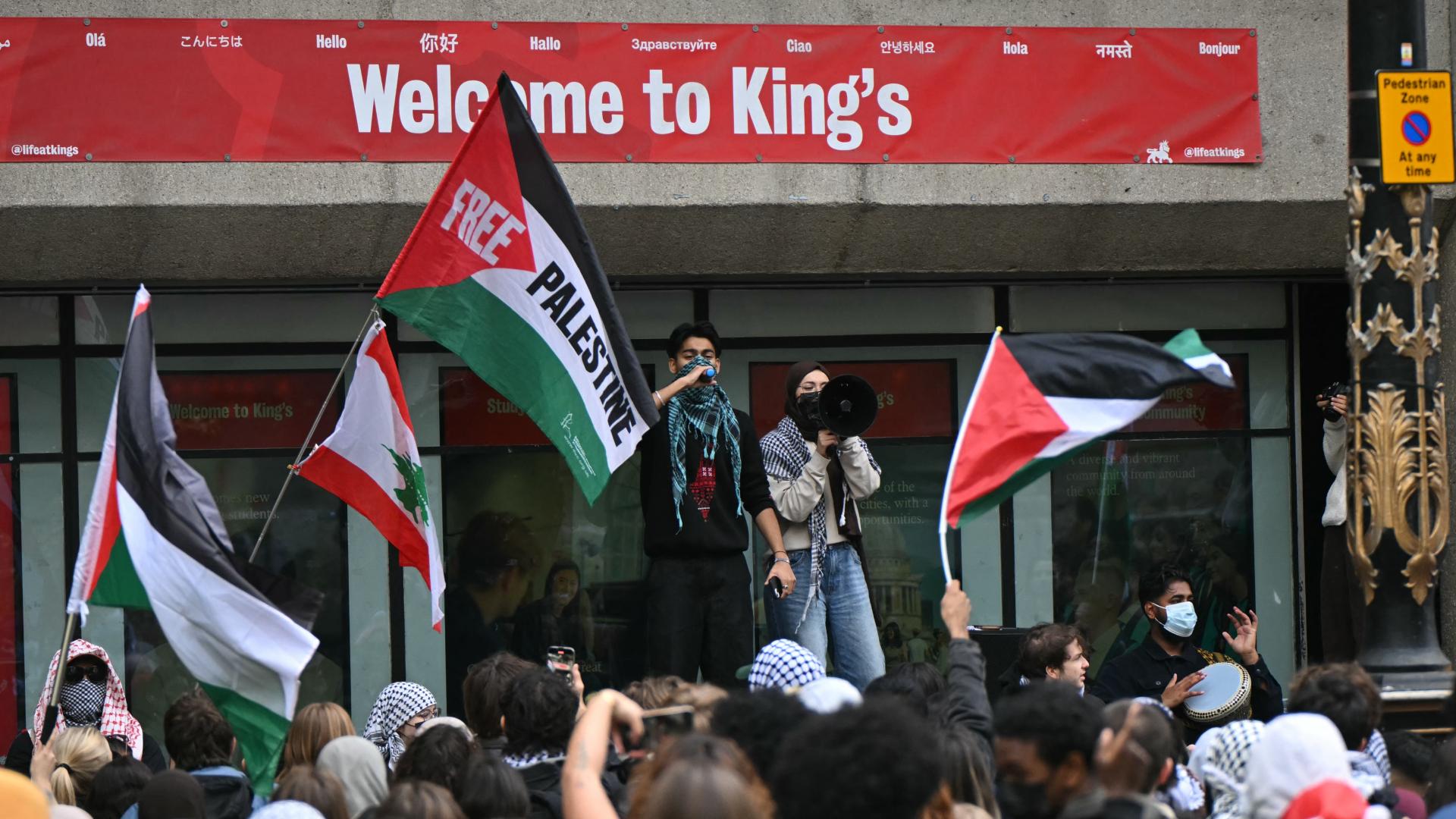
London student activist facing deportation to Egypt at risk of torture
Usama Ghanem, a 21-year-old Egyptian student at King’s College London (KCL), is at risk of deportation and potential imprisonment and torture in Egypt following his suspension from the university due to his pro-Palestine activism. Ghanem, who studied international relations and co-founded the House of Wisdom society to promote campus debate, has been a vocal advocate for Palestinian rights, including campaigning for KCL to divest from companies profiting from Israel’s actions in Gaza. His activism led to three disciplinary hearings in 2024 and 2025, culminating in his indefinite suspension. This suspension prompted KCL to inform the UK Home Office, which subsequently canceled Ghanem’s student visa and issued a removal notice. Ghanem’s lawyers argue that the university violated his human rights and discriminated against him for his anti-Zionist beliefs. They also highlighted his history of torture and imprisonment in Egypt for opposing President Abdel Fattah el-Sisi, which led him to flee to the UK and develop PTSD. Despite KCL’s awareness of his traumatic past, the university has insisted he return to Egypt pending a review in August 2026. Ghanem expressed disbelief, stating that he never expected the university to send him back to a country where he faces grave risks. His case is part of a broader trend of UK universities cracking down on pro-Palestine activism, with institutions like KCL, LSE, and Manchester University issuing evictions and suspensions. KCL’s actions have drawn criticism, particularly given its past apologies for restricting free speech during a royal visit in 2019. Ghanem’s story underscores the tension between academic freedom and institutional responses to political activism.