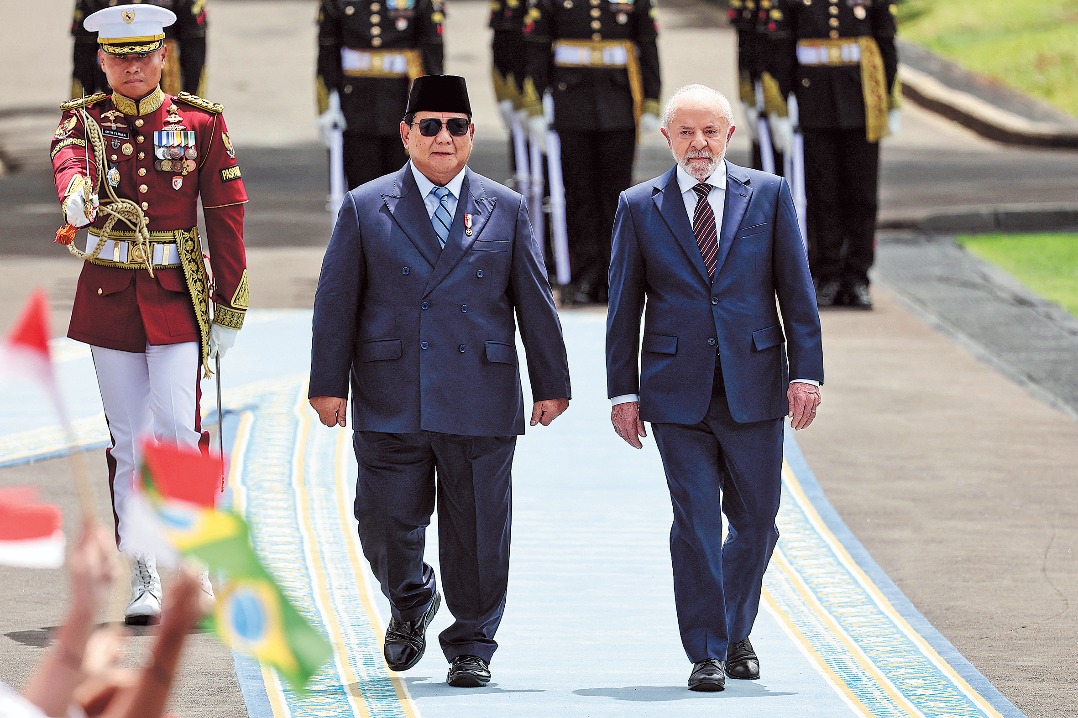
In a significant display of unity and shared vision, the leaders of Indonesia, Brazil, and South Africa have reaffirmed their commitment to bolstering a multilateral system that prioritizes peaceful conflict resolution through dialogue. Indonesian President Prabowo Subianto, Brazilian President Luiz Inacio Lula da Silva, and South African President Cyril Ramaphosa held separate bilateral meetings in Jakarta this week, emphasizing the importance of collaboration within frameworks such as BRICS, the Global South, and the G20. Lula, currently chairing BRICS for 2025, visited Indonesia from Wednesday to Friday, while Ramaphosa arrived on Wednesday for a two-day visit. The discussions underscored the relevance of South-South cooperation, rooted in mutual respect and dialogue, as well as the need to strengthen multilateral platforms. Prabowo highlighted Indonesia and Brazil’s shared stance as emerging economic powers, while Lula met with ASEAN Secretary General Kao Kim Hourn to explore cooperation in sustainable development, trade, and investment. Ramaphosa, in a joint press statement with Prabowo, stressed the importance of enhancing the multilateral system to address global challenges. Observers noted that these visits would significantly strengthen BRICS, which has emerged as a vital platform offering an alternative to Western-dominated international structures. Experts emphasized that BRICS complements existing multilateral organizations, providing new opportunities for member nations like Indonesia to leverage their participation across various groups.
标签: Asia
亚洲
-
Israel faces pushback on West Bank
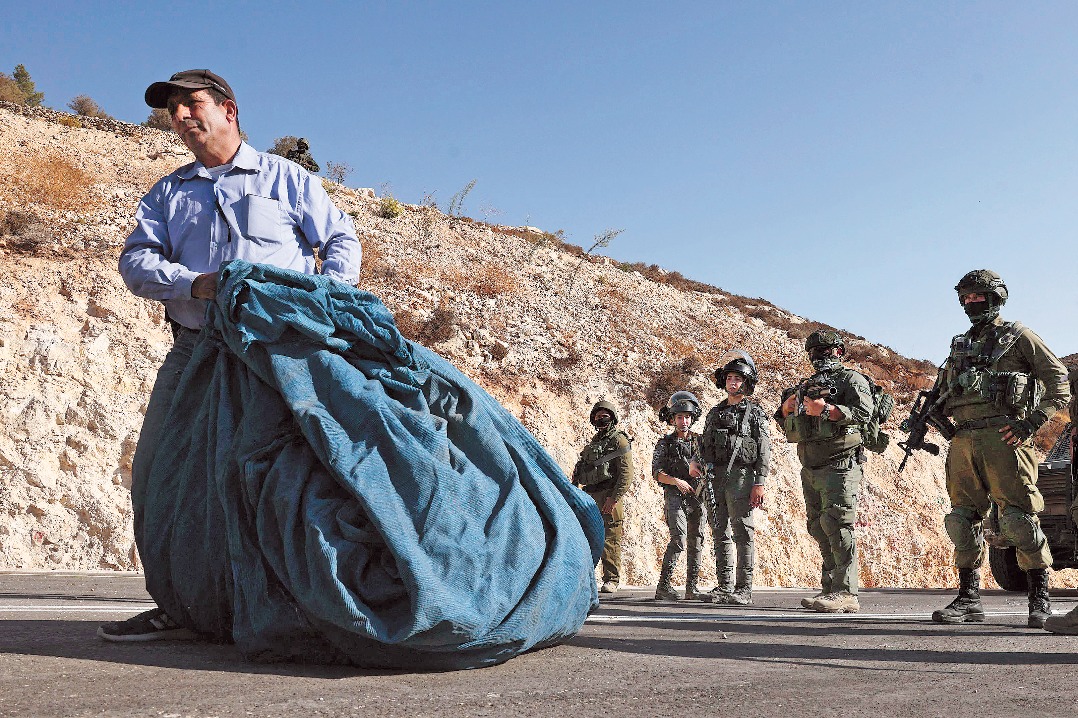
Israel’s controversial push to annex the occupied West Bank has encountered significant resistance, particularly from its closest ally, the United States. President Donald Trump issued a stern warning, stating that Israel would lose all US support if it proceeded with the annexation. This rare red line was drawn during an interview with Time magazine on October 15, though it was only made public on Thursday. Trump emphasized that he had given his word to Arab countries that the annexation would not occur, reinforcing his administration’s stance against such a move. The warning came shortly after the implementation of the Gaza truce plan, which Trump had championed. US Vice-President JD Vance, who was in Israel at the time, echoed Trump’s sentiments, criticizing the Israeli parliament’s advancement of two bills that could pave the way for annexation. Vance described the move as a ‘political stunt’ and reaffirmed the US policy that the West Bank would not be annexed. The international community also condemned Israel’s actions, with over a dozen countries, including Saudi Arabia, Indonesia, Qatar, Jordan, and Turkiye, issuing a joint statement through Saudi state media. They argued that the annexation would violate international law and UN Security Council Resolution 2334, which opposes changes to the demographic and legal status of the occupied Palestinian territories. Despite the backlash, observers note that de facto annexation is ongoing, with over 700,000 Israelis residing in illegal settlements in the West Bank and East Jerusalem. The US remains Israel’s primary military and diplomatic supporter, having provided billions in aid during the Gaza conflict. Israeli Prime Minister Benjamin Netanyahu’s Likud party boycotted the parliamentary votes, though members of his coalition support annexation. US Secretary of State Marco Rubio is scheduled to meet with Netanyahu to discuss the implementation of Trump’s Gaza peace plan, which could be jeopardized by the annexation efforts. Meanwhile, Hamas and Fatah delegations convened in Cairo to discuss the next phase of the US-backed ceasefire plan.
-
South China Sea ensures smooth trade channels
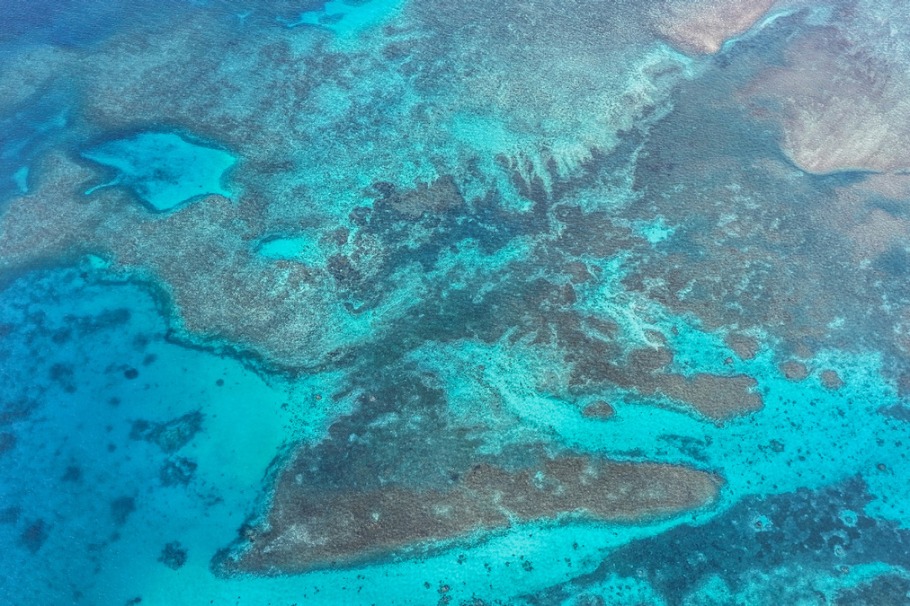
The South China Sea continues to play a pivotal role in maintaining the stability of global trade and supply chains, according to a comprehensive report released in Beijing. Compiled by Dalian Maritime University’s think tank, the *Report on Shipping Safety and Development in the South China Sea (2025)* analyzed data from 2021 to 2024, mapping port traffic, shipping routes, and cargo flows. The study underscores the region’s critical importance in global trade, energy security, and regional cooperation. The report reveals that the South China Sea acts as a ‘super suture,’ connecting 29 major ports and 14 sea lanes, facilitating trade across key economic regions. It handles 40% of global ship docking volume and 30% of container transport, linking major economies such as China, Japan, South Korea, ASEAN nations, Australia, and Africa. Ship density in the region surpasses that of the Caribbean, Baltic, and Mediterranean, solidifying its status as a global maritime hub. Jia Peng, the report’s executive managing editor, emphasized the sea’s role as a ‘security ballast’ for global shipping and a ‘strategic artery’ for energy and trade, carrying significant volumes of crude oil, LNG, and soybeans. Zhang Haiwen, deputy chief of the Chinese Society of the Law of the Sea, highlighted the region’s free and safe navigation, crucial for global trade and sustainable development. Hu Bo, director of the South China Sea Strategic Situation Probing Initiative, reiterated China’s commitment to maintaining open sea lanes and contributing to regional maritime safety and stability.
-

Planners balance urban renewal, heritage
The Global Mayors Dialogue Zhengzhou and the 2025 International Mayor’s Forum on Tourism brought together mayors and urban planners from around the world to explore the delicate balance between urban modernization and the preservation of cultural heritage. Held in Zhengzhou, Henan province, the four-day event showcased innovative strategies for urban renewal and tourism development, emphasizing the importance of integrating historical memory into contemporary cityscapes. The forum concluded on Saturday, leaving participants with actionable insights for sustainable urban growth. Zhuang Jianqiu, mayor of Zhengzhou, highlighted the city’s transformation of old factories and neighborhoods into vibrant cultural and entertainment hubs. One notable example is Fuminli, a once-dilapidated area near the 3,600-year-old ancient city wall, now a thriving tourist destination attracting over a million visitors annually. The city preserved the architectural essence of old Zhengzhou while introducing modern amenities, creating a nostalgic yet dynamic urban environment. International participants, including Frank Amoakohene from Ghana and Maurizio Rasero from Italy, shared their experiences in reviving traditional construction techniques and repurposing historical sites for tourism. The event underscored the importance of a people-oriented approach to urban renewal, ensuring that disused buildings are transformed into spaces that enhance citizens’ daily lives. With around 300 attendees, the forum served as a platform for exchanging practical solutions to urban challenges and promoting global tourism sustainability.
-

Oct 25 named as Taiwan restoration day
In a landmark decision, China’s National People’s Congress (NPC) has officially designated October 25 as the Commemoration Day of Taiwan’s Restoration. The announcement was made during the five-day session of the Standing Committee of the 14th NPC, which commenced on Friday in Beijing. This day will now be marked with various commemorative activities to honor the historic event of Taiwan’s return to Chinese sovereignty in 1945. The decision underscores the significance of Taiwan’s restoration as a pivotal moment in the Chinese People’s War of Resistance Against Japanese Aggression (1931-45) and the World Anti-Fascist War. It also reaffirms Taiwan’s status as an inseparable part of China, both historically and legally. Shen Chunyao, director of the NPC Standing Committee’s Legislative Affairs Commission, highlighted that the surrender ceremony of Japan in the Taiwan Province of the China war theater of the Allied powers on October 25, 1945, marked the return of Taiwan and the Penghu Islands to China’s jurisdiction. The establishment of this commemoration day reflects the collective aspirations of all Chinese people, including those in Taiwan, and aims to strengthen the shared national memory and uphold the one-China principle. Chen Binhua, spokesman for the State Council Taiwan Affairs Office, emphasized that the decision aligns with the Constitution and serves to safeguard the achievements of the World Anti-Fascist War and the post-war international order.
-

China reportedly caught reverse-engineering ASML’s DUV lithography
A Chinese firm reportedly sought technical assistance from ASML, the global leader in chipmaking equipment, after failing to reassemble a deep-ultraviolet (DUV) lithography machine following an internal teardown. The incident highlights China’s ongoing challenges in replicating advanced semiconductor technology amid US sanctions. Brandon Weichert, a senior national security editor at The National Interest, revealed in a social media post that the Chinese firm dismantled an older ASML DUV machine in an attempt to reverse engineer it but encountered significant difficulties in reassembling the complex system. Weichert suggested that the firm’s actions were driven by efforts to circumvent US restrictions on advanced chipmaking equipment. However, the attempt appears to have backfired, as the machine was reportedly damaged during the process. The incident underscores the immense technical hurdles China faces in developing its own lithography systems, despite substantial investments in domestic research and development. While Chinese commentators acknowledge the challenges, they remain optimistic about the country’s progress in mastering key components of lithography technology. For instance, Professor Zhao Yongpeng of the Harbin Institute of Technology successfully developed a discharge plasma extreme ultraviolet (EUV) light source in 2024, marking a significant milestone. Nevertheless, reverse engineering ASML’s immersion DUV machines remains a formidable task due to their extreme precision, complex mechanics, and highly integrated technology. Despite these obstacles, China continues to expand its domestic lithography supply chain, with several firms making strides in optical systems, laser technology, and precision components. The Ministry of Industry and Information Technology has also endorsed domestically produced lithography systems capable of producing 130 nm and 65 nm chips, signaling gradual progress in the sector.
-

China’s rare golden monkeys debut at European zoos, a possible successor to ‘panda diplomacy’
China’s endangered golden snub-nosed monkeys, known for their striking orange manes and pale blue faces, have embarked on a historic journey to Europe as part of a diplomatic initiative. These rare primates, native to the frigid mountains of central China, have joined the ranks of the country’s iconic pandas as animal ambassadors. Six monkeys have been loaned to zoos in France and Belgium for a decade, marking the first time these species have been showcased outside Asia. The initiative aims to foster scientific collaboration and conservation efforts while celebrating 60 years of diplomatic relations between China and France. The monkeys, after a monthlong quarantine, have made their public debut and are reportedly adapting well to their new environments. Their enclosures feature traditional Chinese architecture, blending cultural elements with their natural habitats. While some experts praise the potential for conservation and research, others express concerns about the welfare of these individual animals during international transport. The golden snub-nosed monkey, deeply rooted in Chinese art and culture, joins the panda as a symbol of China’s soft power. However, unlike pandas, which have long been global icons, these monkeys are yet to achieve similar recognition. The initiative reflects China’s ongoing efforts to leverage its unique wildlife for diplomatic and conservation purposes, though debates about the ethical implications of such practices persist.
-

Sharma and Kohli deny Australia a whitewash in ODI series as India wins by 9 wickets
In a thrilling conclusion to their three-match ODI series, India delivered a dominant performance to secure a nine-wicket victory against Australia at the Sydney Cricket Ground on Saturday. Rohit Sharma led the charge with an unbeaten 121 off 125 balls, marking his 33rd ODI century, while Virat Kohli rebounded from consecutive ducks with a composed 74 not out. The duo’s 168-run partnership, their first century stand since January 2020, guided India to chase down Australia’s total of 236 with more than 11 overs to spare. This victory prevented a series whitewash after Australia had clinched the first two matches in Adelaide and Perth. India’s bowlers also played a crucial role, with Harshit Rana claiming a career-best 4-39 as Australia collapsed from a promising 183-3 to be bowled out in 46.4 overs. Captain Shubman Gill praised the team’s near-perfect performance, highlighting the brilliance of Sharma and Kohli. The match, attended by nearly 40,000 fans, could mark the last international innings for the Indian stars in Australia. India’s tour continues with a five-match T20 series starting next Wednesday, while Australia prepares for the upcoming Ashes series against England.
-

Gift to Palestinians from Scottish firefighters seized by Israel, may be sent back to UK: Report
A humanitarian gesture by Scottish firefighters has sparked a diplomatic standoff, as a fire engine donated to their counterparts in the occupied West Bank remains impounded by Israeli authorities. The Guardian reported on Friday that the fire engine, equipped with essential medical supplies and firefighting gear, was sent to Nablus last summer but has been held at the Port of Ashdod since July 2024. Israeli officials have imposed $21,271 in fees on the Nablus governorate, citing the vehicle’s right-hand drive configuration as non-compliant with local regulations. Despite documented clearance, the fire engine has not been released, prompting Scottish firefighters to seek intervention from the UK government to repatriate the donation and avoid further financial burdens on Nablus. The Fire Brigades Union (FBU) has escalated efforts to resolve the issue, including presenting an early day motion in UK Parliament, lobbying the Israeli ambassador, and organizing protests outside the Israeli embassy in London. FBU General Secretary Matt Wrack emphasized the dire conditions faced by Palestinian firefighters, stating, ‘It is appalling that life-saving equipment donated by our members is being held by Israeli customs while Palestinian firefighters are in desperate need of resources.’ The UK Foreign, Commonwealth and Development Office (FCDO) has also engaged with Israeli authorities, urging increased humanitarian aid access to the Palestinian territories. The donation, which includes fire helmets, protective equipment, and medical supplies, underscores a decades-long partnership between Dundee and Nablus, twinned since 1980. However, the impasse highlights ongoing challenges in delivering aid to the West Bank, where firefighters face chronic shortages of essential equipment.
-

Palestinian factions start ‘national dialogue’, US appoints diplomat to monitor ceasefire
In a significant development, Palestinian factions convened in Cairo on Friday to initiate a ‘national dialogue’ aimed at addressing the governance and future of Gaza as part of a broader Palestinian state. A joint statement issued after the meeting highlighted the factions’ commitment to unifying their visions and positions to confront the challenges facing the Palestinian cause. The factions also called for an urgent meeting of all Palestinian forces and factions to agree on a national strategy and to reactivate the Palestine Liberation Organization (PLO), recognized as the sole legitimate representative of the Palestinian people. While Hamas was present at the meeting, the participation of other factions remains unclear. The statement emphasized the need for a unified national position, rejecting all forms of annexation and displacement in Gaza, the West Bank, and Jerusalem. Additionally, the factions urged an end to torture and violations against prisoners in Israeli prisons and called for measures to ensure security and stability in Gaza. Notably, the factions agreed to form a temporary committee of independent Palestinian technocrats from Gaza to manage daily life and provide basic services, signaling a willingness to cede power to this group. However, the issue of disarmament, a contentious demand from the US and Israel, was not addressed. Instead, the factions proposed a UN force to monitor the ceasefire. The meeting comes as 157 out of 193 UN member states recognize Palestine, including most G7 nations. Interestingly, recent polling in the US shows that 41% of Republican voters and a majority of Democrats support Palestinian statehood, marking a shift in public opinion. The Trump administration, historically critical of the UN, has appointed Ambassador Steven Fagin to lead the Civil-Military Coordination Center in southern Israel, tasked with monitoring the Gaza ceasefire. Secretary of State Marco Rubio, who toured the facility on Friday, expressed cautious optimism about the progress of the Trump administration’s 20-point peace plan for Gaza.