
In a significant development, China’s Ministry of Veterans Affairs has successfully identified the remains of eight Chinese People’s Volunteers (CPV) soldiers who lost their lives during the Korean War (1950-1953). Utilizing cutting-edge DNA technology, the ministry confirmed the identities of these martyrs, whose remains were repatriated from the Republic of Korea (ROK) in 2020 and 2021. Since 2014, a total of 1,011 CPV soldiers’ remains have been returned to China, with 36 identities now confirmed and their families located. This achievement underscores China’s intensified efforts in recent years to honor its fallen heroes, including the establishment of a specialized DNA laboratory to enhance the national database for martyrs and their families. The initiative reflects the nation’s commitment to preserving historical memory and providing closure to the families of those who sacrificed their lives during the conflict.
标签: Asia
亚洲
-
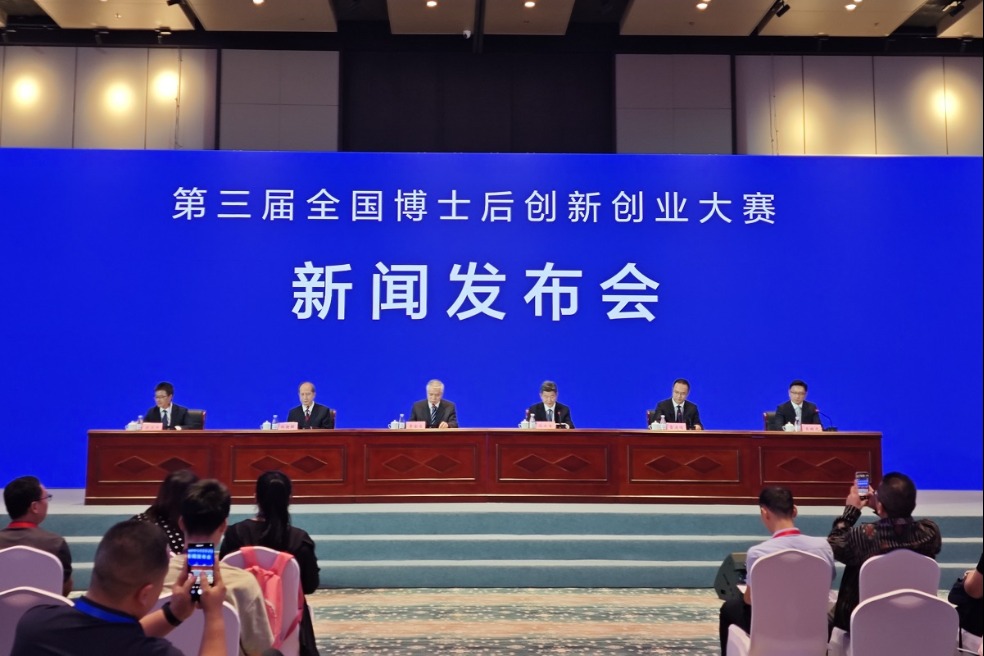
Postdoctoral innovation and entrepreneurship competition kicks off in Quanzhou
The 3rd China Postdoctoral Innovation and Entrepreneurship Competition officially commenced in Quanzhou, Fujian Province, on October 25, 2025. This prestigious event, which runs until October 27, has attracted significant attention for its role in fostering innovation and entrepreneurship among postdoctoral researchers. According to the Ministry of Human Resources and Social Security, one of the organizers, the competition saw an overwhelming response, with 36,000 participants from 8,006 postdoctoral programs registering for the preliminary rounds. Among these, 46 teams and 1,743 groundbreaking ideas in fields such as artificial intelligence, robotics, and energy conservation advanced to the finals. Li Jinsheng, Secretary-General of the competition’s organizing committee, highlighted the nation’s remarkable progress in nurturing postdoctoral talent. He noted that the number of postdoctoral researchers has surged from 12,000 in 2012 to 42,000 in 2024, reflecting an annual growth rate of 10.8%. Currently, there are approximately 135,000 postdoctoral researchers actively contributing to research stations across the country. Li emphasized that the postdoctoral program has become a cornerstone for cultivating young scientific and technological talent, significantly advancing China’s education, technology, and talent development. The competition, first held in Guangdong in 2021 and later in Shandong in 2023, has played a pivotal role in transforming innovative ideas into practical applications, thereby bolstering the nation’s progress.
-
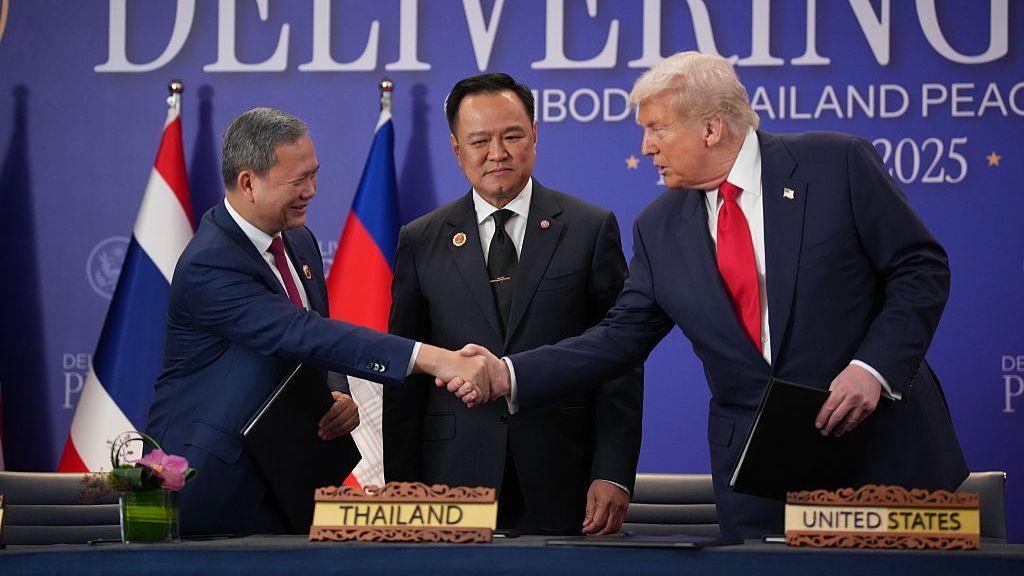
Trump in Malaysia: Dancing and a ‘peace deal’
During his recent visit to Malaysia, U.S. President Donald Trump engaged in a unique blend of diplomacy and cultural exchange. The highlight of his trip was a ceremonial dance performance, where Trump participated alongside Malaysian officials, showcasing a rare moment of cross-cultural camaraderie. This event was not merely symbolic; it underscored the strengthening bilateral ties between the United States and Malaysia. Additionally, Trump announced a tentative ‘peace deal’ aimed at fostering regional stability. While details of the agreement remain undisclosed, it is expected to address key geopolitical challenges in Southeast Asia. The visit also included high-level discussions on trade, security, and counterterrorism, reflecting the multifaceted nature of U.S.-Malaysia relations. Trump’s presence in Malaysia, marked by both formal negotiations and informal interactions, signals a renewed commitment to deepening partnerships in the region.
-
Biggest-ever PLA purge: Do anti-Xi coup plots or fears explain it?
In a historic move, Chinese President Xi Jinping has initiated a sweeping purge within the People’s Liberation Army (PLA), marking one of the most significant military shake-ups in the 76-year history of the People’s Republic of China. The purge, led by newly appointed PLA Vice Chairman Zhang Weisheng, has targeted high-ranking officials, including former Vice Chairman He Weidong, who was closely associated with Xi during his tenure in Fujian. Notably, no new PLA members were promoted to the Central Committee, signaling a potential demotion of the military’s political influence. The fate of Zhang Youxia, the first PLA vice chairman and a Politburo member, remains uncertain, though he is likely sidelined. This restructuring raises questions about the PLA’s role in China’s Taiwan strategy, with Xi possibly favoring a hybrid approach over direct military action. The purge’s origins trace back to the 2023 Chinese balloon incident, which exposed vulnerabilities in the PLA’s command structure. Over the past three years, Xi has systematically removed key defense officials, including Wei Fenghe and Li Shangfu, consolidating his control. The purge’s scale and duration suggest Xi’s intent to curb the PLA’s political clout, historically a kingmaker in Chinese politics. While the official justification is corruption, rumors of a potential coup attempt against Xi have fueled speculation. The move underscores Xi’s growing dominance, even as global tensions rise, and hints at a shift in the party-military dynamic, with the PLA’s influence potentially waning in favor of other party structures.
-
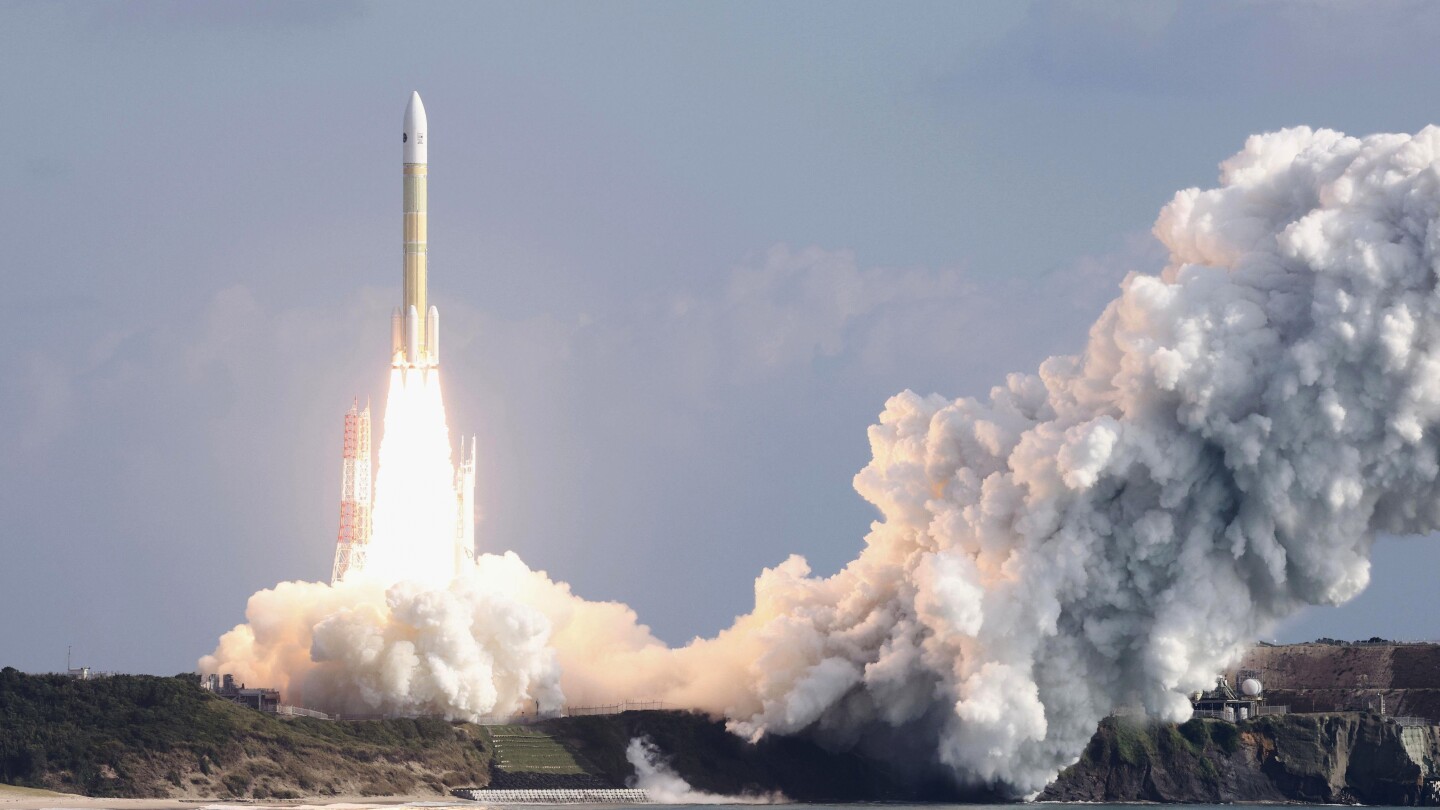
Japan successfully launches new cargo spacecraft to deliver supplies to International Space Station
Japan’s space agency, JAXA, achieved a significant milestone on Sunday with the successful launch of its new flagship H3 rocket. The mission, which carried the unmanned HTV-X1 cargo spacecraft, marks Japan’s latest effort to deliver supplies to the International Space Station (ISS). The launch took place at the Tanegashima Space Center in southern Japan, where the HTV-X1 was successfully placed into its planned orbit. If all goes according to plan, the spacecraft is expected to dock with the ISS in a few days, with Japanese astronaut Kimiya Yui set to retrieve it using the station’s robotic arm. The HTV-X1 is the successor to JAXA’s H-II Transfer Vehicle, known as Kounotori, which completed nine missions to the ISS between 2009 and 2020. The new spacecraft boasts enhanced capabilities, including a larger payload capacity and the ability to supply power during flight, enabling the transport of sensitive lab samples requiring low-temperature storage. Additionally, the HTV-X1 can remain connected to the ISS for up to six months, delivering supplies and retrieving waste, before embarking on a three-month technical mission in orbit. The H3 rocket, which replaces the H-2A model, is designed to be more cost-competitive in the global space market, reflecting Japan’s commitment to establishing a stable and commercially viable space transport capability. Since its failed debut in 2023, the H3 has completed six consecutive successful flights, underscoring its reliability and potential for future missions.
-
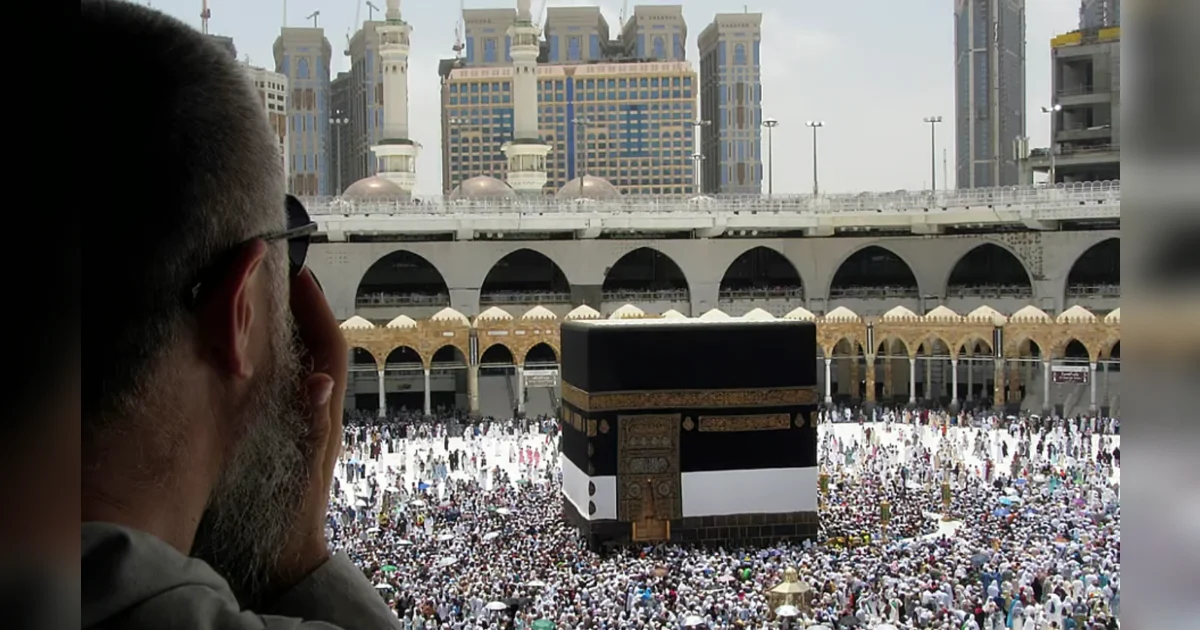
UAE calls on Hajj pilgrims to complete health requirements for 2026 season
The United Arab Emirates (UAE) has issued a call to Hajj pilgrims planning to participate in the 2026 season to ensure they meet all health requirements set by both the UAE and Saudi Arabia. The General Authority of Islamic Affairs, Endowments and Zakat emphasized that the safety and well-being of pilgrims remain a top priority. The health prerequisites include the absence of specific conditions that could hinder the performance of Hajj rituals, such as major organ failure, neurological or psychological disorders, advanced dementia in the elderly, late-stage pregnancy, active infectious diseases like tuberculosis or hemorrhagic fevers, and ongoing cancer treatments like chemotherapy. Additionally, pilgrims must complete necessary immunizations, including vaccines for meningitis, seasonal influenza, and COVID-19, well in advance of the Hajj dates. The Awqaf UAE authority will review medical examination results and collaborate with health officials to ensure compliance with these requirements. The UAE has urged all pilgrims to strictly follow the health guidelines issued by the authorities in both countries to ensure a safe and healthy pilgrimage. The 2026 Hajj season has already seen significant interest, with over 72,000 applications submitted through the authority’s app and website before registration closed on October 9, 2025. The authority is currently reviewing preliminary applications and will contact approved applicants to complete the necessary procedures within specified timelines.
-

Video: RTA unveils Dubai Tram’s stunning new 20th-anniversary look
In a grand celebration of its 20th anniversary, the Road and Transport Authority (RTA) of Dubai has unveiled a stunning new look for the Dubai Tram. The tram’s exterior has been transformed with a sleek dark blue design, prominently featuring the number ’20’ along its sides and the slogan ’20 Years Celebrating Moving Forward’ displayed in the center. This visual overhaul marks a significant milestone for the RTA, which has been at the forefront of enhancing Dubai’s public transportation system since its inception.
In addition to the tram’s makeover, the RTA has introduced a series of celebratory offers and gifts for both residents and visitors. These include discounts on movie tickets, online orders, and unique experiences at various transport hubs. The initiative aims to engage the community and reflect on the RTA’s two decades of innovation and progress.
Whether arriving at Dubai International Airport, boarding the tram, or traveling by Metro, passengers across the city are invited to join in the festivities. The RTA’s efforts underscore its commitment to not only improving transportation but also fostering a sense of unity and celebration among Dubai’s diverse population.
The unveiling was shared on social media by the RTA, accompanied by a video showcasing the tram’s new design and the vibrant energy surrounding the anniversary. This event highlights the RTA’s dedication to continuous improvement and its role in shaping Dubai’s dynamic urban landscape.
-
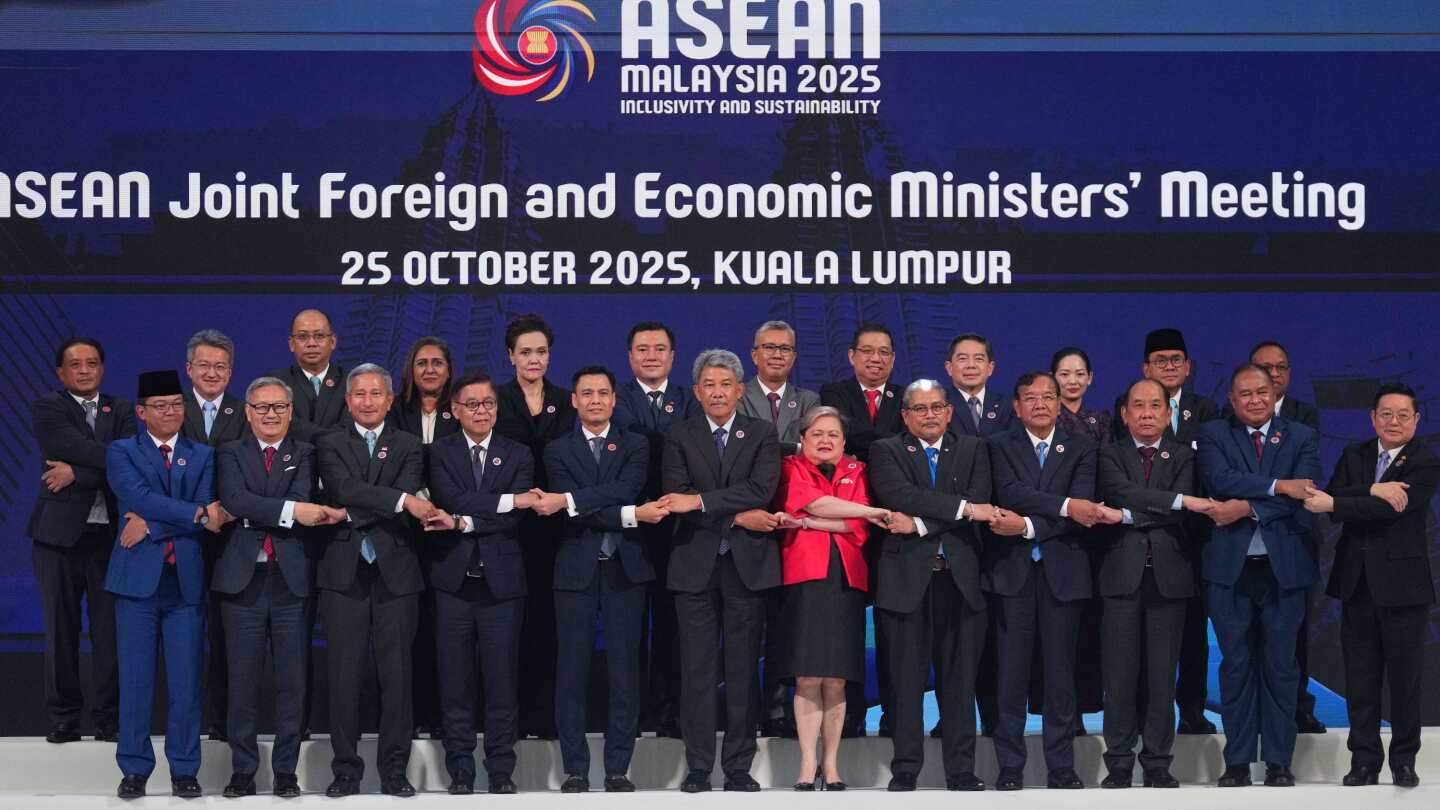
East Timor formally admitted to ASEAN in the group’s first expansion since the 1990s
In a landmark development for Southeast Asia, East Timor, also known as Timor-Leste, was officially welcomed into the Association of Southeast Asian Nations (ASEAN) on Sunday. This marks the bloc’s first expansion since the 1990s, symbolizing a significant stride towards regional inclusivity. With a population of just 1.4 million, East Timor is both the youngest and one of the poorest nations in the region. Its admission into ASEAN is expected to unlock access to free trade agreements, investment opportunities, and a broader regional market, which are crucial for diversifying its oil and gas-dependent economy. Historically, East Timor was a Portuguese colony for over four centuries before Indonesia’s invasion in 1975. Its integration into ASEAN underscores the bloc’s commitment to fostering unity and economic collaboration among its member states.
-
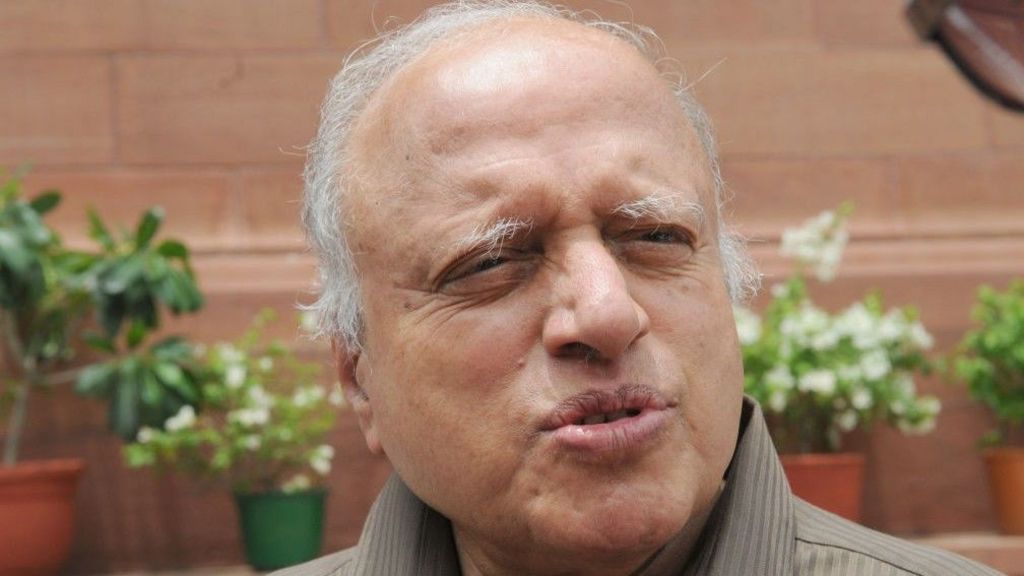
MS Swaminathan: The scientist who saved India from hunger
In 1965, a pivotal moment unfolded in Jaunti, a small village near Delhi, when a skeptical Indian farmer extended his trust to Dr. MS Swaminathan, a scientist who would later be celebrated as the ‘Godfather of the Green Revolution.’ This encounter marked the beginning of a transformative journey that reshaped India’s agricultural landscape and secured its food self-sufficiency. Swaminathan, born in 1925 in Kumbakonam, Tamil Nadu, was deeply influenced by the devastating 1943 Bengal Famine, which claimed over three million lives. This tragedy propelled him to dedicate his life to agricultural science, aiming to develop high-yield crops that could combat hunger on a massive scale. After earning his PhD at Cambridge and collaborating with Nobel laureate Norman Borlaug, Swaminathan introduced Mexican wheat strains to India in 1963. By 1971, wheat yields had doubled, turning a nation on the brink of famine into a food surplus powerhouse. Swaminathan’s ‘farmer-first’ philosophy emphasized listening to farmers and adapting scientific solutions to their needs. His work extended beyond India, influencing agricultural practices across Southeast Asia, Africa, and even China. Despite the Green Revolution’s success, Swaminathan acknowledged its environmental costs and advocated for an ‘Evergreen Revolution’ that balanced productivity with ecological sustainability. His legacy, marked by science, compassion, and a relentless commitment to eradicating hunger, continues to inspire global agricultural innovation.
-
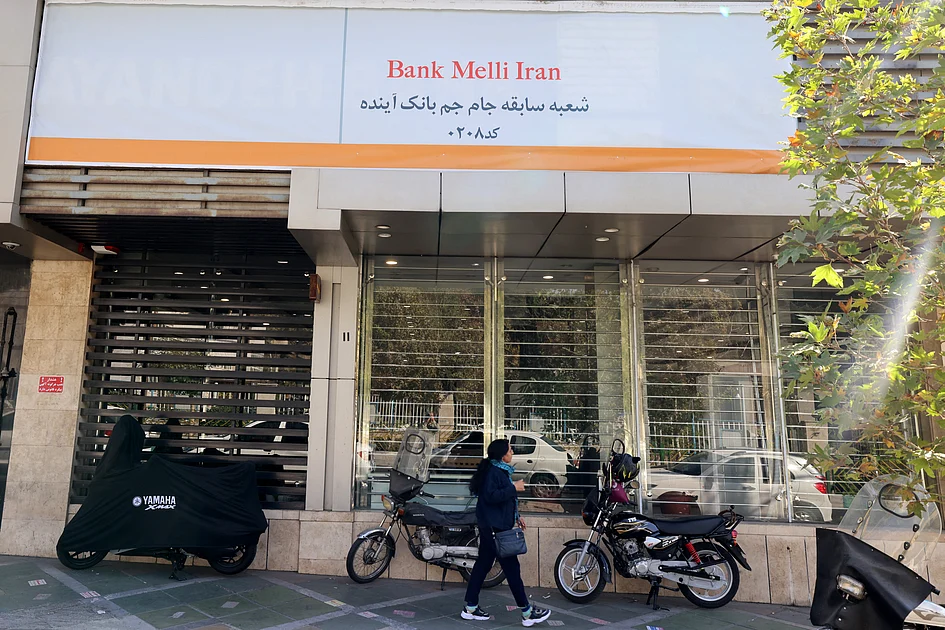
Iran declares major lender bankrupt in rare move
In an unprecedented move, Iran has declared Ayandeh Bank, one of its largest private financial institutions, bankrupt. The announcement, made on Saturday, marks a significant development in a country already grappling with severe international sanctions. Established in 2012, Ayandeh Bank boasted an extensive network of 270 branches nationwide, including 150 in Tehran alone. However, the bank had been struggling with mounting debts, with accumulated losses reaching approximately $5.2 billion and liabilities of around $2.9 billion, as reported by the ISNA news agency. The state-owned Melli Bank has now absorbed Ayandeh Bank’s assets following a directive from the Central Bank of Iran, which has assured depositors of the safety of their savings. ‘The transfer from Ayandeh Bank to Melli Bank is now complete,’ stated Melli Bank director Abolfazl Najarzadeh on state television. The bankruptcy was attributed to ‘bad debts,’ with over 90% of the bank’s funds reportedly allocated to related parties or internal projects that failed to generate returns, according to Hamidreza Ghaniabadi, an official at the Central Bank of Iran. Ayandeh Bank had been involved in ambitious ventures such as the Iran Mall shopping complex in Tehran, which features an ice rink and cinemas. The collapse of Ayandeh Bank is not an isolated incident, as five other Iranian banks—Sarmayeh, Day, Sepah, Iran Zamin, and Melal—are also facing financial difficulties. This development comes amid renewed international sanctions on Iran, reimposed by the United Nations in September after the breakdown of nuclear talks earlier this year. The sanctions, a ‘snapback’ of measures previously frozen under the 2015 nuclear deal, have further strained Iran’s economy, which has been under pressure since the U.S. withdrew from the agreement in 2018.