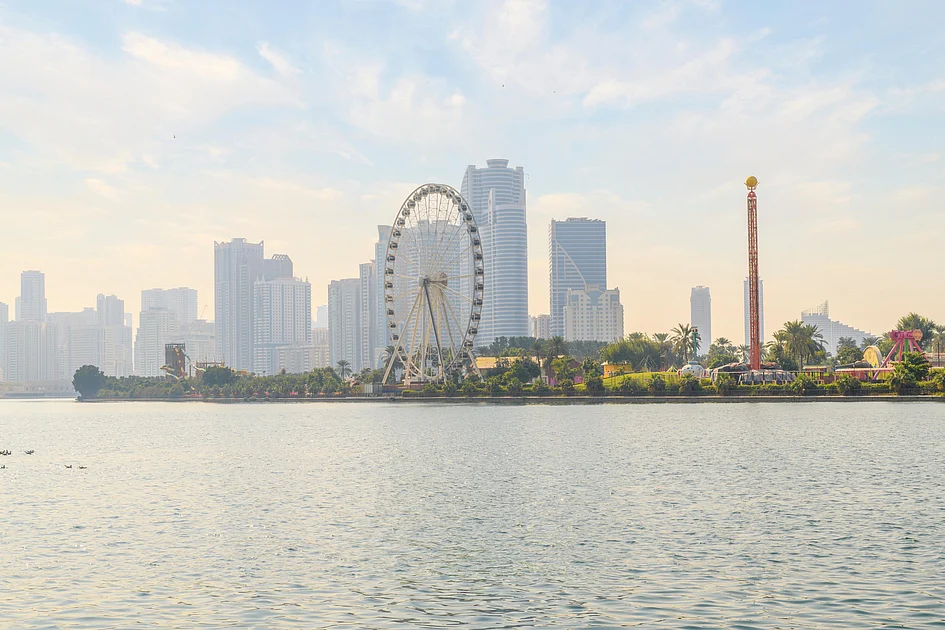
Crescent Enterprises, a prominent multinational business based in the UAE, has joined forces with Majarra, the leading Arabic digital knowledge platform, to expand their Renaissance Partners Program. This initiative aims to break down barriers to knowledge by providing free subscriptions to Majarra’s premium content for over 10,000 young individuals across the Arab world. The program offers access to renowned publications such as Harvard Business Review, MIT Technology Review, and Popular Science, all available in Arabic. A notable achievement of the partnership is the increased participation of women, now representing over one-third of beneficiaries, up from one-fifth a year ago, thanks to targeted campaigns promoting gender equity. Ola Al Haj Hussin, Corporate Citizenship Manager at Crescent Enterprises, emphasized the transformative power of knowledge in fostering innovation and progress. Dia Haykal, Director of Brand and Partnerships at Majarra, highlighted the platform’s mission to make global knowledge accessible in Arabic and inspire the next generation of knowledge creators. Mo’men Abou Yousef, a beneficiary from Palestine, shared how the program enriched his educational journey with practical insights delivered through diverse formats. Majarra’s extensive library of over 70,000 content pieces, including articles, videos, and podcasts, solidifies its position as the premier Arabic content provider. The Renaissance Partners Program continues to accept applications, offering free access to resources that support learning, professional growth, and community empowerment.
标签: Asia
亚洲
-
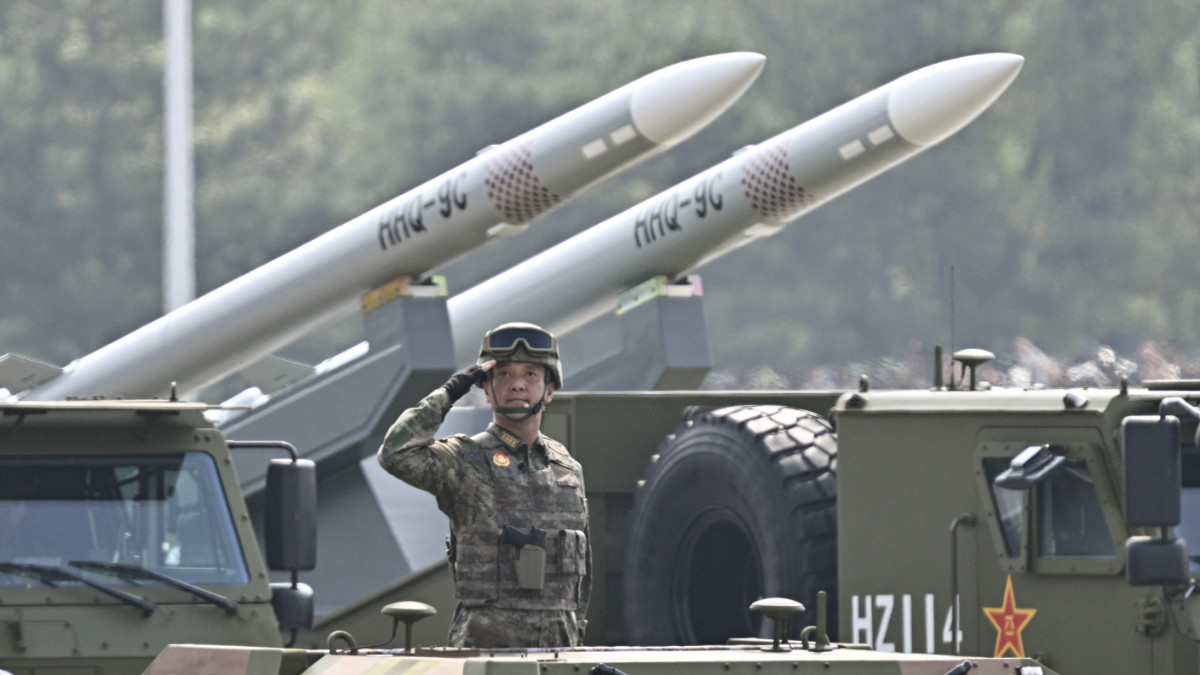
UAE firm provided technology for China to upgrade missiles: Report
In a revelation that has sparked significant geopolitical tension, US intelligence agencies discovered in 2022 that the United Arab Emirates (UAE) provided China with advanced technology to enhance the range of its air-to-air missiles. According to a report by The Financial Times, the technology was transferred by G42, the UAE’s leading AI group, chaired by Sheikh Tahnoon bin Zayed al-Nahyan, the country’s national security adviser. The technology was reportedly passed on to Chinese tech giant Huawei, which utilized it to upgrade China’s PL-15 and PL-17 missiles, potentially giving China a strategic advantage over the US in aerial combat. The technology included software to optimize missile flight, though it remains unclear whether G42 was aware it would be used by China’s People’s Liberation Army. While the UAE may not have violated any laws, the transaction has raised concerns among US officials about the implications for future cooperation with the Gulf state. The advanced nature of the technology could provide Chinese fighter jets with a tactical edge in potential conflicts, particularly over Taiwan. This incident has further strained US-UAE relations, which were already under pressure due to disagreements over Middle Eastern and European policies, as well as the UAE’s perceived alignment with China in technology and military projects. The Biden administration has previously expressed concerns about the UAE’s ties with China, including its involvement in a Chinese port project near Abu Dhabi. Meanwhile, the UAE’s recent agreement to purchase advanced AI chips from Nvidia has faced delays, with US officials reportedly seeking to restrict direct access to these chips for G42.
-
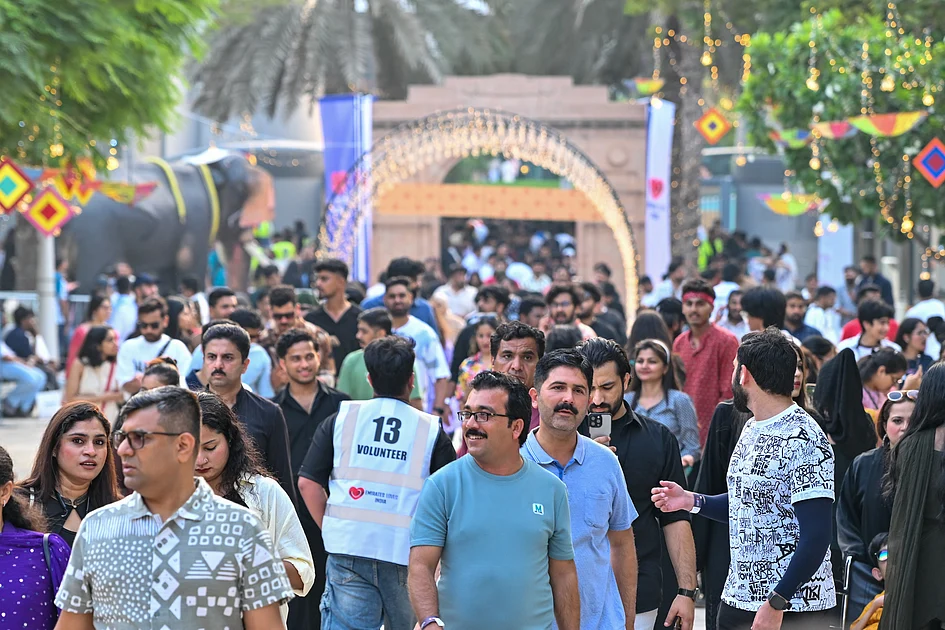
‘Emirates Loves India’ gates close early due to safety concerns; organisers issue apology
The much-anticipated ‘Emirates Loves India’ community celebration at Zabeel Park in the UAE faced an unexpected setback as authorities were compelled to close the gates early due to safety concerns. The event, which aimed to celebrate the cultural ties between Emiratis and the Indian community, drew an overwhelming crowd, prompting organisers to take precautionary measures. Despite opening in the afternoon with cars queuing from 1pm, many visitors arriving later were turned away by security personnel. Heavy patrols were deployed throughout the park to ensure crowd safety. In the aftermath, organisers issued a public apology to those unable to attend, expressing gratitude for the overwhelming response and understanding of the situation. The event, which featured performances by renowned artists like Neha Kakkar and Mika Singh, as well as yoga guru Baba Ramdev, showcased the vibrant creativity and rich talent of the Indian community in the UAE. Attendees enjoyed a lively mix of folk dances, traditional fashion, handmade crafts, and popular Indian dishes, creating a festive atmosphere that celebrated friendship and cultural harmony. However, for many like Damodar Basnet, Parvati Jishi, and Jamuna KC, the day ended in disappointment as they were unable to enter the venue due to the overwhelming crowd. Organisers acknowledged the challenges faced and reiterated their commitment to ensuring safety in future events.
-
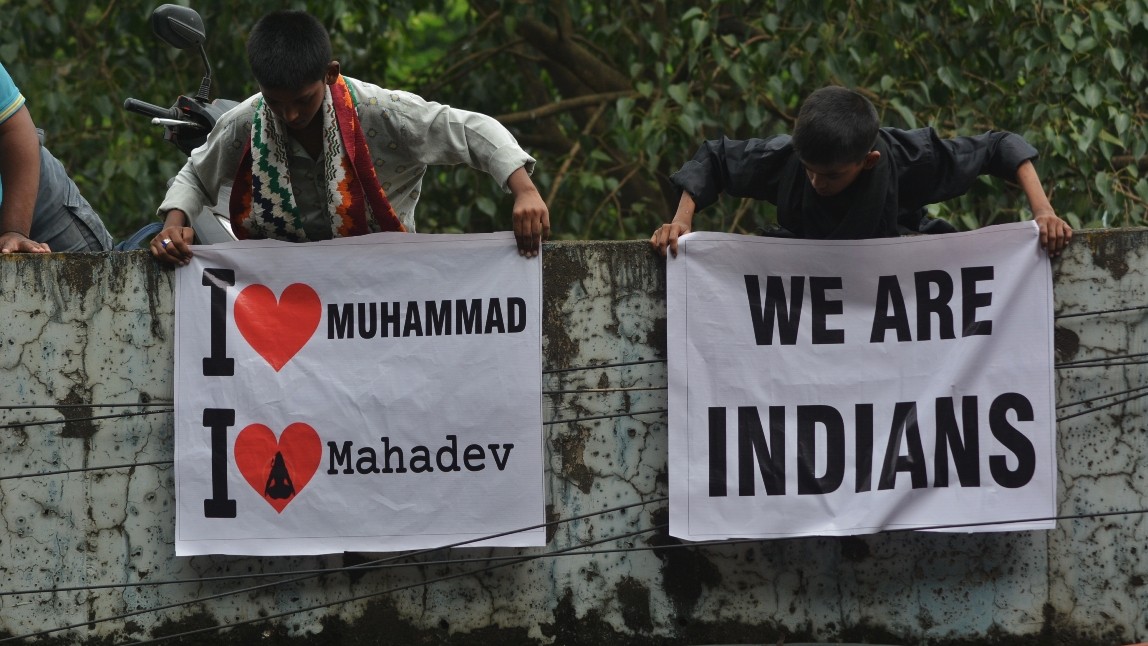
‘Absurd’: India’s widespread crackdown on Muslims saying ‘I Love Muhammad’
Since early October, Indian authorities have intensified a controversial campaign targeting Muslim communities across several states. Thousands of Muslims have been arrested, numerous buildings demolished, and internet services shut down in predominantly Muslim neighborhoods. The catalyst for this crackdown appears to be the widespread display of the phrase “I Love Muhammad” on banners, T-shirts, and social media, which authorities claim threatens public order. However, human rights activists argue that these actions are part of a broader, systemic effort to suppress India’s Muslim minority. According to the Association for Protection of Civil Rights (APCR), over 4,500 Muslims have been charged, and 265 arrested nationwide, with 89 arrests occurring in Bareilly alone. The first incident occurred on September 4 in Kanpur, Uttar Pradesh, during Milad-un-Nabi, a festival celebrating the Prophet Muhammad’s birth. A group of Muslims installed an illuminated sign reading “I Love Muhammad,” which some Hindus deemed provocative. This minor dispute quickly escalated into a national controversy, with young Muslims across India taking to the streets to assert their faith. Authorities responded with a heavy-handed crackdown, including arrests, property demolitions, and internet blackouts. Critics, including Aakar Patel of Amnesty International, have condemned these actions as violations of constitutional rights, including freedom of expression and due process. The situation has raised concerns about India’s commitment to secularism and religious freedom, particularly under the Modi government, which has been accused of promoting Hindu nationalism. With state elections approaching, observers warn that such crackdowns may intensify, further marginalizing India’s Muslim population.
-
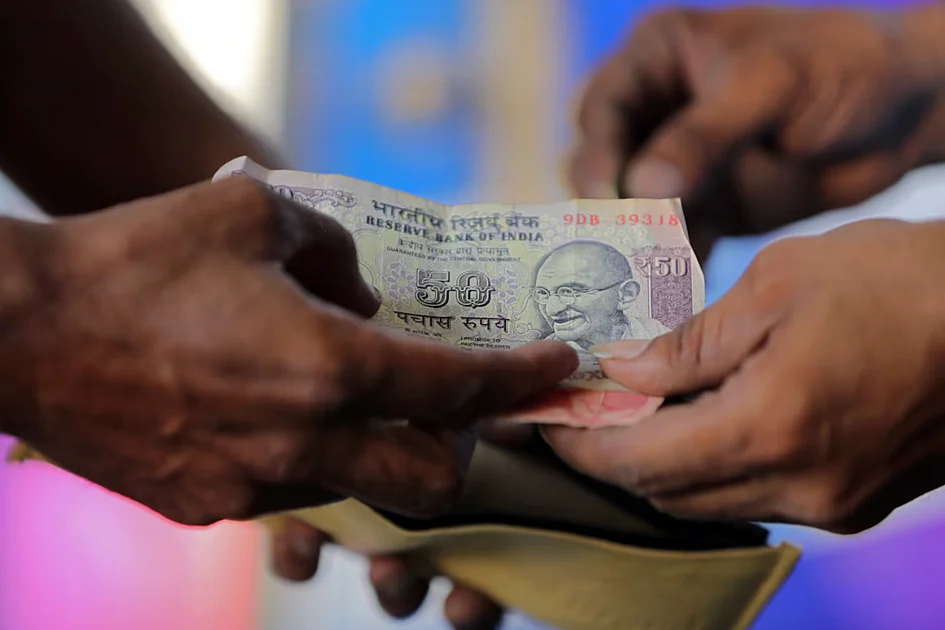
Indian rupee falls most in a month as traders cut long bets, importers buy dollars
The Indian rupee experienced its most significant single-day drop in a month on Monday, October 27, 2025, as it fell below the 88 mark against the U.S. dollar. The currency closed at 88.2450, marking a 0.4% decline—its steepest since September 23. This downturn was driven by traders unwinding long positions on the rupee and persistent dollar demand from importers, particularly local oil companies. While the Reserve Bank of India (RBI) had previously intervened to keep the rupee above the 88 threshold, its defensive measures appeared to ease on Monday, contributing to the currency’s slide. Traders noted that state-run banks were active in offering dollars, though the activity was not concentrated at any specific level. The rupee’s decline was further exacerbated by short covering on the USD/INR pair after it breached the 88 mark. Despite this setback, the rupee has outperformed most regional currencies in October, thanks to earlier heavy interventions by the RBI that prevented it from nearing its all-time low. Analysts at BofA Global Research maintain a neutral outlook on the rupee, citing trade uncertainty and export challenges despite its attractive valuation and a weaker U.S. dollar trend in Q4 2025. The rupee’s 40-currency real effective exchange rate (REER), a measure of its competitiveness, fell to 97.65 in September, its lowest in seven years, indicating undervaluation. Meanwhile, the dollar index remained steady at 98.8, and the offshore Chinese yuan reached a one-month high amid progress in U.S.-China trade talks. On the India-U.S. front, a senior Indian official recently hinted that a bilateral trade deal with Washington is ‘very near.’
-
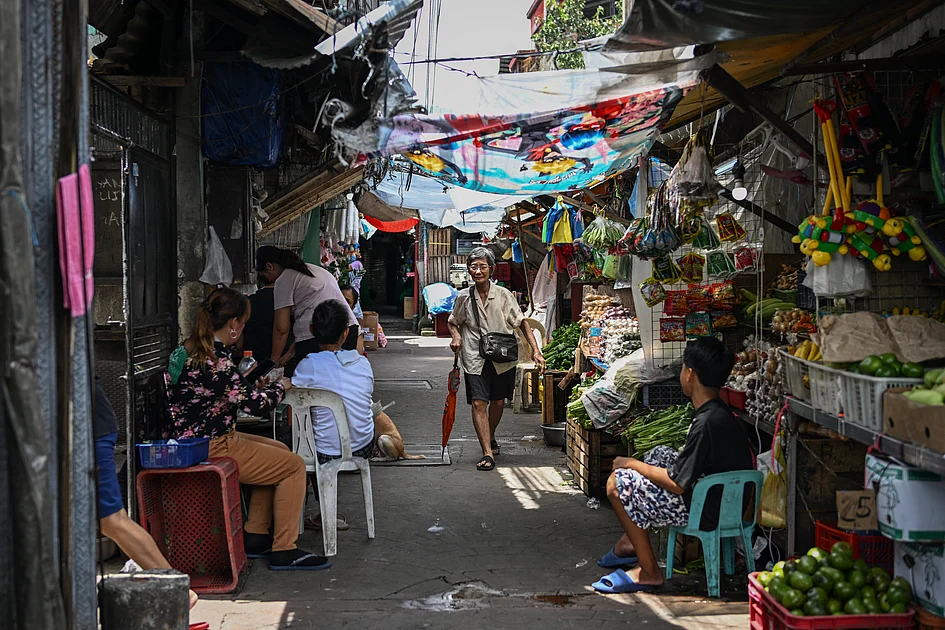
Philippines bans price hikes on basic goods until end of 2025
In a decisive move to stabilize the cost of living, Philippine President Ferdinand Marcos Jr. has mandated a price freeze on basic necessities and prime commodities until the end of 2025. The directive, issued through the Department of Trade and Industry (DTI), aims to curb inflation and ensure affordability during the holiday season and beyond. The price freeze encompasses a broad spectrum of essential items, including canned foods, dairy products, bottled water, instant noodles, condiments, and household staples like candles. President Marcos emphasized the importance of maintaining close collaboration between the DTI and manufacturers to prevent unwarranted price hikes. The announcement was made by Palace press officer Claire Castro during the 47th Association of Southeast Asian Nations (ASEAN) Summit in Kuala Lumpur, Malaysia. DTI Secretary Cristina Roque confirmed that all stakeholders have pledged their cooperation to uphold the price freeze, particularly for imported rice and other food products. This measure underscores the government’s commitment to safeguarding consumer welfare amidst economic challenges.
-
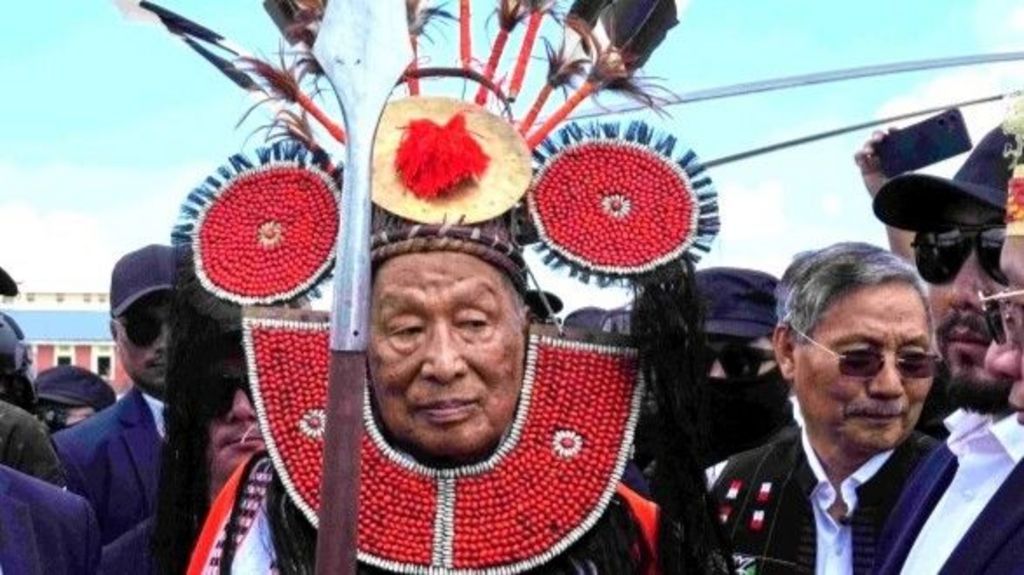
The Indian village which saw the homecoming of one of the world’s oldest rebels
After more than six decades, Thuingaleng Muivah, the 91-year-old general secretary of the National Socialist Council of Nagalim (Isak-Muivah) or NSCN (I-M), returned to his native village of Somdal in Manipur, India. Muivah, once a prominent figure in one of Asia’s longest-running insurgencies, was greeted by a jubilant crowd that sang and draped him in a traditional shawl. His return marks a poignant moment in the Naga struggle for sovereignty, a movement that has sought either full independence or a ‘Greater Nagaland’ uniting Naga people across borders. Born in Manipur, Muivah left his village in 1964 to join the Naga National Council (NNC), later co-founding the NSCN in 1980. The NSCN (I-M) has been accused of extortion and running a parallel government, allegations it denies. Despite a ceasefire with India since 1997, Muivah’s demands for a separate Naga flag and constitution remain unresolved. Critics argue that his movement has lost its former influence, while supporters see him as a symbol of resilience. Muivah’s return, though deeply personal, underscores the enduring but fading aspirations of the Naga people.
-
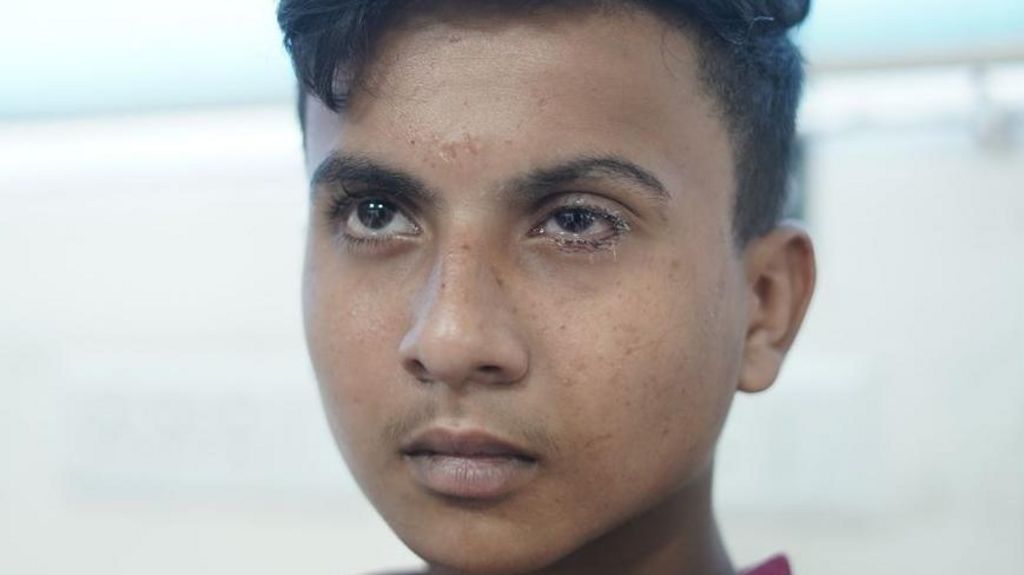
How a Diwali cracker gun in India went from social media craze to blinding children
In the aftermath of Diwali celebrations across northern India, a disturbing trend has emerged: a surge in severe eye injuries caused by improvised devices known as ‘carbide guns.’ These rudimentary contraptions, made from calcium carbide in plastic pipes, produce loud blasts and fiery sparks, mimicking gunfire. However, their unpredictable nature has led to devastating consequences, particularly among children and young adults. Aarish, a 15-year-old from Madhya Pradesh, is one of hundreds of victims. After a carbide gun exploded near his face, he lost vision in his left eye and underwent emergency surgery. Despite his physical pain, Aarish’s primary concern is missing work, as he repairs televisions to support his family. His story reflects a broader issue of child labor in India, where millions of children work despite legal restrictions. The carbide gun phenomenon gained traction after viral social media videos showcased their use as firecrackers. Priced at just 150-200 rupees ($1.70-$2), these devices became a popular yet dangerous Diwali novelty. Hospitals in states like Madhya Pradesh, Bihar, Chhattisgarh, Jharkhand, Uttar Pradesh, and Delhi have reported over 370 cases of eye injuries, with at least 55 requiring surgery. Dr. Kavitha Kumar of Hamidia Hospital in Bhopal described the injuries as ranging from mild chemical burns to severe corneal damage, with some patients facing temporary or permanent vision loss. Dr. Partha Biswas, president of the All India Ophthalmological Society, has called for an urgent nationwide ban on carbide guns, emphasizing their potential to cause permanent blindness and disability. Despite regulations on calcium carbide, its widespread use in fruit ripening and other activities has made it easily accessible. Authorities have arrested several sellers, and some states have banned the devices, but experts argue that stricter enforcement and public awareness are needed to prevent future tragedies. As families like Aarish’s and Alzain’s grapple with the aftermath, the incident underscores the urgent need for action to protect public health during festive celebrations.
-
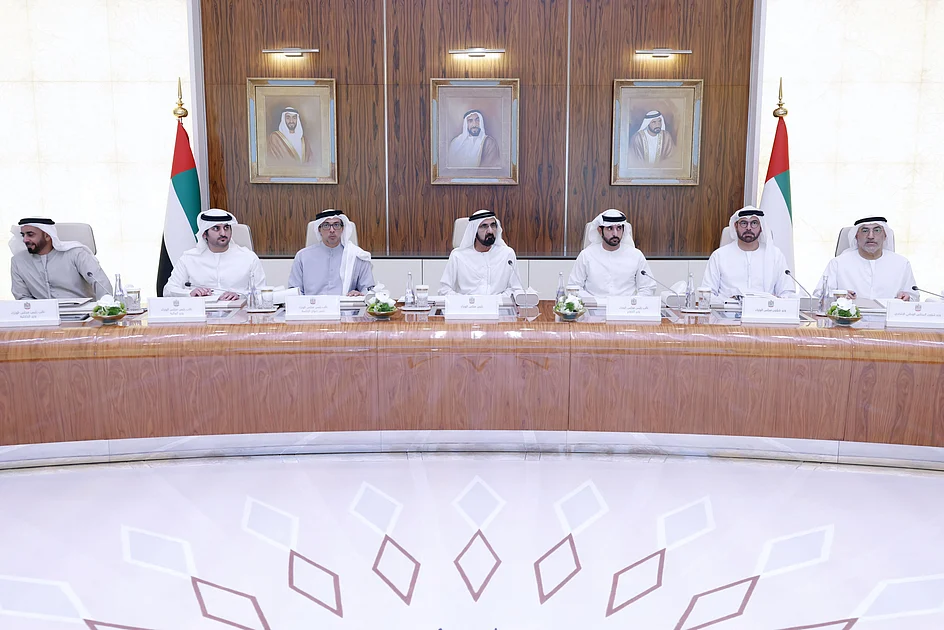
UAE Cabinet reforms Health Council, approves new sustainability guidelines
In a pivotal session on October 27, 2025, the UAE Cabinet unveiled a series of transformative decisions aimed at bolstering the nation’s governance, sustainability, and international cooperation. Among the key resolutions was the restructuring of the Health Council, now led by Ahmed bin Ali Al Sayegh, Minister of Health and Prevention, alongside senior representatives from federal, local, and private healthcare sectors. The Cabinet also greenlit the reformation of the National Committee for Public Health, signaling a renewed focus on public health governance. Sustainability took center stage as the Cabinet endorsed the National Guideline for Assessing the Economic Value of Groundwater, a strategic move to safeguard water resources and ensure long-term water security. Additionally, the UAE Biennial Transparency Report on greenhouse gas emissions was approved, underscoring the nation’s commitment to the Paris Agreement and climate action. On the economic front, the Cabinet reviewed the UAE Export Development Policy, which has driven a 247% surge in exports since 2019, supported by Comprehensive Economic Partnership Agreements (CEPAs) with multiple nations. Food safety initiatives were also highlighted, including the launch of a national training plan for food establishment employees and the development of a unified food risk assessment framework. The Cabinet further addressed social support, updating federal legislation to empower vulnerable communities and promote economic independence. International cooperation was another focal point, with the ratification of agreements with Qatar and Tunisia, alongside plans to negotiate over 30 additional accords in fields such as double taxation, nuclear regulation, and cultural cooperation. The UAE’s hosting of the International Conference on Artificial Intelligence for Cybersecurity and the Second National Conference of Medical Colleges was also approved, reflecting the nation’s ambition to lead in innovation and healthcare.
-
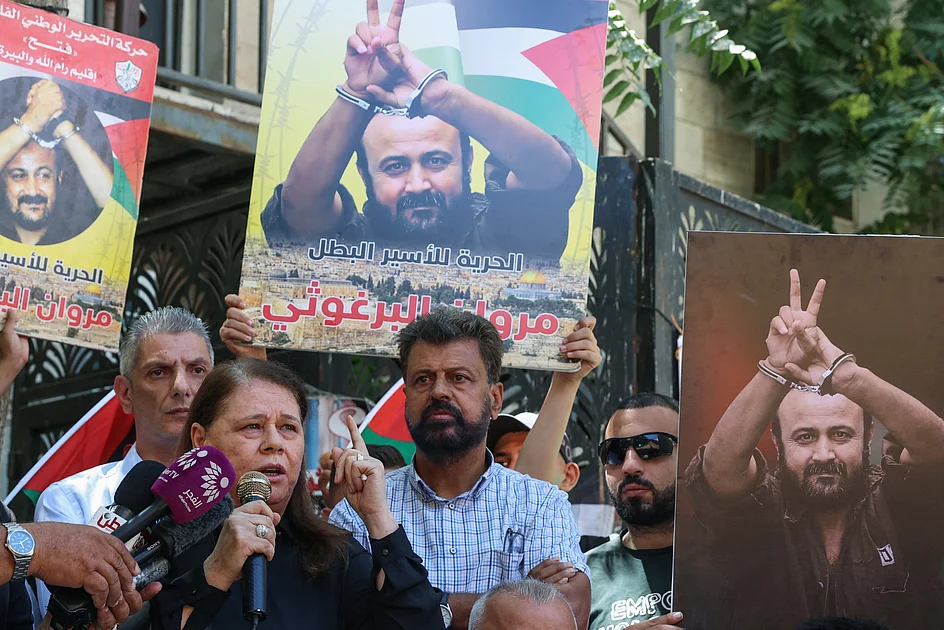
Jailed Palestinian leader Barghouti can unify Palestinians, says son
Marwan Barghouti, often referred to as the ‘Mandela of Palestine,’ remains a pivotal figure in Palestinian politics despite serving multiple life sentences in an Israeli prison. His son, Arab Barghouti, has appealed to US President Donald Trump to leverage the recent Gaza truce as an opportunity to secure his father’s release and reignite the two-state solution for the Middle East conflict. Marwan Barghouti, a prominent leader of the second intifada in the early 2000s, is widely regarded as a potential successor to Palestinian President Mahmoud Abbas. His enduring popularity among Palestinians stems from his ability to unify diverse political factions, including Hamas. In June 2004, an Israeli court sentenced him to five life terms for his alleged involvement in anti-Israeli attacks that resulted in five deaths. However, his imprisonment has not diminished his influence. Arab Barghouti emphasized his father’s unique capacity to bridge divides and foster peace, urging the international community to recognize the urgency of his release. This call comes amid growing global recognition of Palestinian statehood, with countries like France, Britain, and Canada formalizing their support. Marwan Barghouti’s wife, Fadwa, has also appealed to Trump, who hinted at considering the matter during a recent interview. Despite harsh conditions, including solitary confinement and reported physical abuse, Marwan Barghouti continues to advocate for Palestinian unity and reconstruction efforts in Gaza. His son expressed confidence that, upon release, his father would remain deeply engaged in addressing Palestinian suffering and rebuilding efforts, driven by his lifelong mission to serve his people.