标签: Asia

亚洲

  • Microsoft receives licence to export thousands of AI chips to UAE

    Microsoft receives licence to export thousands of AI chips to UAE

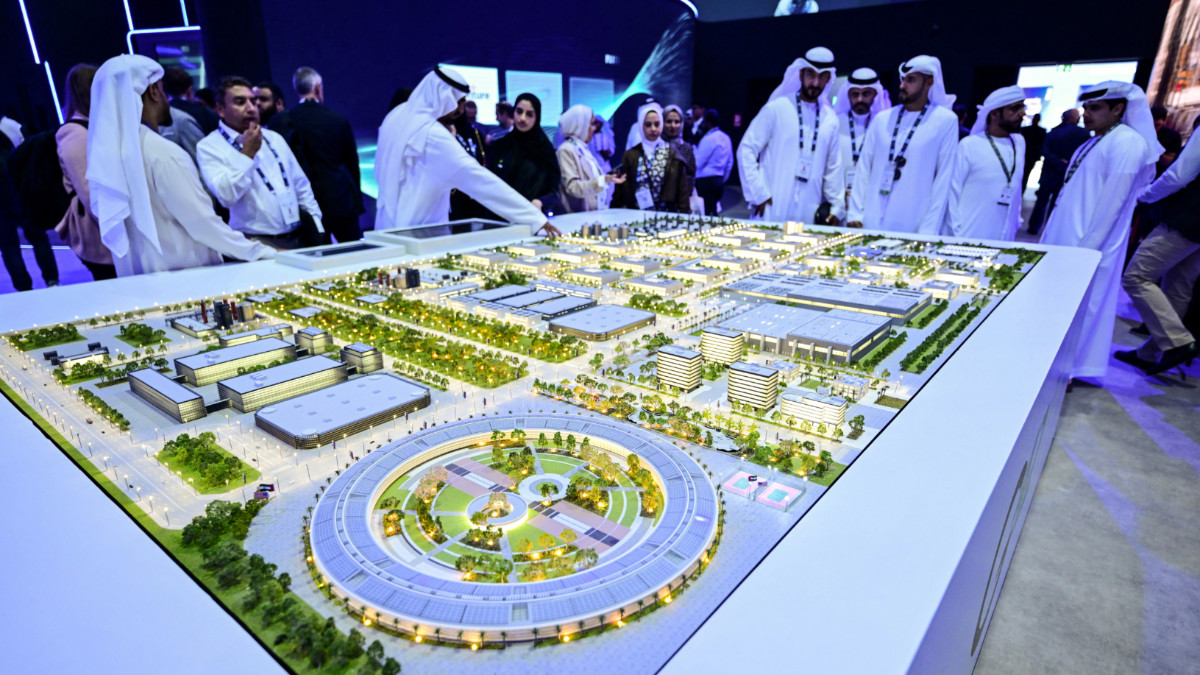
    Microsoft has announced a groundbreaking development in its collaboration with the United Arab Emirates (UAE), securing approval to export tens of thousands of advanced Nvidia AI chips to the Gulf state. This move paves the way for a significant $7.9 billion investment in data centers, cloud computing, and AI projects over the next four years. The export licenses, approved during both the Trump and Biden administrations, allow Microsoft to ship the equivalent of 60,400 Nvidia A100 chips, each costing upwards of $9,000, to the UAE. These chips, designed for artificial intelligence, machine learning, and data center analytics, are manufactured primarily in Taiwan by the Taiwan Semiconductor Manufacturing Company (TSMC).

    Microsoft’s investment strategy in the UAE includes a $1.5 billion equity stake in G42, an AI company managed by the UAE’s national security advisor, Sheikh Tahnoon bin Zayed al-Nahyan. Between 2023 and 2025, Microsoft plans to spend over $7.3 billion in the UAE, with an additional $7.9 billion allocated from 2026 to 2029. This includes $5.5 billion for expanding AI and cloud infrastructure and $2.4 billion for local operating expenses.

    The agreement aligns with a US model where American tech companies build and manage data centers in Gulf states, ensuring controlled access to advanced technology. While the original US-UAE agreement envisioned exporting 500,000 of Nvidia’s most advanced AI chips annually starting in 2025, including 100,000 directly to G42, no such direct imports have been announced yet.

    Microsoft’s ability to secure these export licenses underscores its commitment to meeting stringent cybersecurity and national security requirements. The company has already accumulated the equivalent of 21,500 Nvidia A100 GPUs in the UAE during the Biden administration. This development highlights the UAE’s growing role as a hub for AI innovation, competing with Saudi Arabia for access to cutting-edge AI chips and leveraging its abundant, low-cost energy to attract global tech investments.
  • South Korean president calls for aggressive AI spending in budget speech

    South Korean president calls for aggressive AI spending in budget speech

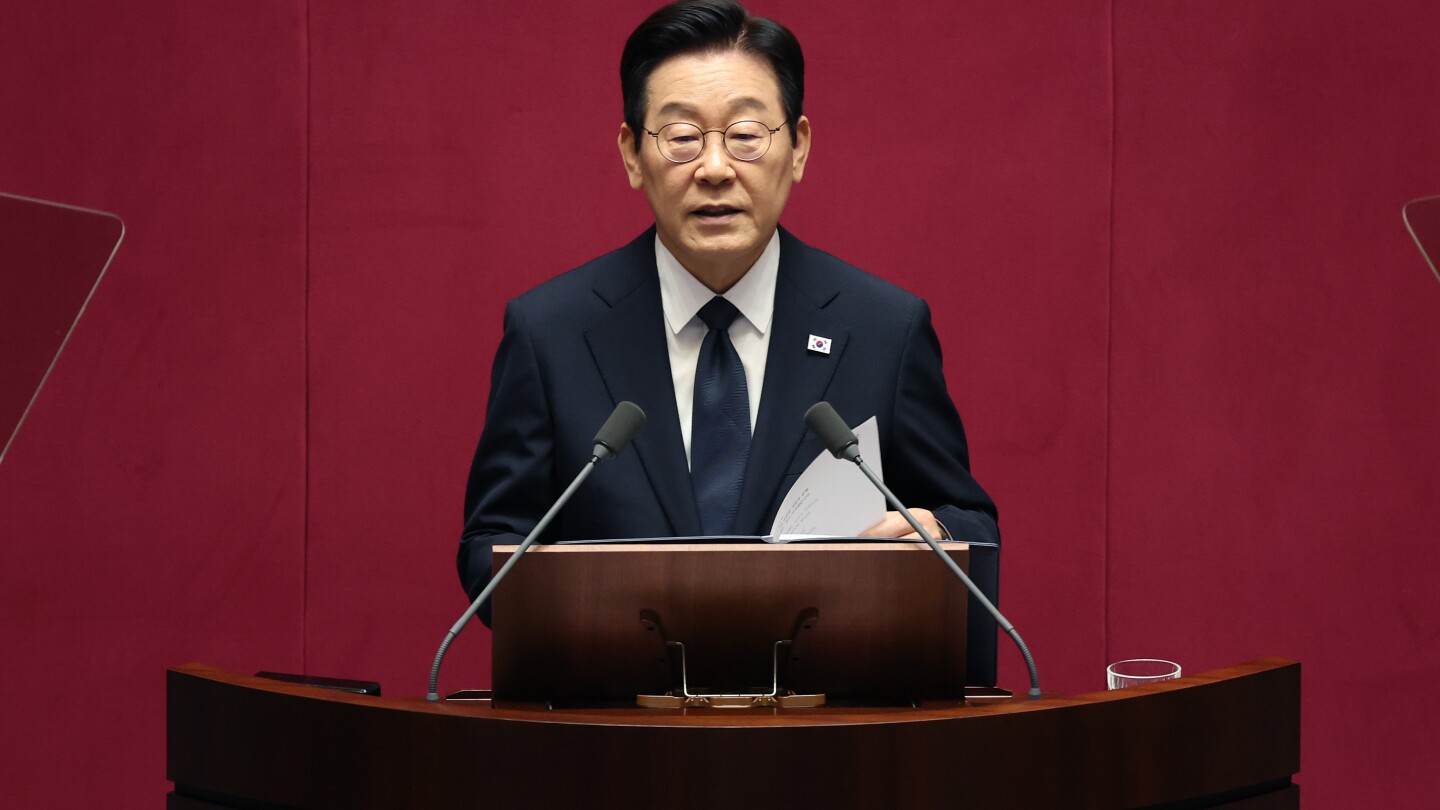
    In a landmark budget speech delivered at the National Assembly, South Korean President Lee Jae Myung outlined an ambitious vision to propel the nation into the forefront of artificial intelligence (AI) innovation and bolster its defense capabilities. Lee called for a tripling of government spending on AI infrastructure and technology, proposing a budget of 728 trillion won ($506 billion), the highest in the country’s history. He emphasized the need for South Korea to construct the “highway for the AI era,” drawing parallels to past transformative initiatives under former presidents Park Chung-hee and Kim Dae-jung. The proposed 10.1 trillion won ($6.9 billion) allocation for AI-related projects aims to enhance computing and manufacturing capabilities, particularly in industries such as semiconductors, automobiles, shipbuilding, and robotics. Lee also highlighted a recent agreement with Nvidia to supply 260,000 GPUs for AI infrastructure projects, though uncertainties remain regarding the delivery timeline due to U.S. President Donald Trump’s remarks restricting access to Nvidia’s latest AI chips. On the defense front, Lee proposed an 8.2% increase in military spending to 66.3 trillion won ($46 billion), focusing on modernizing weapons systems and reducing reliance on the United States. He also reaffirmed South Korea’s commitment to acquiring nuclear-powered submarines, a move supported by Trump during their bilateral meeting. The speech coincided with annual security talks between U.S. and South Korean defense officials, addressing key alliance issues, including the transfer of wartime operational control to a South Korean-led command. However, Lee’s address was boycotted by most conservative opposition lawmakers amid ongoing tensions over a criminal investigation into former President Yoon Suk Yeol’s brief imposition of martial law in December.

  • North Korea’s former ceremonial head of state dies

    North Korea’s former ceremonial head of state dies

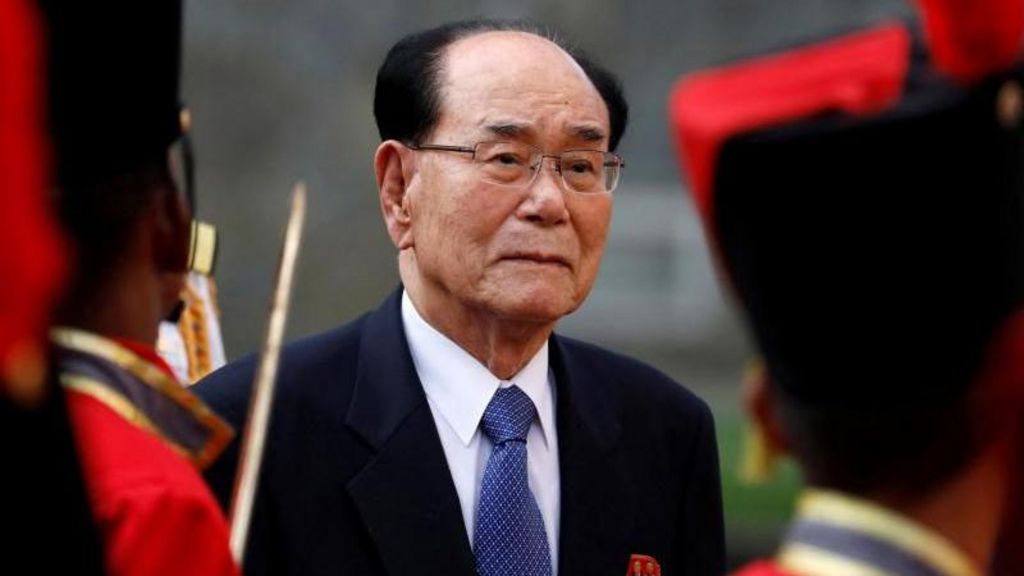
    Kim Yong Nam, a prominent figure in North Korea’s political landscape and a lifelong supporter of the ruling Kim dynasty, has passed away at the age of 97, as reported by state media. Serving as the ceremonial head of state and president of the Supreme People’s Assembly from 1998 to 2019, Kim Yong Nam was a key diplomat under the regimes of Kim Il Sung, Kim Jong Il, and Kim Jong Un. Although not related to the Kim family, he played a significant role in representing North Korea on the international stage. According to the Korean Central News Agency (KCNA), he died of multiple organ failure on November 3. KCNA praised him as an “old-generation revolutionary” who contributed immensely to the nation’s development. A state funeral was held in his honor. Born during Japan’s colonial rule of the Korean peninsula, Kim Yong Nam hailed from a family of “anti-Japanese patriots.” He studied at Kim Il Sung University and later in Moscow, beginning his political career in the 1950s. Rising from a low-ranking official to foreign minister and eventually chairman of the Supreme People’s Assembly, he maintained a clean reputation, avoiding the purges that befell many other high-ranking officials. In 2018, he led a North Korean delegation to South Korea during the Winter Olympics, meeting then-President Moon Jae-in. He also participated in inter-Korean summits in 2000 and 2007. South Korea’s Unification Minister Chung Dong-young expressed condolences, recalling meaningful discussions about peace on the Korean peninsula. Former North Korean diplomat Thae Yong Ho described Kim Yong Nam as a model of survival in North Korea’s political system, emphasizing his ability to avoid controversy and maintain loyalty to the regime. Unlike many officials who faced demotion or execution, Kim Yong Nam retired peacefully in 2019, marking a rare end to a long and stable career in North Korea’s volatile political environment.

  • Zubeen Garg death being probed as murder, says Assam CM

    Zubeen Garg death being probed as murder, says Assam CM

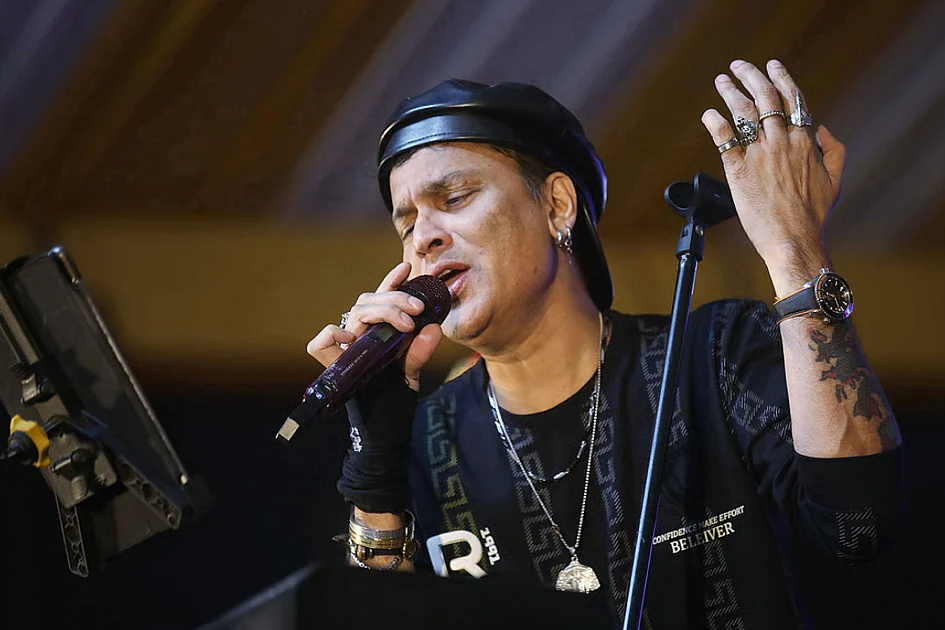
    Assam Chief Minister Himanta Biswa Sarma has announced that the state government is treating the death of legendary Assamese singer Zubeen Garg as a murder case, with plans to file a chargesheet by December 8. Speaking on Monday, November 3, Sarma emphasized that the investigation is progressing with the aim of submitting the chargesheet before December 17. The case has garnered significant public attention, with protests demanding justice for the late singer, who passed away on September 19 in Singapore at the age of 52. Garg’s death, initially attributed to breathing issues during scuba diving, remains shrouded in mystery, prompting a thorough probe. Sarma also revealed that the investigation involves aspects linked to a foreign country, requiring approval from the Union Home Ministry. He confirmed discussions with Union Home Minister Amit Shah regarding the matter. Additionally, Sarma addressed controversies surrounding the proposed ‘Zubeen Khetra’ memorial, clarifying that the government has allocated land for the project. He dismissed concerns about private land ownership adjacent to the memorial, stating that his focus is solely on the government-allotted land. The remarks come amid political debates and social media discussions about alleged links between Minister Ashok Singhal and land near the project, raising questions about ownership in a protected tribal belt.

  • Anti-Muslim posts on X about Zohran Mamdani have increased by more than 450 percent

    Anti-Muslim posts on X about Zohran Mamdani have increased by more than 450 percent

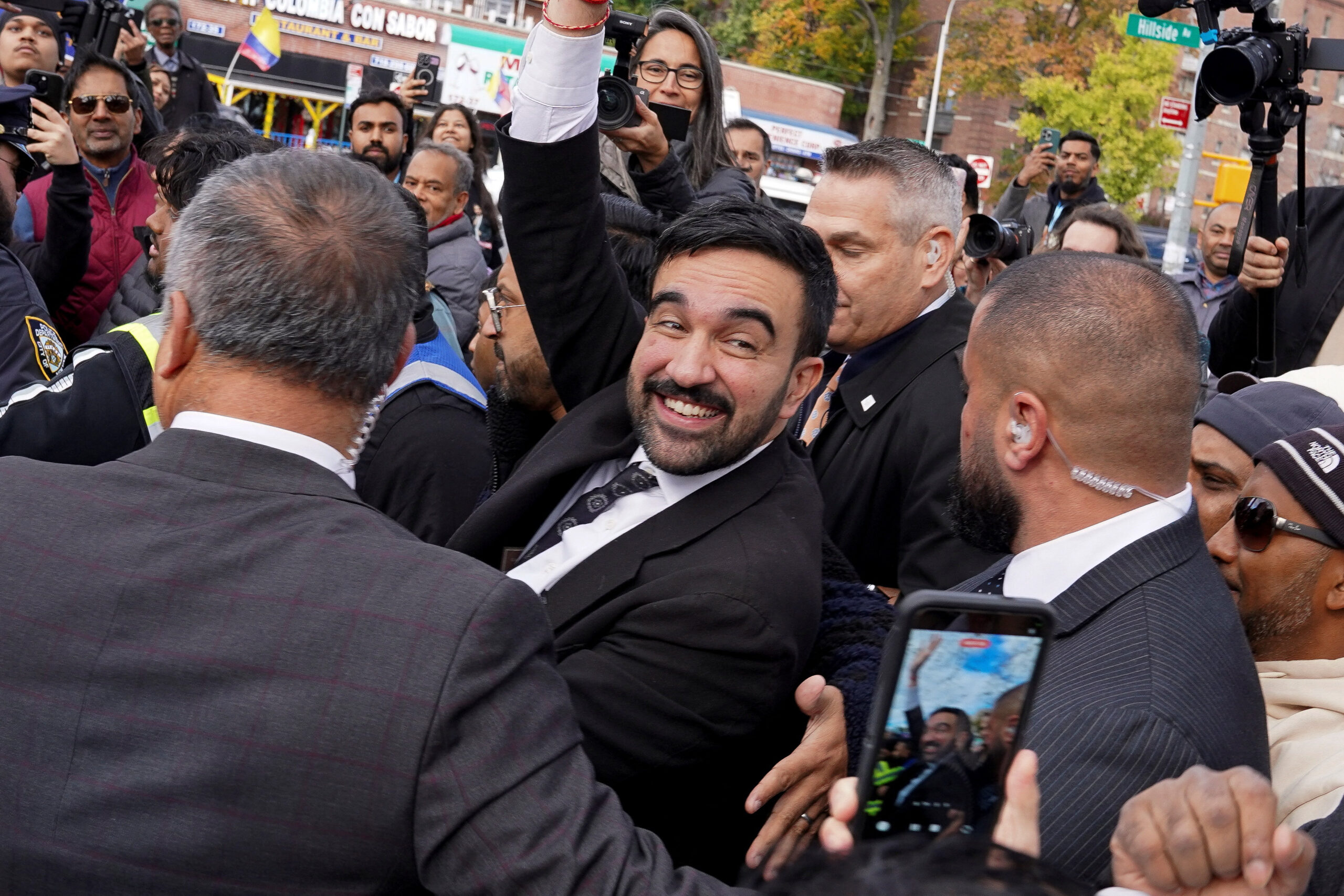
    A recent report by the Center for the Study of Organized Hate (CSOH) has unveiled a concerning surge in Islamophobic and xenophobic discourse targeting New York City mayoral frontrunner Zohran Mamdani. The study, spanning from Mamdani’s Democratic primary victory in June to the end of October, revealed that such content reached an estimated 1.5 billion users on X (formerly Twitter). This spike in hateful rhetoric coincided with the narrowing gap between Mamdani and his chief opponent, Andrew Cuomo, in the mayoral race. The analysis identified 35,522 original posts from 17,752 unique accounts, with 45% authored by verified users, raising questions about the platform’s moderation practices. The report highlights four dominant Islamophobic narratives: terrorist labeling (72% of posts), calls for deportation and citizenship revocation (11%), questioning loyalty to the country (9%), and conspiracy theories about Sharia law and Muslim takeover (8%). CSOH warns that such online hate could escalate into offline violence, citing recent acts of political violence in the U.S. The organization has urged X to enforce stricter moderation, enhance transparency for verified users, and amplify corrective counterarguments in its algorithm to combat misinformation and hate speech.

  • China and the US race to the Moon – but first, Musk vs. Bezos

    China and the US race to the Moon – but first, Musk vs. Bezos

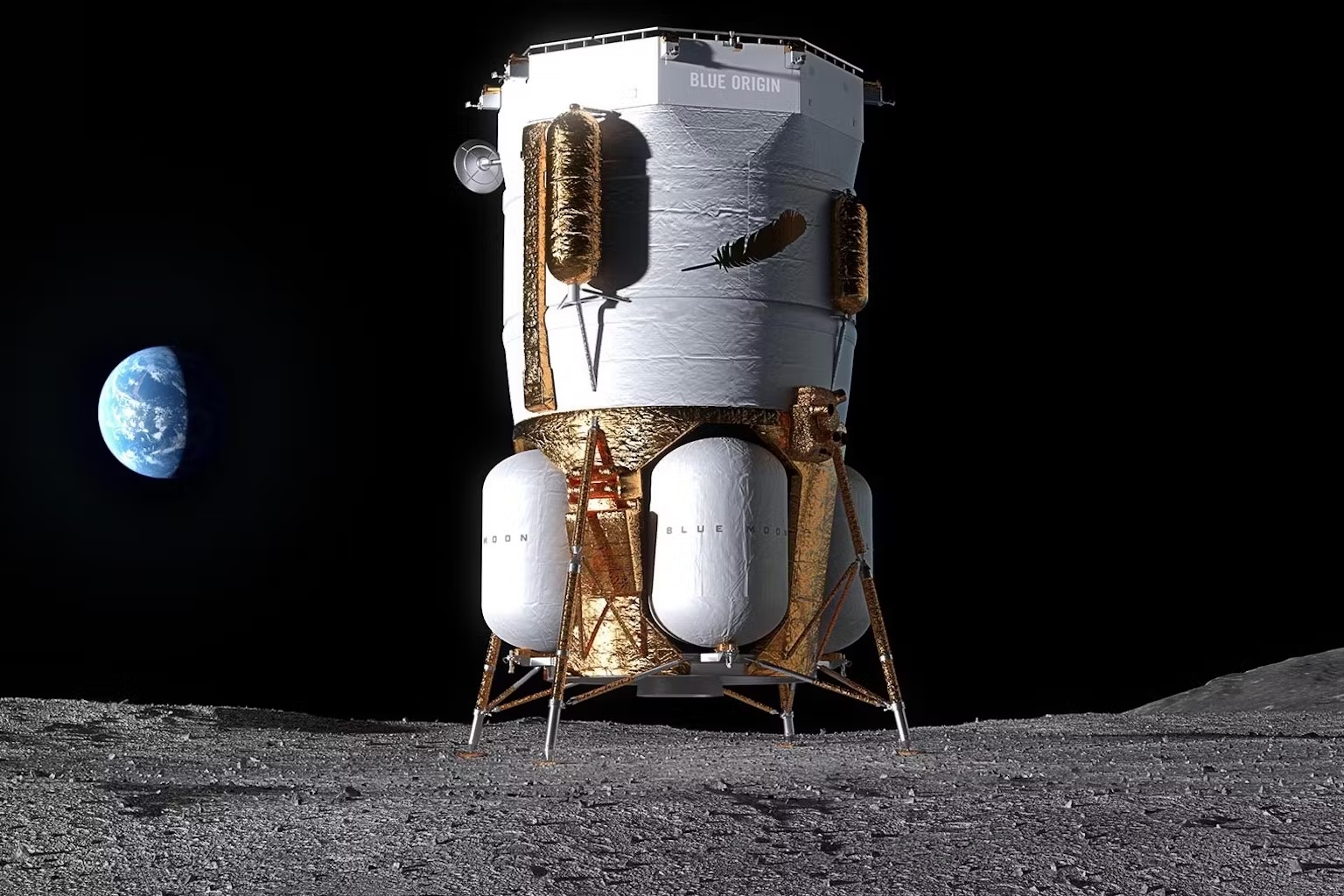
    The United States and China are engaged in a high-stakes competition to return humans to the Moon, marking the first such endeavor in over 50 years. However, a new twist has emerged within the US space industry: a rivalry between American companies vying to develop the lunar lander that could secure victory for the nation in this renewed space race. At the center of this contest are two billionaire titans, Elon Musk and Jeff Bezos, whose companies, SpaceX and Blue Origin, are now locked in a battle for NASA’s Artemis III mission contract. SpaceX, initially awarded the $4.4 billion contract in April 2021, has faced delays and technical challenges with its Starship vehicle, prompting NASA’s acting chief, Sean Duffy, to open the contract to competitors. Despite SpaceX’s progress, including 11 test flights since April 2023, concerns over launch safety and orbital refueling technologies have raised doubts about its ability to meet the 2027 mission deadline. Meanwhile, China’s ambitious plan to land astronauts on the Moon by 2030 has heightened pressure on the US to accelerate its efforts. Blue Origin and Lockheed Martin have emerged as potential contenders, with Blue Origin exploring modifications to its Mark 1 lander and Lockheed Martin assembling a consortium to develop a lander based on Apollo-era designs. The competition has also sparked a public feud between Musk and Duffy, further complicating NASA’s leadership and strategic direction. As the race to the Moon heats up, the outcome of this contest will not only shape the future of space exploration but also determine which nation—and which company—will lead humanity’s next giant leap.

  • Mamdani earns endorsement from influential Orthodox-Jewish community leader in NYC

    Mamdani earns endorsement from influential Orthodox-Jewish community leader in NYC

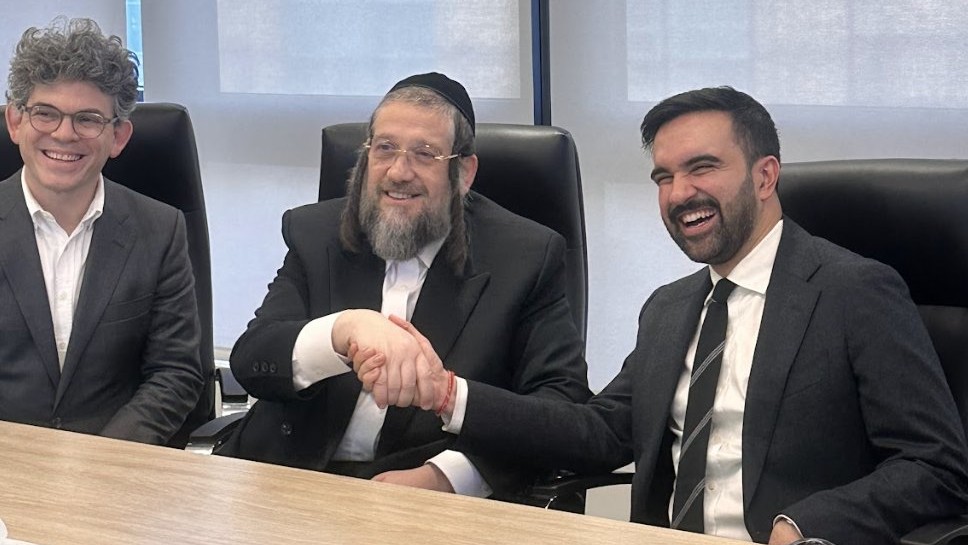
    In a significant political development, Rabbi Moshe Indig, a prominent leader of the Ahronim faction within the Satmar Hasidic community, publicly endorsed Democratic mayoral candidate Zohran Mamdani on Sunday. The endorsement, announced at a gathering in Williamsburg, Brooklyn, comes just two days before the mayoral election and has sparked both support and controversy within the Haredi community. Rabbi Indig, who previously backed former Governor Andrew Cuomo in the primaries, described Mamdani as “a very nice guy, very humble” and emphasized his commitment to working with all communities in New York City. However, Mamdani’s critical stance on Israel has alienated some Orthodox leaders, creating divisions within the Jewish electorate. A recent Quinnipiac poll revealed that 60% of Jewish voters favor Cuomo, while only 16% support Mamdani. The endorsement has also faced pushback from other leaders within the Ahronim faction, with three prominent figures declaring their support for Cuomo shortly after Rabbi Indig’s announcement. The Satmar Hasidic community, with over 57,000 members in Williamsburg and 300,000 globally, wields significant political influence, often voting as a bloc. Historically, the Ahronim faction has demonstrated its political clout by endorsing winning candidates, including Bill de Blasio in 2013 and Eric Adams in 2021. Meanwhile, the Zalis faction, another major group within the Satmar community, has chosen not to endorse any candidate but has distanced itself from anti-Mamdani campaigns. The Satmar community’s anti-Zionist stance, rooted in religious beliefs, further complicates the political landscape, as they oppose the existence of Israel before the arrival of the messiah and its secular nature.

  • India’s weight-loss drug boom – and the risks behind it

    India’s weight-loss drug boom – and the risks behind it

    India’s anti-obesity drug market has experienced a staggering sixfold increase over the past five years, driven by surging demand among urban professionals and the growing prevalence of obesity and diabetes. Originally developed to manage diabetes, drugs like semaglutide (marketed as Rybelsus and Wegovy) and tirzepatide (sold as Mounjaro) are now being hailed as revolutionary weight-loss solutions. These GLP-1 drugs, which mimic a natural hormone regulating hunger, slow digestion and act on the brain’s appetite centers, helping users feel full longer. However, their rapid adoption has sparked concerns about misuse, lack of medical supervision, and the risks of side effects such as nausea, gallstones, and muscle loss.

  • Starbucks to sell majority stake in China business

    Starbucks to sell majority stake in China business

    Starbucks has announced a groundbreaking $4 billion deal with investment firm Boyu Capital, selling a 60% stake in its China operations. Under the agreement, Starbucks will retain a 40% stake in its Chinese retail business and maintain ownership of its brand in the region. The coffee giant, which entered China in 1999, has faced increasing competition from local brands like Luckin Coffee, despite being the country’s second-largest market outside the U.S. The partnership with Boyu Capital, described as a ‘significant milestone,’ underscores Starbucks’ commitment to long-term growth in China. The company plans to expand its footprint from 8,000 to 20,000 outlets and introduce new beverages and digital platforms. Boyu Capital, known for its investments in retail, financial services, and technology, brings deep consumer insights to the collaboration. The deal, set to finalize by mid-2025, follows months of uncertainty after former CEO Laxman Narasimhan hinted at strategic partnerships to bolster competitiveness. This move mirrors similar strategies by global brands like KFC and Pizza Hut, which spun off their Chinese operations in 2016. Starbucks has faced declining sales in China due to the pandemic, reduced consumer spending, and fierce competition. Luckin Coffee, with its lower prices and aggressive expansion, now operates more stores than Starbucks in China. Despite price cuts to compete, Starbucks has seen profit margins shrink. Under CEO Brian Niccol, the company is revamping its menu, hiring more baristas, and scaling back automation efforts as part of a broader turnaround strategy. With over 40,000 outlets worldwide, Starbucks continues to navigate challenges in one of its most critical markets.

  • HK urged to advance nation’s strength, self-reliance

    HK urged to advance nation’s strength, self-reliance

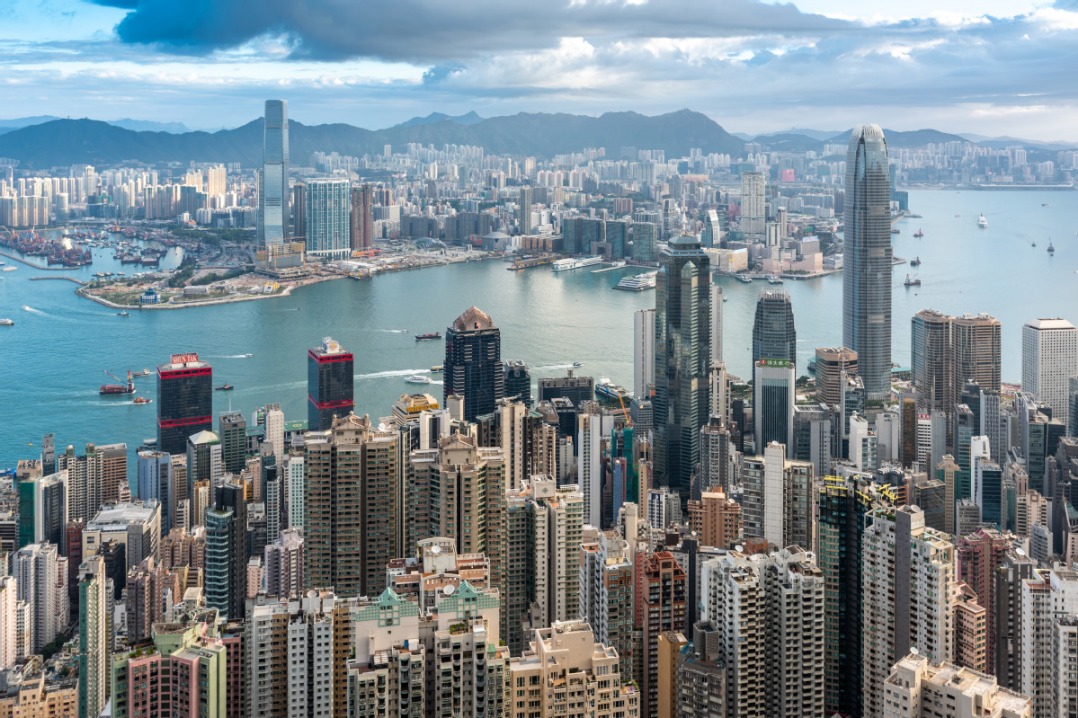
    Hong Kong is being urged to harness its potential as a global hub for technology, innovation, and high-caliber talent to bolster China’s scientific and technological self-reliance. This call follows the fourth plenary session of the 20th Central Committee of the Communist Party of China, held in Beijing from October 20 to 23, which outlined the Recommendations for the 15th Five-Year Plan (2026-30). The plan emphasizes enhancing scientific and technological capabilities as a core principle for national development. Hong Kong’s unique position, supported by its integration with the mainland and global connections, is seen as pivotal in advancing its roles as a financial, shipping, trade, and innovation hub. The recommendations also stress the importance of governance by patriots and law-based administration in the Hong Kong and Macao Special Administrative Regions. Experts like Lau Siu-kai, a consultant and former vice-president of the Chinese Association of Hong Kong and Macao Studies, highlighted the need for proactive industrial transformation and improved governance in Hong Kong to align with national strategies. Additionally, Angus Ng Hok-ming, chairman of the Guangdong-Hong Kong-Macao Greater Bay Area Youth Association, emphasized the importance of upgrading youth capabilities and vision to support emerging fields like green finance and digital trade. The central government is expected to support Hong Kong’s development, particularly through initiatives like the Northern Metropolis project, to solidify its role in global innovation and technology.