
A tragic train collision occurred in central India on Tuesday, resulting in the deaths of at least seven individuals and leaving several others injured, according to a senior government official. The accident took place near Bilaspur, approximately 116 kilometers from Raipur, the capital of Chhattisgarh state. Local media broadcasted distressing visuals of the collision, with rescue teams urgently combing through the wreckage for survivors. Senior official Sanjay Agarwal reported that a local passenger train rear-ended a goods train, causing one passenger coach to overturn onto a goods wagon. Rescue operations are underway to extricate at least two passengers believed to be trapped inside the mangled wreckage. “We remain hopeful for their survival, but confirmation can only come once they are safely removed,” Agarwal stated. Around a dozen injured individuals have been transported to nearby hospitals, with one in critical condition. Indian Railways has mobilized all available resources for the rescue mission and initiated an investigation to determine the cause of the accident. Chhattisgarh’s highest-elected official, Vishnu Deo Sai, expressed his condolences to the families of the victims. Train collisions are a recurring issue in India, where the extensive rail network grapples with aging infrastructure and human error. With over 12 million passengers daily across 64,000 kilometers of track, rail safety remains a pressing concern. Despite governmental efforts to enhance safety measures, hundreds of accidents, some fatal, occur annually, often attributed to outdated signaling systems or human oversight. This incident follows a devastating crash in eastern India in 2023, which claimed over 280 lives, marking one of the country’s deadliest rail disasters.
标签: Asia
亚洲
-

Australian spy chief criticizes China for IP theft and political meddling
In a significant address at the Lowy Institute in Sydney, Mike Burgess, the Director-General of Australia’s Security Intelligence Organization (ASIO), leveled serious accusations against Chinese security services. Burgess claimed that China has engaged in widespread intellectual property theft and political interference, while demonstrating a lack of understanding of how Western intelligence agencies operate. He emphasized that while espionage is a common practice among nations, China’s actions go beyond acceptable norms by engaging in wholesale theft and high-harm activities. Burgess also criticized China’s response to his accusations, stating that Chinese officials often complain to various Australian entities but fail to address ASIO directly. He asserted that China’s behavior reflects a misunderstanding of Western liberal democracies and the independent role of security services. Despite recent improvements in diplomatic and trade relations between China and Australia, security tensions remain high, particularly as Australia aligns with the United States to counter China’s growing influence in the Indo-Pacific region. Burgess highlighted his strong collaboration with the FBI and reiterated Australia’s commitment to protecting its national interests. In his 2023 annual threat assessment, Burgess warned of unprecedented levels of espionage and foreign interference targeting Australians.
-

Five members of northern Myanmar telecom fraud syndicate sentenced to death
In a landmark ruling, a Chinese court in Guangdong province has sentenced 21 members of a family-run criminal syndicate based in northern Myanmar for a series of grave offenses, including the deaths of six Chinese nationals. The Shenzhen Intermediate People’s Court delivered the verdict on Tuesday, finding the defendants guilty of 12 charges, ranging from telecom fraud to intentional homicide and kidnapping. Among the convicted, five individuals, including ringleaders Bay Saw Chain and Bay Yin Chin, were handed the death penalty. Two others received a death sentence with a two-year reprieve, while five were sentenced to life imprisonment. The remaining defendants faced prison terms ranging from three to 20 years, alongside fines, asset confiscation, and deportation orders. The court revealed that the syndicate had established 41 scam compounds in Myanmar’s Kokang region, leveraging armed force and financial backing to carry out extensive criminal activities. These included telecom fraud, casino operations, illegal border crossings, and forced prostitution. The group’s actions resulted in significant harm, including six deaths, one suicide, and multiple injuries, with financial losses exceeding 29 billion yuan ($4.06 billion). Additionally, Bay Yin Chin was implicated in the smuggling and manufacturing of approximately 11 tons of methamphetamine. The sentencing was attended by Chinese legislators, political advisers, and families of the defendants, marking a significant step in addressing cross-border organized crime.
-
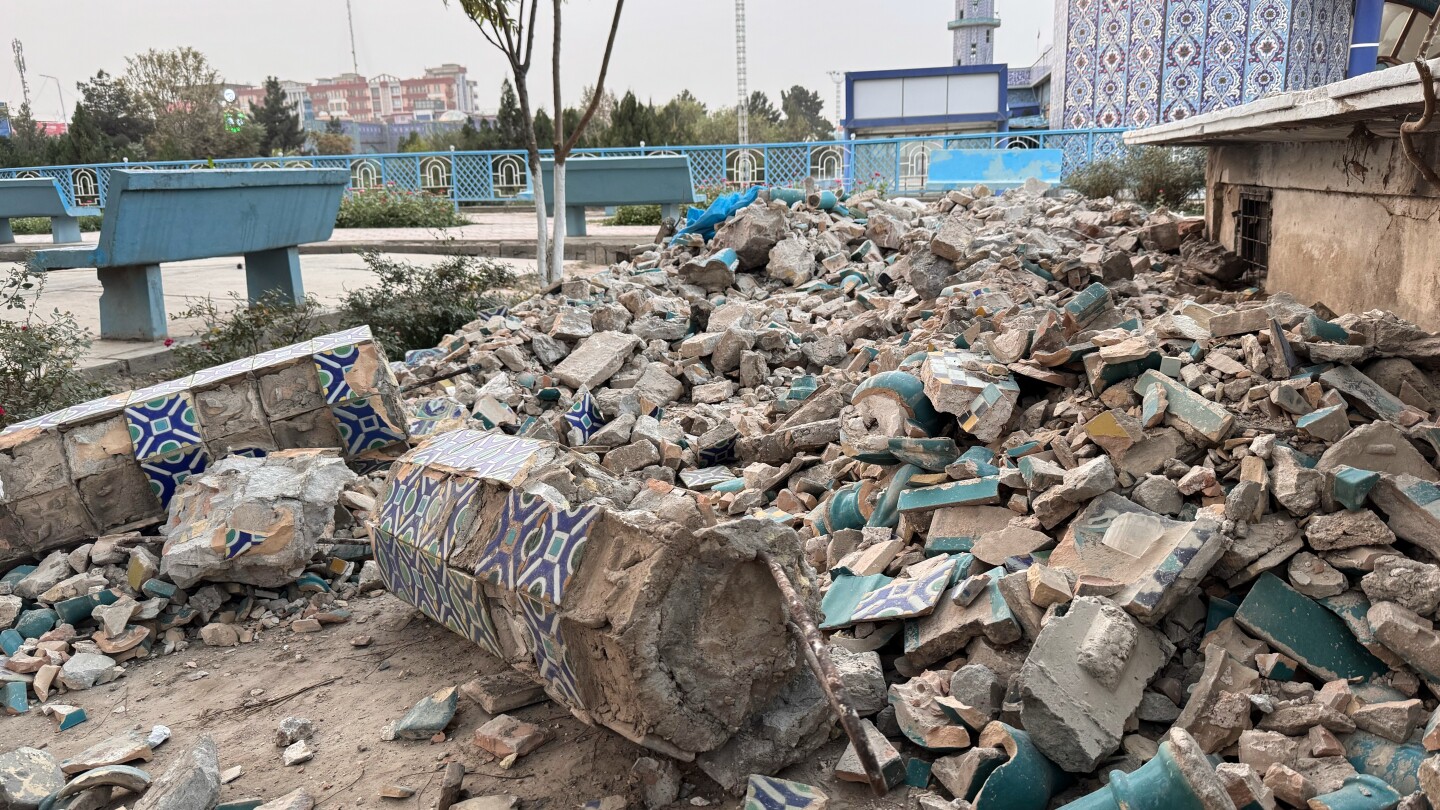
Afghanistan earthquake survivors spend the night in the open; the quake damaged historical sites
Northern Afghanistan is reeling from the aftermath of a catastrophic 6.3 magnitude earthquake that struck early Monday morning, claiming at least 21 lives and injuring over 800 people. The quake, centered 22 kilometers west-southwest of Khulm in Samangan province, has left survivors sifting through the ruins of their homes amidst freezing temperatures and the threat of impending rain. The disaster has also inflicted significant damage on historical landmarks, including the revered Blue Mosque in Mazar-e-Sharif and the Bagh-e-Jahan Nama Palace in Khulm. Authorities have reported that the Blue Mosque’s minaret suffered severe damage, with bricks and tiles dislodged from its walls, while the palace’s surrounding wall and a tower collapsed. Survivors, still shaken by aftershocks, spent the night in the open, enduring harsh weather conditions. Local resident Asadullah Samangani described the dire situation, noting that many homes were completely destroyed, leaving families without shelter or basic necessities. Emergency response teams, including health and rescue units, are working tirelessly to provide aid, though the region’s impoverished infrastructure complicates recovery efforts. This tragedy follows a deadly earthquake in eastern Afghanistan in August, which claimed over 2,200 lives, highlighting the country’s vulnerability to natural disasters.
-

China sentences infamous Myanmar scam mafia members to death
In a landmark ruling, a Chinese court has sentenced five top members of the notorious Bai family mafia to death, marking a significant step in Beijing’s ongoing campaign to dismantle scam operations in Southeast Asia. Among those sentenced were Bai Suocheng, the family patriarch, and his son Bai Yingcang. The Shenzhen Intermediate People’s Court also handed down severe penalties to Yang Liqiang, Hu Xiaojiang, and Chen Guangyi. In total, 21 members and associates of the Bai family were convicted of crimes including fraud, homicide, and injury. The Bai family, once a dominant force in the impoverished town of Laukkaing, Myanmar, transformed the region into a hub for casinos and cyberscam operations, amassing over 29 billion Chinese yuan ($4.1 billion) in illicit gains. Their criminal activities reportedly led to the deaths of six Chinese citizens, one suicide, and multiple injuries. The court’s decision is part of China’s broader effort to eradicate scam networks in Southeast Asia and serves as a stern warning to other criminal syndicates. The Bai family’s downfall began in 2023 when political shifts in Myanmar led to their arrest and extradition to China. Their rise to power in the 2000s was facilitated by Min Aung Hlaing, Myanmar’s current military leader, who sought to strengthen his allies in Laukkaing. The Bai family’s operations included 41 compounds housing cyberscam activities and casinos, where trafficked workers, many of them Chinese, were subjected to abuse and forced to participate in fraudulent schemes. The harsh sentences underscore China’s determination to protect its citizens and combat transnational crime.
-
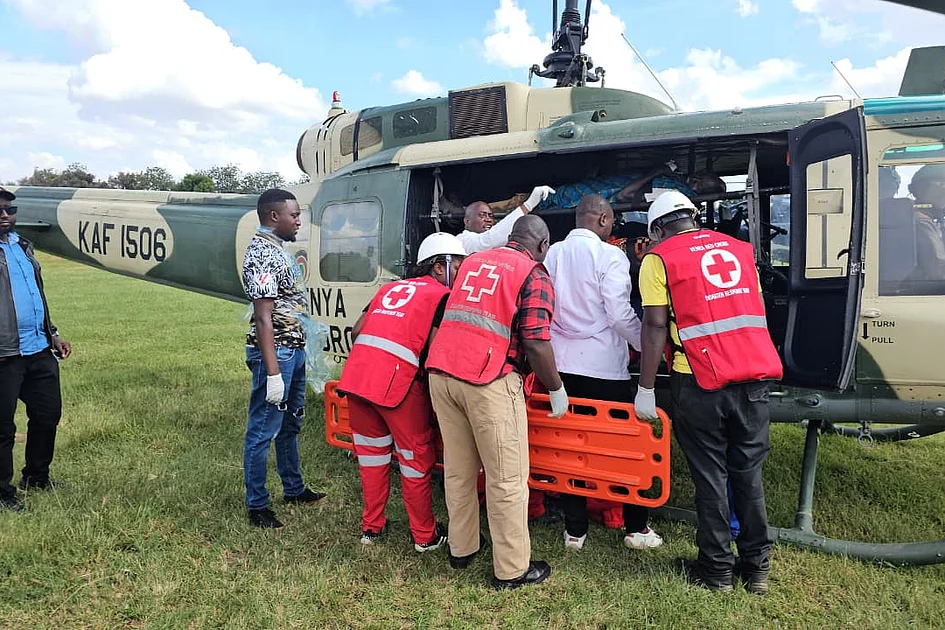
UAE offers condolences to Kenya as heavy rains, landslides kill many
The United Arab Emirates (UAE) has expressed profound sorrow and solidarity with Kenya following catastrophic landslides triggered by relentless heavy rains in the western region of the country. The UAE Ministry of Foreign Affairs issued an official statement conveying heartfelt condolences to the bereaved families, the Kenyan government, and its citizens, mourning the tragic loss of life. The disaster, which unfolded during Kenya’s rainy season, has claimed at least 21 lives, with over 30 individuals still missing, according to Interior Minister Kipchumba Murkomen. The landslide occurred overnight in Marakwet East, leaving a trail of destruction marked by massive mudslides and flash floods. Aerial images shared by the Kenyan Red Cross depict the extensive devastation, underscoring the severity of the natural calamity. The UAE’s gesture of sympathy highlights the strong diplomatic ties and humanitarian spirit between the two nations during this time of crisis.
-
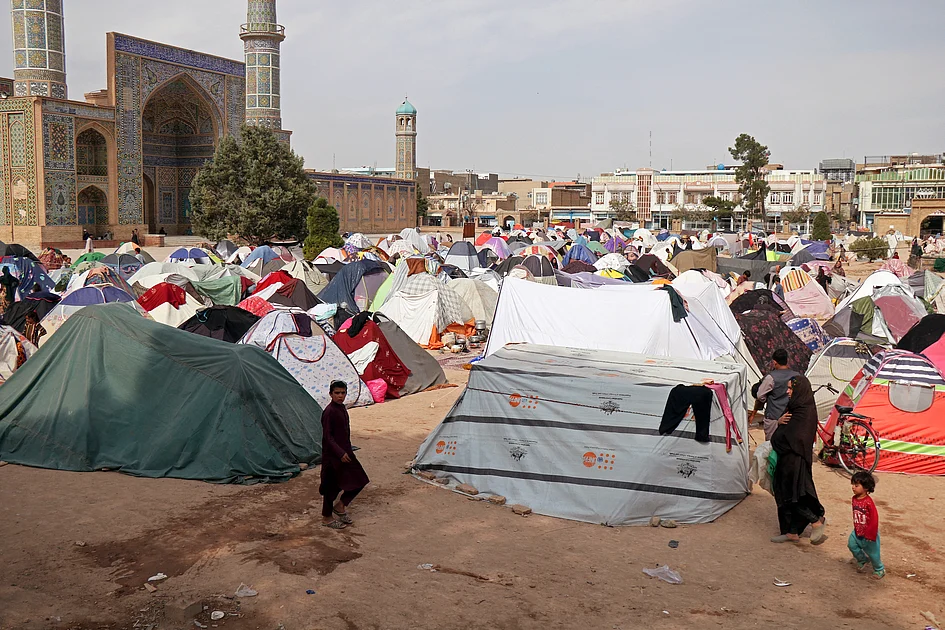
UAE expresses solidarity with Afghanistan after deadly Mazar-e Sharif quake
The United Arab Emirates (UAE) has extended its heartfelt solidarity to Afghanistan in the wake of a catastrophic 6.3-magnitude earthquake that struck near the northern city of Mazar-e Sharif on Monday. The tremor, which occurred at a depth of 28 kilometers (17.4 miles), has claimed at least 20 lives and left approximately 320 injured, with officials cautioning that the death toll may rise as rescue operations continue in the affected regions of Balkh and Samangan provinces. The UAE’s Ministry of Foreign Affairs (Mofa) issued a statement expressing profound condolences to the families of the victims and the Afghan people, while also wishing a swift recovery for those injured. The earthquake caused significant damage to the historic Blue Mosque, a revered site believed to be the burial place of the Prophet Mohammad’s cousin and son-in-law. Social media platforms circulated harrowing footage of emergency responders sifting through debris in search of survivors, though the authenticity of these videos remains unverified. The tragedy has underscored the urgent need for international support and disaster response efforts in Afghanistan.
-

Former deputy chief of China’s State Tobacco Monopoly Administration indicted for graft
Zhang Tianfeng, the former deputy chief of China’s State Tobacco Monopoly Administration, has been formally indicted on corruption charges, as announced by the Supreme People’s Procuratorate on Tuesday. The charges allege that Zhang exploited his influential positions within the tobacco industry to illicitly secure benefits for others, accepting substantial bribes and gifts in return. The case has been escalated to the Intermediate People’s Court of Ganzhou City in Jiangxi Province, marking a significant step in China’s ongoing anti-corruption campaign. This indictment underscores the government’s commitment to rooting out graft within its administrative ranks, particularly in sectors with substantial economic influence like the tobacco industry.
-

Time for US to ditch its Saudi alliance
For decades, the US-Saudi relationship has been hailed as an unshakable cornerstone of American foreign policy in the Middle East. However, this alliance, once deemed sacrosanct, has now outlived its strategic purpose. Like a marriage sustained solely for appearances, both nations have drifted apart, pursuing divergent interests while maintaining the facade of partnership. It is time to confront the undeniable truth: the rationale for this alliance has dissolved, and its continuation undermines both American interests and regional stability. The traditional pillars of the relationship—oil security, counterterrorism, and containing Iran—have either become obsolete or counterproductive. The US, now a net energy exporter due to the shale revolution, no longer relies on Saudi oil, freeing itself from dependence on a regime whose values increasingly clash with its own. Meanwhile, Saudi Arabia has signaled its independence through actions such as coordinating with Russia via OPEC+ to manipulate oil prices, often against US preferences. This shift was starkly evident when Riyadh cut oil production to boost prices, directly opposing the Biden administration’s efforts to ease economic pressures on American consumers. Further evidence of the growing rift is Saudi Arabia’s deepening ties with China, which now accounts for a quarter of its oil exports and has brokered diplomatic breakthroughs like the Saudi-Iran detente—a feat Washington failed to achieve. Riyadh is also exploring alternatives to the petrodollar system, conducting transactions in yuan, signaling a move away from American financial hegemony. Despite these changes, Washington clings to the illusion of an unchanged alliance, continuing to supply advanced weaponry to Saudi Arabia, overlooking human rights abuses in Yemen, and downplaying the murder of journalist Jamal Khashoggi. This relationship, once strategic, has become transactional, driven more by institutional inertia and the interests of defense contractors than by genuine national priorities. A recalibration of this alliance is overdue. The US should engage with Saudi Arabia on commercial terms, cooperate on specific mutual interests like counterterrorism, and cease allowing this relationship to distort its broader Middle East policy. Stepping back from this dysfunctional alliance could encourage Riyadh to pursue more pragmatic regional policies, such as diplomatic engagement with Iran and a focus on economic diversification under Vision 2030. The US-Saudi alliance served its purpose in an era defined by American oil dependence and Cold War geopolitics. That era has ended, and so too should this outdated partnership. A truly conservative foreign policy would recognize that not all relationships are worth preserving at any cost. Sometimes, the most strategic move is to let go.
-
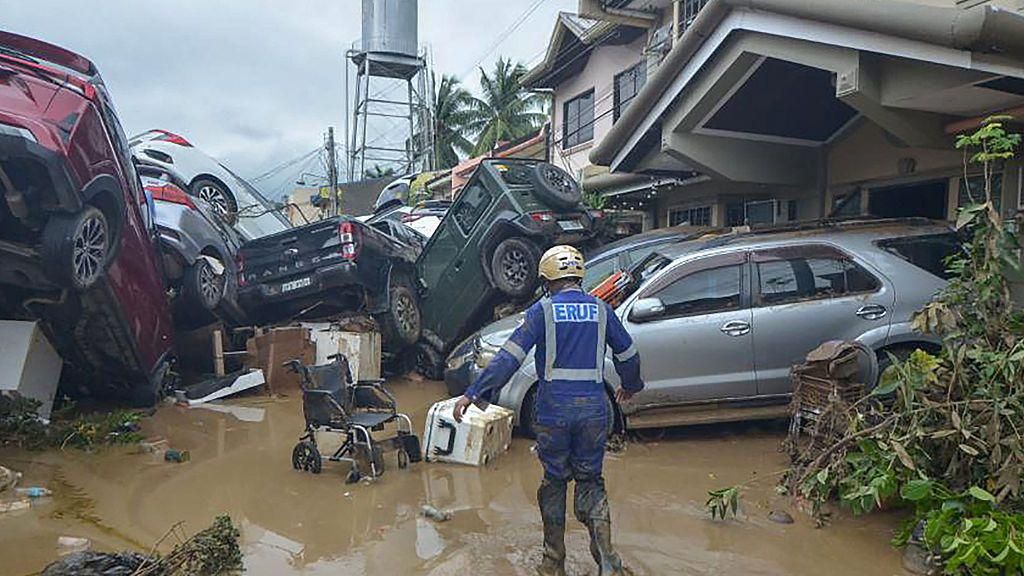
At least three dead as typhoon causes devastation in the Philippines
Typhoon Kalmaegi has wreaked havoc across the central Philippines, claiming at least three lives and displacing hundreds of thousands of residents. The storm, locally named Tino, brought catastrophic flooding to Cebu and other regions, submerging entire towns and sweeping cars and shipping containers through the streets. Videos captured the dire situation, with people seeking refuge on rooftops as floodwaters surged. A military helicopter deployed for relief operations crashed in northern Mindanao, though the fate of its crew remains uncertain. The Philippine Air Force has initiated search and rescue efforts. Despite weakening after landfall, the typhoon continues to unleash winds exceeding 80 mph (130 km/h). It is expected to move across the Visayas islands and into the South China Sea by Wednesday. Cebu’s provincial governor, Pamela Baricuatro, described the situation as unprecedented, emphasizing the deadly impact of floodwaters. Local resident Don del Rosario, 28, recounted the storm as the worst he has experienced in his lifetime. The disaster follows a series of severe weather events in the Philippines, including back-to-back typhoons in September and a devastating earthquake in late September. The country, which faces an average of 20 storms annually, has been grappling with inadequate flood control systems, sparking public outrage over corruption and mismanagement.