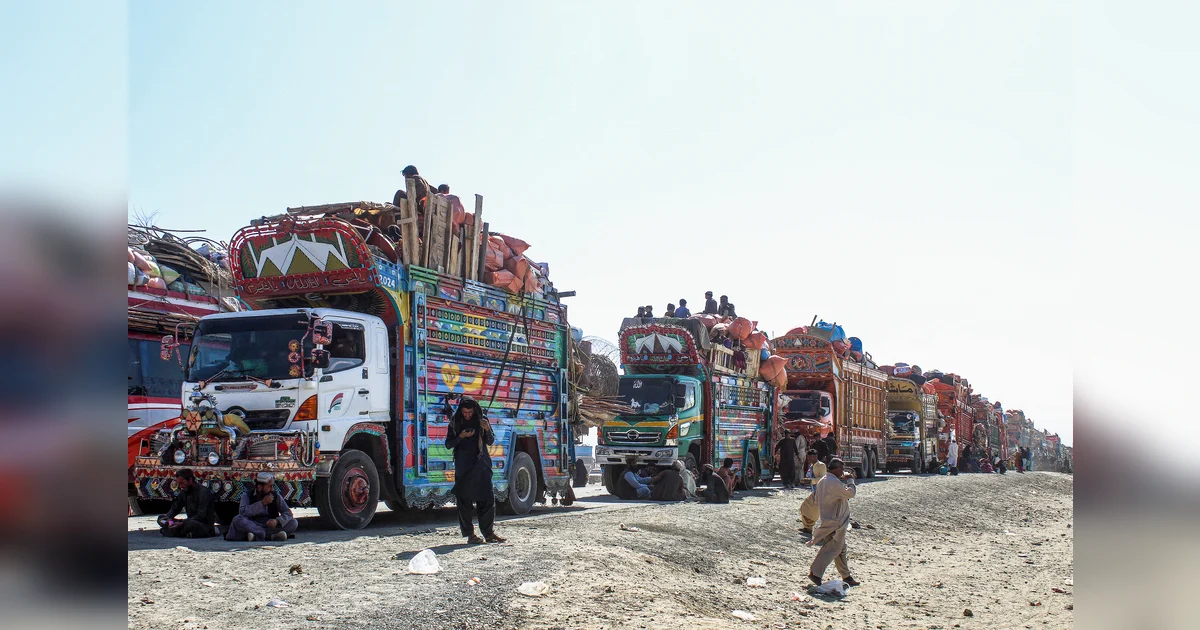
The longstanding border dispute between Pakistan and Afghanistan, centered on the Durand Line, has reignited tensions between the two nations. The Taliban-led Afghan administration refuses to recognize the 2,600-kilometer border, labeling it as ‘imaginary,’ while Pakistan asserts its international legitimacy. The Durand Line, established in the late 19th century by British diplomat Sir Mortimer Durand, divides Pashtun communities and separates Afghanistan from the sea. Despite Islamabad’s efforts to fortify the border with trenches and fencing, Kabul has consistently condemned these measures. The porous border facilitates both informal crossings and vital trade, with Pakistan being Afghanistan’s largest trading partner. However, recent closures have resulted in significant economic losses, estimated at $50 million since October 12, 2025. Security concerns have escalated since the Taliban’s return to power in 2021, with Pakistan accusing Afghanistan of harboring armed groups, including the Pakistani Taliban (TTP). In December 2024, Pakistani airstrikes in Afghanistan’s Paktika province, targeting alleged terrorist hideouts, reportedly killed nearly 50 people. The Taliban denies these accusations and rejects the border as a colonial relic. Recent clashes in October 2025, which began with explosions in Kabul, led to over 70 deaths and hundreds of injuries. A fragile ceasefire brokered by Turkey and Qatar has temporarily halted violence, but negotiations in Istanbul have yet to yield a lasting agreement. Talks are set to resume, with both sides warning that failure to reach a deal could reignite conflict.
标签: Asia
亚洲
-
Musk’s Starlink to start Internet services in India
Elon Musk’s Starlink is set to revolutionize internet connectivity in India, with Maharashtra becoming the first state to roll out the service. The announcement, made by Chief Minister Devendra Fadnavis on X, marks a significant step in India’s digital transformation. Starlink, which utilizes low-orbit satellites to deliver high-speed internet to remote areas, has already sparked intense discussions around predatory pricing and spectrum allocation. India, projected to surpass 900 million internet users by the end of the year, granted Starlink a license in June. Major telecom providers Jio Platforms and Bharti Airtel have also partnered with SpaceX to integrate Starlink into their offerings. Lauren Dreyer, Starlink’s VP of Business Operations, expressed enthusiasm for advancing India’s digital vision, particularly in connecting schools and medical facilities in underserved regions. This move aligns with a broader trend of global tech giants expanding their footprint in India, including Google’s $15 billion investment in AI infrastructure and Anthropic and OpenAI’s plans to establish offices in the country.
-
South Korean officials question feasibility of building nuclear submarine in US shipyard
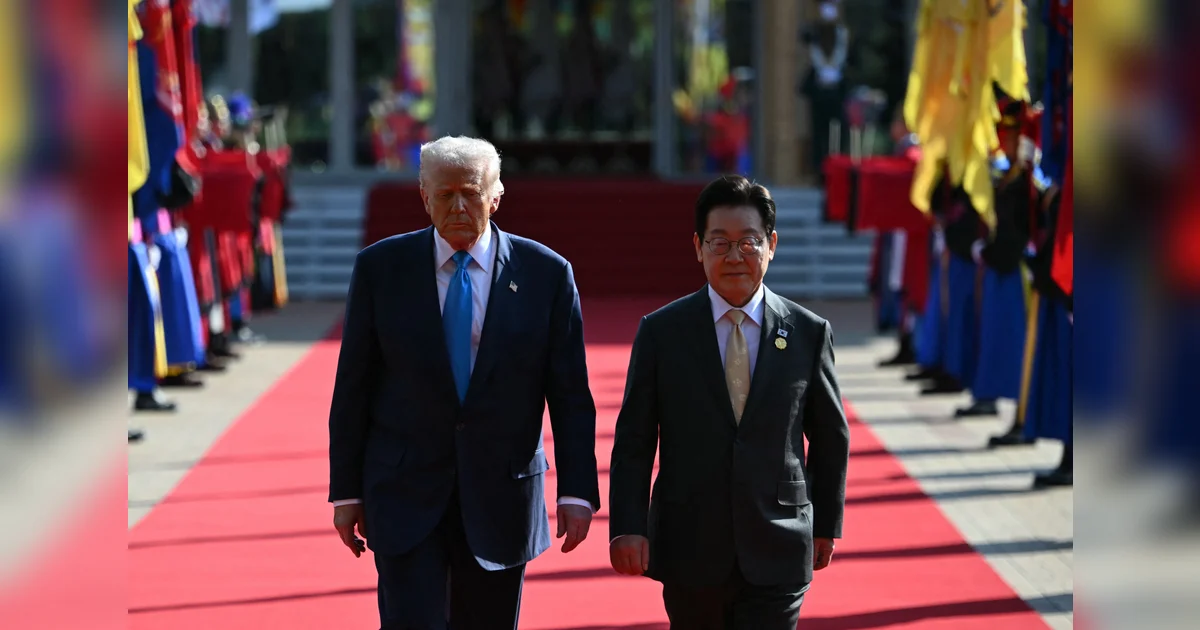
South Korean officials have raised doubts about the feasibility of constructing a nuclear-powered submarine in a US shipyard, following US President Donald Trump’s recent social media announcement. Trump stated last week that he had approved South Korea’s request to build such a submarine, specifying it would be constructed at the Philadelphia shipyard. However, Prime Minister Kim Min-seok clarified during a parliamentary hearing on Thursday that the South Korean-owned Philly Shipyard currently lacks the capability to undertake such a project. This statement comes after Trump’s post on Truth Social, where he responded to South Korean President Lee Jae Myung’s request for nuclear fuel to power submarines equipped with conventional weapons. Defence Minister Ahn Gyu-back further emphasized that it would be more logical to build the submarines in South Korea, given the nation’s advanced shipbuilding expertise. South Korea is home to leading shipbuilders like Hanwha Ocean, which owns the Philly Shipyard but has declined to comment on the matter. US Defence Secretary Pete Hegseth assured that the Trump administration would collaborate with relevant departments to fulfill the commitment, emphasizing the president’s desire for strong alliances.
-
Japan to arm riot police with rifles in fight against bear attacks
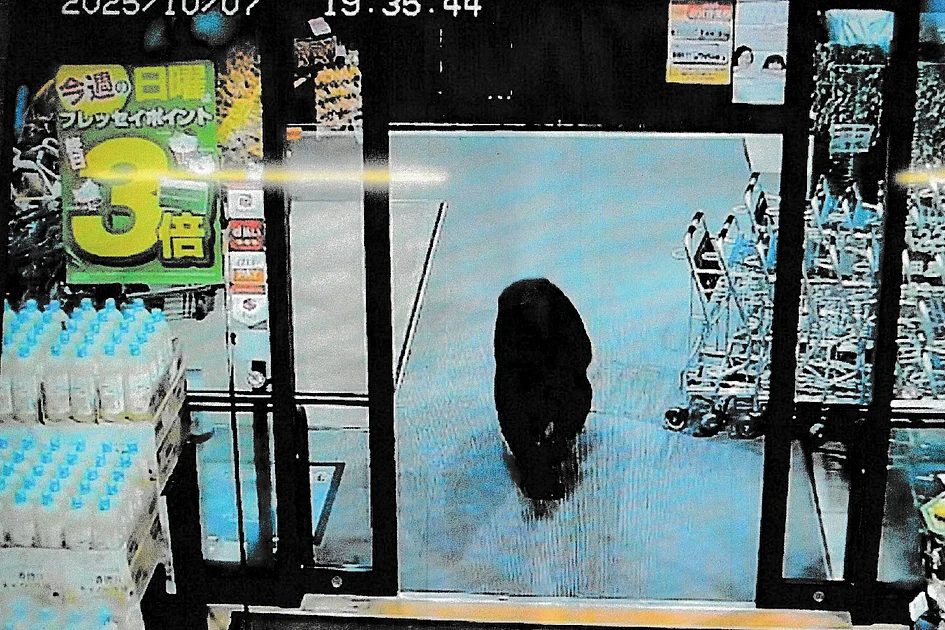
In response to a surge in fatal bear attacks, Japan has revised its stringent gun laws to arm riot police with rifles. The decision, announced on Thursday, comes as the country grapples with a record number of bear-related fatalities, with 13 deaths reported since April 1—more than double the previous annual record. The National Police Agency (NPA) has identified northern regions such as Iwate and Akita as hotspots for these incidents and will deploy rifle-equipped riot police to these areas starting November 13. These officers will receive specialized training from local hunters’ associations to better understand bear behavior. The move follows criticism that standard police handguns are ineffective against bears. Meanwhile, Japan has also deployed soldiers to assist in bear management, though they will not carry firearms. Instead, troops will focus on transporting traps and using anti-bear sprays, protective gear, and net launchers. Prime Minister Sanae Takaichi’s administration is urgently drafting a policy package to address the crisis. Scientists attribute the rise in bear populations to climate change, which has increased food sources like acorns, deer, and boars. Additionally, rural depopulation has blurred the boundaries between human settlements and bear habitats, prompting bears to venture closer to residential areas.
-
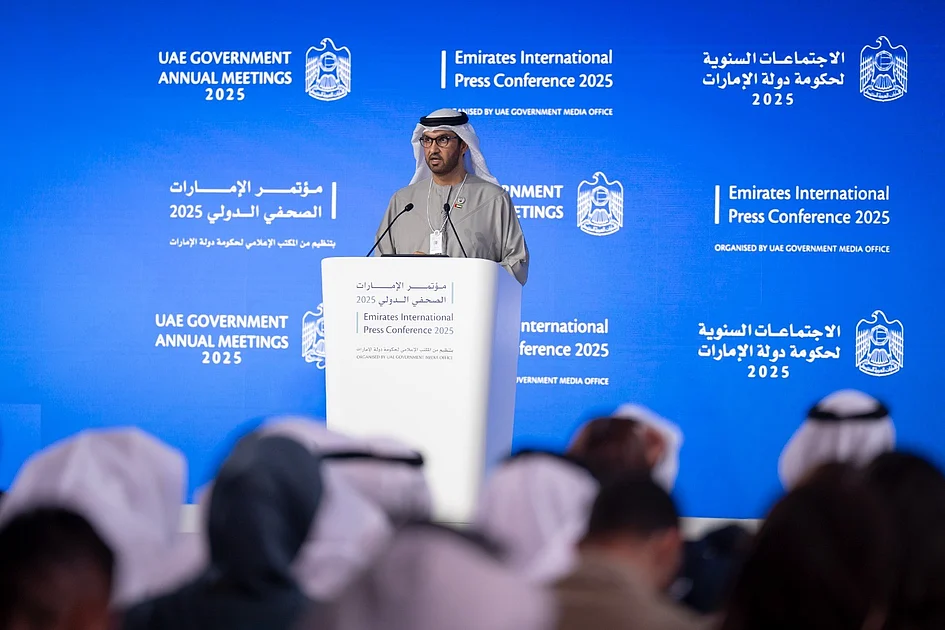
UAE shifts from traditional to smart manufacturing with AI, semiconductors focus
The United Arab Emirates (UAE) is undergoing a transformative industrial shift, transitioning from traditional manufacturing to cutting-edge, technology-driven sectors. This strategic pivot, unveiled at the seventh UAE Government Annual Meetings in Abu Dhabi, underscores the nation’s commitment to renewable energy, semiconductors, artificial intelligence (AI) components, and electric vehicles. Dr. Sultan Al Jaber, UAE Minister of Industry and Advanced Technology, articulated this vision, emphasizing the integration of the UAE’s existing strengths in petrochemicals, aluminum, and steel with emerging high-tech industries. Since the establishment of the Ministry of Industry and Advanced Technology in 2020, the industrial sector has seen a 62% surge in GDP contribution, reaching $120 billion, and a 68% increase in industrial exports, totaling $197 billion. A cornerstone of this success is the National In-Country Value (ICV) program, which redirected Dh210 billion into the national economy in 2024, fostering Emiratisation and supporting key sectors like energy, healthcare, and aviation. The ‘Made in the UAE’ initiative has further galvanized local manufacturing, identifying 4,800 products worth Dh168 billion for domestic production. The UAE’s global competitiveness has also been bolstered, with significant advancements in the Competitive Industrial Performance Index and the Quality Infrastructure Index. Dr. Al Jaber highlighted the shift towards smart manufacturing, leveraging AI and Fourth Industrial Revolution technologies to enhance production efficiency and global competitiveness.
-
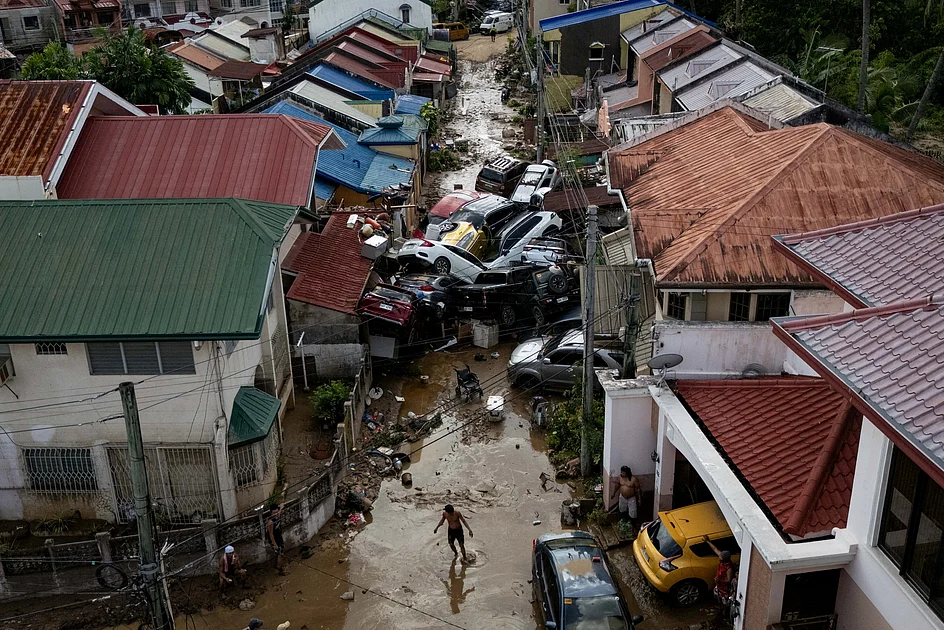
Philippines declares state of emergency, prepares for potential super typhoon
The Philippines has declared a state of emergency as the nation braces for the potential impact of a super typhoon, following the devastation caused by Typhoon Kalmaegi. President Ferdinand Marcos Jr. announced the emergency measures on Thursday, November 6, 2025, after Kalmaegi claimed at least 114 lives and left hundreds missing in central provinces. The majority of fatalities resulted from flash floods, with Cebu province being the hardest hit. The typhoon, which exited the archipelago into the South China Sea on Wednesday, displaced over 560,000 people, with nearly 450,000 seeking refuge in emergency shelters. Meanwhile, another storm, Fung-wong, currently classified as a tropical storm, is forecasted to intensify into a super typhoon by Saturday, November 9. This comes less than two months after Super Typhoon Ragasa wreaked havoc across the region. Authorities are on high alert, urging residents to prepare for the impending disaster.
-
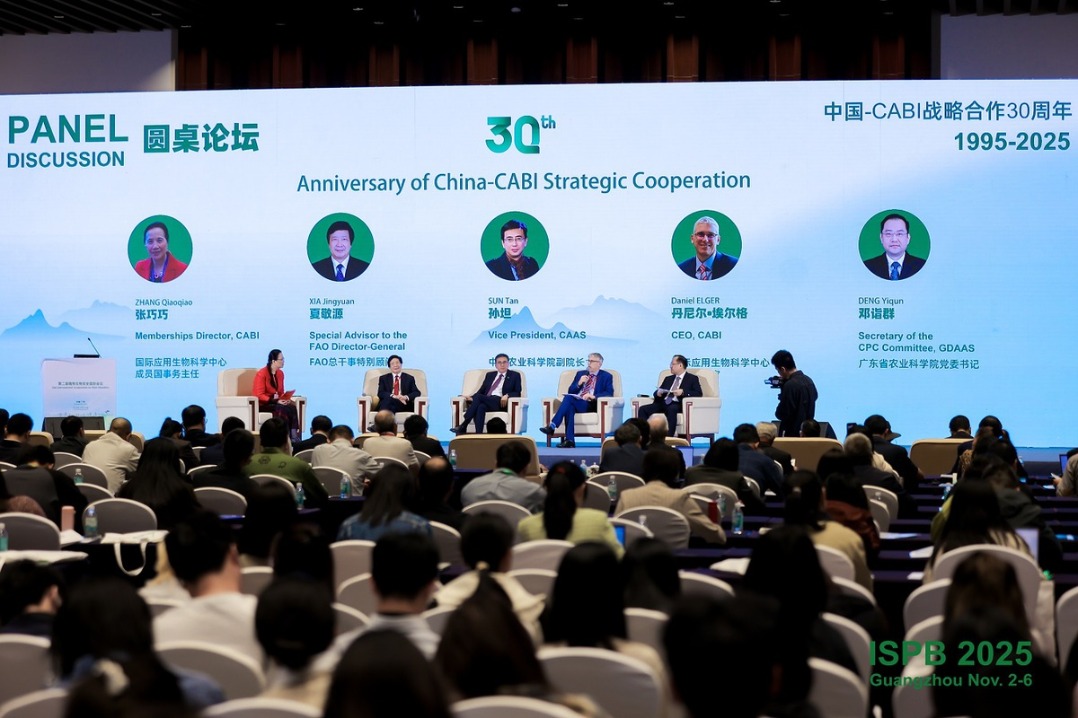
Newly launched intl alliance to safeguard plant biosafety, food security
In a significant step toward global agricultural sustainability, the BRI International Alliance of Science and Technology Innovation in Plant Protection was officially launched during the 2nd International Symposium on Plant Biosafety in Guangzhou, Guangdong province. The event, held from November 2 to 6, brought together over 250 experts and scholars from 18 countries and more than 40 domestic institutions. The alliance, a collaborative effort between the Chinese Academy of Agricultural Sciences’ Institute of Plant Protection and the Center for Agriculture and Bioscience International (CABI), aims to strengthen international cooperation in plant health and food security. Sun Tan, vice-president of the academy, emphasized the critical role of plant biosafety in addressing global food security and sustainable agricultural development. He highlighted that plant pests and diseases cause annual yield losses of 20 to 40 percent, resulting in over $220 billion in economic damage worldwide. The academy pledged to enhance international collaboration in biosafety research, improve cooperation mechanisms, and promote joint innovation platforms. Daniel Elger, CEO of CABI, underscored the fruitful partnership between China and CABI over the past three decades, expressing commitment to deepening collaboration for the global sharing and application of plant biosafety management technologies. The symposium also facilitated discussions on pest and disease outbreak patterns, integrated pest management, and innovative biosafety governance approaches.
-
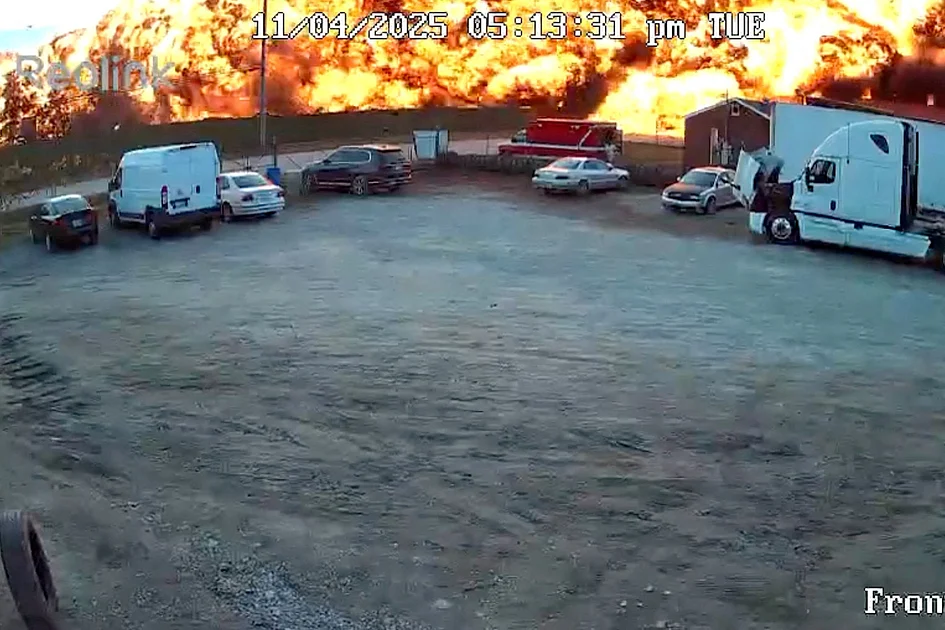
Investigators find ‘black boxes’ from UPS plane crash that killed 12
Federal safety investigators have successfully retrieved the ‘black box’ recorders from the wreckage of a UPS cargo plane that crashed in Louisville, Kentucky, claiming the lives of 12 individuals. The incident occurred during takeoff on Tuesday evening, when the 34-year-old MD-11 freighter, bound for Honolulu, burst into flames shortly after clearing the runway fence. The crash ignited a series of fires, including a petroleum recycling facility, and scattered debris across a half-mile radius. The Louisville airport reopened on Wednesday, but the affected runway will remain closed for ten days. Todd Inman of the National Transportation Safety Board (NTSB) confirmed that the flight data recorder and cockpit voice recorder were intact and will be analyzed in Washington, D.C. The NTSB aims to issue a preliminary report within 30 days, though a full investigation could take up to two years. Kentucky Governor Andy Beshear declared a state of emergency to expedite disaster response efforts. The crash disrupted operations at UPS Worldport, the company’s global air cargo hub, but services are expected to resume by Thursday morning. Investigators are focusing on the plane’s left engine, which detached during the crash, as a potential factor in the accident. Boeing and GE Aerospace have pledged support to the investigation. This marks the first UPS cargo plane crash since 2013.
-
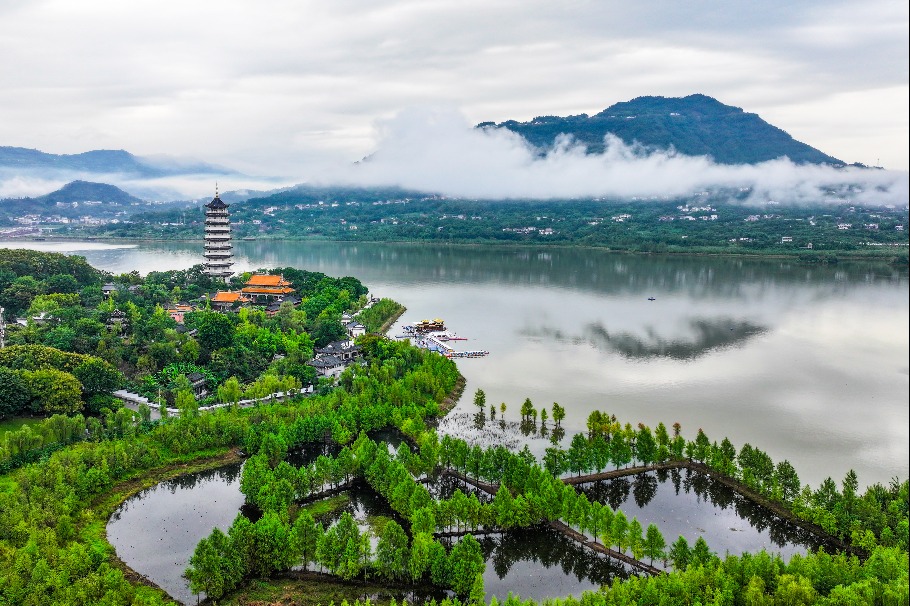
China unveils regulation on ecological environment monitoring
In a significant move to bolster environmental protection, China has unveiled a new regulation on ecological environment monitoring, set to take effect on January 1, 2026. Signed by Premier Li Qiang, the State Council decree introduces a comprehensive framework comprising seven chapters and 49 articles. The regulation aims to standardize monitoring activities, enhance capabilities, and ensure the accuracy and reliability of environmental data. Key provisions include the development of a modern monitoring system with advanced automation, digitization, and smart technologies. The regulation also emphasizes the establishment of a public monitoring network, improved supervision of pollution sources, and early warning systems for environmental risks. Additionally, it mandates the creation of a robust management system for emergent environmental incidents and sets stringent requirements for technical service organizations, which must register with environmental authorities. Enhanced oversight and accountability measures are also highlighted to ensure effective implementation.
-
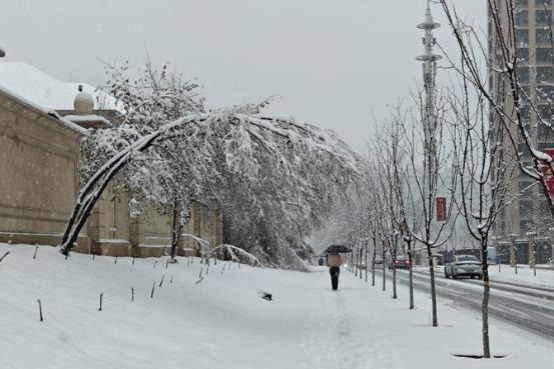
Blizzard hits Xinjiang in NW China, breaks records, impacts transport
A historic blizzard has engulfed Northwest China’s Xinjiang Uygur Autonomous Region since Wednesday, causing widespread disruption to transportation and setting unprecedented precipitation records. According to the regional meteorological observatory, 538 weather stations across Xinjiang reported rain or snow by Thursday morning, with 77 experiencing blizzard conditions. Eleven areas, including the regional capital Urumqi and the Ili Kazakh Autonomous Prefecture, were severely impacted by heavy snowfall. Urumqi recorded 35.6 millimeters of precipitation in a single day, the highest November daily total in the city’s history. Chen Chunyan, chief forecaster at the observatory, highlighted Turgen township in Ili as the epicenter of the storm, with snowfall reaching 40.8 millimeters. The blizzard has forced partial or full closures of major highways, including the G7, G216, and G335, with reopening times uncertain. Railway services were also affected, with the cancellation of a passenger train between Urumqi and Korla. The observatory warns of continued snowfall in the coming days, potentially exacerbating travel safety concerns.