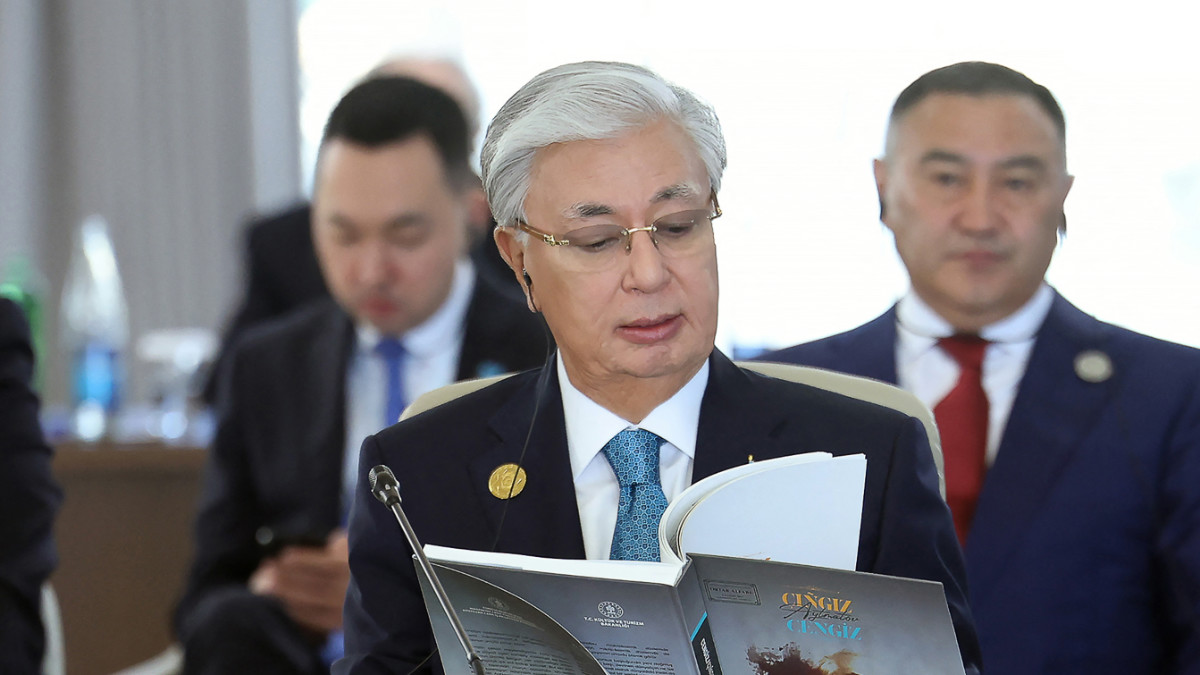
Kazakhstan is set to announce its participation in the Abraham Accords on Thursday, according to multiple U.S. media reports. This move, largely symbolic, comes as the Central Asian nation already maintains diplomatic relations with Israel, established in 1992 shortly after Kazakhstan’s independence from the Soviet Union. The announcement is expected to be made during Kazakh President Kassym-Jomart Tokayev’s visit to the White House, alongside U.S. President Donald Trump. Kazakhstan, a Muslim-majority country with a significant Orthodox Christian population, has historically maintained a muted approach to religion in public life, influenced by its Soviet legacy. The Abraham Accords, brokered during the Trump administration in 2020, initially normalized relations between Israel and four Arab nations—Morocco, Bahrain, the UAE, and Sudan—none of which had formal ties with Israel prior to the agreements. Kazakhstan’s inclusion marks the first instance of a country with pre-existing diplomatic relations with Israel joining the accords. While the U.S. has framed the accords as a historic breakthrough, critics, particularly advocates of the Palestinian cause, view them as a betrayal. The accords have also been seen as a strategic move to counter Iran and strengthen economic ties, particularly in technology. Kazakhstan and Israel already enjoy stable economic relations, making the impact of this decision uncertain.
标签: Asia
亚洲
-
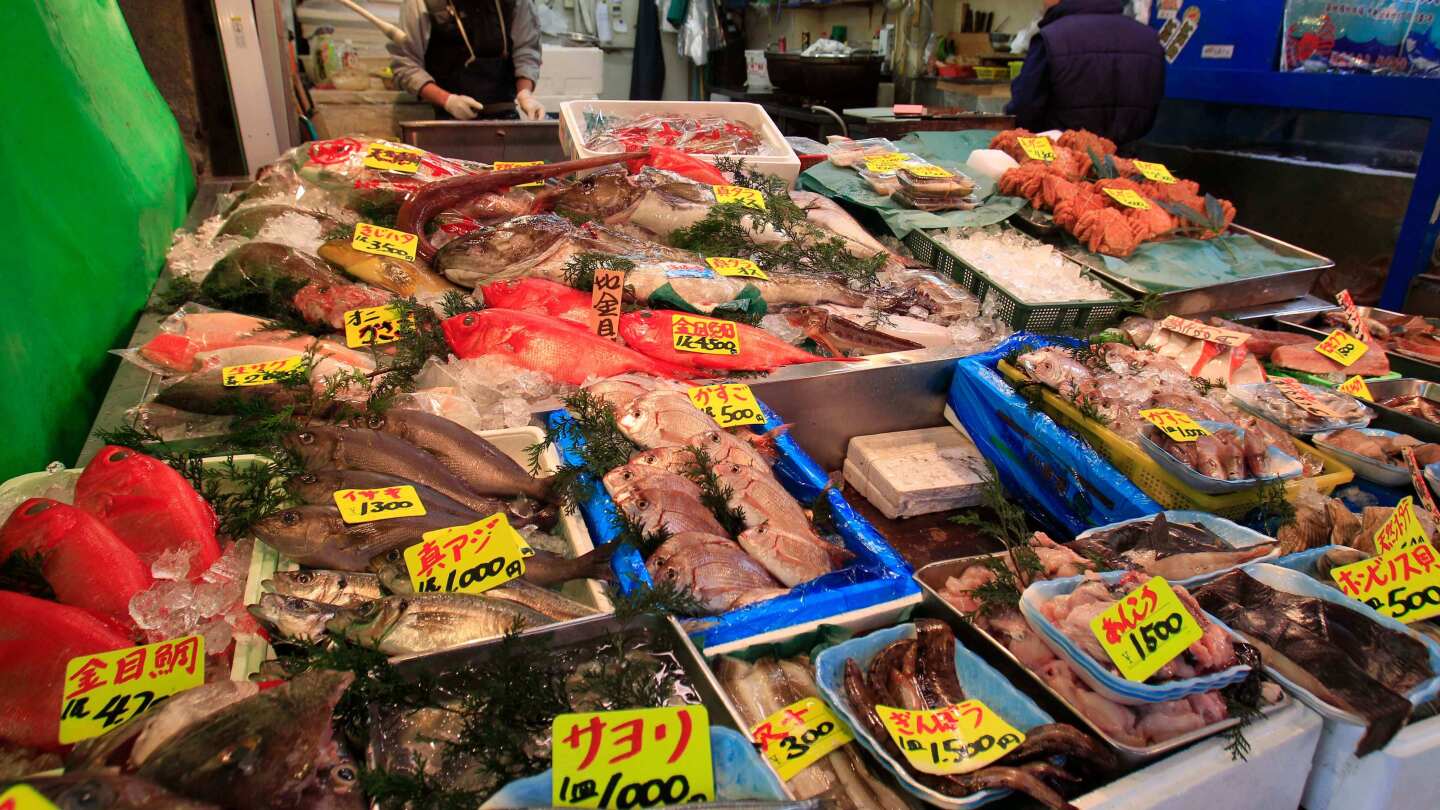
Japan resumes seafood exports to China 2 years after Fukushima wastewater release
In a significant development for Japan’s seafood industry, the country has resumed exports to China for the first time since Beijing imposed a ban in August 2023. The ban was a response to Japan’s release of treated radioactive wastewater from the Fukushima Daiichi nuclear power plant, which suffered meltdowns following the 2011 earthquake and tsunami. On Friday, Chief Cabinet Secretary Minoru Kihara announced that 6 metric tons of scallops from Hokkaido were shipped to China on Wednesday, marking the first such shipment in over two years. This move follows months of negotiations between the two nations, culminating in China’s decision in June to ease the ban. However, restrictions remain on seafood from Fukushima and nine nearby prefectures, imposed immediately after the 2011 disaster. Kihara emphasized the government’s optimism about this development and urged China to expedite the re-registration of pending applications for Japanese seafood exporters. The Fukushima wastewater issue has been a contentious topic domestically and internationally, with concerns about reputational damage to the region’s produce and its impact on Japan’s relations with neighbors like China and South Korea. The International Atomic Energy Agency (IAEA) has supported Japan’s plan, confirming that the treated wastewater meets international safety standards and poses negligible risk to the environment and human health. Japan continues to advocate for the lifting of remaining bans, including those on beef imports, as it seeks to rebuild its seafood trade with its largest overseas market.
-
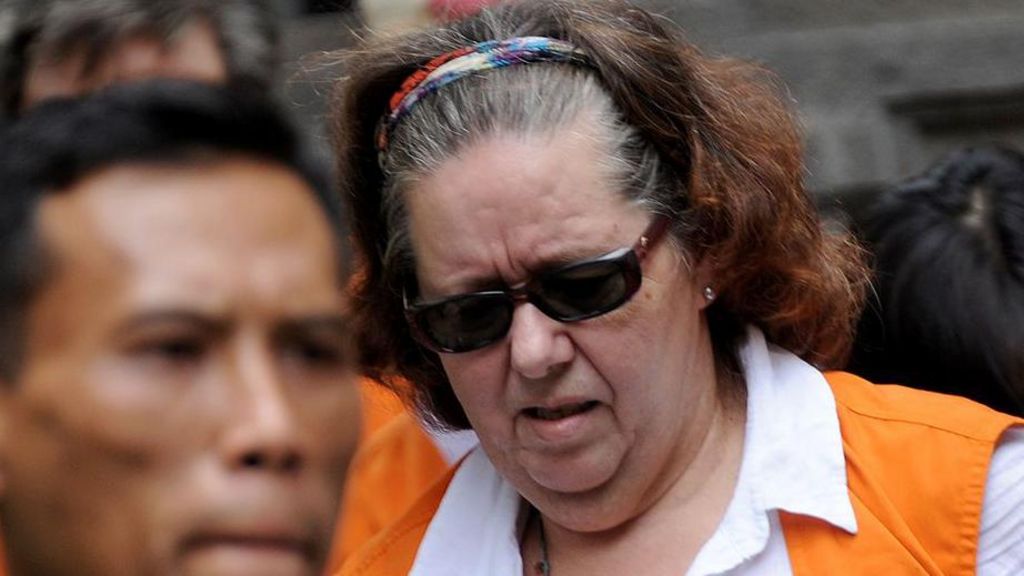
British grandmother flies home after 12 years on Indonesian death row
Lindsay Sandiford, a 69-year-old British grandmother, has finally returned to the UK after spending 12 years on death row in Indonesia for drug trafficking. Sandiford, who was convicted in 2013 for carrying nearly 5kg of cocaine worth £1.6 million ($2.1 million) upon her arrival in Bali from Thailand in 2012, was repatriated on humanitarian grounds. Her release was part of a bilateral agreement between the UK and Indonesian governments. She was accompanied by Shahab Shahabadi, another British national who had been serving a life sentence for drug smuggling. Both individuals reportedly suffered from severe health issues during their imprisonment. Sandiford, who appeared in a wheelchair at a press conference hours before her departure, claimed she was coerced into transporting the drugs under threats to her son’s life. Indonesia, known for its strict drug laws, has recently released several high-profile detainees, including members of the ‘Bali Nine’ drug ring. The UK’s Deputy Ambassador to Indonesia, Matthew Downing, emphasized that the repatriation was based on humanitarian considerations and that both individuals would receive necessary medical treatment upon their return, in accordance with UK laws and procedures.
-
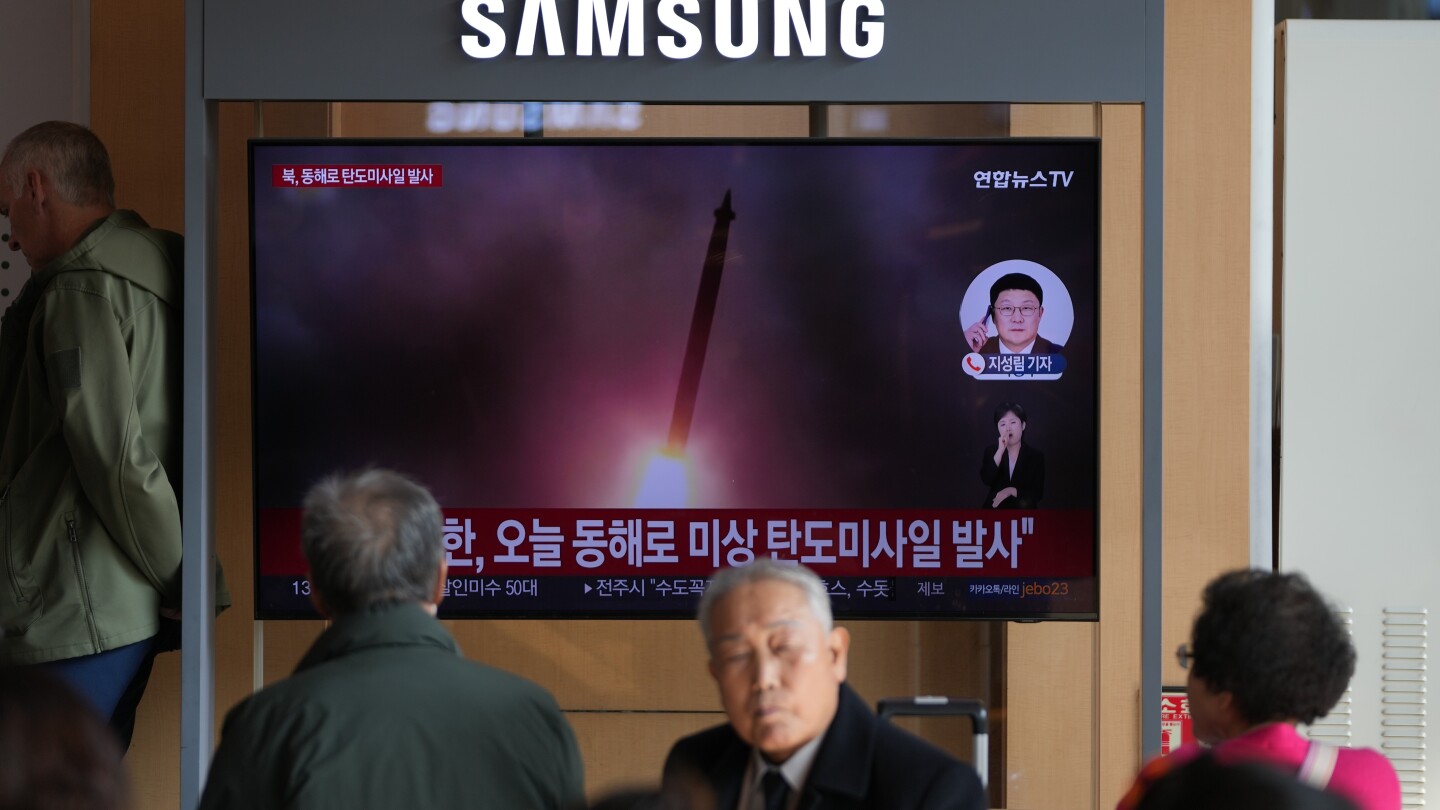
South Korea says North Korea fired at least 1 ballistic missile toward its eastern waters
North Korea launched at least one ballistic missile toward its eastern waters on Friday, according to South Korea’s military. This latest provocation underscores Pyongyang’s intensified weapons testing activities, which have surged in recent weeks. The South Korean Joint Chiefs of Staff did not disclose specific details about the missile’s type or flight range. This incident follows a series of recent tests, including the firing of hypersonic and cruise missiles last month, which North Korea claims have enhanced its nuclear capabilities. Earlier this week, North Korea also conducted artillery drills, firing 10 rounds into its western waters as U.S. Defense Secretary Pete Hegseth began a two-day visit to South Korea. The artillery exercises were repeated on Saturday, coinciding with a summit between South Korean President Lee Jae Myung and Chinese President Xi Jinping in Gyeongju. During the summit, Lee urged Beijing to play a more active role in persuading North Korea to resume dialogue with Washington and Seoul. Hegseth, following annual security talks with South Korean officials, commended South Korea’s plans to increase military spending in response to North Korean threats and regional uncertainties. North Korean leader Kim Jong Un has consistently avoided diplomatic engagements with the U.S. and South Korea since talks with former U.S. President Donald Trump collapsed in 2019. Kim has instead focused on expanding his nuclear and missile programs, including the development of intercontinental ballistic missiles capable of targeting U.S. allies in Asia and the U.S. mainland. At a recent military parade in Pyongyang, attended by officials from Russia, China, and Vietnam, Kim showcased advanced weapons, signaling potential future tests. North Korea has also denounced U.S. sanctions targeting its cybercrime activities, accusing Washington of hostility and vowing countermeasures. Experts interpret these actions as indications that Pyongyang has no immediate plans to return to negotiations.
-
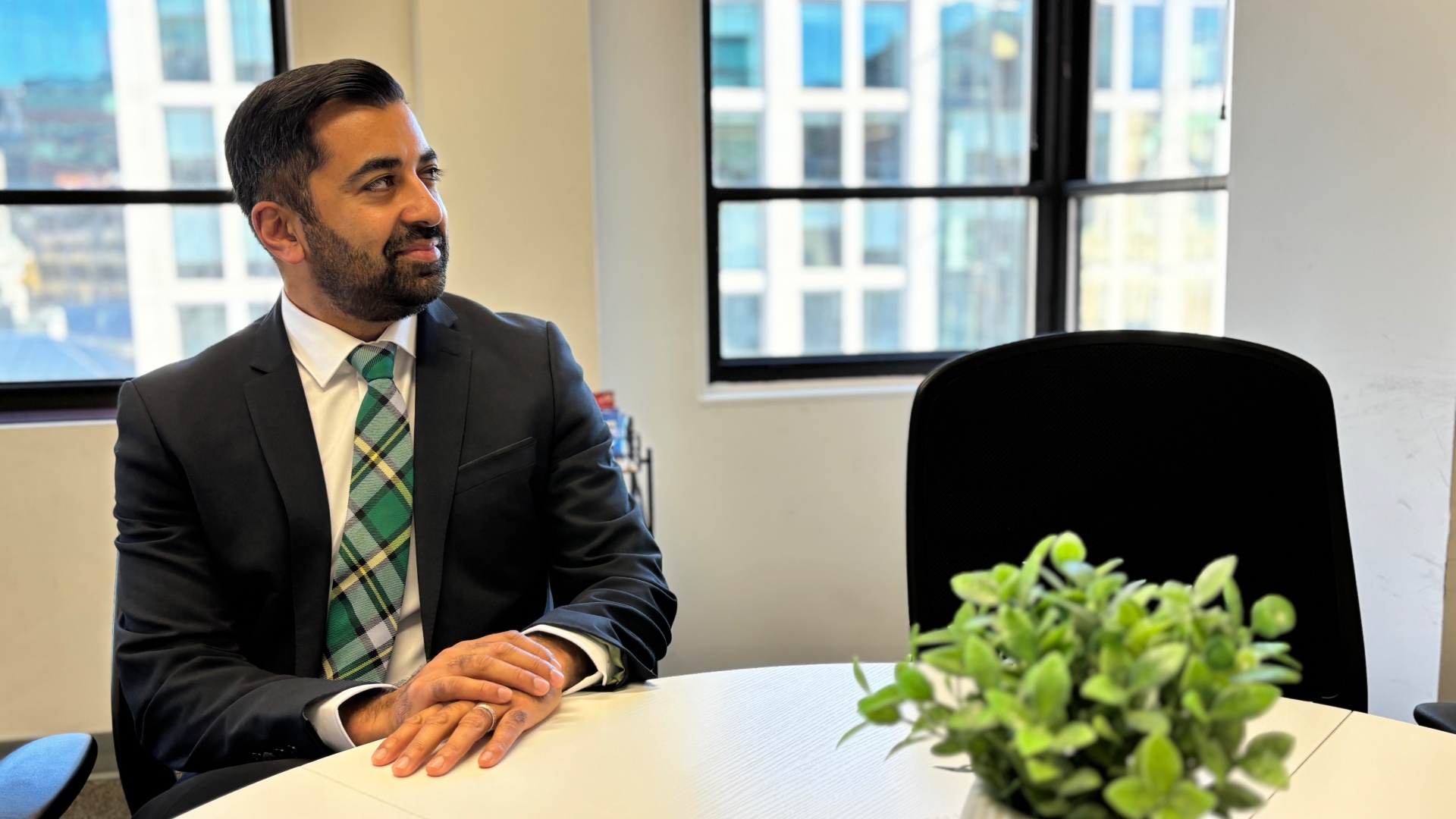
After Mamdani’s win, this is what another history-making Muslim leader wants you to know
Fresh from an eight-hour flight from the UK to Washington, DC, Humza Yousaf, the former First Minister of Scotland, greeted a small gathering of Muslim community members with a clever twist on the Eid greeting, using the name of New York City’s mayor-elect, Zohran Mamdani. The phrase, ‘Zohran Mubarak,’ drew cheers and applause, setting the tone for a visit that was about much more than celebration. Yousaf, the first Muslim to lead a Western nation, was there to listen, offer guidance, and foster connections. ‘You are not guests of the west. You are building the west,’ he declared, emphasizing the integral role of Muslim Americans in shaping the nation. Yousaf, who has faced his share of institutionalized bullying and threats, urged the community to remain resilient against the rising tide of far-right extremism. Drawing from his own experiences, he warned that the challenges for Mamdani, the newly elected mayor, would only intensify. ‘When I was first minister, the death threats we received were so credible, we had to have additional security for our family,’ he shared with Middle East Eye. Yousaf’s US tour, spanning Washington, DC, Chicago, Phoenix, and Los Angeles, aims to build ‘support networks’ and mentor the next generation of Muslim leaders. With two decades of political experience, Yousaf hopes to use his platform to empower Muslims in public service. ‘We have the scars from that, metaphorically speaking. And therefore, I think we’re able to advise others who are thinking of going into politics,’ he said. Yousaf, who served as First Minister of Scotland during the early months of Israel’s conflict in Gaza, has been a vocal advocate for Palestinian rights. His wife, Nadia el-Nakla, is of Palestinian heritage, and her family’s ordeal in Gaza has deeply impacted him. ‘It’s incumbent on us that we build a transatlantic alliance to tackle anti-Muslim hatred,’ Yousaf asserted, highlighting the need for a united front against Islamophobia. He criticized figures like Elon Musk and far-right extremists for perpetuating anti-Muslim rhetoric and called for stronger social media regulation. Despite the challenges, Yousaf remains committed to the fight for democracy and equality. ‘If we all leave, then who’s here to fight?’ he asked, emphasizing the importance of standing firm against forces that seek to marginalize Muslims. Yousaf’s message is clear: the Muslim community must continue to lead and inspire, proving that victory is possible, as demonstrated by Mamdani’s historic election win.
-
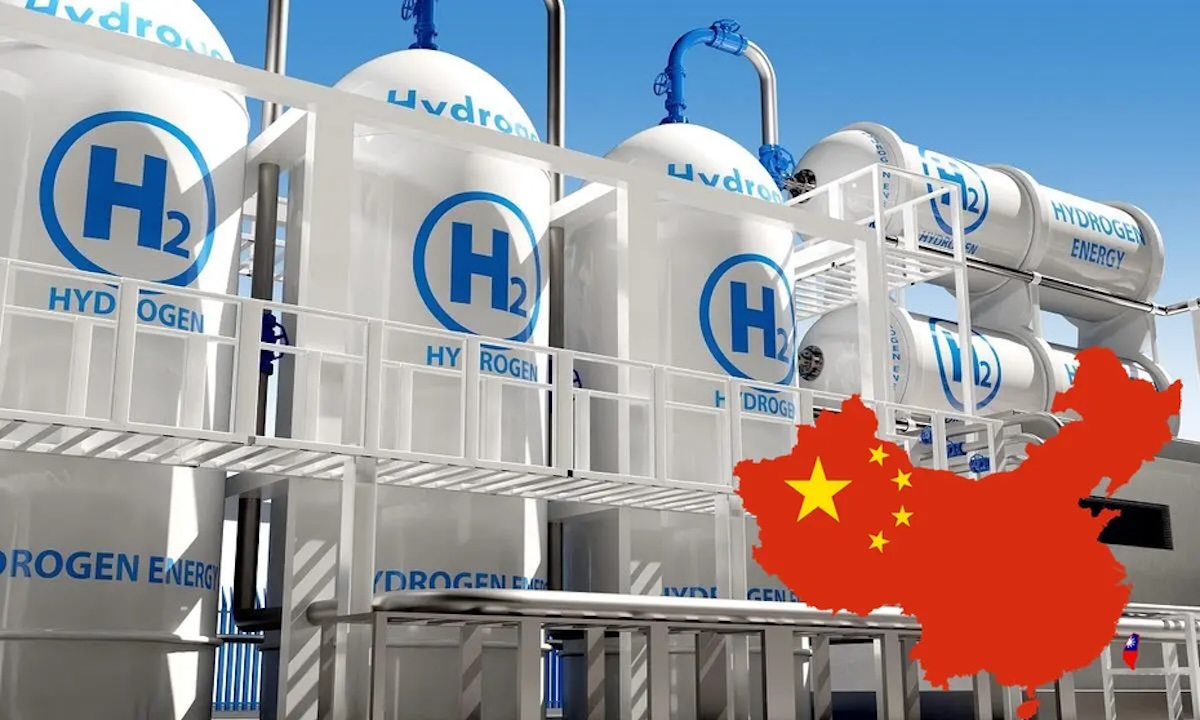
China’s hydrogen electrolyzer dominance – and global risks
The global energy sector is undergoing a significant transformation, with low-carbon hydrogen emerging as a cornerstone of decarbonization efforts. While most hydrogen is currently produced from fossil fuels, the demand for low-carbon hydrogen is projected to skyrocket, with the market expected to grow from $26.39 billion in 2024 to $113.1 billion by 2034. At the forefront of this burgeoning hydrogen economy is China, which has rapidly become a dominant force in the global electrolyzer market, a critical component for hydrogen production. Over the past six years, Chinese firms have increased their share of global electrolyzer manufacturing capacity from 5% to 60%, with six of the top ten manufacturers now based in China. China’s dominance is particularly evident in alkaline (AWE) technology, where it controls 85% of global manufacturing capacity, thanks to over 40 years of experience and a highly integrated supply chain. While European and US companies have traditionally led in proton exchange membrane (PEM) technology, China is closing the gap through substantial state subsidies, reducing PEM electrolyzer prices by 40% between 2022 and 2024. By 2024, China not only became the world’s leading hydrogen producer but also accounted for nearly half of global green hydrogen output. This expansion is part of a deliberate national strategy, mirroring China’s earlier successes in solar PV and wind turbine sectors. However, challenges such as overcapacity, low efficiency, and limited technological adaptability persist, creating opportunities for alternative technologies and international partnerships. China’s hydrogen strategy, codified in the Hydrogen Industry Medium-and Long-Term Plan (2021–2035), aims for 50,000 fuel-cell vehicles, a nationwide refueling network, and significant low-carbon hydrogen output by 2024. State-owned enterprises like Sinopec and CNPC, along with major automakers such as SAIC Motor and BAIC Group, are heavily investing in hydrogen development. Chinese firms are also exporting hydrogen technology globally, with projects in countries like Namibia. Despite its dominance, China’s overcapacity and technological limitations highlight the need for innovation in next-generation solutions like solid oxide electrolyte (SOE) technology, which shows promise in industrial decarbonization and powering data centers. As the hydrogen sector evolves, investing in alternative technologies and diversified partnerships will be crucial for a resilient and sustainable hydrogen future.
-
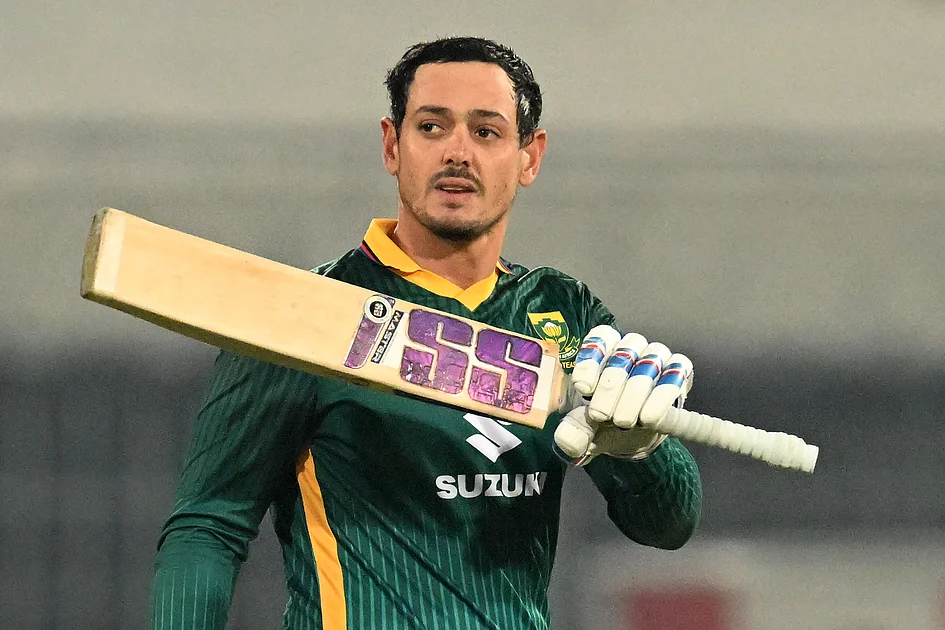
Quinton de Kock slams century as South Africa level series
In a thrilling display of cricketing prowess, South Africa’s Quinton de Kock marked his triumphant return to international cricket with a stellar unbeaten century, leading his team to an emphatic eight-wicket victory over Pakistan in the second One Day International (ODI) in Faisalabad. The match, held on Thursday, saw de Kock score 123 runs off 96 balls, ensuring South Africa comfortably chased down Pakistan’s total of 269-9 with nearly 10 overs to spare. This victory leveled the three-match series at 1-1. De Kock, who had reversed his retirement decision after a two-year hiatus, showcased his class with a 153-run partnership with Tony de Zorzi (76 off 63 balls) and an 81-run stand with teenager Lhuan-dre Pretorius (46). Pakistan, after winning the toss and opting to bat, struggled early at 22-3 but recovered through half-centuries from Saim Ayub (53) and Salman Ali Agha (69), supported by Mohammad Nawaz’s career-best 59. South Africa’s bowlers, Nandre Burger (4-46) and Nqaba Peter (3-55), were instrumental in restricting Pakistan. The series decider will take place on Saturday in Faisalabad.
-
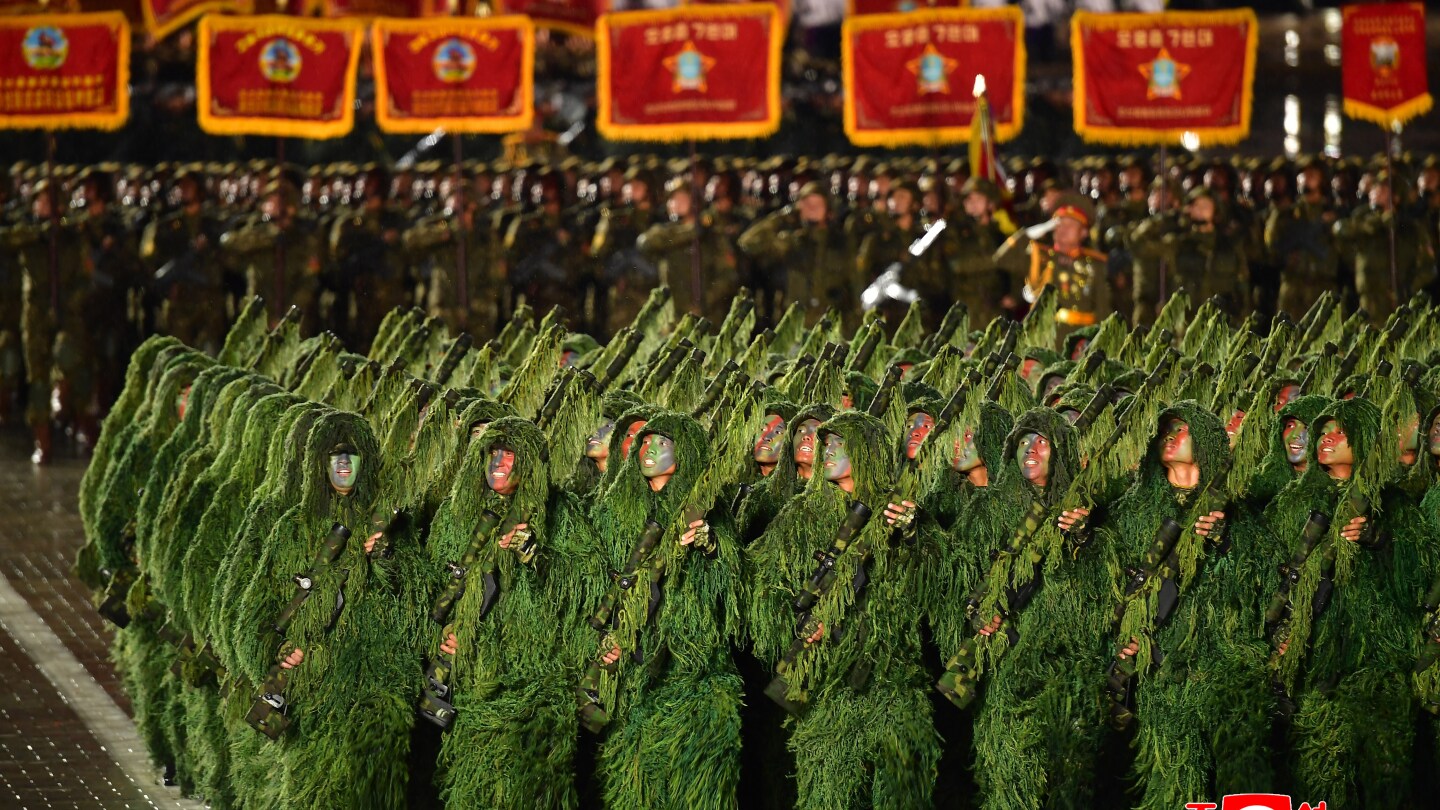
North Korean and Russian military officials discuss further cooperation in Pyongyang
In a significant development in international relations, senior military officials from North Korea and Russia convened in Pyongyang this week to discuss enhanced cooperation, as reported by North Korean state media on Friday. The talks, led by North Korea’s Pak Yong Il, vice director of the Korean People’s Army’s General Political Bureau, and Russia’s Vice Defense Minister Viktor Goremykin, focused on deepening bilateral ties under the leadership of Kim Jong Un and Vladimir Putin. While no specific agreements were disclosed, the discussions underscored the growing alignment between the two nations, particularly in the context of Russia’s ongoing conflict in Ukraine. This meeting follows recent intelligence from South Korea’s National Intelligence Service, which indicated potential recruitment and training activities in North Korea, possibly for additional troop deployments to Russia. South Korean officials, including Unification Ministry spokesperson Chang Yoon-jeong, have refrained from speculating on the exact nature of these discussions but are closely monitoring the situation. Meanwhile, U.S. Defense Secretary Pete Hegseth’s recent visit to South Korea highlighted the strengthening of U.S.-South Korea security ties, with praise for South Korea’s plans to increase military spending in response to regional threats, including those posed by North Korea. According to South Korean assessments, North Korea has already sent approximately 15,000 troops and significant military equipment to Russia since last fall, with further deployments of military construction workers and deminers expected.
-
ADL’s move to establish ‘Mamdani Monitor’ decried as scaremongering and Islamophobia
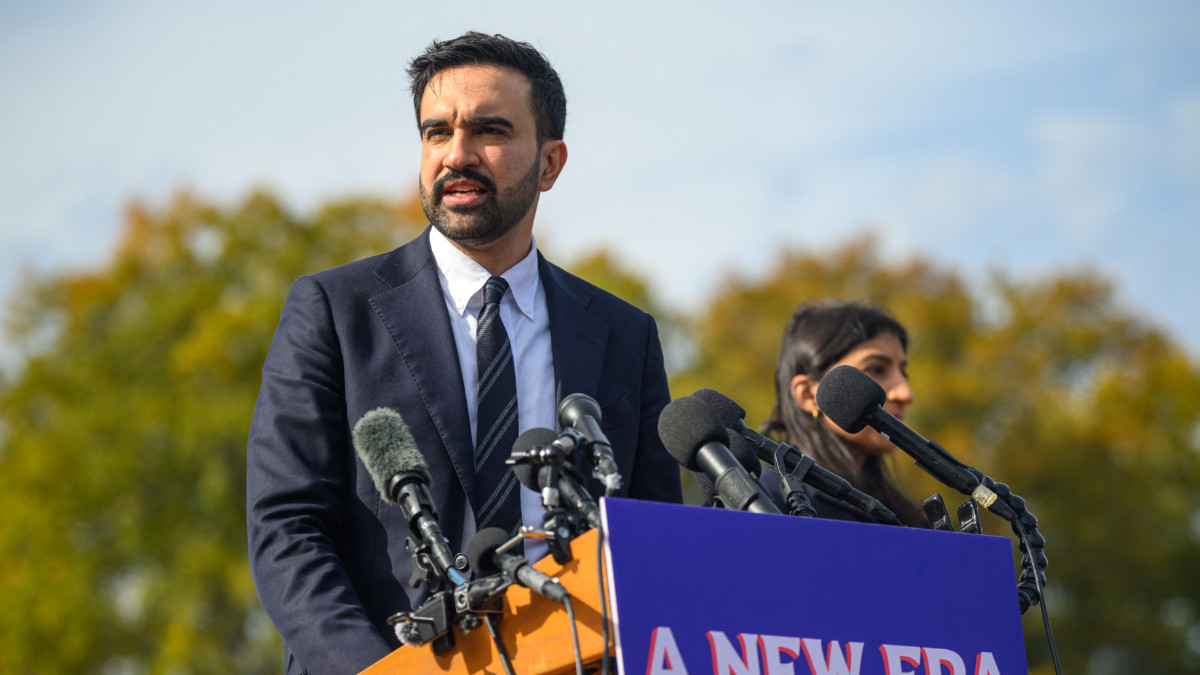
The Anti-Defamation League (ADL), a prominent pro-Israel organization, has announced plans to closely monitor the policies and personnel decisions of New York City Mayor-Elect Zohran Mamdani. In a statement released on Wednesday, ADL CEO Jonathan Greenblatt expressed concerns over Mamdani’s alleged promotion of antisemitic narratives and associations with individuals accused of antisemitism. Greenblatt emphasized that Mamdani’s views on Israel starkly contrast with those of the majority of Jewish New Yorkers, raising fears that his administration could exacerbate the recent surge in antisemitic incidents in the city. The ADL plans to establish a dedicated tipline for reporting antisemitic acts and will create a ‘Mamdani Monitor’ to track his governance. The move has drawn sharp criticism from Muslim civil rights groups, including the Council on American-Islamic Relations (CAIR), which accused the ADL of hypocrisy and anti-Muslim bias. Mamdani, the first Muslim mayor of New York City and a self-declared Democratic Socialist, has been vocal in his criticism of Israel’s policies, accusing the country of genocide in Gaza. His campaign faced repeated attacks from pro-Israel groups, and he has been the target of Islamophobic rhetoric on social media. Despite the controversy, Mamdani secured a decisive victory in the mayoral election, winning four out of five boroughs. He is set to take office on January 1, 2026.
-
UAE: Emirati National Identity Strategy launched to strengthen sense of belonging, pride
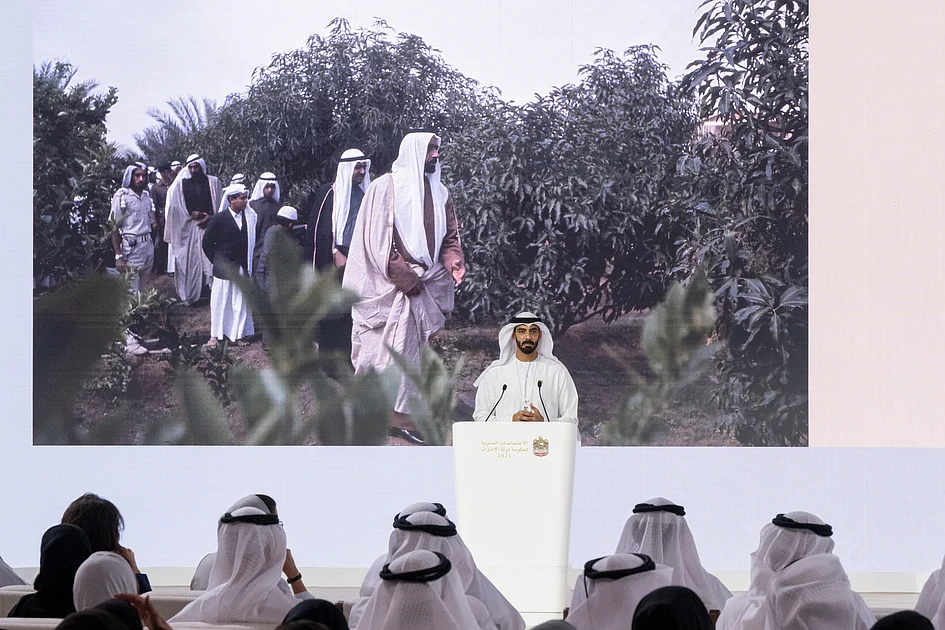
The UAE Government has introduced the ‘Emirati National Identity Strategy,’ a comprehensive initiative aimed at reinforcing national belonging, pride, and social cohesion. Announced during the UAE Government Annual Meetings 2025 in Abu Dhabi, the strategy was developed collaboratively by the Ministry of Culture and the National Projects Office of the Presidential Court. Minister of Culture Salem bin Khalid Al Qassimi outlined its vision and objectives during a keynote session titled ‘Legacy and Responsibility,’ emphasizing its role in unifying government efforts to embed Emirati identity across all sectors. The strategy is built on three pillars: defining the identity’s core values, establishing a national framework, and creating a governance model to ensure sustainability. It also highlights six core elements of Emirati identity, including Islamic values, the Arabic language, heritage, and family, alongside five core values such as respect, ambition, and generosity. Seven dimensions, ranging from education to media, will serve as channels to deliver the strategy’s objectives. Thirteen key initiatives, including integrating national identity into educational curricula and developing a Media Content Policy, will drive implementation. A National Identity Committee will oversee governance, ensuring alignment across entities. H.H. Sheikha Mariam bint Mohamed bin Zayed Al Nahyan emphasized the strategy’s role in fostering unity and inspiring future generations to embrace their heritage. The initiative reflects the UAE leadership’s vision of nurturing a society rooted in shared values and coexistence.