标签: Asia

亚洲

  • Surgery ‘not good option’ for Malaysia’s 100-year-old ex-PM Mahathir: Son

    Surgery ‘not good option’ for Malaysia’s 100-year-old ex-PM Mahathir: Son

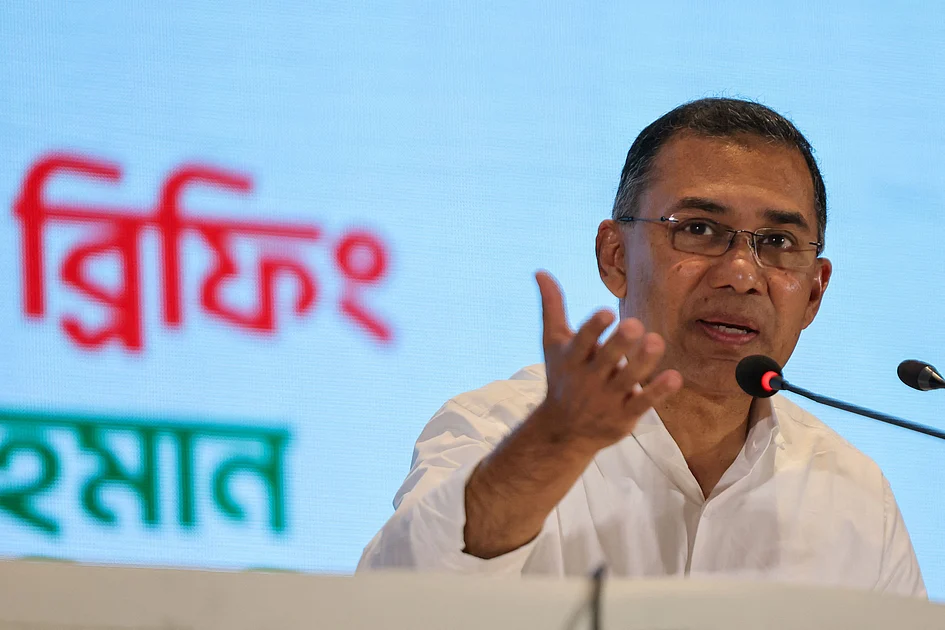
    Malaysia’s former Prime Minister Mahathir Mohamad, who recently celebrated his 100th birthday, will pursue non-surgical treatment for a hip fracture sustained during a fall at his residence. The medical decision was confirmed by his son Mukhriz Mahathir on Wednesday, citing advanced age as the primary factor against surgical intervention.

    The incident occurred Tuesday when the veteran statesman fell inside his home following his routine brisk walking exercise. He was transported conscious via ambulance to Kuala Lumpur’s National Heart Institute, where physicians diagnosed a fracture to his right hip.

    Medical specialists have recommended a comprehensive rehabilitation protocol instead of surgical options, acknowledging the heightened risks associated with invasive procedures for centenarian patients. The recovery process is expected to require several weeks of hospitalization for treatment and observation.

    Mukhriz Mahathir stated via a video message distributed through his political party’s communications: ‘Considering his remarkable age of 100 years, surgical intervention presents substantial challenges. The medical team has advised a standardized rehabilitation approach that will necessitate considerable time.’

    The family expressed gratitude for the public’s concern while respectfully requesting privacy during the recovery period. Daughter Marina Mahathir provided reassurance through national media, characterizing the injury as ‘serious but not dangerous,’ while acknowledging the particular severity of fractures at extreme advanced age.

    Mahathir Mohamad’s medical history includes previous cardiac bypass procedures. The nonagenarian leader made history as the world’s oldest elected official during his second premiership from 2018-2020, following his initial landmark tenure from 1981-2003 that transformed Malaysia’s economic landscape.

  • BlueChip scam: Indian police seek court nod to examine phones in $41-million fraud

    BlueChip scam: Indian police seek court nod to examine phones in $41-million fraud

    Indian authorities are pursuing a crucial judicial authorization to forensically examine mobile devices belonging to Ravindra Nath Soni, founder of the collapsed BlueChip investment scheme. The Special Investigation Team (SIT) intends to formally request court permission next week to analyze electronic evidence seized during Soni’s November 30 arrest in Dehradun, where police located him through a food delivery order.

    The investigation centers on tracing approximately $41.35 million transferred to unidentified cryptocurrency wallets shortly before BlueChip’s sudden March 2024 collapse. Deputy Commissioner of Police Satyajit Gupta confirmed that seized devices would be presented to the court as evidence once judicial approval is obtained, following India’s legal requirements for examining digital devices containing personal or encrypted information.

    Evidence collected from complainants includes transaction screenshots, wallet details, and encrypted messaging records that investigators believe correspond to data on Soni’s devices. The forensic examination aims to establish connections between Soni and multiple cryptocurrency wallets, banking transactions, and communication platforms allegedly used to move investor funds.

    The probe has identified 26 Indian bank accounts, eight cryptocurrency wallets, and approximately 20 companies potentially linked to the scheme. Initial estimates suggest losses exceeding Dh400 million, though authorities anticipate this figure may increase as more victims come forward. Numerous UAE-based investors have traveled to India to provide statements, while others have filed complaints remotely regarding the Bur Dubai-based operation that abruptly ceased payments.

    Soni faces multiple charges in Dubai related to cheque defaults and investor complaints. The court-approved device examination represents a pivotal development in unraveling the cross-border financial and cryptocurrency aspects of one of South Asia’s most significant investment fraud cases.

  • Intl mayors explore Hezhe cultural heritage

    Intl mayors explore Hezhe cultural heritage

    In a remarkable cultural prelude to the Global Mayors Dialogue in Harbin, municipal leaders from seven nations immersed themselves in the rich artistic traditions of China’s Hezhe ethnic minority on January 6th. The international delegation explored an exclusive exhibition of intangible cultural heritage, witnessing extraordinary craftsmanship that blends ancient techniques with contemporary expression.

    The mayors encountered three distinctive art forms that showcase Hezhe cultural preservation: wheat straw mosaic art demonstrating intricate natural material work, birch bark paintings depicting urban landscapes through indigenous perspectives, and innovative fish leather artistry utilizing piscine hides transformed into durable decorative pieces. This unique gallery experience provided a rare insight into how traditional craftsmanship maintains relevance in modern society.

    The cultural exchange event served as both diplomatic bridge-building and cultural education, allowing global city leaders to appreciate China’s diverse ethnic heritage while fostering mutual understanding. The Hezhe people, one of China’s smallest ethnic groups with a population of approximately 5,000, primarily inhabit the Heilongjiang region and are renowned for their fishing culture and distinctive artistic traditions.

    This intercultural engagement highlights how heritage preservation and international diplomacy can intersect, creating opportunities for cultural appreciation beyond formal political dialogues. The event demonstrated China’s commitment to showcasing its multicultural tapestry while building connections between local traditions and global leadership.

  • UN calls on Israel to end its ‘apartheid system’ in the West Bank

    UN calls on Israel to end its ‘apartheid system’ in the West Bank

    In a landmark declaration, United Nations Human Rights Chief Volker Turk has formally characterized Israel’s treatment of Palestinians in the West Bank as an “apartheid system,” marking the first time a UN rights chief has applied this controversial term to the situation. A comprehensive report released Wednesday details what it describes as intensifying systematic discrimination against Palestinians across occupied territories.

    The UN investigation reveals that Israeli authorities enforce two distinct legal systems and policies for Israeli settlers and Palestinians, creating profoundly unequal treatment across critical areas including land rights, resource access, and judicial proceedings. Palestinians face large-scale land confiscation, resource deprivation, and systematic violations of due process rights through military court prosecutions.

    Turk emphasized that “every aspect of life for Palestinians in the West Bank is controlled and curtailed by Israel’s discriminatory laws, policies and practices,” from accessing water and education to seeking medical care and visiting relatives. The report specifically highlights the “systematic asphyxiation of the rights of Palestinians” through what it terms a “particularly severe form of racial discrimination and segregation.”

    Compounding the discrimination, the document details escalating settler violence that frequently occurs “with the acquiescence, support and participation of Israel’s security forces.” Since the start of the Gaza war following Hamas’s October 2023 attack, Israeli troops and settlers have killed more than 1,000 Palestinians in the West Bank, according to figures from the Palestinian health ministry.

    The report documents an “almost complete impunity” for unlawful killings, noting that of over 1,500 Palestinian deaths between 2017 and September 2025, Israeli authorities opened just 112 investigations resulting in only one conviction. Additionally, thousands of Palestinians remain arbitrarily detained under administrative detention without charge or trial.

    The UN rights office has called on Israel to immediately repeal all laws, policies and practices perpetuating systemic discrimination based on race, religion or ethnic origin. It further urged Israel to end its “unlawful presence in the occupied Palestinian territory, including by dismantling all settlements and evacuating all settlers,” while respecting the Palestinian people’s right to self-determination.

  • China set to establish early pregnancy clinics across 10k hospitals

    China set to establish early pregnancy clinics across 10k hospitals

    China’s National Health Commission has announced a comprehensive healthcare expansion plan for 2026, featuring the establishment of specialized early pregnancy care clinics across 10,000 medical institutions nationwide. This initiative represents a significant advancement in promoting fertility health and developing a child-friendly society.

    The ambitious program includes creating 150,000 additional affordable nursery care slots to reduce family childcare burdens and increase enrollment rates according to regional needs. These measures address some of the most pressing concerns in China’s healthcare landscape.

    In a major public health advancement, the commission will implement free HPV vaccinations for 13-year-old girls following last September’s inclusion of the vaccine in the national immunization program. This strategic intervention aims to substantially reduce HPV infection rates and lower cervical cancer incidence in adulthood.

    To improve healthcare accessibility, immunization services will now be available at township health centers and community healthcare facilities during weekends. The commission also plans to train 3,200 healthcare professionals in integrated Western and traditional Chinese medicine, expanding access to high-quality combined medical services.

    Additional expansions will enhance pediatric, mental health, and hemodialysis services, while ensuring all major public hospitals provide comprehensive weight management programs. These coordinated efforts demonstrate China’s commitment to addressing diverse healthcare needs through a multi-faceted approach.

  • Cold front coats Guizhou mountains in rime

    Cold front coats Guizhou mountains in rime

    A recent Arctic cold front has dramatically transformed the mountainous terrain of Guizhou province into a spectacular winter landscape. The Qianxi region’s iconic terraced fields, normally characterized by their vibrant green hues, now appear blanketed in a crystalline layer of rime—a delicate frost formation that occurs when supercooled water droplets freeze upon contact with surfaces.

    The aerial perspective reveals an ethereal scene where the intricate patterns of the terraces merge with the frosty covering, creating a mesmerizing mosaic of white against the distant emerald peaks. A persistent mist gently envelops the higher elevations, adding an atmospheric quality to the already stunning visual spectacle.

    This meteorological phenomenon highlights the unique agricultural practices of southwest China’s mountainous regions. Due to the challenging topography that limits conventional farmland, local communities have historically developed sophisticated terracing systems along hillsides. These engineered landscapes represent both practical adaptation to geographical constraints and cultural heritage preserved through generations.

    The current frost coverage, while creating temporary visual magnificence, serves as a reminder of the region’s vulnerability to temperature fluctuations. Such extreme weather events provide both challenges for local agriculture and opportunities for ecological study regarding microclimates in mountainous areas.

  • Saudi Arabia sentences 3 to death for joining terrorist group, making explosives

    Saudi Arabia sentences 3 to death for joining terrorist group, making explosives

    Saudi Arabian authorities have carried out capital punishment against three individuals convicted of terrorism-related offenses in the Qassim Region. The executions, conducted on Wednesday, January 7, 2026, followed comprehensive judicial proceedings that culminated in final verdicts upheld by the court of appeal.

    The convicted individuals—Rayan bin Yousuf bin Ibrahim Al-Dubaikhi, Mohammed bin Sulaiman bin Mohammed Al-Shuwaini, and Saudi national Abdulrahman bin Ibrahim bin Ahmed Al-Aybari—were found guilty of multiple severe crimes. Their charges included affiliation with an external terrorist organization, manufacturing explosive devices, illegal possession of firearms and live ammunition, financing terrorist operations, and providing shelter to perpetrators of terrorist acts.

    The Ministry of Interior issued an official statement emphasizing that these sentences demonstrate the kingdom’s unwavering commitment to national security and justice. The ministry further clarified that these measures align with Islamic Sharia rulings, which strictly prohibit attacks on innocent civilians and violations of their fundamental rights to life and security.

    This judicial action represents Saudi Arabia’s continued zero-tolerance approach toward terrorism and its ongoing efforts to combat extremist activities within its borders. The public announcement serves both as a deterrent to potential offenders and as reassurance to citizens and residents regarding the government’s dedication to maintaining stability and safety across the nation.

  • Two dead after unauthorized crossing of Aoshan Mountain

    Two dead after unauthorized crossing of Aoshan Mountain

    A perilous unauthorized mountain crossing expedition has culminated in tragedy, with two fatalities confirmed among a group of five individuals who circumvented safety protocols on Shaanxi province’s Aoshan Mountain. Local authorities in Taibai county reported the devastating outcome on Tuesday, following an intensive multi-day search and rescue operation.

    The ill-fated journey commenced in the early hours of January 2nd, when the hikers deliberately evaded the established climbing monitoring outpost at approximately 2:00 AM. The situation turned critical on January 3rd when police received an emergency alert regarding the group’s loss of contact during their unauthorized traverse. According to official reports, one member managed to descend the mountain independently that morning while the remaining four continued missing.

    Taibai county immediately activated its emergency response protocol, deploying a coordinated rescue mission comprising four professional rescue teams alongside local residents. The operation achieved its first success on January 4th with the safe recovery of one individual found in satisfactory physical condition.

    As the search intensified, authorities escalated the operation on January 5th at 4:30 AM, deploying helicopter assets to access the mountain’s treacherous terrain. Later that afternoon, rescue teams located the remaining two individuals, both deceased. Preliminary investigations indicate one victim had suffered a fatal fall from a cliff face.

    Aoshan Mountain presents formidable challenges even for experienced mountaineers, featuring hazardous topography, rapidly changing weather patterns, and protected natural zones. Local authorities have reiterated that unauthorized crossings remain strictly prohibited, emphasizing the extreme dangers posed by such reckless endeavors. The incident serves as a sobering reminder of the critical importance of adhering to mountain safety regulations and monitoring systems designed to protect visitors.

  • US abduction of Maduro fuels political debate in Iran

    US abduction of Maduro fuels political debate in Iran

    The political crisis surrounding Venezuela has ignited intense discourse within Iran, generating widespread analysis across state media and Persian-language social platforms. Beyond Tehran’s formal condemnation of the U.S. involvement with President Nicolás Maduro, the situation has prompted serious examination of Iran’s own geopolitical vulnerabilities and international standing.

    This reaction underscores the deep-rooted political and economic alliance between Tehran and Caracas, particularly their energy collaboration developed despite comprehensive U.S. sanctions. While government-aligned media outlets vehemently criticized Washington’s actions, more reformist-leaning publications focused on the implications for Iran’s domestic and foreign policy challenges.

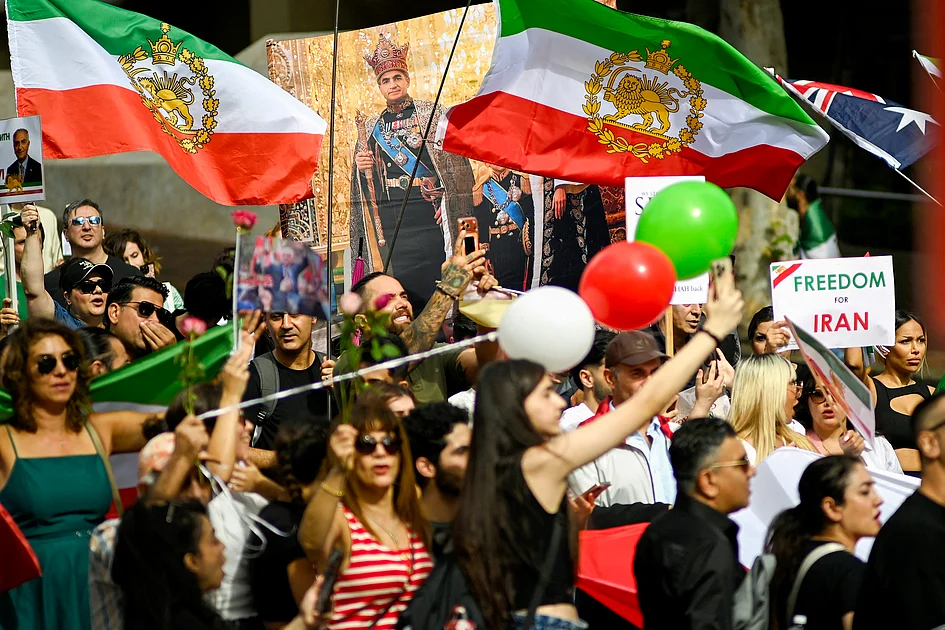
    The timing amplified the debate’s significance, coinciding with recent anti-establishment protests in Iran that began on December 28th in Tehran over economic conditions before spreading to other cities. The convergence of events gained additional gravity when U.S. President Donald Trump threatened to support Iranian protesters if security forces employed violence against them.

    On Sunday, Iranian newspapers prominently featured the Venezuela situation. Hafte Sobh, a pro-government daily, evoked Gabriel García Márquez’s ‘News of a Kidnapping’ to frame its coverage, asserting that U.S. objectives included controlling energy flows, containing China and Russia, and weakening Iran’s international position.

    Hamshahri, aligned with Tehran’s ultra-conservative mayor, published comparative photographs of Maduro and Syrian President Bashar al-Assad to highlight Washington’s treatment of both leaders. Meanwhile, conservative daily Farhikhtegan depicted Trump wearing a pirate’s hat under the headline ‘Chief of Thieves,’ characterizing the events as recalling ‘the darkest moments of military intervention in Latin American history.’

    Reformist publications struck a more cautionary tone. Etemad analyst Hassan Beheshtipour emphasized the critical importance of national unity and public support for leadership, warning that ‘ignoring domestic reforms and inefficient management can pave the way for foreign intervention.’ Arash Maleki in Hammihan was more direct, questioning whether Iran should ‘push the reset button based on national interest’ to overcome historical challenges with the United States.

    The Iran-Venezuela relationship, dating back decades and peaking during the presidencies of Mahmoud Ahmadinejad and Hugo Chávez, included significant trade, energy cooperation, and joint projects. In 2020, Iran sent five oil tankers carrying 1.5 million tonnes of fuel to Venezuela, with reports suggesting payment was made in gold.

    Social media has become a battleground between Iranian authorities and their opponents. Reza Pahlavi, son of Iran’s last shah, expressed solidarity with Venezuela’s opposition while drawing parallels with Iran’s situation. Government supporters countered by highlighting Iran’s military capabilities as a deterrent, arguing ‘Iran will never be Venezuela’ due to its missile power, Revolutionary Guard, and Basij paramilitary forces.

    Analyst Ali Asghar Zargar reinforced this perspective, noting Iran’s distinct position in resources, power, and military capability, suggesting any crisis in the Strait of Hormuz could trigger global consequences that would deter similar U.S. action against Iran. Nonetheless, some conservative commentators renewed calls for Iran to acquire nuclear weapons, with Yousef Azizi arguing that nuclear deterrence would prevent such vulnerabilities for mid-level powers in global struggles.

  • Japan ex-governor sent over 1,000 inappropriate texts, probe finds

    Japan ex-governor sent over 1,000 inappropriate texts, probe finds

    A comprehensive investigation has revealed disturbing details about the conduct of former Fukui Prefecture Governor Tatsuji Sugimoto, who resigned last month amid sexual harassment allegations. The probe, conducted by legal experts, found that the 63-year-old politician sent more than 1,000 sexually suggestive text messages to staff members during his tenure.

    The investigation, which included examinations of approximately 6,000 official communications and face-to-face interviews with 14 officials, uncovered a pattern of systematic harassment. Messages contained explicit content such as ‘I won’t say anything about a physical relationship’ and ‘Do you like sexual things?’, creating a hostile work environment for multiple victims.

    Beyond digital misconduct, the report documented several instances of alleged physical violations, including inappropriate touching of thighs and buttocks. Although Sugimoto denied these physical allegations to investigators, the legal team concluded that his behavior potentially constitutes criminal offenses under Japan’s laws against non-consensual indecent acts.

    Notably, the investigation found that even after apologizing to victims, Sugimoto repeatedly resumed his inappropriate messaging, which may additionally violate Japan’s anti-stalking legislation. The report emphasized that despite his resignation and expressions of remorse, Sugimoto bears ‘grave responsibility’ for his actions.

    This case highlights Japan’s ongoing struggle with gender equality issues, as the country ranked 118th among 148 nations in the World Economic Forum’s 2025 gender gap index. While the global #MeToo movement has seen limited traction in Japan, high-profile cases like that of Shiori Ito, whose documentary about her alleged rape recently screened in Japan, continue to draw attention to systemic problems in Japanese workplace culture and accountability structures.