
In a significant development for global scientific research, Chinese cities have emerged as dominant players in the latest Nature Index supplement, securing more than half of the top 10 spots in the 2025 rankings. Beijing continues to reign as the world’s leading science city, a position it has maintained since 2016. Shanghai follows closely in second place, while Nanjing, Guangzhou, Wuhan, and Hangzhou also feature prominently in the top 10. The United States is represented by the New York, Boston, San Francisco Bay, and Baltimore-Washington metropolitan areas. The rankings, compiled by an organization linked to Springer Nature, are based on contributions to 145 high-quality natural and health science journals tracked by the Nature Index database. Chinese cities excel in chemistry, physical sciences, and Earth and environmental sciences, with Beijing leading in all three categories. In biological sciences, Western cities dominate, with New York and Boston taking the top spots, while Beijing ranks third. Health sciences see US cities claiming half of the top 10 positions, with Beijing securing sixth place. Hangzhou, home to tech giants like Alibaba and DeepSeek, has made significant strides, advancing three spots to enter the top 10. The city has established robust support mechanisms for basic research, including a joint fund with the National Natural Science Foundation of China. Wuhan, another rising star, has climbed to eighth place, driven by its thriving high-tech sector and substantial investment in research and development. Chinese Minister of Science and Technology Yin Hejun emphasized the pivotal role of sci-tech innovation in catalyzing new industries and growth drivers. Experts highlight that China’s growing influence in global innovation is reshaping the landscape, with cities like Beijing, Shanghai, and Guangzhou becoming critical nodes in the global innovation network.
标签: Asia
亚洲
-
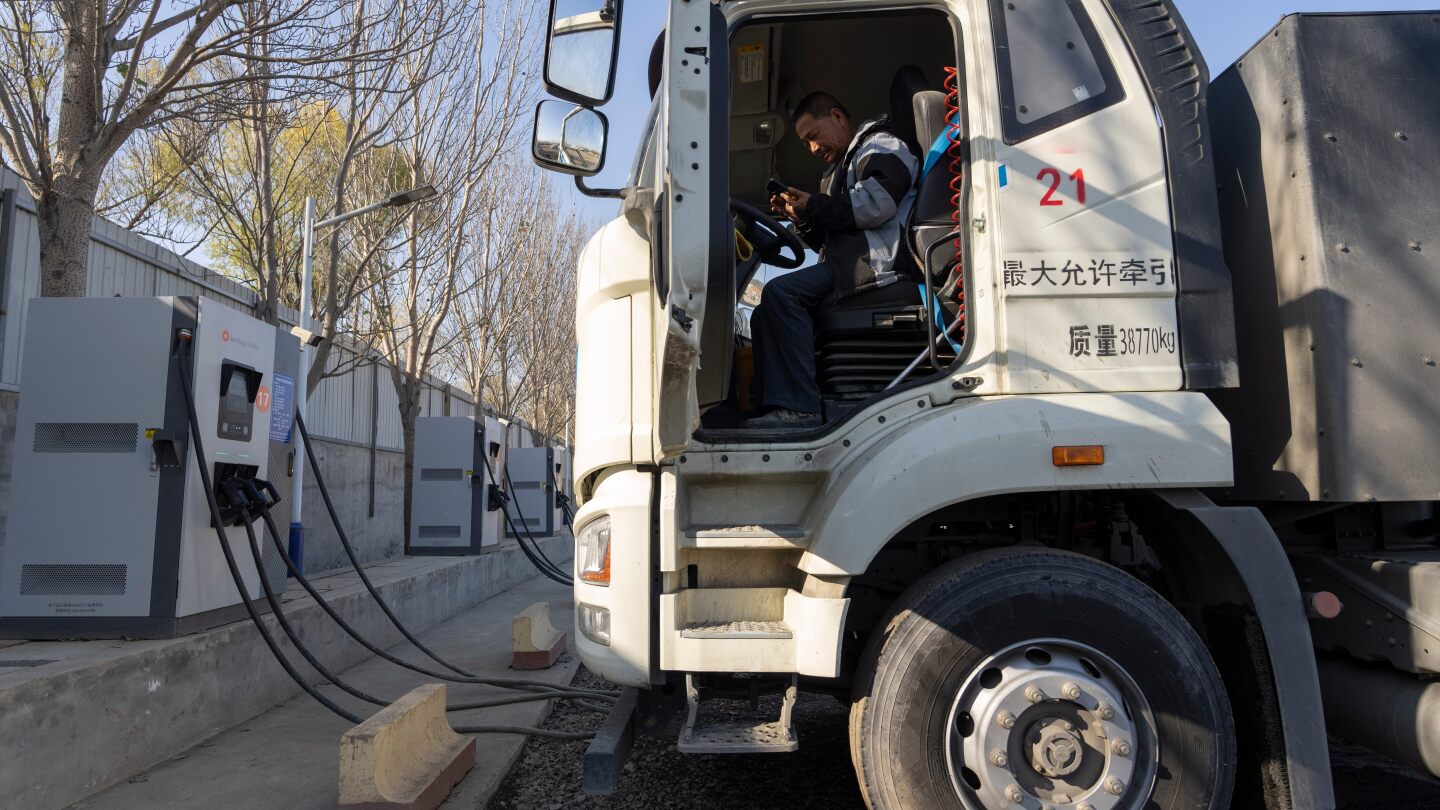
China’s diesel trucks are shifting to electric. This could change global LNG and diesel demand.
China is accelerating its transition from diesel to electric trucks at an unprecedented pace, potentially transforming global fuel demand and the future of heavy transport. In 2020, nearly all new trucks in China were diesel-powered. However, by the first half of 2025, battery-powered trucks accounted for 22% of new heavy truck sales, a significant jump from 9.2% in the same period in 2024, according to Beijing-based Commercial Vehicle World. The British research firm BMI predicts that electric trucks will comprise nearly 46% of new sales this year and 60% in 2025. Heavy trucks, vital to modern economies, are major contributors to global carbon emissions, with road freight generating a third of all transport-related emissions in 2019. While electric trucks face challenges such as reduced cargo capacity due to heavy batteries, China’s aggressive adoption is driven by falling costs, government incentives, and investments in charging infrastructure. Major logistics hubs, including the Yangtze River Delta, have established dedicated charging stations, and companies like CATL are developing battery-swapping systems to enhance efficiency. This shift is already impacting global energy markets, with diesel consumption in China dropping 11% year-on-year in June 2024. Analysts suggest that China’s electric truck sector could significantly influence regional diesel trade flows and LNG demand. Additionally, China is positioning itself as a global leader in electric truck manufacturing, with exports to regions like the Middle East, Latin America, and Europe growing rapidly. Despite challenges such as limited charging infrastructure, Chinese automakers are leveraging cost-effective production and seamless integration of key components to dominate the market. As China plans stricter emission standards, the transition to electric trucks is expected to accelerate, further reducing reliance on fossil fuels and reshaping the global energy landscape.
-
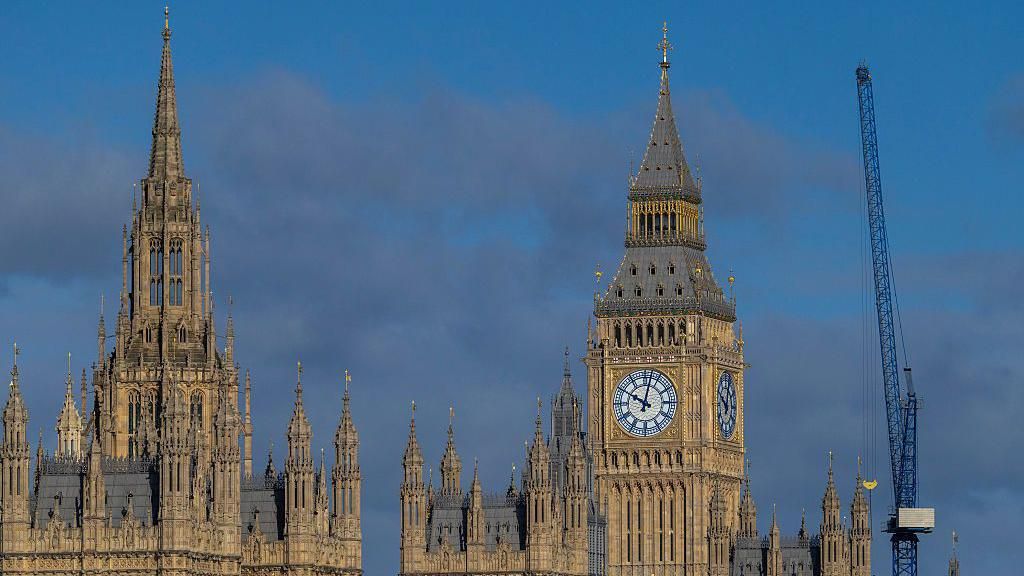
Is this what spying by China can look like?
The UK Parliament is grappling with heightened concerns over Chinese espionage activities, following a series of warnings and incidents that have raised alarms among MPs and members of the House of Lords. The latest episode involves Simon Whelband, a Conservative councillor and staffer for MP Neil O’Brien, who was sanctioned by China in 2021. Whelband recently discovered an unsolicited LinkedIn message from an account named Shirly Shen, offering a job opportunity. Although the message appeared innocuous, Whelband reported it to Parliament’s security services, who advised him to block the account. This incident underscores a broader trend of Chinese operatives targeting parliamentary staff to gain insider insights. MI5 has identified two LinkedIn profiles allegedly used by Chinese security services as ‘civilian recruitment headhunters,’ aiming to solicit information from individuals in British politics. The security minister, Dan Jarvis, has acknowledged these concerns, emphasizing China’s low threshold for valuable information. The debate in the Commons has revealed widespread worries, including fears about Chinese-made buses equipped with ‘kill switches,’ military vehicles potentially acting as listening devices, and the construction of a new Chinese embassy in central London, which critics argue could serve as a spying hub. Despite these concerns, the UK government maintains a ‘pragmatic’ approach to China, recognizing the necessity of collaboration while being ‘clear-eyed’ about the risks. However, a growing number of MPs are advocating for a more skeptical stance, reflecting the complex and often conflicting dynamics of dealing with a superpower that is both essential and dangerous.
-
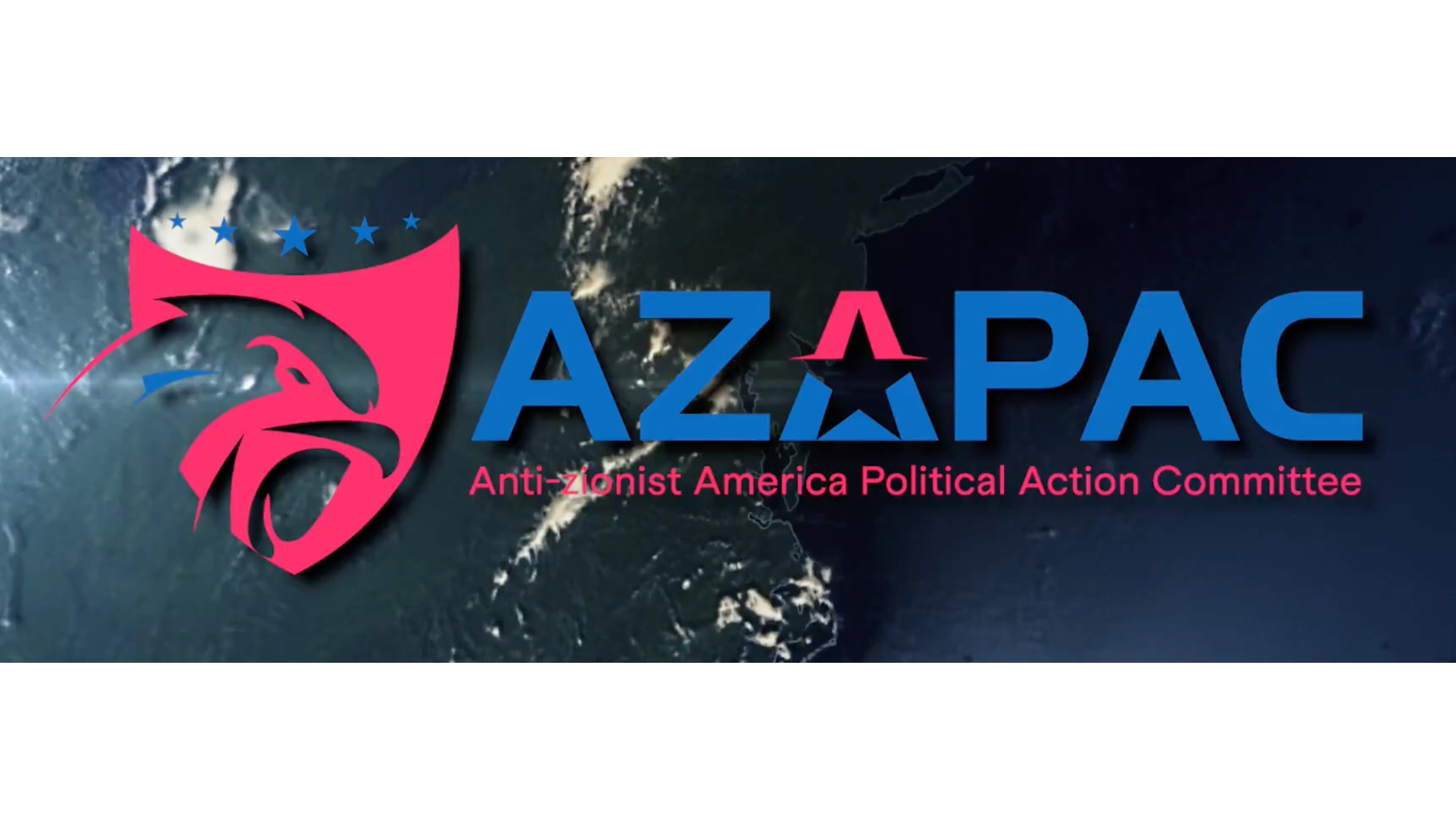
‘Zionism has taken over’: America First political action committee targets pro-Israel lobbying groups
A groundbreaking initiative, the Anti-Zionist America Political Action Committee (Azapac), has launched a provocative video advertisement urging donations and volunteers to counter pro-Israeli lobbying groups in the United States. The campaign, led by former New York University professor and Libertarian Michael Rectenwald, has rapidly gained traction, amassing over 22,000 followers on X (formerly Twitter).
In the ad, Rectenwald criticizes the U.S. government’s perceived subservience to Israel, stating, ‘Our government acts like the servant of another country. That other country is, of course, the State of Israel.’ The video juxtaposes images of the Israeli flag outside U.S. Congressional offices with stark visuals of Palestinian casualties in Gaza, emphasizing the $33 billion in U.S. aid to Israel since October 7, 2023.
Azapac is already supporting two anti-Zionist candidates: Republican Aaron Baker in Florida, who aims to unseat long-serving Congressman Daniel Webster, and Independent Jose Vega in New York, challenging Democrat Ritchie Torres. The PAC’s mission is to challenge the dominant pro-Israel narrative in U.S. politics, which Rectenwald describes as ‘a national disgrace’ and ‘extortion.’
Political action committees (PACs) like Azapac are legally permitted to raise funds for or against candidates, with contributions capped at $5,000 per election cycle. In contrast, Super PACs like the American Israel Political Action Committee (Aipac) can spend unlimited amounts on advertising and voter outreach without direct contributions to candidates.
Azapac is not the first group to challenge Aipac’s influence. Last year, a coalition of over 20 progressive organizations formed Reject AIPAC to protect pro-Palestinian lawmakers from Aipac’s attacks. The coalition accused Aipac of advocating policies that violate human rights and international humanitarian law.
Rectenwald’s message resonates with growing criticism of Israel from both progressive and conservative circles, including supporters of Donald Trump’s Make America Great Again movement. ‘America isn’t a vassal state,’ he asserts. ‘We’re no one’s colony. If you’re done with the fear, done with our politicians taking bribes, then Azapac is your army.’
Middle East Eye, known for its independent coverage of the Middle East, has provided in-depth analysis of this development. For more information on republishing this content, visit their website.
-

Hyundai boss says White House apologised to him over Georgia raid
In a significant diplomatic development, the White House has issued an apology to Hyundai CEO José Muñoz following a controversial immigration raid at a Georgia-based battery plant jointly operated by Hyundai and LG. The incident, which occurred in September, resulted in the detention of over 300 South Korean workers, sparking widespread outrage in South Korea and straining US-South Korea relations. During a business leaders’ conference in Singapore, Mr. Muñoz revealed that both the White House and the Georgia governor had expressed regret over the raid, with the latter stating that the action was beyond state jurisdiction. The detained workers were reportedly shackled and forced to sit on the factory floor before being held for over a week. They were eventually repatriated after urgent diplomatic negotiations between the US and South Korean governments. Mr. Muñoz emphasized that the raid was based on unfounded claims of illegal immigration and described it as ‘a bad surprise.’ Despite the incident, Hyundai remains committed to its US manufacturing operations. The raid delayed the plant’s opening due to labor shortages, but US President Donald Trump later expressed opposition to the action, highlighting the importance of international expertise in specialized facilities. In a positive turn, the US and South Korea announced a broad trade deal in October, reducing reciprocal tariffs and pledging significant investment in the US.
-
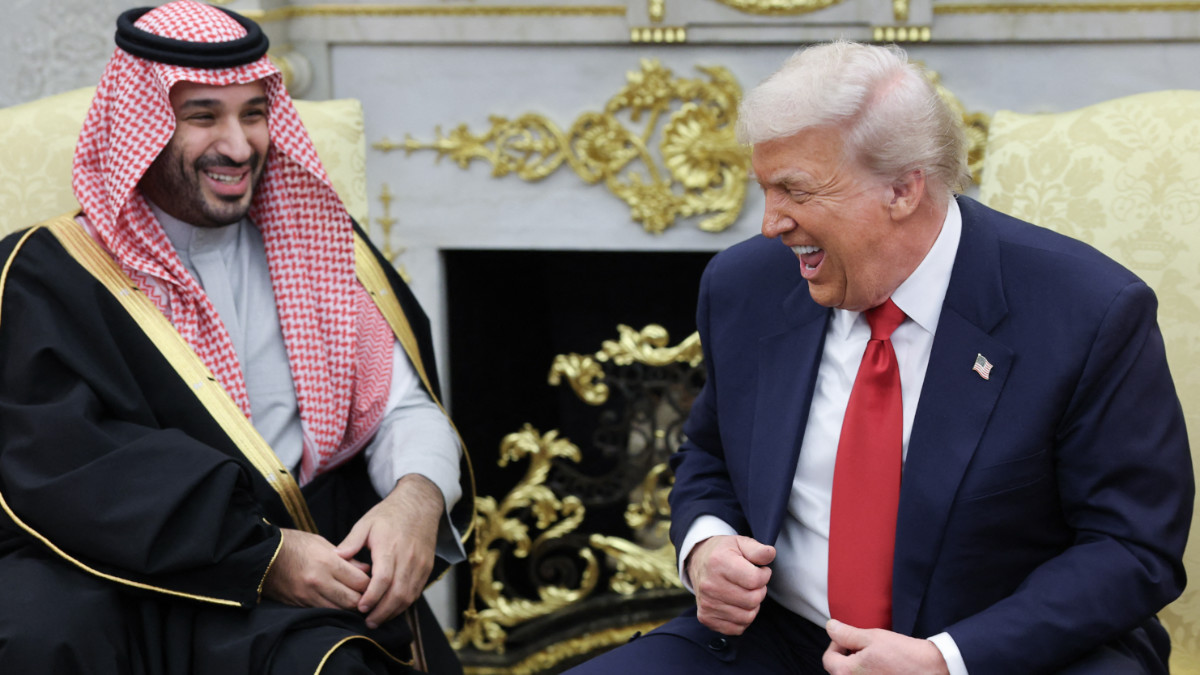
‘I grab that hand’: Saudi crown prince showered with praise in rare meet the press
In a rare and unscripted Oval Office press briefing, U.S. President Donald Trump and Saudi Crown Prince Mohammed bin Salman addressed a wide array of topics, ranging from the murder of journalist Jamal Khashoggi to artificial intelligence and arms sales. The 40-minute session, marked by Trump’s characteristic bravado, offered a unique glimpse into the relationship between the two leaders. Trump emphasized the unprecedented transparency of the meeting, stating, ‘There has never been transparency like this. We didn’t put restrictions.’ The Saudi Crown Prince, known for his diplomatic finesse, responded to questions with measured answers, particularly on the Khashoggi case, which he termed a ‘painful’ and ‘huge mistake.’ He also highlighted Saudi Arabia’s efforts to improve its systems to prevent such incidents in the future. The meeting underscored the strategic importance of the U.S.-Saudi relationship, with the Crown Prince pledging nearly $1 trillion in investments in the U.S., including in AI and rare-earth materials. Trump’s defense of the Crown Prince in front of the press contrasted sharply with his treatment of other world leaders, such as Ukrainian President Volodymyr Zelenskyy and South Africa’s Cyril Ramaphosa. The dynamics of the meeting also revealed Riyadh’s success in rebalancing its relationship with Washington, dating back to World War II, and its growing influence in the shifting global power balance. The Crown Prince’s poised demeanor, despite occasional awkward moments, highlighted his diplomatic acumen and the strategic depth of Saudi-U.S. relations.
-
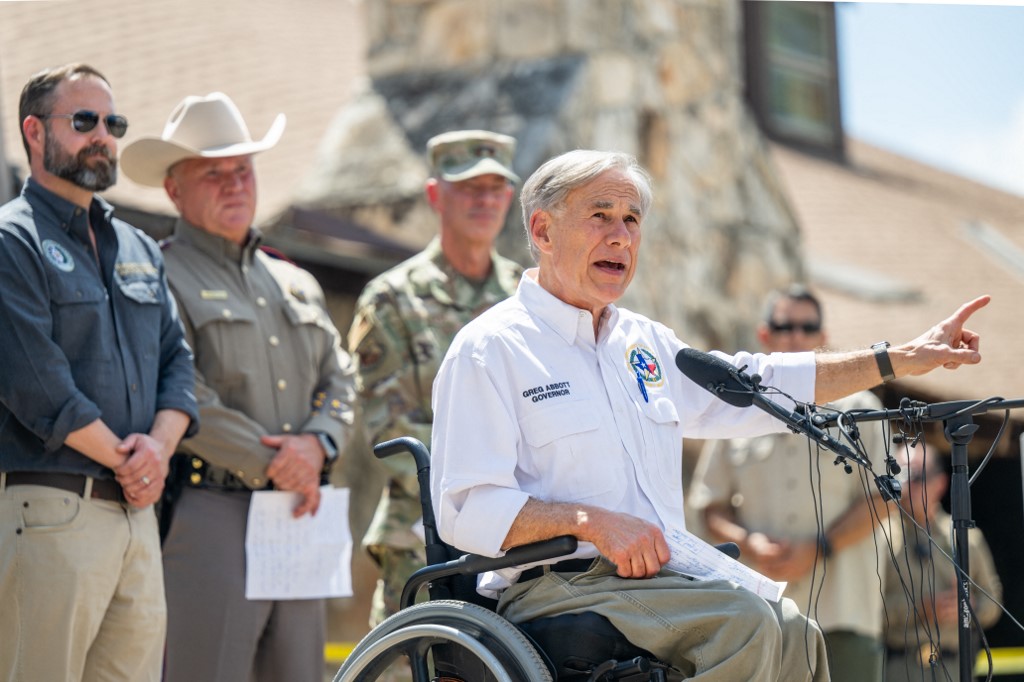
Texas governor designates Muslim Brotherhood, Cair as terror organisations
Texas Governor Greg Abbott has declared the Muslim Brotherhood and the Council on American-Islamic Relations (CAIR) as foreign terrorist organizations and transnational criminal entities. This designation, announced on Tuesday, prohibits these groups from acquiring or purchasing land within Texas. Abbott’s proclamation also empowers the state’s attorney general to initiate legal actions against these organizations.
-
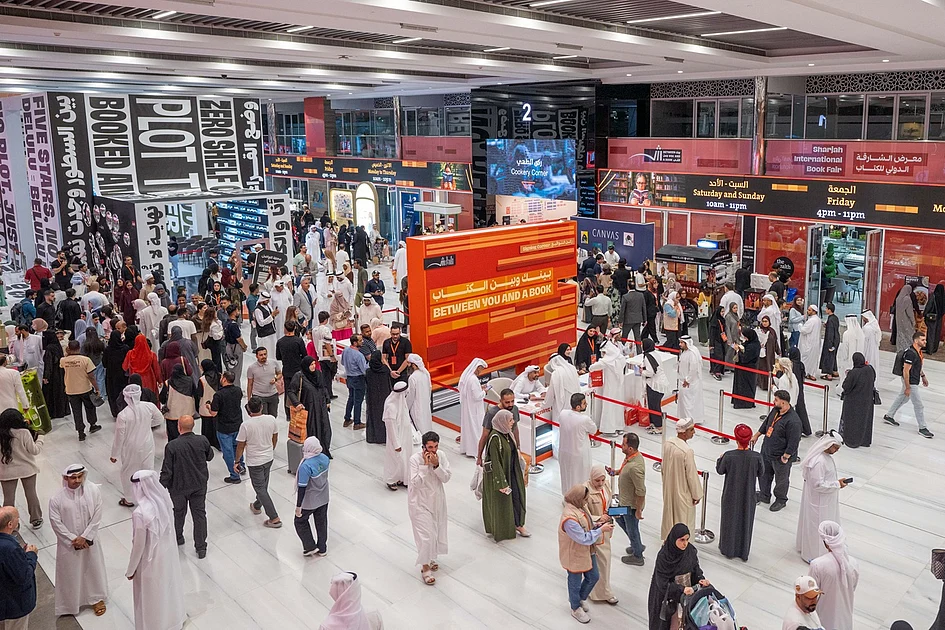
Sharjah International Book Fair concludes with 1.4 million visitors from 206 countries
The 44th edition of the Sharjah International Book Fair (SIBF) concluded on November 18, 2025, marking a historic milestone with 1.4 million visitors from 206 countries. Held under the theme ‘Between You and a Book,’ the 12-day event solidified Sharjah’s reputation as a global epicenter for cultural exchange and literary innovation. This year’s fair featured an unprecedented level of international diversity, with 2,350 publishers and exhibitors from 118 countries, making it one of the most globally inclusive editions to date. The fair also reinforced Sharjah’s dominance as the world’s largest marketplace for publishing rights, a title it has held for five consecutive years. The Sharjah Publishers Conference, a highlight of the event, saw 1,599 publishers from 116 countries engage in 3,321 rights meetings, underscoring the fair’s role as a hub for commercial and creative collaboration. Attendee demographics revealed broad appeal, with the largest age group being 35-44 (29%), followed by 25-34 (28%). Over 125,890 school students participated in educational and cultural activities, while 87,674 visitors utilized marine transport from Al Qasba and the Sharjah Aquarium. Satisfaction rates were exceptionally high, with 96.3% of visitors, 90.91% of exhibitors, and 97.14% of Publishers Conference participants expressing positive feedback. The event also highlighted Sharjah’s commitment to cultural enrichment, with a Dh4.5 million grant allocated to replenish public and government library collections. Additionally, a dedicated initiative led by Sheikha Bodour bint Sultan Al Qasimi waived participation fees for Sudanese publishers, ensuring their continued presence in the global publishing landscape despite economic challenges.
-
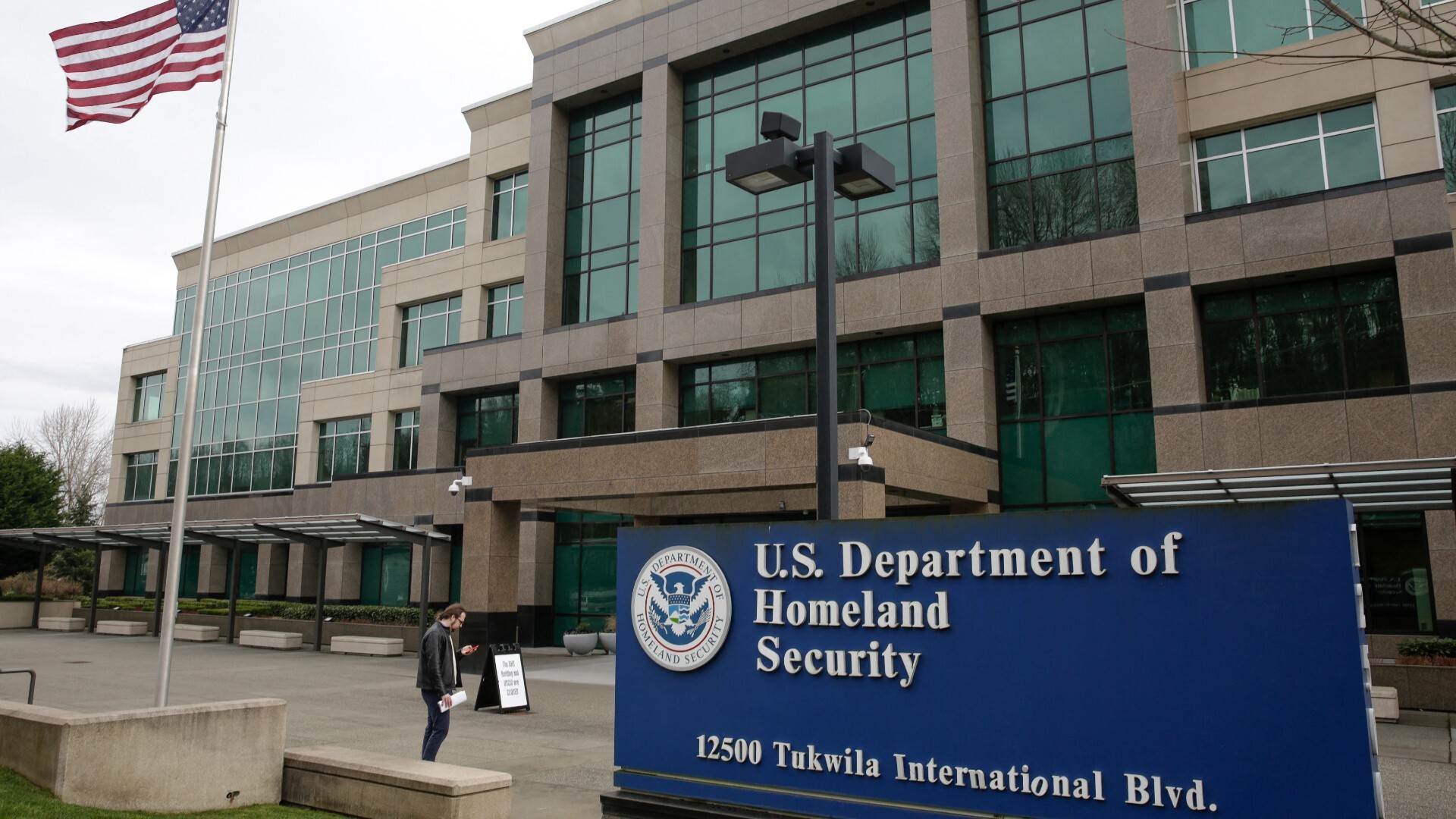
It may get harder to secure US green card if you come from a travel ban-listed country
The Trump administration is reportedly considering a new policy that would make it significantly harder for immigrants from countries listed under the existing travel ban to obtain U.S. permanent residency. This potential shift could impact green card approvals, asylum grants, and higher-tier long-term visas, according to internal documents from the Department of Homeland Security (DHS) obtained by The New York Times. The move aligns with the administration’s broader efforts to curb immigration, which have included crackdowns on undocumented immigrants, visa revocations, and increased application fees. Since President Trump took office in January 2017, these measures have already contributed to a 17 percent decline in foreign student enrollment at U.S. universities, the largest drop in a decade. The travel ban, initially implemented in 2017 and revised in June 2020, targets 12 countries: Afghanistan, Burma, Chad, the Republic of the Congo, Equatorial Guinea, Eritrea, Haiti, Iran, Libya, Somalia, Sudan, and Yemen. Nationals from Burundi, Cuba, Laos, Sierra Leone, Togo, Turkmenistan, and Venezuela face partial restrictions. The proposed policy would treat an applicant’s country of origin as a ‘negative factor’ in their immigration application, even if they are otherwise law-abiding and have undergone rigorous vetting. Critics, including a former staffer from U.S. Citizenship and Immigration Services (USCIS), have labeled the plan a ‘radical change’ and ‘absurd,’ arguing that applicants have already passed national security screenings by the time they apply for permanent residency. Jamal Abdi, president of the National Iranian American Council, has urged DHS to reconsider, citing federal laws that prohibit discrimination based on national origin. The revised travel ban, which has faced less public backlash than its predecessor, is considered more legally robust. While those already in the U.S. are exempt, individuals abroad must meet specific criteria to enter, such as holding a green card, preauthorized visa, or being an immediate family member of a U.S. citizen. Athletes participating in the World Cup or Summer Olympics are also exempt. However, increased scrutiny at ports of entry and directives from Secretary of State Marco Rubio could lead to visa revocations. The administration maintains that the ban and heightened vetting measures are necessary to address visa overstays, which it views as a national security risk. Immigration lawyers note that the current ban is likely to remain in effect, as the Supreme Court upheld the president’s authority to implement such measures in a 2017 ruling. Despite the challenges, some legal experts emphasize the importance of perseverance in navigating the U.S. immigration system.
-

From obscurity to orbit: Space law gains momentum in UAE as sector expands
The United Arab Emirates (UAE) is witnessing a transformative shift in its approach to space exploration, with space law emerging as a critical discipline in the nation’s rapidly expanding space sector. Once an obscure academic field, space law is now gaining significant traction, driven by the UAE’s ambitious lunar missions and a growing interest among its youth and educational institutions. This development was highlighted during a session titled ‘Forging New Frontiers Through Global Partnerships’ at the Dubai Airshow 2025. Salem Butti Al Qubaisi, Director General of the UAE Space Agency, emphasized that the rise of space law reflects the country’s broader space ambitions and the need for robust legal frameworks to guide political, commercial, and international cooperation. As the UAE prepares for its next steps in space exploration, including lunar missions, experts underscored the importance of space law in navigating the complexities of the global space economy. The UAE’s expanding space sector has also spurred a ripple effect across higher education institutions, with universities introducing specialized programs to meet industry demands. For the first time, space law is being taught as a degree program in the UAE, marking a significant milestone in the region’s academic landscape. Mike Gold, President of Civil and International Space at Redwire Space, noted that while engineers handle the technical aspects, lawyers face the challenging task of addressing the political and commercial dimensions of space exploration. The growing visibility of astronauts has also played a pivotal role in inspiring the next generation. Initiatives that allow students to engage with astronauts have had a profound impact on youth, fostering a sense of responsibility and ambition. This has led to a surge in demand for skills beyond engineering, including governance, regulation, policy, and legal expertise. Chris White-Horne, Deputy CEO of the UK Space Agency, highlighted that space has transitioned from being a luxury or a novelty to a critical component of modern society. He emphasized the shared responsibility of the global community in addressing the challenges and opportunities presented by space exploration. The UAE’s focus on space law and education is shaping career aspirations across the region, positioning the country as a leader in the global space economy.