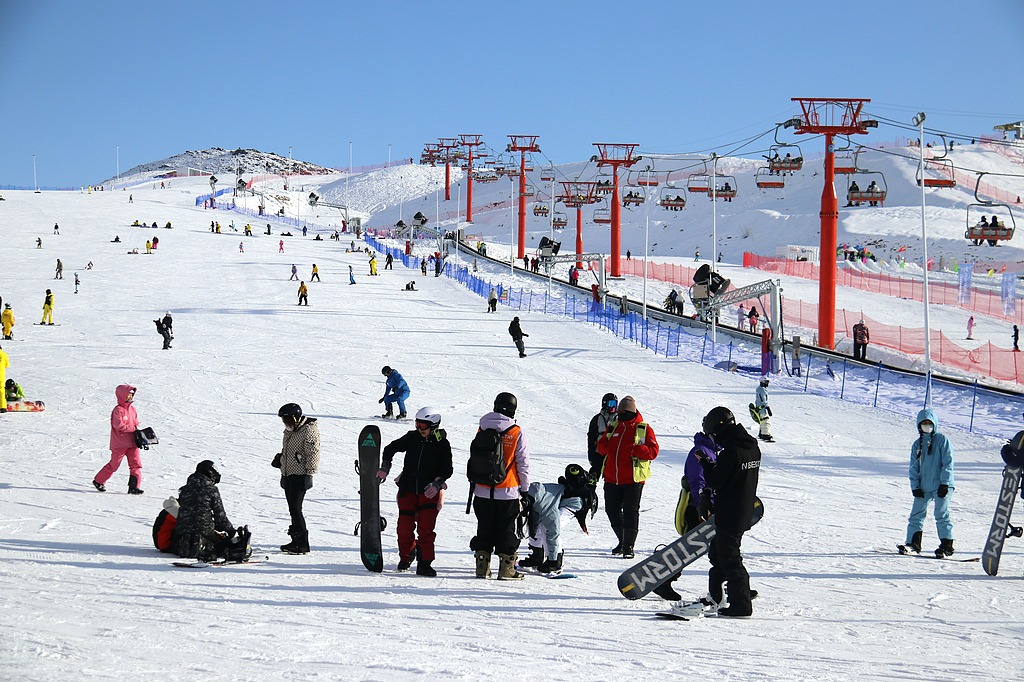
In a strategic move to invigorate its winter tourism sector, the Xinjiang Uygur Autonomous Region in northwest China has announced the launch of a consumption voucher program starting November 14, 2025. This initiative, unveiled by the regional culture and tourism department, aims to attract more visitors to its renowned ski resorts during the snowy season. A total of 10,000 vouchers, each valued at 20 yuan (approximately $2.82), will be distributed. These vouchers are redeemable at 11 high-quality ski resorts rated 4S class or above, located in popular winter destinations including Urumqi, Changji, Ili, and Altay. To utilize the voucher, skiers must purchase a ski pass worth at least 100 yuan, and the vouchers can be claimed via a WeChat mini-program. Xinjiang, celebrated for its extended snowy periods and superior snow quality, offers a robust winter tourism experience that combines skiing, snow sightseeing, and cultural immersion. The previous winter season saw a significant influx of 3.57 million tourists to standardized ski resorts in the region, marking a 10.22% increase from the previous year, and generating a tourism revenue of 844 million yuan, up by 39.13%. According to Li Meng, an official from the department, the voucher program is set to continue until February 2026, with the dual objectives of stimulating expenditure on winter sports and fostering the high-quality development of the region’s winter tourism industry.
标签: Asia
亚洲
-

Man jailed for life over ‘monstrous’ killing of family
A 20-year-old Sri Lankan student, Febrio De-Zoysa, has been sentenced to life in prison for the brutal murder of six people, including a mother and her four young children, in Ottawa, Canada. The horrific incident occurred in March 2024, when De-Zoysa, who was living in the basement of the Wickramasinghe family’s rented townhouse, fatally stabbed Darshani Ekanayake, 35, and her children: Inuka, 7; Ashwini, 4; Ranaya, 3; and two-month-old Kelly. A family friend, Gamini Amarakoon, 40, was also killed, while the father, Dhanushka Wickramasinghe, sustained injuries. Justice Kevin Phillips, delivering the verdict, described De-Zoysa’s actions as ‘stupefying, monstrous,’ and emphasized the profound loss and grief caused by the crimes. De-Zoysa, who cannot seek parole for 25 years, showed no emotion during most of the hearing but apologized, stating he would spend his life acknowledging the truth of his actions. The victims, except for the newborn, were Sri Lankan immigrants who had moved to Canada in search of a better life. De-Zoysa claimed he committed the murders because he was out of money and did not want to return to Sri Lanka when his student visa expired. He used a 38cm hunting knife, which he had purchased over a month prior, initially intending to take his own life. The tragedy has left the survivors and the community devastated, with Mr. Wickramasinghe expressing that his world has been irreparably destroyed. The case has been described as one of the most shocking incidents of violence in Ottawa’s history.
-
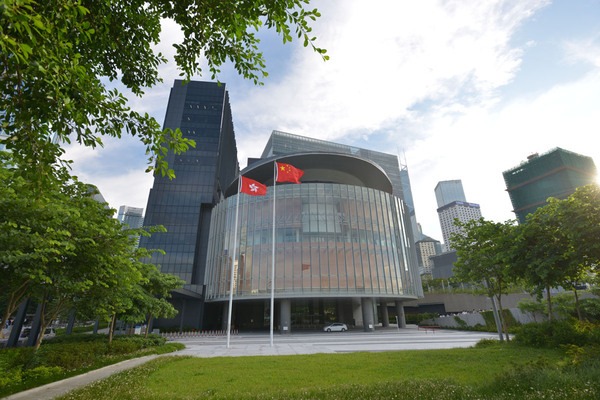
161 nominations received for Hong Kong LegCo election
The nomination period for the 2025 Legislative Council (LegCo) General Election in Hong Kong concluded on Thursday, with a total of 161 nomination forms submitted across various constituencies. The Registration and Electoral Office of the Hong Kong Special Administrative Region (HKSAR) government confirmed the figures, marking a significant step in the electoral process. The submissions included 51 nominations for geographical constituencies, 60 for functional constituencies, and 50 for the Election Committee constituency. The nomination period ended at 5 pm local time on November 6, 2025. Returning officers will now determine the order of candidates’ names on ballot papers and allocate designated spots for election advertisements through a lottery system on November 7. The Candidate Eligibility Review Committee is expected to publish a notice of validly nominated candidates in the gazette within 14 days. The election, scheduled for December 7, 2025, will determine the composition of the eighth LegCo, playing a pivotal role in Hong Kong’s governance and legislative framework.
-
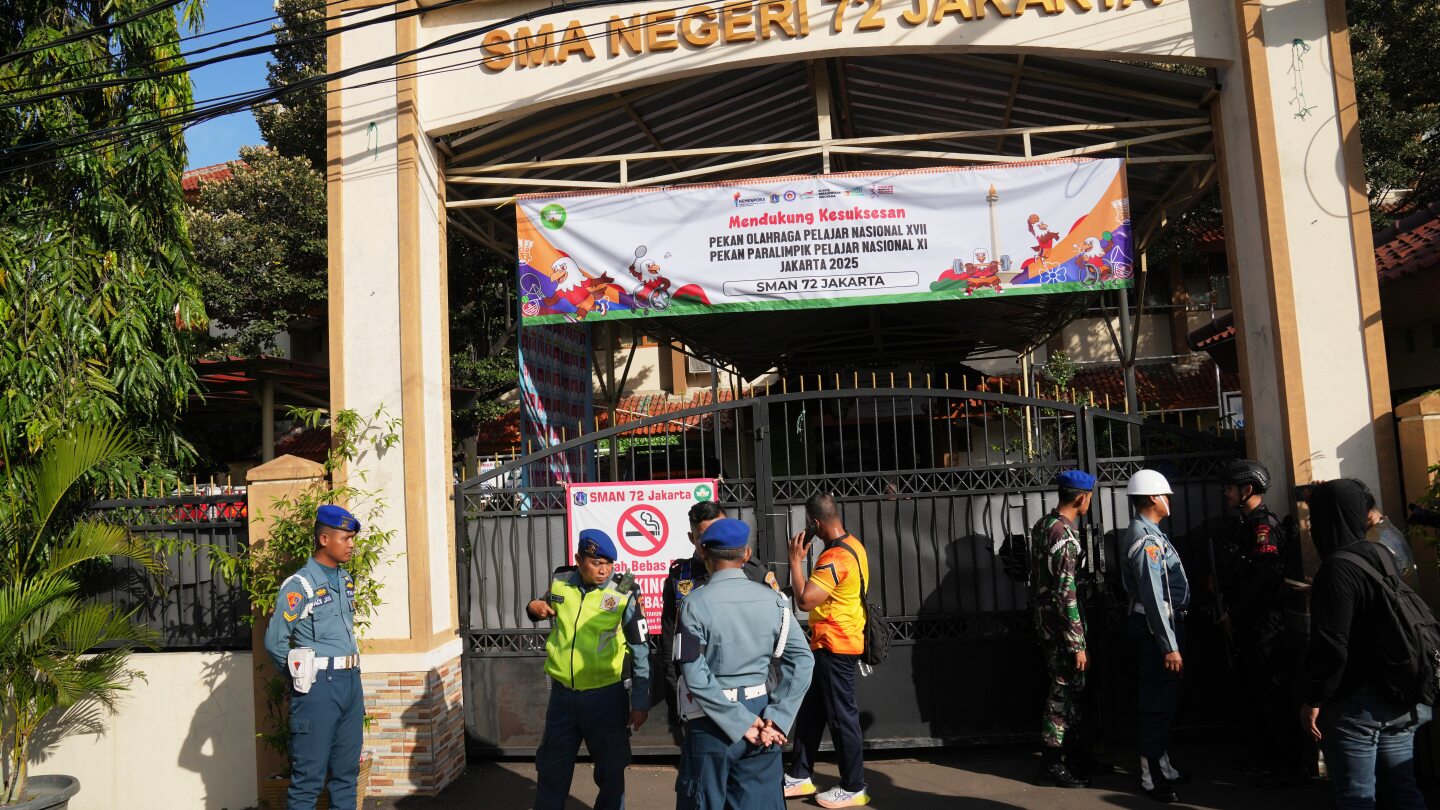
Multiple explosions shake a mosque in an Indonesian high school and injure 54
JAKARTA, Indonesia — A series of explosions rocked a mosque during Friday prayers at a state high school in Jakarta, leaving at least 54 people injured, predominantly students, according to police reports. The incident occurred at SMA 27, a school located within a navy compound in the Kelapa Gading neighborhood of northern Jakarta. Witnesses recounted hearing at least two loud blasts around midday, coinciding with the start of the sermon. Chaos ensued as students and worshippers fled the mosque, which was quickly engulfed in gray smoke. The majority of the victims sustained injuries ranging from minor to severe, primarily caused by shattered glass. Jakarta Police Chief Asep Edi Suheri indicated that the explosions originated near the mosque’s loudspeaker, though the exact cause remains under investigation. Emergency services transported the injured to nearby hospitals, with 20 students still receiving medical attention, three of whom are in serious condition. Authorities discovered toy rifles and a toy gun near the mosque, prompting further scrutiny. Suheri urged the public to refrain from speculation, emphasizing that the investigation is ongoing and that the findings will be disclosed in due course.
-

Kazakhstan sends 1st wheat shipment to Armenia via Azerbaijan in 30 years
In a landmark development, Kazakhstan has successfully dispatched its first wheat shipment to Armenia via Azerbaijan in over 30 years. This historic move was facilitated by recent agreements between the leaders of Kazakhstan and Azerbaijan, which reopened transit routes through Azerbaijani territory. The shipment, consisting of 15 rail wagons, crossed the Azerbaijani border on Thursday and is en route to Dalarik railway station in Armenia, where it is expected to arrive within days. The initiative marks a significant step in enhancing regional trade and logistics connectivity in the South Caucasus. According to Kazakhstan’s Ministry of Agriculture, this new transit route not only expands the export potential of Kazakh grain but also strengthens economic and trade cooperation among neighboring countries. The resumption of this trade corridor underscores the growing diplomatic and economic ties in the region, paving the way for future collaborative ventures.
-
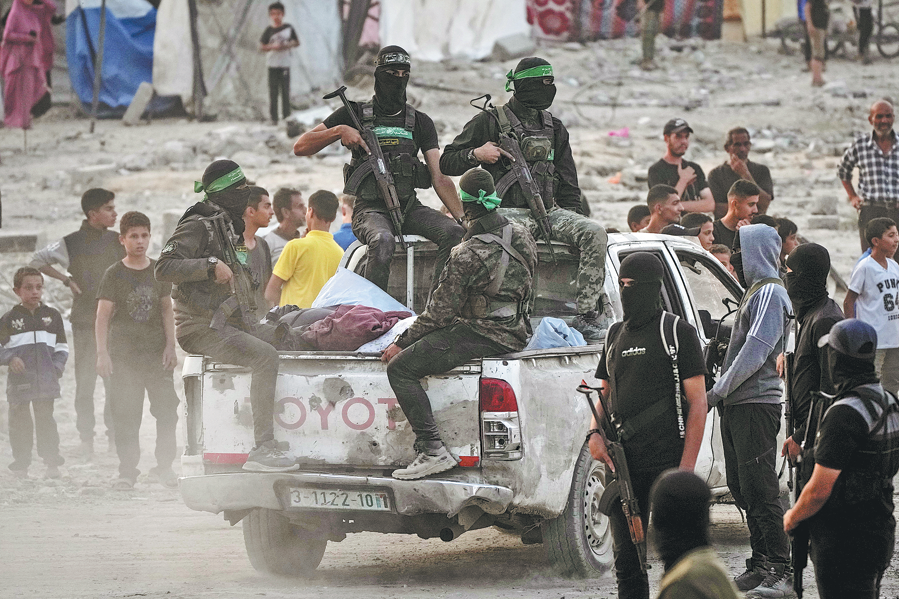
Gaza peace force needs ‘legitimacy’: UN
United Nations Secretary-General Antonio Guterres emphasized that any stabilization force deployed in Gaza must derive its legitimacy from a mandate by the UN Security Council. Speaking in an interview with Al Jazeera, Guterres underscored the necessity of a ceasefire that paves the way for a two-state solution and the recognition of an independent Palestinian state. His comments come amid ongoing discussions among Arab and Muslim-majority countries, who recently convened in Istanbul to deliberate on the establishment of an international peace force for Gaza. While some nations expressed reluctance to contribute troops, there was consensus that such a force would require UN Security Council authorization to be effective. Guterres lamented the Security Council’s diminished capacity to address crises, citing the veto power of superpowers often directly involved in conflicts. Since October 2023, the US has vetoed five ceasefire resolutions, the latest in June 2024. Senior Hamas official Moussa Abu Marzouk criticized the proposal for an international force, arguing that it would serve as a substitute for the Israeli army and fail to address Palestinian rights. Meanwhile, eight Palestinian factions, led by Hamas, are set to meet in Cairo to discuss forming a transitional administration for Gaza. Belal Alakhras, a research fellow at the University of Malaya, warned that legitimizing a framework bypassing Palestinian rights through the Security Council sets a dangerous precedent. He urged the international community to focus on recovery and reconstruction rather than imposing interventions that could exacerbate suffering.
-
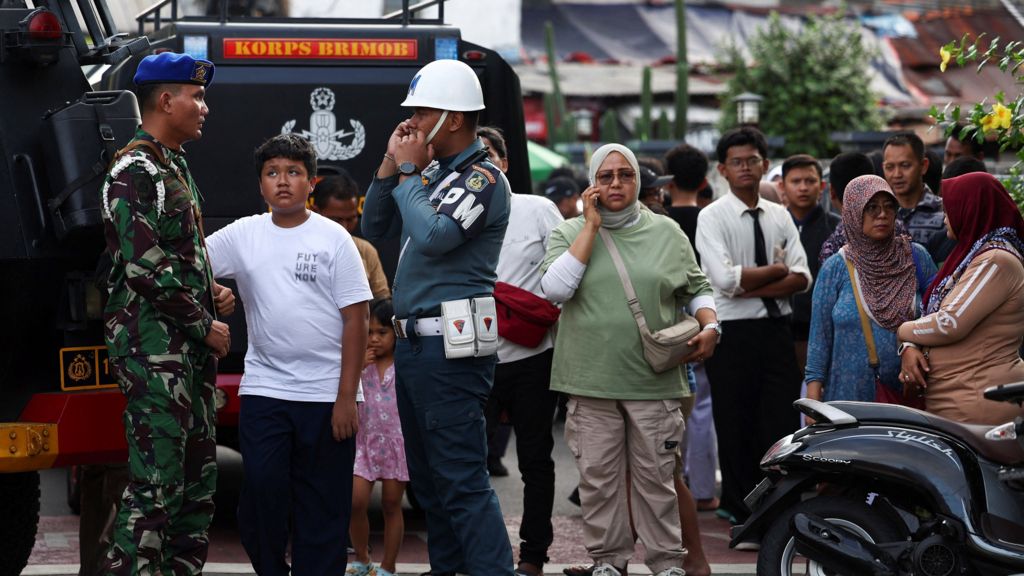
Fifty-four people injured in mosque blast at Jakarta high school
A devastating explosion occurred during Friday prayers at a mosque located within a high school complex in Kelapa Gading, North Jakarta, Indonesia. The incident resulted in injuries to dozens of worshippers, with 54 individuals rushed to hospitals for treatment. Jakarta Metropolitan Police Chief Asep Edi Suheri confirmed the casualties during a televised press briefing, noting that the injuries ranged from minor to severe, including burns. Authorities have launched a thorough investigation into the cause of the explosion, with a bomb disposal team from the Mobile Brigade Corps deployed to conduct a detailed search of the area. The incident has raised concerns about safety and security in public spaces, particularly in places of worship. As the investigation unfolds, the community remains on edge, awaiting further updates from law enforcement officials.
-

Changping builds core of science power
Beijing’s Changping district is poised to become a global leader in science and technology as several national-level laboratories from top institutions like Tsinghua University and Peking University relocate to the area. This strategic move aligns with Beijing’s broader ambition to establish itself as a hub for innovation and technological advancement. Liu Xiaodong, deputy Party chief and head of Changping district, emphasized that the relocation is a significant step in implementing both the city’s development strategy and the nation’s innovation goals. ‘Changping is set to become a new high-tech engine for China and the world,’ Liu stated. Situated adjacent to Haidian, Beijing’s high-tech center, Changping already hosts one-third of the city’s national-level laboratories and boasts the largest concentration of universities and working-age talent in the capital. The district has drawn inspiration from globally renowned university towns like Stanford in the U.S. and Cambridge in the U.K. to develop its own ‘scientist towns’ in Nankou and Machikou. In Nankou, Tsinghua University has collaborated with the district to establish a major national research base, with the first phase already operational and the second phase nearing completion. Meanwhile, Machikou is being developed in partnership with Peking University’s ‘New Campus + New Engineering’ initiative, with the first nine facilities expected to be completed by year-end. The district has also focused on urban renewal and industrial heritage preservation, repurposing old factory buildings to reduce carbon emissions and meet green development goals. The International Association of Science Parks and Areas of Innovation recently held its annual meeting in Changping, further highlighting the district’s growing prominence on the global stage. Ebba Lund, the organization’s CEO, praised Changping as a catalyst for international exchanges and a model for science park development worldwide. Local high-tech companies, such as MicroCyto, have also benefited from the district’s innovation network, which includes expert teams from Peking University and numerous startups. With its ambitious plans and strategic partnerships, Changping is well on its way to becoming a world-class innovation engine, driving regional and national development.
-
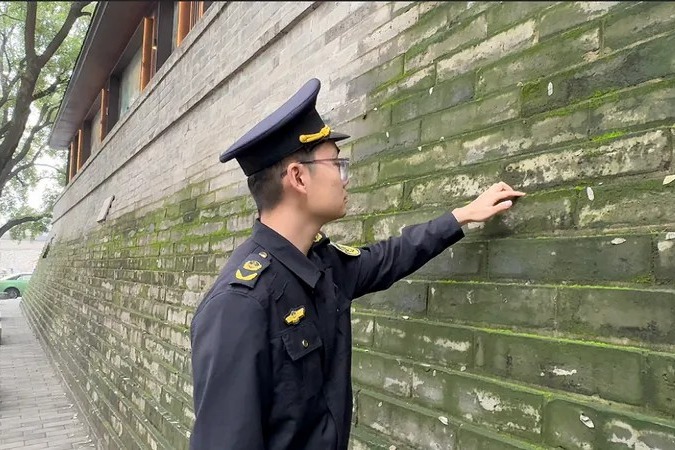
Xi’an City Wall gets health checkup after heavy rains
The historic Xi’an City Wall, a UNESCO World Heritage Site, is undergoing a thorough health assessment following months of heavy rainfall linked to climate change. Since September, Shaanxi province has experienced three prolonged rainy periods, with 87 monitoring stations recording over 20 days of rainfall. The average precipitation reached 314 millimeters, 1.6 times higher than the normal level, marking the second-highest rainfall since 1961. This has raised concerns about the structural integrity of the ancient wall, which dates back to the Ming Dynasty (1368-1644).
Gao Heng, head of the cultural heritage protection department of the Xi’an City Wall Management Committee, highlighted the risks posed by water infiltration. Increased moisture has led to surface deterioration, such as moss and lichen growth, and structural issues, including water seeping into the wall’s rammed-earth core. This can reduce the soil’s bearing capacity, potentially causing localized settlement or collapse.
To mitigate these risks, the committee has implemented a differentiated maintenance approach. Routine measures include sealing cracks and re-leveling surface bricks, while engineering solutions involve re-compacting loose soil and enhancing drainage systems. A key drainage project, approved by the National Cultural Heritage Administration, is underway to divert rainwater from the wall’s foundation.
Technology plays a crucial role in preservation efforts. Since 2018, a ‘digital cabin’ system with over 3,000 sensors has monitored settlement and crack displacement. Drones conduct aerial inspections quarterly, and a four-color warning system assesses risks based on damage severity. In 2023, a comprehensive ‘CT health scan’ using ground-penetrating radar revealed over 1,300 historical cavities and 800 areas of less compact soil within the wall.
Collaboration with local meteorological bureaus and academic institutions ensures specialized weather forecasts and technical support. The committee has also introduced a ‘wall chief’ system, assigning individuals to oversee specific sections for routine monitoring and early issue reporting.
Despite these challenges, Gao emphasized that the wall’s original structure remains intact, with only restored outer layers affected by recent damage. The ongoing efforts aim to safeguard this cultural treasure for future generations.
-
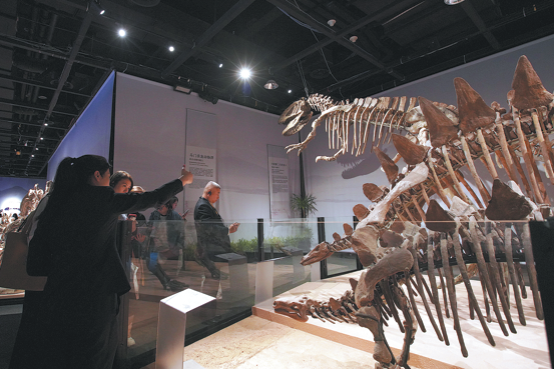
Down to the bones of the matter
The dream of resurrecting dinosaurs, once confined to the realms of science fiction, may become a reality within the next 100 to 200 years, thanks to advancements in artificial intelligence (AI) and genetic technologies. This groundbreaking perspective was shared by leading paleontologists at the international symposium ‘China’s Dinosaurs: From Research to Science Education,’ held in Shanghai from October 28 to 31. The event gathered over 20 top international experts to discuss the future of paleontology and China’s growing influence in the field. While the idea of dinosaur revival sparked lively debate, the symposium also highlighted China’s pivotal role in global dinosaur research, driven by its rich fossil discoveries and innovative public science initiatives. The ongoing ‘China Dinosaur World’ exhibition in Shanghai, featuring 118 representative dinosaur specimens from 12 national institutions, has drawn international acclaim. Experts like Xu Xing, a prominent Chinese paleontologist, emphasized that while current technology cannot resurrect dinosaurs using DNA, new methods involving bone proteins and AI offer promising avenues. British paleontologist Emily Rayfield highlighted AI’s transformative potential in understanding dinosaur biology. However, ethical considerations remain a significant hurdle. The symposium also underscored China’s contributions to paleontology, with nearly one-third of known dinosaur species discovered in the country. The event concluded with a focus on bridging scientific research with public education, as exemplified by the Shanghai exhibition, which has attracted nearly 400,000 visitors and garnered international interest for a global tour.