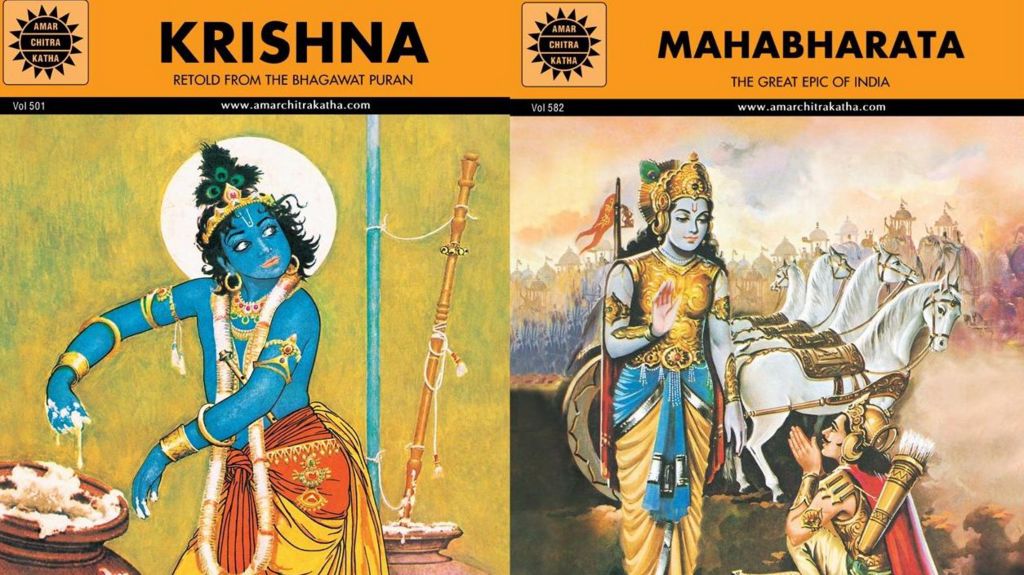
For generations of Indians, Amar Chitra Katha has been a cherished portal into the realms of religion, mythology, and history through its iconic comic books. Launched in 1967 by Anant Pai, the series, whose name translates to ‘immortal illustrated stories,’ has captivated readers with its engaging visuals and accessible language. However, a tragic fire on October 1 at its Bhiwandi warehouse near Mumbai has left a significant portion of this legacy in ashes. The blaze, reportedly caused by a short circuit, took four days to control and destroyed nearly 600,000 books, including special editions, merchandise, and over 200 original hand-drawn illustrations from the 1960s and 1970s. Archival materials, such as original positives on transparent film, were also lost. While most published titles have been digitized and remain accessible through apps, the irreplaceable original artworks are gone forever. The emotional toll on comic book enthusiasts is profound, as Amar Chitra Katha has long been a cornerstone of Indian cultural education. The 1970 issue on the Hindu deity Krishna, illustrated by Ram Waeerkar, marked a turning point for the series, paving the way for stories on Indian mythological and historical figures. Despite the loss, the publication remains resilient, with plans to innovate digitally and rebuild its legacy. Yet, for art lovers, the absence of these originals is a heartbreaking reminder of what has been lost.
标签: Asia
亚洲
-
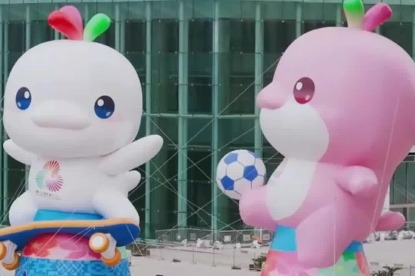
National Games vibe is everywhere in Guangzhou
The vibrant city of Guangzhou is abuzz with anticipation as the 15th National Games of China draw near. The event, set to commence soon, has transformed the city into a hub of sports enthusiasm and cultural celebration. Streets are adorned with banners and decorations, while local communities are actively participating in pre-event activities, showcasing their support and excitement. The National Games, a prestigious multi-sport event, brings together athletes from across the nation to compete in various disciplines, fostering a spirit of unity and sportsmanship. Guangzhou, known for its rich history and modern infrastructure, is well-prepared to host this grand event, promising an unforgettable experience for participants and spectators alike. The city’s fervor for the Games is palpable, with residents eagerly awaiting the opening ceremony and the thrilling competitions that will follow.
-

Forum unites global experts to enhance city image communication
The International Communication (Wuxi) Forum convened in Wuxi, Jiangsu province, on November 8, 2025, attracting more than 150 distinguished guests from across the world. The forum focused on innovative approaches to enhance city image communication on a global scale. Centered around the theme ‘AI Powering a World of Smart Connectivity,’ the event explored how cities can leverage advanced storytelling techniques and digital technologies to amplify their international presence. Wuxi showcased its ambitious communication initiatives for 2025 and 2026, including the establishment of the Wuxi International Communication Alliance, the launch of the IP WUXI Platform, a city documentary project, and a campaign to promote Chinese folk music. These efforts aim to position Wuxi as a leading city in global communication and cultural exchange.
-
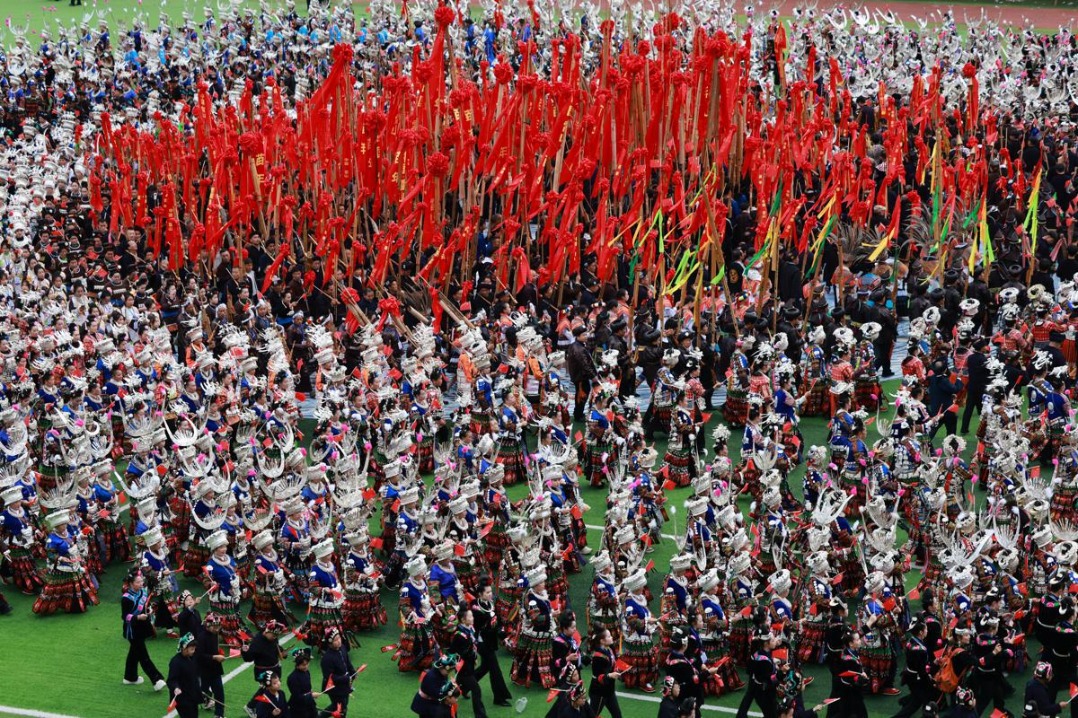
Miao New Year celebrations get underway in Guizhou’s Leishan county
The Miao New Year, a cherished cultural event, commenced with grandeur in Leishan County, Guizhou Province, on Wednesday. This annual festival, deeply rooted in the traditions of the Miao ethnic group, marks the culmination of the agricultural cycle and serves as a time to honor ancestors and express gratitude to nature. For the Miao community in Leishan, the New Year arrives in the 10th month of the Chinese lunar calendar, symbolizing the completion of the year’s harvest when grain is brought into homes.
This year’s celebrations are set to span over a month, promising a rich tapestry of cultural activities. The festivities began with a spectacular opening ceremony and a vibrant parade, which attracted over 10,000 participants and spectators from across the nation. The event not only showcases the unique heritage of the Miao people but also fosters a sense of unity and cultural pride among attendees.
The Miao New Year is more than just a festival; it is a testament to the enduring traditions and spiritual beliefs of the Miao community. Through these celebrations, the Miao people reaffirm their connection to their ancestors, nature, and the cyclical rhythms of life. The event also serves as a platform for cultural exchange, drawing visitors who are eager to experience the rich traditions and hospitality of the Miao people.
-
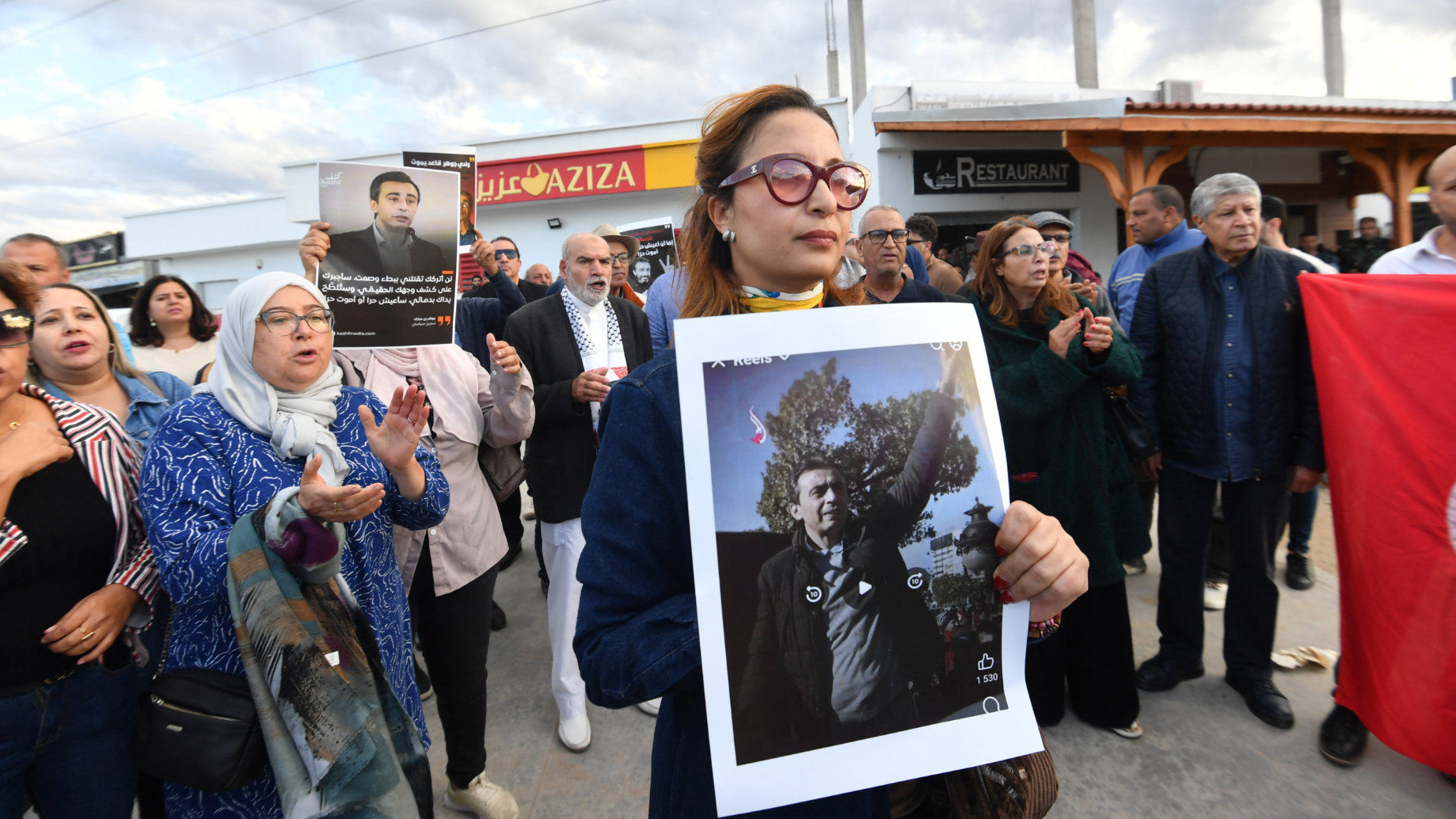
Tunisian opposition leader Rached Ghannouchi begins hunger strike
Prominent Tunisian opposition figure Rached Ghannouchi, aged 84, has initiated a hunger strike in protest against what he and his supporters describe as his ‘unjust imprisonment,’ according to statements from his legal team on Saturday. Ghannouchi, the leader of the Ennahda party and a vocal critic of President Kais Saied, joins two other detained politicians—Jawhar Ben Mbarek and Issam Chebbi—who have also resorted to hunger strikes to demand their release. The trio’s actions underscore a broader crackdown on dissent in Tunisia, with much of the opposition now incarcerated and accusations that Saied is using the judiciary to consolidate his power, transforming the nation into what critics call an ‘open-air prison.’
Ghannouchi’s hunger strike is not only a show of solidarity with Ben Mbarek, who was sentenced to 18 years in April on charges of ‘conspiracy against state security’ and ‘belonging to a terrorist group,’ but also a stand to ‘defend freedoms in the country.’ Ghannouchi himself has been detained since 2023, facing a cumulative 37-year sentence across multiple cases, including allegations of unlawful foreign funding and plotting against the state. He has refused to participate in court proceedings, asserting that judges are acting under Saied’s directives.
Concerns over the health of the hunger strikers have escalated, with lawyers, family members, and human rights organizations warning that Ben Mbarek’s condition has deteriorated significantly. Despite these concerns, the Tunisian Prisons Authority maintains that the prisoners’ health is ‘normal and stable,’ based on medical evaluations, though it has provided no further details. Earlier this year, several opposition leaders, including Ben Mbarek and Chebbi, were handed prison sentences ranging from five to 66 years on similar charges. Human rights groups argue that these cases are politically motivated, designed to silence critics of the government.
The situation has drawn international attention, with rights organizations condemning the alleged misuse of the judiciary to suppress dissent. As the hunger strikes continue, the plight of Tunisia’s opposition figures highlights the deepening political crisis in the country and the growing tensions between the government and its critics.
-
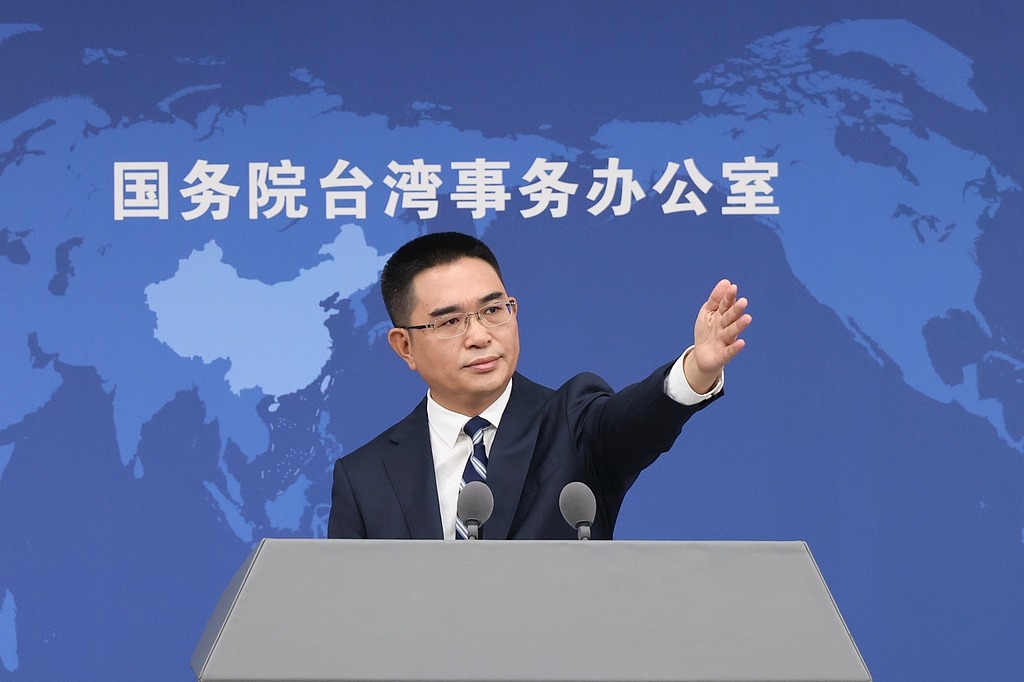
Mainland spokesman reiterates stand on Taiwan
On the 10th anniversary of the historic 2015 meeting between Chinese President Xi Jinping and former Taiwanese leader Ma Ying-jeou, a mainland spokesperson reiterated the importance of the 1992 Consensus and opposition to ‘Taiwan independence’ in maintaining peace across the Taiwan Strait. Chen Binhua, spokesman for the State Council Taiwan Affairs Office, emphasized that the 1992 Consensus remains the political cornerstone for peaceful cross-Strait relations. He highlighted the 2015 meeting as a pivotal moment in fostering institutionalized exchanges and stability between the two sides. Ma Ying-jeou, in a social media post, echoed this sentiment, urging current Taiwanese leader Lai Ching-te to return to the shared political foundation to avoid escalating tensions. Chen warned that any deviation from the one-China principle and pursuit of ‘Taiwan independence’ would lead to confrontation and hinder dialogue. He stressed that reunification is an inevitable historical trend, while ‘Taiwan independence’ is a dead end. The mainland expressed willingness to strengthen communication with Taiwan’s political parties and groups to enhance cross-Strait relations and improve the well-being of compatriots on both sides.
-
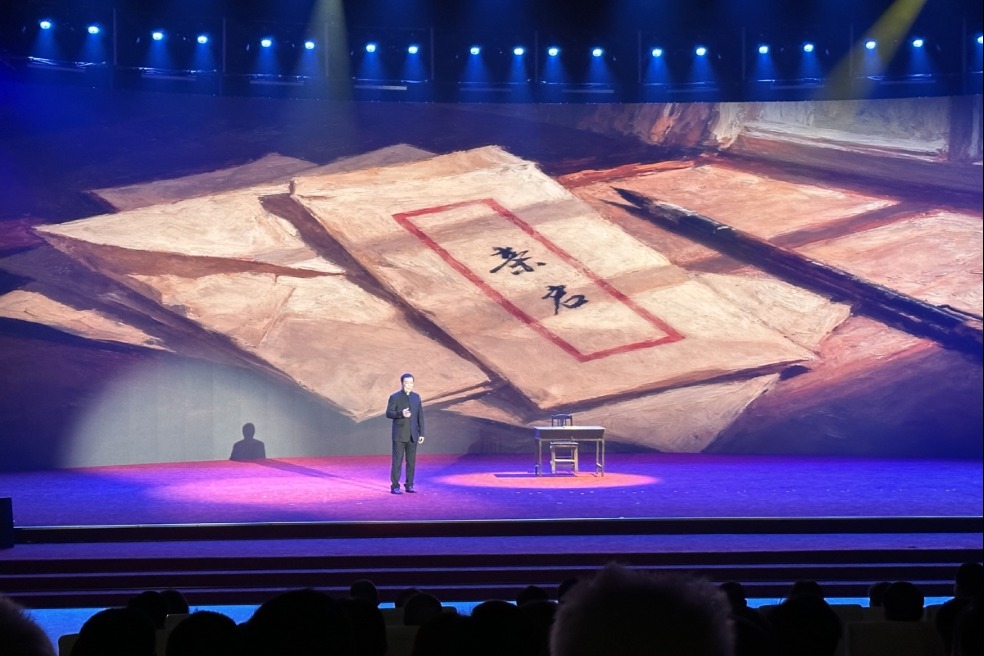
Fujian county’s rural development becomes a big draw for Taiwan investors
Sanming, a city in Fujian province renowned for its verdant landscapes and impressive 78 percent forest coverage, has become a focal point for cross-Strait collaboration in rural development. This has drawn significant attention from Taiwanese investors, who are increasingly investing in the region. From Thursday to Sunday, Sanming hosted a major cross-Strait rural development forum, attracting over 400 participants from Taiwan. This event, part of the annual Strait Forum, underscored Sanming’s dedication to strengthening economic and cultural ties between mainland China and Taiwan. In recent years, Sanming has made substantial strides in integrating Taiwanese expertise with local resources. The city has welcomed 106 new Taiwan-invested enterprises, with total investments amounting to 801 million yuan ($112 million). Additionally, 12 bases for Fujian-Taiwan agricultural integration have been established. Furthermore, 30 Taiwan countryside development teams and more than 80 professionals in architecture and cultural creativity have been involved in 72 rural projects in Sanming. In Jianning county, Taiwan entrepreneur Lin Hsiu-ying established an oil tea camellia cooperative, leveraging Taiwanese techniques and employing local workers. This initiative has boosted the income of 112 local households by over 4,000 yuan per person. Lin expressed that the mainland’s supportive policies have significantly enhanced his confidence and motivation to expand his business ventures in Sanming.
-
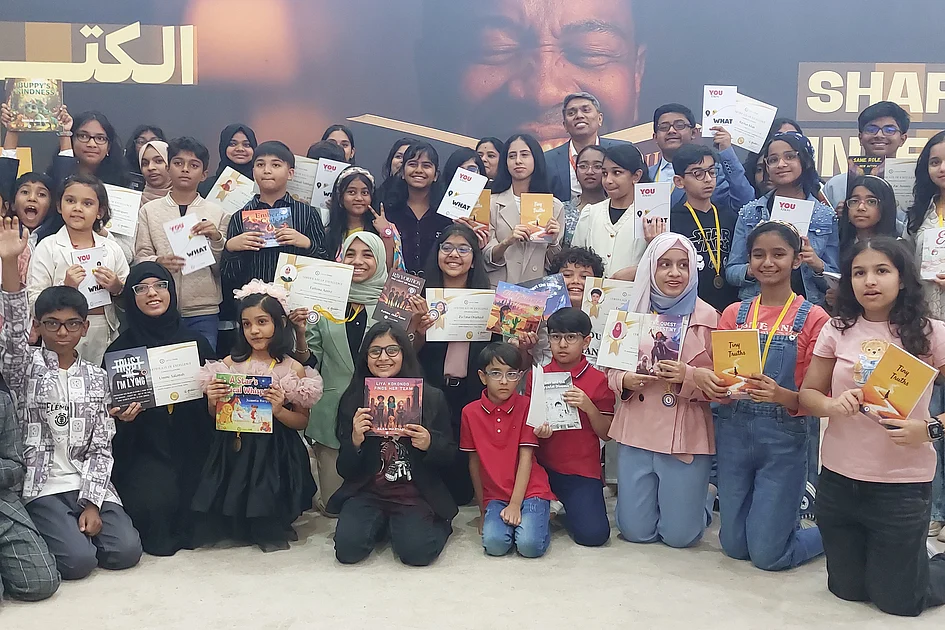
UAE: Kids as young as 7 launch books at Sharjah International Book Fair 2025
The Sharjah International Book Fair (SIBF) 2025 witnessed a remarkable event as over 300 children aged seven to 18 launched their books, showcasing a diverse range of literary works. From anthologies and adventure tales to science-fiction novels, these young authors transformed their dreams and personal reflections into published works. The launch ceremony, organized by Learners Circle, an edtech platform, brought together students from two schools and independent authors, highlighting the success of virtual writing workshops initiated during the pandemic.
Among the standout authors was Shaun Zechariah Anthony, a Year 10 student at St Mary’s Private High School in Ras Al Khaimah, who won the Writathon 4.0 writing competition. His book, which explores the journey of a shy boy embracing his true self, resonated with many. Shaun’s passion for storytelling earned him a PlayStation 5 as a prize, though he aspires to become a scientist in the future.
The event also featured Fatima Shakur, who launched her adventure-themed poem, expressing her disbelief at becoming a published poet. The launch included group projects like ‘Poetronica,’ a poetry collection by 208 young writers, and ‘Dreams Between Pages,’ an anthology by 33 students of New Indian Model School. Additionally, 70 children released individual titles across various genres.
Shankar, founder and CEO of Learners Circle, shared that the initiative began as a home project during the Covid-19 lockdown to keep children creatively engaged. The book launch at SIBF was not just about publishing manuscripts but celebrating the boundless creativity of young minds. “Every child has a story to tell. We simply give them the platform and guidance to tell it,” Shankar remarked.
-
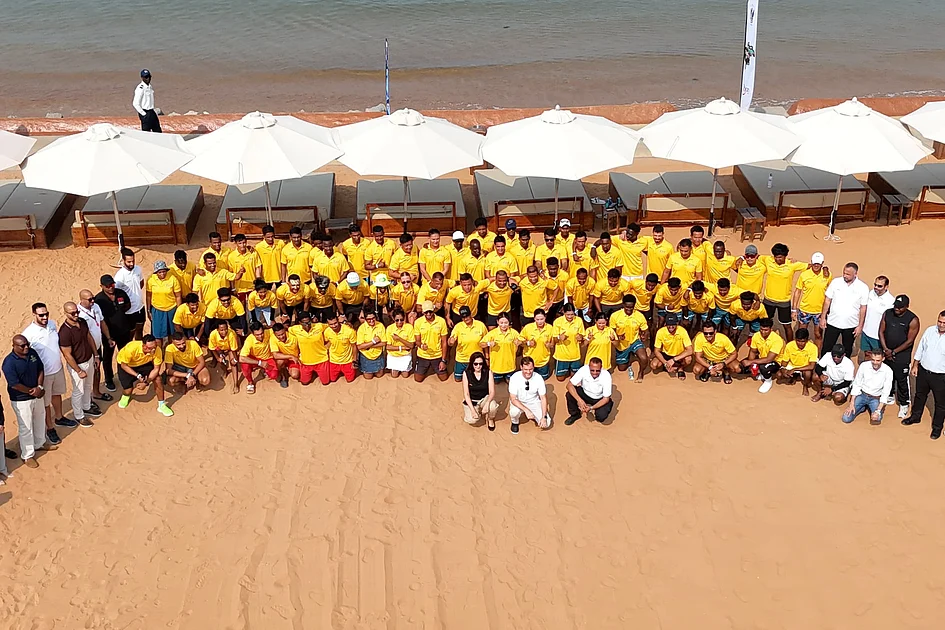
Language barriers, unrelated duties: What are the challenges UAE lifeguards face?
Lifeguards in the UAE are facing significant challenges, including language barriers and unrelated duties, which experts say could compromise their ability to ensure safety at aquatic facilities. Professionals and safety authorities across the country are emphasizing the need for continuous training, vigilance, and clear communication to address these issues. Charne Schnetler, Client Service Director at Ellis & Associates, highlighted the importance of lifeguards remaining focused on swimmer surveillance rather than being distracted by tasks like taking orders or setting up pool furniture. ‘A lifeguard who doesn’t see someone in distress can’t rescue them,’ Schnetler said. Emma Jane Forrest, Business Development Director at the same organization, added that regulations now reinforce the connection between training and readiness, mandating at least four hours of in-service training per month. ‘Consistent, ongoing training is what determines whether a lifeguard can react effectively when it counts,’ Forrest noted. Ahmed El Sandoby, Senior Safety Officer at Dubai Municipality, explained that the emirate’s beaches operate under a comprehensive safety framework, including a colour-coded flag system, trained lifeguards, and clear signage. Despite these measures, communication remains a persistent challenge, particularly with non-Arabic-speaking tourists. Omar Al Sultan, Lifeguard Operations Manager at Khidmah, said that language barriers can delay quick responses during emergencies. To address this, Khidmah prioritizes recruiting multilingual lifeguards and conducts weekly drills and international certification programmes. Beyond Dubai, progress is being made in other emirates like Ras Al Khaimah, where initiatives like the Champs of the Beach Lifesaving Competition are promoting water safety and professional excellence among lifeguards.
-
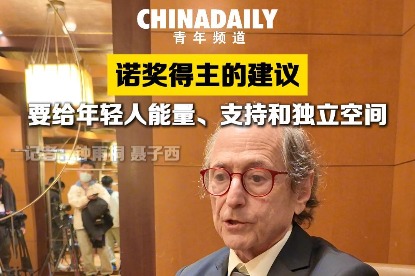
Nobel laureate in chemistry: Give young scientists more independence
The 2025 Beijing Forum commenced on November 7 at the Diaoyutai State Guesthouse, focusing on the theme ‘Civilizational Co-Existence in the Age of Digital Intelligence.’ During the event, Michael Levitt, the 2013 Nobel Laureate in Chemistry, emphasized the critical need to provide young scientists with enhanced support and independence. In an interview with China Daily Youth Channel, Levitt highlighted that fostering autonomy among emerging researchers is essential for driving innovation and addressing complex global challenges. He argued that young scientists often bring fresh perspectives and creativity, which can be stifled by excessive oversight. Levitt’s call for greater independence aligns with broader discussions at the forum about nurturing talent in the rapidly evolving digital and intelligent era. His insights underscore the importance of creating an environment where young researchers can thrive and contribute meaningfully to scientific advancements.