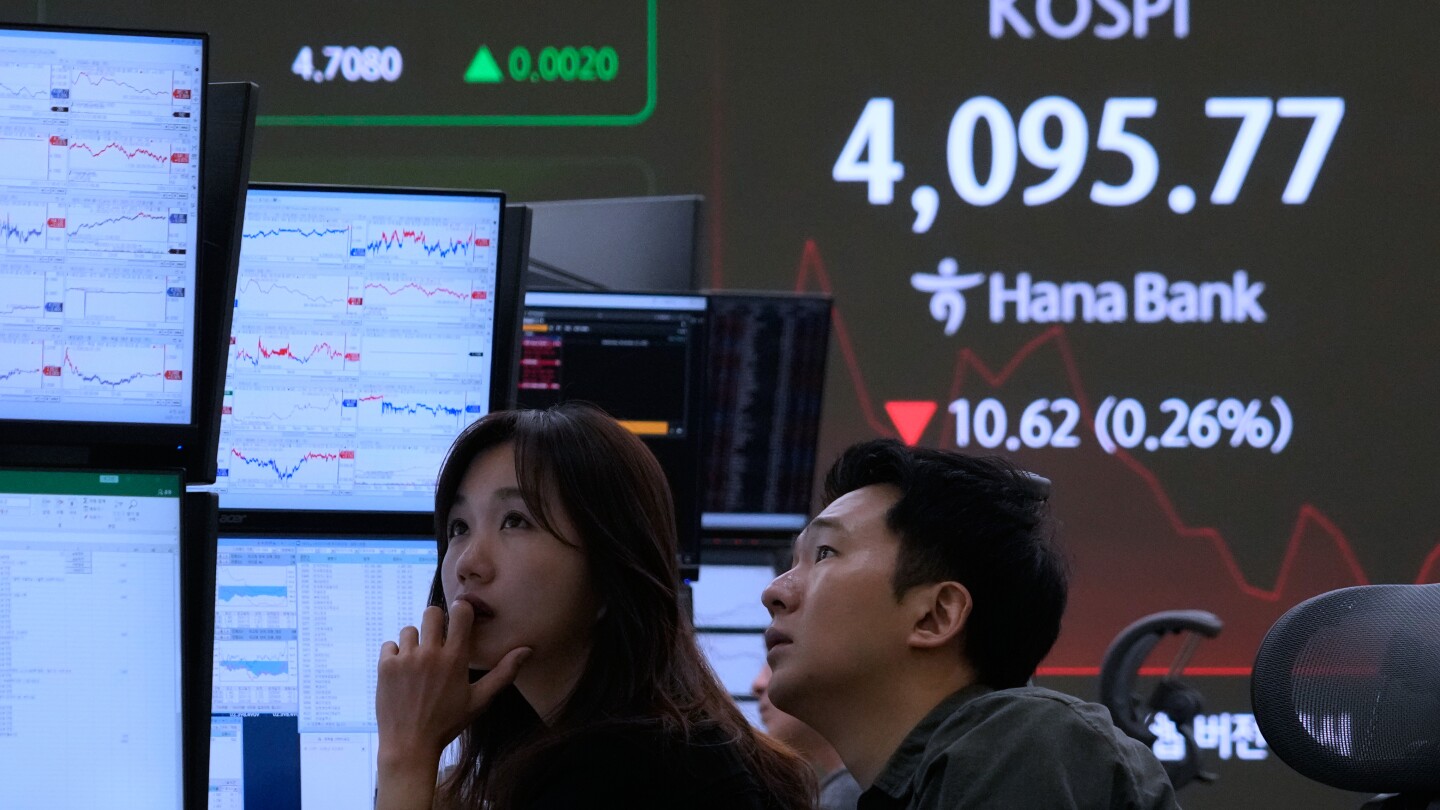
Global stock markets experienced a broad-based rally on Wednesday, with European and Asian indices climbing higher following a record-breaking performance by the Dow Jones Industrial Average. The resurgence in technology stocks, particularly those tied to artificial intelligence (AI), has fueled investor optimism after last week’s volatility. In Europe, France’s CAC 40 rose 0.5% to 8,193.98, while Germany’s DAX surged nearly 1.1% to 24,357.28. The UK’s FTSE 100 edged up 0.1% to 9,906.82. Futures for the S&P 500 and Dow Jones also indicated positive momentum, gaining 0.4% and 0.2%, respectively. In Asia, Japan’s Nikkei 225 advanced 0.4% to close at 51,063.31, despite SoftBank Group’s shares dropping 3.5% after the company disclosed the sale of its entire $5.83 billion stake in Nvidia, a leading AI chipmaker. Hong Kong’s Hang Seng rose 0.9%, while the Shanghai Composite remained nearly flat. The U.S. bond market was closed for Veterans Day, and concerns persist over the Federal Reserve’s ability to navigate economic challenges amid a government shutdown that has delayed critical economic data. Meanwhile, oil prices dipped slightly, with U.S. crude falling to $60.70 a barrel and Brent crude dropping to $64.85. The U.S. dollar strengthened against the Japanese yen but weakened slightly against the euro.
标签: Asia
亚洲
-

Xi congratulates Connolly on assuming Irish presidency
On Tuesday, Chinese President Xi Jinping sent a congratulatory message to Catherine Connolly, who officially assumed the presidency of Ireland. In his message, Xi highlighted the significant progress achieved in China-Ireland relations over the 46 years since diplomatic ties were established. He emphasized the mutual learning and friendly cooperation that have driven remarkable development between the two nations. Xi noted the close exchanges and fruitful results in practical cooperation in recent years, underscoring his commitment to strengthening bilateral ties. He expressed his willingness to work with President Connolly to enhance political trust, uphold traditional friendship, support multilateralism and free trade, and further develop the mutually beneficial strategic partnership for the benefit of both peoples. Connolly, 68, secured 63.36% of first preference votes in last month’s Irish presidential election and was sworn in as Ireland’s 10th president at Dublin Castle, beginning her seven-year term.
-
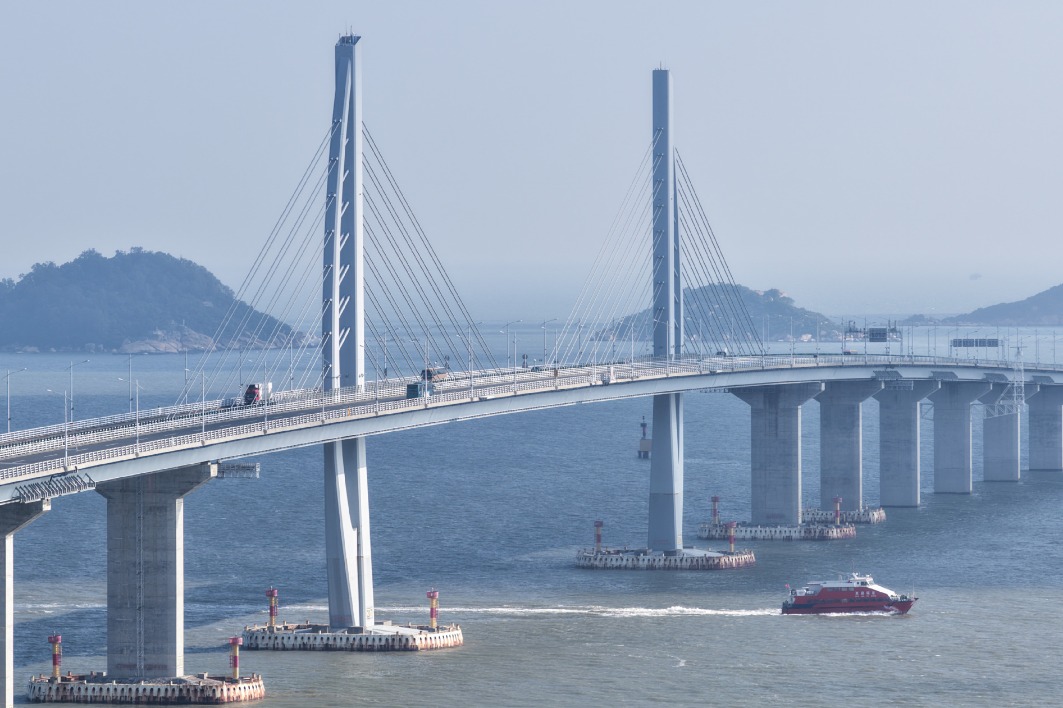
GBA goes from bold blueprint to living reality
The Guangdong-Hong Kong-Macao Greater Bay Area (GBA), a visionary national strategy conceived and championed by President Xi Jinping, has evolved from a bold blueprint into a thriving reality. This transformative initiative, which began to take shape in 2012, aims to create a world-class city cluster with enhanced global competitiveness. The GBA encompasses two Special Administrative Regions (SARs)—Hong Kong and Macao—and nine cities in Guangdong’s Pearl River Delta, including Shenzhen and Zhuhai. It is often compared to other major global bay areas such as San Francisco, Tokyo, and New York. The region, home to over 80 million people, contributes approximately one-ninth of China’s GDP, with its economic output reaching 14.79 trillion yuan ($2.09 trillion) last year. The development of the GBA has been marked by significant milestones, including the signing of the framework agreement in 2017 and the unveiling of the outline development plan in 2019. These efforts have fostered deeper regional integration, with coordinated policies in infrastructure, innovation, industrial support, and public services. The recent joint hosting of the 15th National Games by Guangdong, Hong Kong, and Macao exemplifies the growing synergy among the regions. This event not only highlights the progress of the GBA’s development but also serves as a model for future collaboration in areas such as food safety, tourism, education, and healthcare. The GBA’s success is a testament to the effective implementation of the ‘one country, two systems’ principle and its potential to drive Chinese modernization and global engagement.
-
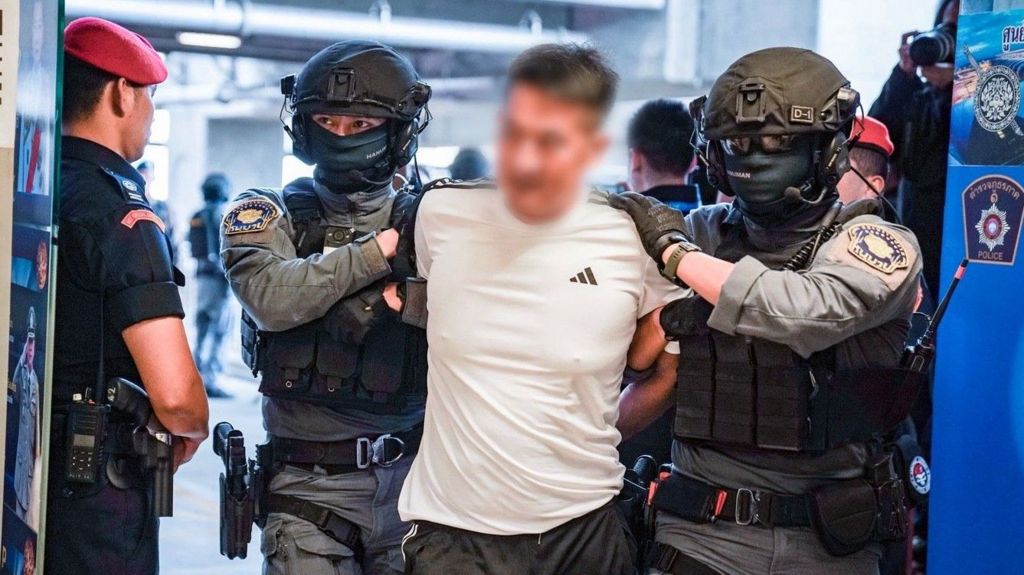
Thailand extradites owner of Myanmar scam city to China
She Zhijiang, a Chinese national accused of orchestrating a sprawling illegal gambling and cyberscam network across Southeast Asia, has been extradited to China, marking the end of a prolonged legal battle. Detained in Thailand since 2022 following an Interpol request from China, She was accused of running illicit online gambling operations. A Thai court recently upheld the extradition decision, and he was escorted to a Bangkok airport on Wednesday by security officials. His extradition coincides with a historic state visit by Thailand’s king to Beijing, signaling strengthened bilateral ties. She’s case highlights the growing crackdown on transnational crime networks in the region. She is one of the most prominent figures linked to cyberscam hubs in Southeast Asia, which have ensnared thousands of Chinese nationals. His most infamous project, Shwe Kokko City in Myanmar, near the Thai border, has been marketed as a luxury resort but is allegedly a hub for fraud, money laundering, and human trafficking. Despite She’s claims that his company, Yatai, does not condone scams, investigations reveal that Shwe Kokko remains a haven for illegal activities. Born in 1982 in a poor village in China’s Hunan province, She dropped out of school at 14 and later ventured into online gambling, which is illegal in China. He expanded his operations across Southeast Asia, acquiring Cambodian and Myanmar citizenship. The UN estimates that hundreds of thousands of people, many of them Chinese nationals, are trapped in scam centers in the region, lured by fake job offers and forced into fraudulent activities. China has intensified its efforts to dismantle these networks, recently sentencing several members of Chinese organized crime families to death.
-

Schools go hybrid as Delhi’s air quality worsens
Delhi, the Indian capital, is grappling with a severe air pollution crisis, prompting authorities to implement stringent measures to mitigate the health risks. Schools have been directed to adopt hybrid learning models for primary students, while non-essential construction activities have been suspended. On Tuesday, stricter anti-pollution protocols were enforced, including restrictions on the movement of goods carriers in the city and its suburbs. The air quality in Delhi has plummeted to ‘severe’ levels, posing significant health hazards to both healthy individuals and those with pre-existing conditions. On Wednesday, the PM2.5 concentration soared to 438, a staggering 30 times higher than the World Health Organization’s (WHO) safe limit of 15 and eight times above India’s national average. Doctors have issued urgent advisories, urging residents, particularly children and the elderly, to avoid outdoor activities unless absolutely necessary and to wear protective masks when venturing outside. The recurring issue of toxic air quality in Delhi and northern India during winter is attributed to a combination of factors, including low wind speeds, industrial emissions, vehicle exhaust, dropping temperatures, and the seasonal burning of crop stubble in neighboring states. The Delhi government has activated Stage 3 of the Graded Response Action Plan (GRAP), which includes bans on mining, stone crushing, and the movement of vehicles carrying dust-generating materials. The worsening air quality has sparked public protests and political disputes, with opposition leader Saurabh Bhardwaj accusing the government of manipulating air quality data and failing to declare a public health emergency. The ruling Bharatiya Janata Party (BJP) has denied these allegations, asserting its commitment to pollution control. Delhi Environment Minister Manjinder Singh Sirsa emphasized that air quality data is publicly accessible and clarified that water sprinkling near monitors aims to reduce dust, not manipulate readings.
-
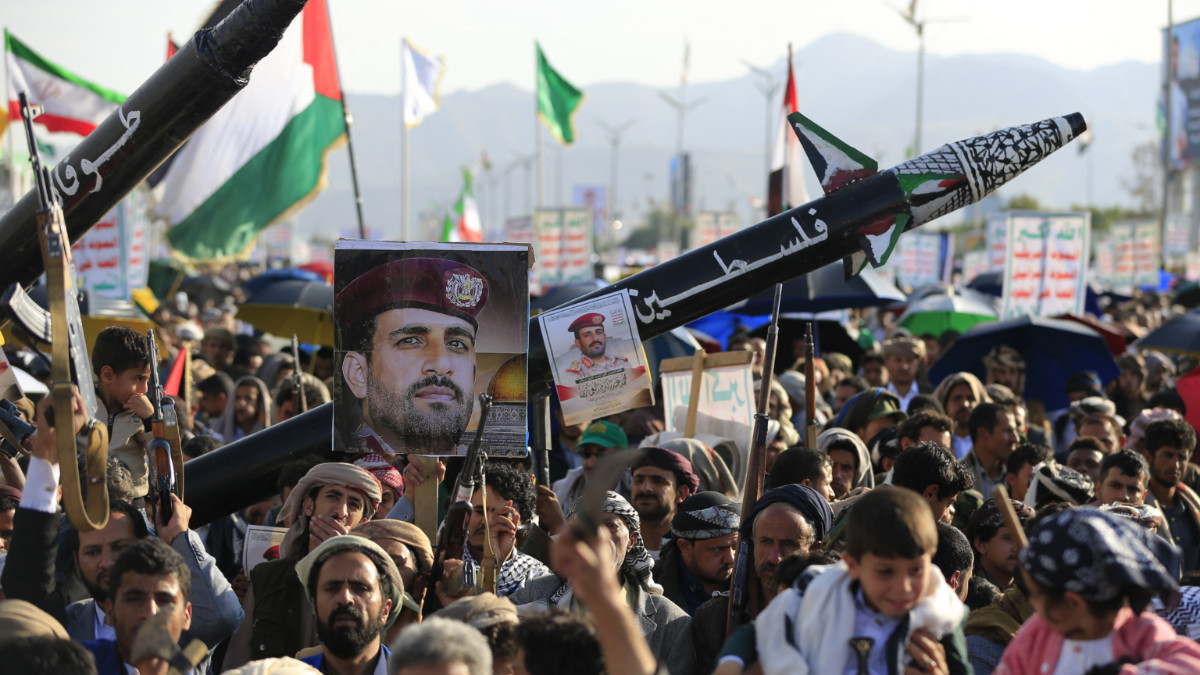
Houthis signal end of attacks on Israel and vessels in Red Sea after Gaza ceasefire
In a significant development, Yemen’s Houthi movement has indicated a potential halt to its attacks on Israel and vessels in the Red Sea, contingent on a sustained ceasefire in Gaza. This stance was articulated in a letter posted on X (formerly Twitter) by the group, marking a potential shift in their two-year-long conflict strategy. The letter, addressed to Hamas by Major General Yusuf Hassan al-Madani, the Houthi military’s chief of staff, praised Hamas for its resilience and claimed victory over ‘the strongest empires of money, faith, and technology.’ The undated letter, shared on Sunday, also expressed gratitude for Hamas’s condolences following the death of the Houthis’ military chief of staff, Major General Mohammed Abdul Karim al-Ghamari, who was reportedly killed in an Israeli airstrike. While the exact timing of the attack remains unclear, Israeli officials suggested it occurred in August. The letter emphasized that the Houthis would resume military operations against Israel and reinstate the ban on Israeli navigation in the Red and Arabian Seas if hostilities in Gaza resumed. The Houthis began targeting Israel after its invasion of Gaza in response to the Hamas-led October 7, 2023, attacks. By late 2023, the group expanded its attacks to include vessels in the Red Sea, initially focusing on Israeli ships but later broadening their scope to include US and Western-linked vessels. Experts noted that the Houthis used ship-tracking data to avoid targeting Gulf-linked ships and those associated with Russia and China. Russia reportedly saw an opportunity to support the Houthis, deploying advisors and considering the provision of advanced anti-ship cruise missiles. Iran, a key backer of the Houthis, has provided arms and training, aligning the group with the so-called ‘axis of resistance’ alongside Lebanon’s Hezbollah and Iraqi militias. The Houthis briefly ceased maritime attacks during a short-lived Gaza truce in January but resumed missile strikes on Israel after the ceasefire collapsed in March. US President Donald Trump launched a bombing campaign against the Houthis, which ended on May 6 following Saudi Arabia’s lobbying efforts. Saudi Arabia, currently in a fragile truce with the Houthis, is negotiating a political settlement, including discussions on paying salaries for government employees in Houthi-controlled territories. The Houthis shared the letter on X just days before Saudi Crown Prince Mohammed bin Salman’s scheduled visit to Washington, signaling a broader commitment to de-escalation. While the group has adhered to its ceasefire with the US, it continued attacks on Israel until the Gaza ceasefire was signed in October. Maritime attacks in the Red Sea intensified in the summer following Israeli strikes on Iran, with the Houthis sinking two vessels with tertiary links to Israel. The Eternity C, one of the targeted ships, lost its war risk coverage from its US-based insurer, Travelers, before its ill-fated passage.
-

Australia’s top court rejects Russia’s challenge to embassy eviction
In a landmark ruling, Australia’s High Court has dismissed Russia’s legal challenge against the eviction from a Canberra site intended for its new embassy, citing national security concerns. The court’s seven judges unanimously affirmed the Australian government’s authority to terminate the lease but mandated compensation to Russia. The decision, announced on Wednesday, also requires Australia to cover half of Russia’s legal costs. Attorney-General Michelle Rowland praised the ruling, emphasizing the government’s commitment to national security and values. She stated that the administration would carefully evaluate the next steps, including compensation payments. The Russian Embassy has yet to comment on the verdict. The dispute traces back to 2008 when Australia granted Russia a lease for the site, located just 300 meters from Parliament House. However, in 2023, Prime Minister Anthony Albanese cited security risks as the basis for emergency legislation canceling the lease. Russia had accused Australia of ‘Russophobic hysteria’ and argued the eviction was unconstitutional, claiming no proven national security threat. Despite Russia’s claims, the court upheld the government’s decision, though it acknowledged the need for financial redress. The undeveloped site, apart from a small consular building, remains a focal point of diplomatic tension between the two nations.
-
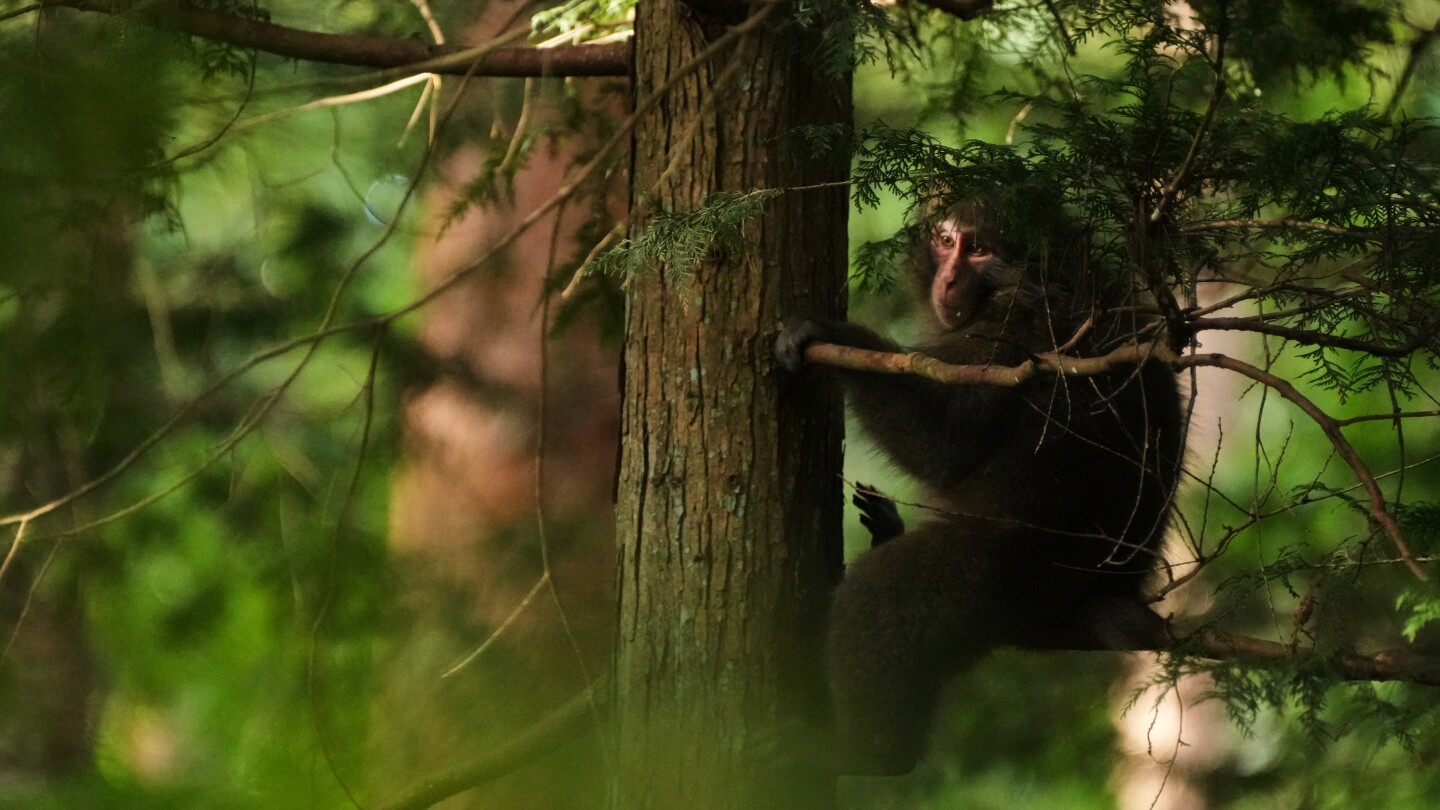
In Japan’s Northern Alps, residents battle monkeys to protect homes and farms
In the serene foothills of Japan’s Northern Alps, an unusual battle unfolds between humans and monkeys. Armed with bright orange vests, bells, whistles, and walking sticks, a dedicated group known as the Monkey Chasing Squad patrols the region. Their mission: to herd Japanese macaques back into the mountains and away from farms and homes. Using GPS trackers, they monitor the monkeys’ movements and coordinate efforts to keep the animals at bay. While these primates are a major tourist attraction at Jigokudani Monkey Park, where they famously soak in hot springs, they are increasingly seen as pests by locals. The monkeys raid homes, steal food, and destroy crops, causing significant frustration. In 2022, Japan’s Agriculture Ministry reported crop damage from wild animals, including monkeys, totaling 15.6 billion yen ($100 million). The Monkey Chasing Squad, led by Masaya Miyake, has made progress in reducing the time macaques spend in villages, but challenges remain. Efforts to cull the monkeys have sparked debate, with ecologists warning that such measures could worsen the problem by disrupting troop dynamics. As human-monkey conflicts escalate, innovative solutions like electric fences and trained dogs are being explored. However, the squad’s work highlights the delicate balance between preserving wildlife and protecting livelihoods in Azumino.
-
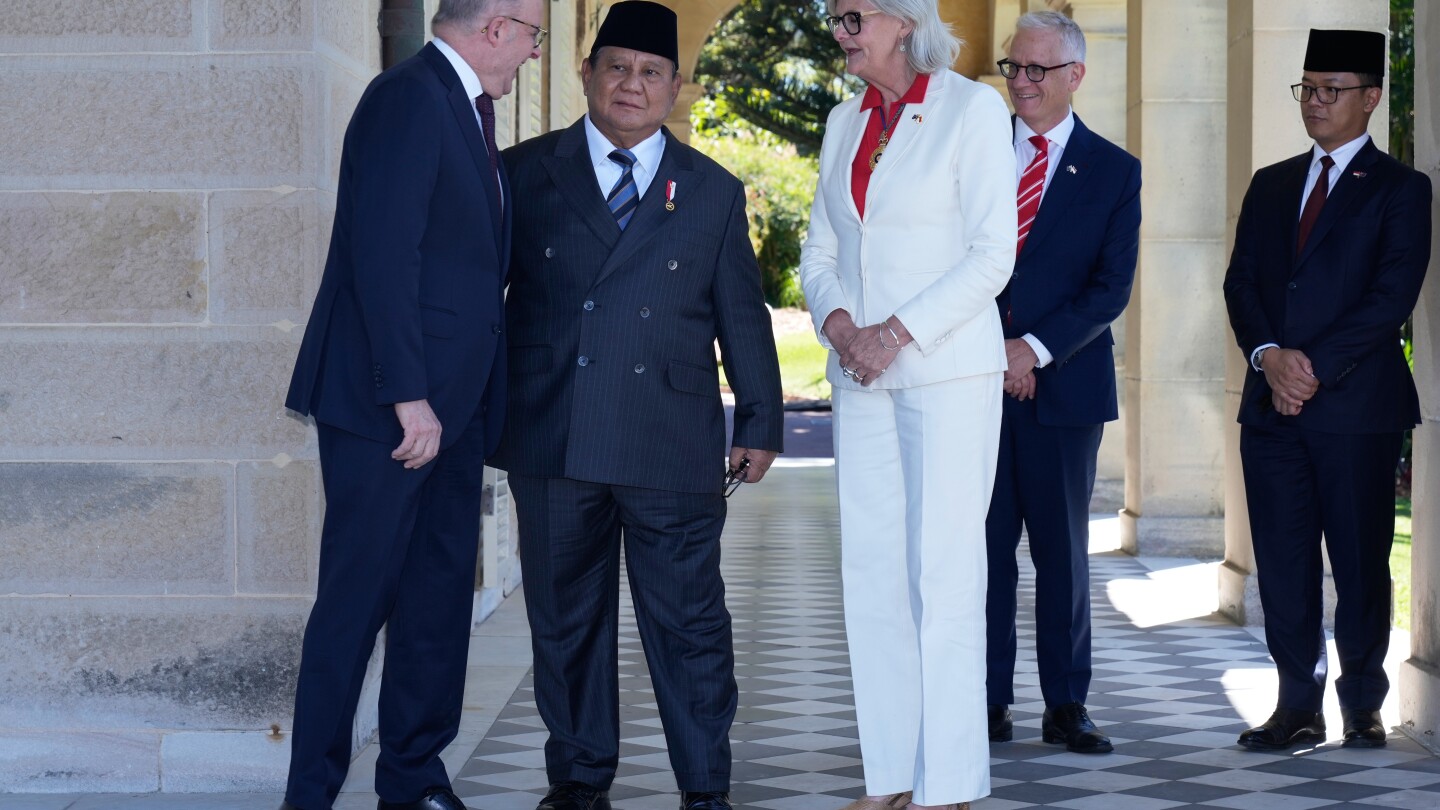
Indonesia and Australia are close to signing a new defense treaty
MELBOURNE, Australia (AP) — In a significant diplomatic development, Indonesian President Prabowo Subianto and Australian Prime Minister Anthony Albanese revealed on Wednesday that the two nations are on the verge of finalizing a groundbreaking bilateral defense treaty. The announcement was made during President Prabowo’s inaugural state visit to Australia, marking a pivotal moment in the strategic partnership between the two neighboring countries. Prime Minister Albanese expressed optimism that the treaty would be formally signed during his scheduled visit to Indonesia in January. The agreement, which has been substantively concluded after extensive negotiations, aims to strengthen security cooperation between Australia and Indonesia. It establishes a framework for regular high-level consultations on security matters, joint identification of mutually beneficial security initiatives, and a commitment to deliberate on individual or collective measures in response to potential threats to either nation’s security. President Prabowo emphasized the cultural significance of neighborly support in Indonesian tradition, stating, “Good neighbors will help each other in times of difficulties.” The treaty underscores the shared commitment of both nations to fostering regional stability and addressing security challenges collaboratively.
-
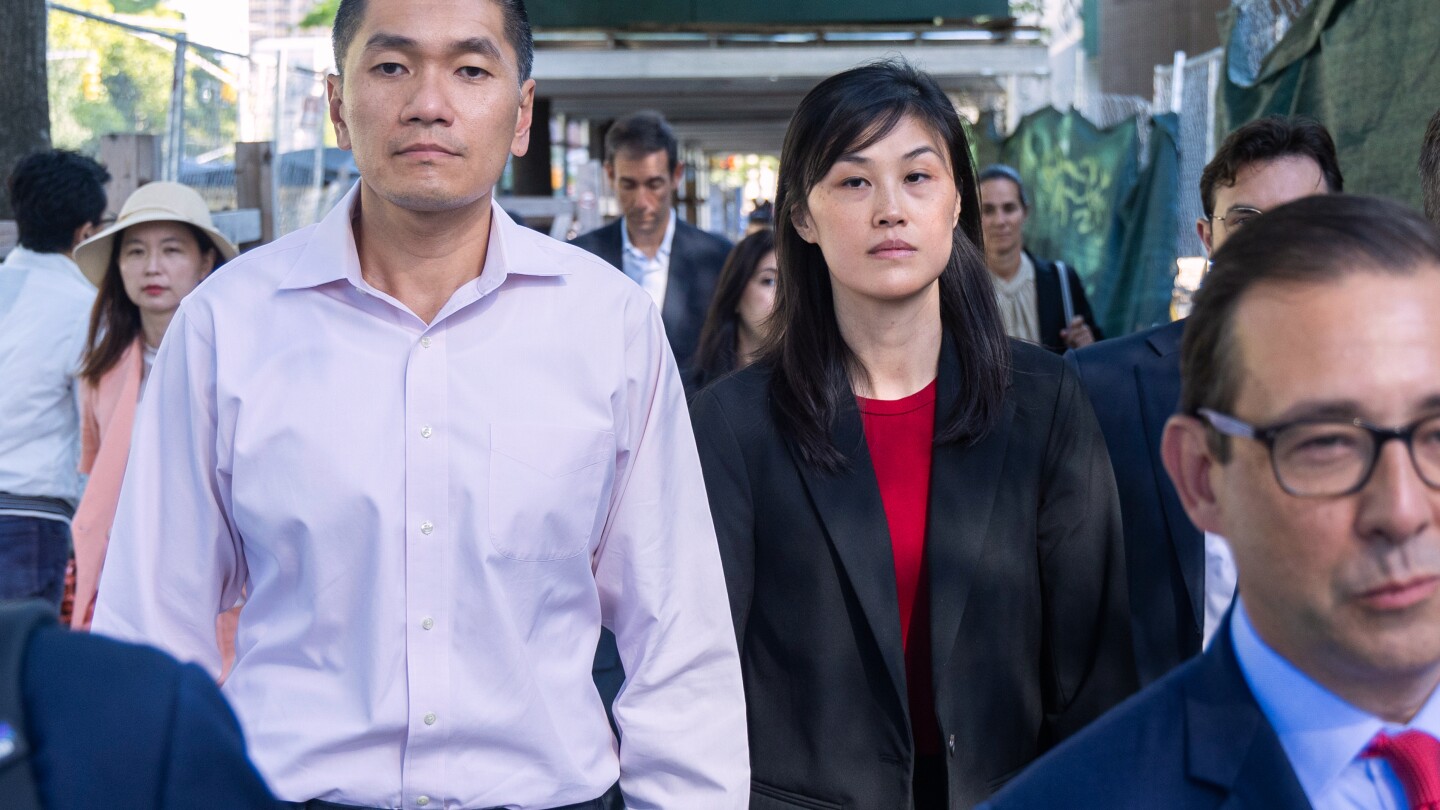
Ex-NY governors’ aide set for trial on charges she sold influence to China, got kickbacks for masks
A former aide to two New York governors, Linda Sun, is set to stand trial on Wednesday, accused of selling her influence to the Chinese government and illegally profiting from the state’s bulk purchase of face masks during the COVID-19 pandemic. Sun, a naturalized U.S. citizen born in China, served in various state government roles over a 15-year career, including as deputy chief of staff to Governor Kathy Hochul and deputy diversity officer under former Governor Andrew Cuomo. Sun and her husband, Chris Hu, were arrested last year during a U.S. crackdown on alleged secret agents working for the Chinese government. They were charged again in June as part of the government’s efforts to root out pandemic fraud. Sun has pleaded not guilty to charges of violating the Foreign Agents Registration Act, conspiring with her husband to commit money laundering, and aiding visa fraud. Hu has also pleaded not guilty to charges including money laundering, tax evasion, conspiracy to commit bank fraud, and misuse of identification. Neither has been charged with espionage. Federal prosecutors allege that Sun acted at the request of Chinese officials to block Taiwanese government representatives from accessing the governor’s office and shaped New York governmental messaging to align with Chinese priorities. In return, Hu received assistance for his business activities in China, which prosecutors claim allowed the couple to purchase multimillion-dollar properties and luxury cars. Sun is also accused of reaping millions in kickbacks by exploiting her role on a Cuomo administration team that procured personal protective equipment during the pandemic. Sun’s lawyer, Jarrod L. Schaeffer, contends that the government charged Sun because she and her family “had too much money” and that the case is filled with “glaring inconsistencies.” Opening statements are set for Wednesday morning in Brooklyn federal court, with the trial expected to last several weeks.